
11 Dog Breeds That Are Incredibly Sensitive to Your Emotions (Your Furry Empaths)
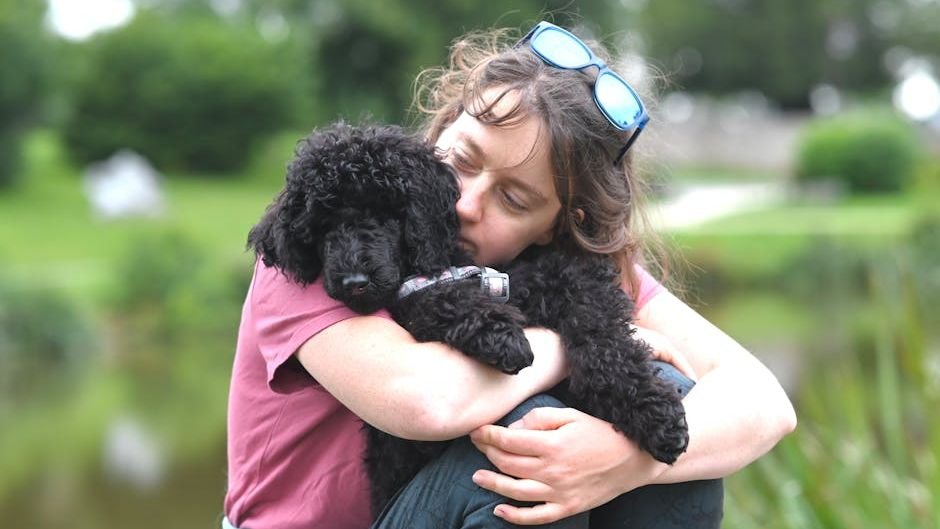
Picture this: you’ve had the worst day imaginable. You come home, collapse on the couch, and before you’ve even said a word, your dog is already there, pressing their warm body against yours, looking at you with those impossibly knowing eyes. No judgment. No advice. Just presence. Pure, unwavering presence.
It’s not magic. It’s not coincidence. Dogs have been empirically shown to be particularly sensitive to human emotions, discriminating and showing differential responses to emotional cues expressed through body postures, facial expressions, vocalizations, and even odors. In fact, numerous studies have found that dogs use three main senses, including sight, smell, and hearing, to determine human emotions. Dogs can recognize six basic emotions including anger, fear, happiness, sadness, surprise, and disgust, processing these in similar ways as humans.
Here’s the thing though: not all dogs are wired equally in this department. Some breeds are practically walking therapy sessions. So, if you’ve ever wondered which dogs carry the deepest emotional intelligence, or if you simply want to understand your own pup better, let’s dive right in.
1. Golden Retriever: The Sunshine in Fur Form

Honestly, is anyone surprised that Golden Retrievers made this list? Golden Retrievers are the ultimate feel-good companions. With their calm and loving nature, they can make a bad day better just by being there, which is why they’re a favorite choice for therapy work. Think of them as emotional barometers wrapped in a golden coat.
What makes Goldens special is their emotional intelligence. They pick up on body language and voice changes even when emotions stay hidden. If you’re sad, they’ll lean in close with gentle warmth, and if you need a laugh, they bring playful energy to lift the mood. Hospitals and therapy centers often use Golden Retrievers as therapy dogs, and this breed accounts for thousands of certified comfort-canine teams thanks to their emotional sensitivity.
They are unique for their empathetic natures, which is why they are often chosen as therapy and emotional support dogs. Their need to be involved in everything means that they struggle when left out or ignored for a long time. Keep that in mind: a Golden left alone too long isn’t a happy Golden.
2. Labrador Retriever: Your Loyal Emotional Anchor

Labrador Retrievers are often called nature’s empath because they sense human moods and respond with tenderness. These dogs are friendly, outgoing, and deeply people-oriented, making them ideal companions in everyday life. They’re the kind of dog that turns your worst Tuesday into something genuinely bearable.
They’ll nudge your hand when you’re sad, bring a toy to break the tension, or curl up close like living reassurance. Their ability to read body language and respond with affection makes them emotional anchors in many households. Life with a Labrador feels like living with a furry therapist who always listens without judgment.
They are sensitive to mood changes and will react calmly to stress or tension, staying close to their owner’s side. Their quiet, empathetic nature makes them ideal for individuals who prefer subtle support. No drama, no fuss. Just steady, unshakeable love.
3. Border Collie: The Emotional Detective
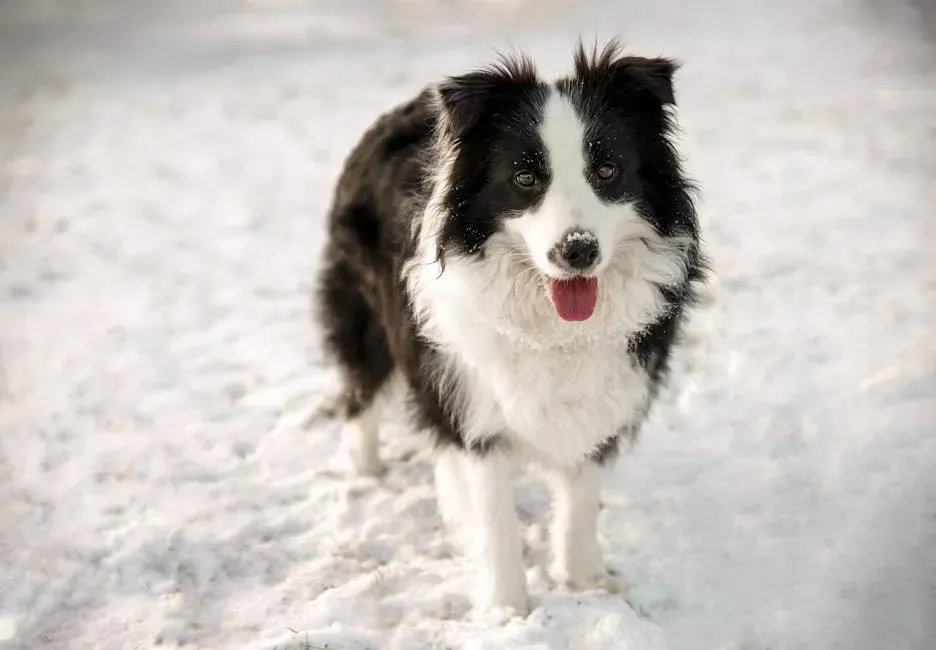
Let’s be real, Border Collies are in a class of their own. Border Collies don’t just follow commands, they anticipate them, sometimes before you’ve even spoken. These intelligent dogs are wired for work, and that sharp mind means they also pick up on emotions like radar. That’s not an exaggeration. It’s almost unsettling how perceptive they are.
Because they score high in social cognition tests, Border Collies excel at reading human gestures and cues more than many other dogs. These dogs can read their owner’s cues with stunning accuracy, often responding to unspoken emotions before you’ve even processed them yourself. They thrive on emotional connection and will often stick close during moments of stress or sadness.
The flip side? Leave them alone too long and you might find chewed-up furniture. They don’t handle long periods of isolation well. Border Collies respond best to patient, calm guidance that feeds their need for mental stimulation, and these emotional dogs love routine, becoming anxious in chaotic environments.
4. Cavalier King Charles Spaniel: The Gentle Soul on Your Lap

Cavalier King Charles Spaniels are the lapdogs of emotional support. According to PetMD, the Cavalier King Charles Spaniel was designed to be a loyal companion, and to this day, they prefer being near you, or right in your lap. I think this breed might be the most underrated empath on this entire list.
What makes the Cavaliers special is how deeply they connect with people. These emotional dogs read faces like poetry and respond to emotional distress with quiet closeness. When you’re low, they curl up against you like a tiny emotional healer. Their energy is almost meditative.
Their loving nature means they do not enjoy being left alone for long periods and can suffer from separation anxiety. To keep them happy, they require close attention, interactive play, and walks. Give them your heart, and they’ll give you theirs twice over.
5. Poodle: Brains, Curls, and a Heart That Understands
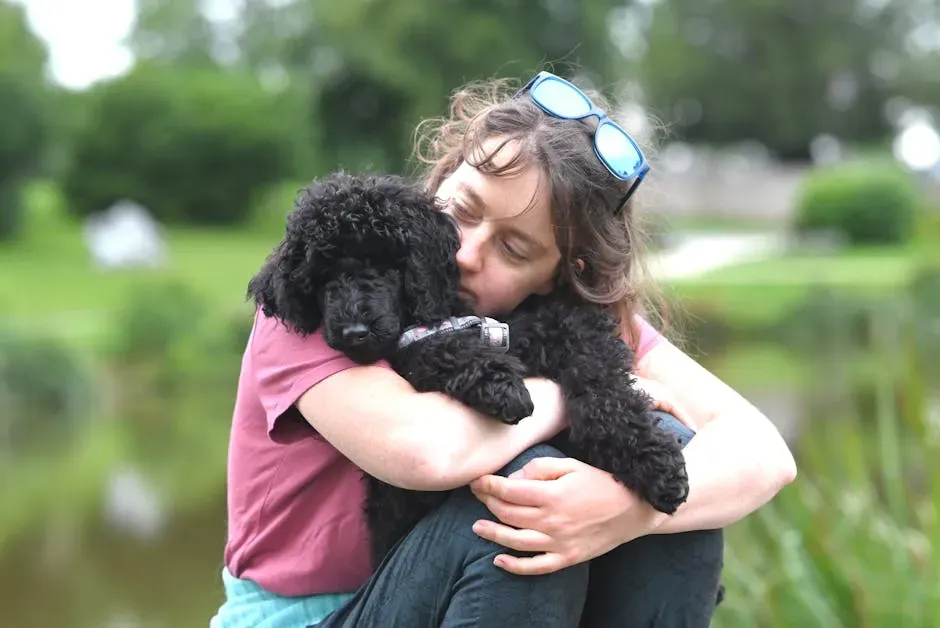
Poodles often get reduced to their signature haircut, which is honestly a disservice. Poodles are known for their exceptional intelligence, which pairs with a deep emotional sensitivity. They pick up on body language, tone of voice, and small mood shifts, and then respond with comfort or enthusiasm. They’re reading your emotional weather forecast in real time.
A Poodle might gently lean into you when you’re stressed or jump into play when you’re upbeat. They form strong bonds with their humans, and many owners say their dog feels like a family member more than a pet. With their human companionship at the heart of their nature, Poodles shine in homes where they are included in life’s ups and downs.
High intelligence plays a direct role in Poodles’ emotional perception. They detect stress through changes in breathing rhythm and movement speed. Poodles often alternate between calm proximity and playful distraction based on emotional context. It’s almost like having a best friend who minored in psychology.
6. German Shepherd: The Quiet Protector of Your Heart
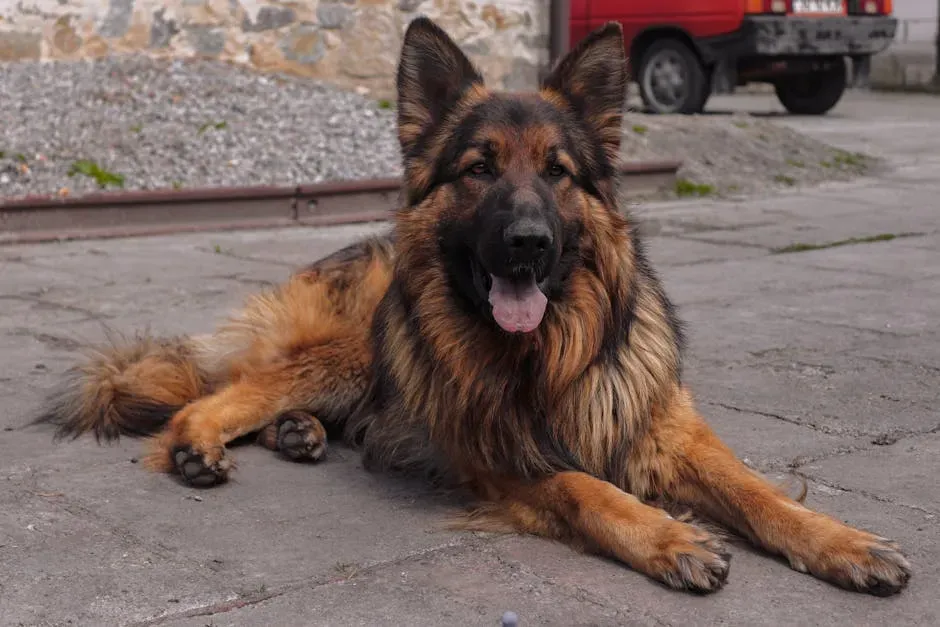
People tend to see German Shepherds as tough, imposing working dogs. That’s only part of the story. German Shepherds are renowned for their loyalty, courage, and intelligence, but their empathy is often overlooked. These dogs have a strong sense of duty and are highly responsive to their owners’ emotions.
The German Shepherd is loyal and protective, and its emotional intelligence is rooted in its history as the guardian of sheep and of humans. They are particularly good at reading fear and tension. If you’re anxious or feeling down, expect your Shepherd to position themselves quietly near you, alert yet calm, their very presence a form of silent reassurance.
A German Shepherd can sense when you’re in distress and will stand by your side, providing protection and comfort. Their noble demeanor and unwavering loyalty make them excellent service dogs, often assisting individuals with disabilities or emotional challenges. They won’t try to fix your problems. They’ll just make sure you don’t face them alone.
7. Australian Shepherd: The Extroverted Empath
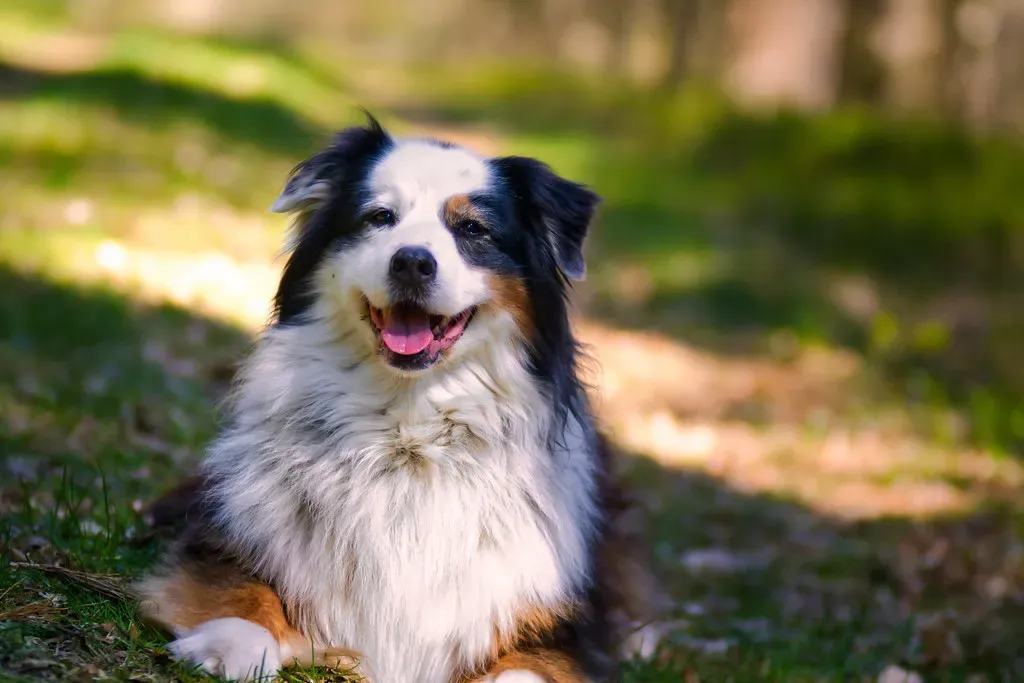
Think of the Aussie as the extroverted empath of the dog world. Always alert, always involved, and always ready to read the room or your mood. These emotional dogs don’t just want to be near you, they want to do life with you. That’s not clinginess, that’s devotion at its finest.
Bred for herding, Aussies excel at reading human emotions, body language, and even predicting routines. It’s no surprise this sensitive breed can grow anxious if left with too little to do. They need mental stimulation like most dogs need food.
Australian Shepherds are so close to their people and so emotionally connected that they’re often called “velcro dogs,” because they’ll stick with their owner through the house, errands, and even subtle mood swings. Regular exercise and tasks like agility or puzzle games keep their minds balanced and their emotions in check. Aussies thrive on structure and strong bonds with their owners.
8. Vizsla: The Velcro Dog With a PhD in Your Feelings

The Vizsla is one of those breeds that genuinely surprises people. Often referred to as “velcro dogs” for their tendency to stick close to their owners, Vizslas are deeply sensitive and emotionally connected to their humans. They are known for their loyalty and desire to please, often sensing their owner’s moods and responding with affection or playful energy to lift spirits.
This breed thrives on being included in the family circle, craving both activity and intimate companionship. Their emotional radar is keen, they’ll notice when you’re upset or joyful and often position themselves to offer quiet comfort or join your fun without being asked.
Vizslas can become anxious if left alone for long periods, as they thrive on being close to their families. Their sensitive and affectionate nature makes them ideal companions for active, loving homes. If you work from home and need a devoted companion by your side, the Vizsla might genuinely be your soulmate in dog form.
9. Collie: The Intuitive Guardian
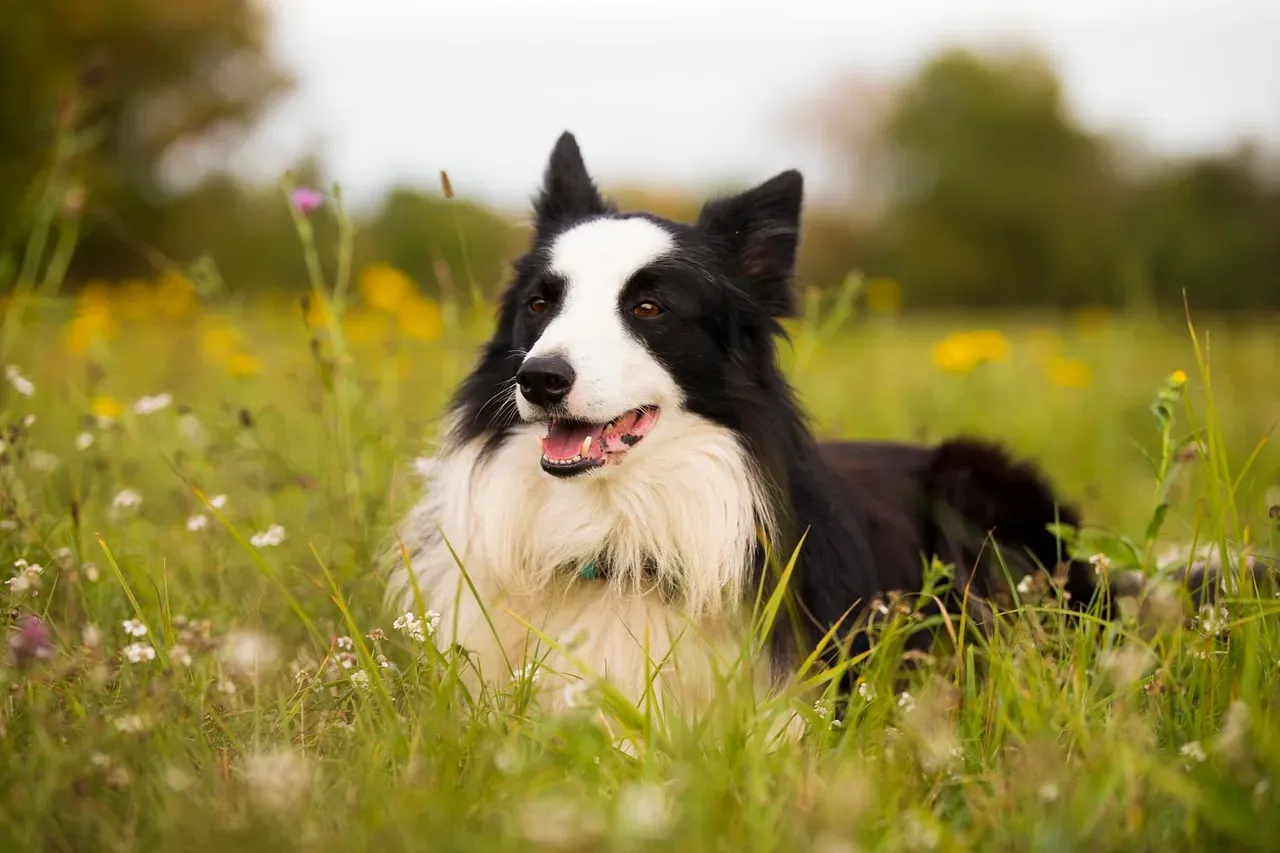
Lassie wasn’t just a TV character. That legendary portrayal was actually rooted in something very real. Collies, particularly well known through the fictional Lassie, are the epitome of a sensitive breed. They are highly intuitive and capable of detecting subtle changes in their environment or in the emotional state of their owners. This breed is known for its unwavering loyalty and protective instincts, often sensing danger or distress long before humans do.
The Collie is a highly sensitive dog that has almost a sixth sense when it comes to knowing what their pet parent needs. Although this breed is still capable of herding, its devotion and love for humans would be wasted out in the fields.
Collies are gentle and patient, making them excellent with children, especially those who are shy or have special needs. Their ability to connect on an emotional level with their families makes them beloved companions. They’re the kind of dog that holds the whole family together, quietly and without any fuss.
10. Boxer: The Goofy Clown With a Tender Core

Here’s a breed that constantly gets underestimated in the empathy department. Boxers are goofballs with a tender core. Beneath their bouncy energy lies a dog that feels deeply and forms strong emotional bonds with their family. They’re expressive in every sense, and you can usually read exactly how they feel. They’re just as tuned into how you feel, acting silly to make you laugh, sitting close when you’re sad, and always making sure you know you’re not alone.
They are particularly sensitive to frustration or sadness in their owners. If a Boxer senses that you are angry or stressed, they may attempt to “clown around” to lighten the mood, or conversely, lean against you to provide a sense of groundedness.
Boxers may look tough, but they are one of the most sensitive breeds, known for their deep devotion and emotional attunement to their families. They are especially gentle with children and often become protective over their younger family members. Boxers are keenly attuned to the feelings of their owners and will often try to comfort them with affectionate gestures.
11. Great Dane: The Gentle Giant Who Feels Everything
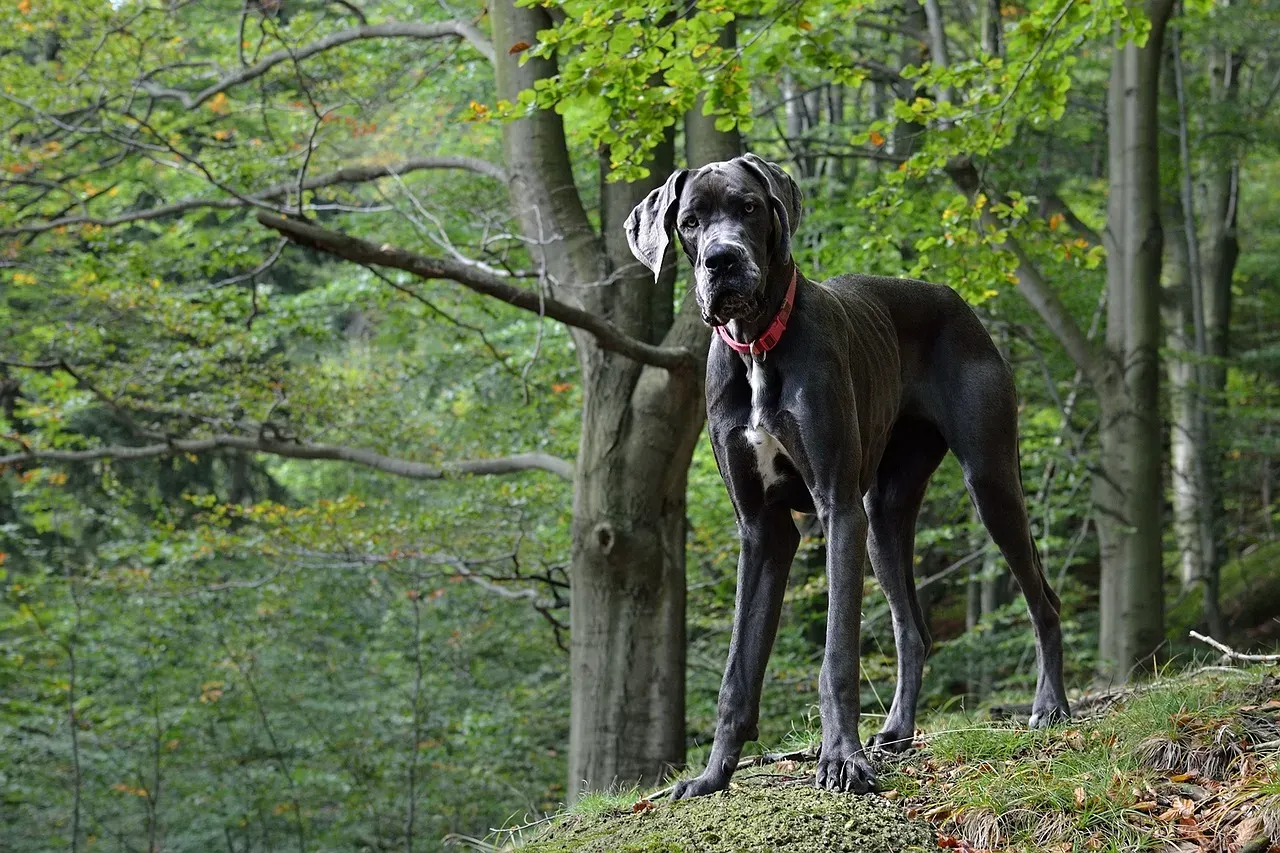
Who would have thought that one of the world’s largest dog breeds would also be one of the most emotionally sensitive? Despite their large size, Great Danes are known for being gentle giants with sensitive souls. These dogs are incredibly in tune with the emotions of their families, often offering comfort through their calm presence. Great Danes are affectionate and protective, making them excellent companions for those who need emotional support. Their sensitive nature, combined with their loyalty, makes them one of the most empathetic breeds, always looking to offer comfort when needed.
Great Danes are gentle giants with surprising emotional intelligence despite their intimidating size. They form incredibly strong bonds with their families and can often be found watching over their humans like sensitive, oversized babysitters. A Great Dane will quietly follow you from room to room, checking in with a concerned expression whenever you seem off.
Despite their large size, Great Danes express emotional sensitivity through slow movement and grounding contact. They detect anxiety through muscle tension and changes in breathing cadence. Think of them as living, breathing emotional anchors. Just ones that can rest their chin on your kitchen counter without trying.
The Science Behind This Emotional Connection
You might wonder whether all of this is just projection from devoted dog lovers. It’s not. Dogs can recognise emotions in humans by combining information from different senses, an ability that has never previously been observed outside of humans. Researchers have shown that dogs must form abstract mental representations of positive and negative emotional states, and are not simply displaying learned behaviours when responding to the expressions of people and other dogs.
Dogs don’t just observe your emotions, they can “catch” them too. Researchers call this emotional contagion, a basic form of empathy where one individual mirrors another’s emotional state. A 2019 study found that some dog-human pairs had synchronized cardiac patterns during stressful times, with their heartbeats mirroring each other.
The most remarkable discovery in canine-human bonding may be the chemical connection we share. When dogs and humans make gentle eye contact, both partners experience a surge of oxytocin, often dubbed the “love hormone.” In one study, owners who held long mutual gazes with their dogs had significantly higher oxytocin levels afterwards, and so did their dogs. Honestly, that just made me want to go hug my dog right now.
How to Support Your Emotionally Sensitive Dog

The sensitivity of these dogs also means they may struggle with separation anxiety if left alone for long periods, or become unsettled by loud noises and chaotic environments. Gentle care matters, as harsh treatment can easily shake their trust. Owning one of these breeds is truly a two-way emotional street.
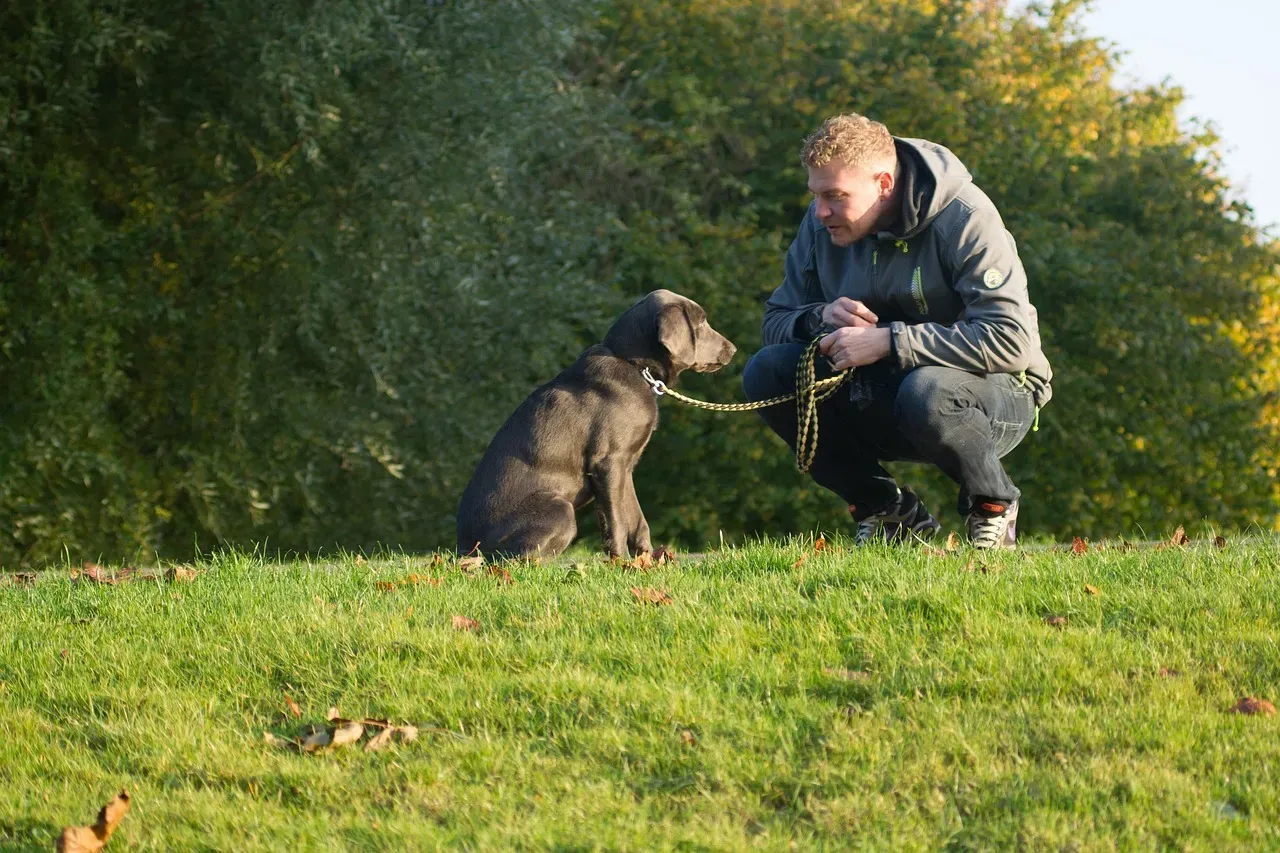
Positive training, heavy on the rewards, is a good thing for owner-dog relationships. Research suggests that the reverse is also true: approaching the training process while stressed could have a negative effect on how a dog feels and learns. Your energy matters more than you might realize.
The good news is that most of these dogs are easy to train and eager to please, making them wonderful partners when raised with patience and love. Their ability to mirror moods and provide stability makes them more than just pets, they’re true emotional anchors. Treat them with the same empathy they pour into you.
Conclusion: They Feel You, So Feel Them Back
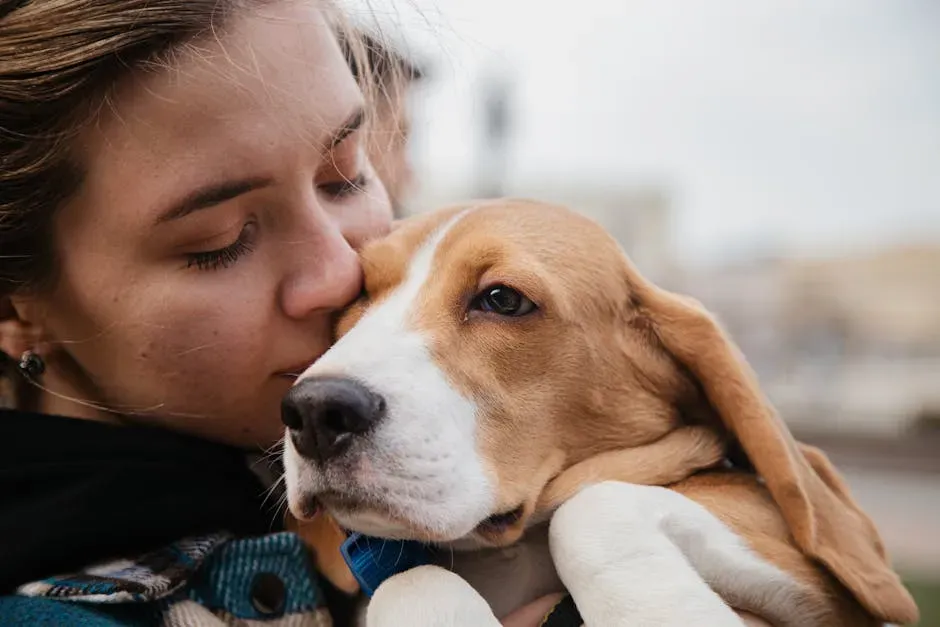
These 11 breeds remind us of something beautiful and profoundly simple. Your dog isn’t just waiting for dinner or their next walk. They are watching you, reading you, and caring about how you feel in ways that even some humans don’t manage. That’s extraordinary when you stop and think about it.
Owning an emotionally sensitive dog is a privilege, but it’s also a responsibility. They absorb your stress, mirror your sadness, and celebrate your joy. The very least we can do is return that awareness, notice when they seem anxious, give them the structure and closeness they crave, and never underestimate the weight of the emotional bond you share.
So the next time your dog leans into you during a hard moment, know that it’s not random. They’ve read the room, assessed the situation, and made a conscious choice to show up for you. Is there a human in your life who does that as reliably? What do you think? Share your experience with your empathic pup in the comments below!