
Pros and Cons of Spaying or Neutering Your Dog or Cat at an Early Age
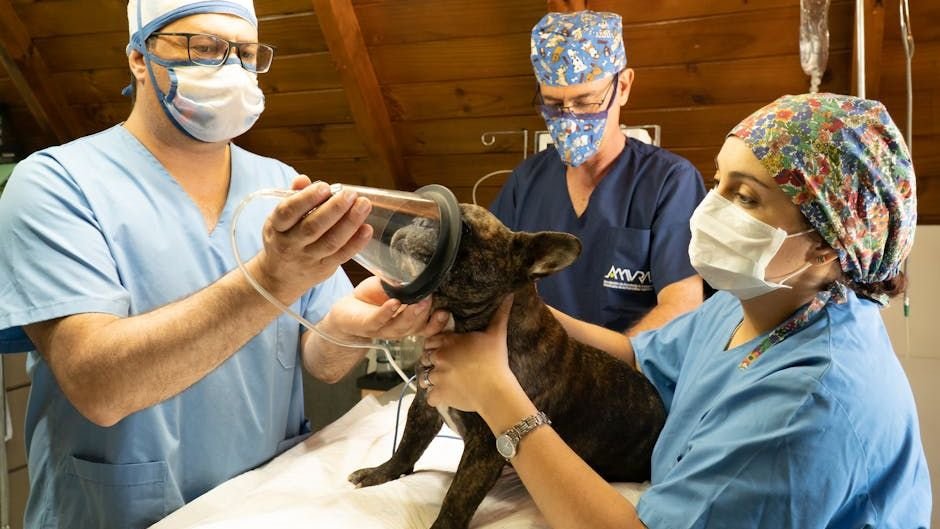
Few decisions in pet parenthood carry quite as much weight as the choice to spay or neuter your furry companion, and doing it early adds another layer of complexity altogether. It sounds simple on the surface. You book the appointment, you drop them off, and you bring home a sleepy, cone-headed little creature who makes you feel both proud and slightly guilty. But honestly, there is so much more happening beneath the surface of that one decision.
When it comes to being a new pet parent, the decision to spay or neuter your pet and when is one of the most important you can make. The timing matters far more than most people realize. The science has evolved, the guidelines have shifted, and what was once considered a straightforward “just do it early” recommendation is now a nuanced conversation. Buckle up, because what you are about to learn might genuinely surprise you. Let’s dive in.
What Early Spay and Neuter Actually Means

Most of us have a vague idea that “getting your pet fixed” involves a vet, some anesthesia, and a few days of cone-wearing drama. Spaying and neutering are methods of sterilization. Spaying is performed on female dogs and cats, where the ovaries and uterus are removed so she cannot reproduce. Neutering, also known as castration, is performed on males, where the testes are removed. Simple enough in concept.
Here’s the thing though: “early” is where the debate really begins. Pediatric neutering is defined as the ovariectomy or castration of a dog or cat during the first six to sixteen weeks of age. That is incredibly young. Think of it this way, it’s like performing major surgery on a toddler rather than a teenager, and the hormonal implications of doing so are still being actively studied.
The latest 2024 guidelines from the World Small Animal Veterinary Association provide more individualized advice on the timing of spaying and neutering pets. While the general recommendation is four to six months of age for small dogs and cats, the guidelines stress the importance of considering breed, size, and health for larger dogs, with optimal spay and neuter times typically falling between twelve to eighteen months. That tells you this is no longer a one-size-fits-all conversation.
The Powerful Benefits You Should Know About

Let’s be real, there are some genuinely compelling reasons to spay or neuter your pet, and the health benefits alone are worth taking seriously. Spaying female dogs and cats can prevent uterine infection and reduce the risk of breast cancer. Neutering males can eliminate their risk of testicular cancer and reduce their risk of developing enlarged prostate glands. That is not nothing. Those are life-threatening conditions we are talking about.
Intact females are at risk of pyometra, which is an infection of the uterus. Pyometra is life-threatening and requires emergency spay surgery. I have spoken to dog owners who have gone through this emergency, and it is every bit as terrifying as it sounds. Preventable terror, at that.
A 2013 study at the University of Georgia analyzing the records of over 70,000 patients found that the mean age of death of intact dogs was 7.9 years, compared to 9.4 years for sterilized dogs. Sterilization was associated with a 13.8% increased life expectancy in male dogs and 26.3% in female dogs. Those numbers deserve a moment of quiet contemplation.
The Real Risks of Going Under the Knife Too Early
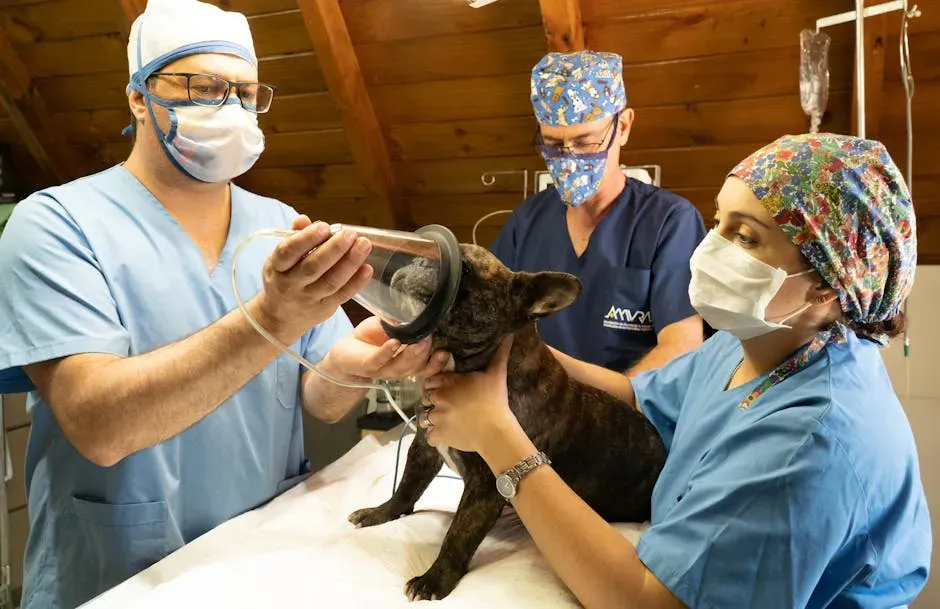
Here is where things get genuinely complicated, and where I think many well-meaning vets and pet owners have historically oversimplified things. Spaying or neutering a pet too soon can increase certain health risks, including joint problems like hip dysplasia and cancers like lymphoma and osteosarcoma. This is not fringe science. This is coming straight from the American Kennel Club.
Some retrospective studies have shown that very early sterilization may delay closure of growth plates in big bones, meaning the animal gets a little bigger or longer. In some breeds like German Shepherds and Golden Retrievers, this may lead to hip or joint issues. In other breeds, it seems to have no impact. So your dog’s breed really does matter here in a profound way.
Results indicate that dogs who underwent sterilization procedures in their early developmental stages exhibit significant declines in their robustness later in life, when compared to intact dogs or those with late sterilization. The younger a dog is when it is spayed or neutered, the more likely it is to develop negative health conditions later in life. That is a sobering finding that every dog lover should sit with for a moment.
How Behavior Changes After the Surgery

A lot of people spay and neuter early partly because of behavior. Totally understandable. Removing a female dog or cat’s ovaries eliminates their heat cycles and generally reduces mating-related behaviors that may frustrate owners. Removing a male dog or cat’s testicles reduces their breeding instinct, resulting in less roaming and fewer urine-marking behaviors. That last one is especially welcome if your male cat has decided your couch is his territory.
Males neutered before puberty, on average six to nine months of age, are less likely to develop mounting or urinary marking behaviors in the house. This is especially important in male cats. Escape attempts and roaming may also be reduced. For anyone who has chased a hormone-driven dog through the neighborhood at 10 PM, that benefit is real and relatable.
Still, the behavioral picture is not entirely rosy. A recent large survey reported that spayed or neutered dogs did not differ from intact dogs in terms of aggression directed toward familiar people or pets, and they actually showed higher levels of aggression toward strangers. Honestly, that surprised even me.
Breed Matters More Than You Think

This is probably the most underappreciated piece of the puzzle. Not all dogs respond to early spay and neuter the same way, and the differences between breeds can be staggering. Neutering increases the risk of having at least one orthopedic disease in several breeds. That risk increases five times in a Golden Retriever neutered before six months of age, and doubles if the dog is a Labrador Retriever. Five times. Let that sink in.
In small breed dogs such as the Chihuahua, Yorkshire Terrier, and Dachshund, neutering appeared to have no significant effect on the risk for the orthopedic diseases or cancers studied. So your tiny Chihuahua and your massive German Shepherd are not in the same category at all, even though they both wag their tails and steal your blanket.
A 2025 study in the Journal of the American Veterinary Medical Association found that Labrador Retrievers neutered before one year of age were more likely to suffer cruciate ligament rupture compared to those neutered later. Cruciate injuries are painful, expensive, and entirely life-altering for a dog. This is the kind of breed-specific research that is reshaping how vets counsel pet parents today.
Cats vs. Dogs: Why the Rules Are Different

Dogs and cats are not the same animal, and that sounds obvious, but when it comes to spay and neuter timing, the distinction is critical. The AVMA, American Association of Feline Practitioners, Association of Shelter Veterinarians, and several cat advocacy groups support spaying or neutering of cats by five months of age. For cats, the consensus is much more straightforward.
The WSAVA suggests that cats can be safely spayed or neutered as young as eight weeks of age, depending on their size and health. Early spaying and neutering in cats are effective in preventing unwanted litters and are associated with a decrease in some behavioral issues, such as spraying and aggression. This is particularly relevant for male cats, whose spray behavior is notoriously difficult to manage once established.
There appears to be little evidence that gonadectomy is detrimental to the health of male cats, whereas the behavior of most sexually intact male cats makes them undesirable as pets. Because castration substantially reduces these sexually dimorphic behaviors, male cats intended as pets should be castrated prior to puberty. Compared to the ongoing debate around dogs, the case for early neutering in male cats is genuinely much more clear-cut.
Conclusion: The Right Choice Is a Personal One

If you have made it this far, you already know there is no universal right answer here. The balance of long-term health risks and benefits of spay and neuter will vary from one dog to the next. Breed, age, and gender are variables that must be taken into consideration, along with non-medical factors, for each individual dog. That is the honest truth, even if it is not the tidy answer we all want.
Many owners prefer to neuter their animals at an early age because it is easier to perform the surgery and leads to less pain and faster healing compared to adults. However, in recent years, concerns have been raised due to health complications associated with early gonadectomy. Both sides of that sentence are true, and that is precisely what makes this decision so worth discussing carefully with your vet.
The best thing you can do for your dog or cat is to treat them as an individual. Ask your vet about breed-specific research. Think about your lifestyle, your dog’s size, and your long-term health goals for them. You are not just scheduling a procedure. You are making a choice that could shape years of your pet’s life. So what kind of life do you want that to be?