
What Is “I Love You” in Dog Language?
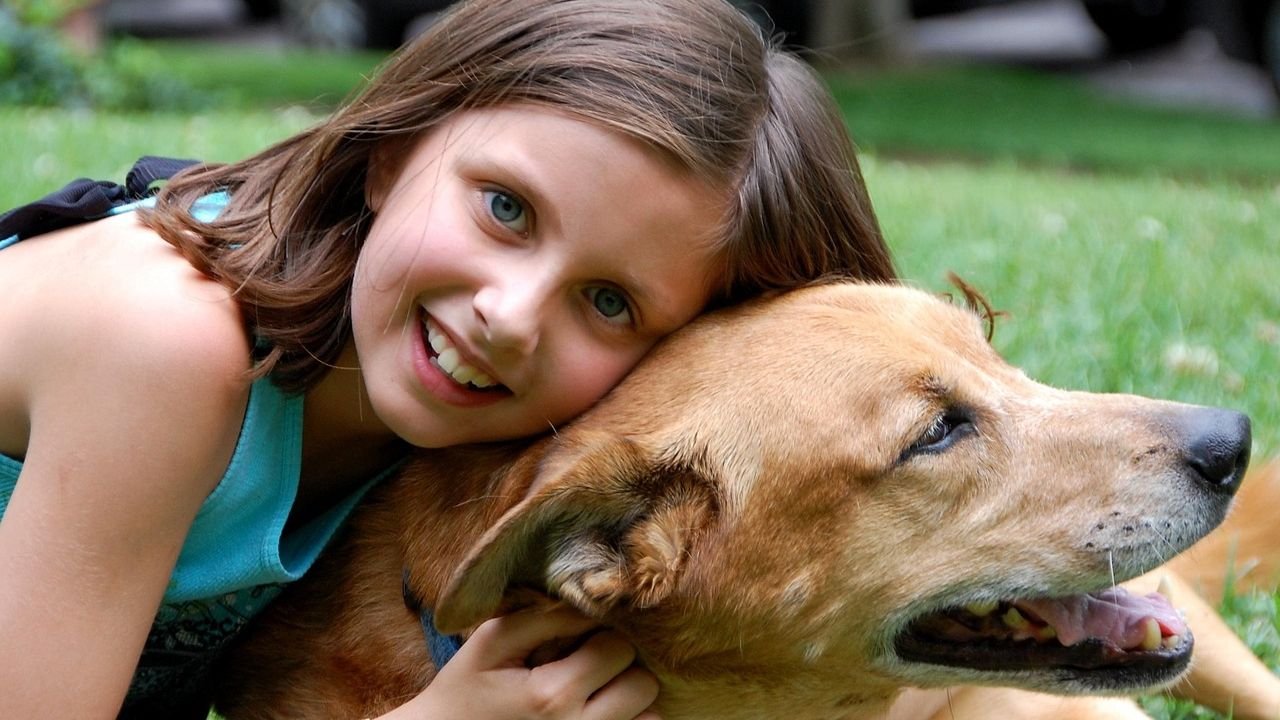
Your dog just stared at you with those soft, melting eyes. Then leaned their full body weight against your leg. Then dropped their favorite chew toy right at your feet like it was the greatest gift in the world. Honestly? They just said something profound. They said, “I love you.”
The thing is, most of us spend years saying “I love you” to our dogs in human ways, hugging them tight, covering them in kisses, posting their photos everywhere. But dogs speak an entirely different language. A rich, beautifully layered one that happens through the body, the eyes, the breath, the tail, and even a well-timed yawn. Once you crack this code, the relationship you share with your dog will never feel the same again. Let’s dive in.
The Long, Loving Gaze: A Love Hormone in Action
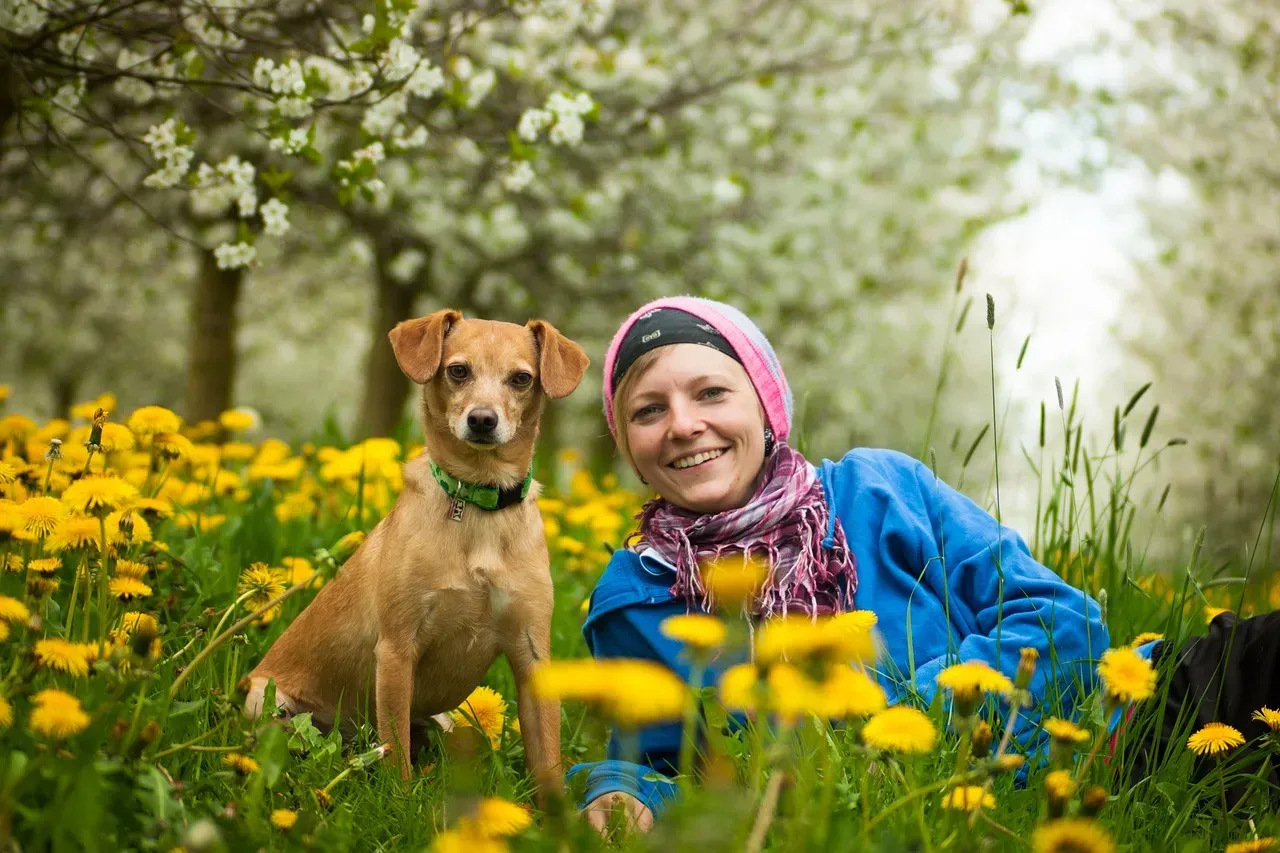
When your dog looks at you with soft, relaxed eyes and holds that gaze, they are not just being cute. They are literally flooding your body with love. When a dog gives you long, lingering eye contact, it’s a way of saying “I love you,” and research shows that oxytocin, the “love chemical,” goes up in both dogs and humans when they share a kind gaze.
This is science, not just sentimentality. Research results suggest that human-dog interactions elicit the same type of oxytocin positive feedback loop as seen between mothers and their infants. Think about that for a second. The same chemical reaction that bonds a mother to her newborn is firing between you and your dog every time you lock eyes. That is extraordinary.
Unlike their wolf ancestors who interpret direct eye contact as threatening, domesticated dogs have adapted to use this visual connection as a primary way to understand, bond with, and communicate with their human companions. So the next time your pup gazes up at you, hold it gently, blink slowly, and gaze back. You are both saying “I love you” in the most scientifically confirmed way possible.
The Full-Body Lean: More Than Just a Bump

Has your dog ever just pressed their whole side, or sometimes their entire weight, firmly against your legs? It feels accidental at first, like they just lost their balance. It’s not. When dogs lean their full weight against you, it signifies complete trust, and it means your dog sees you as a protector. Your dog may do it for comfort, but when they lean against you, it is the equivalent of a full-body hug.
There is a nuance here worth knowing, though. An affectionate lean is relaxed and calm. Look for a slightly open mouth, soft eyes, and a gently wagging tail. A lean can also indicate that your dog is feeling stressed, in which case they will likely show other signs of stress. So read the full picture. A happy lean feels loose and casual. A stressed lean looks tight, ears back, tail low. Both are your dog reaching out to you, just for different reasons.
The Belly Roll: The Ultimate Declaration of Trust
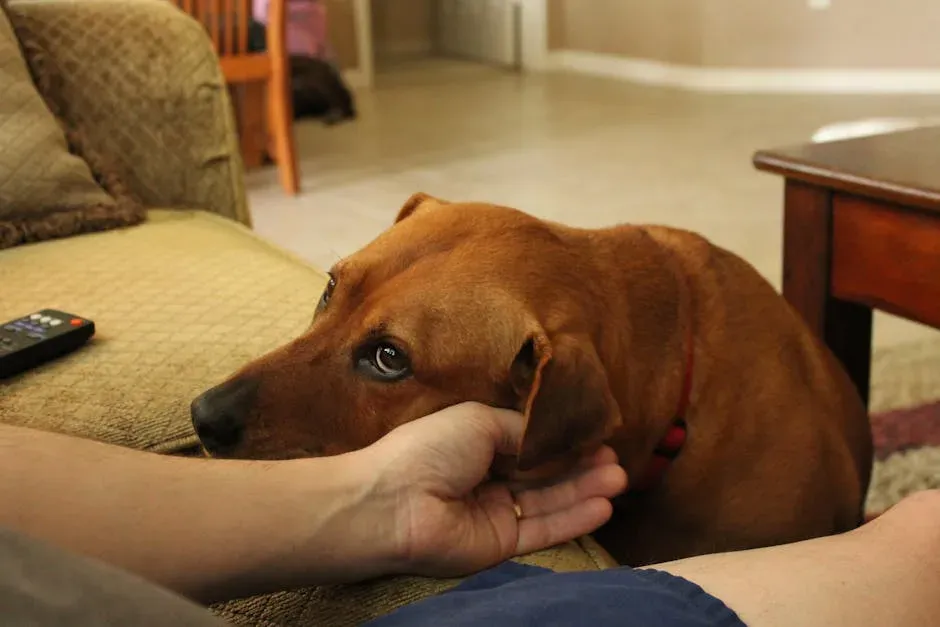
Let’s be real, nothing makes a dog owner melt faster than watching their pup flop onto their back and wiggle expectantly. It looks adorable. It also means your dog trusts you with their life, literally. When dogs expose their belly, they are displaying a high level of trust and submission. It is their most vulnerable area, and by showing it, they are essentially saying, “I trust you with my life.” In the wild, wolves and wild dogs will never show their bellies to other canines they do not trust, as it is a submissive position that leaves them open to attack.
Nothing says “I really, really trust you” more than your pup rolling on their back and asking for a belly rub. Since a dog’s tummy is one of their most vulnerable body parts, this act puts them into a total state of submission, the ultimate signal of love and trust. I think that is one of the most touching things about dogs. In a world where vulnerability feels risky, they go ahead and show you their softest spot without hesitation.
The Tail Wag: Not All Wags Are Equal
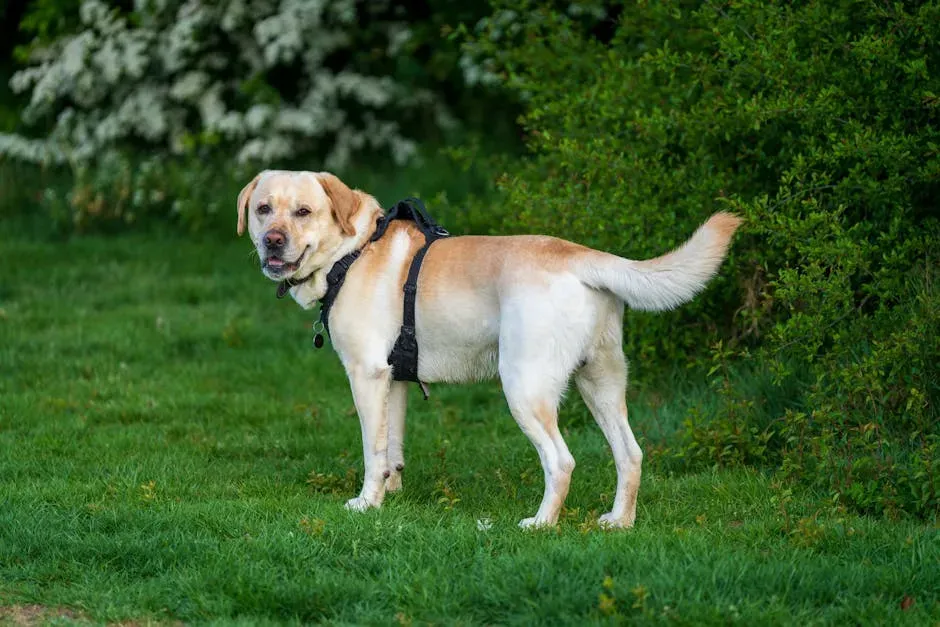
Here’s the thing about tail wagging: it is wildly misunderstood. A wagging tail does not automatically mean a happy dog. The magic is in the details. Tail wagging is often misunderstood and might not always be a good thing. But if your dog’s tail is relaxed, raised at about mid-height, moving in a circular motion, and causing a full-body wag, that’s a sure sign that your dog is happy and excited to see you.
Tail wagging is a visual communication to you and other dogs, similar to a smile between humans. If your dog greets you and interacts with you with a wagging tail, it is a sure sign of affection. Dogs also wag their tail for other reasons, like fear and anxiety, so you need to read the wag with the rest of your dog’s body language to understand what they are really saying. When the wag is relaxed, low, and sweeps in a wide arc, that’s love. When it’s stiff and high, something else is going on entirely.
Licking: Doggy Kisses with Deep Roots
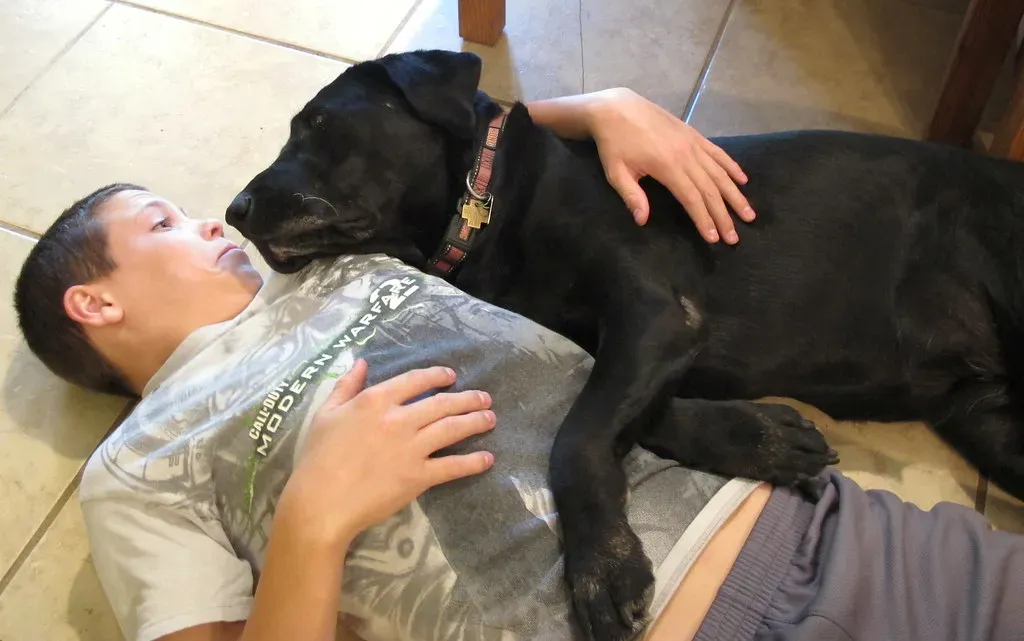
Your dog licks your face, your hands, sometimes even your feet, and you either love it or barely tolerate it. Either way, it comes from a beautiful place. When a puppy licks its mom’s and siblings’ faces, it prompts the release of the feel-good love hormone oxytocin in both the licker and lickee. The behavior is important for creating strong bonds among puppies, and one that some dogs carry into adulthood and transfer to their human family members.
If your dog is fond of licking your face, it’s often a sign of love. Licking is a bonding behavior. Dogs connect through grooming, taste, and scent. It can also be a sign of anxiety. That last part matters. Occasional, relaxed licking in familiar settings usually signals love. But excessive, frantic licking, especially combined with pacing or yawning, can indicate stress. Know your dog, and you will always know the difference.
Following You Everywhere: Velcro Dog, or Something More?
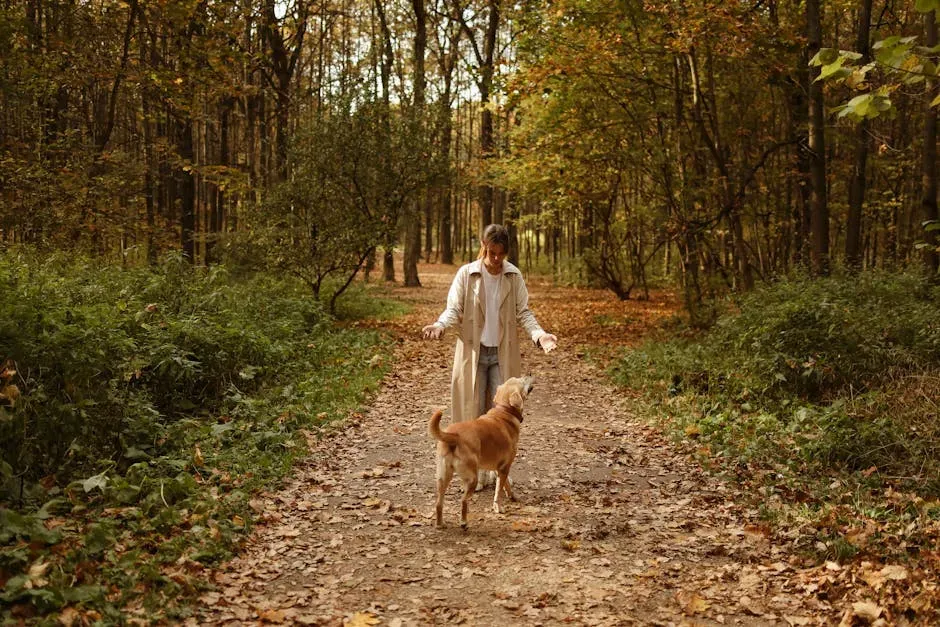
Yes, even to the bathroom. Your dog shadows your every move, and while it can feel a little intense sometimes, it is actually one of the clearest love signals in canine language. A lot of dogs follow their loved ones around the house. It is not just fear of missing out. It may be a desire to keep close to the pack and to feel and provide a sense of safety.
There is an important distinction to make here, though. While a dog following you around is a sign of trust and affection, there are cases where it can become problematic. If your dog panics, cries, and acts destructively when you leave the house or separate yourself from them, they are most likely suffering from separation anxiety, and you should consult your veterinarian for help addressing it. Healthy following is calm and quiet. Anxious clinging is louder and needs attention.
Bringing You Gifts: Because You Are Worth Their Treasure

Ever had a soggy tennis ball dropped in your lap? A muddy stick laid at your feet? A half-chewed sock presented to you like a crown jewel? That’s your dog saying something deeply sincere. Dogs will often give gifts to the leaders of their pack to show affection, respect, and trust. They can be possessive of their belongings, so trusting you with their favorite toys could be their way of expressing their faith in you to take care of their treasured items. That is a big responsibility and a big compliment.
In the wild, dogs bring food and objects to those they care about, and domesticated dogs carry on this instinct by sharing their finds with their trusted humans. Even if their idea of a gift is questionable, the sentiment behind it is genuine. So the next time your dog drops something slobbery in your hand, try to appreciate the gesture before you reach for a paper towel.
The Contagious Yawn: Empathy in the Simplest Form
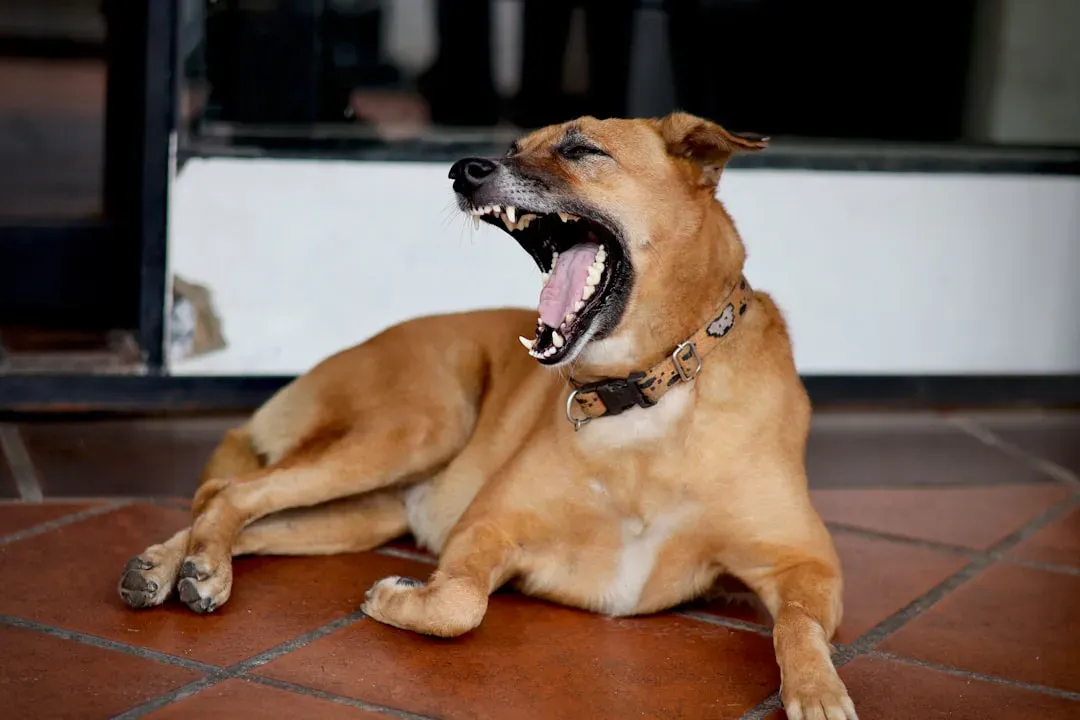
This one surprises almost everyone. Your dog yawning right after you do is not coincidence, and it is definitely not boredom. Yawning is contagious. That’s not just a human thing. Dogs can catch yawns too, especially from their trusted humans. Dogs were more likely to yawn after their owner did, compared to when a stranger yawned. This suggests that contagious yawning in dogs is emotionally connected and a sign of empathy and bonding.
It’s hard to say for sure just how deep canine empathy goes, but this behavior is a quiet, tender window into it. A yawn in intimate moments could be your dog’s way of saying, “I trust you completely,” and it signifies a deep bond where the dog feels safe and protected. A word of caution: while the occasional yawn during a petting session is probably a sign of contentment or relaxation, continuous yawning combined with other signs of distress may signal anxiety or a medical issue requiring a vet consultation.
Stealing Your Clothes: Weird Love Is Still Love
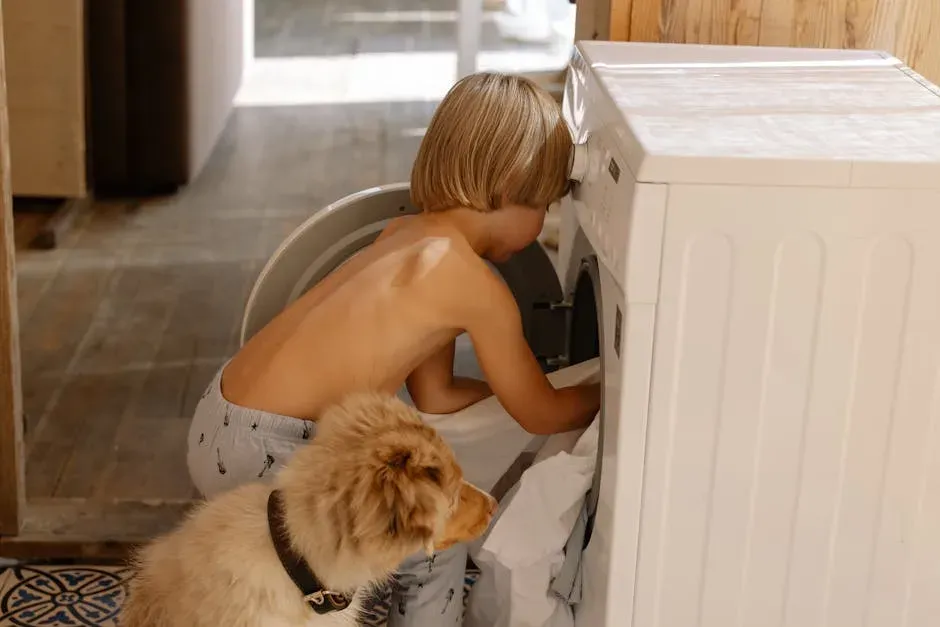
You come home to find your dog curled up on your dirty laundry pile. Specifically, the sweatshirt you wore to the gym this morning. The stinky one. And they look completely blissful. Honestly, I know it sounds crazy, but this is one of the sweetest things a dog can do. Dogs who are emotionally attached to their owners love their owners’ scents, and anything that has their smell on it. If your dog raids your shoe pile or laundry basket for items that smell like you, it may be because they just love you and want to be reminded of you wherever they go.
If your dog raids your dirty laundry for your smelliest clothes, your stinky shoes, and your sweaty socks, it’s a sign of love. It shows that they missed you while you were away and just cannot get enough of your unique smell. You may not want to encourage the habit for the sake of your wardrobe, but it is worth pausing to appreciate what it means. To your dog, your scent is home.
How to Say “I Love You” Back in Dog Language
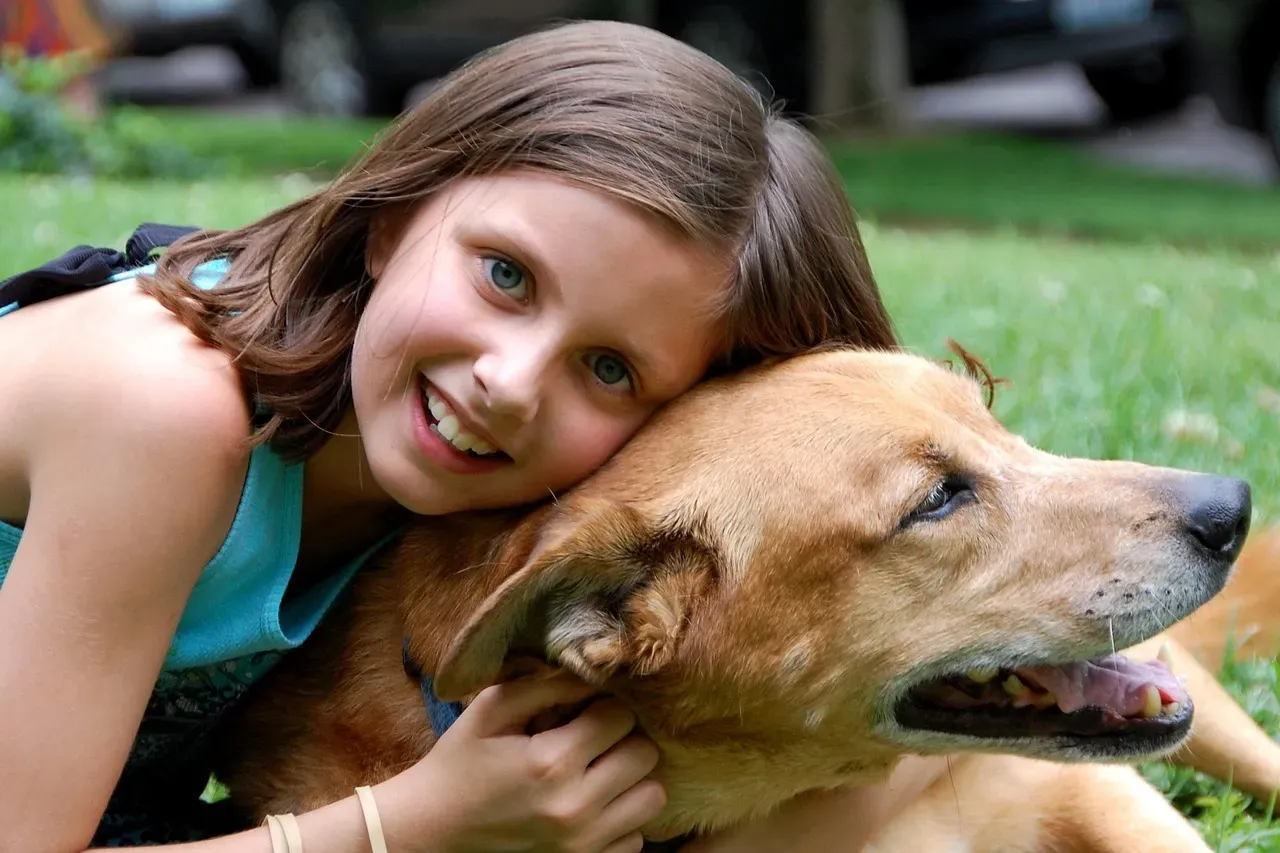
Now that you know how your dog speaks, it’s your turn. Saying “I love you” back to your dog isn’t about grand gestures. It’s about learning their language and speaking it fluently. Learning to say “I love you” to your dog is a simple matter of getting to know both your dog’s individual body language as well as those comforts of pack life that your dog’s animal brain still craves.
Try these practical moves. Most dogs thrive on predictability. Regular feeding times, walks, play, and rest help regulate their nervous system and reduce stress. From a behavioral perspective, a consistent routine creates feelings of safety. When dogs know what to expect, they are more able to relax, learn, and connect. Beyond routine, slow blink at your dog, lean gently back when they lean into you, get down on their level during playtime, and talk to them in a warm, calm tone. Dogs love the sound of their human’s voice. Talking to your dog in a calm and soothing tone can help reduce anxiety, making them feel more comfortable and secure. Engaging in conversation or singing to your dog can strengthen the bond you share, stimulate their brains, and promote their overall health and happiness.
Conclusion: A Language Worth Learning for Life
Your dog has been saying “I love you” in a hundred different ways every single day. The lean, the gaze, the gifted sock, the belly roll, the yawn, the wag. All of it is a conversation. A deeply honest, beautifully simple, endlessly loyal conversation. The only question is whether you’re listening.
The good news? You don’t need to be a dog trainer or a veterinary behaviorist to understand this language. You just need to slow down, watch closely, and meet your dog where they are. When you do, something shifts. The relationship stops being one-sided and becomes a true partnership built on mutual trust, empathy, and genuine connection.
Learning to speak “dog” might just be the most rewarding language you ever pick up. What sign from your dog surprised you the most? Share your story in the comments and let’s celebrate the incredible little translators we call our best friends.