
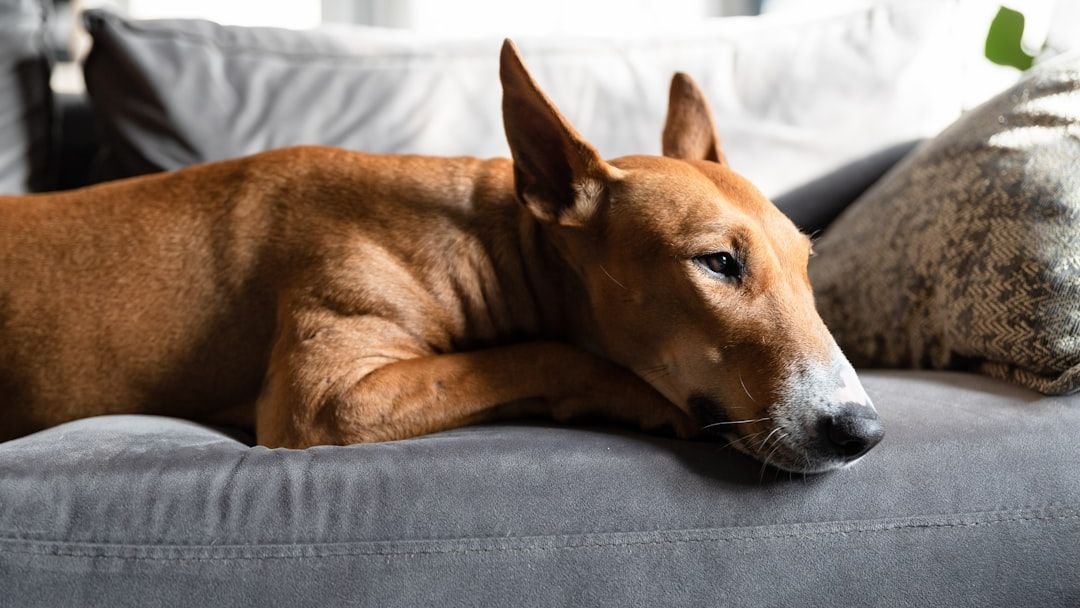
You walk through your front door after a long day, and before you can even set your keys down, your dog is already in your face, paws on your chest, eyes locked on yours like he’s conducting a performance review. Sound familiar? For many dog owners, these moments feel adorable. Honestly, sometimes they are. But here’s the thing – what looks like a loveable quirk can actually be your dog sending a very different message.
The word “alpha” gets thrown around a lot in dog owner circles, and the science behind it has evolved quite a bit over the years. Understanding what is actually going on with your dog’s behavior, what it means, and what you can do about it, can genuinely transform your relationship with your four-legged family member. Let’s dive in.
What Does “Alpha Dog” Actually Mean?

The term “alpha dog” has been floating around since the mid-20th century, but its origins are shakier than most people realize. The theory was first introduced in the 1930s by animal behaviorist Rudolph Schenkel, who studied two groups of captive wolves in Switzerland and theorized that the alpha wolf was the one with the most resources, using dominance, fear, and force to obtain them. The major problem? Those were wolves crammed into a zoo enclosure, not roaming free in the wild.
More recent research has shone a light on the complex social structure of wolf packs, suggesting that the idea of a single alpha leader may be an oversimplified view. In nature, wolf packs are primarily family units composed of a breeding pair and their offspring, with leadership roles that are often shared and fluid. So the whole “you must dominate your dog” narrative? It’s built on a pretty shaky foundation.
What people interpret as signs their dog thinks they are the alpha are usually behaviors shaped by habit, reinforcement, or stress. From a dog’s point of view, behavior is practical – if something works, they repeat it. That’s a game-changer for how we respond to our dogs.
The Stare Down: When Eye Contact Becomes a Power Move
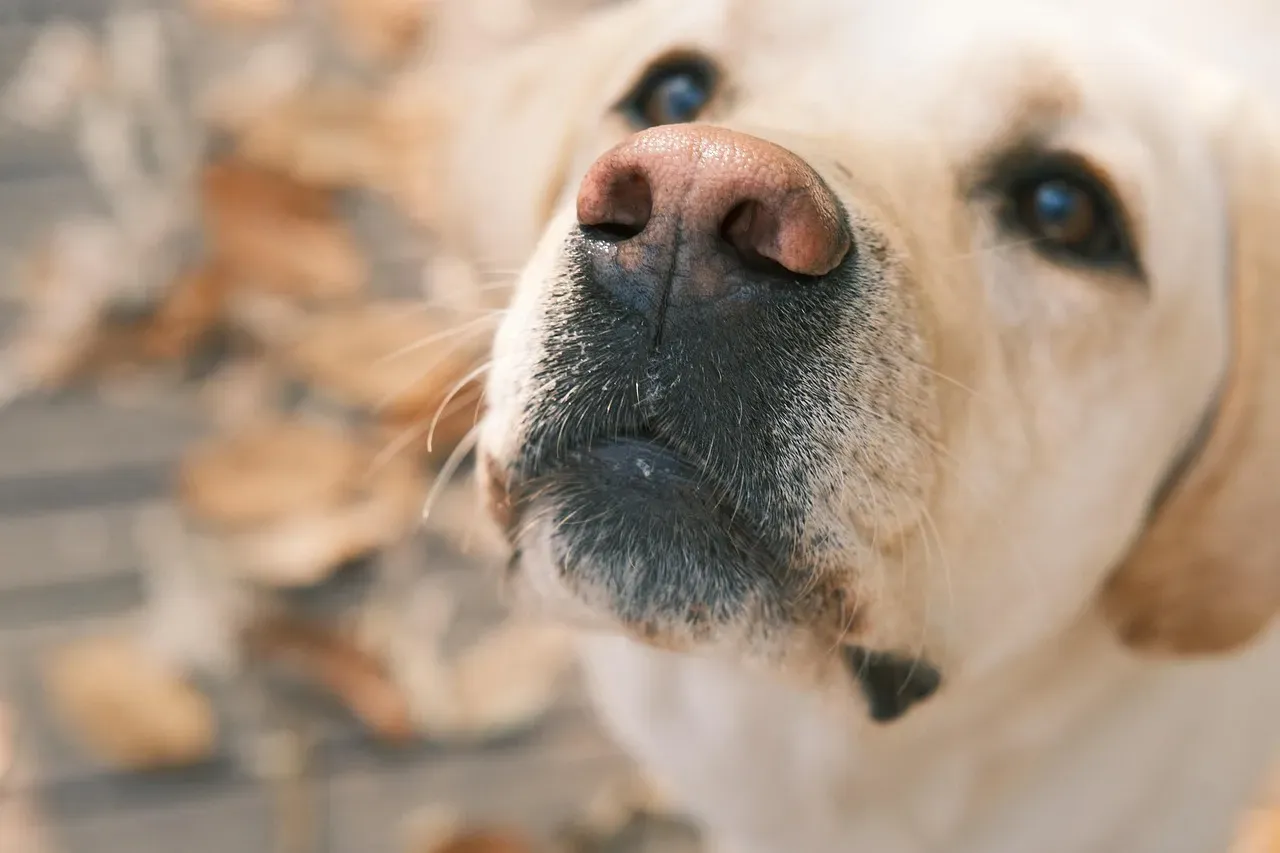
Here’s something most dog owners don’t know. That long, intense stare your dog gives you across the room isn’t just love. Having long eye contact with a dog can mean they see themselves as the alpha. In the dog world, holding eye contact is actually considered “rude,” and this form of eye contact is used to intimidate others and express a higher status. Think of it like a boardroom standoff, but furrier.
Visual cues that indicate a dog is feeling dominant or stressed include muscle tension, raised patches of fur, and laid-back ears. Alpha dogs are also more likely to hold your gaze rather than look away when they feel stressed, giving them a greater feeling of control over the situation. If your dog is doing this regularly, it’s worth paying attention.
Claiming Territory: The Couch, the Bed, and Your Personal Space
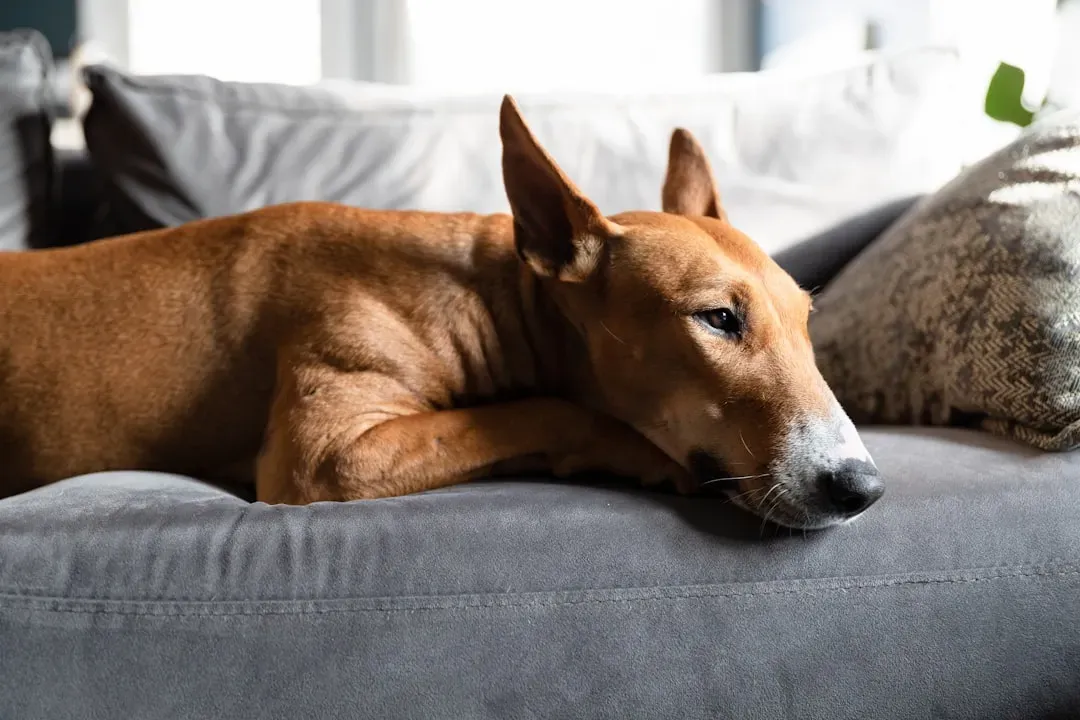
Does your dog hop onto the sofa and then shoot you a look that basically says “try me”? A dog that claims his spot on the couch or bed without your permission and gets snippy if you try to move them is displaying dominant behavior. It almost seems like a dare – Fido hops up on your side of the bed and kind of watches you to see what you’re going to do about it.
A dog that considers itself the alpha will claim the most comfortable spots in the house, especially on the couch or bed. They might nudge you aside or jump up without invitation, insisting on being in the best spot – an alpha dog will disregard boundaries or your personal space. It’s less about comfort and more about a statement.
Your bedroom is a special place – it’s your “den.” An alpha dog thinks he has a right to sleep there because he considers himself your equal. Let that sink in for a second. Your dog may literally believe he’s your roommate, not your pet.
Resource Guarding: Don’t Touch My Stuff
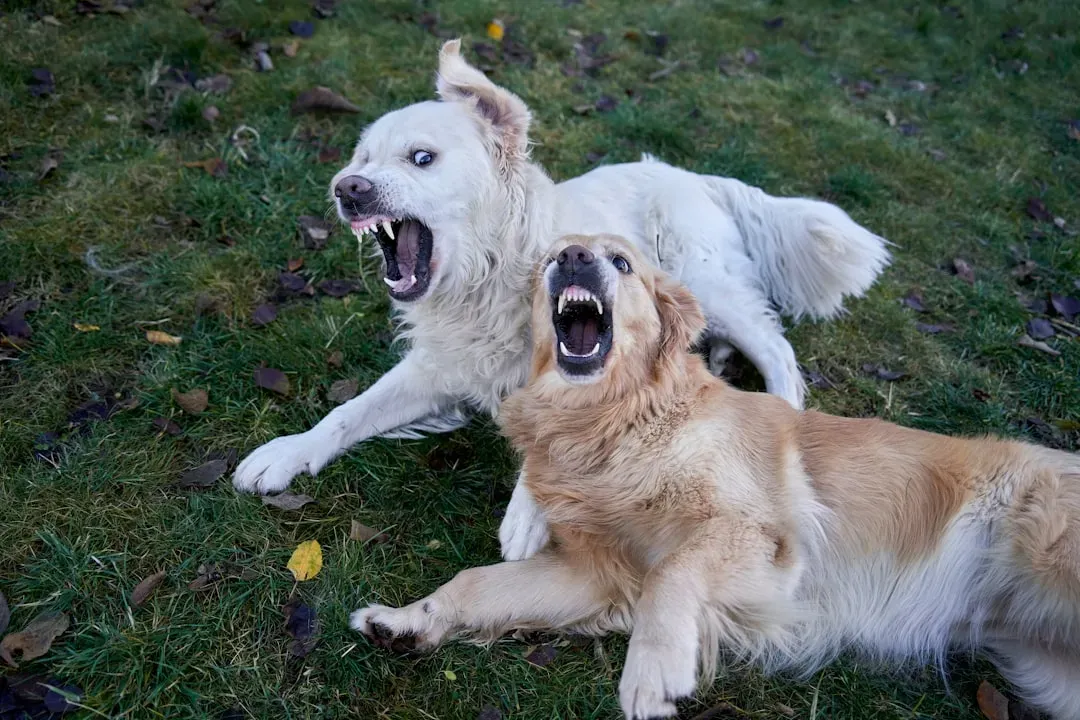
If your dog growls the moment you reach near his food bowl or his favorite chew toy, that’s not just a quirky habit. Your dog growling at you if you get near his toys or food should never be allowed. The fact that your dog is trying to control you by keeping you away from its possessions is one of the key signs that your dog thinks they’re alpha.
For a dog, resources include food, toys, and even attention, and alpha dogs will refuse to share what they have. They may growl if someone takes their toys or if other animals approach their food bowl, and this behavior can extend to demanding all of your attention. I think this is one of the most important signs to address early, especially if there are young children in the home.
Ignoring Commands: Who’s Actually Running the Show?
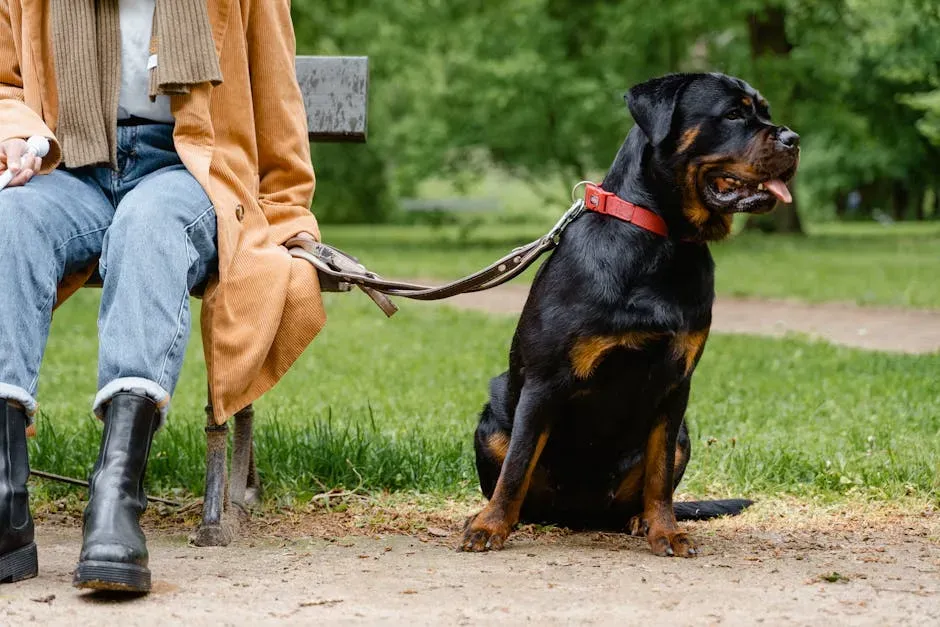
Your dog ignores commands they clearly understand, pushes past you through doorways, and seems perfectly comfortable deciding how things are going to go. Sound painfully relatable? You’re not alone – and honestly, most dog owners have been there at some point. The thing is, this isn’t your dog being “stubborn.” It goes a little deeper.
If your dog does not obey your commands, it is likely because they don’t respect you as their leader. In their mind, the “boss” doesn’t take orders from its subordinates. That’s their logic. You ask them to sit, they look at you like you’ve made an unreasonable demand, and carry on doing exactly what they want.
Dogs that see themselves as the alpha often head straight for the door without waiting for permission. This behavior goes beyond simply wanting to go outside – it’s about control of the situation and asserting authority. In a pack, the leader always goes first, and your dog may be mimicking this natural instinct. Watch for this one. It’s subtle but very telling.
What You Should Actually Do About It
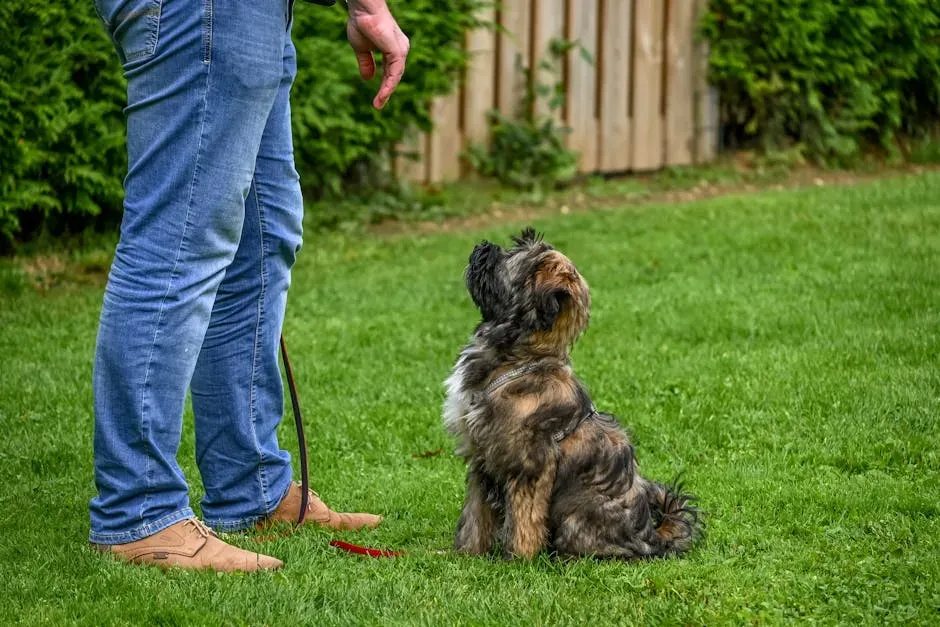
Here’s the good news – you don’t need to fight your dog or prove anything through intimidation. In fact, please don’t. Using dominance tactics can lead to fear, anxiety, and aggression in dogs, resulting in detrimental long-term impacts on their behavior and welfare. The days of “showing them who’s boss” through force are well and truly over.
Dogs don’t need someone to dominate them. The better alternative focuses on clarity, consistency, and positive reinforcement – methods that help dogs understand expectations, build trust, and change behavior in ways that actually last. Think of yourself less as a drill sergeant and more like a calm, fair manager your dog actually wants to listen to.
A well-trained, obedient dog is a happy dog and a joy to live with. Dogs want to please and need a job to do, and training gives them the opportunity to do both. A well-trained dog has more freedom – he can go more places and do more things with you because he knows how to behave. Structure is actually a gift to your dog, not a punishment.
Conclusion: Your Dog Loves You – He Just Needs a Little Direction
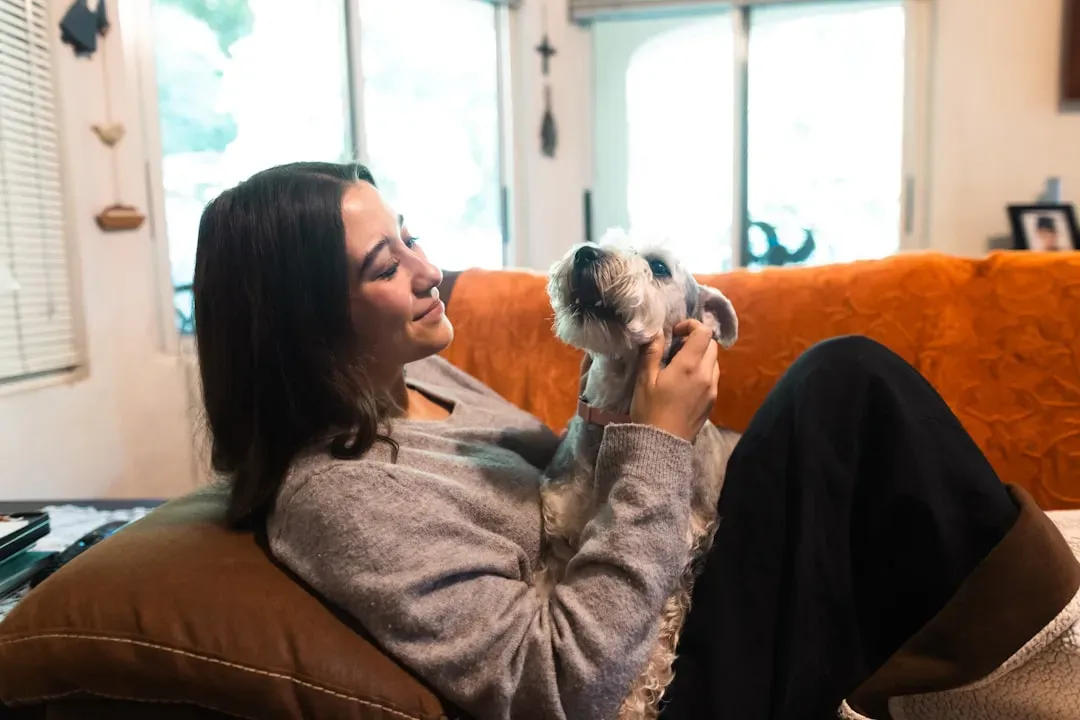
Let’s be real. Most dominant dog behaviors don’t come from a place of malice. Your dog can love you very much and still try to dominate you or other members of your family. These behaviors are rooted in instinct, habit, and sometimes, a simple lack of clear leadership from us humans. We often make it easier for our dogs to take the wheel by ignoring the early signs.
The relationship between you and your dog should feel like a partnership built on warmth and mutual respect, not a daily negotiation over who gets the couch. It is important to earn your dog’s trust, love, respect, and loyalty, which is possible by providing a set of rules, limitations, clear boundaries, being consistent, being gentle but firm, and reinforcing good behavior. That approach works far better than anything rooted in fear or force.
Your dog isn’t trying to overthrow you. He just needs you to show up as a calm, consistent presence he can count on. Do that, and you won’t just have a better-behaved dog – you’ll have a deeper bond with the animal who already thinks the world of you. So, have you spotted any of these signs in your own pup? Drop your thoughts and experiences in the comments – we’d love to hear from you.


