
You love your dog. That much is obvious. You buy them the good treats, you let them hog the couch, and honestly, you probably talk to them more than you talk to some people. Still, love alone doesn’t guarantee a strong, unbreakable bond. Sometimes, without even realizing it, the very things we do in our day-to-day routine quietly chip away at the trust and connection we’ve worked so hard to build.
Most people don’t even realize it, but in their daily interactions with their dog, they’re making some common yet easily avoidable mistakes that weaken their bond over time. The tricky part? Many of these habits feel completely normal, even affectionate. So if your dog has been a little distant lately, a little avoidant, or just not quite as “there” as they used to be, keep reading. The answer might surprise you.
1. Using Harsh Punishment Instead of Redirection
Let’s be real. No dog wakes up in the morning plotting to destroy your favorite throw pillow. Dogs can and will make what humans perceive as mistakes. They do not realize what a mistake is because they run on instinct. So when you react with physical punishment or aggressive yelling, you’re not teaching a lesson. You’re just creating fear.
Dogs don’t understand punishment the way humans do. Yelling, hitting, or using excessive force creates fear rather than teaching a lesson. Over time, this erodes trust and makes your dog anxious or hesitant to interact with you. The fix is simpler than you’d think. Dogs should always be taught and redirected, with a reward, instead of being punished, as that just won’t help them learn and will put them off attempting to learn the same thing again.
2. Being Wildly Inconsistent With Rules
Nothing scrambles a dog’s sense of security quite like moving goalposts. If the couch is allowed sometimes, but not when the mood is bad. If jumping is cute with family but unacceptable with strangers. If begging works on weekends because it’s funny, but gets punished on weekdays. That’s not guidance. That’s a guessing game.
Inconsistent or unpredictable human-dog interactions can cause emotional conflict in the dog, in which the dog might desire a relationship but does not trust that the interaction will be safe. Think of consistency as the foundation of your dog’s emotional home. Dogs crave consistency. Consistency builds trust. When they know what to expect from you, they feel safe. When they don’t, they feel on edge.
3. Ignoring Your Dog’s Body Language
Here’s the thing: your dog is talking to you constantly. The problem is most of us aren’t listening. Dogs communicate discomfort through body language. Ears pinned back, tail tucked, lip licking, or avoiding eye contact. Dismissing these signs and pushing them into stressful situations makes them feel unheard and unsafe, leading to long-term trust issues.
Imagine talking to someone who never, ever picks up on your hints. Exhausting, right? That’s exactly how your dog feels when you keep pushing them into situations that make them uncomfortable. When those signals get ignored, dogs escalate. They learn that polite communication doesn’t work. The bond suffers because the dog starts feeling unheard. Pay attention. Your dog’s body is always speaking first.
4. Forcing Your Dog Into Uncomfortable Situations
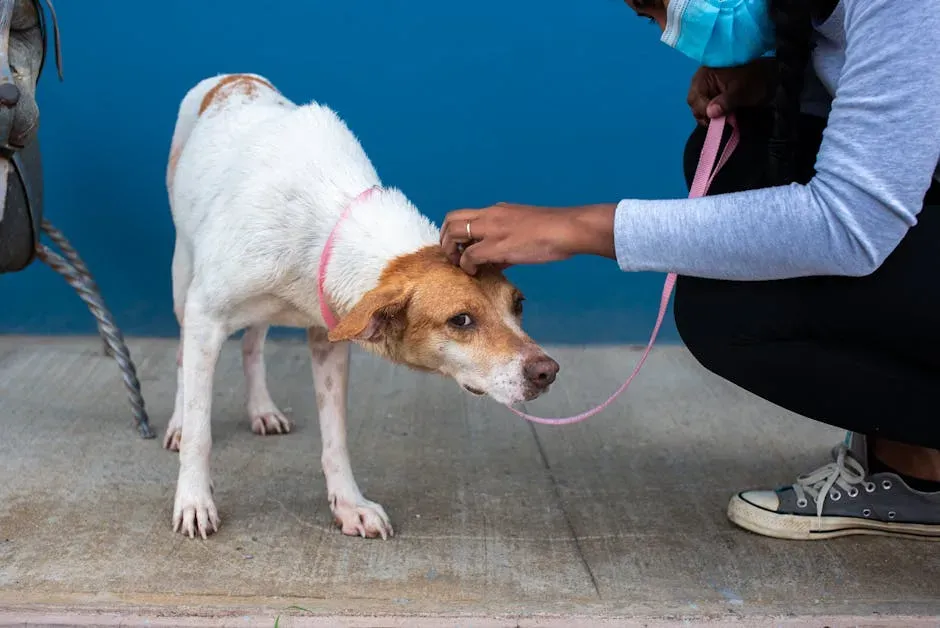
We’ve all seen that owner dragging a terrified dog toward another dog at the dog park, insisting they need to “socialize.” The intention is good. The execution, not so much. It’s crucial that dog owners refrain from forcing their dogs into situations or environments that they’re not comfortable with. Pushing a pup into a setting that they feel anxious in could lead to them losing trust in their owner and feeling overwhelmed.
Think of it this way. If someone kept forcing you into crowds when you have social anxiety, you’d stop trusting that person to have your best interests at heart. It means not putting your pup into a situation that will make them scared, overwhelmed, or likely to do something where they will behave poorly. Set your dog up for success by gradually introducing new environments, not throwing them in the deep end.
5. Neglecting Quality Time and Attention
We get it. Life is busy. Work drains you, errands pile up, and by the time you get home, the couch is calling. We get home from work and we want to unwind, to get a few chores done, to make dinner and sack out on the couch and relax. But that’s about the most annoying thing we could do to our dogs who have been waiting around all day for us to finally play with them.
Insufficient presence and attention can make your dog feel neglected. Dogs don’t need grand gestures. They need you. Love develops with time, but a bond takes work. It requires attention, engagement and time to grow and mature. Even a short, genuinely present play session beats an hour of absentmindedly tossing a ball while scrolling your phone.
6. Tricking or Deceiving Your Dog
Calling your dog over for a hug, then sneaking the flea treatment on them. Pretending to throw the ball but keeping it hidden behind your back. These might seem harmless, even funny. They’re not. Every time you trick your dog, you’re eroding their trust in your relationship. They may fall for the fake toss a couple of times. You’re the one who will pay for it in the end when your dog stops being happy to play with you.
Research actually backs this up. It now seems clear that if you frequently mislead dogs, they lose their trust in you and begin to act as if they can no longer rely on the information that you give them. In a pair of studies published in the journal Animal Cognition, a team led by Akiko Takaoka of Kyoto University in Japan showed that dogs will only use information and follow commands from people who have a track record of being trustworthy. Honesty, even with a dog, really is the best policy.
7. Over-Relying on Treats as the Only Form of Affection
Treats are great. Nobody is saying throw the bag away. But when food becomes your primary love language with your dog, something important gets lost. If you constantly reward with treats, your dog will start performing actions only for the reward rather than out of mutual respect, love, and desire for praise. You want to strengthen your dog’s connection with you, not the kibble. This can also result in defiance or conditional listening only when food is available.
The goal is a relationship built on genuine affection and mutual trust, not a transaction. Love is the best form of positive reinforcement. Verbal praise, positive and excited facial expressions, a warm loving happy tone, and physical affection. Try replacing some of those treat rewards with enthusiastic praise and see how your dog lights up. It genuinely works.
8. Skipping or Rushing the Daily Walk
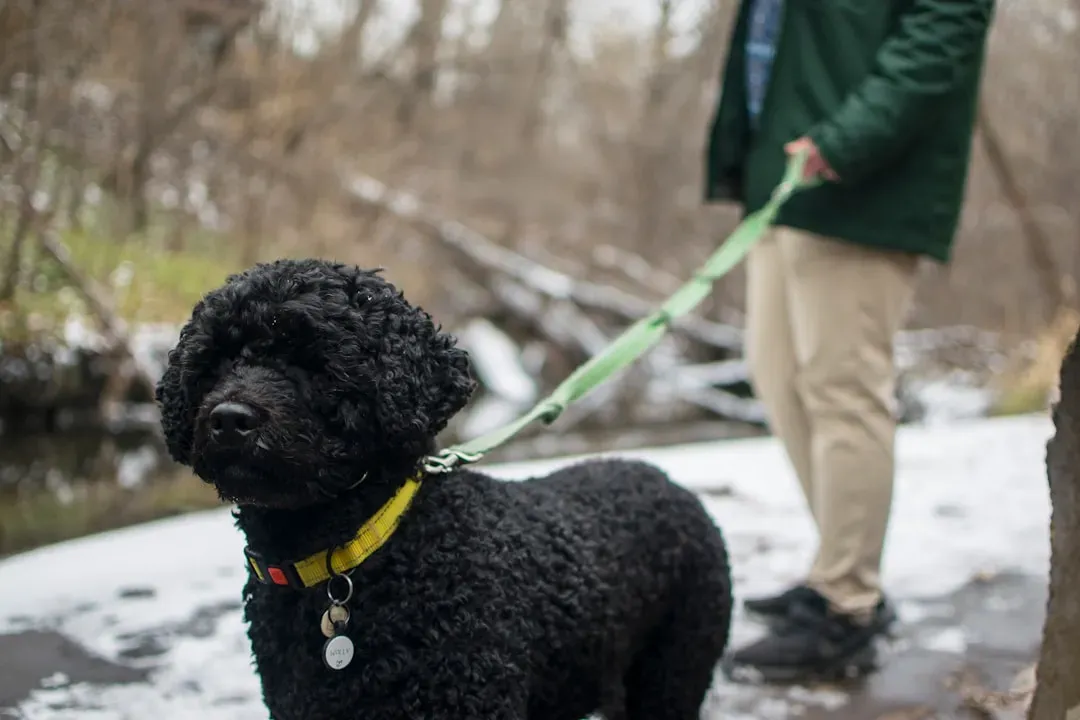
For a lot of dogs, the daily walk isn’t just exercise. It’s their entire world. Their newspaper, their social media feed, their therapy session, all rolled into one. If the walk is always rushed, short, tight leash, constant ‘come on come on,’ it can start to feel like the dog’s joy is an inconvenience. Life could be busy, but dogs need time to sniff.
Sniffing, in particular, is profoundly important. Sniffing is not wasted time. It’s basically their version of scrolling social media, reading the news, and checking messages, all at once. That’s why, for many dogs, a walk is their favorite part of the day, not just a bathroom break. Slow down. Let them sniff that lamp post for thirty extra seconds. You’ll be surprised how much richer your bond becomes when you respect what matters to them.
9. Isolating Your Dog for Long Periods

Dogs are, at their core, social creatures. Leaving them alone for extended stretches of time is one of the quieter ways the bond erodes, because there’s no dramatic moment, no obvious rupture. It just slowly fades. Dogs are social animals that need companionship. If left alone too frequently or for extended periods, they can feel abandoned or neglected. This can lead to anxiety, destructive behaviors, and a lack of confidence in your reliability as their caregiver.
The dog-human dyad is believed to involve attachment bonds similar to those that characterize human caregiver-infant relationships. Dogs have shown behaviors indicative of an attachment relationship. The absence of an attachment figure can trigger behaviors indicative of separation-related distress in dogs. If long work hours are unavoidable, consider doggy daycare, a midday dog walker, or even interactive puzzles that give your dog mental engagement while you’re away.
10. Failing to Respect Your Dog’s Personal Space and Boundaries

Honestly, this might be the one most dog owners never even consider. We’re so used to treating our dogs like stuffed animals that we forget they have emotional limits too. Some people get offended when a dog doesn’t want cuddles right now. Or they keep hugging a dog that’s clearly stiff and uncomfortable. That stiffness? That’s your dog asking you to stop.
You can initiate contact in a respectful way and look at your dog’s body language signals to know if she wants to be close to you in that particular moment. Or you can do this in an invasive way where you ignore your dog’s boundaries when she does not want to be close to you. It is very important to respect these type of ‘no’ signals to maintain a healthy bond. A dog that is allowed to choose when to engage in affection often becomes far more affectionate over time. A dog that’s allowed to choose affection ends up being more affectionate, not less.
Conclusion: Your Dog Is Always Paying Attention
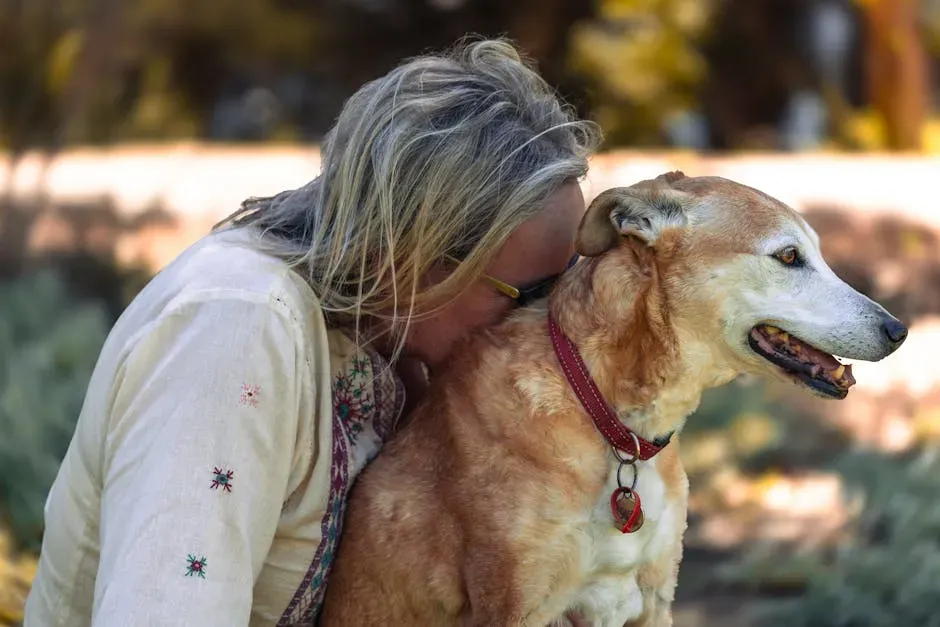
Here’s what I find both humbling and beautiful about dogs. They are constantly reading you. Every tone of voice, every reaction, every moment of patience or impatience gets filed away in their remarkable memories. A strong bond forms the key foundation of your entire relationship with your dog. When we look at human-dog relationships, what we tend to see often is a series of human-created bond violations that have weakened the strength of the relationship between the dog and person.
The good news? It’s almost never too late to course-correct. A close emotional bond with the owner appeared to decrease the arousal of dogs, meaning a repaired bond has real, measurable positive effects on your dog’s emotional wellbeing. Start small. Be consistent. Listen to what your dog is telling you without words. The bond you build or rebuild will be one of the most rewarding relationships of your life. Dogs give everything they have. They deserve nothing less in return.
What’s one habit from this list you’re ready to change starting today? Your dog is already hoping you will.


