

Your dog thinks the world of you. Honestly, that fact alone should feel like both a privilege and a responsibility. Dogs are wired to trust – it is practically baked into their DNA after thousands of years of evolving alongside humans. Yet that trust, as beautiful as it is, is also surprisingly fragile.
Trust is everything when it comes to your dog, but it is easier to break than you might think. One wrong move and suddenly your loyal companion is giving you the cold shoulder. It is not always the obvious stuff either – sometimes the smallest things can make your dog question what is going on. The unsettling part? Most of us do these things without even realizing it.
If you have ever felt that your dog seems a little distant, hesitant, or just not quite as joyful around you, this article may hold some answers. Let’s dive in.
1. Using Harsh Punishment or Yelling at Them
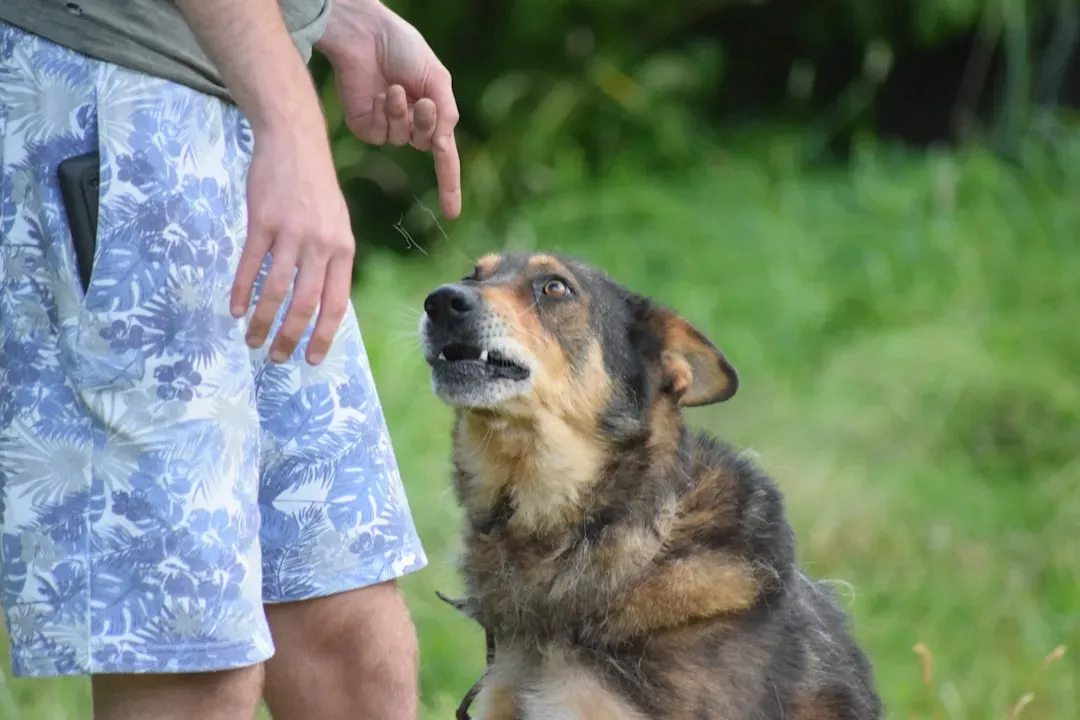
Let’s be real – we all lose our patience sometimes. Maybe your dog chewed your favorite shoes or had an accident indoors right after a long walk. The reaction to raise your voice feels almost automatic. The problem is, it does serious damage.
Dogs do not understand punishment the way humans do. Yelling, hitting, or using excessive force creates fear rather than teaching a lesson. Over time, this erodes trust and makes your dog anxious or hesitant to interact with you.
If the owner shows anger enough times, the dog will not trust the owner and any bond that has been there previously might be fractured. Since dogs, especially puppies new to training, have a hard time understanding if they have done something wrong, it is damaging to punish or yell at them when they have made a mistake. Prevention tip: when frustration rises, take a breath and redirect with calm, firm cues instead.
2. Ignoring Their Body Language and Stress Signals
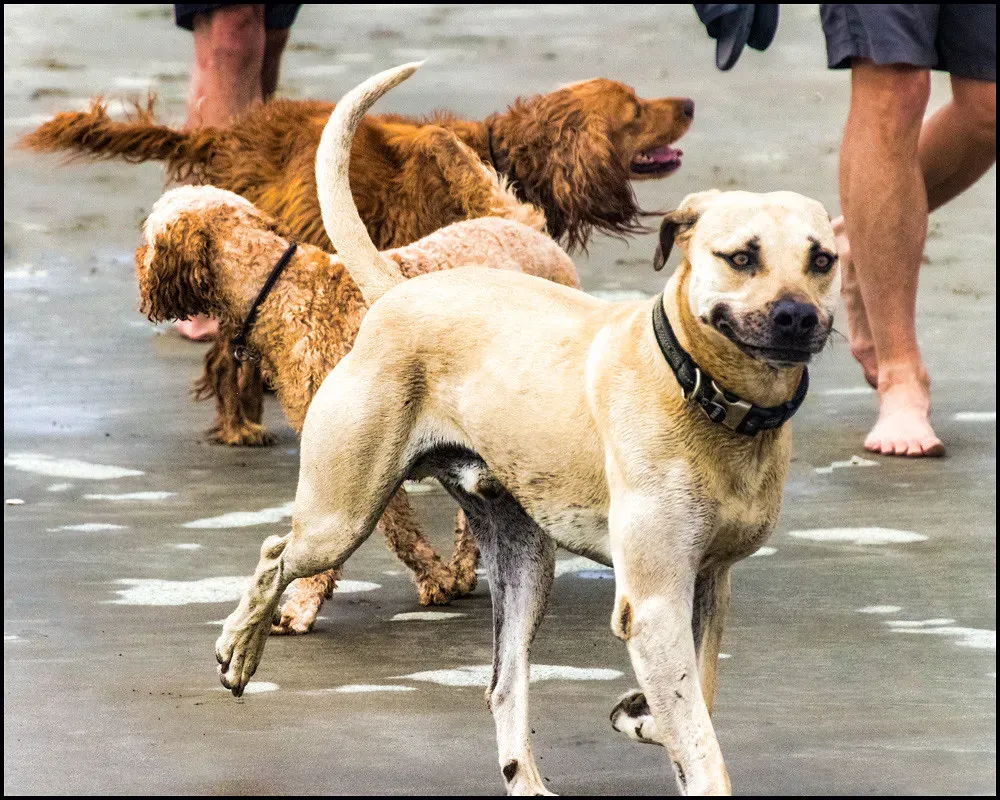
Your dog is talking to you constantly – just not with words. Ears pinned back, a tucked tail, lip licking, yawning out of context, avoiding eye contact. These are not random quirks. They are your dog’s way of waving a red flag.
Dogs communicate discomfort through body language – ears pinned back, tail tucked, lip licking, or avoiding eye contact. Dismissing these signs and pushing them into stressful situations makes them feel unheard and unsafe, leading to long-term trust issues.
Think of it like this: imagine trying to tell a friend you are uncomfortable and being completely ignored every single time. Eventually, you would stop confiding in them altogether. Dogs operate the same way. The more you listen to what your dog is telling you with their body, the more trust you will build with your dog. Make it a daily habit to observe and respond to those signals.
3. Forcing Them Into Fearful Situations
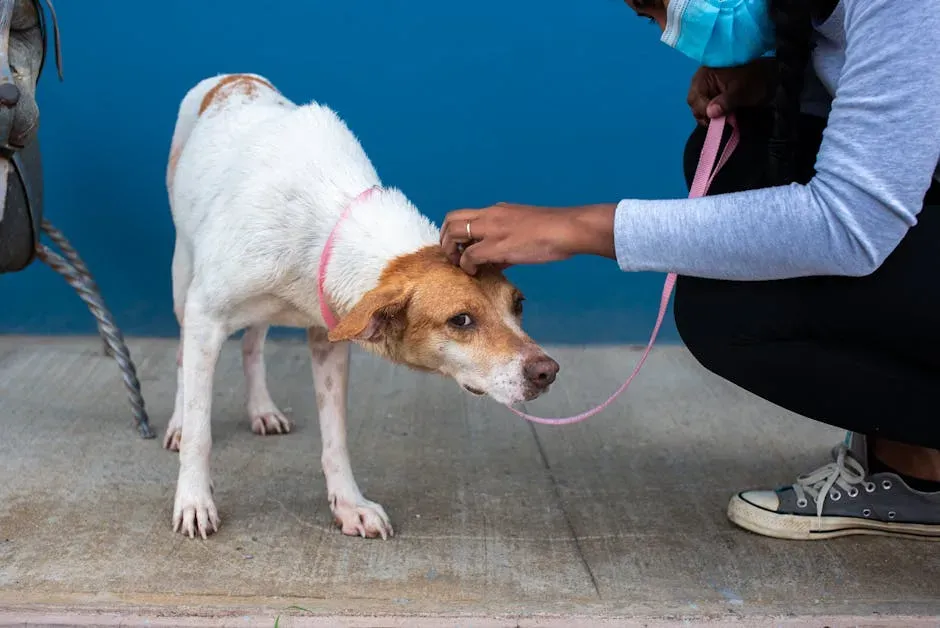
Some dog owners believe that exposing a fearful dog to the thing it fears will somehow “fix” it. The dog park for the social-avoidant pup, the crowded street for the noise-sensitive dog. I know it sounds logical, but it rarely works that way.
Dogs, like us, have their fears. Forcing them into situations that terrify them – whether it is loud noises, unfamiliar environments, or aggressive interactions – without allowing them time to adjust or offering comfort can create lasting trauma.
Forcing a fearful dog into a situation it fears will only have the dog lose all trust in the owner. Dogs with fear must be treated very differently than dogs that have a happy-go-lucky temperament. If a fearful dog is not treated correctly, you may run into many issues of mistrust which breaks the bond. Always use gradual desensitization paired with positive reinforcement instead.
4. Being Inconsistent With Rules and Routines

Dogs are creatures of routine. They genuinely find comfort in knowing what comes next. When the rules keep shifting – allowed on the couch one day, scolded for it the next – it creates a kind of emotional chaos that is deeply unsettling for them.
Dogs may feel distrustful of their owners for a variety of reasons, including the owner taking a harsh tone, neglecting their social or emotional needs, or leaving them alone for too long. Inconsistency in rules falls squarely into that category of emotional neglect.
You can lose your dog’s trust by being inconsistent as well. The fix is simpler than it sounds: decide on the household rules, communicate them to everyone in the home, and stick to them. Consistency is not just kindness – it is the language of safety that dogs understand best.
5. Deceiving or Tricking Them Repeatedly
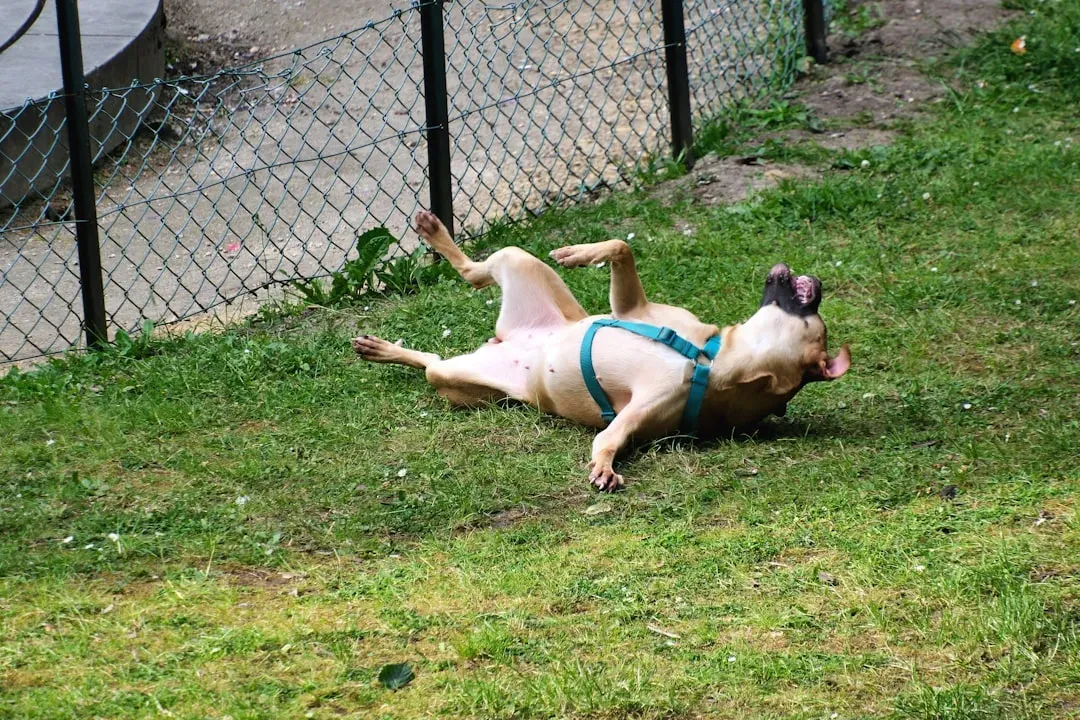
Here is a surprising one. Pretending to throw the ball with no ball in hand – hilarious to us, deeply confusing to them. Luring your dog over with a treat only to do something they despise, like trimming their nails or giving them a bath. These little “tricks” add up fast.
Every time you trick your dog, you are eroding their trust in your relationship. They may fall for the fake toss a couple of times. You are the one who will pay for it in the end when your dog stops being happy to play with you.
If you frequently lie to dogs, they lose their trust in you and begin to act as if they can no longer rely on the information that you give them. Research from Kyoto University actually demonstrated this – dogs stop following cues from people they have identified as unreliable. That is not just charming animal behavior. That is sophisticated social intelligence worth respecting.
6. Suddenly Snatching Away Their Food or Toys
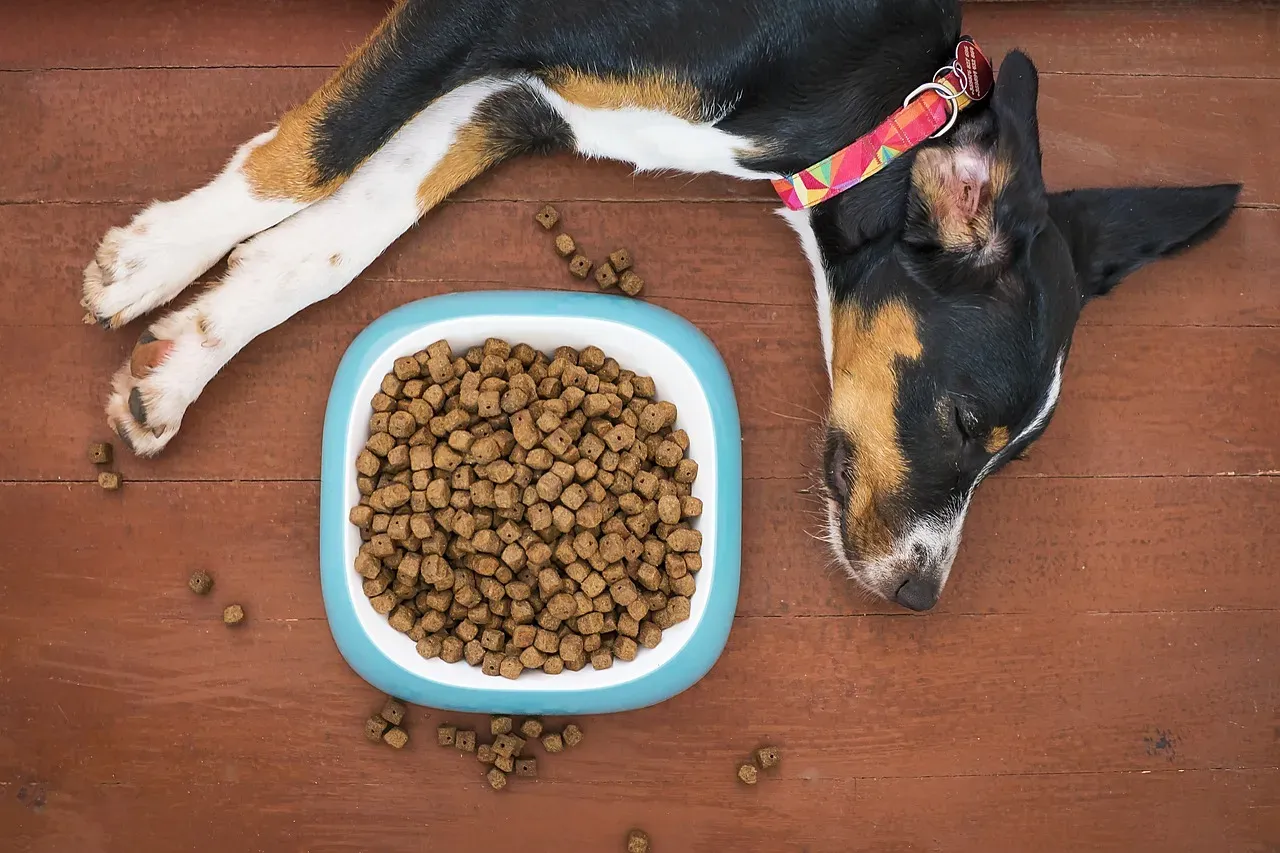
Imagine someone walks up mid-meal and yanks your plate away without warning. No explanation, no exchange, just gone. You would feel violated, right? Dogs experience something remarkably similar when owners habitually grab their food bowls or pull toys out of their mouths.
Snatching a toy or food bowl away suddenly can make a dog feel insecure about their resources. This can lead to guarding behaviors, anxiety, or even aggression. Teaching a “trade” command instead ensures they willingly give up items without feeling threatened.
A dog’s appetite for food goes beyond just feeding – it is also about comfort and routine. When this routine is disrupted, whether through inappropriate food or inconsistent meals, your dog may become resentful. You might notice behavioral changes, from begging to more destructive actions, as they react to their unmet needs. Respect the bowl. Teach the trade. Protect the trust.
7. Leaving Them Alone Too Often or for Too Long

Modern life is busy, and there is no shame in that. However, when a dog is left alone hour after hour, day after day, something quietly breaks inside them. They are not wired for prolonged solitude – not even close.
Dogs are social animals that need companionship. If left alone too frequently or for extended periods, they can feel abandoned or neglected. This can lead to anxiety, destructive behaviors, and a lack of confidence in your reliability as their caregiver.
Ignoring them for long stretches, especially during key moments in their life, can lead to serious consequences. Your dog does not understand why you are busy – they just feel the loneliness. Over time, this can create immense anxiety, causing your dog to act out in ways that are hard to manage. If long hours away are unavoidable, consider a dog walker, daycare, or enrichment toys to bridge the gap.
8. Not Advocating for Them in Social Situations
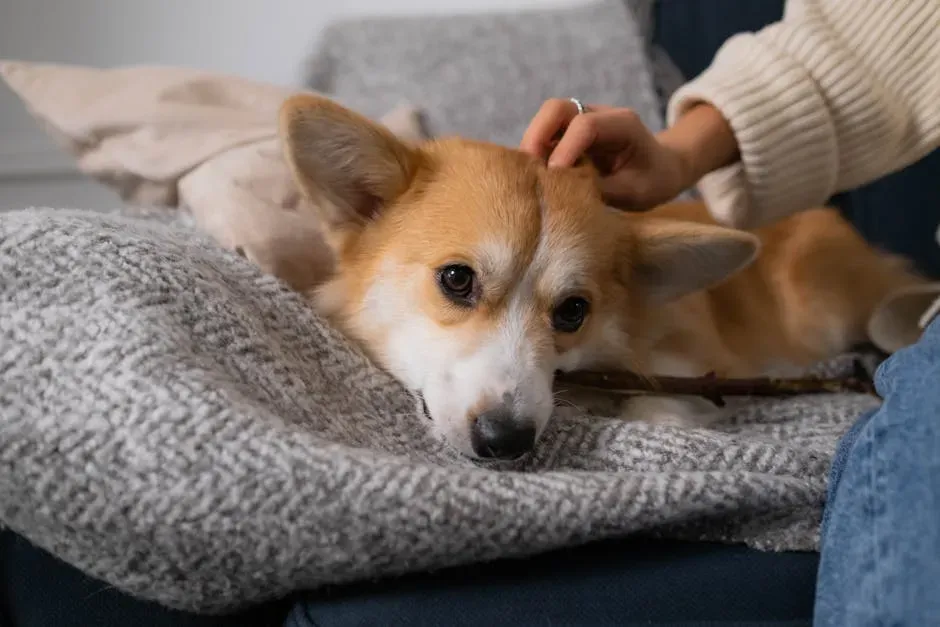
Your dog cannot speak up for itself when a stranger rushes over to hug it, or when another dog at the park is being too rough. That is your job. When owners fail to step in, dogs learn a painful lesson – that their person will not protect them when it counts.
Your dog needs your help to navigate the world, which means you should advocate for them when they need it. This includes letting other people touch your dog even though they do not like it, or forcing them to be around a lot of other dogs when it is not really their thing.
Watch for your dog looking back at you during uncomfortable encounters. That glance is them asking for backup. When a dog finds itself in an unfamiliar situation, it is likely that it will look up at its owner for comfort and trust that they are there to provide moral support. Be that safe harbour. Step in, redirect, and remove them calmly when needed.
9. Using the Crate as a Punishment
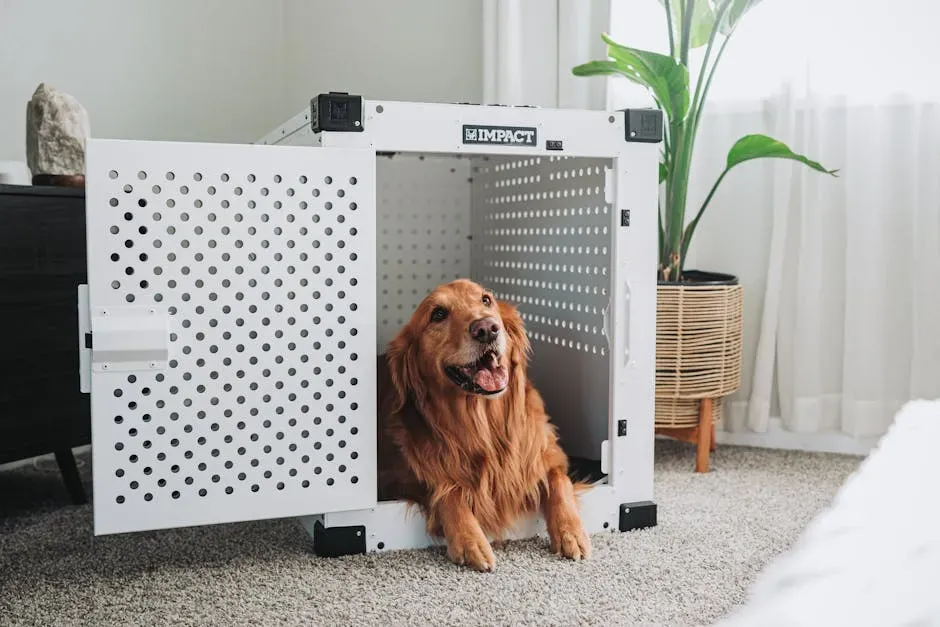
The crate, when introduced properly, is one of the most comforting spaces a dog can have. It becomes their den – a retreat where they feel safe and calm. The moment you start using it as a “time out” for bad behavior, that safe space turns into a place of dread.
A crate should be a safe, comfortable space – not a place they are banished to when they have done something wrong. If the crate becomes associated with punishment, they may start to fear or resist it rather than seeing it as a relaxing retreat.
Think of it this way: the crate is your dog’s bedroom, not a jail cell. Never send them in there out of frustration, and never use it as a consequence for misbehavior. Instead, build positive associations through treats, meals, and calm crate time. That small shift makes a massive difference in how safe your dog feels in their own home.
10. Ignoring Your Dog’s Breed-Specific Needs

A Border Collie cooped up in a small apartment with no mental stimulation. A Husky in a warm climate with no outlet for endurance. A Beagle never allowed to sniff freely on walks. These are not just lifestyle mismatches – they are forms of silent suffering that quietly chip away at the dog-owner relationship.
Just like you have things you need and want, dogs do too. If we ignore these things, our dogs might feel like we do not really know them. Every breed carries generations of purpose – herding, guarding, retrieving, scenting – and when those instincts are perpetually suppressed, frustration and disconnection follow.
If you picked a specific breed, make yourself knowledgeable of what that fully entails. There is a huge myth that all dogs are the same. That is not the case. Every breed is different. Every single breed has different needs. Research your dog’s genetic profile, honor their instincts where possible, and meet them where they are – not where you wish they were.
Final Thoughts: Trust Is Built in the Small Moments
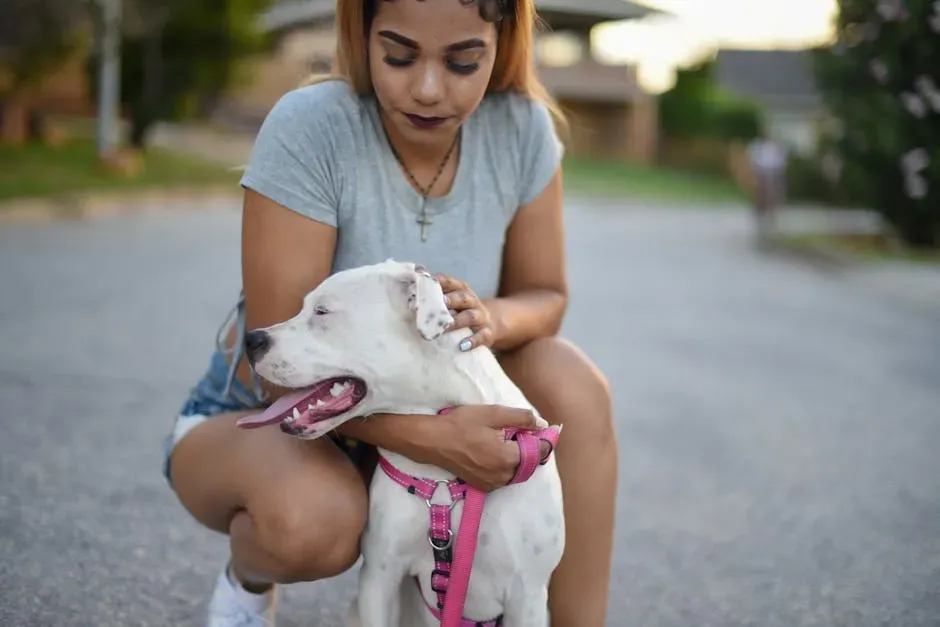
Here is the beautiful truth beneath all of this: dogs are remarkably forgiving. Dogs have an almost maddening ability to stay loyal to people who treat them poorly. It is one of their best traits – and arguably their most heartbreaking one. Unlike humans, dogs do not need grand gestures or constant validation to stick by someone’s side. They are hardwired to forgive, trust, and hope, even when the person on the receiving end has not always earned it.
That forgiveness is not a blank check. It is a gift. And the best way to honor it is to meet your dog with the same consistency, empathy, and genuine care that they pour into every single day with you. The bond between a dog and their owner is one that takes time to build. Based on mutual respect, love, and appreciation – once your dog trusts you, you will benefit from a loyal and loving companion for life.
You do not need to be a perfect dog owner. Nobody is. What you do need is to stay curious, stay humble, and keep choosing to show up better for the one who has never once stopped believing in you. Which of these ten habits surprised you the most? Drop your thoughts in the comments – your experience might just help another dog lover out there.


