

You fell in love with those soulful eyes at the shelter. You signed the lease. You bought the chew toys. Sounds perfect, right? Well, here is the thing – not every love story between a dog and a city apartment has a happy ending, and it has nothing to do with how much you care. Some dogs are simply wired for wide open spaces, and squeezing them into a one-bedroom flat is like asking a marathon runner to live in a broom closet.
Dogs that struggle in apartment settings tend to be high-energy breeds that require extensive exercise and can become noisy or destructive when their needs aren’t met. The problem is not your love for the breed. The problem is the mismatch between instinct and environment. Before you find yourself getting noise complaints at midnight or coming home to a shredded sofa, read this list carefully. You will be glad you did.
1. Siberian Husky – The Arctic Escapee in a Studio Flat
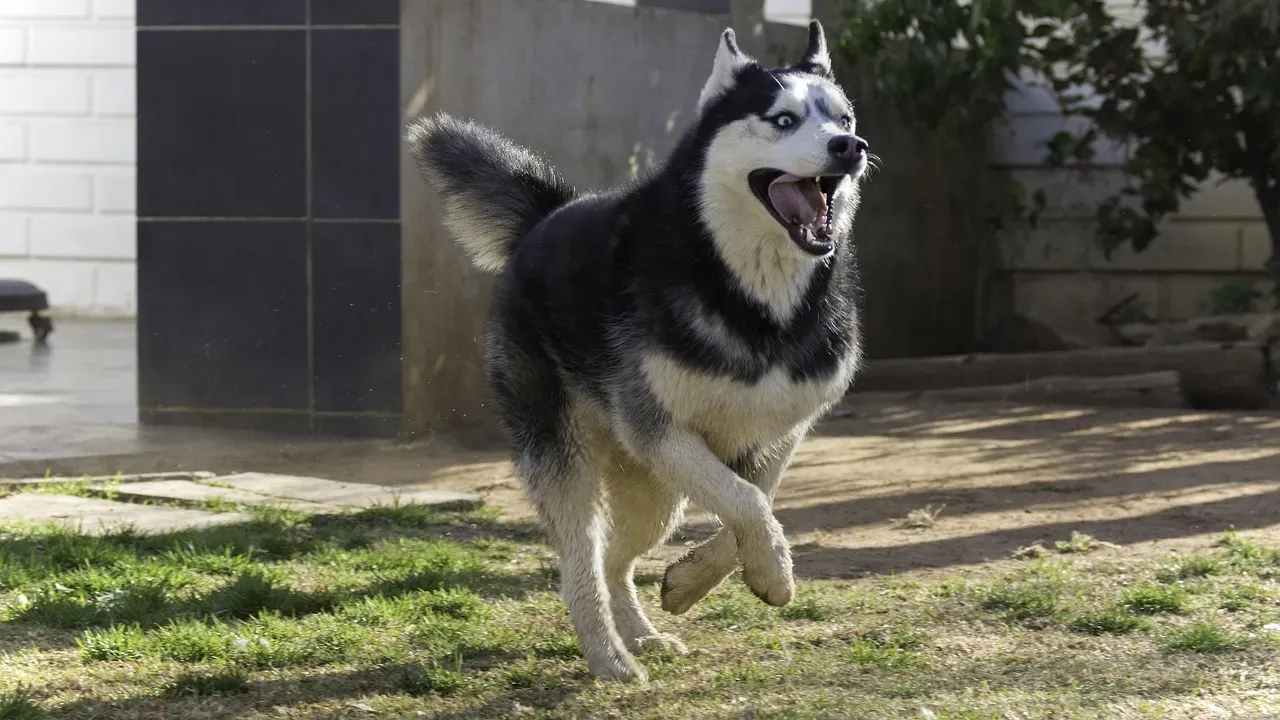
Let’s be real: Huskies are breathtakingly beautiful, and it’s almost impossible not to want one. But their beauty hides an absolutely wild energy that was quite literally engineered for the frozen tundra. The Siberian Husky is an endurance athlete built for the Arctic, whose stamina was designed to pull heavy sleds over hundreds of miles of frozen tundra. That kind of drive doesn’t disappear just because you live on the fifth floor.
Huskies are known for being stubborn and independent and are prone to behavioral issues if they’re not properly exercised or mentally engaged. They also tend to howl and bolt, which can pose serious problems with apartment neighbors and landlords. Prevention tip: If you already have a Husky in an apartment, commit to at least two vigorous outdoor sessions daily and invest in puzzle feeders to slow the mental drain.
2. Border Collie – The Overachiever With Zero Off Switch
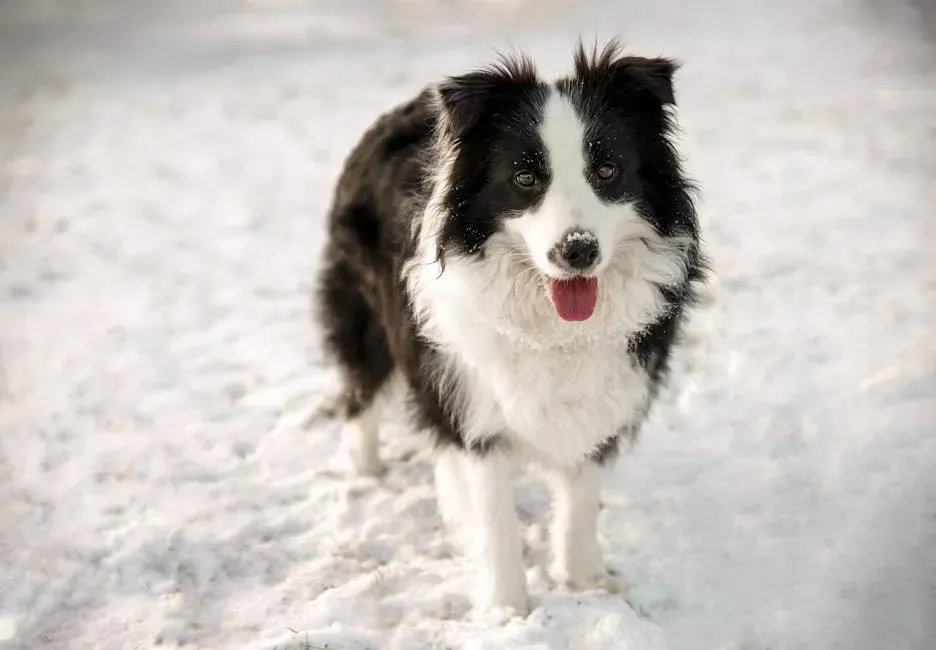
Imagine hiring the smartest employee in the world and then giving them absolutely nothing to do. That is exactly what happens when a Border Collie ends up in an apartment. This breed was bred for precision herding in the rugged hills of Scotland and Wales, and they possess a drive that is almost impossible to satisfy within four walls. The intelligence is real, the energy is relentless, and the frustration comes fast.
In an apartment, a Border Collie isn’t just bored – they are almost “unemployed.” Without a “job,” their extreme intelligence turns destructive. They may begin to obsessively shadow movement, stare at shadows, or tear open your cushions. If you notice your Border Collie pacing repeatedly, staring at the wall, or shadow chasing, those are serious behavioral cues that the dog needs far more stimulation than your apartment can realistically provide.
3. Belgian Malinois – Too Much Dog for Any Small Space
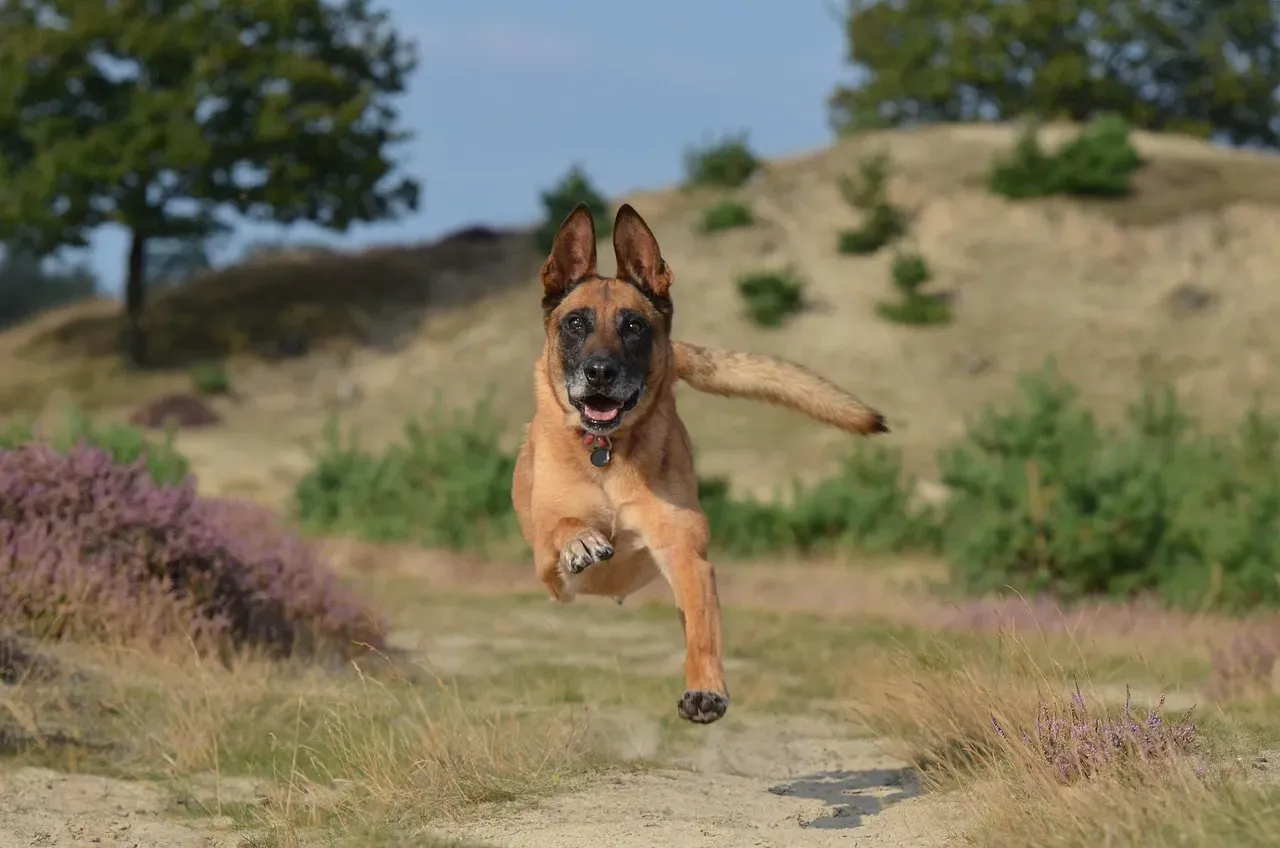
Honestly, the Belgian Malinois is one of those breeds that even experienced dog owners approach with a level of respect that borders on awe. The Belgian Malinois is one of the few dog breeds most dog owners should avoid. A magnificent dog with incredible intelligence, strength, and working intensity, the Belgian Malinois is quite frankly too much dog for the average person.
For a Malinois, life is all about the mission. When confined to an apartment, their intense drive is unable to find an outlet. They require rigorous training and ways to express that energy. If they don’t receive it, the lack of stimulation creates a pressure cooker of stress. In such a case, you can expect behavioral issues such as pacing, reactivity, and hypervigilance. This breed is genuinely not built for sedentary urban life.
4. Alaskan Malamute – A Wolf-Sized Personality in a Box
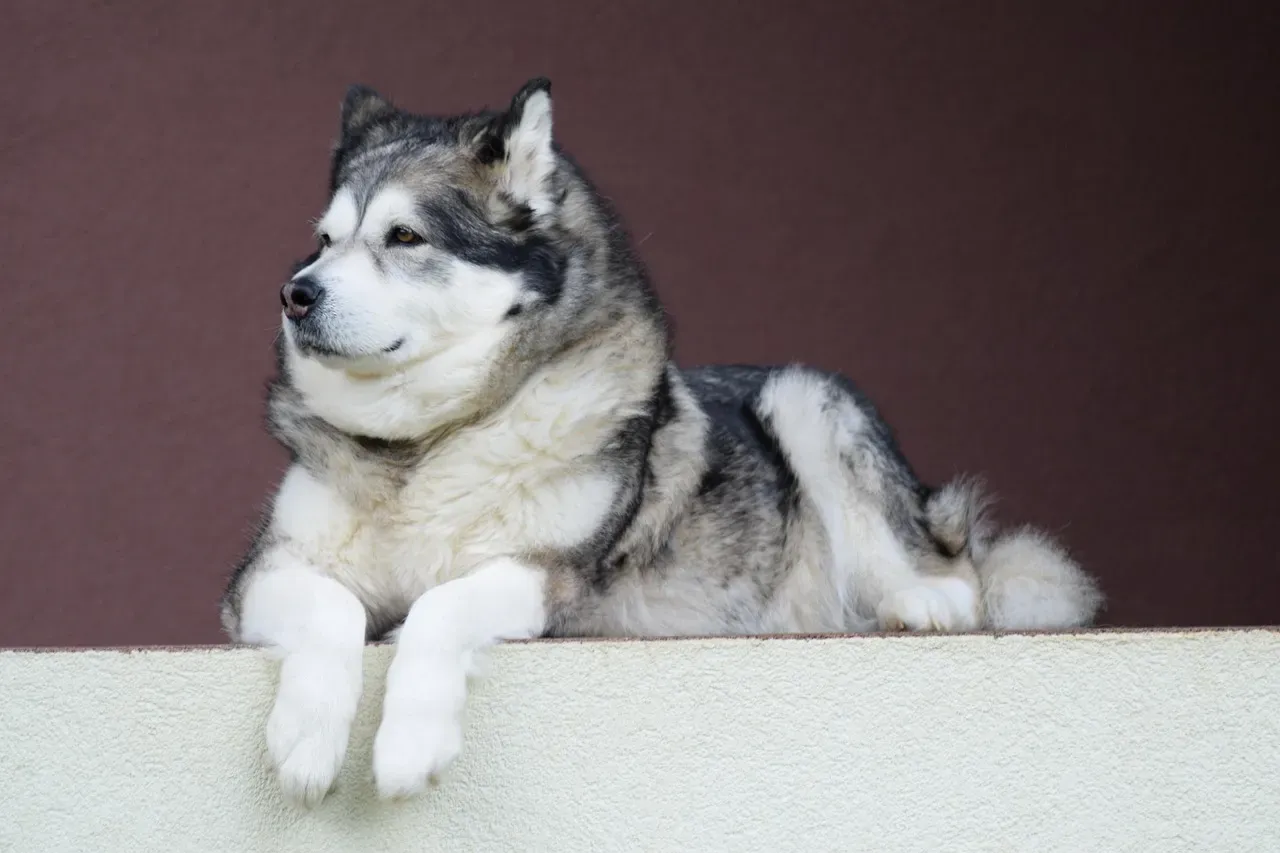
The Alaskan Malamute is a big, fluffy, wolf-like dog – it’s possible you won’t have much room left to yourself sharing an apartment with one. Their personalities also take up a lot of space, and you never want to leave a bored Malamute unattended. Boredom often equals destruction with this breed. Think chewed door frames, tipped trash cans, and a very unhappy neighbor below you.
Originally bred for pulling sleds in harsh climates, these dogs require a lot of physical activity and mental stimulation. When they’re stuck in an apartment for too long, their boredom can quickly turn into destructive behavior or escape attempts. Watch for early warning signs like excessive digging at carpet edges or persistent whining – those are your dog’s way of saying the walls are closing in.
5. German Shepherd – Loyal Guardian Turned Anxious Barker
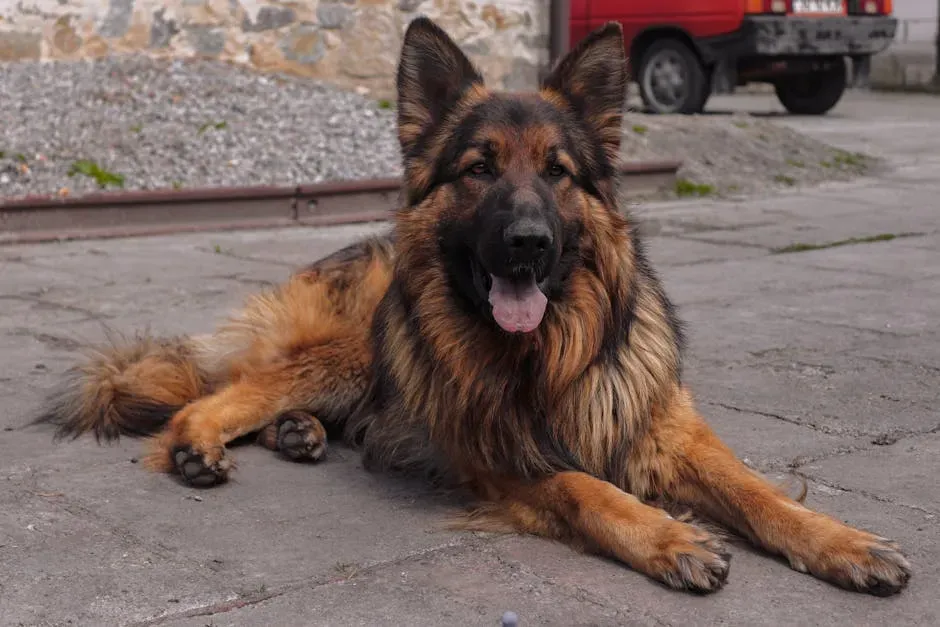
German Shepherds are iconic for good reason. They’re brave, loyal, and deeply intelligent. But all of that protectiveness and alertness becomes a real liability in a building full of strangers, doorbells, and shared hallways. German Shepherds are a versatile working breed. However, they’re banned in many apartments for their dominance and territorial behavior. Their size, intelligence, and alertness can lead to overprotectiveness, especially in unfamiliar environments. Even well-trained Shepherds may become vocal or reactive if they perceive a threat near their home.
German Shepherds are great dogs, but they love people and engaging in activities. This breed doesn’t do well when left alone for too long, so if you leave them in an apartment without other humans around, they can become destructive and loud. If you spot excessive barking at hallway sounds or destructive chewing when you leave, your dog is likely experiencing separation-triggered anxiety that an apartment just amplifies.
6. Dalmatian – The Spotted Tornado You Did Not See Coming
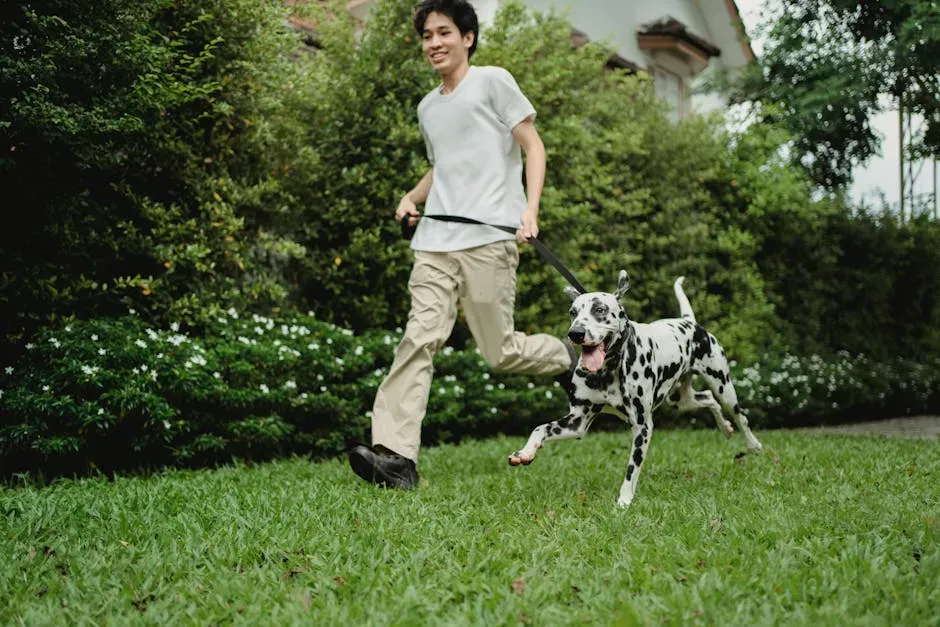
Most people think of Dalmatians as chic, stylish dogs. And they are. But beneath those iconic spots lives a dog with near-bottomless energy reserves. Dalmatians aren’t just fit for the firehouse. Their energy makes them great playmates, but without enough attention and socialization when they’re young, problems can arise. Behavioral issues can occur if the pup spends too much time alone and isn’t given plenty of opportunities to release its energy each day.
Dalmatians also crave attention and involvement in family activities. If they feel ignored or under-stimulated, they may develop attention-seeking behaviors. Early socialization and consistent boundaries help them grow into well-mannered companions. Think of it like this: a Dalmatian without daily exercise is essentially a sports car revving in neutral – eventually, something is going to give.
7. Jack Russell Terrier – Small Size, Supersonic Energy
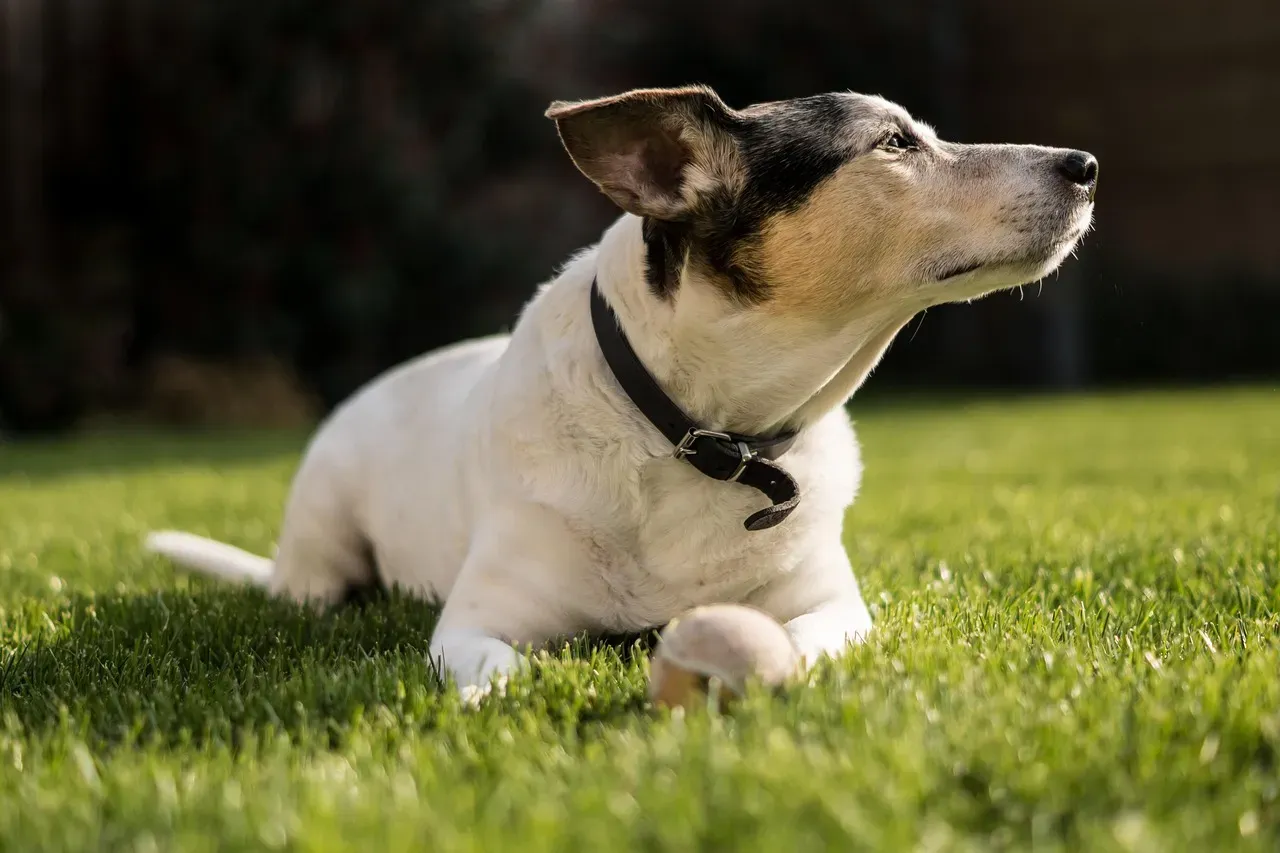
Don’t let the small frame fool you for a single second. The Jack Russell Terrier is essentially a grenade disguised as a lap dog. Sometimes nicknamed “Jack Russell Terrors,” the Jack Russell Terrier is a breed designed for the fast life. High-energy, extremely vocal, and not particularly friendly with strangers or other dogs, the Jack Russell does not thrive in large apartment buildings or urban settings without space to run and play.
Jack Russells are bred to dig and hunt. In an apartment, this often manifests as digging into your carpets or chewing through baseboards. They are remarkably springy and can jump much higher than expected. Providing daily vigorous play sessions, agility challenges, and short training bursts is absolutely essential. Without that outlet, your apartment will quickly feel the consequences.
8. Australian Cattle Dog – The Energizer Bunny That Never Dies

A high-maintenance, high-energy breed, the Australian Cattle Dog is more like an Energizer Bunny than a family pet. Working dogs bred to herd and manage cattle and sheep, the Australian Cattle Dog is a fearless and physically impressive breed. For the average dog owner, keeping this kind of breed active enough in an apartment is an enormous task. We are talking hours of daily activity, not a casual stroll around the block.
The Australian Cattle Dog has a lot of energy and needs regular exercise sessions. When not allowed to run and play, the dog will start displaying destructive behaviors. Unless raised with other puppies, smaller animals, and kids in the house, the dog’s natural instinct of catching prey and biting might take over. Key behavioral cue to watch: if your cattle dog starts nipping at your heels or herding children, it’s not being aggressive – it’s genuinely confused about why there are no cattle to manage.
9. Akita – The Proud Loner Who Hates Apartment Politics
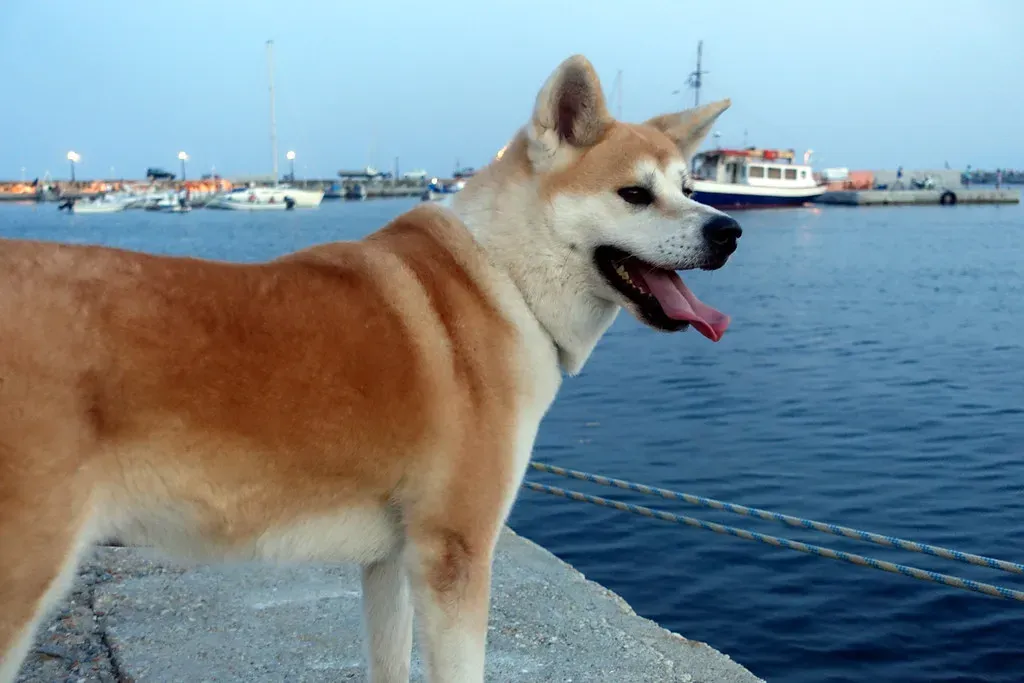
The Akita is a dog that commands respect the moment it walks into a room. Dignified, powerful, and deeply loyal to its family – it sounds perfect until you realize an apartment building is essentially a very crowded, noisy community. Akitas were originally bred for hunting and guarding in Japan and are less tolerant of chaos, unfamiliar dogs, or high-density living. In an apartment setting, they may become overly territorial or reactive to new sounds and smells. As a result, they’re frequently on rental and insurance blacklists.
Akitas are loyal to their families but wary of strangers. Many landlords perceive their strong guarding nature and independence as a problem and a sign of aggression. If your Akita stiffens up in the elevator or growls when a neighbor passes in the hallway, those are important warning signs that the dense social environment is becoming genuinely stressful for the dog.
10. Beagle – The Sweet Howler Your Neighbors Will Never Forgive

Here’s something that surprises a lot of first-time dog owners: the gentle, floppy-eared Beagle can be one of the most disruptive dogs imaginable in an apartment setting. It’s not about aggression or size at all. If you’ve ever met a Beagle, you’ll know instantly why they shouldn’t be apartment dogs. Extremely vocal dogs with high prey drive and a quick alert reflex, Beagles don’t care if quiet hours start at 10 pm in your building.
Though some might say the Beagle’s gentle spirit and sweet nature make it a good dog for urban living, this breed needs more space to run and play than an apartment can usually provide. Beagles are known for their barking behavior. In an apartment, frequent barking can quickly lead to problems with neighbors. These breeds tend to react to every little noise and draw attention to it loudly. The fix? Daily scent-enrichment walks and nose work games help redirect that powerful prey drive into something far less ear-splitting.
Final Thoughts: It’s About Fairness, Not Failure

None of the breeds on this list are bad dogs. Not even close. They are extraordinary animals with deep histories, remarkable instincts, and enormous hearts. The real issue is simply this: it’s not about labeling them “bad apartment dogs” – it’s about understanding their needs and setting them up for success. Every dog deserves a life where their natural drives are honored, not suppressed.
Some breeds are naturally better suited for single-family homes, where they feel less territorial or stressed by frequent foot traffic. Additionally, certain breeds simply aren’t well-equipped for smaller living spaces, either due to their physical size or temperament. If you already own one of these breeds and live in an apartment, don’t panic. Commit to consistent exercise, mental enrichment, and proactive training. You can absolutely make it work with the right dedication.
The most powerful thing you can do as a dog lover is to be honest with yourself before bringing a dog home. Your lifestyle, your space, and your dog’s instincts all deserve to be in harmony. Because at the end of the day, a truly happy dog isn’t just fed and sheltered – it is fully, completely, joyfully itself.
Which of these breeds surprised you most on this list? Drop your thoughts in the comments below – we’d love to hear your story.


