
Picture this: you’ve just scooped out your dog’s usual portion, set the bowl down with that satisfying clink, and walked away. Ten minutes later, it’s still sitting there. Full. Untouched. Your dog is sprawled out on the cool kitchen tiles, completely unbothered. Sound familiar?
If you’re a dog parent, there’s a good chance summer has brought on this kind of moment at least once. It can be genuinely worrying. You start wondering if something is wrong, if your dog is sick, or if you’ve accidentally offended them with Tuesday’s dinner. The truth, though, is a lot less dramatic – and actually quite fascinating. Let’s dive in.
Yes, It’s Real: Dogs Do Eat Less in Summer
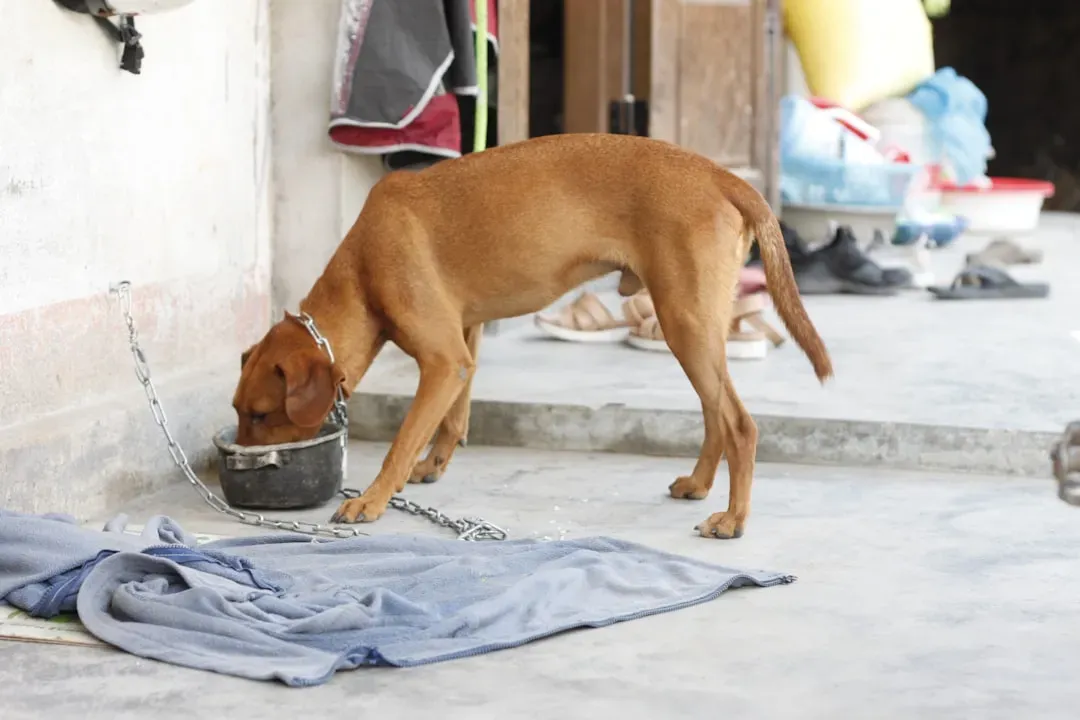
Here’s the thing – your dog isn’t being dramatic. Research shows that dogs eat less in the summer and more in winter. That seasonal appetite shift is biological, not behavioral. It’s the same reason you might reach for a light salad in July instead of a hearty stew.
Dogs, like cats, could eat up to roughly a sixth less during the summer months. That’s a meaningful drop, and for a dog owner who measures every cup of kibble with military precision, it can feel alarming. But for most healthy dogs, it’s completely within the range of normal.
If your dog is usually a “foodie” and happily clears their bowl, and you notice that they’re eating less in summer, the heat could be the reason. I honestly think the hardest part for us humans is just accepting that our dogs don’t always need what we think they need. Sometimes, their bodies simply know better.
The Science Behind the Summer Slowdown

When temperatures rise, dogs tend to have a decreased appetite because their bodies work harder to regulate their internal temperature, redirecting energy away from digestion and towards cooling themselves down. Think of it like a computer running too many programs at once – something has to give, and digestion is the first thing to get deprioritized.
The body needs to shed heat to stay safe, and eating itself creates internal heat through digestion. In fact, research shows that in warm environments, metabolism and digestion slow down to reduce heat production, directing resources toward cooling instead. So by eating less, your dog is actually doing something smart, not something alarming.
Particularly between June and August, increased daylight and higher temperatures cause hormonal changes in your dog. This results in a slower metabolism, where they naturally digest their food slower, influencing the volume of their food intake. These hormonal changes result in decreased food seeking behavior and shifts in cellular metabolism. Honestly, it’s remarkable how finely tuned a dog’s body really is.
How Heat and Daylight Affect Your Dog’s Appetite Together
As crazy as this may sound, brighter days with increased solar light can cause a dog to eat less food. Many mammals naturally reduce their food intake when there are more hours of sun during the day. It’s not just about temperature – the actual length of the day plays a role too.
The lengthening of daylight during the warmer months signals this change to the most primitive part of the brain and its hormonal responses, resulting in decreased food seeking behavior and shifts in cellular metabolism. Your dog’s brain is essentially responding to the same ancient environmental cues that wild animals have used for thousands of years.
When temperatures soar, your dog could become less active. You might notice that they power down a bit, preferring to laze in the shade than chase a toy around. Because they’re expending less energy, they might not need to get as much energy from their food and calories during hotter days. Less movement means less fuel needed. Simple as that.
Behavior Cues and Warning Signs to Watch For
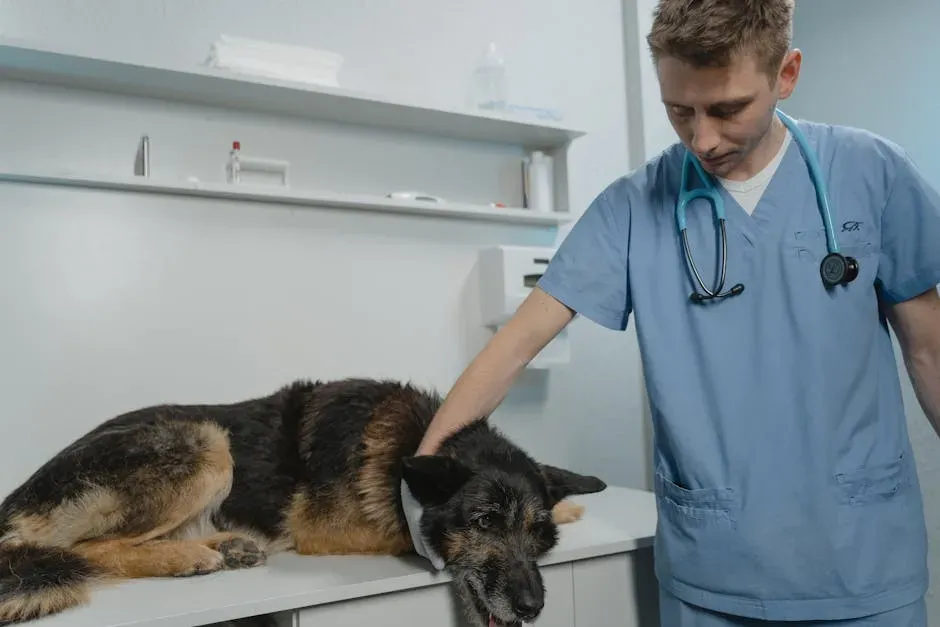
Let’s be real – there’s a difference between a dog who’s just not feeling peckish in the heat and a dog who’s genuinely unwell. Occasional skipped meals or smaller portions may be completely normal, as long as your pup still seems energetic, hydrated, and otherwise healthy. The key word there is “otherwise.” Pay attention to the whole picture, not just the food bowl.
Rapid or sustained weight loss is a red flag – a slightly slimmer waistline may be expected, but noticeable weight loss over a short period is not normal and should be checked by a vet. A reduced appetite paired with digestive symptoms like vomiting or diarrhea can be a sign of illness, overheating, or poor food tolerance. These are your cues to stop waiting and start calling.
It becomes concerning if the dog really eats very little for several days, around two to three days, loses a lot of weight, appears lethargic, or other symptoms like vomiting or diarrhea occur. Changes in behavior or temperament – irritability, clinginess, or withdrawal – can sometimes accompany appetite issues and may point to discomfort or pain. You know your dog. Trust that instinct.
Practical Tips to Keep Your Dog Eating Well in Summer

If your dog’s meals coincide with peak heat hours from around 10 a.m. to 4 p.m., they might be too uncomfortable to eat. Offering food in the cooler parts of the day can help. Early morning and late evening feedings are your best friends during a heatwave. Think of it like how you’d plan a summer barbecue – nobody wants to stand over a hot grill at noon.
If you’re worried your dog is not eating enough during the summer, try offering smaller, more frequent meals throughout the day. This can help make mealtime more manageable and prevent them from feeling overwhelmed by a big meal. Moist foods not only taste better but also help support hydration. Meals with higher water content can make a big difference in keeping your pup comfortable and nourished when the weather is warm.
Serving food slightly chilled can be more enticing. Adding hydration boosters like bone broth or hydrating fruits and vegetables such as cucumber or watermelon can be great additions. If your dog leaves food in their bowl, try reducing the quantity you’re offering them by around ten to fifteen percent each meal. Small adjustments go a long way.
Breeds and Dogs That Need Extra Summer Attention
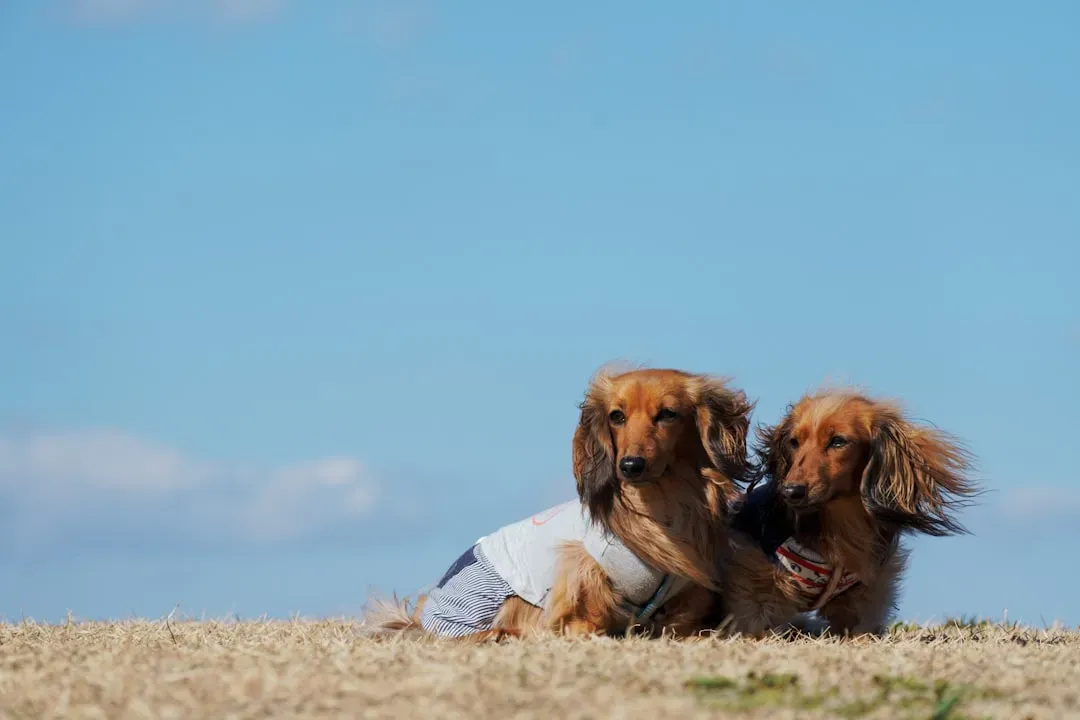
Not every dog responds to summer heat the same way. Short-nosed breeds like French Bulldogs and Pugs, or dogs with thick fur, find high temperatures especially burdensome. For these dogs, a reduced appetite isn’t just inconvenient – it can be an early signal that they’re struggling to cope with the heat more than their counterparts.
Dogs with shorter noses, like bulldogs and pugs, may struggle to breathe when it’s hot. Longhaired breeds like Alaskan Malamutes and Afghan Hounds may also face challenges staying cool during the summer because of their thick coats. If your dog falls into one of these categories, monitoring their eating and energy levels during summer is not optional – it’s essential.
This is especially important for puppies, senior dogs, or pets with existing health conditions, since heat can worsen underlying issues quickly. Summer also brings noise, travel, and changes to the daily rhythm that can throw your dog off balance. Fireworks, thunderstorms, road trips, visitors, and shifting routines can all contribute to increased stress. For sensitive dogs, these disruptions can lead to reduced appetite. Sometimes the summer calendar itself is the culprit.
Conclusion: Your Dog Is Smarter Than You Think
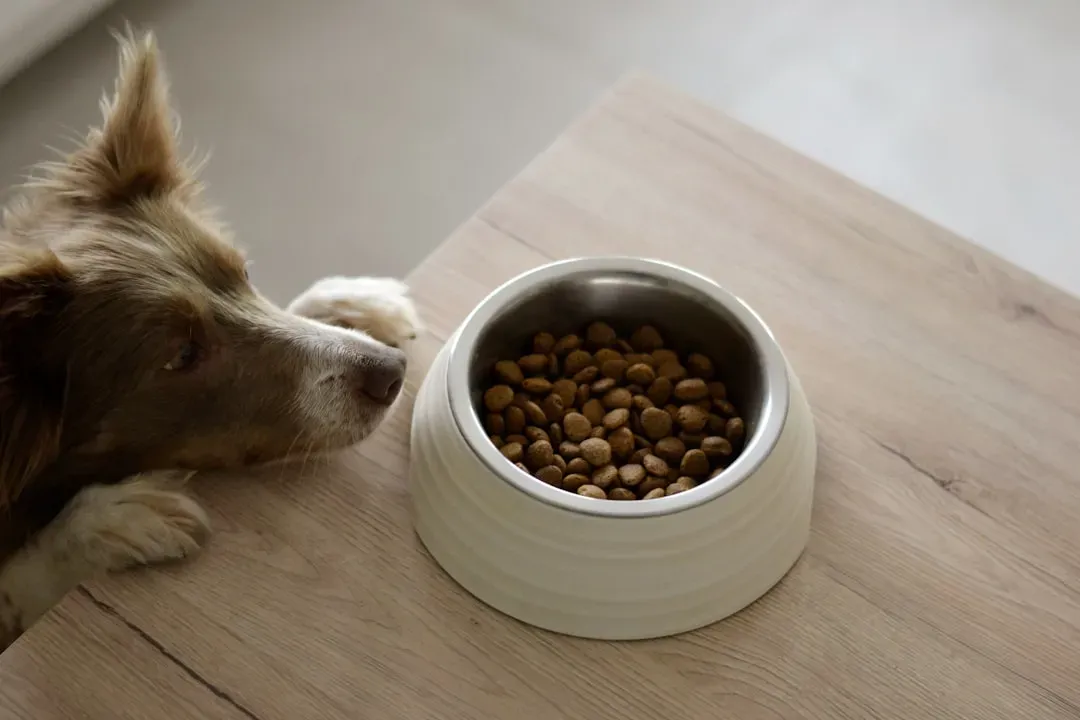
Here’s the takeaway: a dog that eats a little less in summer is usually a dog that’s doing exactly what nature designed it to do. In many ways, dogs are incredibly in tune with their environment, so if they’re eating less during summer, it’s often because their body simply doesn’t need as much fuel. That bowl with food left in it? It might actually be a sign of a healthy, well-regulated animal.
Your job as a caring dog parent is to tell the difference between a natural seasonal dip and something more serious. Adjust mealtimes, offer lighter options, stay generous with fresh water, and keep a watchful eye on the full picture of your dog’s health. Pay attention to any significant changes in your pet’s appetite, water intake, and overall energy levels. If you notice any concerning changes, don’t hesitate to seek veterinary care to ensure your dog’s well-being.
When in doubt, your vet is always your best resource. Trust them, trust your instincts, and trust your dog a little more this summer. What’s the most surprising thing your dog does when the heat kicks in? Drop it in the comments – we’d love to hear from you.


