
10 Things Dogs Understand About Your Mood (And 5 They Completely Misread)

Picture this. You’ve had the worst day of your life. You drag yourself through the front door, drop onto the couch without a word, and within seconds your dog is right there, pressed up against you, just… present. No questions. No judgment. Just that warm, breathing, fully attentive creature who somehow knew you needed exactly that.
Coincidence? Wishful thinking? Science says neither. Dogs have spent tens of thousands of years co-evolving alongside humans, developing a remarkably sophisticated toolkit for reading our emotional states. They watch our faces, listen to our voices, and yes, they literally smell our feelings. It sounds almost too extraordinary to believe. What’s even more fascinating, though, is where they get us completely wrong. Let’s dive in.
1. They Know When You’re Genuinely Sad

Here’s something that’ll stop you in your tracks. When researchers placed a person in a room and had them pretend to cry versus simply hum, the results were striking. Of the 18 dogs in the study, 15 approached the owner or investigator when they “cried” as opposed to only 6 when they hummed, indicating that the dogs emotionally connected with the humans. That’s not just curiosity. That’s something deeper, something that looks a whole lot like compassion.
Researchers found that dogs showed signs of stress, including shaking and whining, more often when they heard a human crying, and they physically touched their pet parents more often when they heard the sounds of crying. Think about that for a moment. Your dog isn’t just noticing your sadness. It’s responding to it in a way that scientists describe as functionally similar to comforting behavior. So next time you’re crying on the bathroom floor and your dog pushes the door open, know that they are not confused. They came there for you.
2. They Can Actually Smell Your Stress
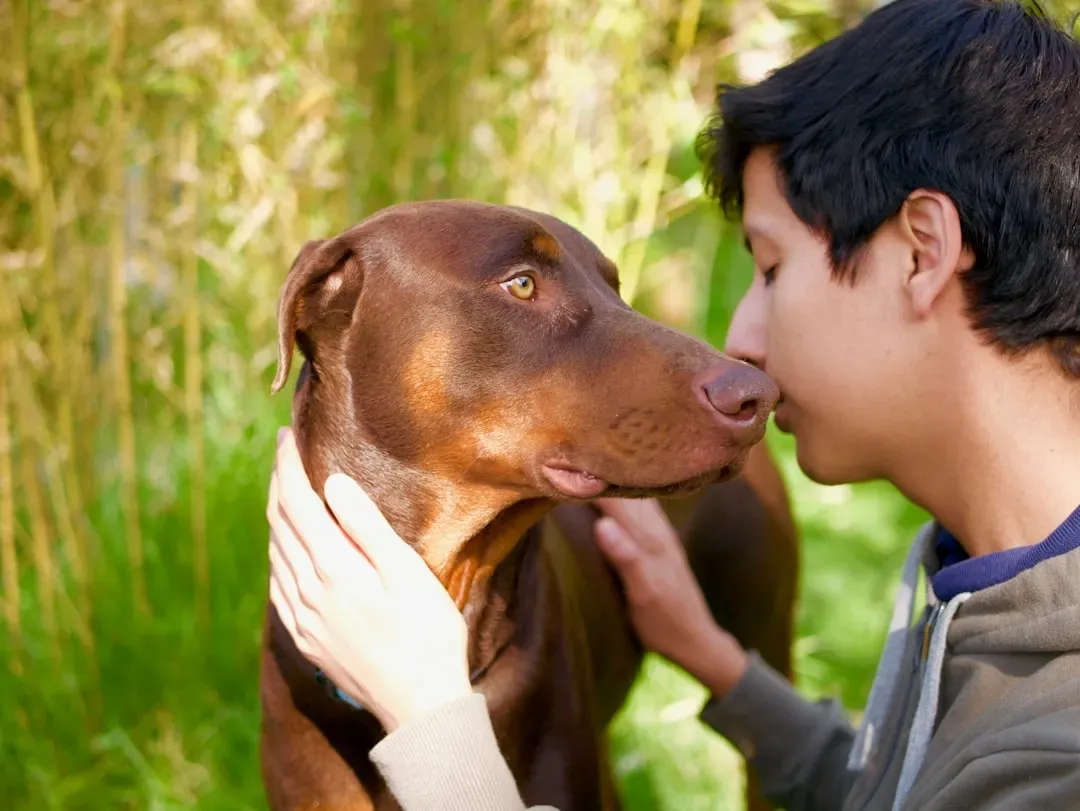
Let’s be real, this one sounds like something out of a science fiction novel. The physiological processes associated with an acute psychological stress response produce changes in human breath and sweat that dogs can detect with an accuracy of 93.75%, according to a new study. Nearly perfect accuracy. From smell alone. Without any visual or sound cues whatsoever. That should genuinely blow your mind.
It’s well-established that dogs can be trained to detect changes in levels of cortisol, a hormone that floods the body in times of stress, as service dogs do for people with certain health conditions. What makes recent research even more astounding is that this is the first study to show that without visual or auditory cues, olfactory cues of human stress may affect dogs’ cognition and learning, which, if true, could have important consequences for dog welfare and working performance. In other words, your stressed-out Tuesday morning is literally changing the chemistry of the air around you, and your dog is reading it like a headline.
3. They Pick Up on Your Fear
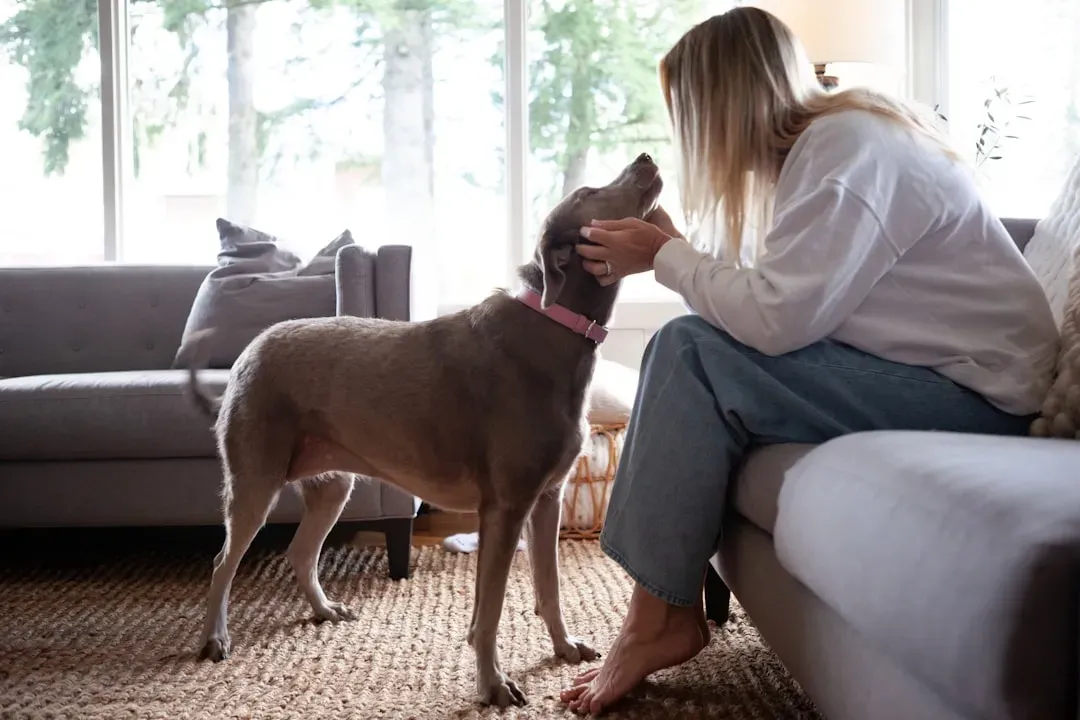
The old saying that dogs can “smell fear” turns out to be rooted in solid science, not just folklore. Fear starts in the brain but leaves chemical traces elsewhere in the body. When your amygdala senses a threat, it sends a signal to the hypothalamus, which in turn prompts your adrenal glands to release the stress hormones adrenaline and cortisol. These changes in the human body alter the mix of chemicals in our breath and sweat, and dogs are able to pick up on this.
In a study at the University of Veterinary Medicine in Vienna, dogs exposed to a fear scent showed signs of hesitation or discomfort. They spent more time near the experimenter, held their tails lower, and took longer to approach new objects presented to them. Essentially, your fear becomes their caution. Think of it like an emotional Wi-Fi signal your dog is always, always connected to. Prevention tip: if you’re anxious on a walk, your dog is likely picking it up. Non-verbal signals can be transferred down through the lead, usually without you realising. Staying calm and relaxed and keeping a loose lead will help keep your dog happy too.
4. They Notice When You’re Happy
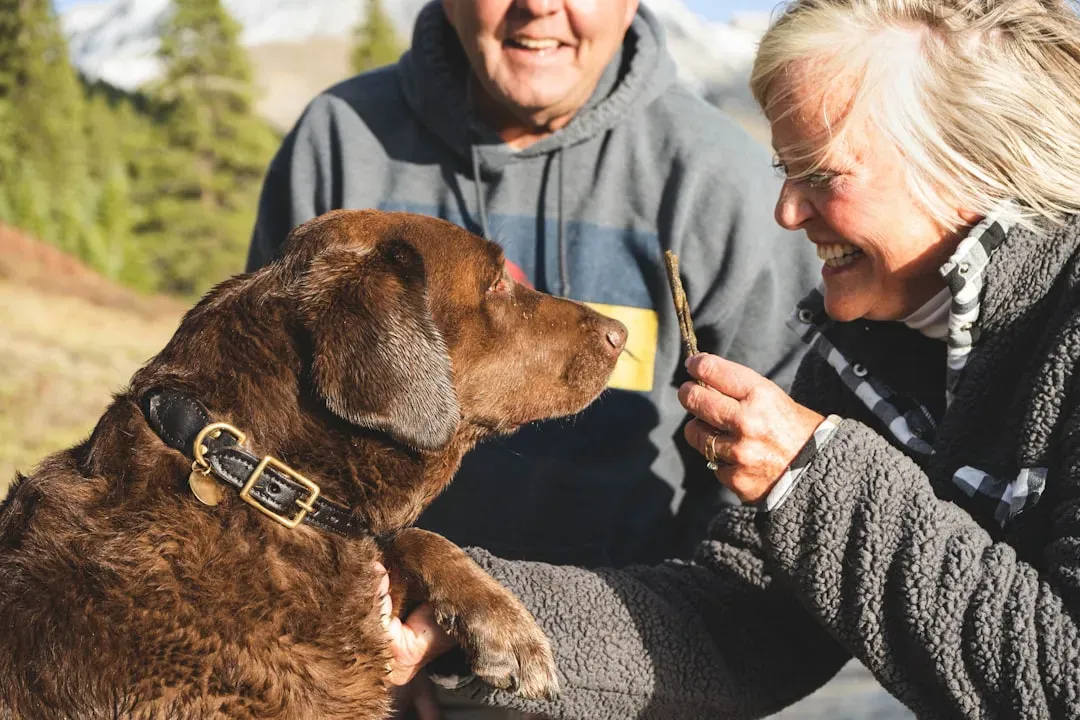
Good news arrives with a wagging tail and those ridiculous full-body wiggles. A new study examines differences in dogs’ behavior while their owners experience various emotional states. Researchers found that dogs behaved differently depending on their owner’s emotion, performing better at a training task with a happy owner. Honestly, that’s the most relatable finding in the history of science. We all do better work when the energy in the room is good.
Dogs gazed and jumped less at owners when they were sad, and their compliance with the ‘sit’ command was also diminished. Flip that around, and a cheerful you produces a more engaged, motivated, responsive dog. So if you’ve been wondering why training sessions feel effortless on your best days and like pulling teeth on your bad ones, here’s your answer. Your emotional state is setting the tone for the entire session, whether you realize it or not.
5. They Respond to the Tone of Your Voice
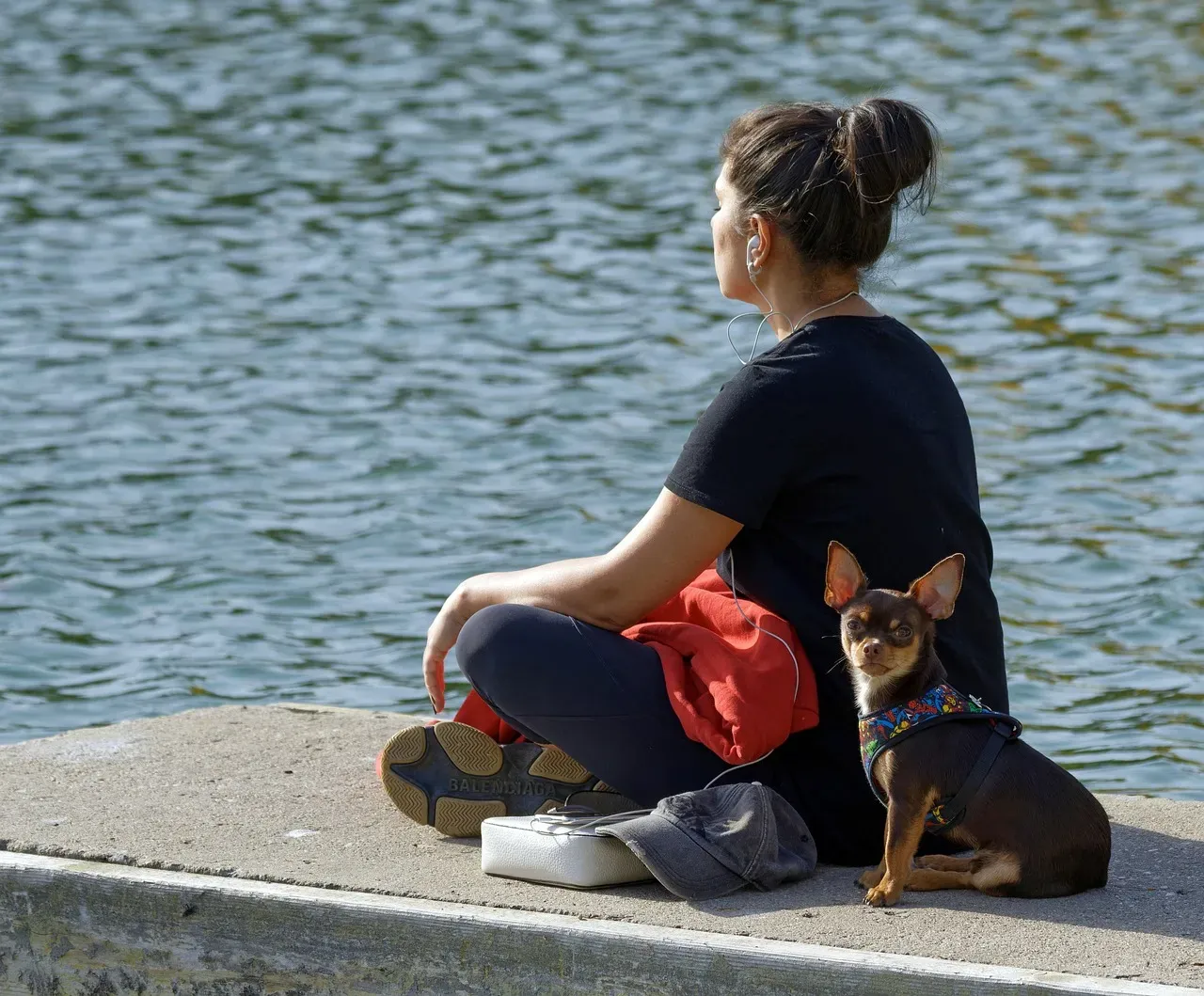
Dogs discriminate and show differential responses to emotional cues expressed through body postures, facial expressions, vocalisations and odours. Voice tone is one of the most powerful channels dogs use to read you. A calm, low voice signals safety. A sharp, raised voice signals threat or urgency. They don’t need to understand a single word to get the message. The music of the sentence matters far more than the lyrics.
Think about how differently your dog reacts when you call their name in a happy sing-song voice versus when you say the exact same name in a clipped, frustrated tone. Same word. Completely different reaction. The sounds of happiness are likely to result in a positive reaction, like tail wagging, whereas sadness and fear can result in a negative reaction, like yawning. Yawning in response to a sad voice, by the way, is a stress signal, not boredom. Worth keeping in mind.
6. They Read Your Facial Expressions
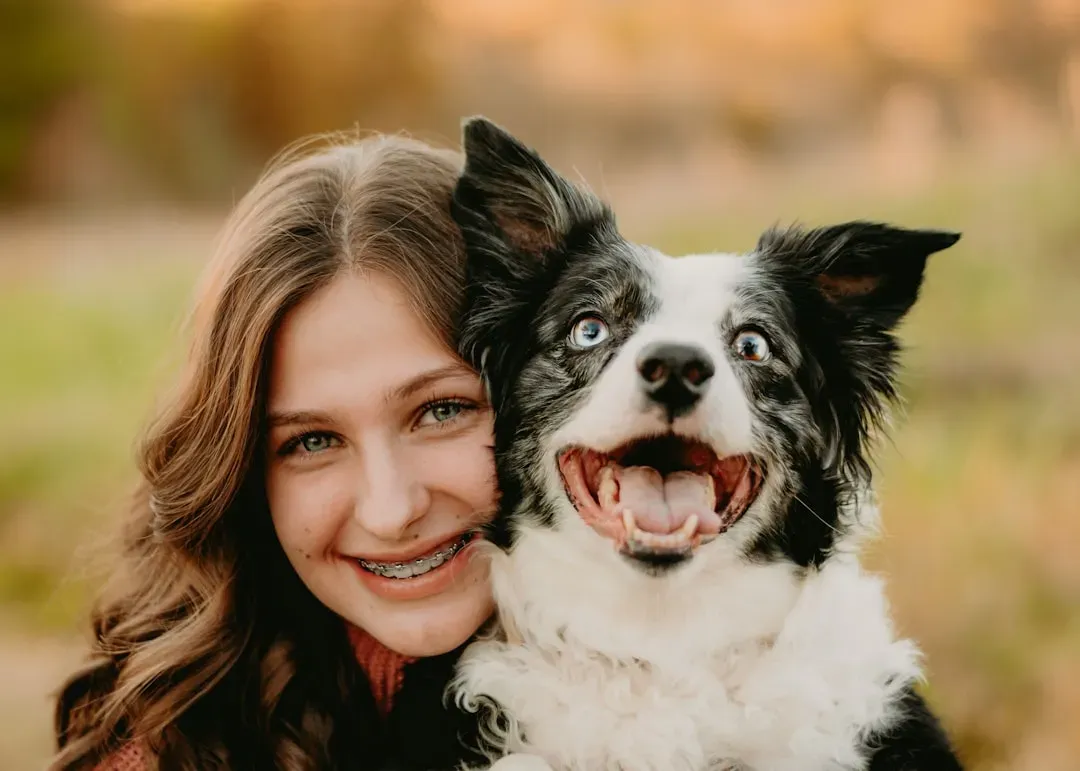
Dogs use human emotion as a discriminative cue, and when dogs for whom happy faces were rewarded were tested, they learned the discrimination more quickly than dogs for whom angry faces were rewarded, suggesting that dogs recognized an angry face as an aversive stimulus. That’s not a trained response. That’s emotional reading at a biological level. Your face is essentially a live broadcast your dog is always tuned into.
Dogs evolved alongside us, so they had to develop their own toolkit for reading a species that communicates almost entirely with its face. It’s the first time that a species other than humans has been shown to be capable of interpreting the vocal and facial expressions of an entirely different species of animal. Let that sink in. Of all the animals on earth, dogs are uniquely wired to read a human face. They didn’t just learn this. They evolved for it. That’s not a pet. That’s a co-pilot.
7. They Sense Tension Between People
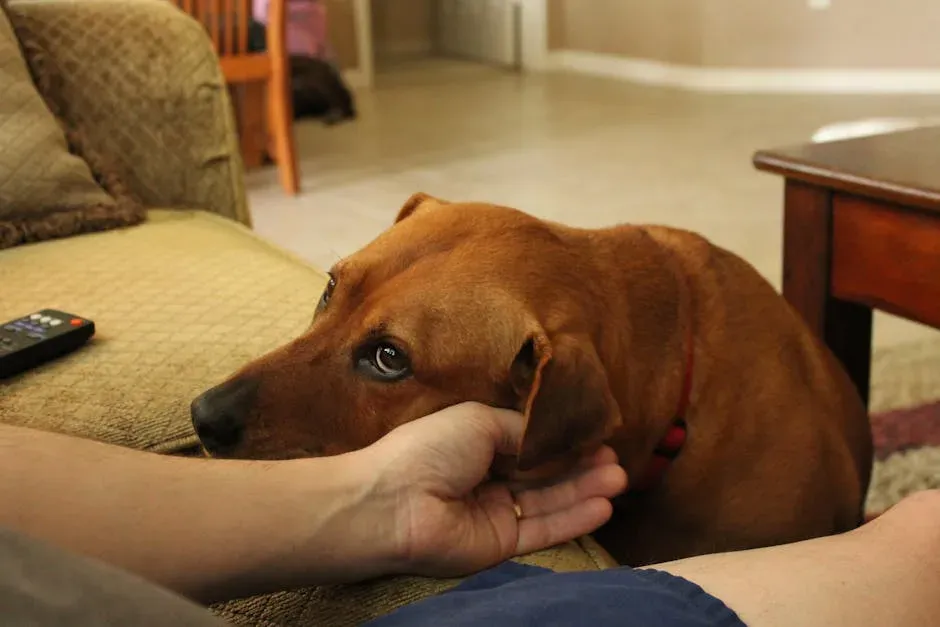
Ever notice your dog acting weird during an argument? Pacing, whining, trying to physically get between two people who are fighting? That’s not accidental. In addition to being able to recognise emotional expressions, dogs are able to access their affective content and respond to them. Dogs can make functional use of the emotional information they obtain from heterospecific visual emotional displays and utilise this information during decision-making.
Dogs are social animals at their core. Disruption in the social group, meaning you, their family, is deeply unsettling to them. With their domestication, dogs have also become dependent on us for their well-being, thus they are attentive to “the hand that feeds them.” This physical dependence is another reason why dogs are attuned to our moods. In a practical sense, this means ongoing household conflict can actually affect your dog’s stress levels over time. If your home feels tense, your dog feels it too, constantly.
8. They Mirror Your Energy Level
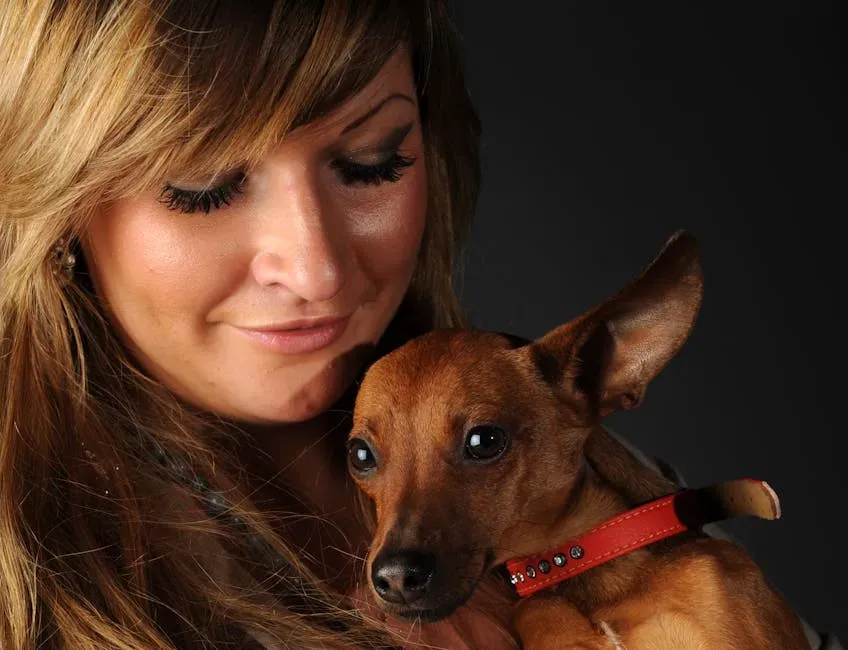
Your mood is literally affecting how well your dog can learn. Think about that the next time you’re trying to train during a stressful week. It’s almost like they’re mirroring your energy, a canine kind of empathy, though researchers are careful about using that exact word. This emotional mirroring, sometimes called emotional contagion, is a deep-rooted social mechanism that predates domestication itself.
These stress responses show that, rather than being a learned behavior, understanding human emotion may be a result of evolution during the domestication process. In other words, thousands of years of living with us has literally shaped the dog brain. Think of your dog as an emotional thermostat. If you come home buzzing with excitement, they crank up. If you trudge in exhausted and depleted, they settle down beside you. It’s one of the most beautiful and underappreciated things about the human-dog bond.
9. They Detect Shifts in Your Routine Mood
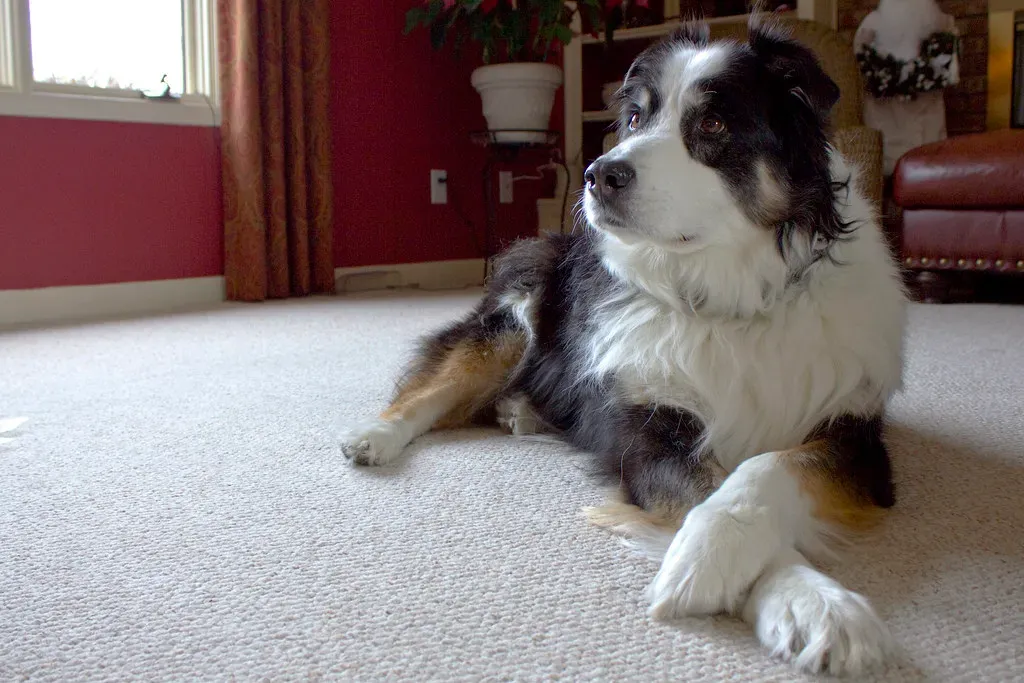
Part of a dog’s ability to understand human emotions stems from the centuries-long relationship between humans and canines. Dogs and humans have existed side by side for thousands of years and during that time our canine friends have evolved as a species. That shared history means dogs have become extraordinarily good at learning the patterns of the specific humans they live with. They know your baseline. They notice when something’s off.
This is why your dog often seems anxious before you even know you’re anxious. They’ve catalogued the subtle shifts in your morning routine, the speed of your movements, the tension in your posture. Dogs can sense stress based on a combination of cues and the context of the situation. They can observe your facial expressions and body language and listen to the tone of your voice. And of course, dogs have powerful noses that can detect changes in how we smell. It’s a whole-body surveillance system pointed entirely at you, and it’s running twenty-four hours a day.
10. They Respond to Your Grief and Distress With Comforting Behavior
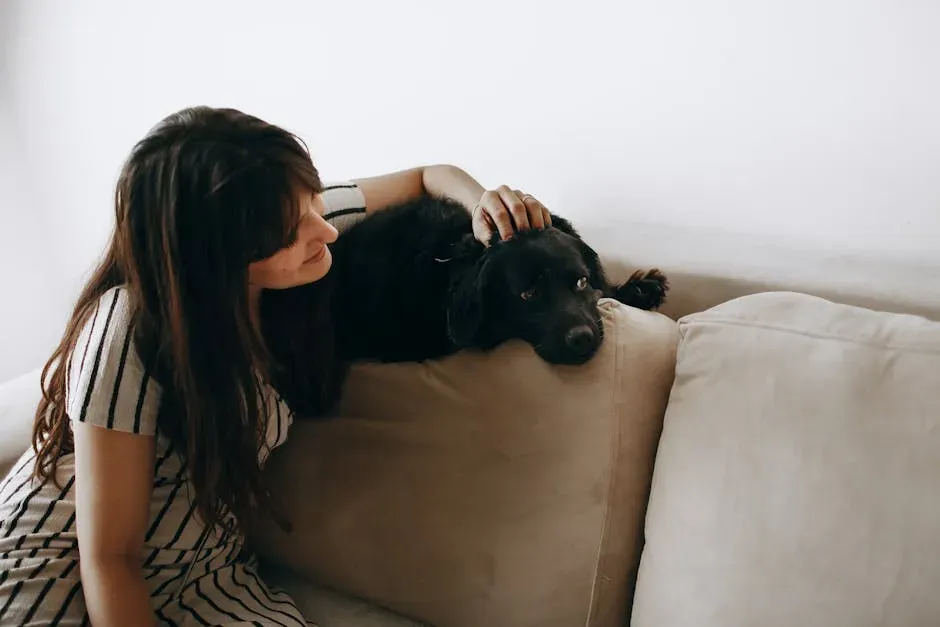
Studies showed that dogs were trying to provide comfort, not seeking it. If they wanted to be comforted themselves, they would have approached the quiet person instead of the crier, especially when the quiet person was their trusted owner. Approaching the stranger in distress showed actual empathy. That last detail is the one that gets me every time. Moving toward a distressed stranger, not just their bonded owner, speaks to something genuinely remarkable in canine social instinct.
Dogs are able to access the affective content of emotional expressions and respond to them. They can make functional use of the emotional information they obtain from others during decision-making. The practical takeaway here is profound. Your dog is not simply reacting when you’re struggling. They are actively making a choice to move toward you, to stay close, to offer their presence as a form of comfort. That choice matters. You deserve to feel seen by that.
11. They Completely Misread Your Hugs

Here’s a hard pill to swallow. That hug you give your dog when you’re feeling especially loving? Your dog probably doesn’t love it. Showing affection through hugging is second nature to people, but not all dogs like hugs. Some dogs will cuddle up to us but only in their own way, often one which is less restrictive for them. Hugging is fundamentally a human behavior, and to a dog, the sensation of being restrained around the body can read as confinement or threat.
Humans tend to exhibit human communicative gestures of affection to their dogs, including hugging, touching, kissing and restraining them. A high number of stress behaviors were observed in the dogs involved, which may have occurred due to misunderstanding of the information a dog is communicating during human-dog play, petting and hugging behavior. Prevention tip: watch for stress signals when you hug your dog. A stiff body, turned head, flattened ears, or lip licking mean they’d rather you just sit close without the squeeze.
12. They Completely Misread Your Intense Eye Contact
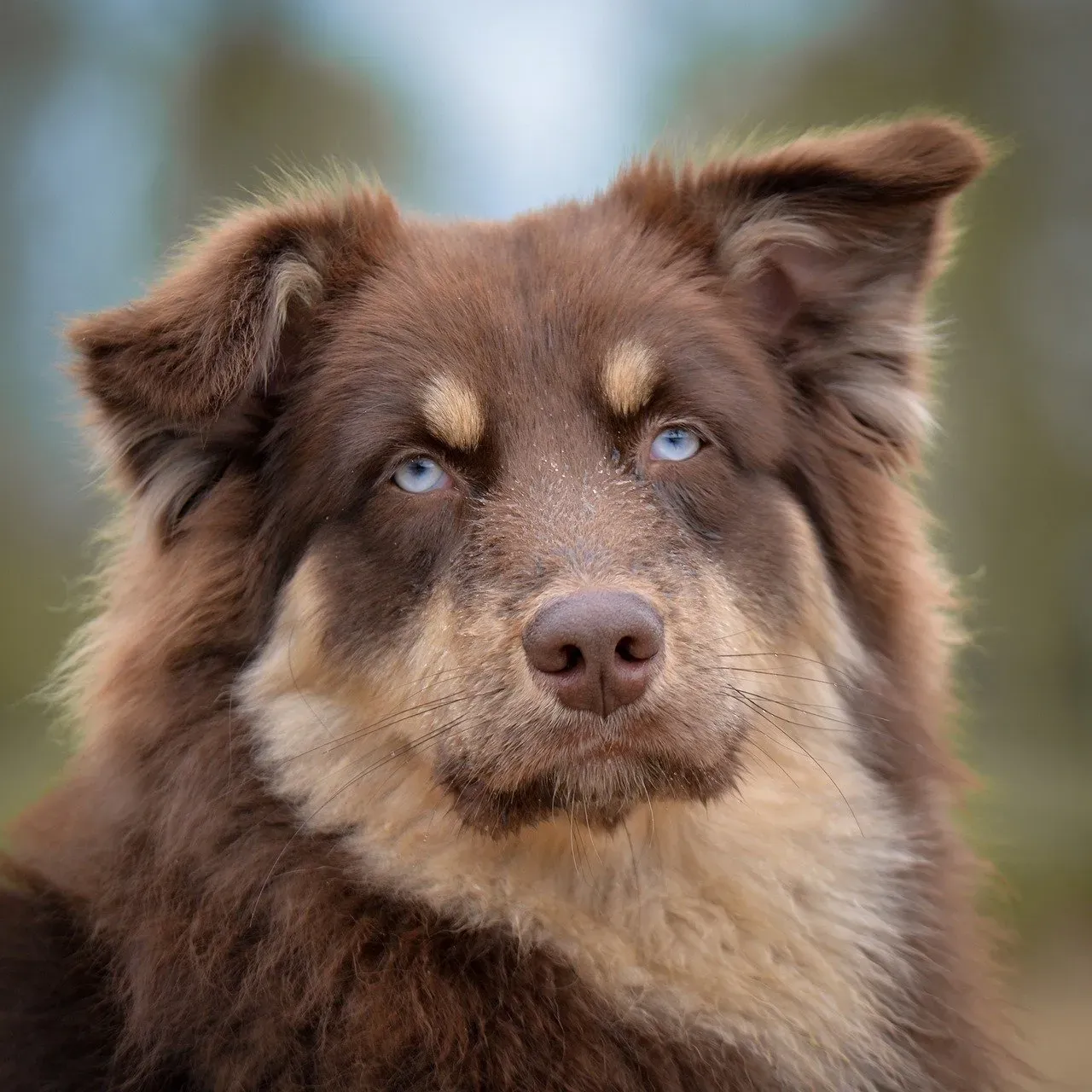
For us, holding someone’s gaze warmly communicates love, attention, trust. When talking to another human, eye contact is important, showing interest and engagement. To a dog, however, maintaining eye contact is perceived as a challenge or a threat. Dogs will look directly at us if they trust us and feel at ease, but they will frequently turn their head or look away to show they are being non-confrontational.
Prolonged periods of eye contact can make a dog feel really worried. This is especially important when meeting a new or unfamiliar dog. What you intend as a warm, friendly greeting can land as a threat display from the dog’s perspective. When looking at your dog, try to do so with as soft a gaze as possible to keep them calm and comfortable, and avoid holding direct eye contact. A slow blink and a gently turned head is actually the loving thing to do. Yes, it feels counterintuitive. That’s kind of the point.
13. They Completely Misread the “Guilty Look” Situation
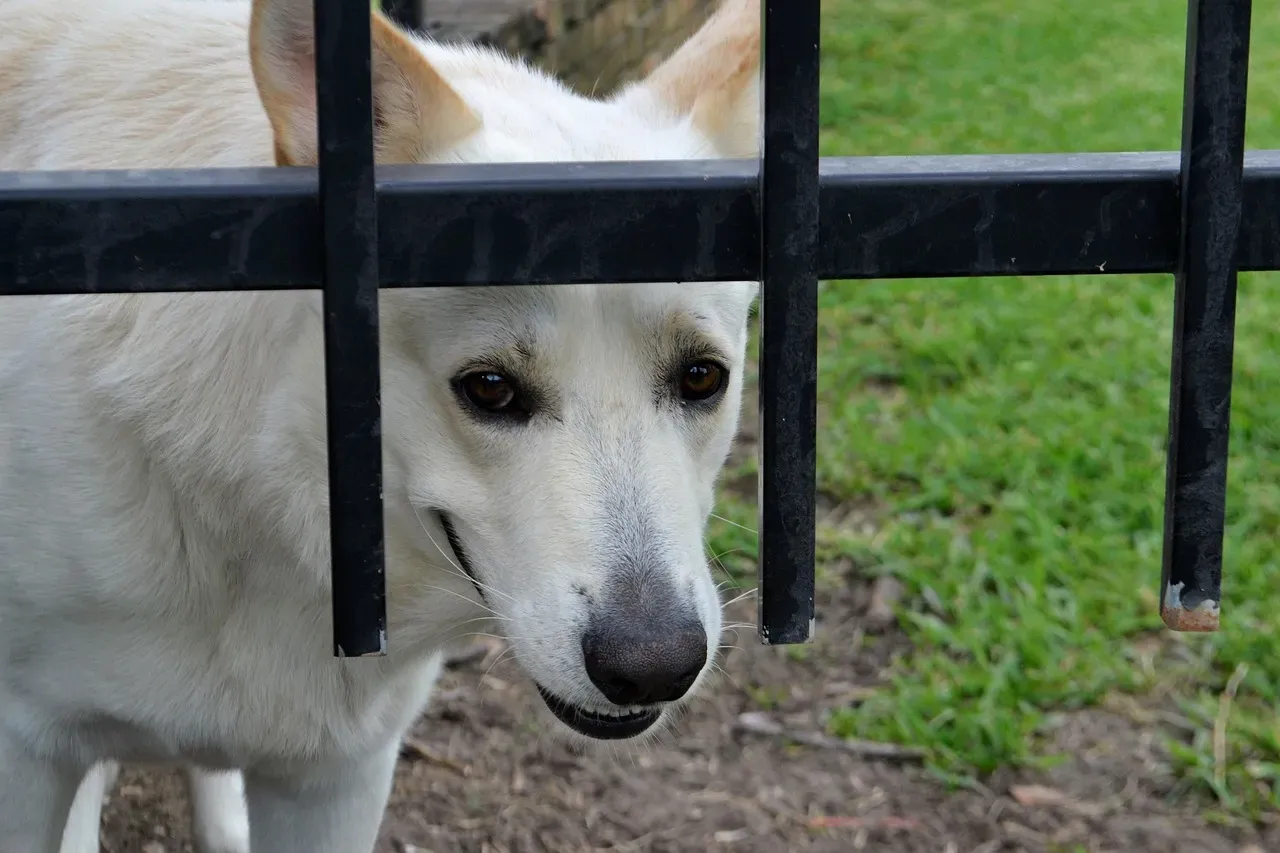
Every dog owner knows this scene. You walk in. Something’s destroyed. Your dog immediately adopts that heartbreaking, ears-down, slow-tail-wagging, eyes-averted pose. You’ve been trained to see guilt. Science says you’re wrong. Researchers observed dogs and their owners under several sets of circumstances and discovered that dogs would display “guilty” body language more frequently when their owners scolded them than when the owners remained neutral, regardless of whether the dogs had actually done anything wrong.
Beratement after the fact did not work, and the guilty look is better interpreted as fear or appeasement. These are the same actions that animal behavior researchers describe as reflective of submission, appeasement, anxiety or fear. Such displays are employed by social species, such as dogs and wild gray wolves, in many different contexts to reduce conflict, diffuse tension and reinforce social bonds. In plain terms, your dog isn’t confessing. They’re reacting to the angry version of you that just walked through the door. Scolding long after the fact doesn’t teach them anything, except to feel anxious around you when things seem off.
14. They Completely Misread a Wagging Tail as Always Welcome
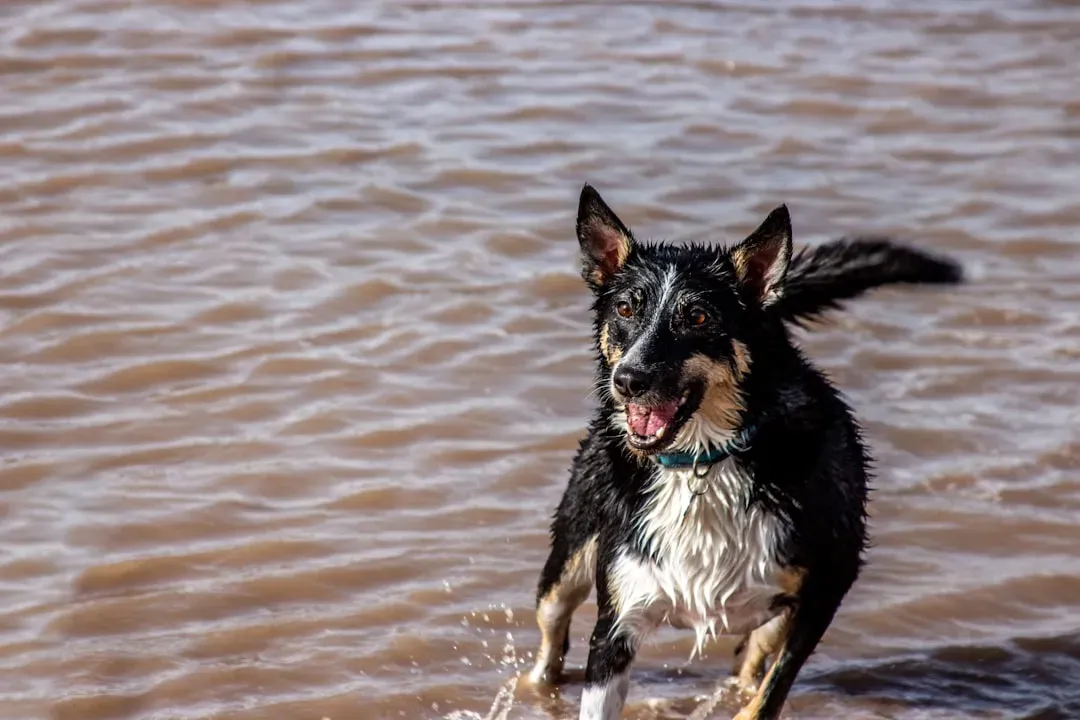
Dogs wag their tails when they’re happy. Everyone knows that. Except it’s not that simple, and the misunderstanding actually runs in both directions. Tail-wagging seems like an obvious body language signal. If a dog’s tail is wagging, the dog is happy, right? All a wagging tail means is that the dog is emotionally aroused. Aroused can mean excited. Aroused can also mean stressed, overstimulated, or on the verge of reactive behavior.
While many people equate a wagging tail with happiness, it can be more nuanced. Tail movement can vary, reflecting different emotional states. Tail wags to the right are said to be positive, while tail wags to the left are negative. “People may think the dog is friendly, but sometimes a wagging tail is a way of saying, ‘Please, stay away.'” Practical tip: always check the full picture. A loose, sweeping wag with a relaxed body is happy. A stiff, high, rapid wag with a tense body is a warning. Read the whole dog, not just the tail.
15. They Completely Misread Your Emotional State Based on Context Alone

This one is a fascinating flip of the script, because it’s actually about how we misread our dogs when we project our emotional context onto them. New research from Arizona State University has revealed that people often do not perceive the true meaning of their pet’s emotions and can misread their dog. The reasons for this include a human misunderstanding of dog expressions due to a bias towards projecting human emotions onto our pets. The dog mirrors your energy, you project your narrative onto the dog, and suddenly nobody in this relationship is actually reading anybody clearly.
Humans often misinterpret dogs’ emotions, primarily due to projecting human emotions onto them and focusing on situational context rather than the dogs’ actual behavior. Experiments showed that people judged dogs’ emotions based on the context of events rather than the dogs’ actions. The fix? Recognizing this bias and paying closer attention to individual dogs’ cues can improve understanding and strengthen the human-dog bond. Slow down, zoom in, and watch what your dog’s body is actually doing, not what you expect it to mean.
The Takeaway: You’re in a Relationship With a Master Emotional Reader

Dogs are not just cute, loyal companions responding to basic commands and food rewards. They are emotionally perceptive beings, shaped by tens of thousands of years of life alongside humans, equipped with sensory tools that go far beyond what most of us imagined. Your dog is watching you, smelling you, and interpreting you more deeply than most humans in your life ever will. That’s not an exaggeration. That’s what the science now tells us.
The relationship is one of the most unique in nature, and it deserves to be treated that way. Understanding what your dog gets right about your emotions, and where the wires get crossed, isn’t just intellectually interesting. It makes you a better, more empathetic caregiver. It strengthens the bond. It reduces stress for both of you. Your dog is “talking” to you all the time. If you learn what your dog is saying, you will develop a deeper bond of trust and respect. Your newfound understanding of your dog’s emotional state can help you predict their behavior and prevent problems before they arise.
So here’s a thought to leave you with: your dog has probably understood you more accurately than you’ve understood them. What would change in your relationship if you started returning the favor? What do you think? Tell us in the comments – we’d love to hear your stories.