

Picture this: it’s a warm spring afternoon, your dog is bounding happily through the backyard, nose to the ground, tail wagging like crazy. You feel relaxed, maybe even proud of how gorgeous your garden looks this season. The tulips are blooming, the azaleas are popping with color, and the hedgerow is perfectly trimmed. It looks like paradise. But here’s the thing – for your dog, that paradise might secretly be a minefield.
Dogs are naturally curious, and that curiosity often leads them to sniff, chew, and even snack on household plants. While some greenery is harmless, others can be toxic, causing anything from mild stomach issues to more serious symptoms and even death. Many common houseplants, garden flowers, succulents, and even outdoor shrubs contain toxins that can be dangerous to dogs if ingested. Honestly, the scariest part is that most of us have no idea these plants are even dangerous. So let’s change that. Let’s dive in.
1. Sago Palm – The Most Dangerous Plant in Your Yard
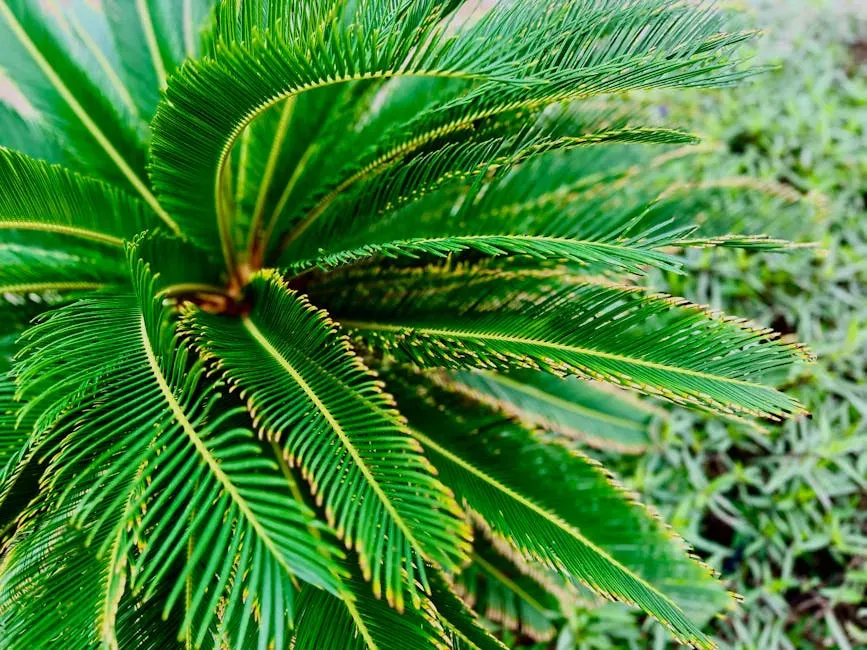
With its stiff fronds, the sago palm looks like a tiny palm tree and can live indoors or outdoors. It’s toxic to all pets. Let’s be real, it’s also one of the most popular landscaping choices in warmer states, which makes it especially alarming. This is not a “mild tummy upset” kind of plant.
Every part of the shrub, especially the seed pods and nuts, contains a toxin called cycasin, which is so harmful that any part of the plant, including a single seed, can cause death. If your dog digs around the base of a sago palm and crunches on even one seed, the clock is ticking. The sago palm is extremely toxic and potentially fatal, causing liver damage even in small amounts. Immediate veterinary attention is critical. Do not wait to “see how they feel.” Get to the vet immediately.
2. Azalea and Rhododendron – A Pretty Poison in Full Bloom
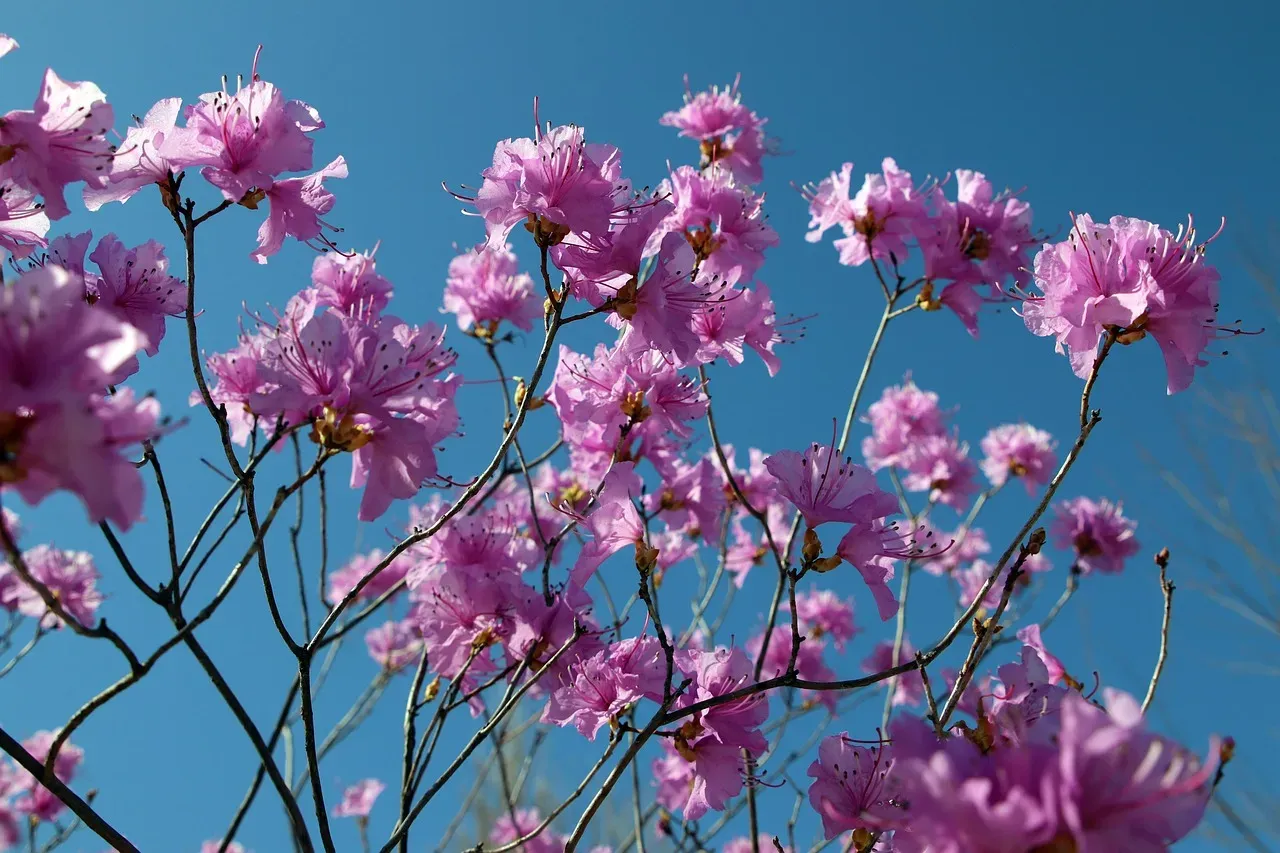
There are over 250 species of Azalea found throughout North America. Despite their beautiful showy flowers that can bloom any time from the spring through the fall, azaleas are popular outdoor plants that are highly toxic to dogs. They are everywhere – front yards, parks, sidewalk borders. Most dog owners never think twice about them.
All parts of the plant are extremely poisonous to dogs because they contain grayanotoxin, which can cause vomiting, diarrhea, vision problems, and even coma or death. What makes this especially tricky is the dose. Symptoms can occur when a dog has consumed as little as 0.2% of his or her body weight. Grayanotoxins in azaleas primarily affect the dog’s heart and intestinal tract. For a small dog, that’s almost nothing. Keep your pup well away from these shrubs, no matter how lovely they look.
3. Lily of the Valley – Small Flowers, Big Threat
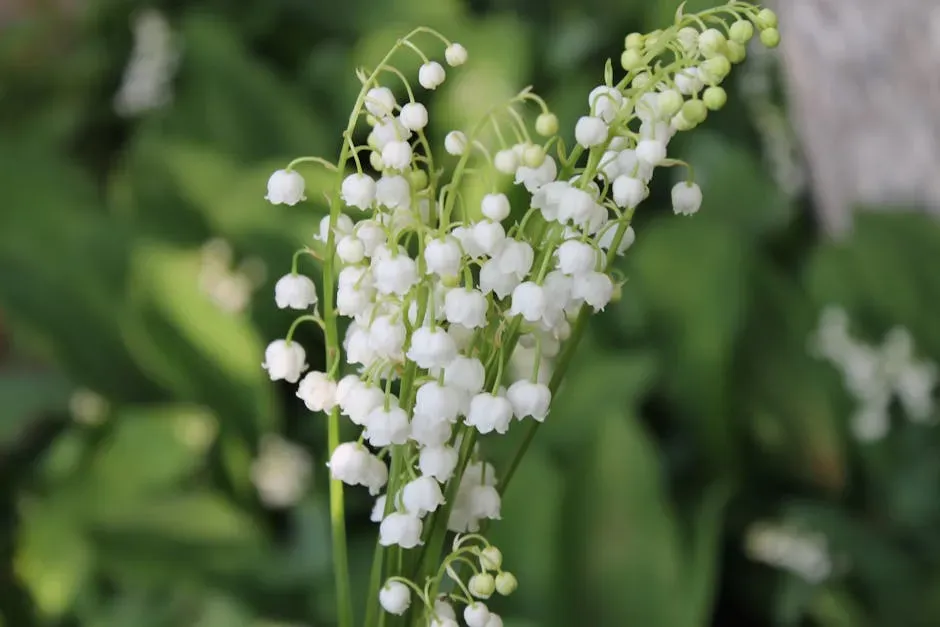
There are a ton of reasons why lilies of the valley are such popular garden plants: they are sweet-smelling, they have adorable little white bell-shaped flowers, and they can thrive in shady places. But though they may be pretty, lilies of the valley are poisonous to dogs. It’s one of those plants that feels innocent – almost whimsical, like something out of a fairy tale. Don’t be fooled.
Despite their seemingly innocent appearance, they contain deadly cardiac glycosides that work by affecting the electrical activity of the dog’s heart. This can lead to signs of poisoning in dogs from lily of the valley. Symptoms of ingestion include diarrhea, vomiting, a drop in heart rate, and cardiac arrhythmia. Think of it like this: the plant is essentially a small, sweet-smelling heart attack waiting to happen for your pup. If your garden has shady corners where this plant thrives, it might be time for a reassessment.
4. Daffodil – Spring’s Cheerful but Dangerous Bloom
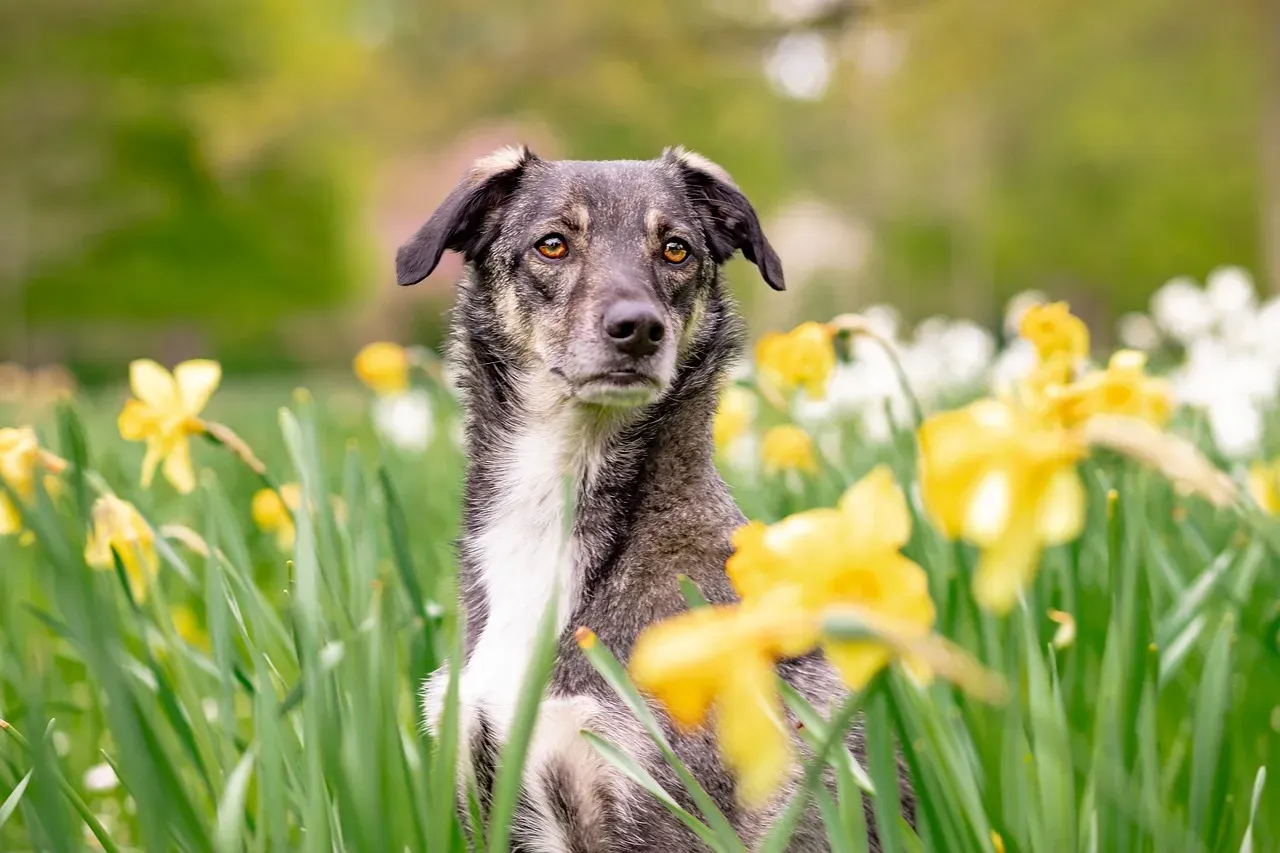
Daffodils are the unofficial mascot of springtime. Almost every garden has them, and they look so cheerful waving in the breeze. Most dog owners would never suspect them. I get it – they seem so harmless.
All parts of the daffodil plant are potentially toxic, containing a poisonous substance called lycorine, but the bulb is the most harmful. Here is where it gets really concerning for dog owners who garden. Signs of plant poisoning in dogs may include diarrhea, lethargy, drooling, trembling, abdominal pain, vomiting, and possibly death. A dog just brushing up against them can also cause skin irritations. If you’re replanting daffodil bulbs in autumn and your dog is nearby nosing around the soil, that’s a genuine risk. Supervise digging sessions closely, and store any loose bulbs completely out of reach.
5. Foxglove – Tall, Elegant, and Silently Dangerous
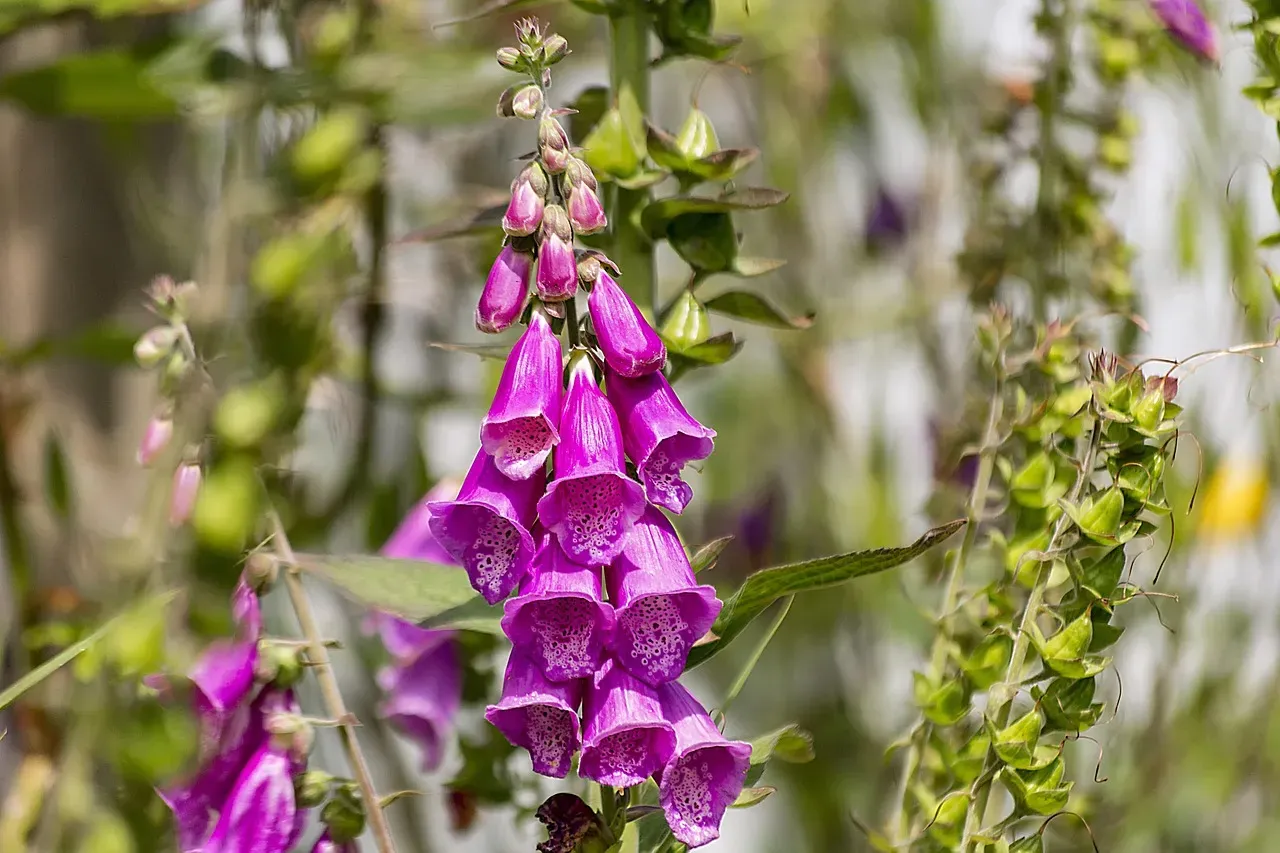
Foxglove is a tall plant with downward-facing, bell-shaped flowers and is found in hardiness zones 4 to 9. It’s a garden showstopper. The tall spires of pink and purple blooms look almost architectural. Many gardeners adore them for their dramatic effect along fences and borders.
All parts of these tall beautiful flowers, from the seeds to the petals, are extremely toxic to dogs. Ingestion can cause cardiac failure and even death. All parts of these plants, from the seeds to the petals, contain cardiac glycosides, which are extremely toxic to dogs. Signs of ingestion include weakness, vomiting, diarrhea, cardiac arrhythmia, and death. This is a plant you genuinely want to rethink having in any space your dog has access to. If you love the look, consider planting it in a fenced-off section of the garden that is completely inaccessible to your dog.
6. Tulips and Hyacinths – The Spring Bulb Danger Duo
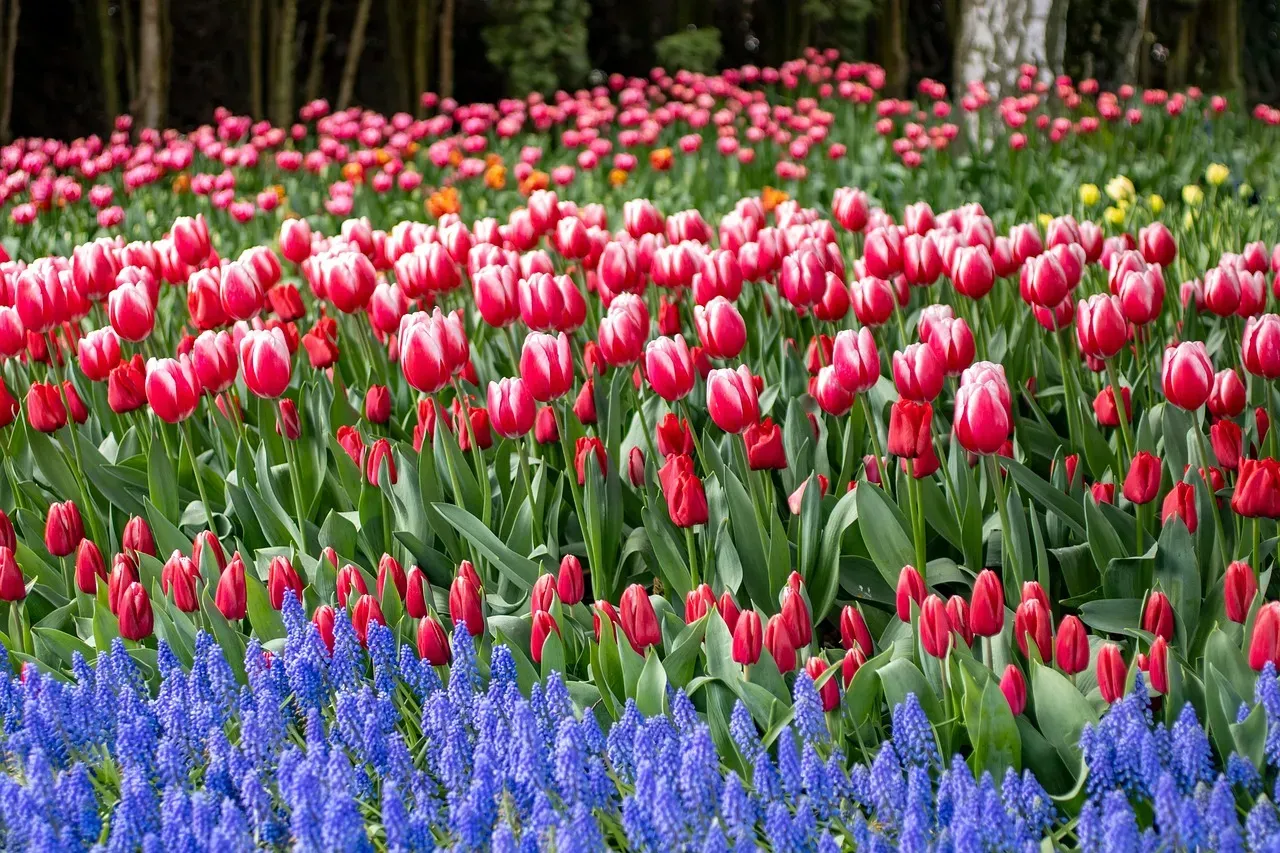
The bulb is the most toxic part, but any part of these early-blooming flowers can be harmful to dogs, causing irritation to the mouth and esophagus. Tulips are one of the world’s most beloved flowers. Hyacinths fill the air with one of the most intoxicating scents imaginable. Together, they’re basically the superstar duo of the spring garden.
The bulb is the most toxic part, but any part of these early-blooming flowers can be harmful to dogs, causing irritation to the mouth and esophagus. Typical symptoms include excessive drooling and vomiting. If many bulbs are eaten, symptoms may include an increased heart rate and irregular breathing. The real danger moment is during planting and replanting season, when bulbs are exposed and easily accessible. A dog who loves to dig, and let’s be honest, most of them do, could quickly get into serious trouble. With care from a vet, dogs usually recover with no further ill effects if caught quickly, so speed matters here.
7. Autumn Crocus – A Delayed and Devastating Reaction
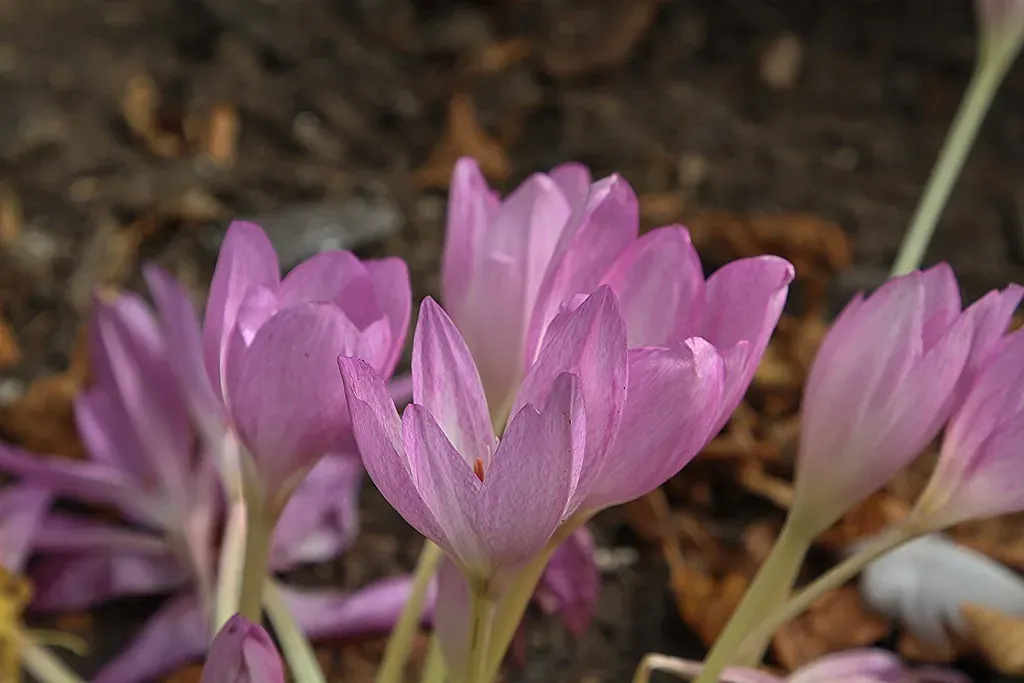
There are many species of crocus, but the most dangerous species for dogs is the Autumn Crocus, Colchicum autumnale. The plant is originally from the Mediterranean and Asia. It’s a stunning plant, producing rich purple flowers that seem to appear from nowhere in the fall. Many gardeners love it precisely because it blooms when most other plants have gone to sleep.
Autumn crocus plants contain colchicine, which is extremely toxic, causing gastrointestinal bleeding, severe vomiting, kidney and liver damage, and respiratory failure. Symptoms might be delayed for several days, so don’t wait to seek veterinary attention if your dog has ingested any part of this plant. That delayed onset is what makes this plant particularly insidious. Your dog could eat part of the plant, seem fine for a day or two, and then crash hard. Colchicine, the toxic agent in the plant, is highly toxic and can cause death when the dog eats as little as 0.8 milligrams per kilogram. When in doubt, act immediately rather than waiting.
8. Oleander – A Garden Staple That’s Toxic to the Core
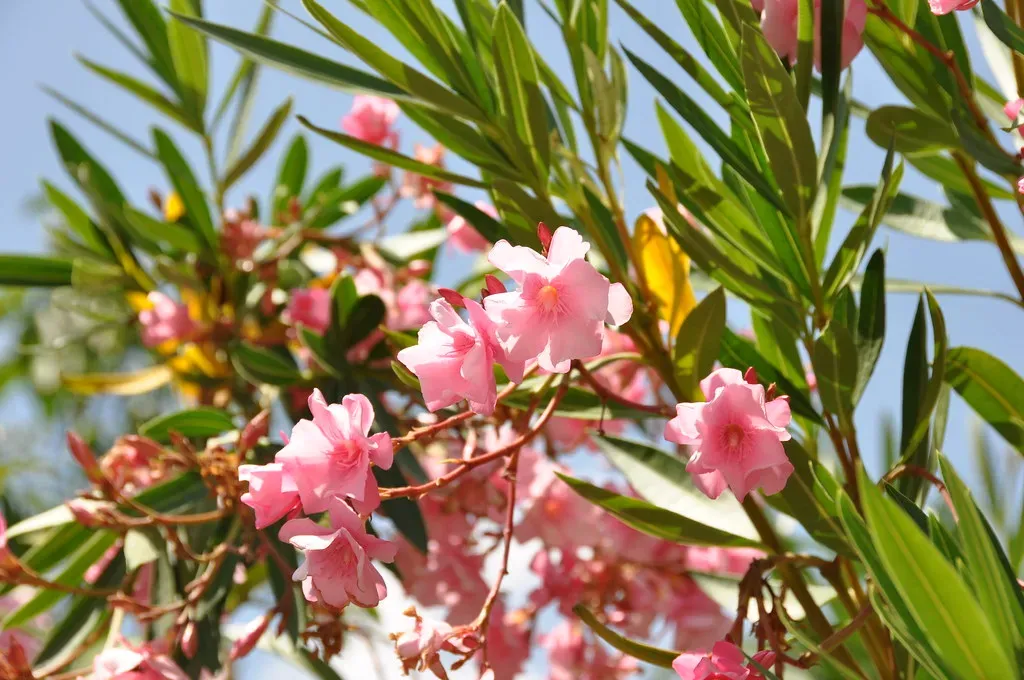
This bushy shrub can grow as high as 12 feet, and it’s prized for its cluster of flowers in shades of yellow, white, pink, and red. Every inch of this plant is poisonous to dogs, from the flower petals to the pointy, long leaves. Oleander is incredibly popular in Southern and Western gardens, lining driveways and filling median strips all across warmer states. Its lush appearance gives absolutely no hint of the danger it harbors.
Oleander grows wild in some of the Southwestern parts of the United States, including Arizona, California, and Texas. Signs of ingestion include increased thirst, decreased appetite, vomiting, and in severe cases, cardiac arrhythmias, respiratory problems, convulsions, and death. The sobering reality is that because oleander is so widely planted in public spaces, your dog may encounter it on everyday walks, not just in your own backyard. Teaching the “leave it” command and staying vigilant on walks near landscaped areas is genuinely important. It could save your dog’s life.
9. Hydrangea – Beautiful Blooms with a Hidden Bite

With high concentrations of toxic substances in the flowers and leaves, ingestion, especially of the leaves and flowers, can cause lethargy, diarrhea, vomiting, and other gastrointestinal upsets. Hydrangeas are the darlings of the modern garden. They photograph beautifully, they come in dreamy shades of blue, purple, and pink, and they feel almost impossibly lush. It is genuinely hard to imagine anything that looks this romantic being a problem.
Consumption can cause intense vomiting, diarrhea, depression, and tremors. Most dogs experience gastrointestinal distress rather than organ failure with hydrangea, but that is still absolutely no reason to be casual about it. A dog who has eaten a significant amount of leaves or flowers will be in real discomfort, and the symptoms can escalate. Prevention is simple: use low fencing or raised beds to keep your dog from casually browsing through your hydrangea borders. It is a small effort with a big payoff.
10. English Ivy – The Creeping Garden Hazard
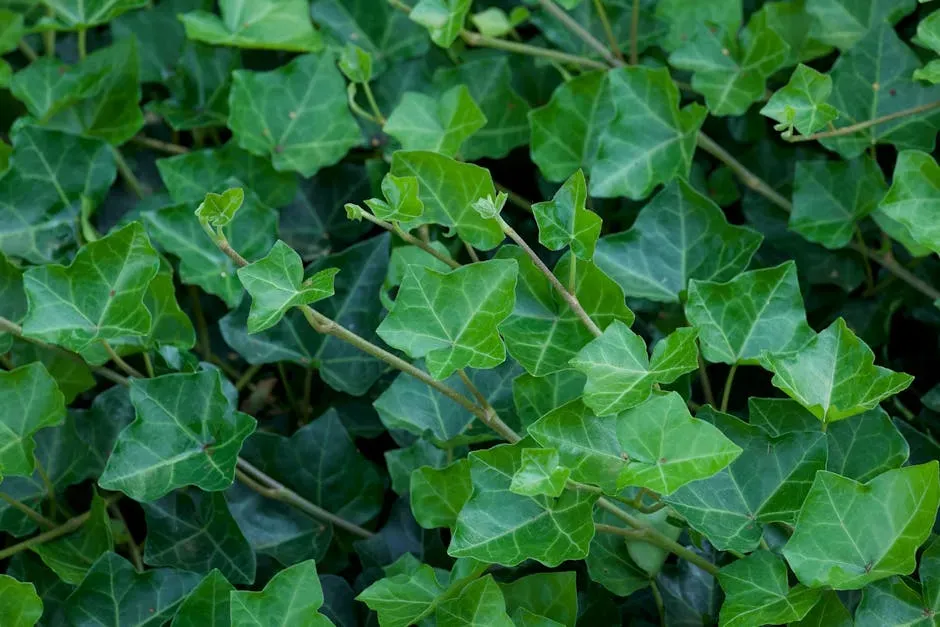
Common ivy, also known as English ivy, is a dark green climbing vine often found on trees and the ground in gardens and outdoor spaces. It is the default ground cover for countless yards, climbing up walls, draping over fences, filling in shady patches. It looks established, trustworthy, and utterly harmless. That is precisely why so many dog owners overlook it.
Its leaves, vines, berries, and flowers are all toxic to dogs. It can cause a range of digestive upset if eaten and skin irritation if there’s skin contact with the plant. Ingestion can result in excessive salivation and drooling, vomiting, diarrhea, a swollen mouth and tongue, and difficulty breathing. Here is a relatable scenario: your dog rolls around in a patch of ivy on a warm afternoon, licks their paws, and then suddenly seems off. Skin contact followed by self-grooming is a real and underestimated exposure route. Check areas where ivy grows low and sprawling, and where your dog loves to roam, particularly in autumn when the berries are present.
What to Do If Your Dog Eats a Toxic Plant
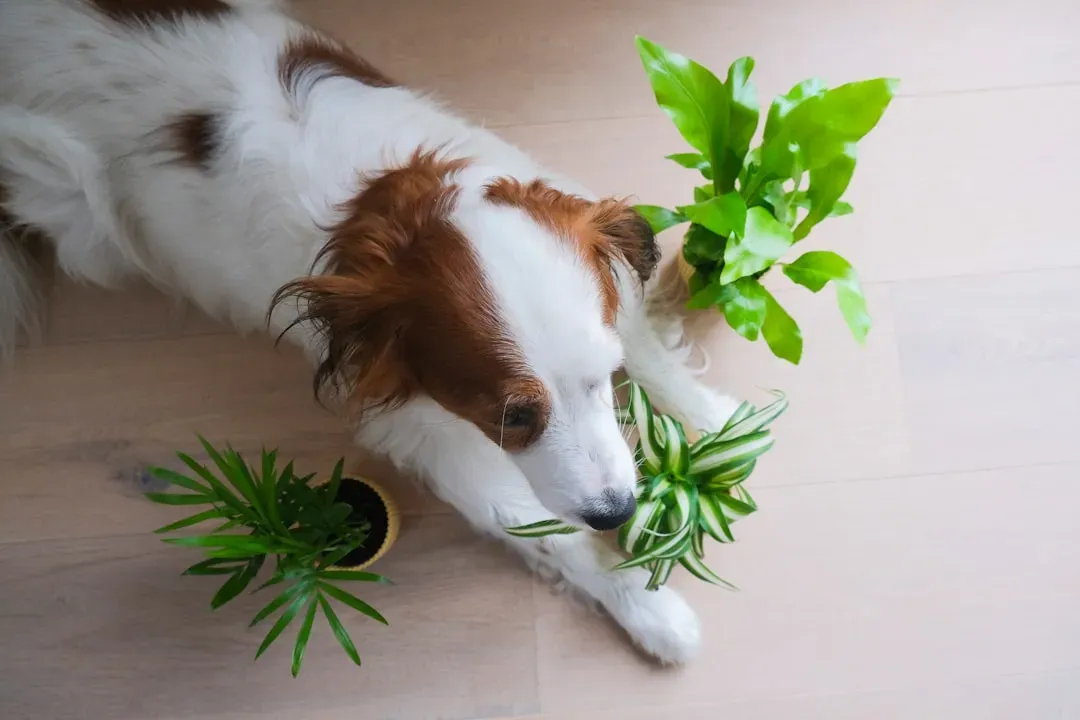
Stay calm. Panic helps nobody, least of all your dog. The very first thing to do is identify the plant if possible. It may be a good idea to take a picture of the plant your pet ate or encountered to ensure they receive the best treatment.
If your dog ingests anything toxic, including poisonous plants, immediately call your veterinarian or the Pet Poison Helpline at 855-764-7661. While you are on your way to the veterinarian or emergency clinic, consider contacting ASPCA Poison Control at (888) 426-4435 for more information from poison control experts. The center offers a 24-hour emergency hotline. Do not attempt to induce vomiting at home without professional guidance. With some plants, vomiting will make the symptoms worse, and you should make sure that your pet gets plenty of water or milk to flush the plants out of their system. The right action depends entirely on the specific plant, so always call first.
The prognosis for plant toxicity in dogs is generally good with prompt veterinary treatment. Most dogs recover fully when they receive care quickly. That word “promptly” is doing a lot of heavy lifting in that sentence. Speed is everything.
Prevention Tips to Keep Your Garden Dog-Safe
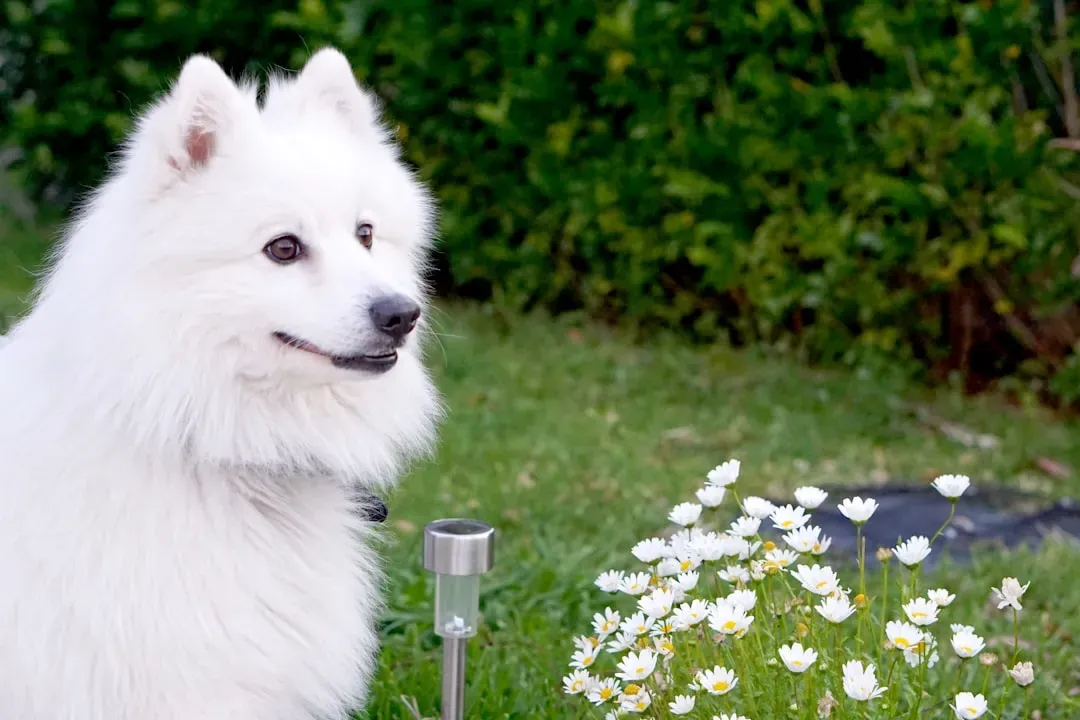
Knowledge is only half the battle. Acting on that knowledge is where you really protect your pup. The best way to prevent plant poisoning is to eliminate the risk altogether. If you identify toxic plants in your home or yard, consider replacing them with pet-safe alternatives.
To protect your dog from toxic plants, consider regular yard inspections, checking your yard for any new or unfamiliar plants. Use reputable resources to identify and remove toxic plants. Teach your dogs commands like “leave it” to prevent them from nibbling on plants. Install barriers around known toxic plant areas to limit your dog’s access. Sprays like bitter apple can also help deter dogs from chewing on plants, teaching your pup that plants aren’t for snacking. These are simple, affordable steps that make an enormous difference.
Final Thoughts: A Safer Garden Is a Happier Walk
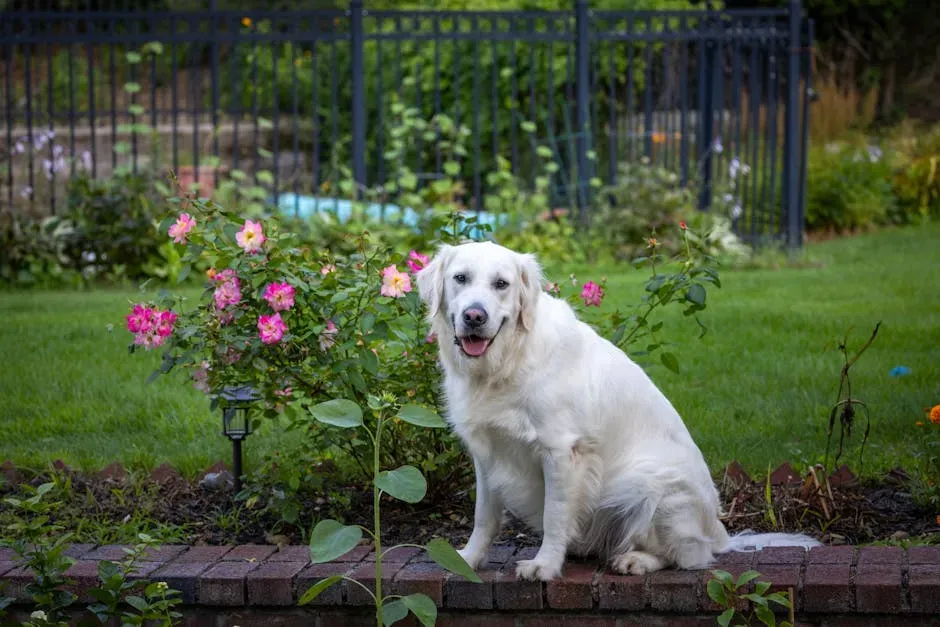
Your garden can be both beautiful and safe for your dog. Those two things are not mutually exclusive. It simply takes a little awareness and a willingness to make some smart swaps.
Dogs don’t instinctively know which plants are dangerous. And because every dog reacts differently, even small exposures can have big consequences. Prevention, supervision, and education are your best defenses. The truth is, being a great dog parent isn’t just about the walks and the cuddles, wonderful as those are. It’s also about the unglamorous, quiet work of making sure the world your dog inhabits is as safe as possible.
Walk through your garden this week with fresh eyes. Look at it the way your dog does: low to the ground, nose-first, curious about everything. What would you reach for first? That question alone might tell you everything you need to know. What plant in your yard do you think poses the biggest risk? Take a look around today, and share your thoughts in the comments below.


