
10 Unique Dog Breeds That Excel as Therapy Companions for All Ages
There is something almost magical that happens the moment a calm, gentle dog rests its head on a grieving person’s lap or trots cheerfully into a hospital ward full of anxious patients. No prescription required. No appointment needed. Just pure, unconditional presence. Dogs have been healing human hearts long before science caught up to explain why, and today, the evidence is impossible to ignore.
Therapy dogs provide more than companionship. They bring comfort, emotional support, and healing to those in need, whether someone is navigating anxiety, PTSD, autism, or depression. The beautiful thing is that the right breed can make all the difference depending on who they are serving. From a tearful child in a school counselor’s office to an elderly veteran in a nursing home, therapy dogs show up for everyone.
So which breeds truly shine in this remarkable role? Let’s dive in.
1. Golden Retriever: The Gold Standard of Emotional Healing
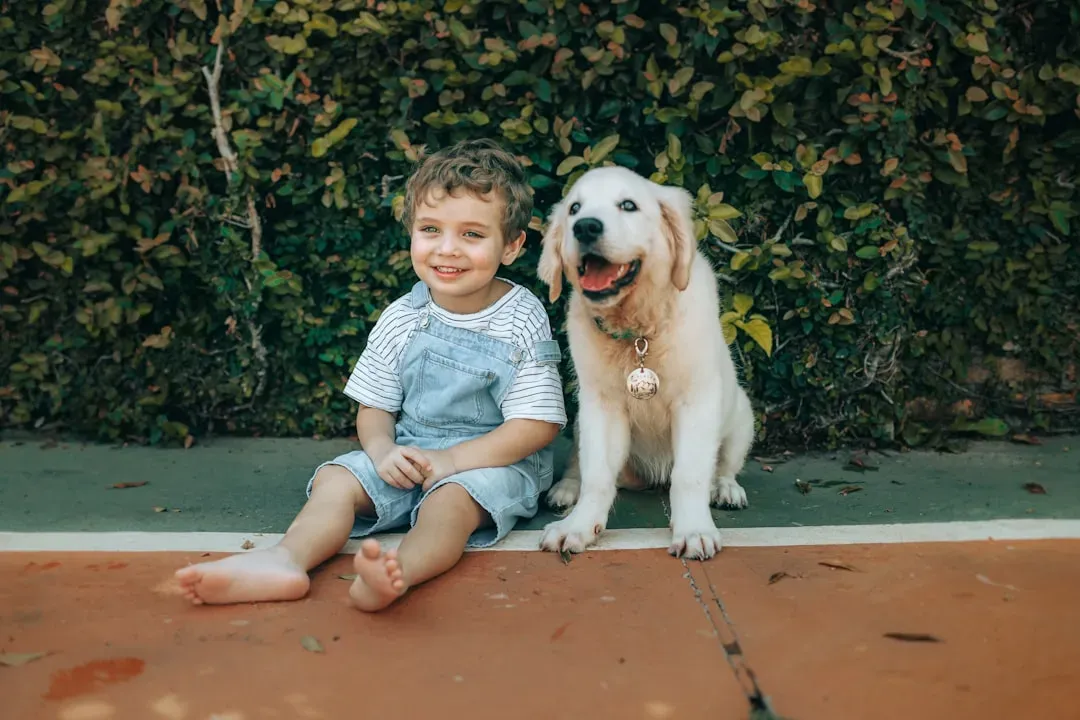
Let’s be real – there’s a reason the Golden Retriever is often called the “poster child” of therapy dogs. In addition to being great family dogs, golden retrievers are often used as emotional support dogs and are widely considered the gold standard of therapy dogs. Goldens have a gentle and sensitive nature and seem to instinctively know what people need. It’s almost eerie how tuned in they are to human emotion.
Known for their gentle temperament, intelligence, and affectionate nature, they excel in providing emotional support. Their eagerness to please and ability to read human emotions make them ideal for therapy work in hospitals, nursing homes, and with children. Imagine a nervous six-year-old reading aloud for the first time – a Golden sitting beside them, completely non-judgmental, is often all the confidence that child needs.
They radiate happiness around people and can’t help but evoke smiles when they are petted, even by strangers. Their loving, caring temperament makes them particularly good at relieving anxiety, stress, and depression. Health tip: Goldens are prone to hip dysplasia, so regular vet checkups and a healthy weight are essential to keep them comfortable and active in their therapy role.
2. Labrador Retriever: The Friendly Giant With a Healer’s Heart
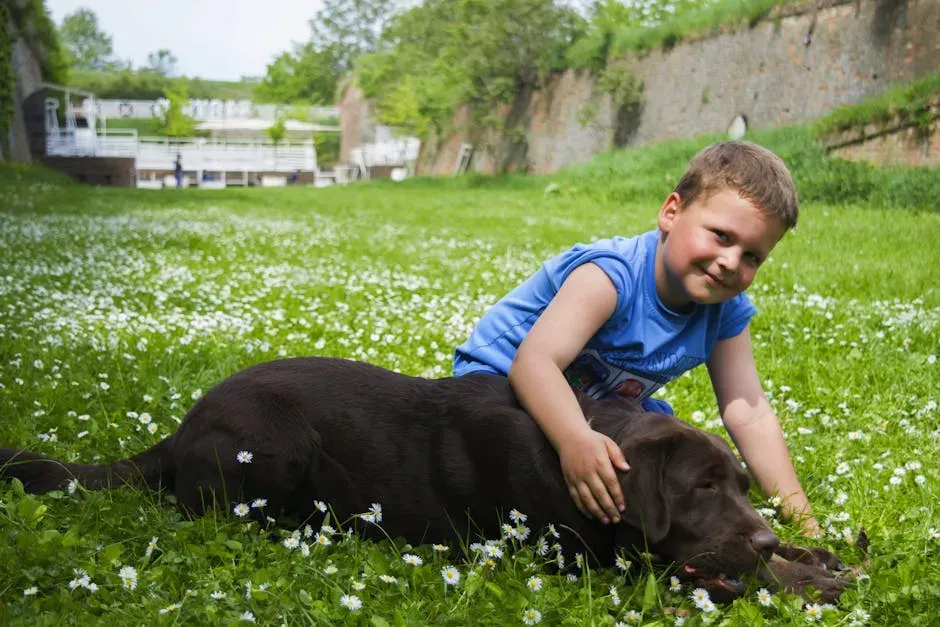
One of the most popular dogs in the world, Labrador Retrievers are known for their strong emotional connection with people. They have an innate ability to sense human emotions and provide unconditional love. This is also why they are best-suited dogs for homes with seniors and kids. Think of them as the reliable best friend who never has a bad day.
Labradors adore people and are good with any age group. Not only can they be quite affectionate, but they’re also easy to train because they want to receive praise from their humans. Labs have above-average energy levels, but would not necessarily be considered high energy. That balance is a genuine gift in therapy settings – enough spark to engage a child, enough calm to comfort an elder.
Labrador Retrievers are well-suited for assisting in medical environments, where their friendly demeanor helps create a welcoming atmosphere for patients. One practical note for owners: Labs shed quite a bit, so consistent grooming before therapy visits is a must, especially in clinical settings where cleanliness is non-negotiable.
3. Cavalier King Charles Spaniel: Small Dog, Enormous Comfort
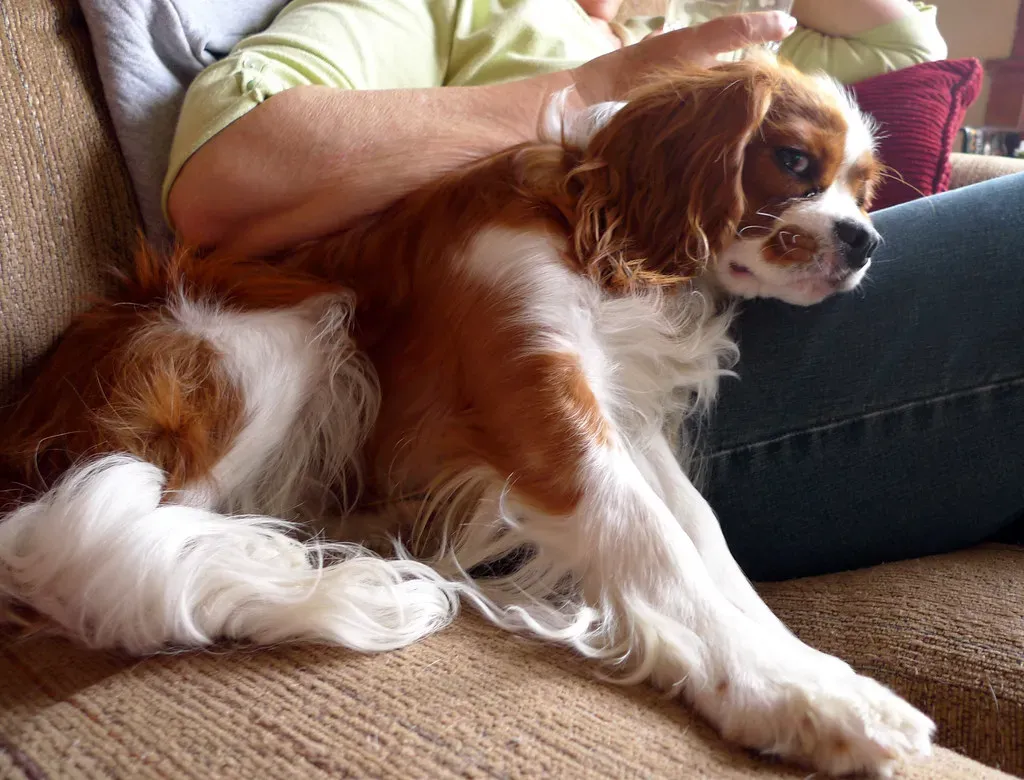
If you have ever seen one of these dogs curl into someone’s lap with the ease of a warm blanket, you already understand their superpower. Bred as a royal companion dog, it has a kind, loving, gentle temperament and tends to have a calming influence. The “Cav,” as they’re affectionately known, typically enjoys sitting on laps, even those of strangers. Working with people who use a wheelchair or cuddling at a patient’s bedside are great opportunities for this breed to shine as a therapy dog.
They are ideal for children with anxiety or autism, and adults seeking a lap-sized companion. Cavaliers thrive on human interaction, making them a constant source of comfort. Despite their small size, Cavaliers bring immense emotional relief. Their ability to maintain eye contact and offer physical closeness creates a deep emotional bond, helping alleviate stress and anxiety.
One thing worth knowing: Cavaliers are prone to heart conditions, particularly mitral valve disease. Regular cardiac screenings are strongly recommended as they age, so watch for signs of coughing, fatigue after mild exercise, or labored breathing. Catching heart issues early keeps these little healers working longer.
4. Poodle: The Hypoallergenic Genius No One Should Overlook
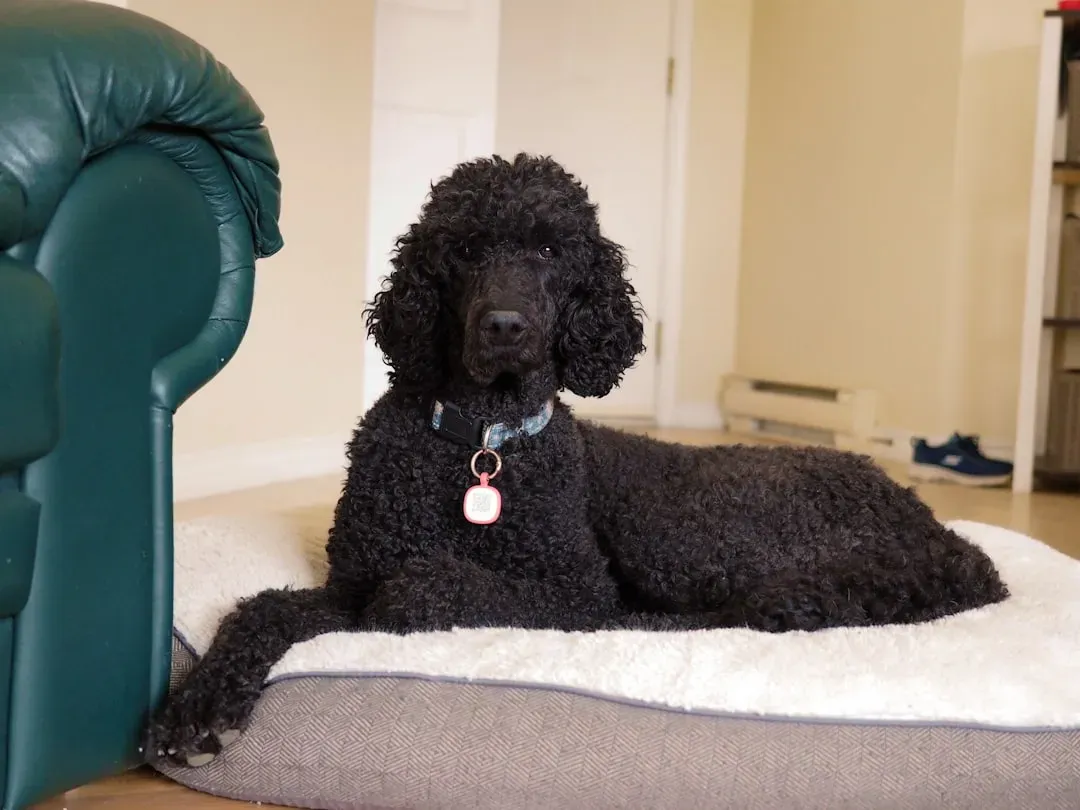
Poodles often get pigeon-holed as “fancy” show dogs. Honestly, that reputation does them a massive disservice. Poodles, especially Standard and Miniature varieties, are intelligent and hypoallergenic, making them a great option for individuals with allergies. Their friendly and adaptable personalities make them excellent therapy companions. In hospitals and care homes where allergies among patients are common, that hypoallergenic quality is genuinely life-changing.
The great thing about the poodle is that it comes in three different size categories: standard, toy, and miniature. There are some slight variances in temperament between the three sizes, but for the most part, poodles are smart, affectionate, and good with children. Another nice thing about poodles is that they do not shed very much at all. They are considered hypoallergenic, and are one of the least likely breeds to irritate those with allergies.
Poodles need regular grooming to prevent matting, and they thrive on mental stimulation. A bored Poodle may develop anxious behaviors, so keeping their mind engaged through training games and new environments actually makes them better therapy dogs over time. Variety truly is the spice of life for this breed.
5. Bernese Mountain Dog: The Gentle Giant That Melts Walls
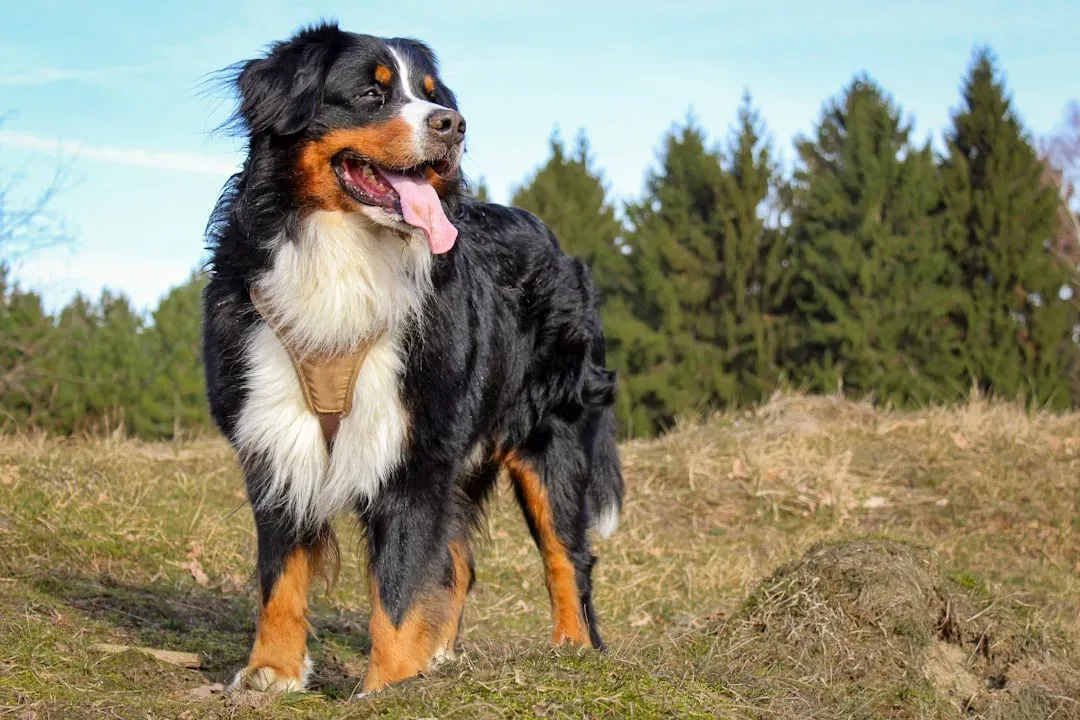
There is something deeply grounding about a large, calm dog pressing gently against you. It’s like deep-pressure therapy without the equipment. Known for their calm and gentle nature, Bernese Mountain Dogs are often referred to as gentle giants. Their size provides a comforting presence, while their affectionate temperament makes them excellent companions for emotional support. For people dealing with grief or trauma, that physical weight and warmth can be profoundly anchoring.
Despite their large size, Bernese Mountain Dogs are calm, gentle giants. They provide comfort with their loving personalities and excel in therapy work, particularly in settings where a larger dog is beneficial. Think of group therapy sessions with teens or grief support circles where adults need something solid and safe to reach out to. A Berner fills that role beautifully.
One important health note: Berners are sadly prone to certain cancers and have a shorter lifespan than many breeds. Keep a close eye on lumps, unexplained weight loss, or lethargy. Annual wellness exams and a quality diet can meaningfully extend their years as therapy companions.
6. Pug: The Clown With a Quietly Healing Soul
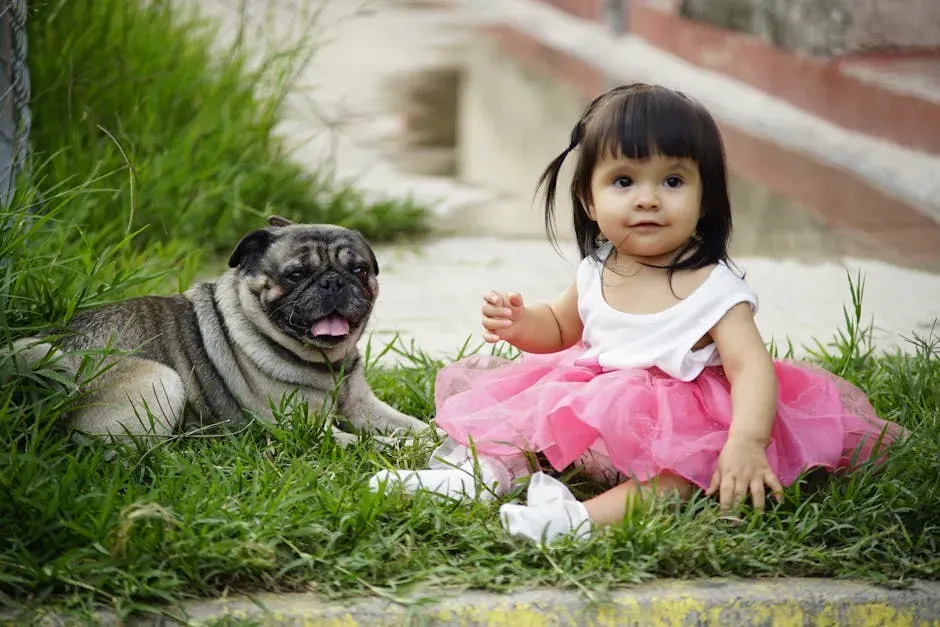
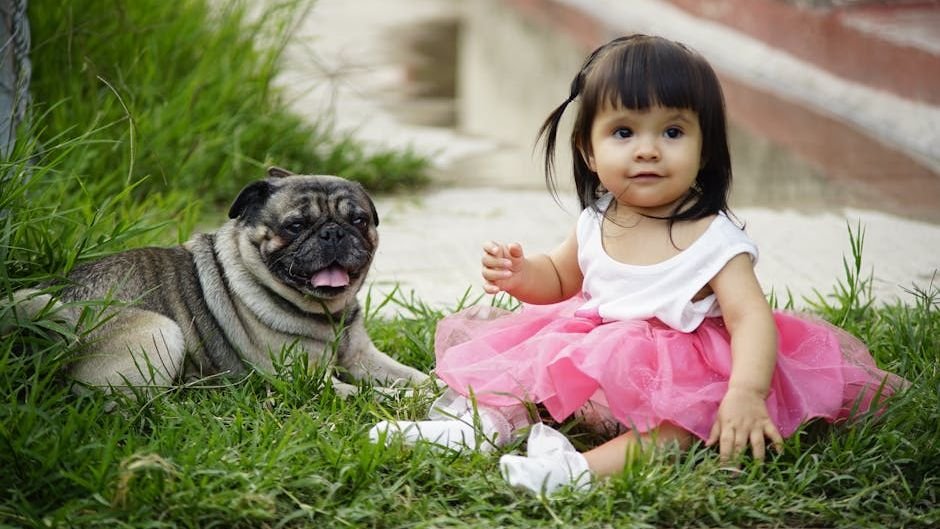
You might not immediately picture a Pug in a therapy vest, but do not underestimate these compact little comedians. The pug is a breed that you might not automatically think of when you consider therapy dogs, but this breed makes for a fantastic therapy companion. While pugs are too small to complete significant service dog tasks, they are very loving and affectionate therapy dogs. Plus, their small size can make them less intimidating to young children or people who may be on edge.
Like the Cavalier King Charles Spaniel, the pug was originally bred as a companion animal. This breed is typically very friendly and loves being around people, even strangers. Pugs enjoy being the center of human attention. They tend to instinctively know what people need and are excellent at spreading comfort and joy as therapy dogs. Their wrinkled little faces and signature snorts tend to produce laughter almost instantly, which is itself a form of therapy.
Health-conscious owners should be aware that Pugs are a brachycephalic breed, meaning their flat faces can cause breathing issues. Avoid therapy visits in hot or humid environments, watch for labored breathing or excessive snorting, and never over-exercise them. Their well-being matters just as much as the comfort they provide to others.
7. Shih Tzu: The Ancient Comforter Born for Human Connection

Shih Tzus are small-sized dogs who were originally bred in Tibet as a companion for royalty. They are popular for their long, silky coat, their playful demeanor, and their loyalty towards their owners. Their attentiveness and affection make them one of the best therapy dogs to own. The centuries of breeding purely for human companionship show in every interaction they have.
The adorable Shih Tzu, a toy breed, is known for being playful, outgoing, and affectionate. They are great with young children, making them ideal family dogs. Shih Tzus have an independent streak but are still quite trainable due to their devotion to their owners. Once they know the ropes of therapy dog work, they excel at relieving stress and anxiety.
Their long coat is gorgeous but demanding. Since this breed has a long coat, they need grooming every two to three days, or else it may get entangled. Although they don’t need much exercise, you should take them for a walk every day. Many therapy Shih Tzu owners opt for a shorter “puppy cut” to keep grooming manageable, especially when the dog visits multiple facilities each week.
8. Greyhound: The Surprising Zen Master of the Dog World
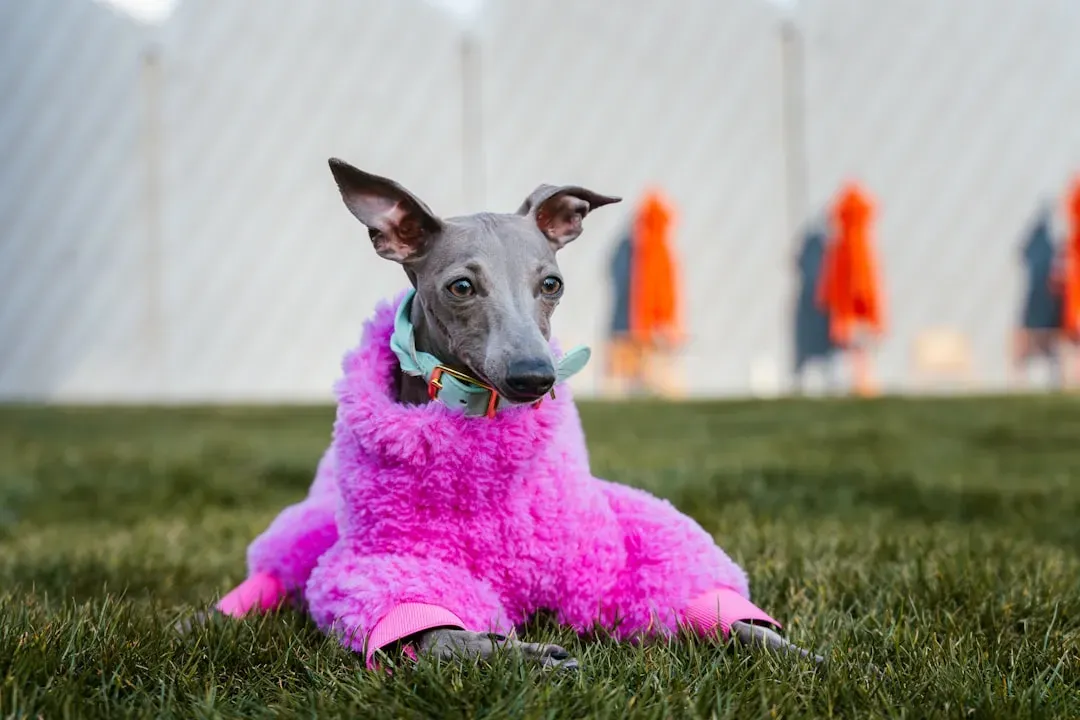
Here’s a fun fact that surprises almost everyone: Greyhounds, famous for blazing speed on the racetrack, are actually among the most laid-back, quiet companions you will ever encounter at home or in a therapy setting. Surprisingly gentle and calm, Greyhounds are affectionate and quiet. Their laid-back personalities make them soothing companions, especially for anxiety sufferers and elderly individuals seeking calm, non-demanding interaction.
An often overlooked breed for therapy dog work, the greyhound is actually an excellent choice. Greyhounds have short bursts of energy, and once they receive enough playtime and outdoor walks for the day, they want nothing more than to curl up with people or laze around. Picture a quiet afternoon in a memory care unit where a sleek Greyhound simply lies still beside a resident – no jumping, no barking, just calm presence. Profound simplicity.
Greyhounds are known for their calm and gentle temperament. They excel in providing comfort in high-stress environments. Their soothing presence can help ease anxiety in individuals. One care reminder: Greyhounds have very little body fat and thin skin, making them sensitive to cold. Keep them warm during visits in cooler environments, and watch for any skin abrasions that may go unnoticed under their sleek coats.
9. Great Dane: The Towering Teddy Bear That Heals by Simply Being There

I know it sounds crazy, but sometimes the biggest dog in the room is also the gentlest. Despite their imposing size, Great Danes are gentle and affectionate. They are known as “gentle giants” and make excellent therapy dogs, providing comfort through their calm and loving demeanor. There is something almost awe-inspiring about the way a Great Dane can drop its enormous head into a lap and sigh contentedly.
Although they have a towering physique, Great Danes are gentle giants. Just like their physique, they have a big heart that knows no limits on love and compassion. One can cuddle with them and the big snuggle they offer has immense therapeutic benefits. For patients who feel isolated or physically fragile, having a massive yet gentle creature choose to be close to them can be deeply emotionally significant.
Since these dogs are prone to bloating, which can also be serious at times, it is advised to feed them several small meals a day, instead of one big full meal. Bloat, medically known as gastric dilatation-volvulus, is a genuine emergency in this breed. Learn the signs: a distended abdomen, restlessness, unproductive retching, and drooling. Fast action saves lives. Keeping up with regular vet visits is non-negotiable for working Great Danes.
10. Yorkshire Terrier: The Tiny Powerhouse With a Heart Full of Loyalty
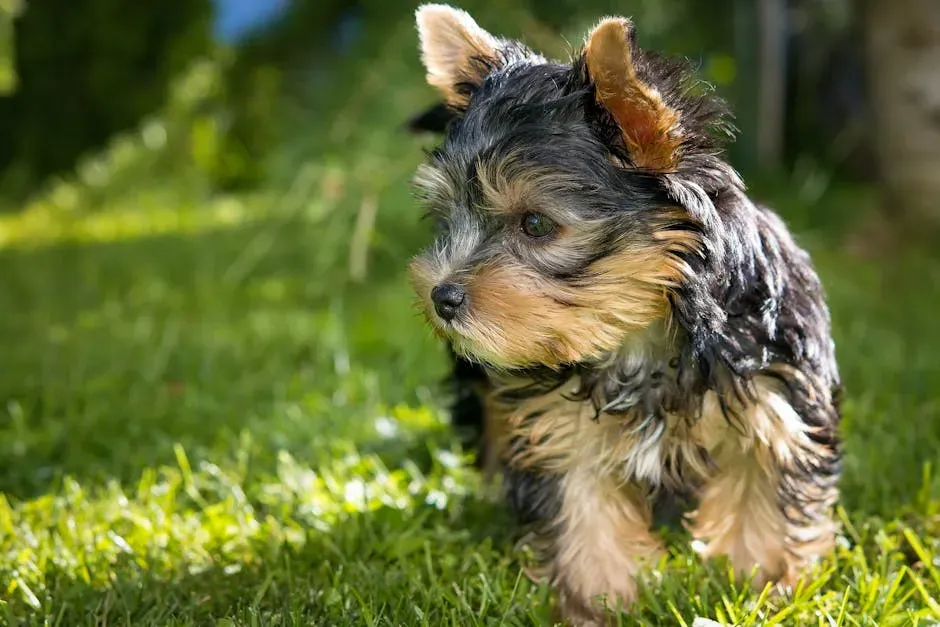
Do not let the bow in their hair fool you. Yorkies are fierce in the most endearing way possible. Yorkies may be small, but their affectionate and loyal personalities make them outstanding therapy dogs. Their compact size makes them perfect for individuals with limited space, while their calm demeanor allows them to provide consistent emotional support. They are ideal for seniors, individuals with anxiety or depression, and those who prefer smaller, lap-sized companions.
Yorkies thrive on attention and are eager to connect with their owners emotionally. They are excellent at creating a sense of security and companionship, especially for those who live alone. Their hypoallergenic coat is also a bonus for individuals with allergies. Think about a lonely senior in an assisted living facility whose face completely transforms when a small, warm Yorkie nestles against them. That is real medicine.
Yorkshire Terriers are known not only for their small size and friendly temperament but also for their ability to provide a comforting presence, making them excellent for individuals seeking companionship. Health-wise, Yorkies are prone to dental disease due to their small mouths, so consistent dental care and annual cleanings are important. A dog in discomfort cannot do its best healing work, so prevention is everything.
Conclusion: Every Wag Matters More Than You Think
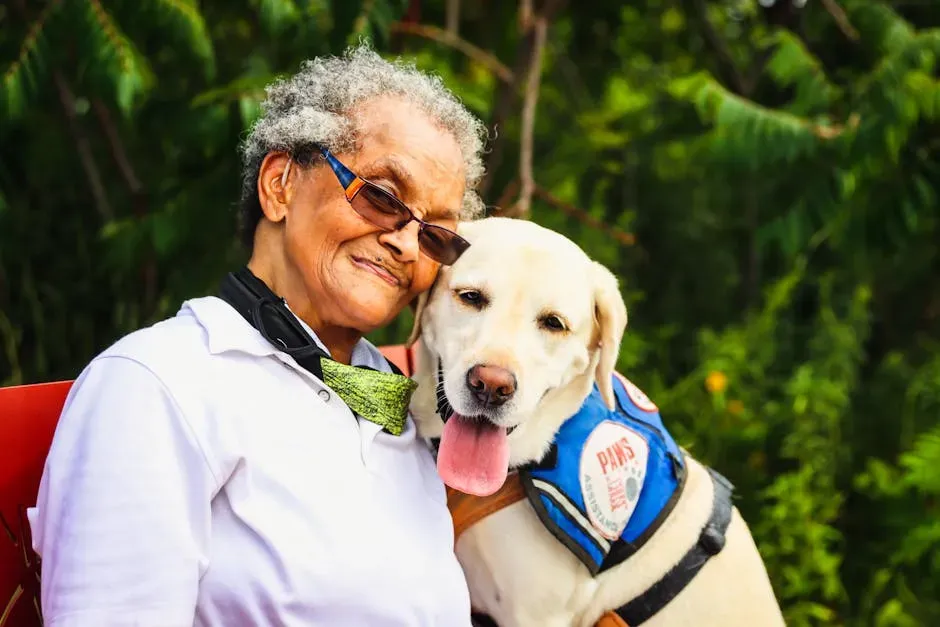
Therapy dogs are more than just companions. They are partners in emotional healing and mental health support. Their selection involves more than choosing a breed; it’s about identifying the individual dog’s temperament and suitability for the role. Whether you are drawn to the regal calm of a Greyhound or the infectious joy of a Golden Retriever, the magic lies in the bond between dog and human.
The most successful therapy dogs are not just friendly; they are engaged, attentive, and eager to work in partnership with their handler. While breed may influence trainability, the ideal therapy dog enjoys learning new skills, accepts human leadership with ease, and prioritizes connection over independence. In other words, the breed opens the door, but the relationship does the healing.
If you are considering bringing a therapy dog into your life or someone else’s, start by observing your dog’s natural temperament in new environments. Watch how they respond to strangers, noise, and unpredictability. The key to a successful therapy dog is proper training, early socialization, and a strong bond with their handler. Choosing a dog from a breeder who focuses on early socialization, desensitization, and confidence-building skills will help you have the best start.
The world needs more healing. Fortunately, dogs have been quietly offering it all along. Which of these incredible breeds surprised you the most? Tell us in the comments below – we would love to hear your story.