
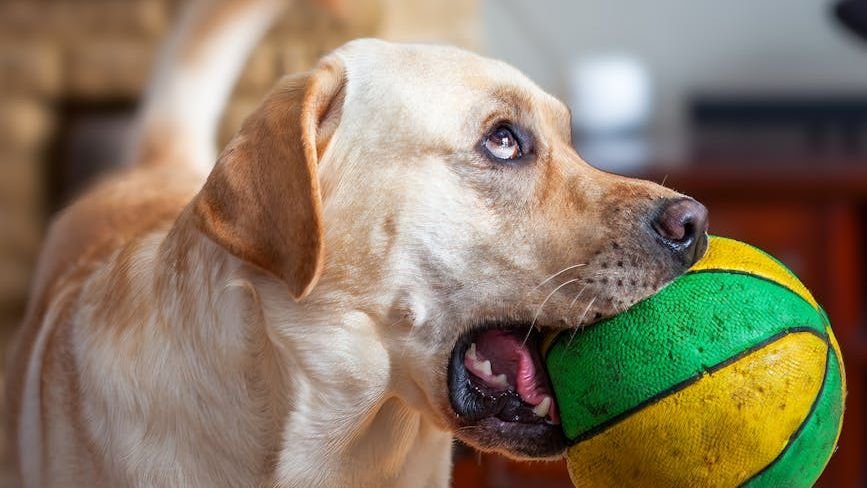
Picture this: your dog bounds toward you with a full-body wiggle, eyes bright and tail helicoptering through the air. That’s the pure joy of a pup who feels secure and stimulated right where they live most of their days. Simple tweaks around the house can unlock that happiness, drawing on what experts know about canine needs for safety, play, and comfort.
These hacks pull from proven tips that keep tails wagging and worries at bay. You’ll spot the difference in relaxed ears, eager play bows, and those deep, contented sighs after a good sniff session.[1][2]
1. Carve Out a Cozy Safe Zone
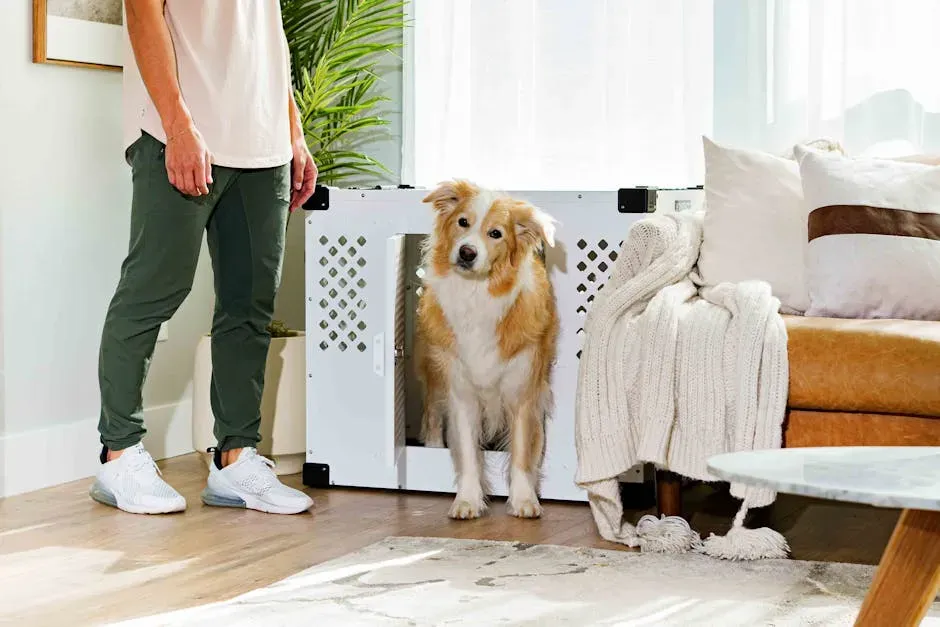
Your dog craves a spot that’s all theirs, away from foot traffic and chaos. Set up a crate or corner with soft blankets and familiar toys; drape a breathable cover over part of it for that den-like feel. Pups retreat here when overwhelmed, emerging calmer with soft eyes and loose posture.
Watch for signs like voluntary entry and relaxed naps inside, signaling trust in their haven. This prevents anxious pacing and destructive chewing born from stress. Real-world example: busy families see fewer shredded shoes once the zone becomes routine.[3]
2. Tuck Away Electrical Cords
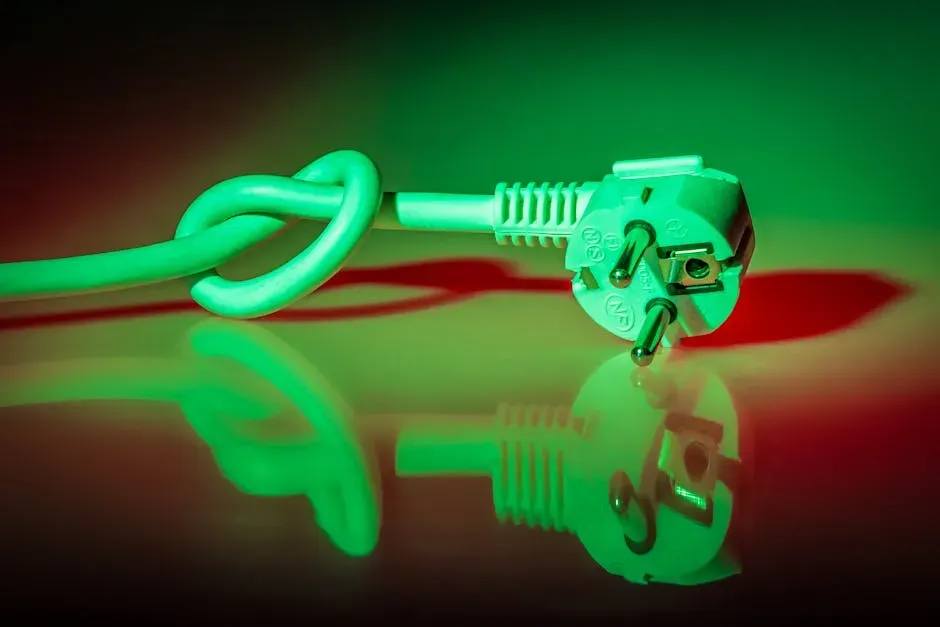
Chewed cords top the list of indoor shocks for curious pups. Bundle them with cord covers or spiral wraps, routing high along walls or behind furniture. Prevention beats vet bills, especially since even calm adults mouth wires during teething phases.
Avoid yanking behaviors by securing plugs out of reach. Happy dogs show interest elsewhere, like toys, instead of fixating on dangers. One owner rerouted living room cables and noticed their pup’s playful energy shift to fetch games.[4][5]
3. Secure Cabinets and Toxins
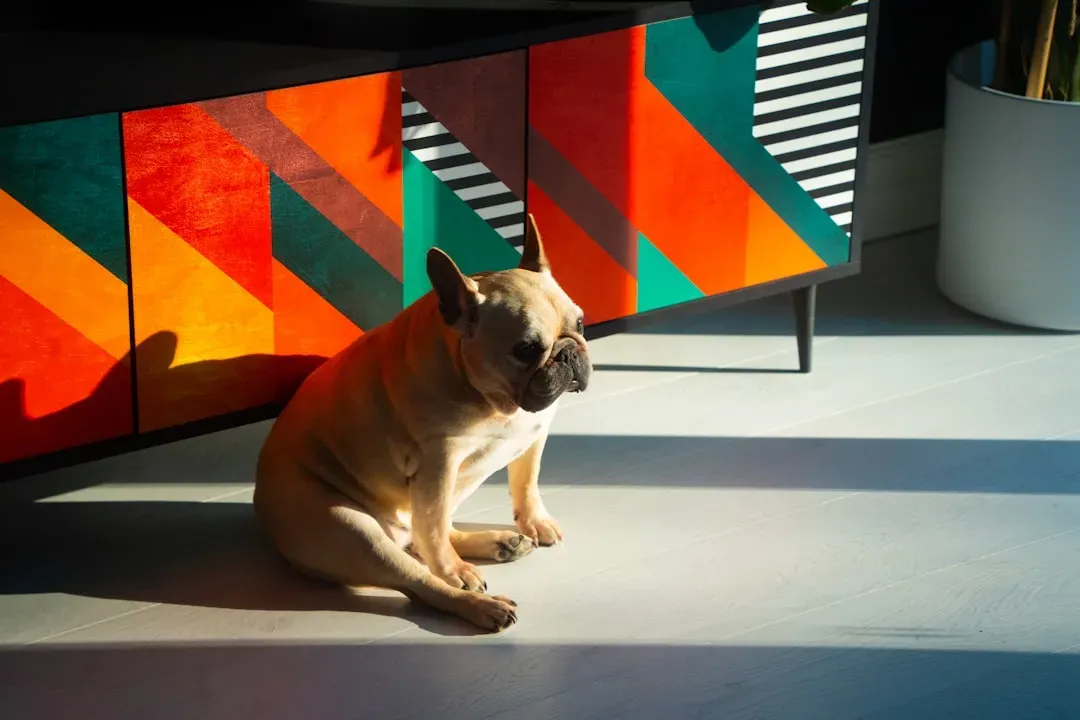
Cleaning supplies and meds lurk in low drawers, tempting sniffers with upset stomachs or worse. Install childproof latches on all kitchen and bath cabinets; store chemicals on high shelves. Dogs avoid these spots naturally once blocked, reducing scavenging risks.
Spot prevention success when your pup ignores closed doors, focusing on approved play. Empathy note: that guilty look after raiding? It’s confusion, not shame. Families report fewer midnight tummy troubles post-latch upgrade.[6][7]
4. Install Sturdy Pet Gates
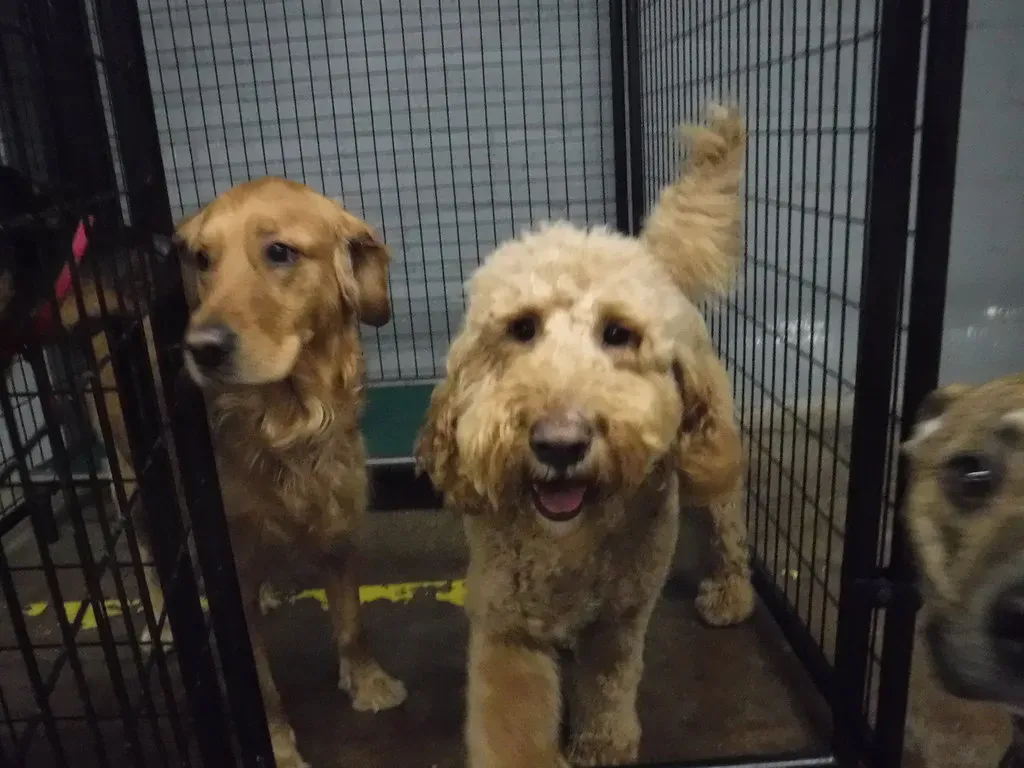
Stairs and off-limit rooms spell trouble for puppies or anxious escape artists. Freestanding or pressure-mounted gates keep them safe without isolation. They learn boundaries gently, whining less over time as confidence builds.
Relaxed body language around gates means adjustment success. Use for potty training zones too. One apartment dweller gated the balcony, watching their dog’s stress melt into sunny lounging nearby.[4]
5. Add Non-Slip Mats Everywhere
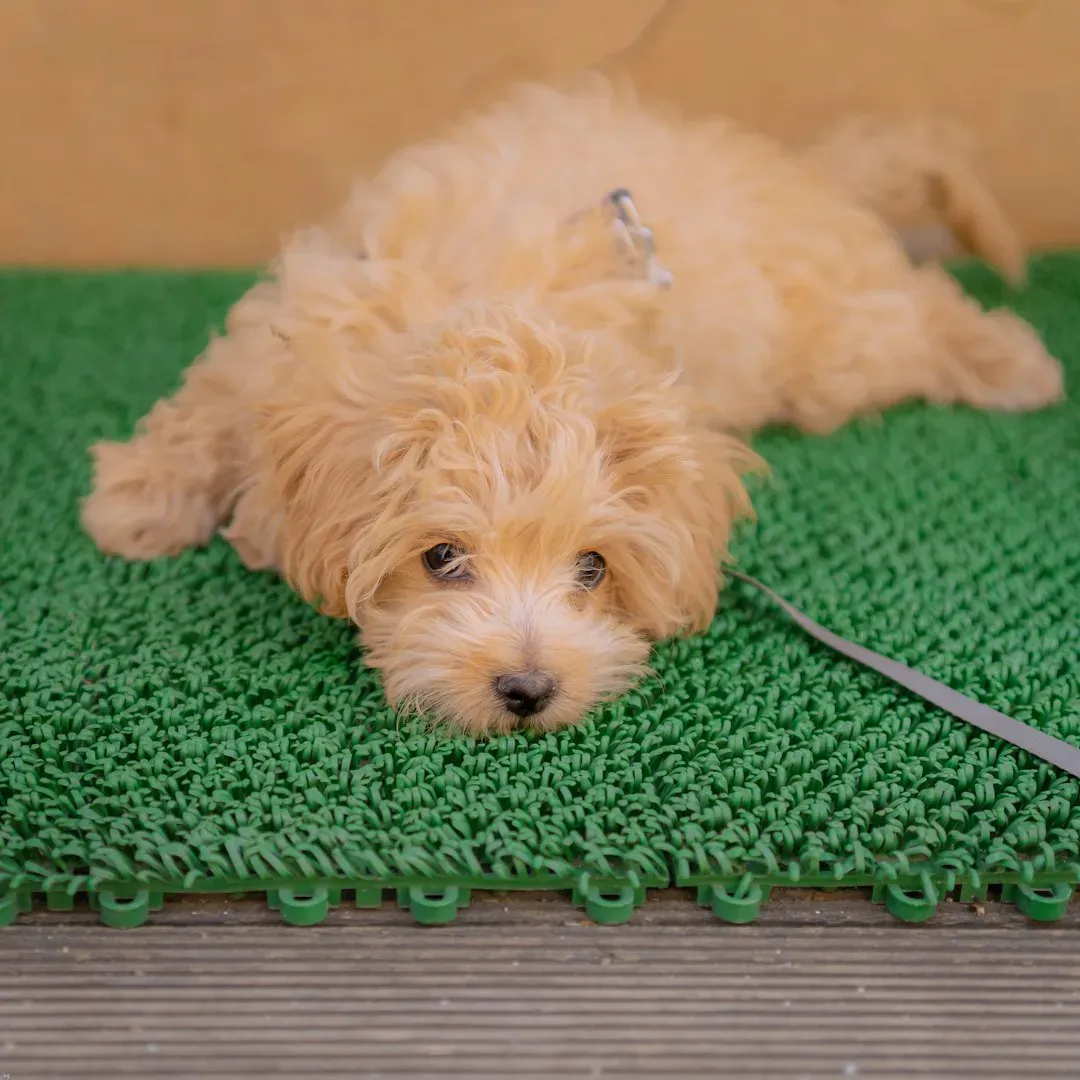
Hard floors turn zoomies into slips, stressing joints especially in older dogs. Place bath mats in kitchens and rugs under bowls for traction. Paws grip better, preventing sprains and boosting bold movements.
Look for eager trotting without hesitation; that’s joint health shining through. Arthritis signs like limping fade with grip. A senior pup owner layered cheap runners and saw daily laps resume.[8]
6. Introduce Puzzle Feeders
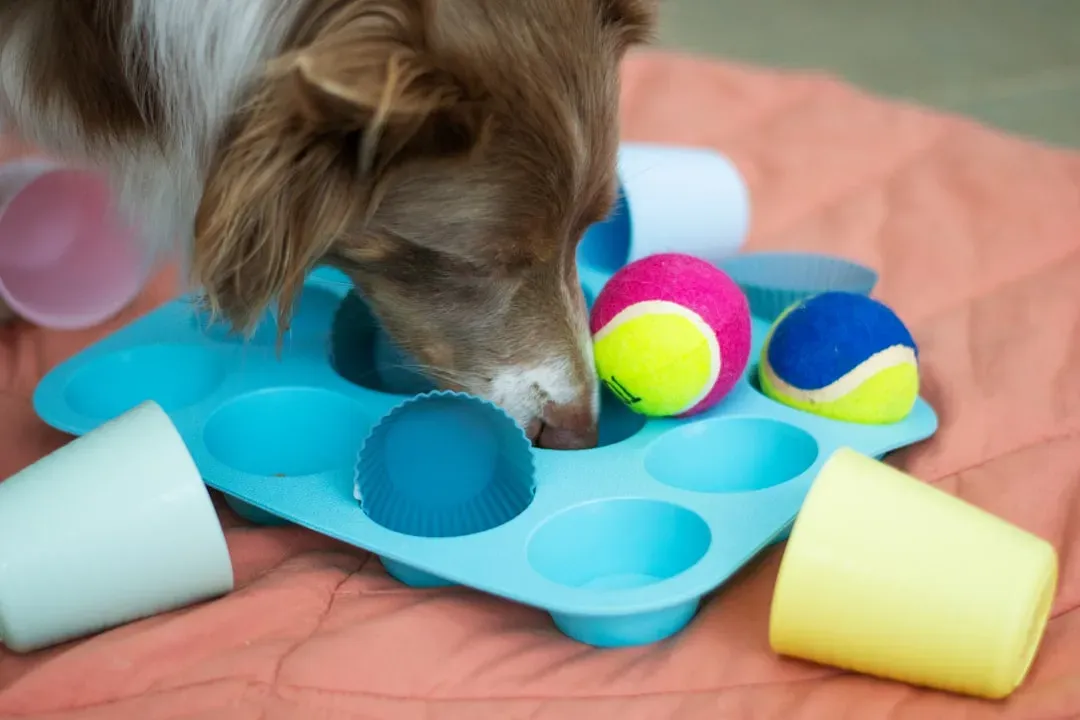
Boredom fuels mischief; puzzle toys turn meals into brain games. Stuff kibble into a Kong or muffin tin covered with balls. Dogs work noses and paws, mimicking wild foraging for satisfaction.
Expect focused sniffing and triumphant tail wags. Reduces gulping, aids digestion. Households with fast eaters note calmer post-meal settles.[9][10]
7. DIY a Snuffle Mat
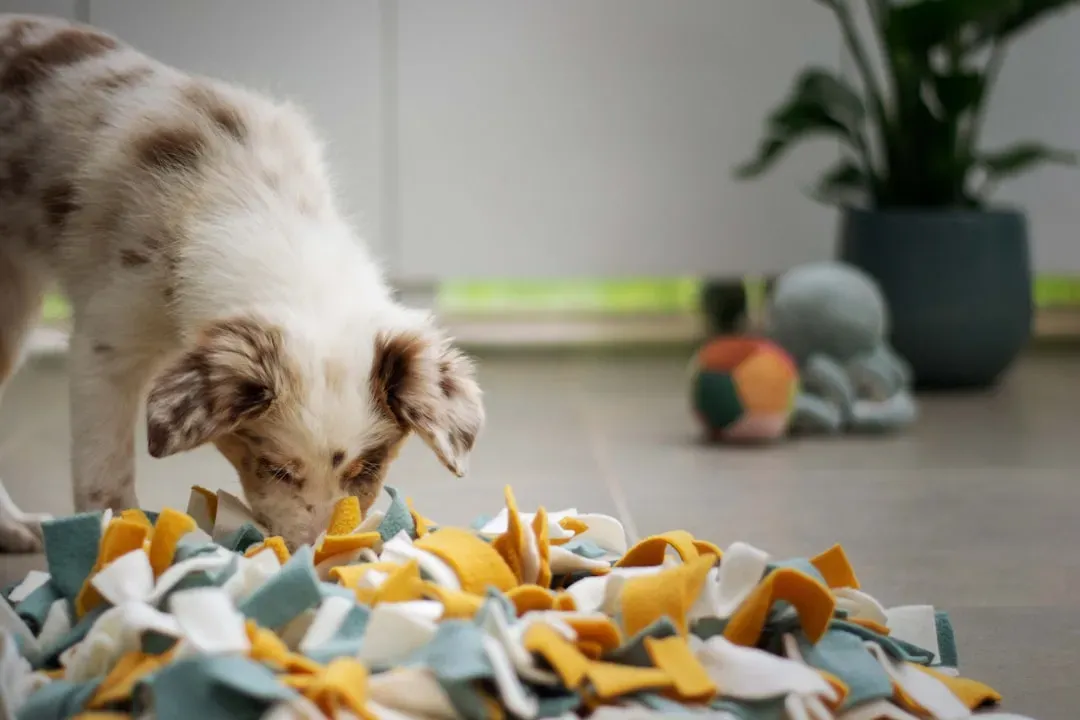
Fleece strips tied to a mat hide treats for scent hunts, tapping dogs’ strongest sense. Scatter kibble weekly to fight cabin fever. They burrow happily, emerging with that blissed-out grin.
Play bows and relaxed flops signal enrichment win. Cuts separation anxiety chewing. Rainy day favorite for active breeds, per many owners.[11]
8. Elevate Water and Food Stations
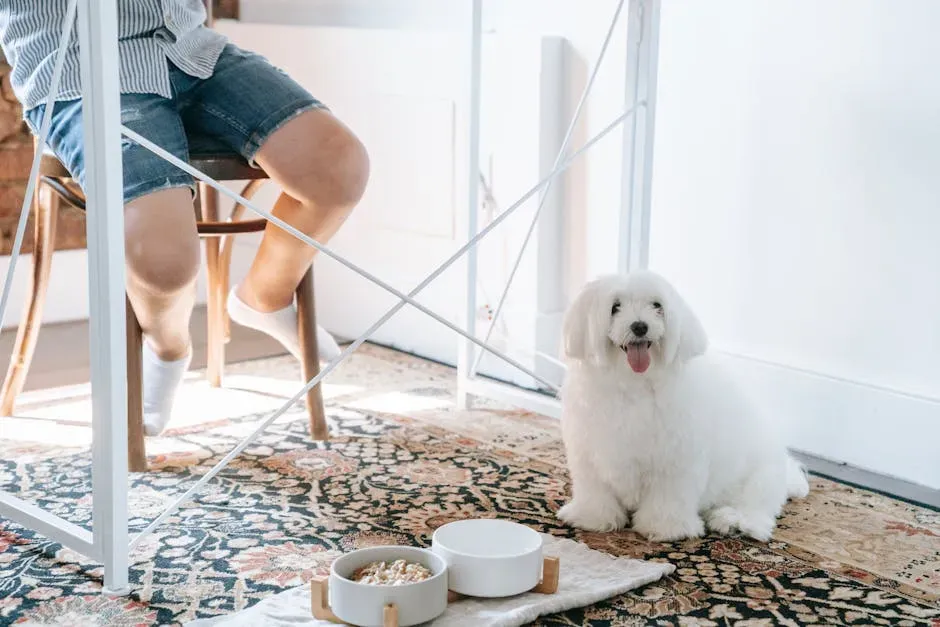
Low bowls strain necks; raised stands ease gulps and spills. Position away from drafts for steady access. Hydrated dogs pant less, with shiny coats as bonus.
Watch for steady drinking sans sloshing escapes. Prevents bloat in deep-chested breeds. A lab mix owner elevated and curbed floor puddles overnight.[12]
9. Choose Orthopedic Bedding

Thin mats cramp joints; supportive beds cradle aging frames. Opt for memory foam in their safe zone. Deep sleeps with twitching paws mean restorative rest.
Fewer morning groans indicate comfort. Eases hip dysplasia signs. Cozy upgrade transformed one rescue’s stiff mornings.[13]
10. Stick to Consistent Routines
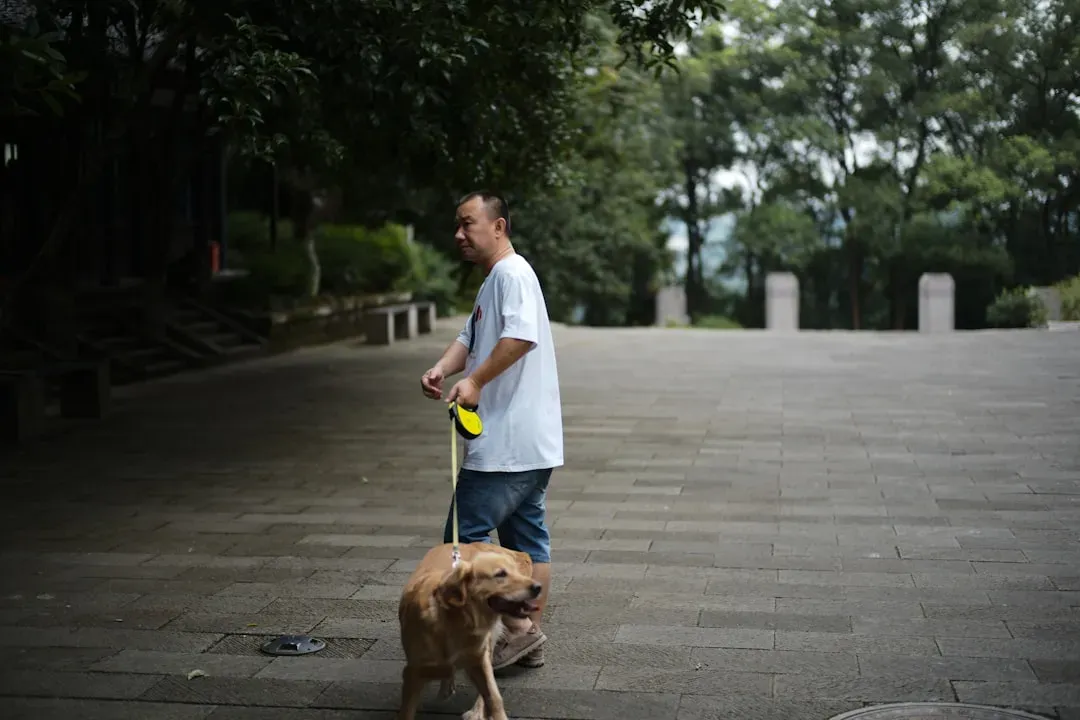
Clocks rule dog world; feed, walk, play at set times. Post-dinner strolls build anticipation. Predictability yields eager readiness, not fretful waits.
Loose wags at routine cues show security. Stabilizes digestion, curbs begging. Working parents swear by it for smoother days.[14]
11. Scatter Scent Games Indoors
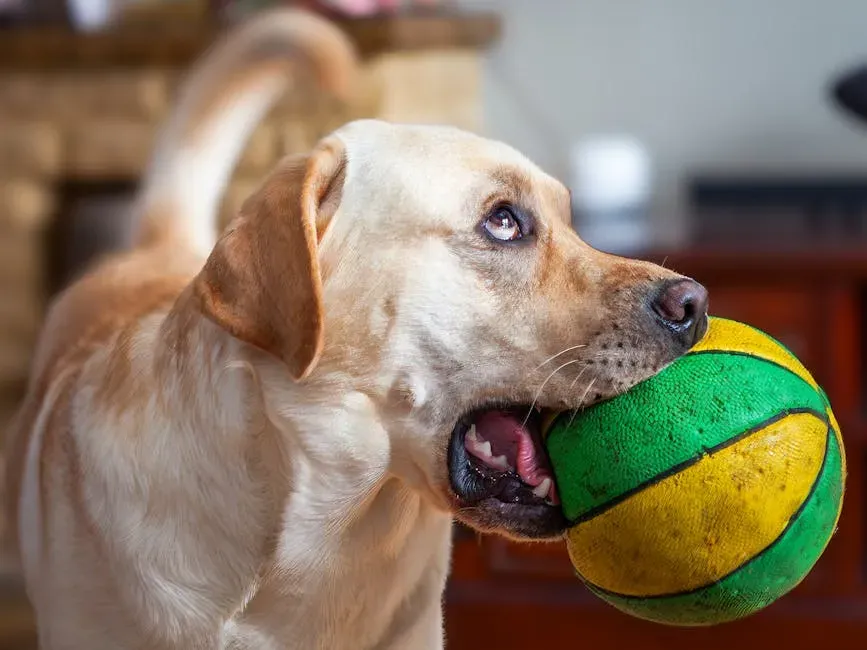
Hide treats in boxes or rugs for “find it” fun. Rotates toys weekly to spark curiosity. Noses go wild, burning mental energy sans space.
Playful returns with prizes confirm joy. Tires high-drivers gently. Apartment dwellers’ go-to for zoomy pups.[15]
12. Dampen Noise with Soft Zones
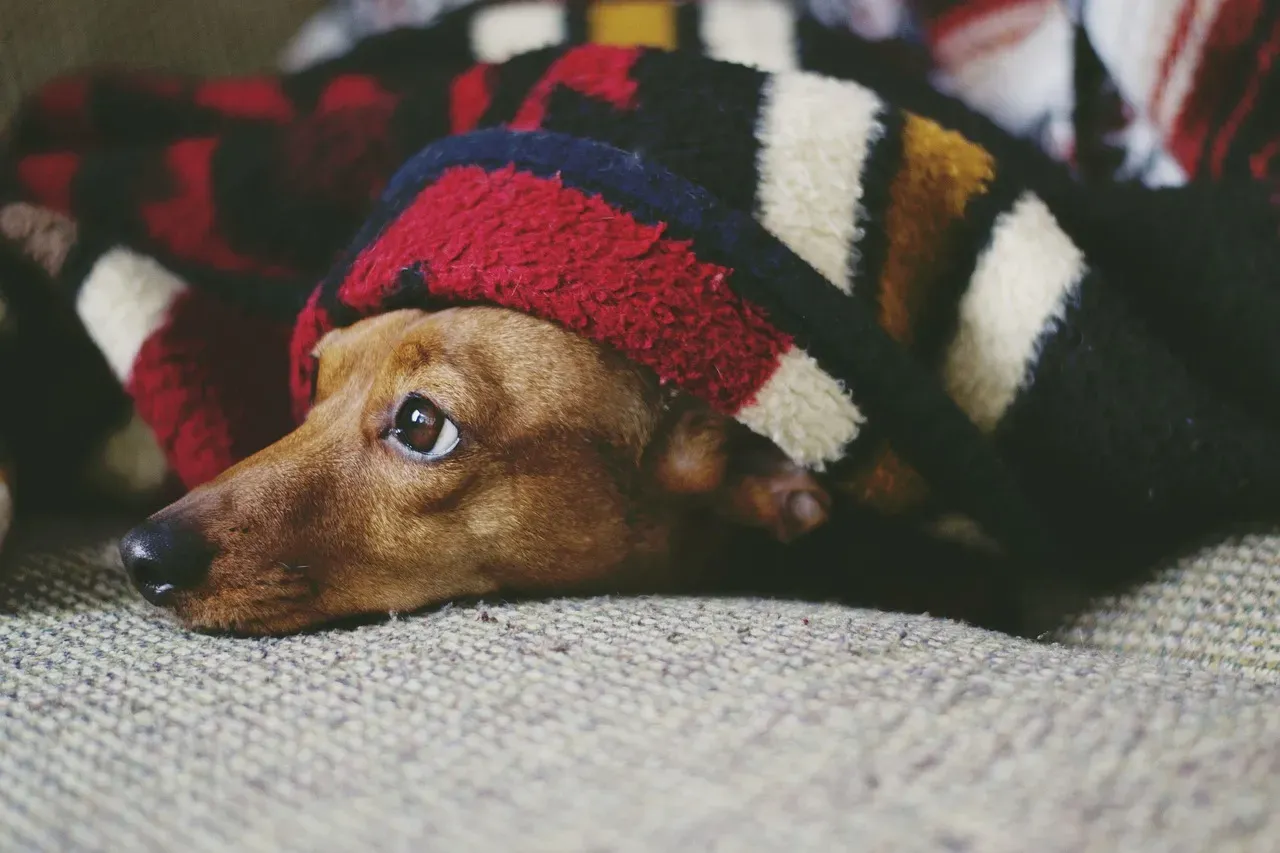
Dogs hear ten times better; echoes stress sensitive ears. Hang blankets or use white noise machines near beds. Calmer vibes emerge in quieter nooks.
Less startle jumps mean peace prevails. Aids thunderstorm phobics. One household muffled laundry hum, easing a shepherd’s pacing.[16]
Your Pup’s Paradise, Step by Step
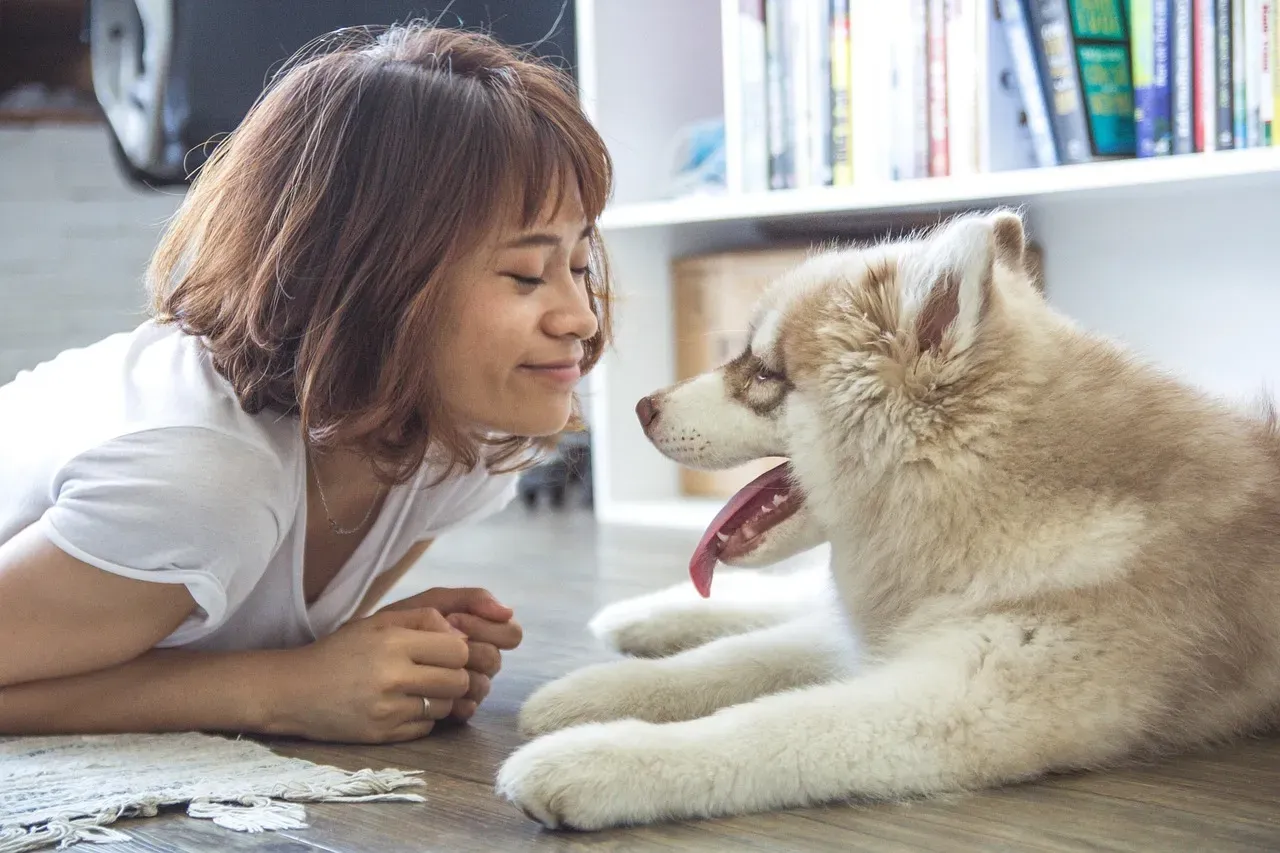
Layer these hacks gradually, noting your dog’s cues like enthusiastic greetings or chill lounging. Small changes compound into a haven where health shines through vibrant play and steady routines. You’ve got this; your furry pal’s grateful glances say it all.
Here’s to homes echoing with contented sighs and joyful bounds. Tail wags ahead.


