
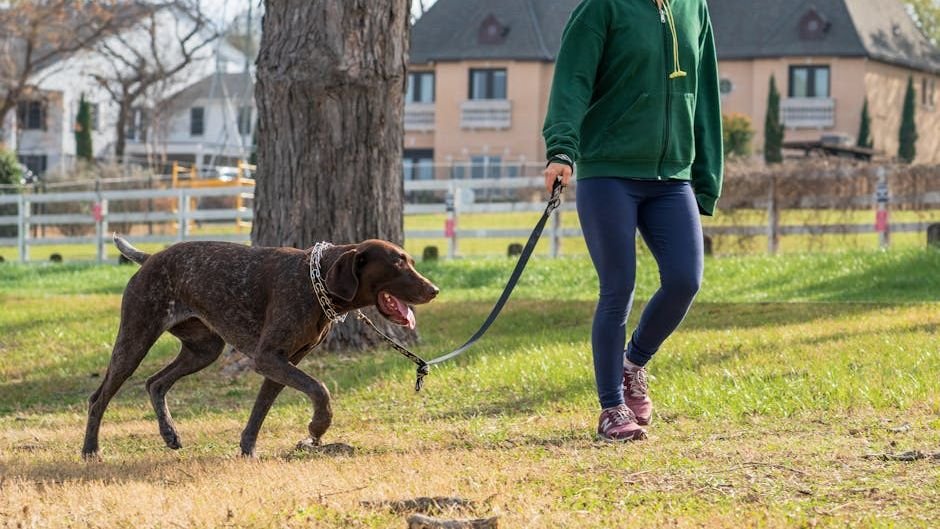
Your dog can’t send you a text. They can’t leave a note on the fridge. What they can do, though, is communicate in ways we often overlook or misread entirely. A chewed-up sofa cushion. A dog that shadows your every step. A restless pacing at 10 PM when you’re ready to wind down. These aren’t personality quirks or behavioral failures. They’re messages.
The tricky part is that many of these signals don’t look like exercise problems on the surface. They look like bad behavior, anxiety, laziness, or just “dog being dog.” Dogs need so many things to stay healthy in body and mind, and the only problem is they won’t leave a note to let you know when they need something. They’ll tell you in other ways. Understanding those ways is one of the most caring things you can do as a dog owner. Here are ten subtle signs your dog may be sending you right now.
1. They’re Destroying Things Around the House

If your dog chews furniture, digs holes in the yard, or destroys household items, it might be tempting to blame stubbornness or “bad behavior.” In many cases, the root cause isn’t defiance – it’s unmet exercise needs. A lack of physical and mental activity can leave dogs frustrated, anxious, and restless, which often manifests as destructive behavior.
If your dog is starting to chew things around the house, scratch or dig at doors, or raid the kitchen or trash can, the problem might not be enough exercise. It’s worth pausing before you discipline. Under-exercised dogs are not misbehaving on purpose – they are trying to cope with pent-up energy and unmet needs. Swap frustration for a longer walk, and you may be surprised how quickly the couch cushions stop looking like chew toys.
2. Excessive Barking or Whining Without an Obvious Cause
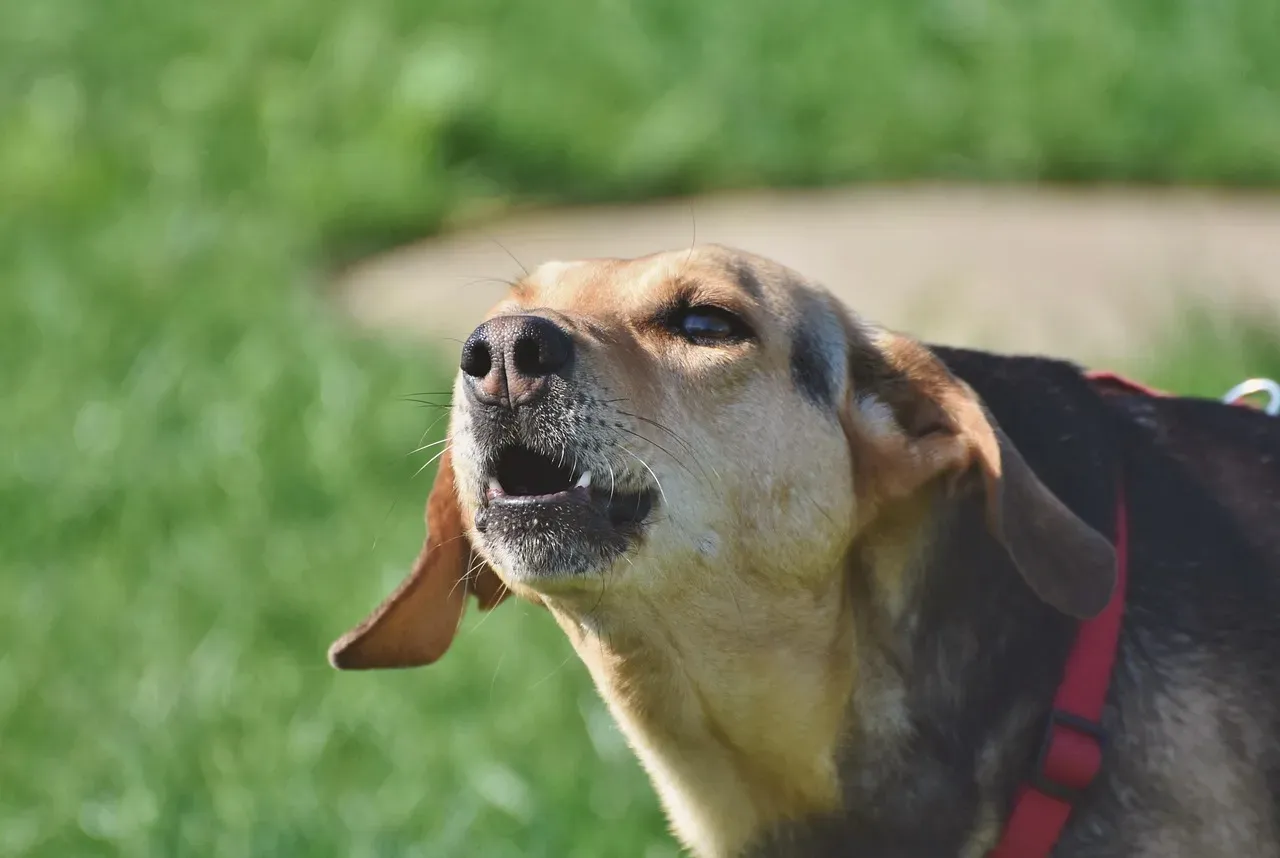
One of the most common signs that your dog needs more exercise is excessive barking or whining. If your dog is barking at everything from the mailman to a passing car, it might be a sign of pent-up energy. Similarly, whining without an apparent reason can indicate that your pet is feeling restless or bored.
During exercise, your pet is not just letting off physical energy but also mental and emotional energy as well. A long walk or run allows their minds the enrichment a healthy dog needs and can stop them from inventing other ways to stay engaged, like unnecessary barking. If the barking seems to get worse on quieter, less active days, that pattern is telling you something worth listening to.
3. Constant Restlessness and an Inability to Settle Down
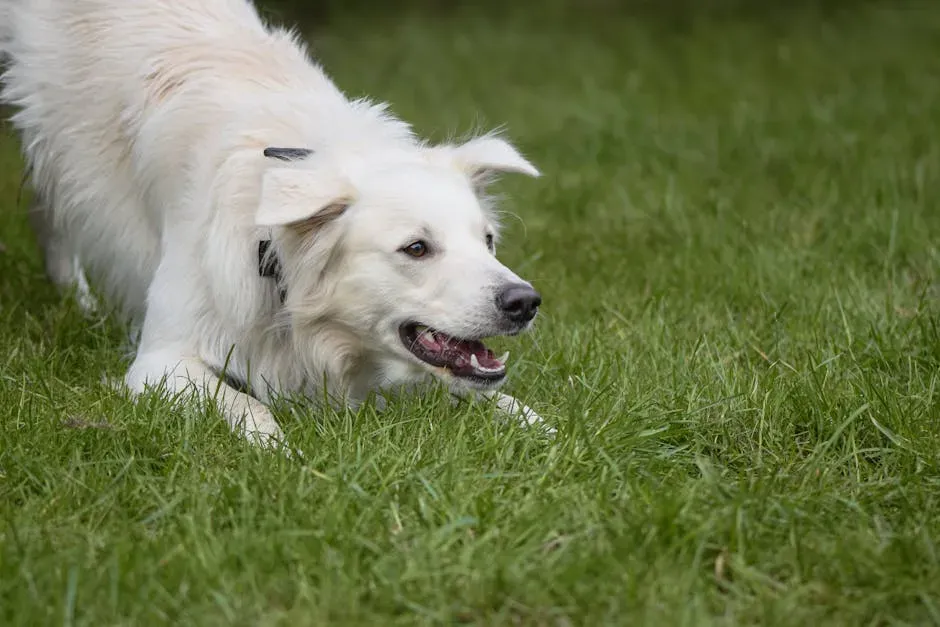
Does your dog seem unable to settle down, constantly pacing back and forth? This restlessness is another key indicator that your pet needs more exercise. Dogs that don’t get enough physical activity can become anxious or stressed, leading to this kind of behavior.
If your dog is constantly running around the house, pacing, or struggling to settle down, they may not be getting enough physical activity. Dogs with pent-up energy often turn to zoomies, excessive barking, or jumping on furniture as a way to burn it off. Think of it this way: a dog that can’t seem to find a comfortable spot isn’t being difficult. Their body has energy it literally doesn’t know what to do with.
4. Sudden Bursts of Frantic Energy (The “Zoomies”)
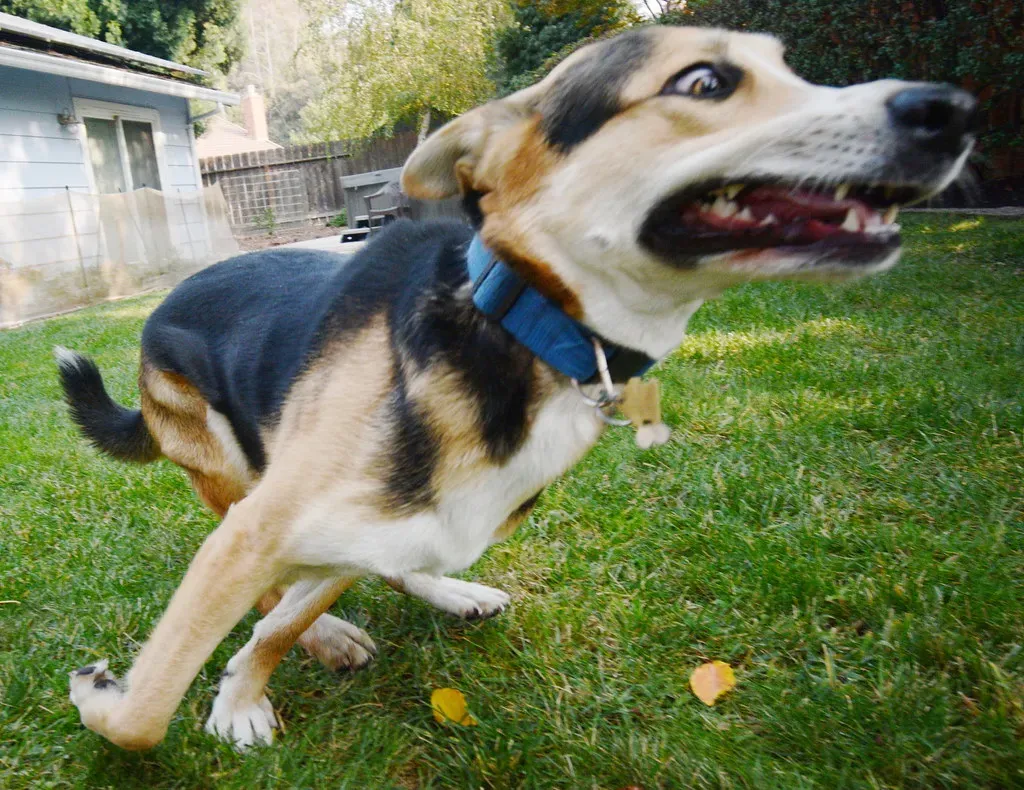
Those spontaneous bursts of energy, affectionately called “zoomies,” are common in dogs. When they become frequent, excessive, or disruptive, it’s often a signal of unspent energy.
Another way dogs use to drain the energy they are not draining through exercise is by running or playing excessively around the house. These bursts of energy can become really noisy and bothersome at 3 a.m., when owners are trying to catch some sleep. Whether they happen at daytime or nighttime, sudden episodes of running, jumping, vocalizing, or playing by themselves are a clear sign that a dog needs to exercise more. An occasional case of the zoomies is completely normal and fun to watch. A daily occurrence is a different story.
5. Weight Gain Without a Change in Diet

If your dog is putting on pounds and you haven’t increased their food intake, lack of movement may be to blame. This one can sneak up on you slowly. Up to 65% of dogs in the U.S. are considered overweight or obese, and obesity can contribute to many health issues in dogs.
Obesity affects nearly every major organ and body system and often leads to shorter lifespans. The most common risk of obesity in dogs is worsening arthritis, because the extra weight increases the stress on dogs’ bones, joints, and muscles. Low-impact exercises like walking or swimming can help your dog lose weight while maintaining muscle mass and joint mobility. A simple rib check can be revealing: you should be able to feel your dog’s ribs without pressing hard, but they shouldn’t be visibly jutting out either.
6. Trouble Sleeping at Night
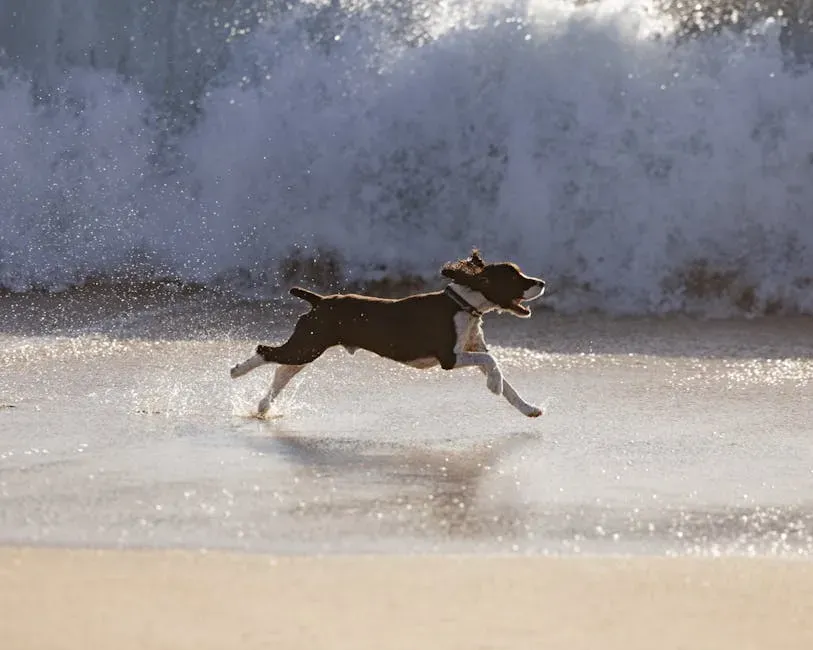
A dog with pent-up energy from a day of inactivity is more likely to be pacing at night. If they haven’t had enough physical exercise or mental stimulation, they may struggle to settle down when it’s time to sleep.
Physical exercise reduces stress hormones and stimulates serotonin and dopamine in the brain, chemicals that help regulate sleep and mood. Without adequate stimulation, dogs may struggle to relax, particularly in the evenings. Like humans, dogs sleep better when they’ve had an active day. If your dog struggles to settle at night or wakes up frequently, they might need more exercise to tire them out. A restless dog at bedtime isn’t being stubborn – they’re simply not physiologically ready to wind down.
7. Obsessive Attention-Seeking and Shadow Behavior

If your dog is at all times browsing the house or apartment, smelling the floor or the air, following every step of every moving person, or wanting to participate in every activity the owner does, that’s often a sign of excessive boredom and energy accumulation.
Some dogs bark, whine, or paw at their owners when they’re feeling under-stimulated. If your dog constantly demands attention, they might be asking for more activity. There’s a difference between an affectionate dog and one that is genuinely struggling to manage their own restlessness. If your dog is constantly trying to initiate play with you while you are attempting to relax, then your dog may need more exercise. Pay attention to the intensity and frequency of that push for engagement.
8. Withdrawal, Lethargy, or Seeming “Low”

Some dogs will become very withdrawn and depressed when they are lacking in mental and physical stimulation. These dogs are more reluctant to engage with their human family and might need to get outside and moving to become more involved. However, this can also be a sign of illness, so consult your veterinarian if you are seeing this as a symptom.
The only answer to a listless and bored dog, once medical causes have been ruled out, is to get them some outside time and possibly a playdate. A new environment that offers problem-solving and other enrichment opportunities can change your pup’s glum expression in a moment. Withdrawal is one of the more counterintuitive signals on this list. We tend to associate under-exercise with hyperactivity, but the opposite response, a dog that simply checks out, is equally real and worth taking seriously.
9. Poor Training Responsiveness and Difficulty Focusing
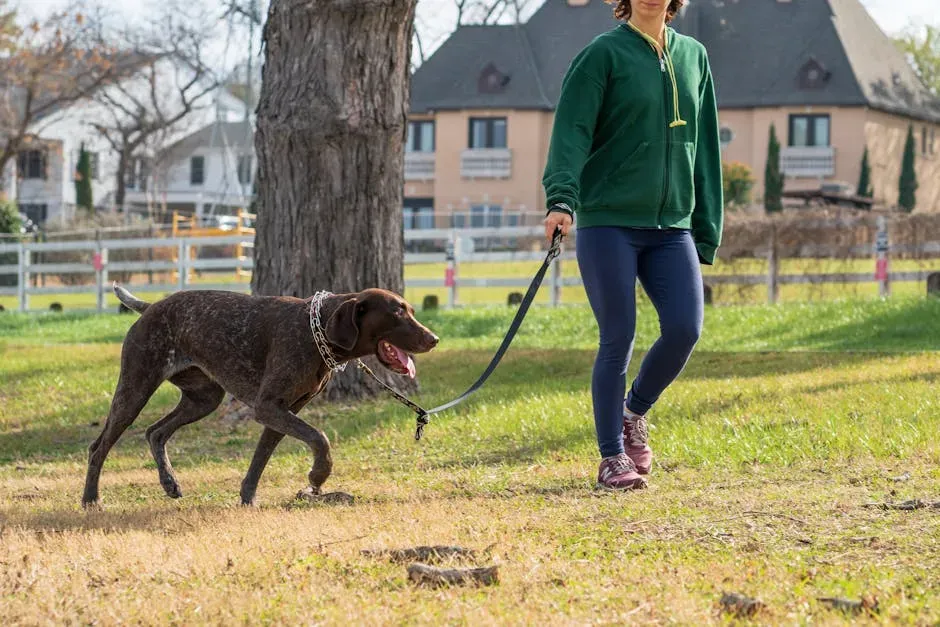
Insufficient exercise is one possible reason why you may notice undesirable behaviors persisting in your dog. If your dog’s basic needs aren’t being met, the best trainer in the world won’t be able to fix your dog’s problems if they aren’t properly exercised. Asking an under-exercised dog to stop pulling on the leash or barking so much is asking a lot.
Canine behaviorists often note that physical exercise can significantly reduce behavioral issues, including leash reactivity. A well-exercised dog is more relaxed, focused, and easier to train. If your dog seems to forget everything they’ve learned the moment training starts, and your sessions feel like you’re starting from zero every time, consider whether a proper burn of energy before the session might change the dynamic entirely.
10. Muscle Loss and Stiffness, Especially in Younger Dogs
Just like with people, a sedentary lifestyle, especially in older dogs, leads to muscle loss and stiff and painful joints. Daily exercise helps to maintain muscle tone as well as keep tendons and ligaments loose and ready for use.
Daily exercise helps to maintain muscle tone as well as keep tendons and ligaments loose and ready for use. If your dog is having trouble with stairs or jumping, touch base with your veterinarian to see if a health problem such as arthritis is involved. This sign is most commonly associated with senior dogs, but younger dogs on very sedentary routines can also start showing reduced muscle definition over time. Proper exercise significantly contributes to managing weight, reducing behavior problems, and promoting overall longevity in dogs of all breeds, sizes, and ages.
What to Do When You Spot These Signs
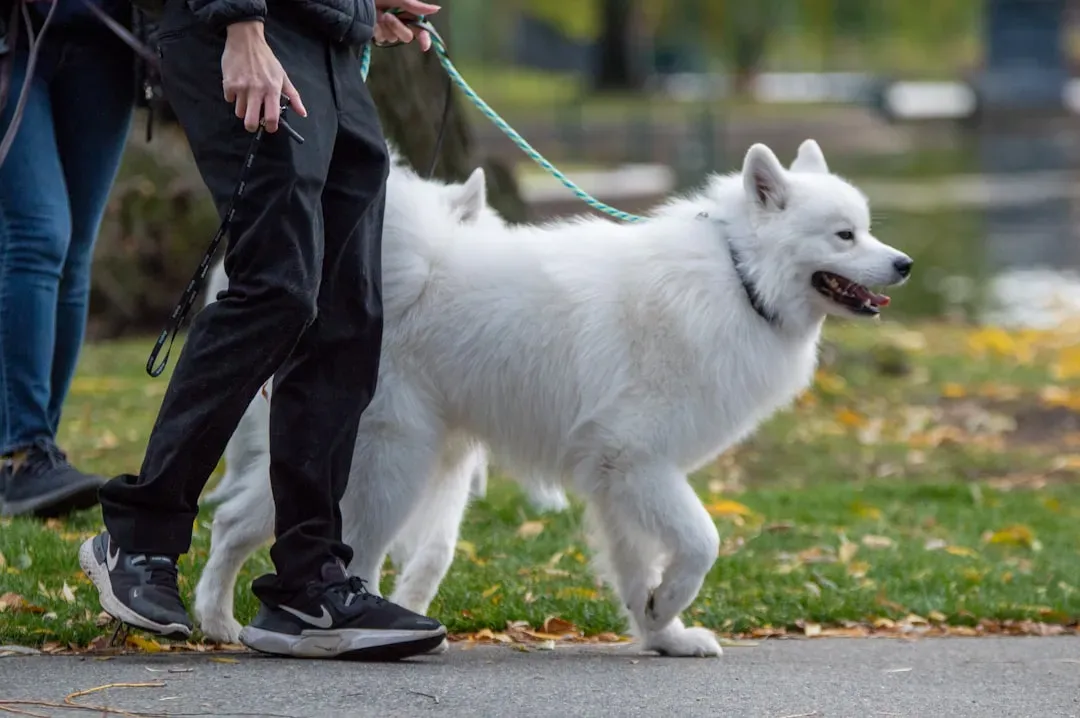
Recognizing the signs is the first step. Acting on them is where real change happens. According to the American Kennel Club, many dogs require between 30 minutes and two hours of exercise daily depending on age, breed, and health. That’s a wide range, and it’s intentional: a Chihuahua and a Husky are not the same dog.
Regular veterinary consultations are valuable for tailoring exercise regimens to a dog’s specific health conditions, weight, and fitness level. Start with small, consistent changes rather than a dramatic overhaul. An extra 15 minutes of walking, a game of fetch in the yard, or a puzzle feeder that engages their mind can all begin to shift the balance. Regular exercise doesn’t just make for a happier, healthier dog – it strengthens your bond and creates a shared routine you can both look forward to.
Your dog is communicating all the time. The behaviors we label as “bad” or “weird” are usually just a language we haven’t learned to translate yet. Once you start reading those signals for what they really are, the path forward becomes surprisingly clear – and it usually starts with a leash, some fresh air, and a bit more time together.


