

Picture this: you ask your dog to sit for the fifth time, and he just stares at you. Not with defiance, exactly, but with a look that reads somewhere between confused and checked out. You mutter, “He’s so stubborn,” and carry on with your day. It’s a scene most dog owners know well, and it’s also where one of the most common misunderstandings in the human-dog relationship quietly takes root.
What we often label as stubbornness is actually a lack of motivation, confusion, or an unmet need. The word “stubborn” feels satisfying because it gives us a simple explanation. The trouble is, it also stops us from looking deeper. And what’s hiding just beneath that label is almost always something we can actually address, once we know where to look.
The Science Says: Stubbornness Isn’t Really a Dog Thing
Here’s something worth sitting with: research is consistent that stubbornness is not a fixed canine trait. It’s a placeholder humans use when we haven’t yet identified the real reason for a behaviour. That’s a big shift in perspective, and it matters more than it might seem at first.
The idea that dogs are constantly seeking dominance over humans has been debunked by modern canine behavior science. Dogs are not trying to control their owners. They are simply responding to their environment and what they’ve learned will or won’t be reinforced. So the image of a dog calculating how to outsmart you? That’s a very human projection.
When a dog doesn’t respond to a cue, it’s not defiance. It’s information. That reframe alone can change how you approach every training session going forward. Instead of asking, “Why won’t he listen?” the more useful question becomes, “What’s actually getting in the way?”
Fear and Stress: When the Brain Simply Shuts Down

When stress happens, the thinking part of the brain shuts down and the emotional part takes over. When your dog is so stressed he can’t think straight, it’s unfair to blame him for not doing what you ask. This isn’t a metaphor. It’s a genuine neurological response that makes learning temporarily impossible.
Just being in certain environments can cause an overexcitable or fearful dog to go “over their threshold.” When a dog crosses over their threshold, their emotions are in too high a state for any learning to occur, and they’ve entered a form of “fight, flight, freeze, or fool-around” mode. You might see this as your dog suddenly freezing mid-walk, pulling frantically in the other direction, or simply acting like a completely different animal than the one who behaved beautifully at home.
Studies show that about one in five dogs struggles with the fear of strangers, unfamiliar dogs, or new situations, and up to twenty percent experience separation anxiety. Those numbers are genuinely significant. If your dog shuts down on busy streets, at the vet, or around new people, stress is a far more likely explanation than wilful noncompliance. Noticing the signs, a tucked tail, yawning, lip-licking, refusing food, can completely reframe what looked like a bad attitude.
Pain and Hidden Health Issues That Masquerade as Attitude
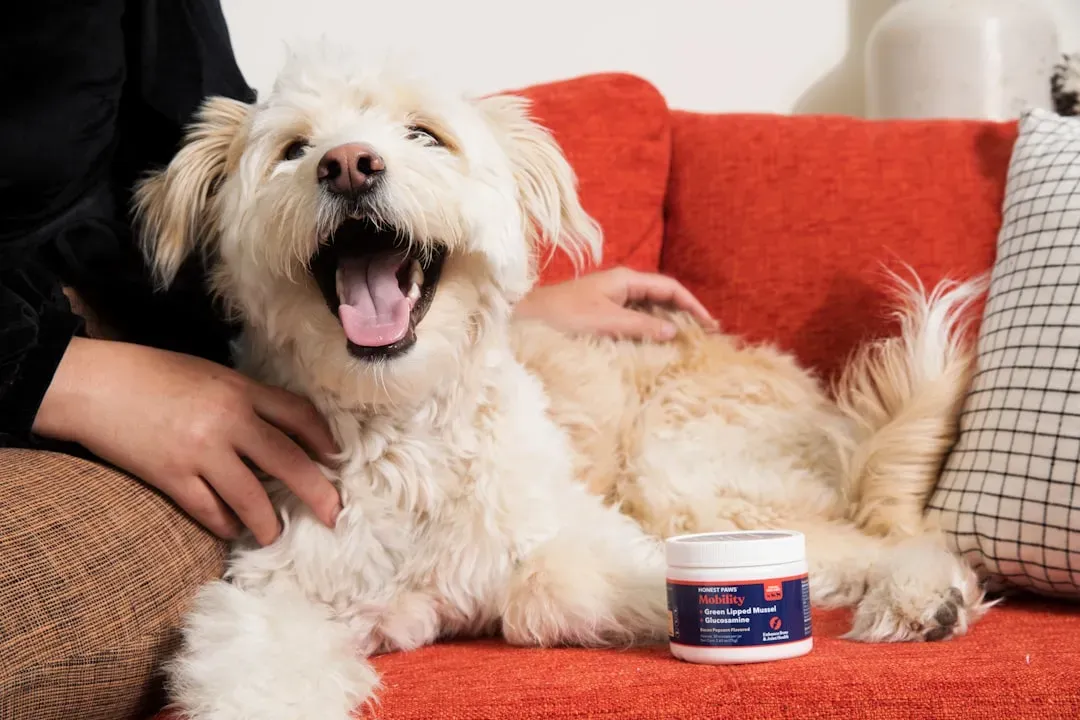
Dogs will hide their pain for as long as possible until symptoms appear. Being skilled at concealing signs of disease, injury, and pain helped wild ancestors avoid being seen as easy targets by predators. That instinct is still running in modern dogs, which means your otherwise healthy-looking companion could be quietly hurting without you ever knowing it.
Consider this kind of scenario: a dog who always sat promptly suddenly starts hesitating, or refusing. When a trainer’s client’s dog was not sitting as asked, she noticed he was falling into it. Tests revealed he had a pulled groin muscle. What looked like stubbornness was pain. Arthritis, hip dysplasia, cruciate injuries, and spinal problems can make sitting, lying, or jumping painful.
Behavioral changes due to pain often develop gradually, so being attentive to your dog’s daily habits is key, as these subtle behavioral cues will be more readily detected early on by someone most familiar with the dog. Watch for changes like altered posture, stiffness or limping, and trouble sitting, climbing stairs, or getting up from a resting position. If a dog who was reliably obedient suddenly stops responding to certain cues, a vet visit before a training intervention is always the right first step.
Adolescence: The Hormonal Storm Nobody Warned You About
Most puppies hit adolescence around six months old. During this period, a puppy’s body and brain are making the transition from puppy to adult dog. Different hormones are turning on and off to control growth and sexual maturity. Lots of changes are occurring in the brain too. Sound familiar? It’s basically the canine version of human puberty, and it’s just as messy.
During adolescence, the prefrontal cortex, the part of the brain responsible for impulse control, decision-making, and focus, is still under construction. Meanwhile, the amygdala regulates emotion and reactivity and is fully functional. This imbalance often results in erratic behavior, such as sudden fearfulness, overexcitement, or difficulty listening. The dog who used to come running when called now looks at you, looks away, and sprints in the opposite direction. That’s not spite. That’s biology.
Many dogs are relinquished to shelters due to the frustrating behaviors that are completely normal during this time of life. Understanding the challenges and investing time and effort into training and behavior management during adolescence can significantly reduce the number of dogs ending up in shelters. Knowing that this phase is temporary and neurologically driven changes everything. Adolescence generally ends around eighteen months of age, but can go until two years old depending on the breed or dog. Patience isn’t just a virtue here. It’s genuinely the most effective tool you have.
Confusion and Context: Your Dog May Simply Not Understand
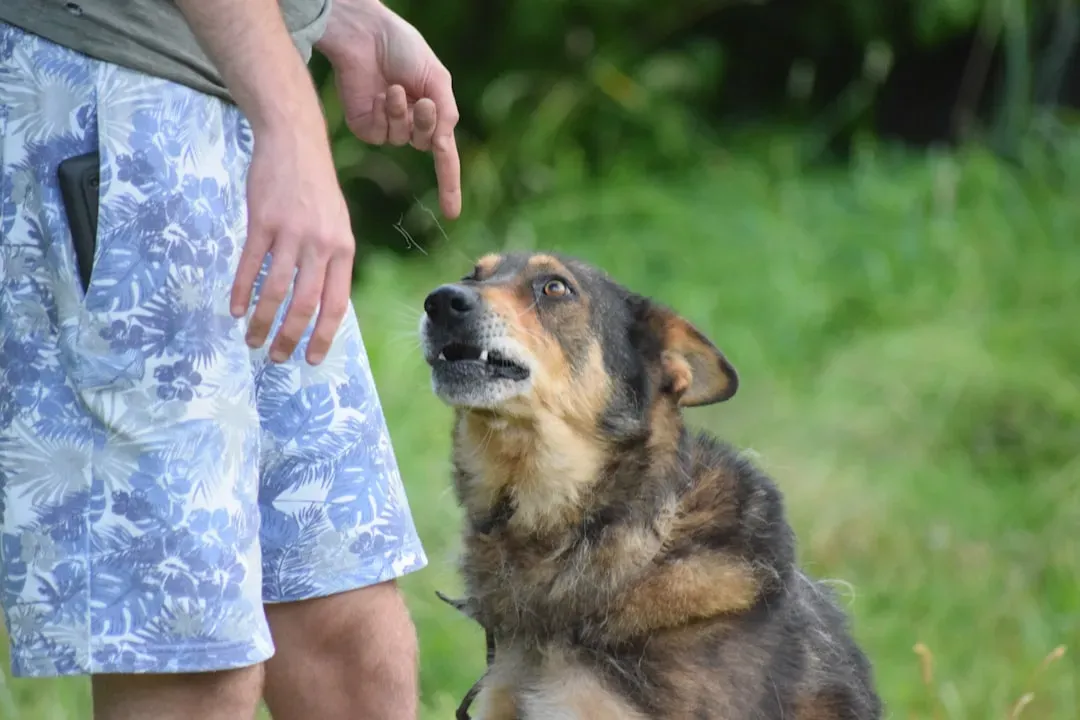
Imagine learning a new word in a language class, only to have someone ask you to use it in the middle of a crowded, noisy train station. You’d probably struggle. Dogs face this exact situation constantly. One of the most frustrating training challenges is the dog who follows commands perfectly at home but develops selective hearing in distracting environments. This inconsistency often leaves owners feeling betrayed, but this behavior isn’t defiance. It’s typically a reflection of insufficient proofing and competing motivations.
A dog trained always in the kitchen may think “Sit” means “Sit in the kitchen.” When you ask him to sit in the living room, he doesn’t sit because it’s not the kitchen. He’s not being stubborn. He needs you to help him generalize his behavior so he understands that “Sit” means to put his tail on the ground wherever you ask him. This is called generalization, and it requires deliberate, varied practice across different places and situations.
In a household with many family members, everyone has different expectations for the dog. Contradictory commands can leave your dog confused. Try to reach an agreement on fundamental commands and training methods to prevent overwhelming your furry companion. Mixed signals from different people in the home are one of the most overlooked causes of what gets labelled as stubbornness. Consistency across everyone in the household isn’t a bonus. It’s a foundation.
Motivation Gaps: What’s in It for Them?
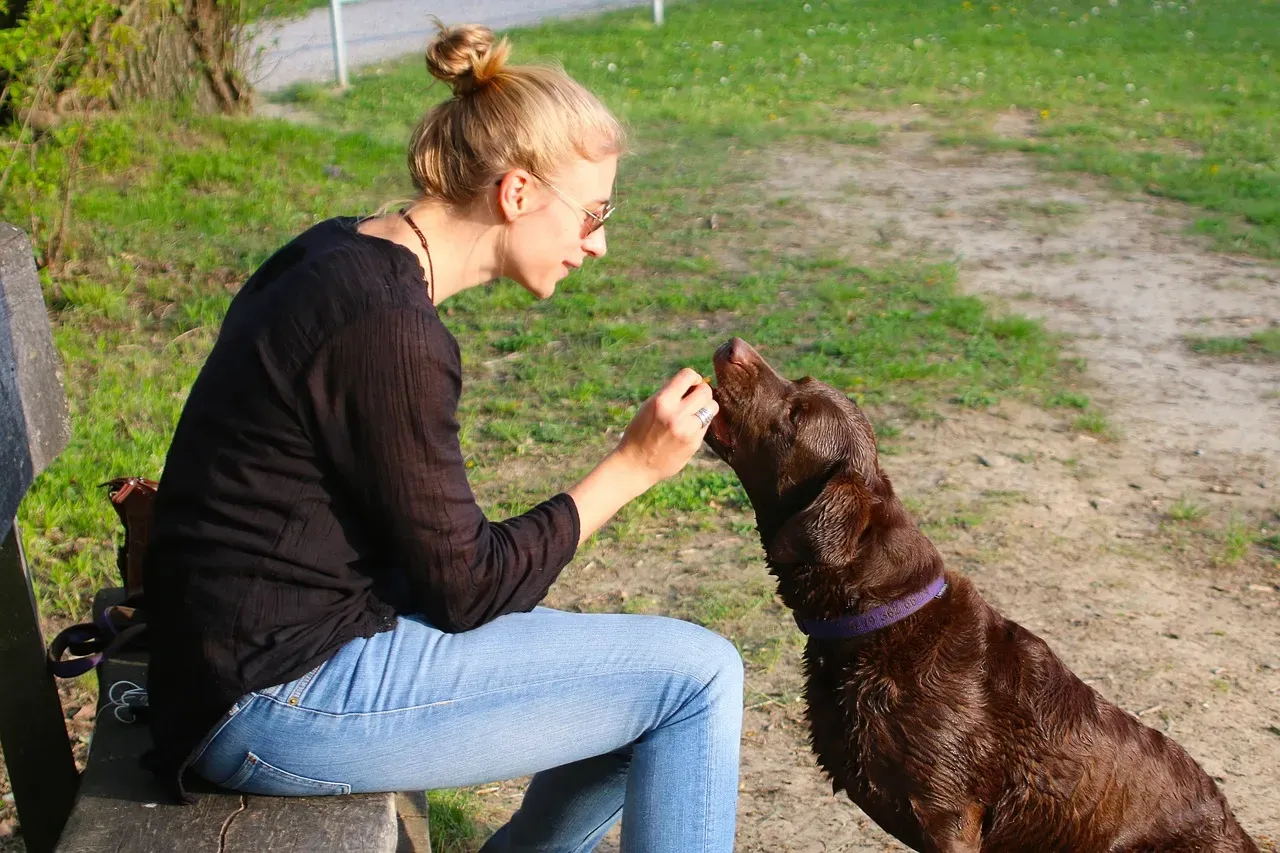
Dogs are not moral creatures weighing right versus wrong. Dogs do what works for them. They repeat behaviors that lead to rewards and avoid behaviors that don’t. If your dog isn’t listening, it’s a motivation issue, not a stubbornness issue. That’s a blunt way of putting it, but it holds up across virtually every scenario.
Your dry biscuit reward may pale in comparison to the smell of a rabbit in the hedge. Training works best when rewards match the challenge. This is a practical and honest point. If you’re asking your dog to ignore a squirrel, a piece of ordinary kibble probably won’t cut it. The reward needs to be genuinely compelling relative to whatever else is competing for your dog’s attention in that moment.
Dogs thrive when they are given clear and consistent rules. A lack of clarity or inconsistency can turn their world topsy-turvy. Pet parents may do this without realizing the impact. Something as simple as allowing a dog on the couch one day and strictly prohibiting it the next risks generating confusion, and confusion ultimately breeds anxiety. Confidence is built when dogs can predict outcomes. Motivation and clarity go hand in hand. A dog who understands what’s expected and knows good things follow is a dog who wants to cooperate.
Conclusion: Becoming a Problem-Solver, Not a Judge
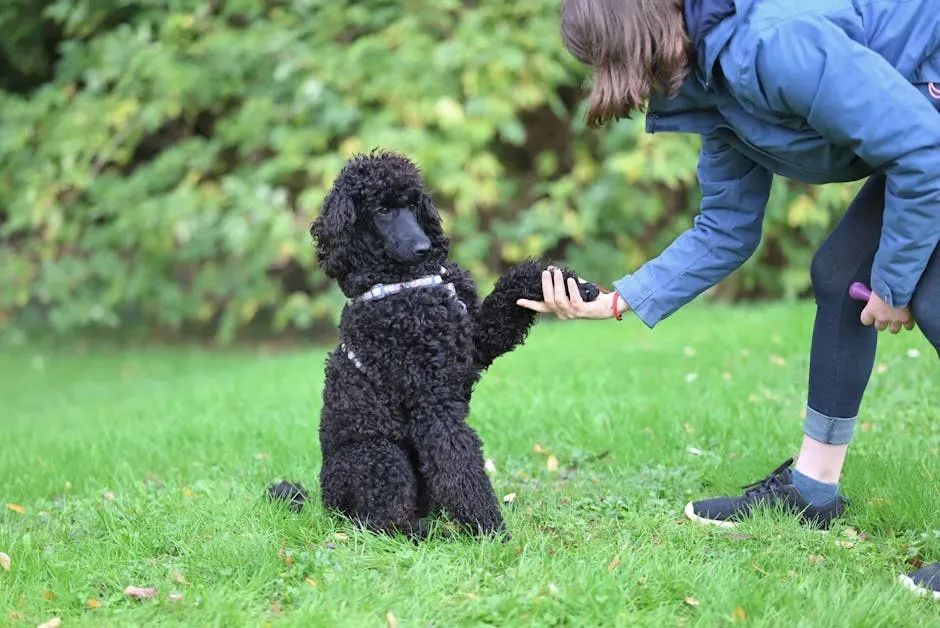
The reason for a behavior may be communication gaps, physical challenges, developmental phases, or emotional states. Once we identify it, we can address it compassionately. When we replace “stubborn” with “something’s getting in the way,” our approach to training changes completely. We become problem-solvers, not judges.
That shift matters enormously, not just for training outcomes but for the relationship you have with your dog. There is always a reason for behavior. Your dog is not just being “stubborn” for the sake of getting under your skin or trying to be dominant. They’re communicating the only way they know how, through behavior.
The next time your dog seems to be “ignoring” you, try curiosity before frustration. Ask what they might be feeling, whether their body might be hurting, whether the environment is overwhelming, or whether the task is genuinely unclear to them. More often than not, the answer you find will be far more useful than the label you’d have reached for instead. Your dog doesn’t need a tougher owner. They need a more curious one.


