
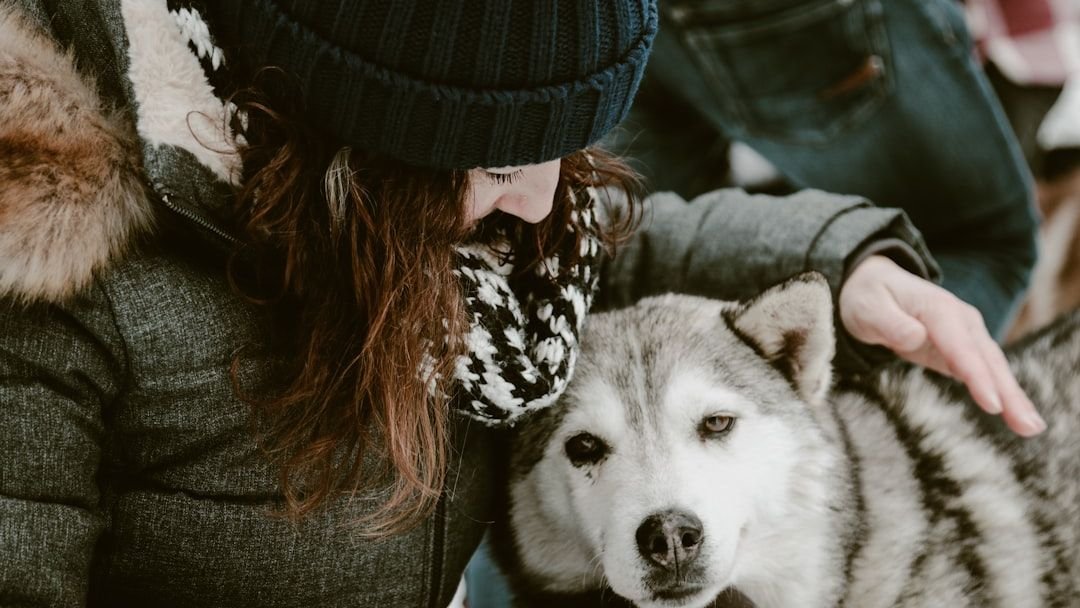
There’s a moment most dog owners know well. You settle onto the couch after a long day, and before you’ve even exhaled, your dog is already there, pressed against your leg or sprawled across your lap like they’ve been waiting hours for that exact invitation. It feels sweet. It feels simple. It isn’t.
How your dog cuddles, where they position themselves, and what they do with their body during close contact are all forms of communication. Dogs can’t use words, but their physical closeness is a rich, layered language, one that carries clues about trust, health, emotional state, and the depth of the bond you share. Learning to read it changes everything.
The Science Behind Why Dogs Cuddle at All
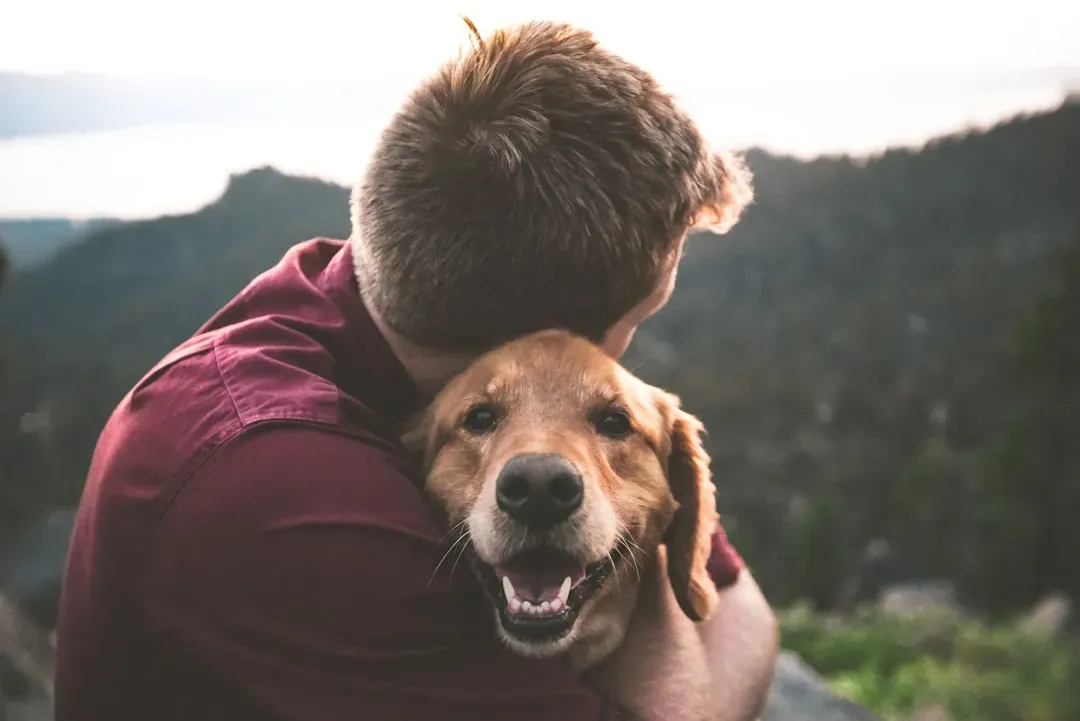
Dogs are descendants of pack animals who slept huddled together for warmth and safety. Dogs are descendants of wolves, which are inherently pack animals. In the wild, canines sleep close together for warmth and protection, reinforcing social bonds within the pack. When your dog chooses to sleep on you, they are exhibiting a behavior deeply rooted in this instinctual pack mentality. That instinct hasn’t disappeared, it’s just been redirected, and you’ve become the pack.
There’s also powerful chemistry at work. A number of studies have shown that when dogs and humans interact with each other in a positive way, such as cuddling, both partners exhibit a surge in oxytocin, a hormone which has been linked to positive emotional states. This feedback loop is remarkably similar to the one that exists between parents and their infants.
Research published in Science found that gazing behavior from dogs, but not wolves, increased urinary oxytocin concentrations in owners, which consequently facilitated owners’ affiliation and increased oxytocin concentration in dogs. Further, nasally administered oxytocin increased gazing behavior in dogs, which in turn increased urinary oxytocin concentrations in owners. These findings support the existence of an interspecies oxytocin-mediated positive loop facilitated and modulated by gazing, which may have supported the coevolution of human-dog bonding. The cuddle, in other words, is evolutionary. It’s ancient, reciprocal, and deeply biological.
Reading the Cuddle: Five Styles and What They Actually Mean
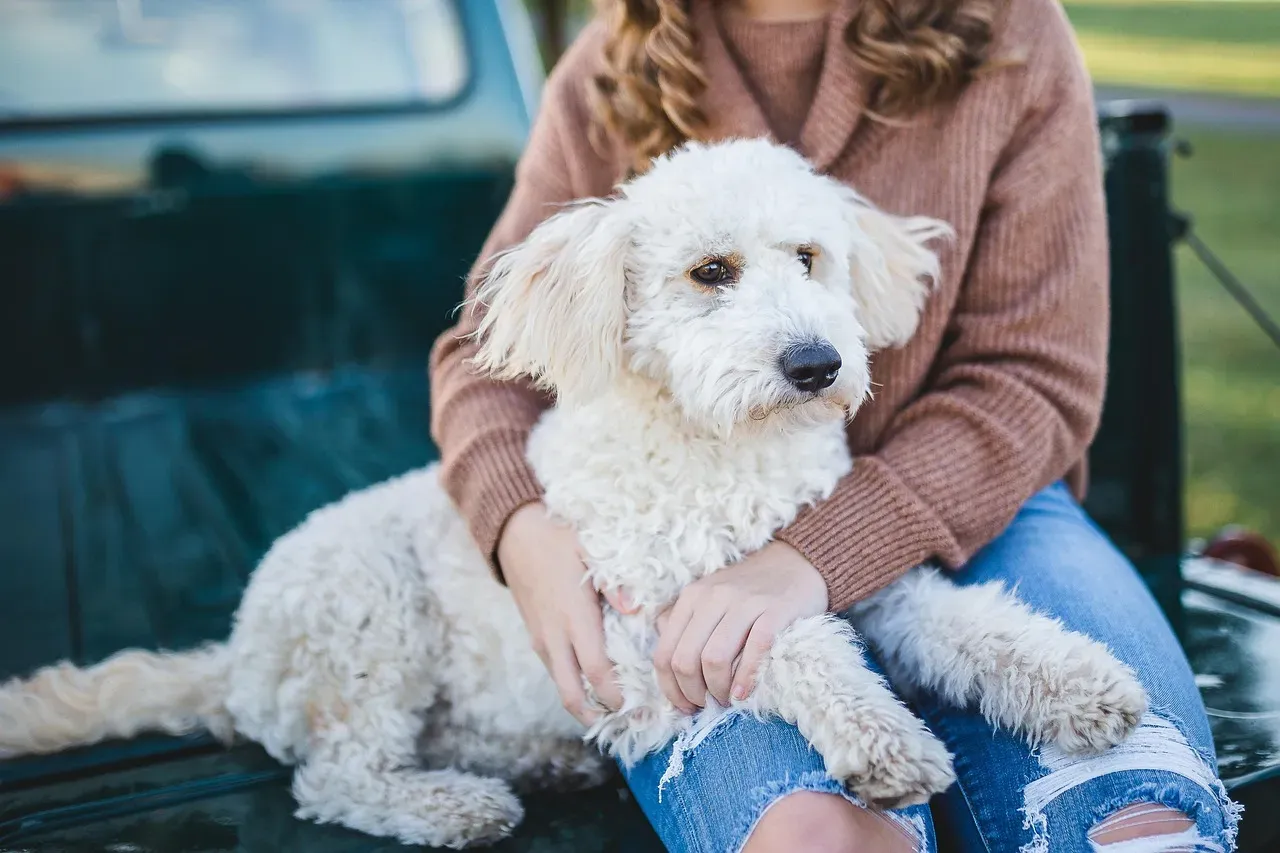
Not every cuddle looks the same, and that’s the point. The drive-by cuddler is the canine equivalent of a quick wink and a smile. It’s quite brief yet playful, with the dog walking by, brushing against your leg, or bumping against you. These dogs may be more independent and low-maintenance, showing their affection without becoming overly needy. This isn’t indifference. It’s actually a sign of a healthy, well-adjusted attachment style.
Then there are leaners. Dogs who cuddle this way are often attempting to communicate their bond with us. It’s almost as if they were saying, “I trust you, and I feel calmer just by touching you.” Veterinary behaviorist Dr. Sagi Denenberg claims that when dogs are leaning, they are using it as an affiliative behavior meant to forge social and emotional bonds. If your dog presses their full body weight against your legs when you’re standing in the kitchen, that’s pure devotion, not pushiness.
Head-on-lap cuddlers are particularly expressive. Another way dogs cuddle is by placing their head on your lap and staring adoringly at you. Whether their head rest lasts a few seconds or several minutes, consider that it’s a deliberate act and quite a trusting and affectionate gesture. Dogs often stare into their owners’ eyes as a sign of love and affection. This behavior releases oxytocin in both dogs and humans, and it strengthens the bond between the two.
When Cuddling Signals Anxiety, Not Just Love
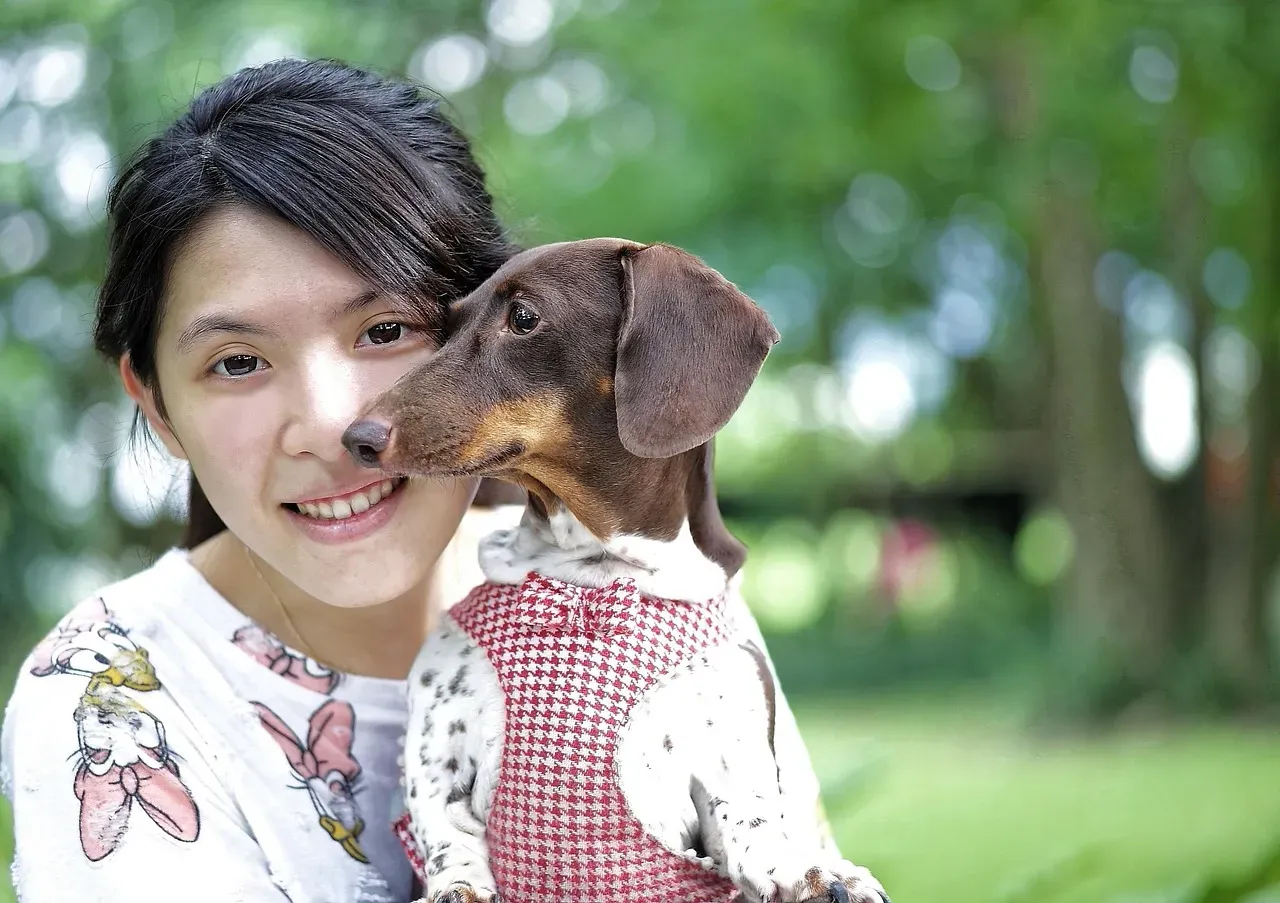
This is the part most dog owners miss, and it matters. Aside from showing affection, some dogs try to cuddle when they’re exhibiting fear. Dogs afraid of thunderstorms, fireworks, or other loud or scary environmental events might try to cuddle. The snuggle looks identical on the surface, but the motivation is completely different, and how you respond can either help or accidentally make things worse.
While most dogs are emotionally attached to their owners, anxious dogs exhibit more attachment behaviors than dogs that are less anxious. Dogs may also become clingy when they have separation anxiety. Constantly wanting to be with their owners, getting as close as possible, and even sitting directly on their owners can be signs. The key difference to watch for is context: is your dog cuddling from a place of calm contentment, or are they pressed against you while trembling, panting, or unable to settle?
Behavior cues that suggest anxiety-driven closeness include dilated pupils, yawning, panting, and an inability to relax their body even while in contact with you. Knowing the difference is essential, because providing too much attention when dogs engage in a fear-related response can make the behavior worse long-term. If this sounds familiar, a consultation with a certified veterinary behaviorist is a genuinely worthwhile step.
What Your Dog’s Sleep Position Next to You Is Telling You

A dog’s sleeping position can indicate comfort, health, or their emotional state. When your dog chooses to sleep pressed against you, back-to-back, or sprawled across your legs, each position carries its own quiet message. If your dog sleeps back-to-back with you or another dog, they are exhibiting trusting behavior and intimacy. Back-to-back sleeping may echo dogs’ ancestral pack behavior, when entire families slept piled together in dens.
Sleeping positions also reflect physical wellbeing in ways that are easy to overlook. Certain positions, like always keeping their head raised or lying in a lion’s pose without fully relaxing, might point to breathing difficulties, joint pain, or even digestive discomfort. A dog that frequently sleeps in a very stiff or tense pose may be trying to minimize movement due to pain, particularly in their hips, legs, or spine.
It’s worth keeping a mental note of your dog’s default resting posture. While most sleeping positions are perfectly normal, some can signal health concerns. If your dog suddenly changes their sleeping habits, it might be a sign to watch out for. Pay attention to positions that appear uncomfortable or are accompanied by other symptoms. A sudden shift from a relaxed sprawl to a tight, guarded curl can be your dog communicating discomfort before any other symptom makes itself obvious.
How to Cuddle Your Dog Better: What Science and Behavior Experts Suggest
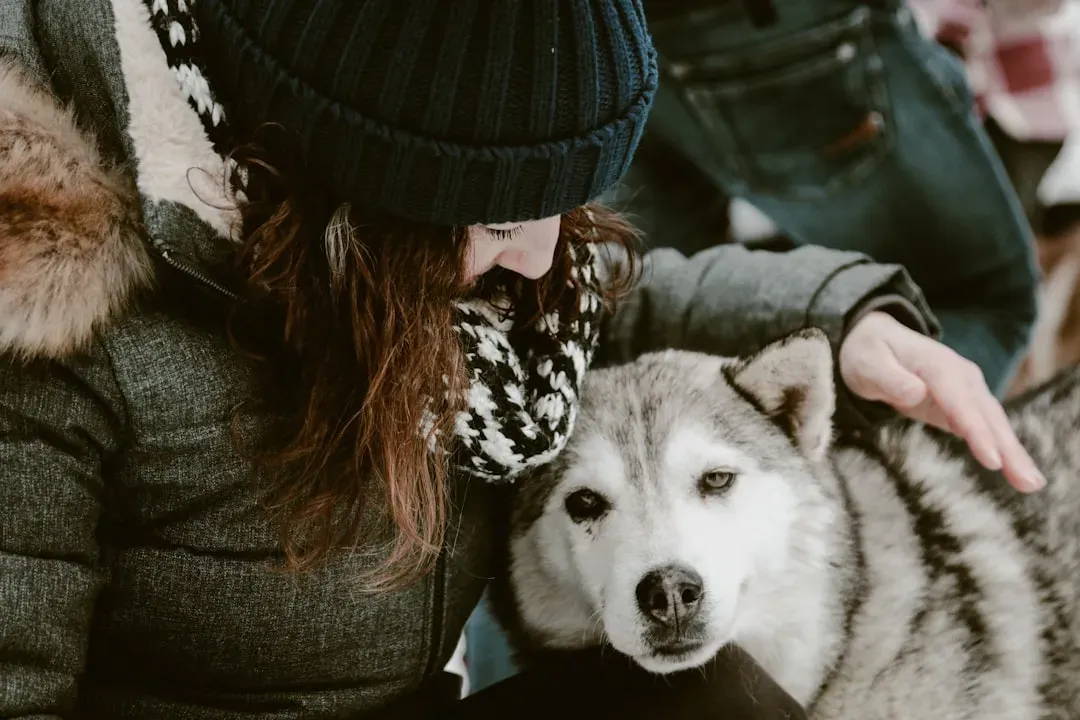
There’s a widespread assumption that dogs always welcome physical closeness, but that’s worth questioning. Even dogs that like to be touched may not want to be touched all the time. Cuddling can be enjoyable for dogs, even more so if they can have a sense of choice and control. The healthiest cuddle relationships are the ones where your dog comes to you, rather than ones where you initiate contact without reading their signals first.
Learning what your dog is saying with their body is the foundation of getting this right. Having a good understanding of your dog’s body language and a good ability to also read the room is key to determining your dog’s reaction to touching them. Watch for soft eyes, relaxed muscles, and a loose, wiggly body as signals that your dog is genuinely enjoying the moment. Stiff muscles, a turned head, or lip licking tell a different story.
There’s also real benefit in building comfort with physical contact through consistent, positive experiences over time. Teaching dogs to be physically handled using classical conditioning is essential. This is important in life for grooming and veterinary procedures. Through classical conditioning, those touches are paired with pleasant things, mainly treats. Dogs that feel secure with their owners are typically easier to examine, less stressed during visits, and recover more smoothly from procedures.
Conclusion: Your Dog Is Always Saying Something
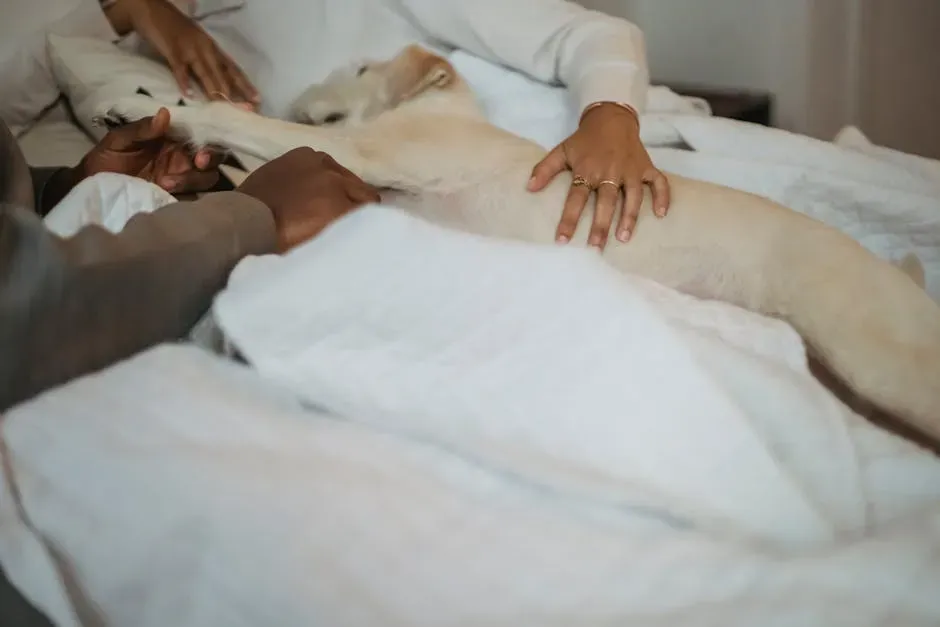
Every cuddle your dog offers is a sentence in a conversation they’ve been trying to have with you all along. Sometimes it’s pure joy. Sometimes it’s trust so complete it takes your breath away. Sometimes it’s a quiet signal that something feels off, physically or emotionally, and they need more than warmth from you.
Their bodies reveal stories that run deeper than simple habits, and sleep and closeness are one of the most honest places to read those stories. A dog resting with ease shows you a window into their comfort, wellbeing, and emotional world. Learning how to interpret these signals allows you to understand your pet with a new kind of clarity.
The most meaningful thing you can take from all of this is simple: slow down and pay attention. Each dog is unique, and their ways of expressing love can vary. Pay attention to your dog’s individual behavior and cues to deepen your bond and understanding of their affectionate nature. The dog who leans into your leg, curls against your side, or tucks their nose under your arm isn’t just being cute. They’re telling you exactly who you are to them.


