
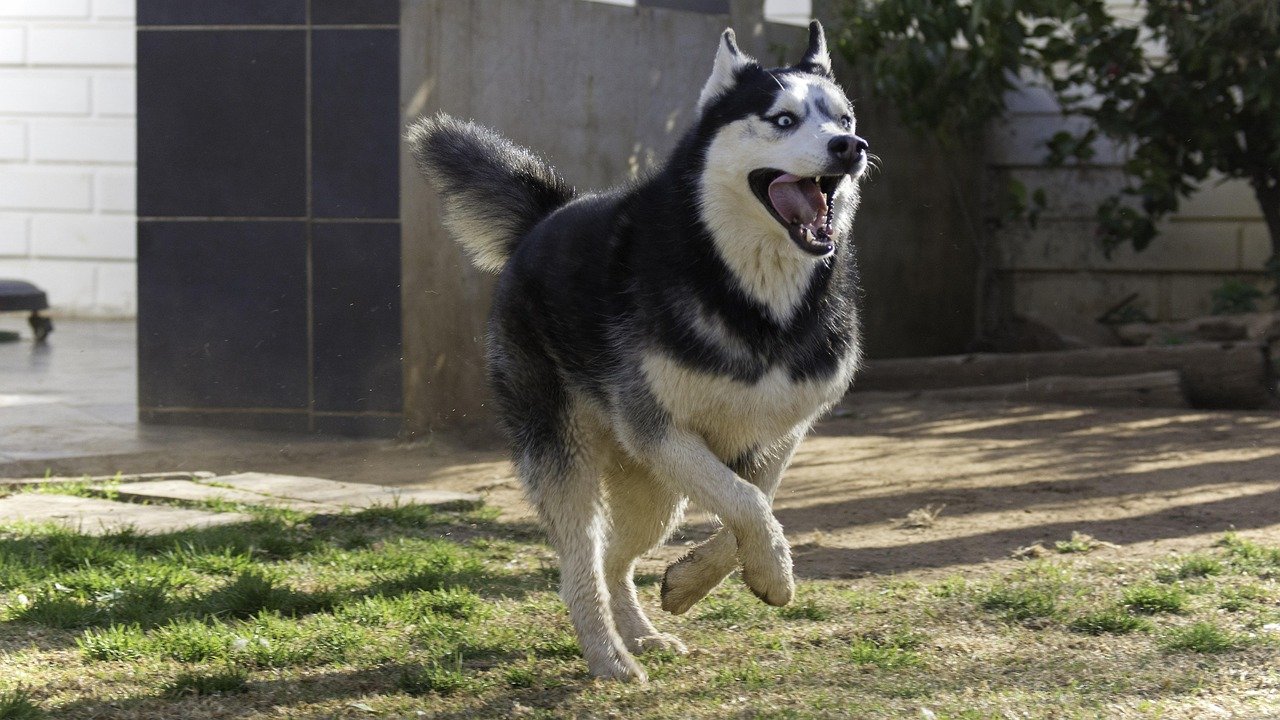
There’s a common assumption floating around that small dogs are the needy ones. The ones glued to your hip, crying at the door, plotting your return from across the room. Large dogs, on the other hand, are often pictured as self-sufficient, calm, and easy. You give them a big yard, a bowl of food, and they’re sorted. Right?
Not quite. Some of the biggest, most powerful dogs alive are also among the most emotionally dependent, mentally demanding, and socially hungry animals you’ll ever share a home with. The truth is that large breeds don’t just need more space. They need more of you. More time, more training, more engagement, and often more patience than any lap dog could ever dream of asking for. If you own one of these breeds or are thinking about it, this is the article you need to read first.
1. German Shepherd: The Devoted Dog Who Needs a Job
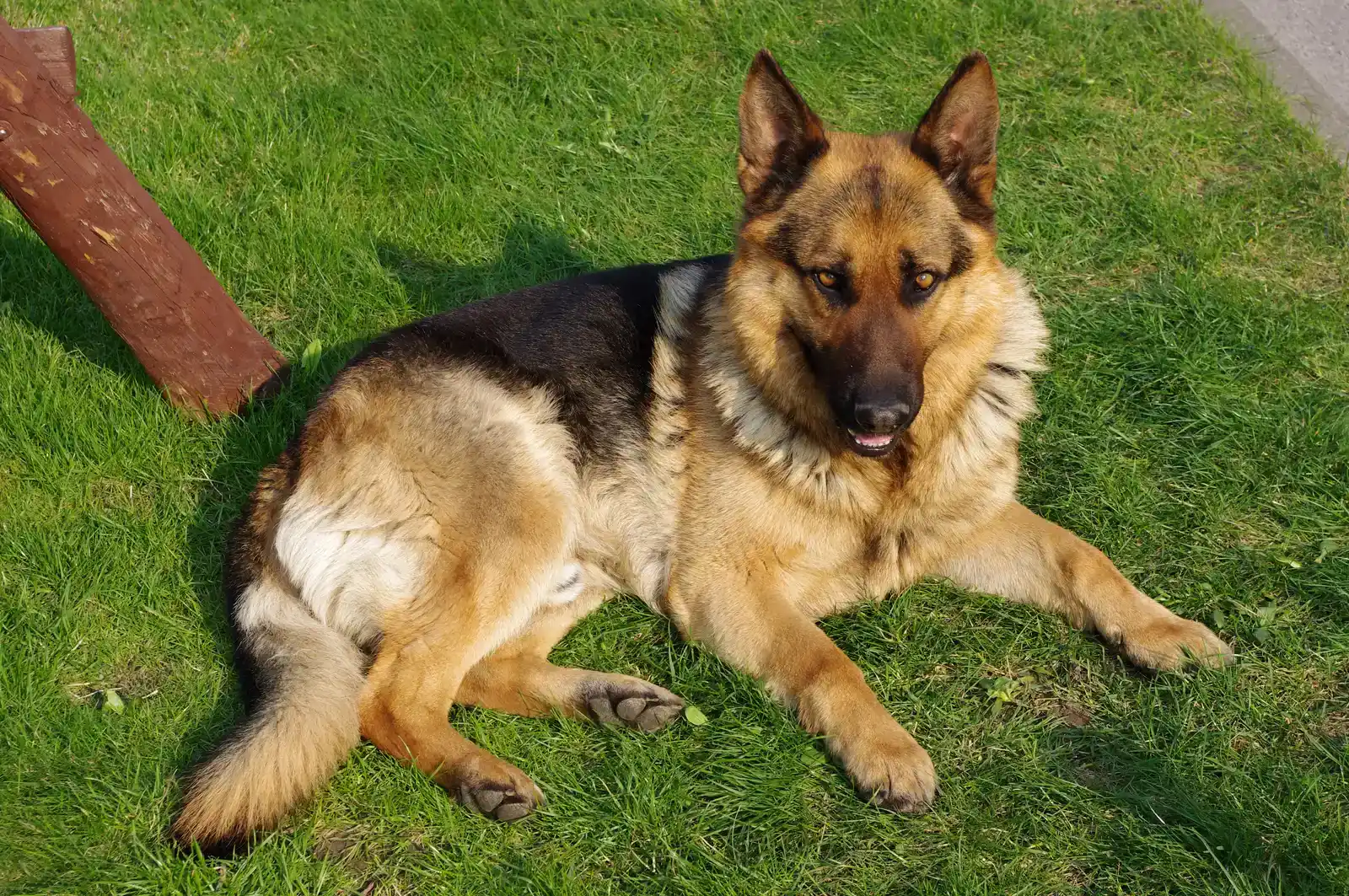
German Shepherds are highly intelligent and loyal dogs that thrive on human interaction. They form deep bonds with their owners and require constant mental and physical stimulation. That combination of deep loyalty and sharp intelligence is exactly what makes them such incredible companions. It’s also what makes them particularly vulnerable when left on their own too long.
German Shepherds tend to form deep bonds with their owners. While this trait is beneficial for companionship and working roles, it can make them distressed and anxious when left alone. This breed may engage in destructive behaviors like chewing on furniture or excessive vocalization like barking or whining when separated from their family. If you notice your Shepherd pacing, whining, or systematically dismantling the couch, these are genuine distress signals, not mischief.
Without adequate attention, German Shepherds may develop destructive behaviors or anxiety. Regular training, exercise, and quality time are essential to keep these devoted companions happy and well-adjusted. Enrolling in structured obedience classes, rotating mentally stimulating toys, and maintaining a consistent daily schedule are some of the most effective ways to meet this breed’s considerable needs.
2. Labrador Retriever: America’s Favorite Dog With a Big Emotional Tank
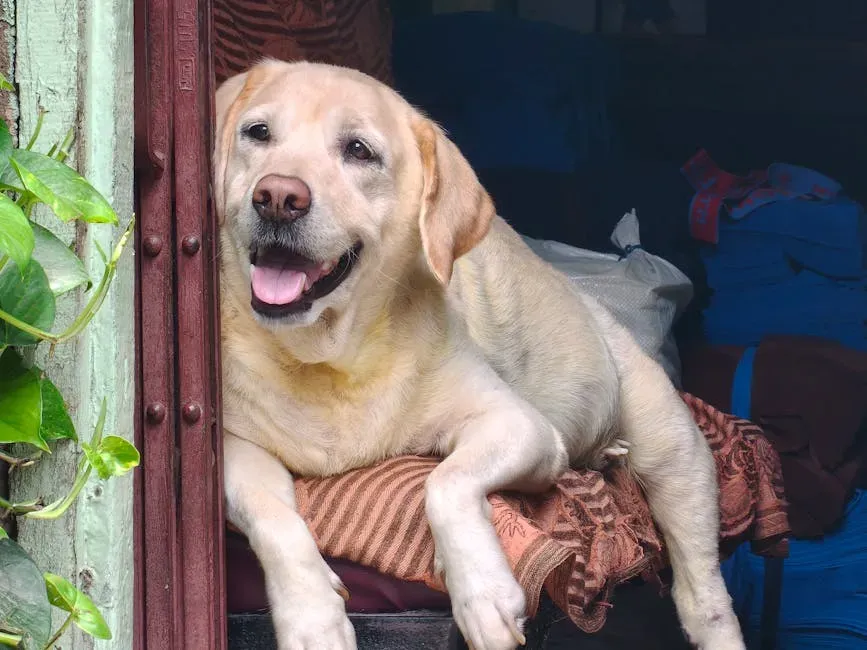
Labrador Retrievers are known for their friendly, outgoing nature and high energy levels. These popular family dogs thrive on human interaction and require plenty of attention, exercise, and mental stimulation. Labs have a way of winning over absolutely everyone they meet, but their sunny personality masks a real dependency on your presence and engagement.
This breed’s strong attachment to family members can lead to distress when separated. That anxiety can manifest as destructive chewing, excessive barking, or even soiling the house when left alone. Many Lab owners are genuinely surprised the first time they come home to find the kitchen bin scattered across three rooms. Your dog wasn’t being bad. Your dog was overwhelmed.
Labradors require at least an hour of active exercise every day as well as mental stimulation like puzzles, toys, or training routines. Without stimulation and physical exercise, this high-energy dog can develop anxiety and its associated behaviors. This breed also thrives on consistency, so disruptions or changes to their regular schedule or environment can trigger anxiety and distress. A tired Lab is a content Lab. Prioritize daily exercise and keep their routine predictable.
3. Golden Retriever: Sunshine With Separation Issues

Golden Retrievers are known for their friendly and affectionate nature, but they also require significant attention and exercise. These energetic dogs need at least one to two hours of daily physical activity and mental stimulation to prevent boredom and destructive behaviors. Their reputation as easy-going family dogs is well-earned, but it sometimes lulls owners into underestimating just how socially demanding they really are.
Their social nature means they thrive on human interaction and can develop separation anxiety if left alone for long periods. Goldens were bred to work alongside hunters all day. That deep-seated cooperative drive doesn’t just disappear because you live in the suburbs. They want to be part of whatever you are doing, constantly.
Golden Retrievers earn their reputation as one of the friendliest and most trainable breeds. Their gentle temperament and desire to please make them perfect for families, especially those new to dog ownership. Channel that people-pleasing energy into regular training sessions. Even short daily training rounds of ten to fifteen minutes provide mental engagement and reinforce your bond in ways that a walk alone simply cannot.
4. Vizsla: The Velcro Dog in a Large Body
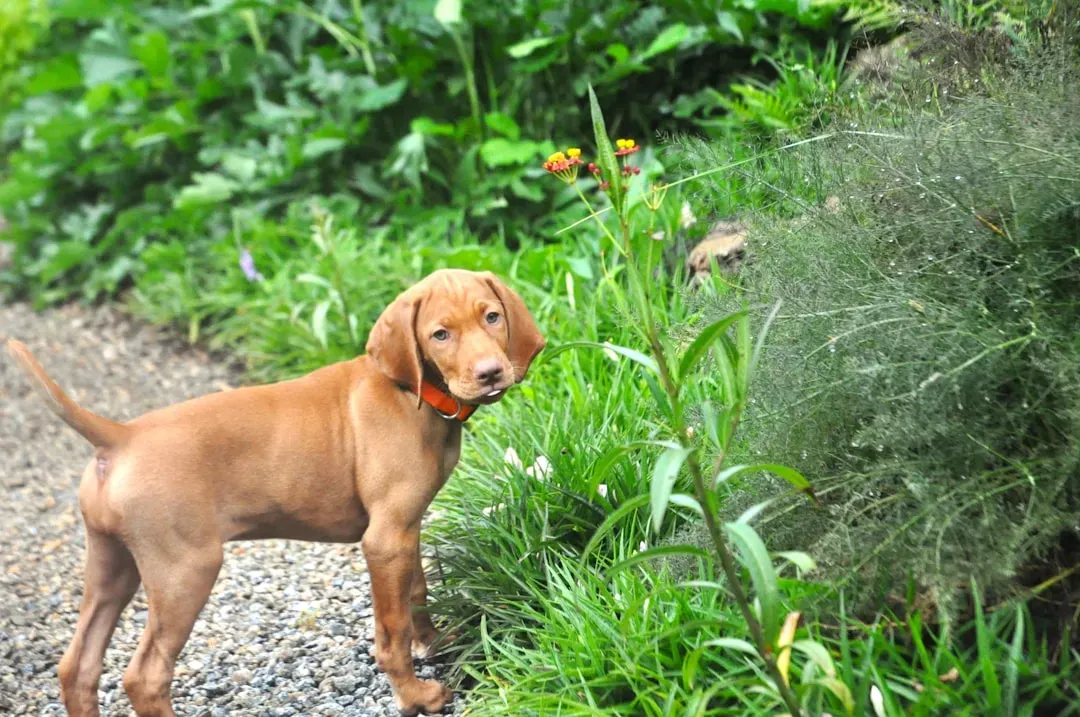
Vizslas are high-energy and therefore high-maintenance. They are no couch potato. Not only do they need vigorous physical activity, but they also thrive on mental stimulation or they can turn to destructive tendencies. Plus, this is a “Velcro” dog that likes to stick close to its owner at all times. The nickname is entirely accurate. A Vizsla who doesn’t get enough of your time and attention will make sure you notice.
This strong attachment can lead to separation anxiety when Vizslas are left alone for extended periods. They may exhibit behaviors such as excessive barking, whining, destructive chewing, or even physical symptoms like loss of appetite when experiencing separation anxiety. Vizslas are highly active and energetic dogs that require vigorous and challenging daily physical exercise like running, agility training, or interactive play to maintain their physical and mental health.
The Vizsla is genuinely not built for a nine-to-five household where everyone is away all day. If your schedule demands long hours away from home, consider a dog walker, daycare, or a canine companion to help break up the solitude. Separation anxiety is a common problem for Vizslas, but with plenty of attention, exercise, and enrichment, they can thrive.
5. Boxer: Clownish, Childlike, and Completely Dependent on You
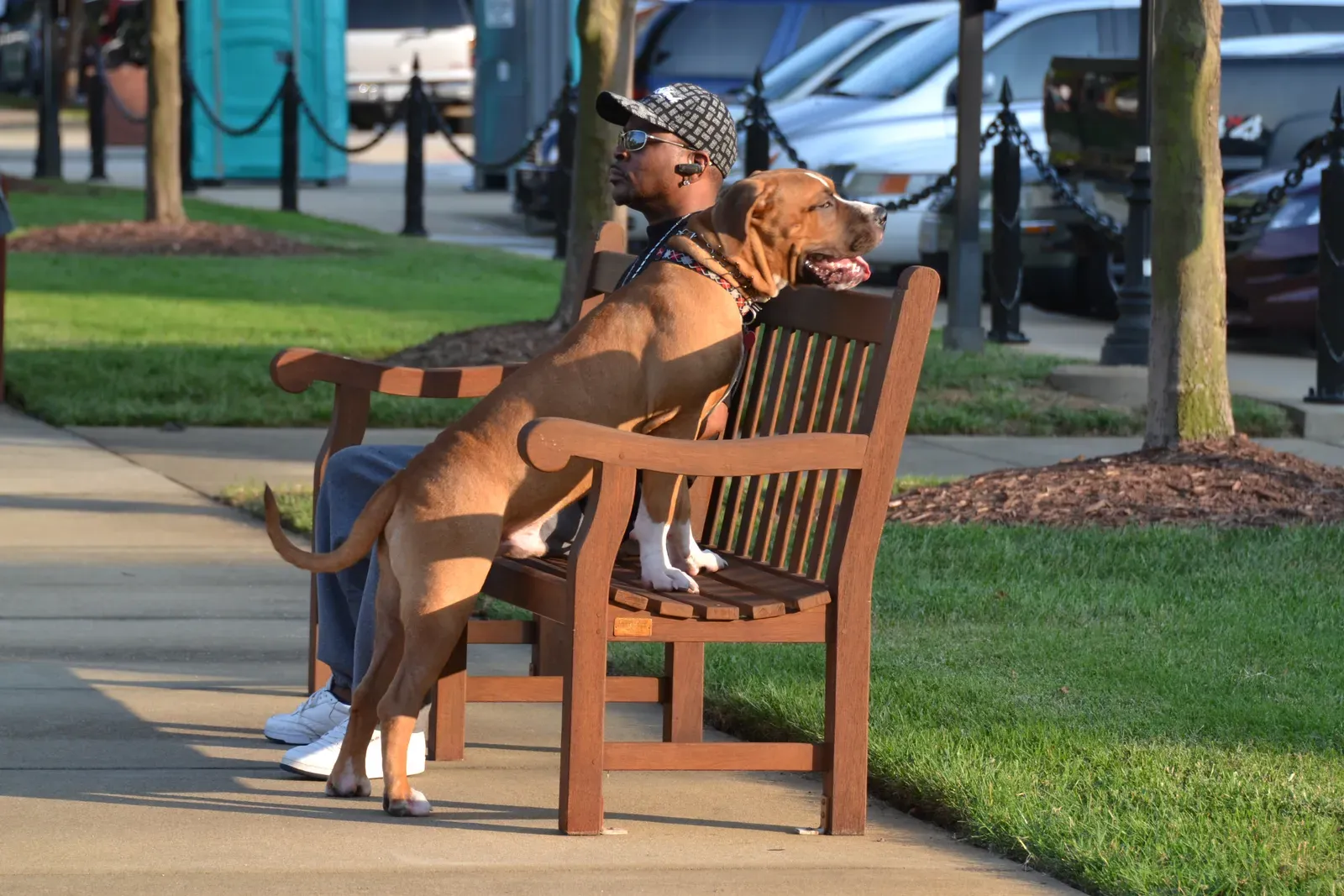
Boxers are often described as the perpetual puppies of the dog world. They maintain a playful, goofy energy well into adulthood. That is genuinely charming. It is also a signal of a dog whose emotional world revolves around its people. Boxers need sixty to a hundred and twenty minutes of exercise per day. Under-exercise a Boxer and you’ll find out exactly how creative their boredom can get.
Dogs that require high levels of care and attention from their owners are known as high-maintenance breeds. These breeds typically have high energy levels, may be prone to separation anxiety, require frequent grooming, may have certain health issues, and need more mental stimulation. Boxers check most of those boxes. They are also a brachycephalic breed, meaning their shortened muzzle requires careful monitoring in hot weather to prevent overheating, adding a health dimension to their care requirements.
The behavior cue to watch for with Boxers is restlessness combined with attention-seeking antics: jumping, nudging, pawing, or barking directly at your face. These aren’t personality quirks. They are communication. Your Boxer is telling you they need more engagement, more interaction, and more of your actual presence in their day.
6. Rottweiler: Powerful, Protective, and Deeply in Need of Guidance
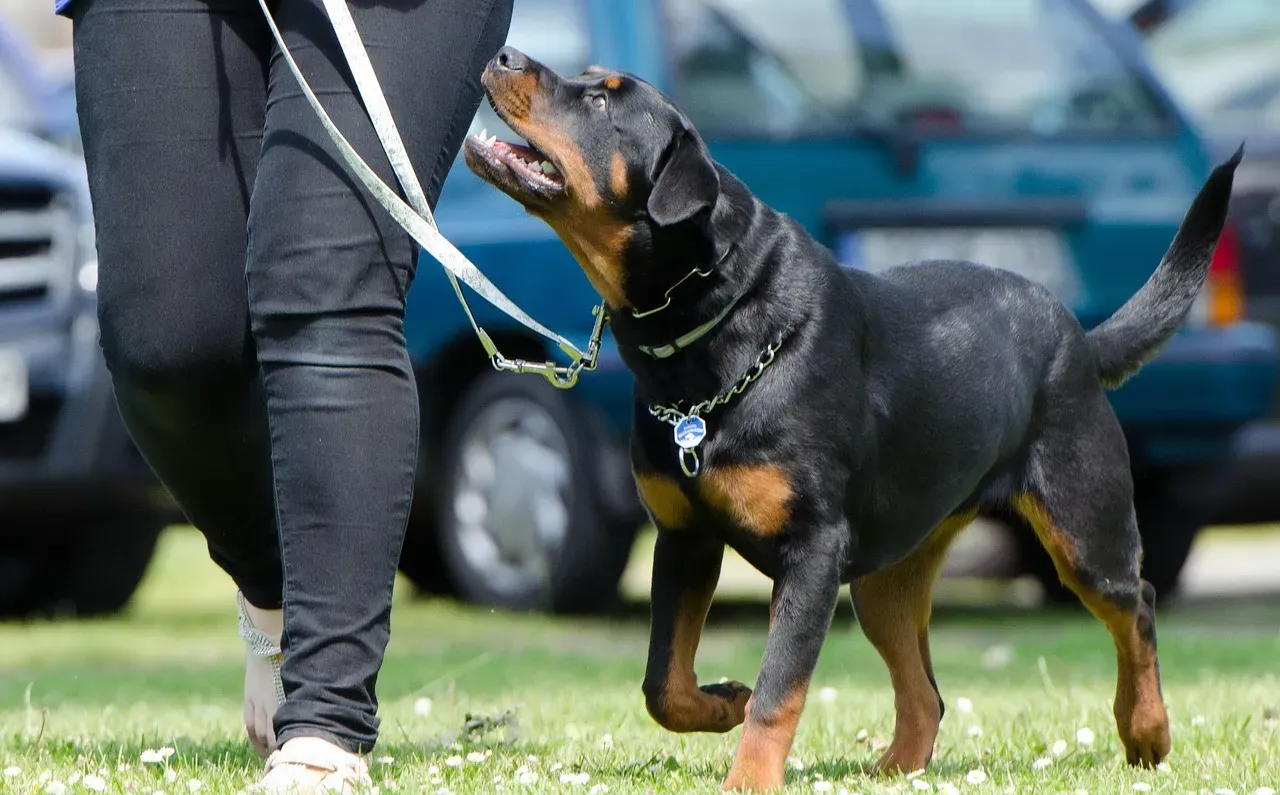
Rottweilers have a reputation that often overshadows their actual nature. When properly trained and well socialized, they are calm, confident, and intensely loyal family dogs. The key phrase there is “properly trained and well socialized.” With such a big dog, they require a lot of attention not only to feed and provide activity but also to teach, as they can be overbearing for those who are not willing to put in the right amount of energy, especially early on in their developmental years.
Bigger dogs require joint-supportive diets, consistent training for manageable behavior, ample exercise to prevent obesity, and regular vet checks for common large-breed health issues. For Rottweilers specifically, consistent training is non-negotiable rather than optional. A large, powerful dog without structure doesn’t just become difficult to manage. It becomes a potential safety issue for the dog itself and for others.
Early socialization, reward-based training, and clear boundaries set the foundation for a well-adjusted Rottweiler. These dogs are sensitive to their owner’s emotional state and respond poorly to harsh corrections. They need a confident, consistent handler who shows up every single day. Skip the training sessions and the attention, and this breed’s considerable intelligence will find its own outlets, rarely in ways you’ll appreciate.
7. Great Dane: A Giant Heart That Requires Giant Commitment
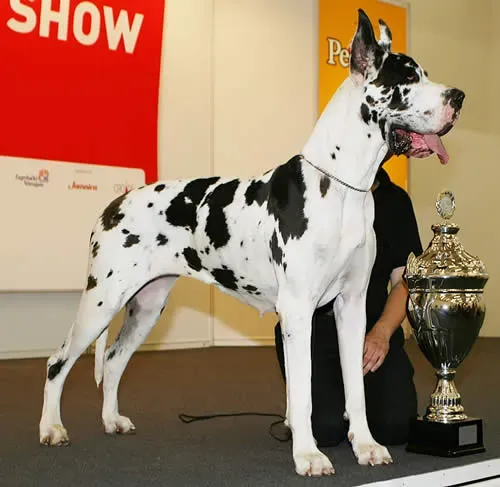
Great Danes are gentle giants in the truest sense. They are affectionate, patient, and surprisingly calm indoors. What people don’t always anticipate is how medically complex and emotionally dependent these enormous dogs can be. Great Danes often have heart problems like dilated cardiomyopathy, which makes it hard for the heart to pump blood. This condition can weaken Great Danes, cause them to pass out, and even lead to death. Great Danes who have had heart problems need special care, including regular checkups at the vet, diagnostic tests, and medicine to help them manage their condition.
Giant breeds like Great Danes need careful exercise management. Avoid forced running until growth plates close around eighteen to twenty-four months. That is nearly two years of modified activity, which demands an owner who is genuinely paying attention to their dog’s physical development. Gastric dilatation-volvulus, commonly known as bloat, affects up to six percent of large breeds and can be fatal within hours. Feeding two to three smaller meals instead of one large portion helps reduce this risk.
Giant dogs have giant care needs, and surprisingly, not all dog-care services or providers will be equipped or competent to provide their care. Some vet clinics are not large enough to provide surgery or X-ray procedures to giant dogs. Similarly, dog care professionals such as pet sitters, dog walkers, and dog daycare providers may not always be comfortable or competent working with giant dogs. Owning a Great Dane means doing your homework on every single provider you hire.
8. Siberian Husky: The Escape Artist Who Demands an Audience
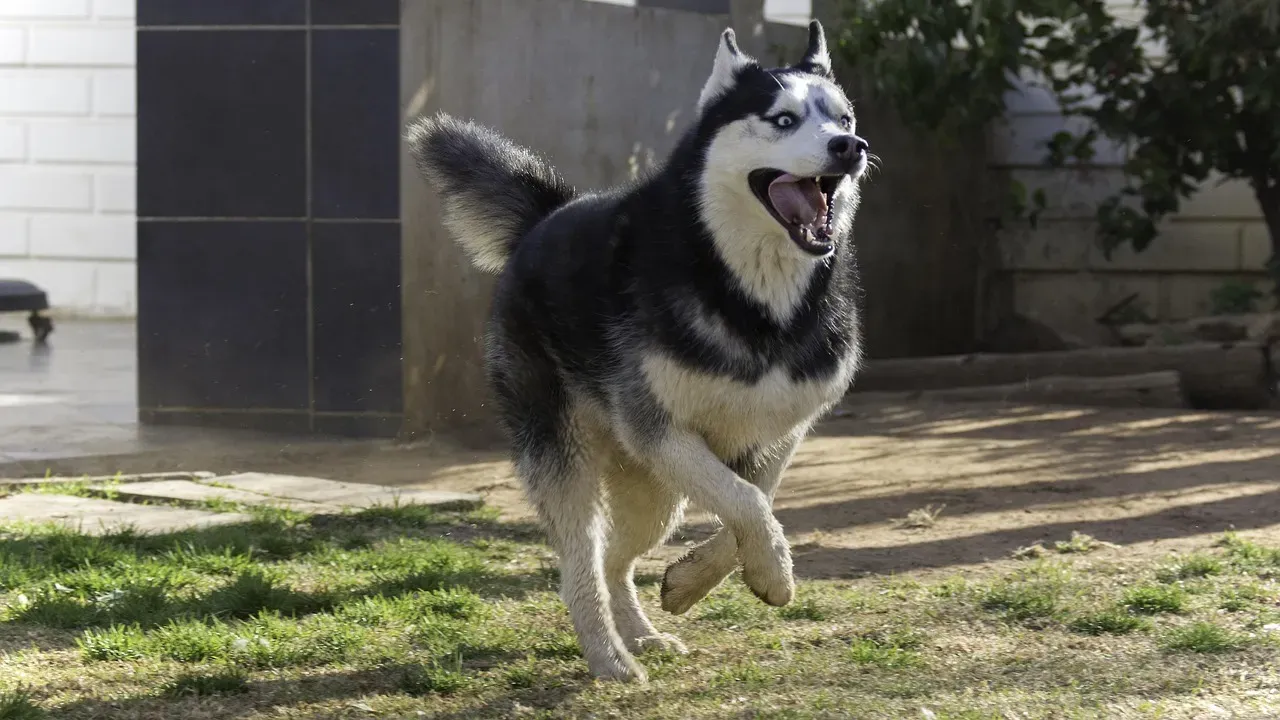
The high-energy Husky is highly prized for its handsome appearance and athletic prowess. However, this breed tops the list of breeds requiring the most attention for its penchant to escape and roam. That roaming instinct isn’t rebelliousness. It’s a breed-deep drive that traces back to covering vast distances across frozen terrain. When a Husky’s needs aren’t met, that drive finds the nearest exit.
Siberian Huskies are prone to anxiety, which can manifest as barking, destructive chewing, digging, escape attempts, or fixation on movement. To help an anxious Husky, give them daily mental stimulation, structured physical exercise, puzzle toys, and positive reinforcement. A Husky left alone without sufficient stimulation is a Husky planning its next great adventure out of your backyard. Prevention is always easier than damage control.
Huskies are cold-climate dogs, so their environment needs to be significantly cooler than normal. Their thick coats can lead to overheating. If you happen to own a Husky in a warmer climate, you need to accommodate the needs of these dogs and their comfort levels. Climate management is a genuine welfare concern for this breed. In warmer regions, outdoor time should be limited to cooler morning and evening hours, and indoor air conditioning is a serious necessity rather than a luxury.
What Every Large Dog Owner Needs to Remember
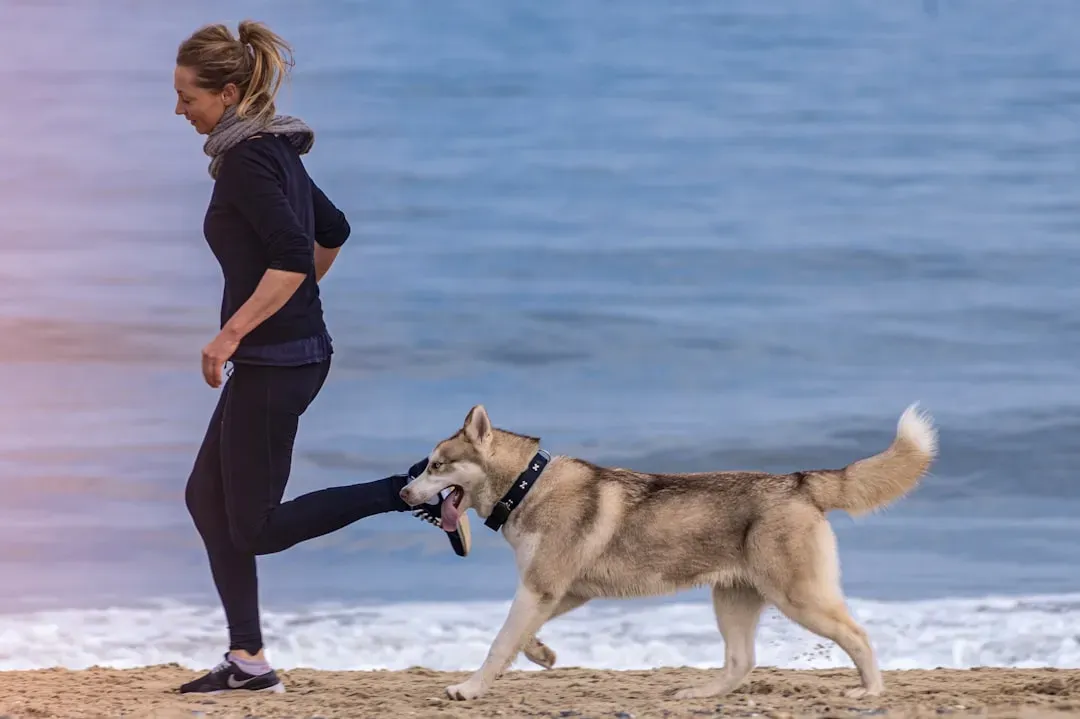
Providing lots of physical and mental stimulation is a vital part of treating many behavior problems, especially those involving anxiety. Exercising your dog’s mind and body can greatly enrich their life, decrease stress, and provide appropriate outlets for normal dog behaviors. A physically and mentally tired dog doesn’t have much excess energy to expend when left alone. That principle applies across every breed on this list.
If you have a high-anxiety dog, there’s good news: many dogs improve with patience and the right support. Sticking to a predictable routine is one of the most effective strategies. Dogs feel safer when they know what to expect. Try to feed, walk, and play with your dog at the same times each day. Routine isn’t boring to a dog. It’s comfort. It’s safety. It tells them everything is okay.
Dogs find comfort in predictability. Feeding, walking, and resting at consistent times helps them feel secure and understand what comes next. When schedules change too often, anxiety can rise quickly, leaving dogs unsettled and unsure. The most powerful thing any large dog owner can do is simply show up consistently, not just physically but emotionally present and engaged.
Large breeds don’t ask for less than small dogs. In many ways, they ask for more. More structure, more exercise, more mental challenge, and more genuine connection. The good news is that what they give back in loyalty, presence, and companionship tends to be proportional to exactly what you put in. These dogs don’t just live in your home. They anchor themselves to your life in ways that, once experienced, are genuinely hard to imagine living without.


