
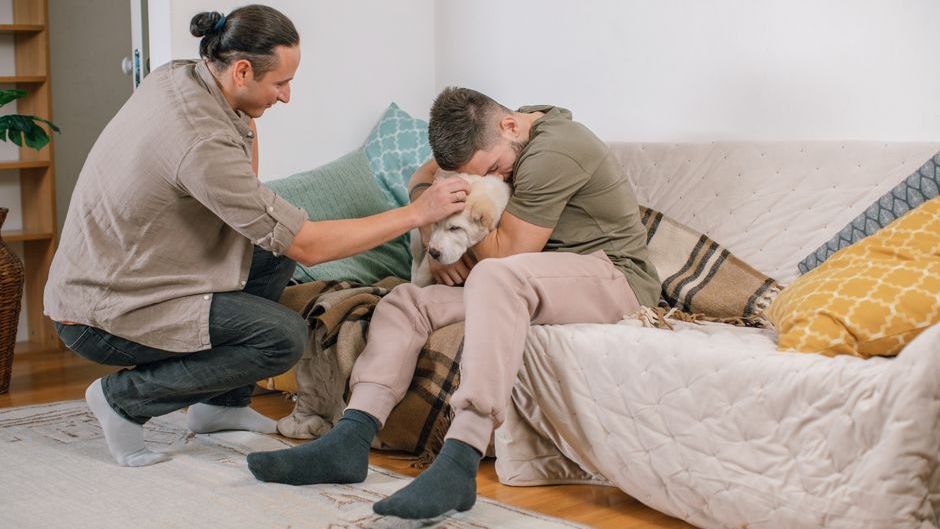
They Follow You From Room to Room
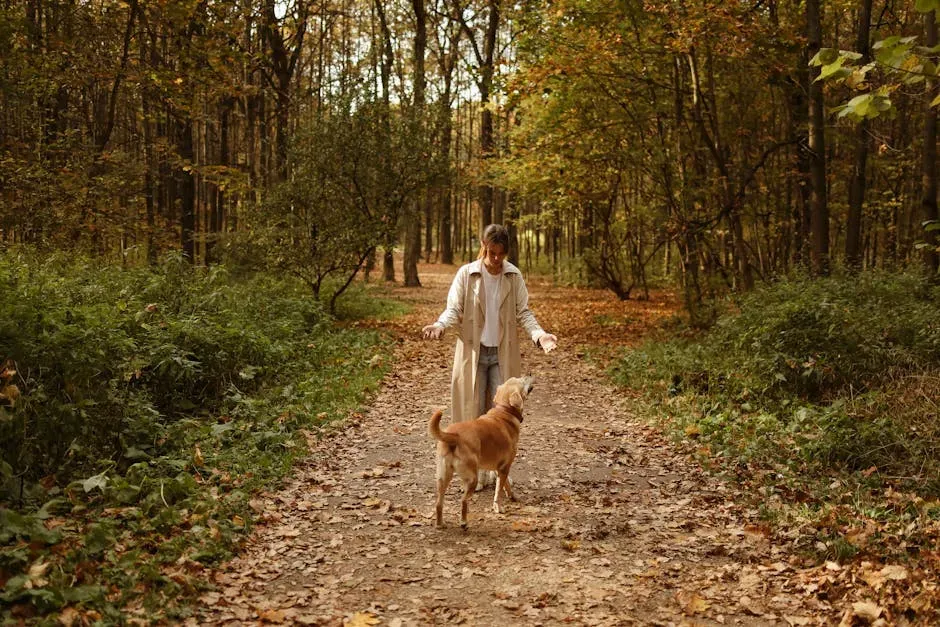
Many owners report their dogs suddenly refusing to let them out of sight. The pet trails behind during routine tasks like making coffee or folding laundry, maintaining close proximity without the usual independent streak.
This behavior stems from the dog detecting early chemical shifts in your body through scent. It creates a quiet vigilance that builds over a day or two before any fatigue or discomfort sets in for you.
Intense Sniffing Becomes Their New Focus

Your dog might pause during greetings to linger over your hands, face, or even specific spots on your clothing. These extended sniff sessions replace the quick hello and signal they are gathering more information than usual.
Changes in your breath or skin odors from impending illness trigger this response. The extra attention often lasts longer than typical curiosity and repeats across multiple interactions throughout the day.
Restlessness Shows Up in Unexpected Ways
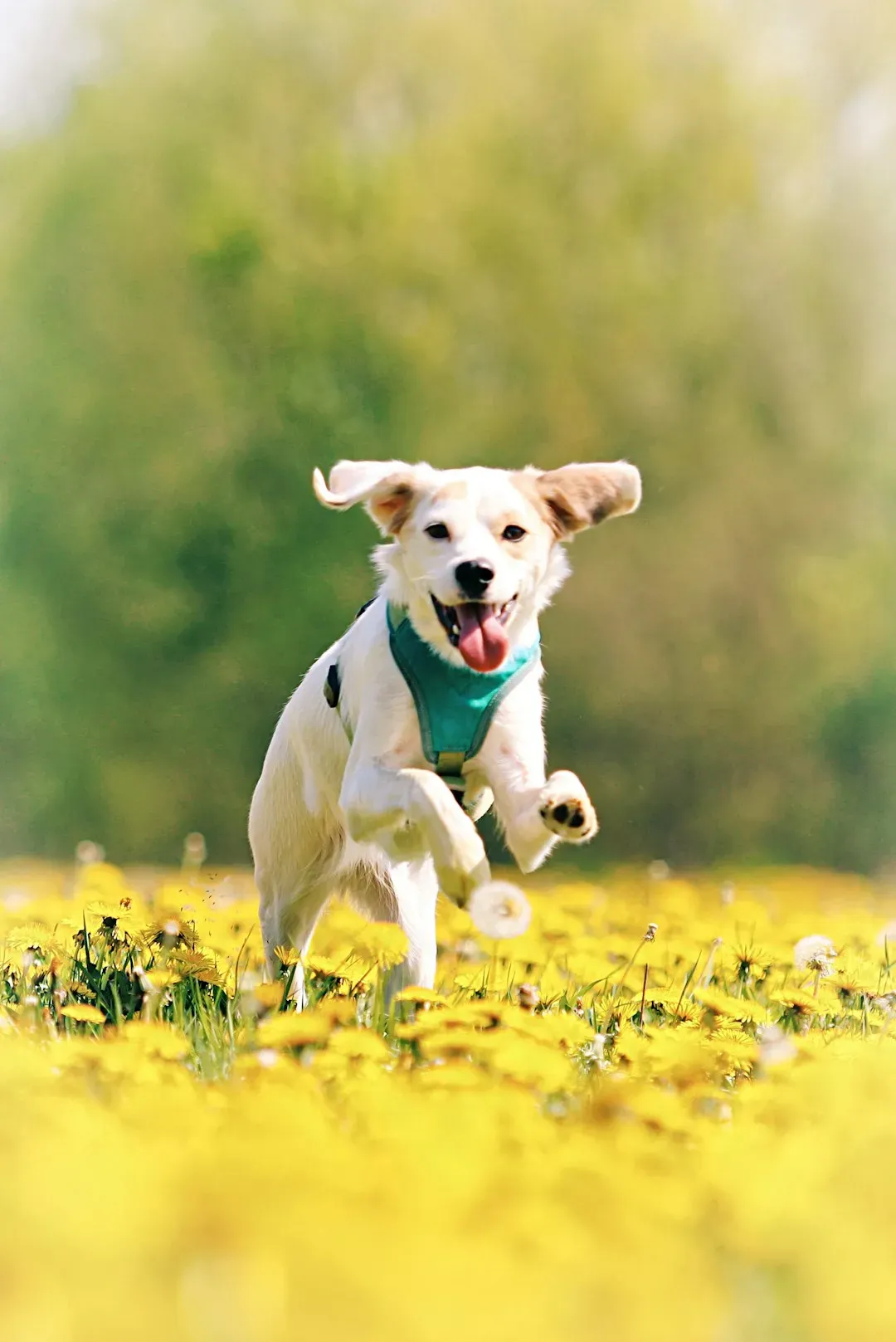
A normally calm dog starts pacing between favorite spots or shifting positions frequently while you relax. This unsettled energy appears without any external trigger like a visitor or loud noise.
The pattern reflects the animal processing new sensory data about your health. It can persist for hours and contrasts sharply with their usual settled routine in the evenings.
They Offer Comfort Through Physical Contact
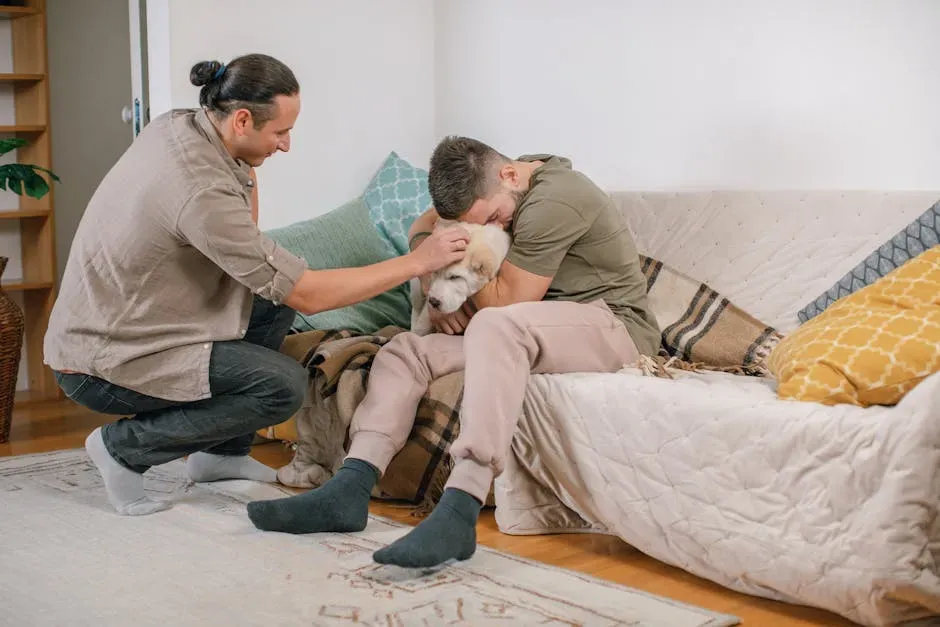
Some dogs initiate more leaning or gentle nudging against your legs or side during quiet moments. The contact feels deliberate rather than accidental and increases in frequency over successive days.
This stems from an instinctive response to detected hormonal or metabolic changes. Owners notice the extra closeness provides a soothing presence even as their own energy begins to dip subtly.
Bringing Toys or Items Becomes a Pattern
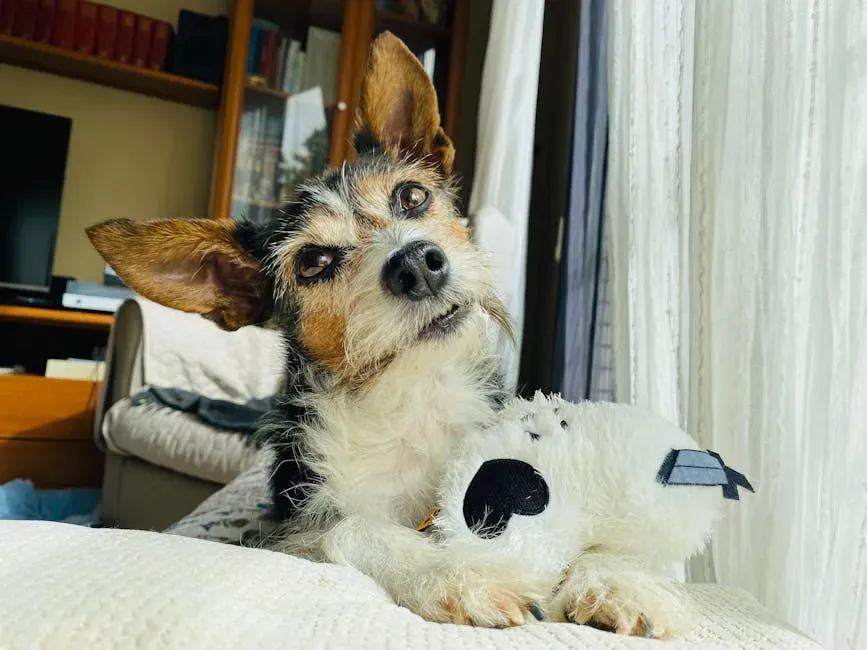
Your pet carries favorite objects to your location and drops them nearby without prompting play. The gesture repeats at odd times, such as when you sit down after work.
Such actions represent an attempt to engage or distract based on sensed shifts in your state. The items chosen often match ones associated with positive past interactions between you.
Staring or Watching Intensifies
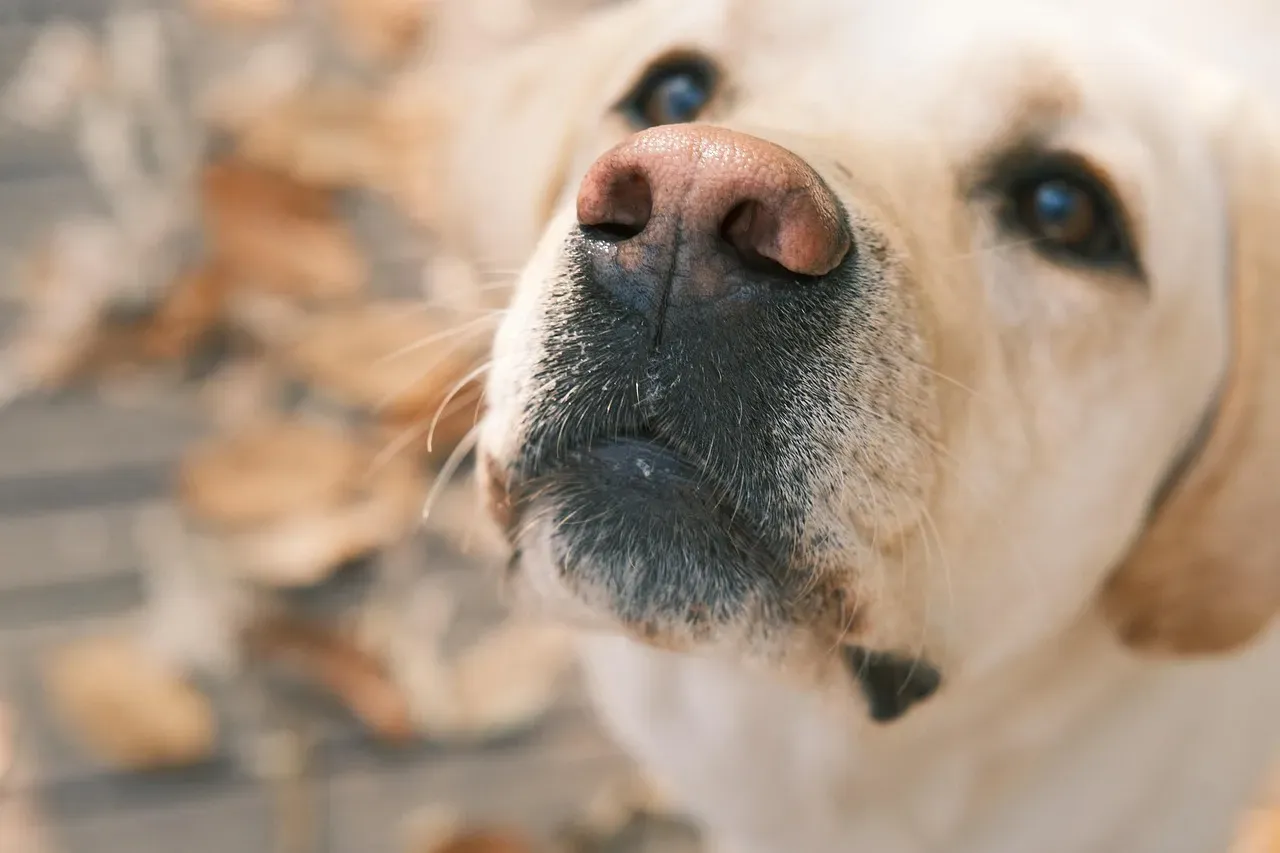
Direct eye contact or prolonged observation from across the room replaces casual glances. The dog positions itself to maintain visual connection during activities where it previously wandered off.
This heightened attention arises from reading both scent cues and minor behavioral alterations in you. It creates a watchful presence that feels protective and occurs consistently in the lead up to noticeable symptoms.
Vocalizations Change in Tone or Frequency
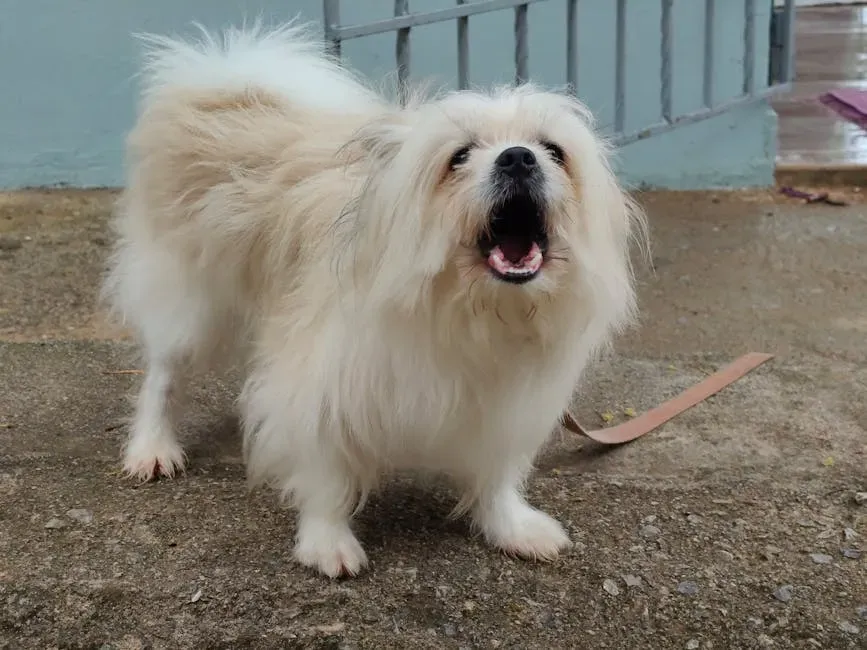
Soft whines or low grumbles emerge during moments of closeness without any apparent cause like hunger or the need to go outside. The sounds differ from their standard communication style.
These vocal shifts accompany the other behavioral adjustments and reflect the dog processing unfamiliar body chemistry signals. They tend to occur more often in the evenings when routines slow down.
Dogs serve as quiet sentinels in our daily lives, and paying attention to these shifts can strengthen the connection while offering practical early awareness. Their responses highlight a bond built on senses we do not fully share.


