
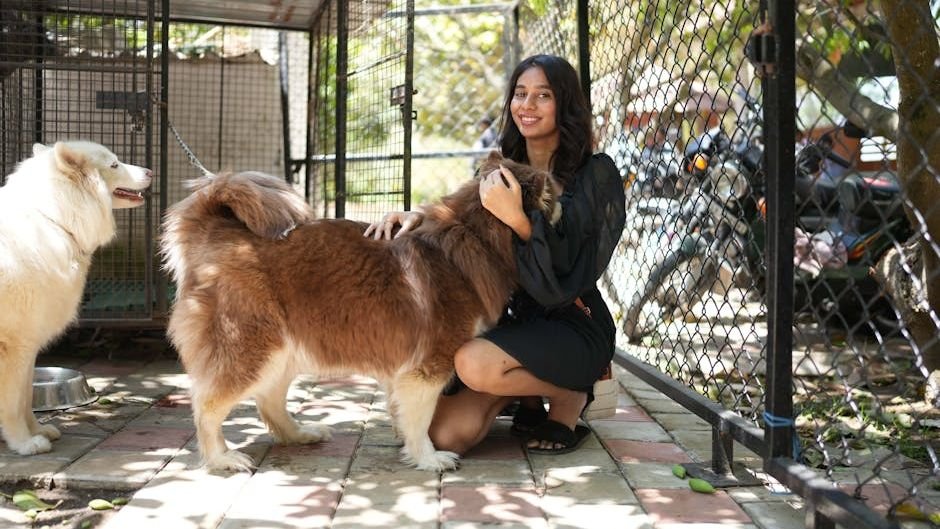
Most of us picture a dog as a shadow that follows you from room to room, paws at the bathroom door, and gives you those heartbreaking eyes the moment you reach for your car keys. That image is real for many breeds. However, a surprising number of dogs operate on an entirely different wavelength. They’re secure, self-assured, and genuinely content in their own company. They won’t guilt-trip you for running errands. They won’t shred the couch in protest.
An independent dog is comfortable and confident without constant interaction from a human companion. That doesn’t mean they’re cold or unloving. Independent dogs have loyalty and affection to give, they just express it differently, perhaps by choosing to lie in the corner while you watch TV rather than draping themselves across your lap. If that sounds like your kind of relationship, you’re going to want to read on.
1. Shiba Inu: The Dog That Thinks It’s a Cat
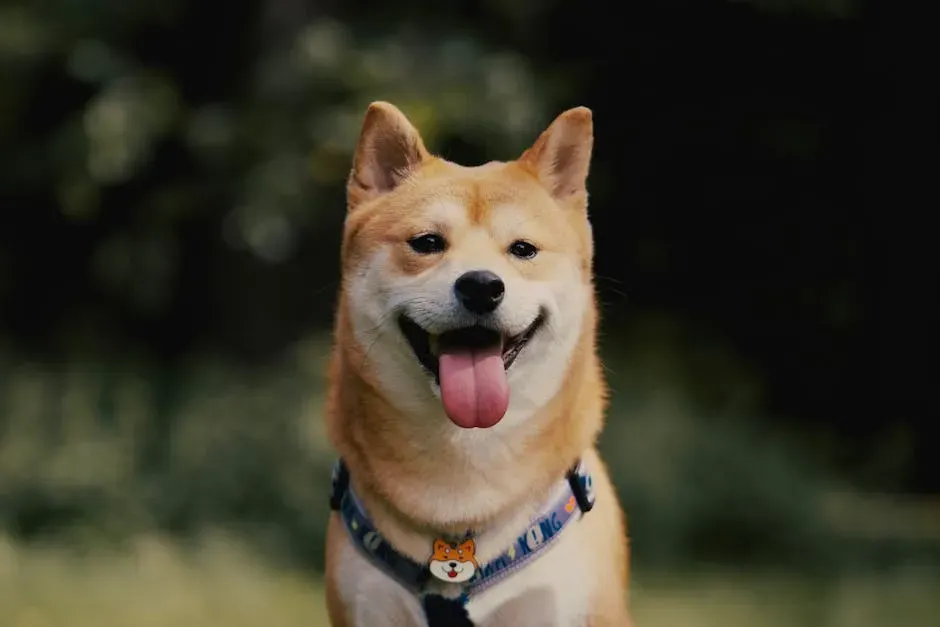
The Shiba Inu is an intelligent, strong-willed dog with an almost cat-like personality. They’re independent dogs who enjoy their own space. If you’ve ever watched a Shiba Inu on a quiet afternoon, you’ll notice they don’t pace or whine. They simply find a spot, settle in, and survey their world with the calm authority of someone who has absolutely no complaints.
Originally used in Japan for hunting small game, their spirited and confident demeanor often translates into a strong-willed nature, making them less reliant on human interaction for happiness. Shiba Inus are known for their intelligence and can often figure things out independently, and they’re often content to curl up alone when they need some quiet time. That said, they’re also high-energy and need outlets for their physical and mental energy, or else they can become anxious and overly vocal. It’s important to invest in quality playtime with a Shiba Inu, which can include playing fetch outdoors to burn off that extra energy. Think of exercise as the price of admission for their good behavior when home alone.
2. Basset Hound: The World’s Most Relaxed Roommate
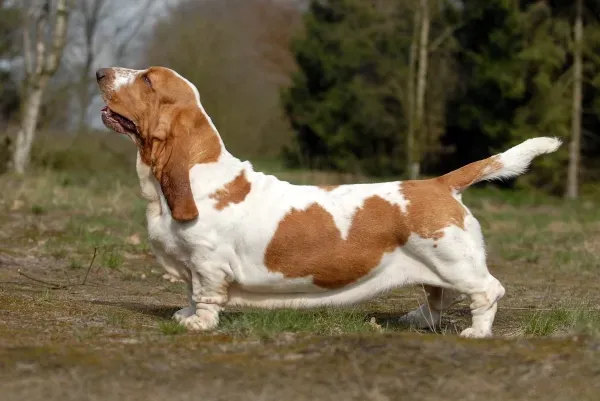
The Basset Hound is one of the most independent breeds, known for being perfectly content when left alone for hours. Originally bred for hunting, their strong sense of smell and steady nature make them great at entertaining themselves. Picture coming home after a long day to find your Basset Hound sprawled on the sofa in exactly the position you left them. That’s not abandonment. That’s a dog living its best life.
Basset Hounds are loyal companions but don’t demand constant human attention. They prefer comfort, peace, and a cozy nap spot over noise or chaos. According to Purina, this breed thrives on short walks, mental stimulation through sniffing games, and gentle routines that match their calm nature. One important note: Basset Hounds have a high prey drive and an urge to wander, so it’s highly recommended that they stay leashed and only be let off-leash in securely fenced areas. Their nose can lead them somewhere their legs hadn’t planned to go.
3. Chow Chow: Dignified, Devoted, and Delightfully Unbothered
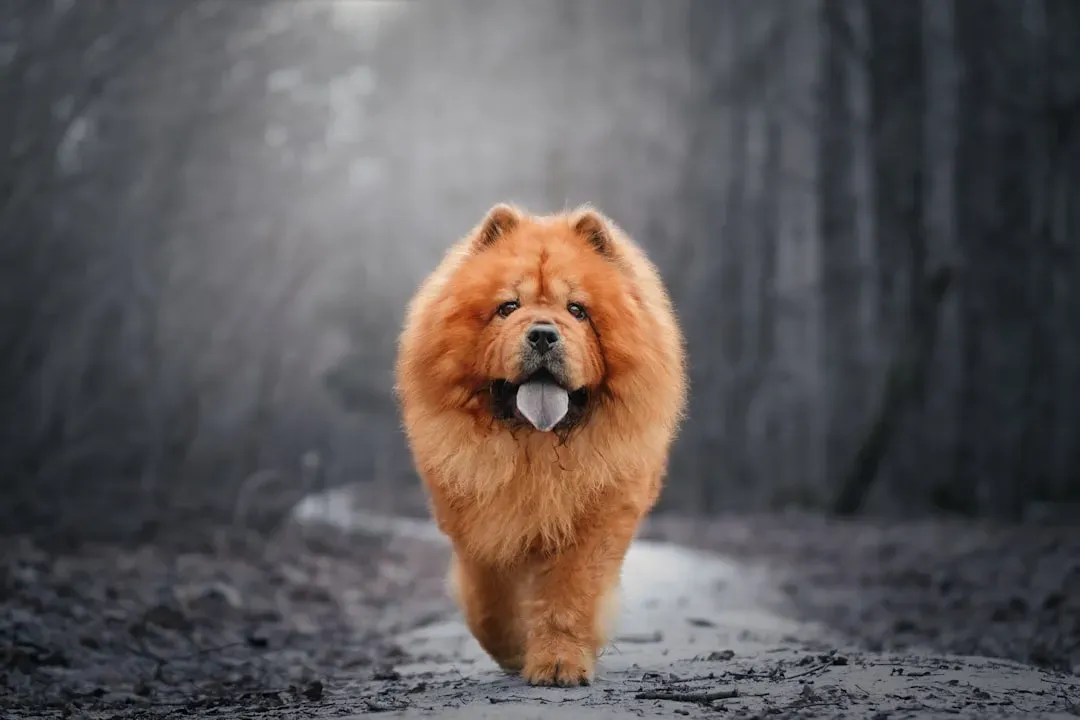
Known for their lion-like mane and serious expression, Chow Chows are among the most independent dogs you can own. They don’t crave constant cuddles or attention. Instead, they prefer calm spaces where they can observe quietly. Originally bred in ancient China for guarding temples and livestock, this breed developed strong instincts for self-reliance and protection. They carry that history in their bearing to this day.
Historically, the Chow Chow worked as a guardian and hunter in ancient China. This working heritage, combined with their calm disposition, makes the Chow Chow one of the most independent dog breeds. Though independent, Chow Chows are loyal to their family and typically bond deeply to one person. Early socialization is genuinely important here. They’re polite with family but often reserved with strangers or other dogs, making early training important for social balance. Introduce them to the world young and they’ll meet it with quiet confidence.
4. Greyhound: The Sprinter Who Loves a Good Nap
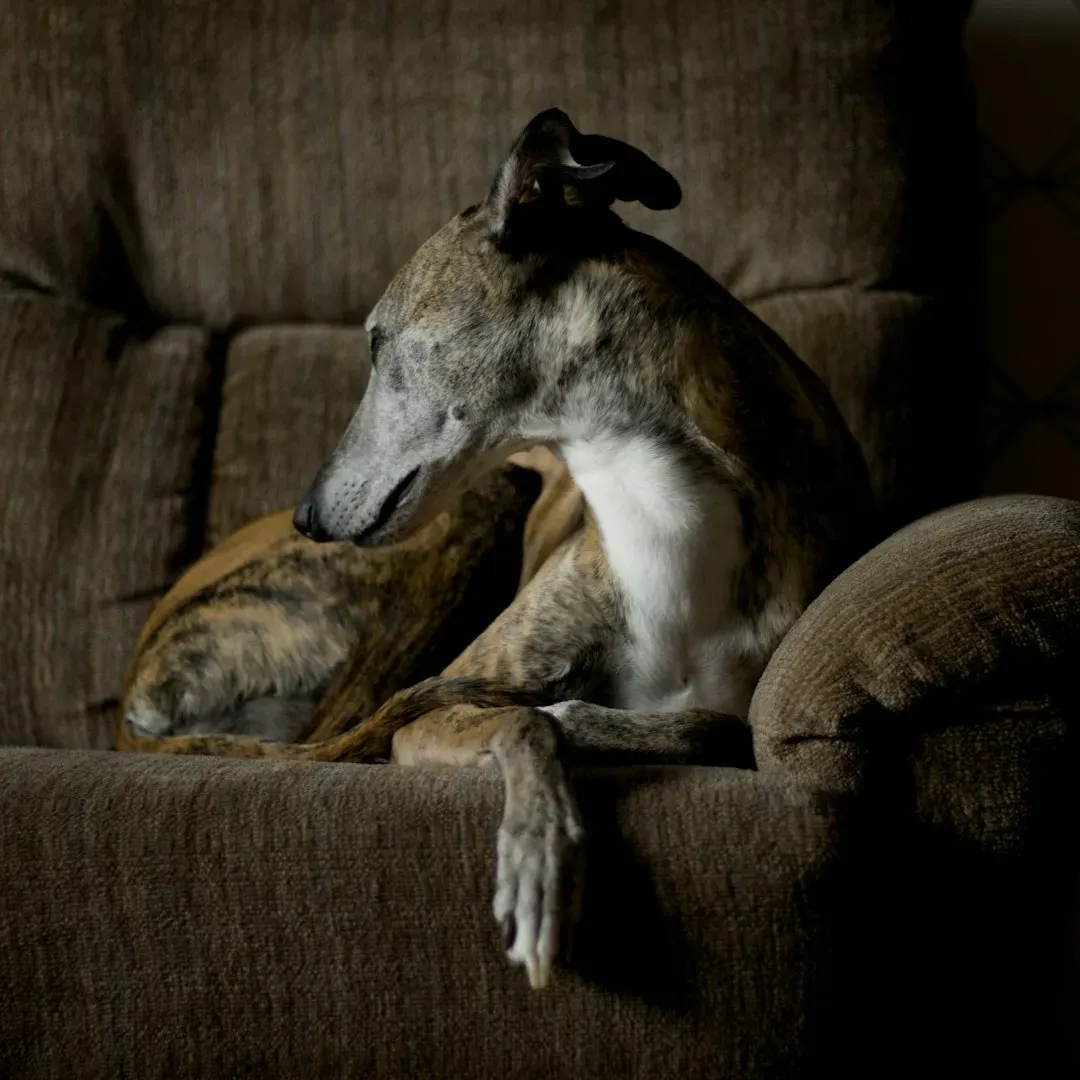
A Greyhound is best known for their running skills. As one of the fastest dog breeds, they can reach speeds of more than 40 miles per hour. But they also make calm, quiet, and independent dogs at home. Greyhounds usually prefer to have their own dog bed in a quiet place where they can retreat for some solitude as needed. The contrast between track and couch is almost comical, and it’s one of the things Greyhound owners love most about the breed.
Despite their reputation as racing dogs, Greyhounds are surprisingly independent and low-maintenance in a home environment. Known for their speed and agility, they were originally bred for hunting. Their calm demeanor makes them excellent couch companions, and Greyhounds enjoy a good sprint but are also content to lounge around for most of the day. Greyhounds are independent but still form healthy bonds with their owners, and they find it easier to relax on their own, tending to spend most of the day napping. A short run in a securely fenced space, then hours of happy lounging. That’s the Greyhound deal, and it’s a pretty good one.
5. Chinese Shar-Pei: The Wrinkled, Self-Sufficient Guardian
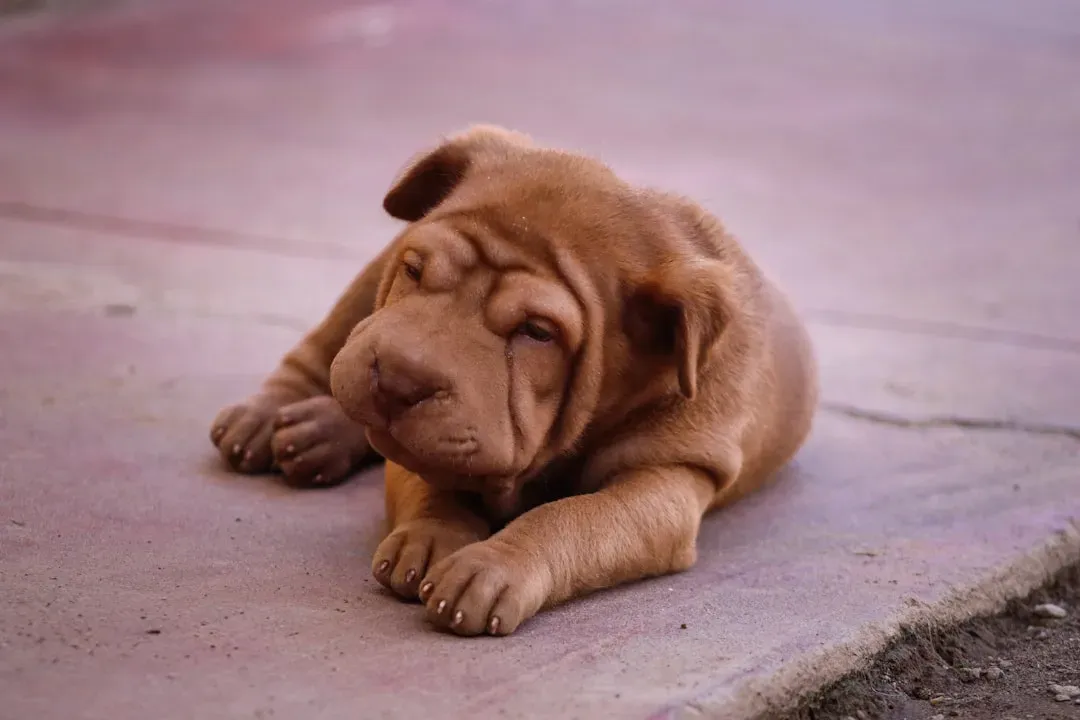
Recognized by their distinct wrinkles and blue-black tongue, Shar-Peis are known for their aloof and independent nature. This breed has a calm demeanor and doesn’t require constant attention to feel secure. They’re not cold. They’re just selective. A Shar-Pei’s affection feels earned rather than given away freely, which can be oddly rewarding for the right owner.
Chinese Shar-Pei dogs are another breed originally bred for hunting and guarding, giving them an independent personality that still shows through today. Early training and socializing this breed is important so they are confident and comfortable no matter the situation. Shar-Peis can be a good fit for busy owners. While no dog is completely immune to separation anxiety, breeds with independent streaks, such as the Shar-Pei, tend to tolerate alone time better. Keep their environment enriched with puzzle feeders or chew toys and they’ll manage beautifully while you’re out.
6. Basenji: The Silent, Self-Reliant Hunter
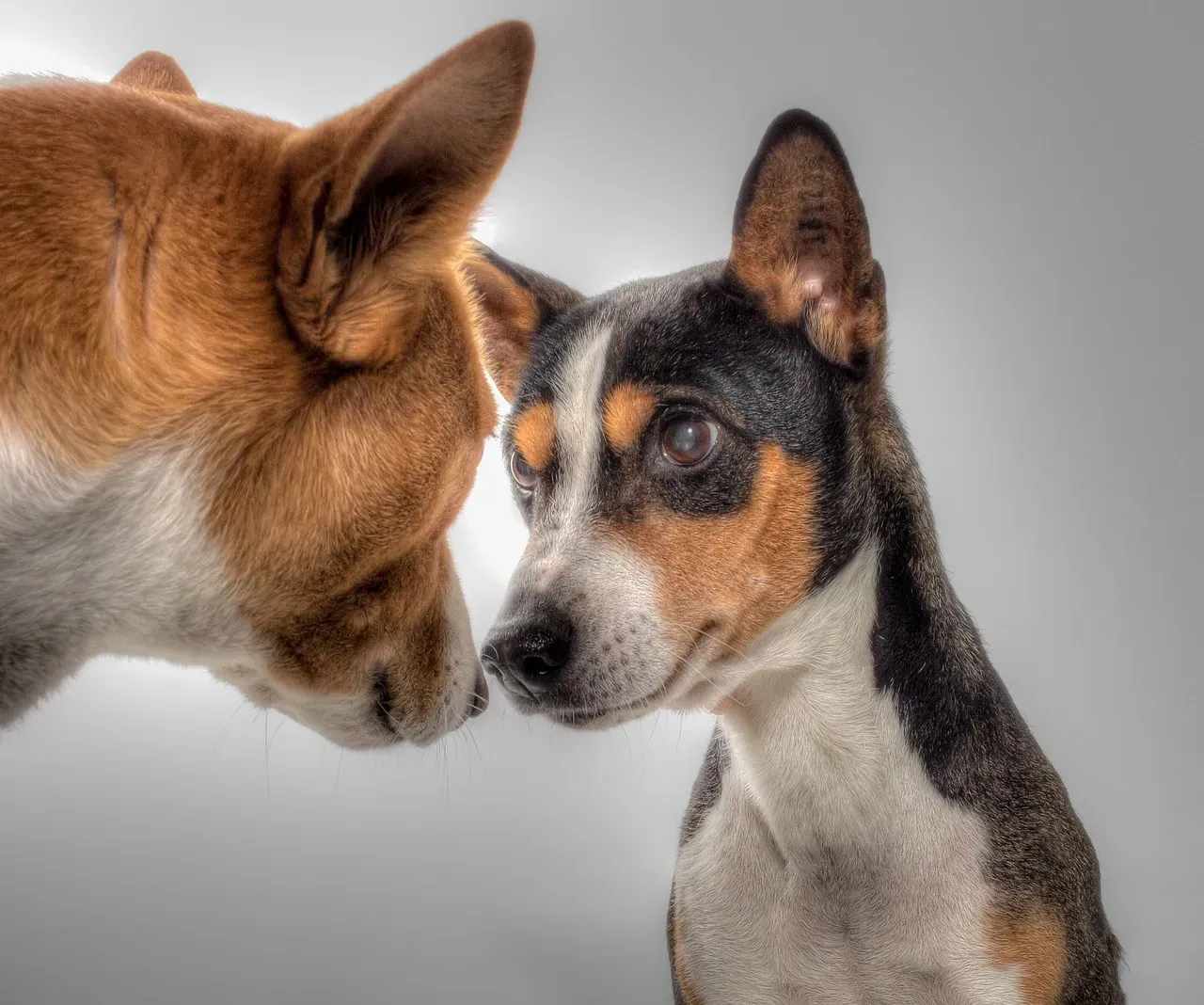
The Basenji, often called the “barkless dog,” is a small, elegant breed known for its independence and unique personality. Originating from Central Africa, this breed was initially bred for hunting, where self-reliance was crucial. Basenjis are highly intelligent and curious, but they tend to be aloof, often preferring to observe rather than engage actively with their humans. If you want a dog that’s glued to your side, this is not your match. If you want one that respects your space while you respect theirs, the Basenji might be perfect.
The Basenji is known for its incredible intelligence, curiosity, and independent streak. Originating in Africa, Basenjis were bred for hunting and relied on their keen senses and instincts. This breed tends to be reserved and prefers to make its own decisions, which can sometimes challenge training efforts. Basenjis are clean, quiet, and can often be found grooming themselves much like a cat, further highlighting their independent nature. Positive reinforcement during training works best. Pushing a Basenji rarely ends well for either party.
7. Scottish Terrier: Small Dog, Enormous Sense of Self
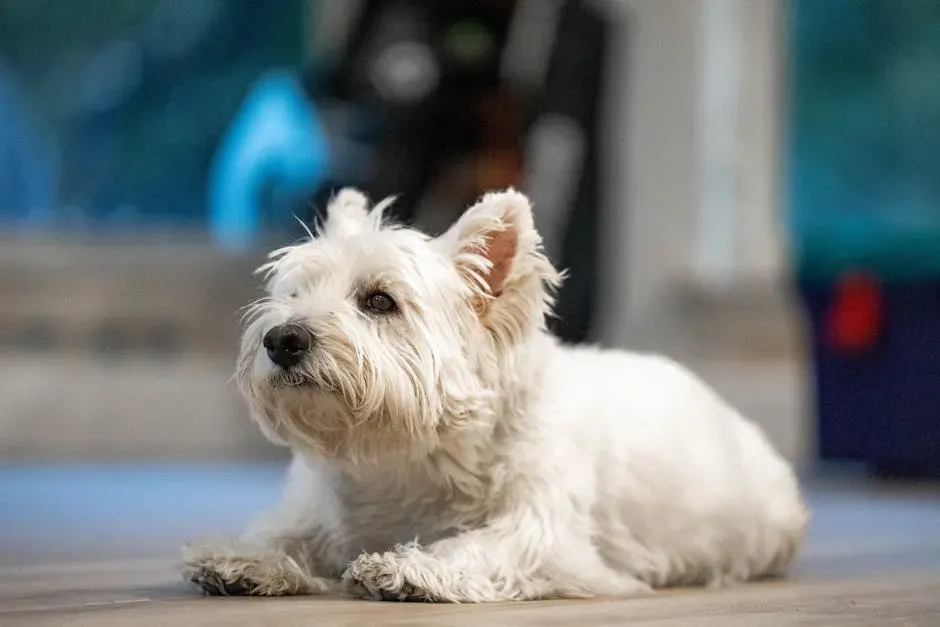
Scottish Terriers, affectionately known as Scotties, are small dogs with big personalities. This breed is known for its independence and sometimes stubborn nature. Scotties are very self-assured and often prefer to do things on their own terms. While they are affectionate with their families, they can be quite selective about whom they choose to show their affection to. Living with a Scottie is a little like sharing a home with someone who loves you deeply but absolutely does not need you hovering.
Scottish Terriers are confident and independent by nature, meaning they don’t need constant attention to feel secure. Many owners appreciate how these dogs are able to handle solo time while maintaining their positive attitude. While they enjoy your company, Scottish Terriers can cope well when left at home for a few hours, making them suitable for people who have a busy lifestyle or work outside the home. Known to be “feisty, independent and sometimes excitable,” Scottish Terriers can do well living in the city or the country, requiring moderate exercise. Mental stimulation matters as much as physical exercise for this sharp-minded little breed, so puzzle toys and interactive games are well worth the investment.
What Every Independent Dog Still Needs From You
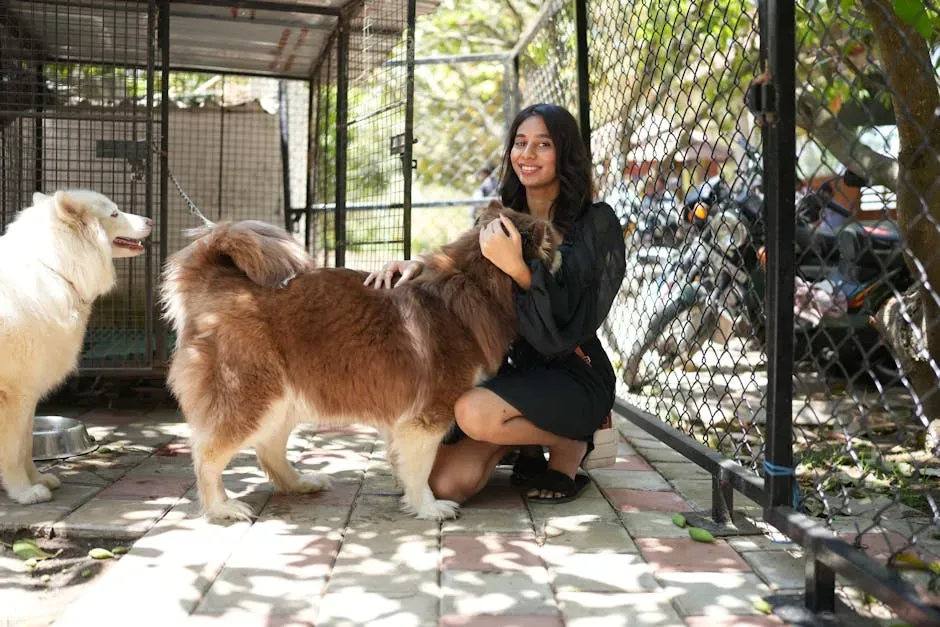
Independent dog breeds still need daily care, attention, and affection, and they shouldn’t be left alone for long periods. Remember that every dog is an individual with their own unique personality. Independence is a trait, not a license to neglect. The distinction matters.
While most pups are undoubtedly social animals, there are dogs that can be left alone for longer than others. That said, no dog should be left alone for too long, and if you are going to be away from home for extended stretches, make sure to provide your pup with mentally stimulating toys and consider hiring a dog walker. Even the most self-sufficient dog benefits from a reliable routine, predictable mealtimes, and someone who genuinely pays attention to changes in their behavior or health.
Training independent dog breeds often requires more patience and consistency. They can be strong-willed and stubborn, making the training process a bit challenging. Positive reinforcement works best, with treats and praise. Frame every session as a conversation rather than a command, and you’ll get a lot further.
Conclusion: Independence Is Not Indifference
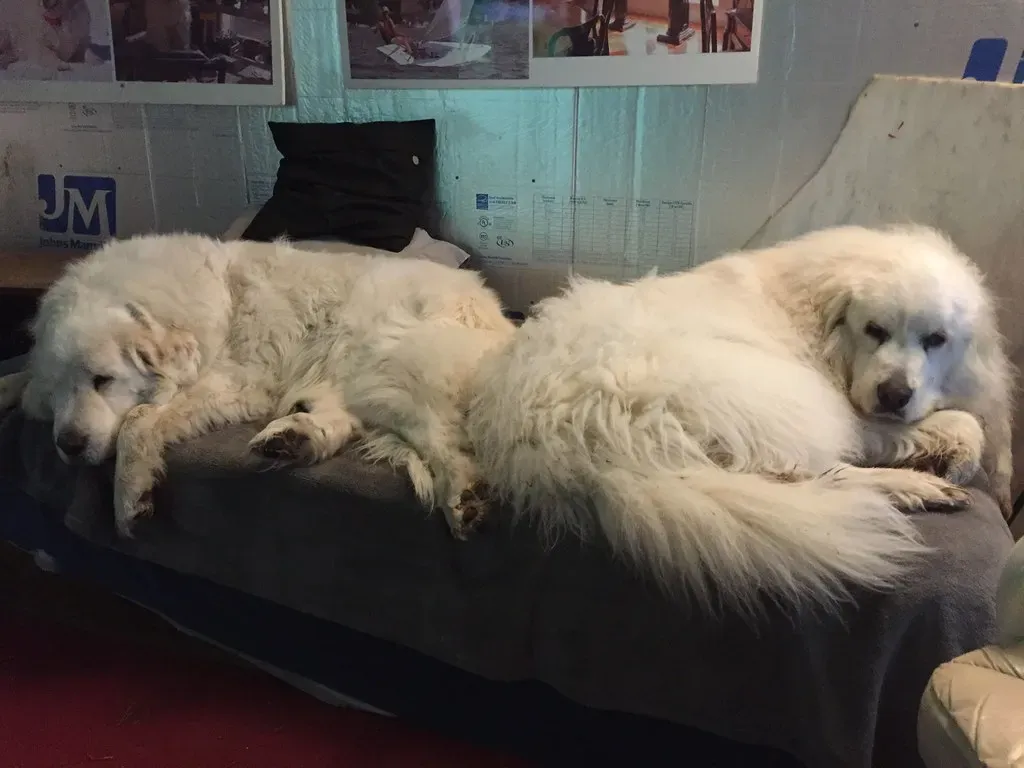
There’s a quiet joy in owning a dog that doesn’t demand your constant attention. These seven breeds offer something genuinely rare: companionship without pressure. They’ll be glad you’re home. They just didn’t fall apart while you were gone.
An independent dog is comfortable and confident without constant interaction from a human companion. That said, independent dogs have love and loyalty to give. They just might express it differently than other dog breeds. Learning to read those subtler signals, a slow tail wag, a calm glance in your direction, a body that simply leans toward yours, is part of what makes these relationships so rewarding.
The best thing you can do for any dog, independent or not, is to understand who they actually are rather than who you assumed they’d be. Meet them there. The rest tends to take care of itself.


