
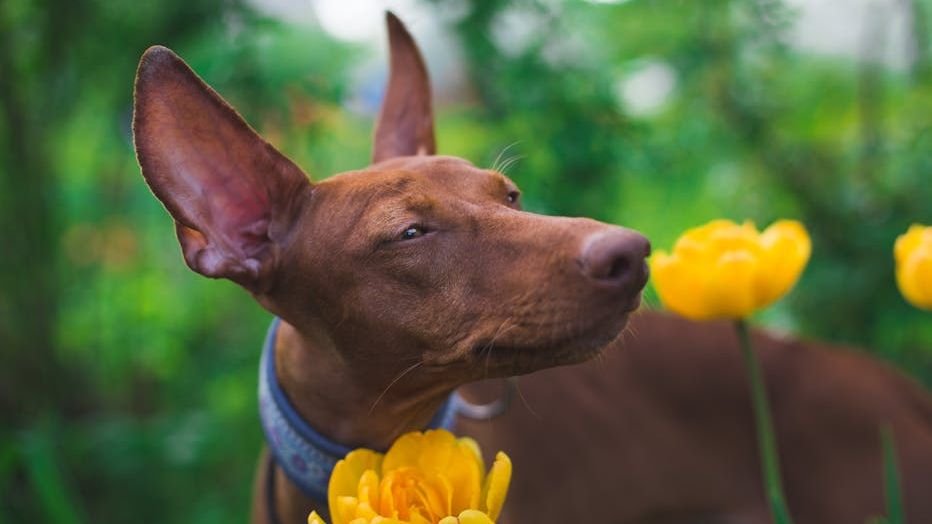
Picture this: it’s a sweltering July afternoon in Las Vegas, the pavement temperature hovers around 160°F, and you’re watching your Siberian Husky panting desperately in the shade, his thick Arctic coat doing absolutely nothing to help him cool down. It’s a scene that plays out across Nevada every summer, and it breaks the heart of every well-meaning dog lover who simply didn’t know.
Nevada’s desert climate is no ordinary “hot summer.” It’s relentless, dry, and brutal, with Las Vegas regularly recording temperatures above 110°F and even the northern parts of the state delivering scorching afternoons that would challenge most breeds. Adapting to life in a desert climate requires special physiological traits and temperaments, particularly for dogs. The extreme temperatures, intense sunlight, and dry conditions of desert regions pose unique challenges. The difference between a dog that merely survives here and one that truly thrives often comes down to biology, ancestry, and coat type. Knowing which side of that divide your dog falls on could genuinely save their life.
1. Siberian Husky: Built for Blizzards, Not the Basin
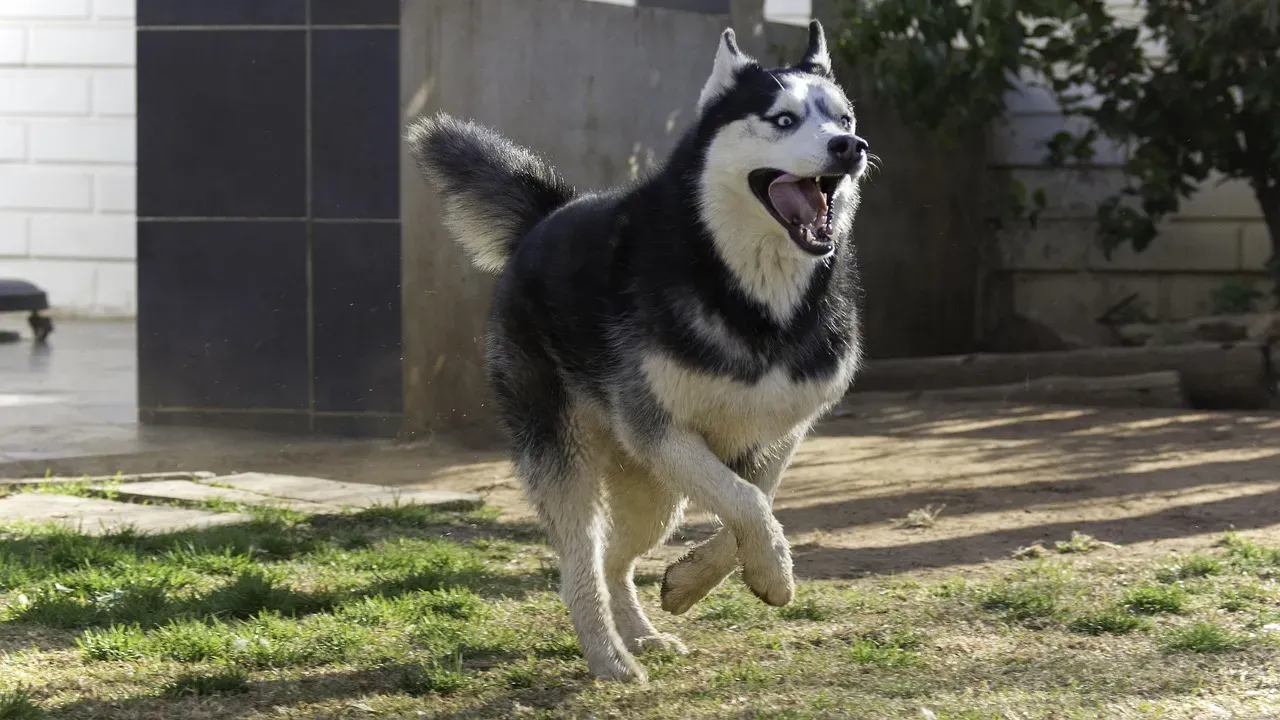
There’s something almost poetic about a Siberian Husky in Nevada, that gorgeous, wolf-like dog with piercing eyes drawing admirers everywhere. The problem is that everything about the Husky’s body is designed for the opposite of desert life. Siberian Huskies are known for their thick double coats, an undercoat and a protective topcoat, that kept their ancestors cozy on Siberian tundras. While this fur provides insulation in cold weather, it also means they’re built to retain heat rather than shed it efficiently in warm weather.
The warning signs come on fast. Pet parents should watch closely for the early signs of heat stress, which can include excessive panting, drooling, and lethargy. If your dog appears unusually tired, unenthusiastic about play, or is seeking shade and water constantly, these can all be signs that your Husky is too warm and needs a cool break. If you do have a Husky in Nevada, limit outdoor activity to early morning or after sunset, never shave the double coat completely as it provides UV protection, and invest in air conditioning as a non-negotiable – not a luxury.
2. Alaskan Malamute: The Arctic Workhorse in the Wrong Zip Code
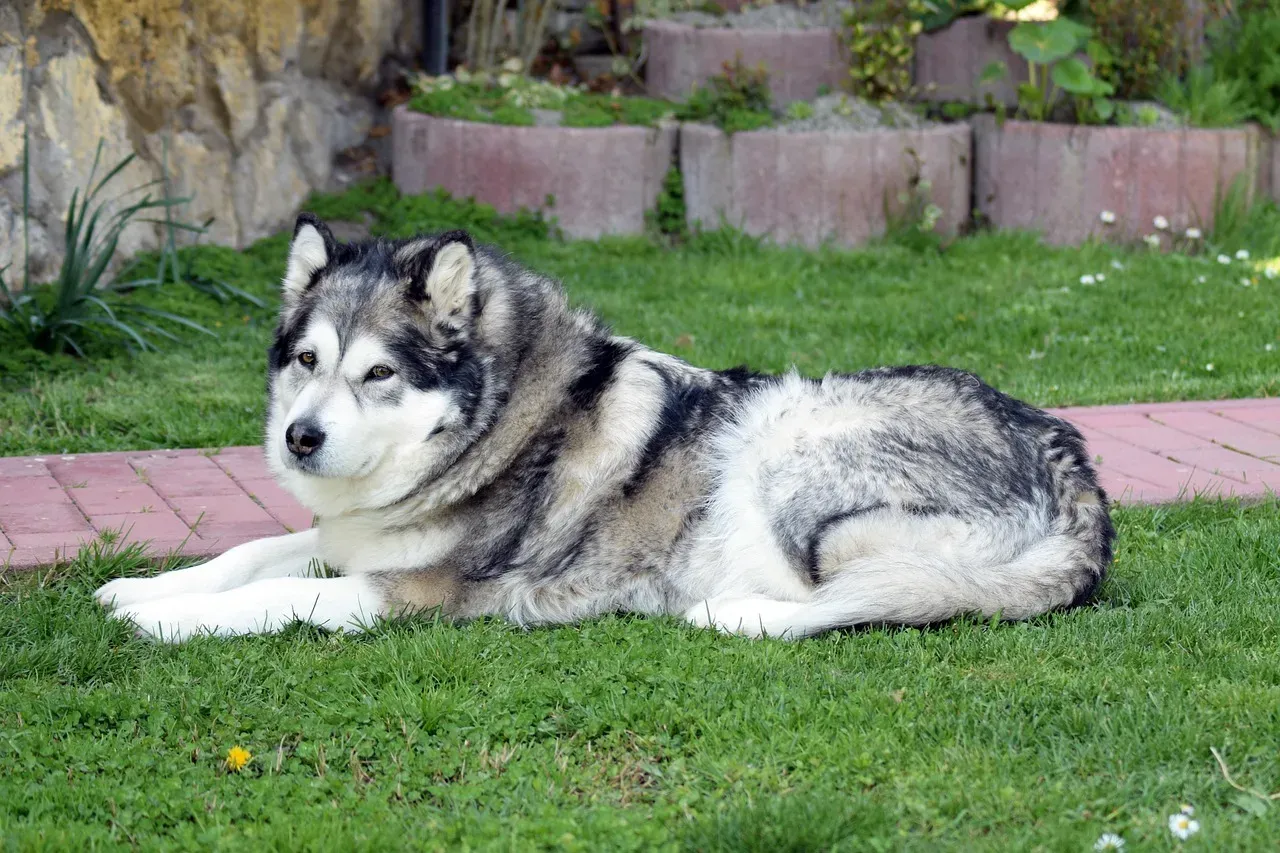
The Alaskan Malamute was bred to pull heavy loads in freezing Alaskan temperatures. This makes them one of the best dog breeds for cold weather, but one of the worst for hot climates. A Malamute is essentially wearing a heavyweight winter parka every single day of the year, and in Nevada summers, that coat becomes a genuine health hazard rather than a feature.
Cold-weather breeds can face challenges such as matting of their thick fur and overheating in warmer months. Regular grooming and ensuring a cool environment during summer are crucial to their well-being. Prevention here is everything. Keeping your Malamute inside during the hottest parts of the day and routinely grooming them with a comb or undercoat rake to remove excess fur can help your dog stay comfortable in the summer. Be honest about the commitment this takes before bringing one home to a desert state.
3. Saint Bernard: A Mountain Rescuer Far From the Mountains
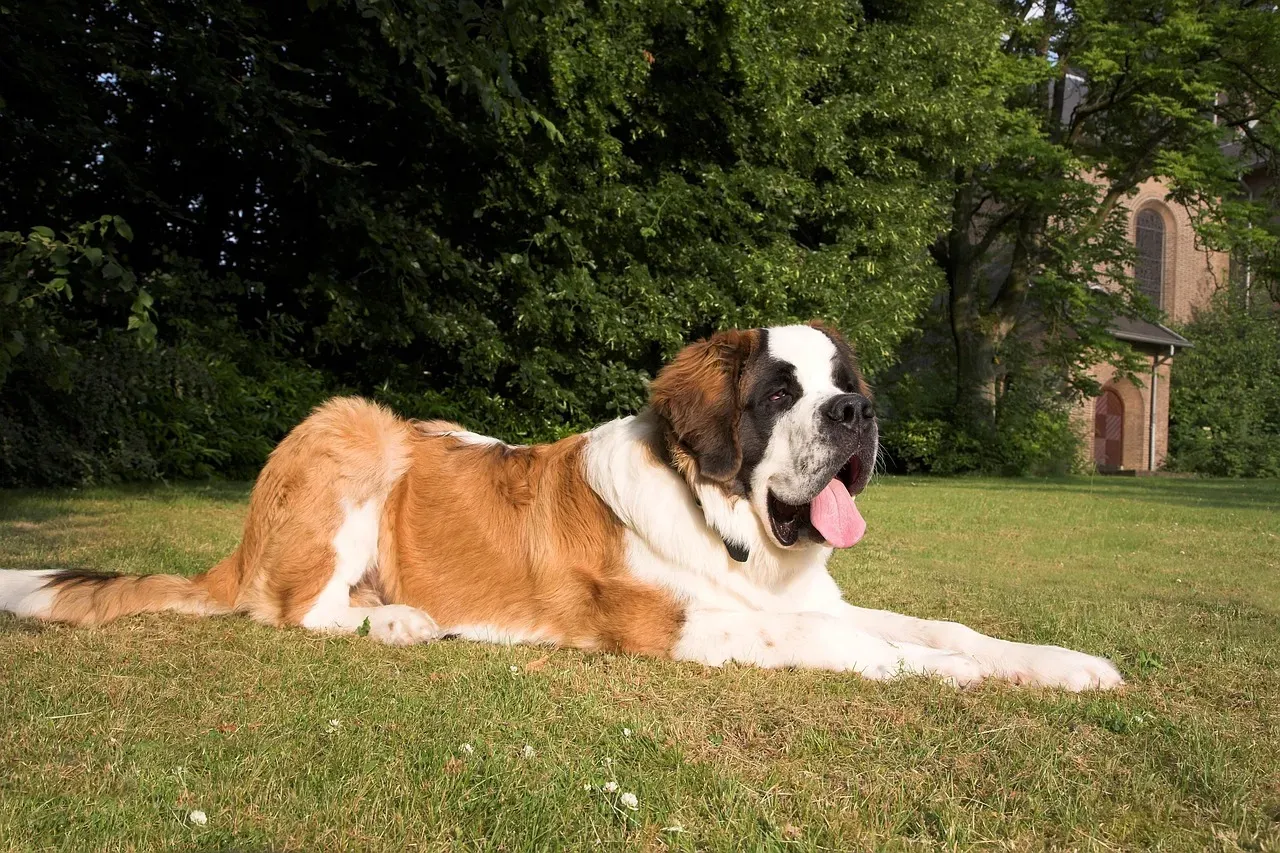
Originally from the Swiss Alps, Saint Bernards were bred for cold-weather rescue work. Thanks to the thick coat that protects them in the mountain snow, Saint Bernards can struggle in hot and humid climates. Their size compounds the problem considerably. Large dogs generate more body heat simply through metabolism, and when you add a dense coat and a deep chest, getting rid of that heat in Nevada becomes an uphill battle.
Because of their size, Saint Bernards are prone to overheating even in winter, so watch for signs of distress during physical activity. They’re also prone to drooling, so regular grooming is necessary. If a Saint Bernard is already prone to overheating in cold conditions, imagine what a 108°F Nevada afternoon feels like for them. Offering them fresh water and using cooling mats and fans to help lower their body temperature are baseline essentials, not optional extras.
4. English Bulldog: When Cute Anatomy Becomes a Health Crisis
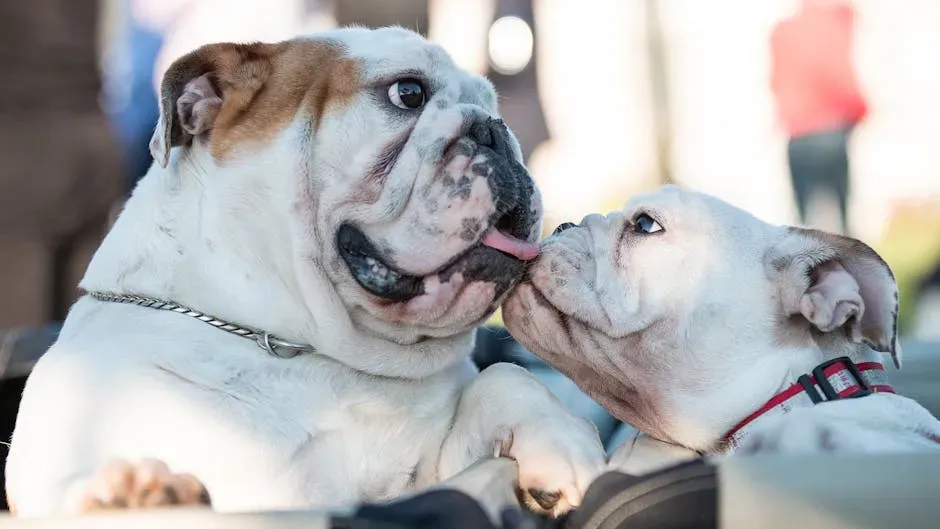
The English Bulldog’s signature squashed face is undeniably endearing. In Nevada’s heat, however, that same anatomy becomes a serious liability. Flat-faced dogs are especially at risk because their shortened snouts and narrowed airways make panting less effective, meaning they can’t cool themselves as efficiently. Panting is how dogs regulate body temperature, so when that system is already compromised by anatomy, the desert climate adds a layer of danger that’s genuinely life-threatening.
Brachycephalic dogs are at increased risk of developing heat-related illness and brachycephalic breeds are over-represented in presentations for heatstroke. Watch for heavy panting that doesn’t slow down, bright red gums, and sudden lethargy. These are red flags requiring immediate action. Exercise for brachycephalic dogs must be limited to cooler times of the day, such as early morning or late evening, and even then, a short stroll around the block is enough – no long hikes, no midday errands with the dog in tow.
5. French Bulldog: Nevada’s Most Popular Breed With the Biggest Heat Risk
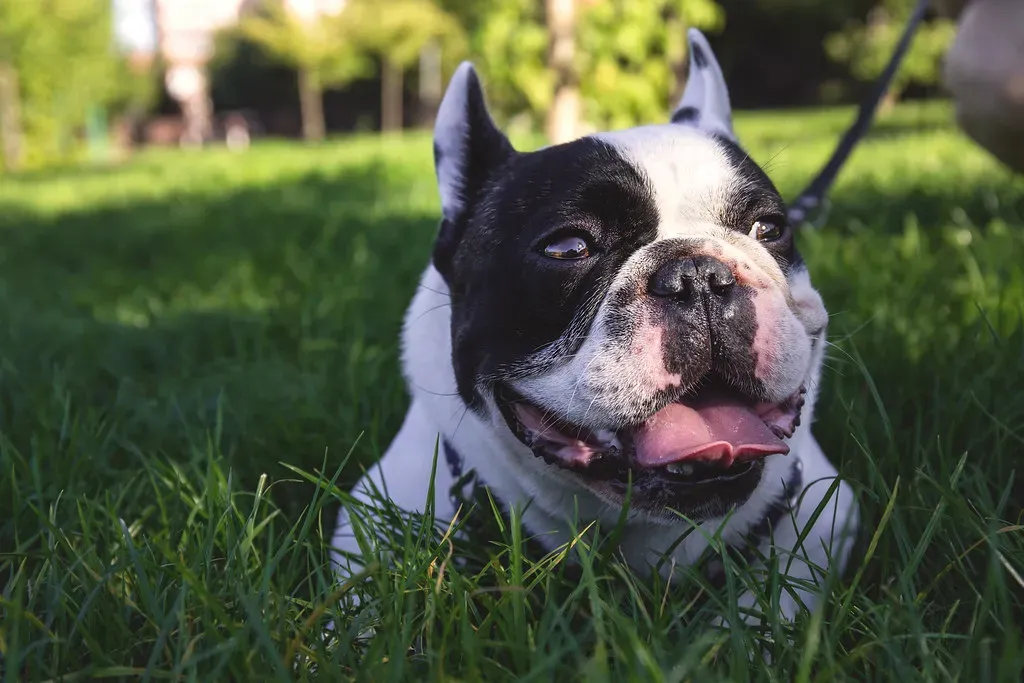
French Bulldogs are everywhere right now, and it’s easy to see why. They’re compact, comical, and deeply affectionate. Brachycephalic dogs, like Bulldogs and Pugs, are at high risk for heatstroke. Their short muzzles and breathing issues make it hard to control body heat. This is especially true in hot weather. The Frenchie’s popularity hasn’t outpaced this physiological reality one bit.
Watch for early signs of heat distress in brachycephalic breeds. Look out for heavy panting, fast heartbeat, and drooling. Vomiting, tiredness, and odd-colored gums are also warning signs. If you own a French Bulldog in Nevada, think of air conditioning as a medical requirement rather than a comfort choice. Keep outdoor sessions brief, always carry water, and know the location of your nearest emergency vet before you ever need it.
6. Pug: Small Size, Big Vulnerability
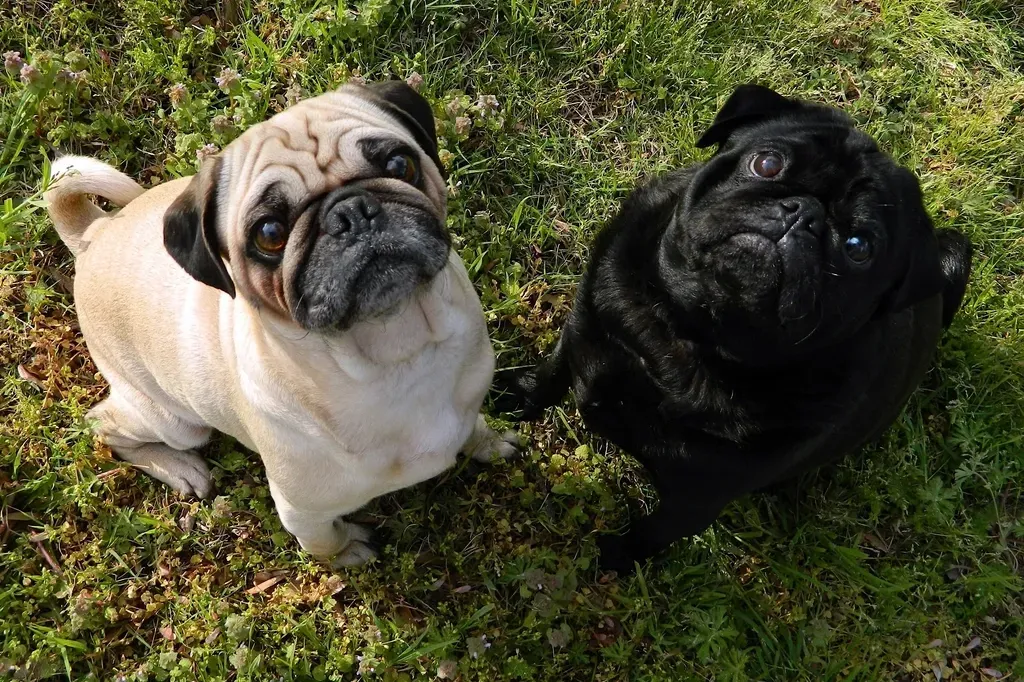
Pugs are among the most lovable dogs on the planet, and their comical personality makes them hard to resist. Yet their anatomy places them squarely in the most vulnerable category for Nevada living. Brachycephalic refers to dogs with short muzzles, and this face shape is a huge disadvantage to dogs in the hotter months since their main mechanism for cooling down is panting. A Pug trying to cool down in Las Vegas heat is working against its own physical design.
Excessive weight can lead to breathing and other health problems in any dog, but it greatly exacerbates a brachycephalic dog’s inability to keep cool and properly breathe. If you have a short-muzzled dog who has a little too much extra weight, talk to your vet about healthy strategies to help them shed the pounds. Keep your Pug at a lean, healthy weight, schedule vet check-ups regularly, and treat any outdoor time in Nevada summer as something that requires genuine planning and supervision.
7. Chow Chow: A Magnificent Coat That Becomes a Burden in the Desert
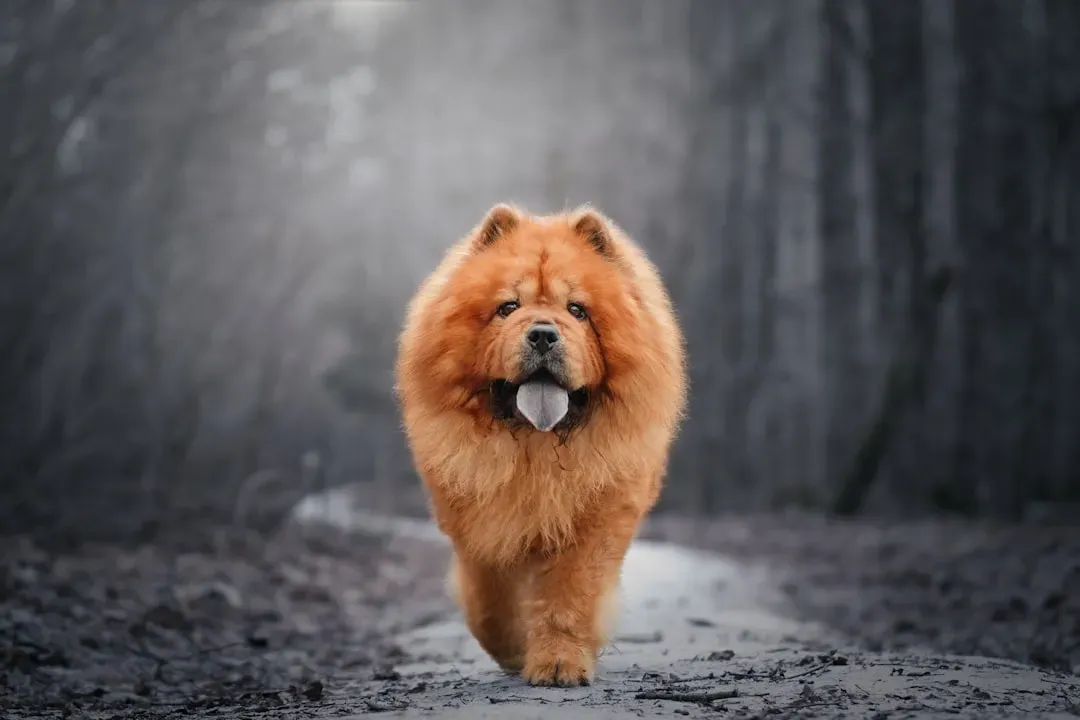
The Chow Chow’s lion-like mane is one of the most recognizable features in the dog world. It’s also one of the most impractical coats for Nevada’s climate. Dogs with thin coats or shorter hair tend to have better heat tolerance as their coat allows for better airflow and heat dissipation. This enables them to stay cooler than dogs with thicker or longer coats. The Chow’s dense double coat sits at the extreme opposite end of that spectrum.
A study identified that Chow Chows were at the highest risk of all breeds for heat stroke compared to standard baseline breeds. That’s not a statistic to dismiss lightly. Dogs are most susceptible to heat stroke when they are left in hot cars, left outside in hot and humid weather without shade or access to cool fresh water, or exercising in hot conditions. Some dogs are at higher risk than others, including dogs with thick fur coats, very old or young dogs, and dogs with heart or upper respiratory problems.
8. Boxer: High Energy Meets High Heat Risk
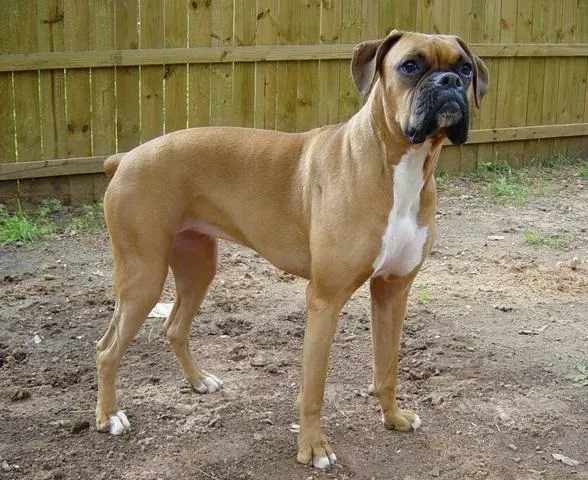
Because Boxers are brachycephalic and have high energy levels, they tend to overheat easily. This is a particularly tricky combination. The Boxer wants to run, jump, and play, but the flat face prevents efficient panting, and the Nevada heat creates an environment where that eagerness to exercise can quickly become dangerous. Their enthusiasm works against their own safety.
Heat stress is the first stage marked by panting, increased thirst, and lethargy. If cooling measures are not instituted and activity ceased, a dog’s temperature will continue to rise, and symptoms will progressively get worse. This leads to heat exhaustion. If left untreated, heat stroke, the last stage, will occur. For Boxer owners in Nevada, the rule is simple: when it’s above 85°F outside, exercise happens indoors. No exceptions, no “just a quick walk.”
9. Bernese Mountain Dog: A Gentle Giant Struggling in the Sun
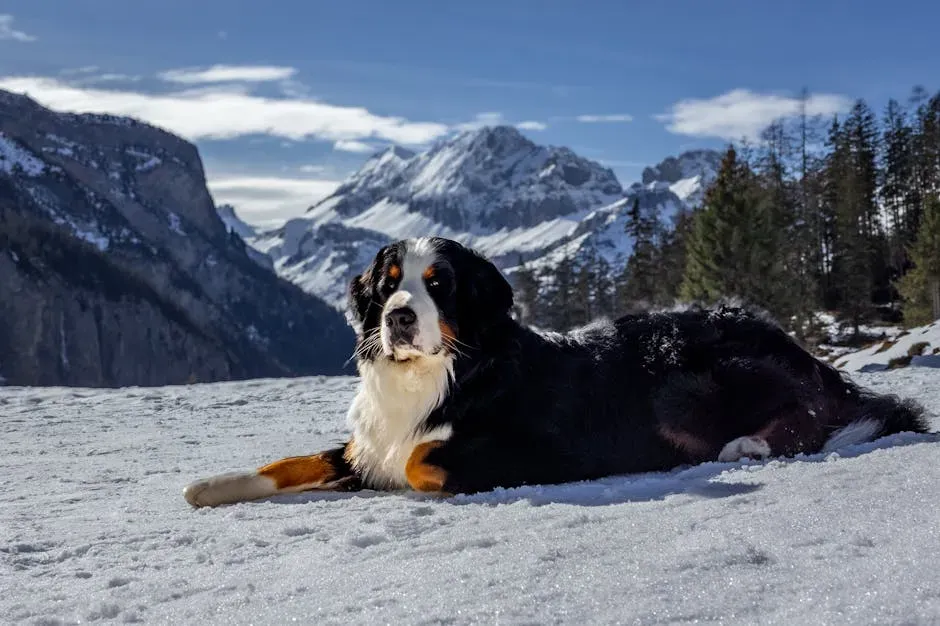
The Bernese Mountain Dog is one of the most beautiful and tender-hearted breeds in existence. They’re family dogs through and through, gentle with children and devoted to their people. Unfortunately, their thick, tri-colored coat was purpose-built for the cold Alpine region of Switzerland, and Nevada offers the near-complete opposite of that environment. Large breeds with undercoats are best suited for cold temperatures, and the Bernese fits that description perfectly.
Heatstroke is a life-threatening condition that occurs when the body’s temperature rises too high and cannot be cooled effectively. This can cause severe damage to body organs and can result in death. Bernese Mountain Dogs in Nevada need to be treated as indoor dogs with carefully managed outdoor exposure. Shade, cool water, and air conditioning are baseline necessities. Plan walks for before 8 a.m. and never underestimate how quickly a large, heavily coated dog can overheat.
10. Shih Tzu: A Pretty Package With Compounding Heat Challenges
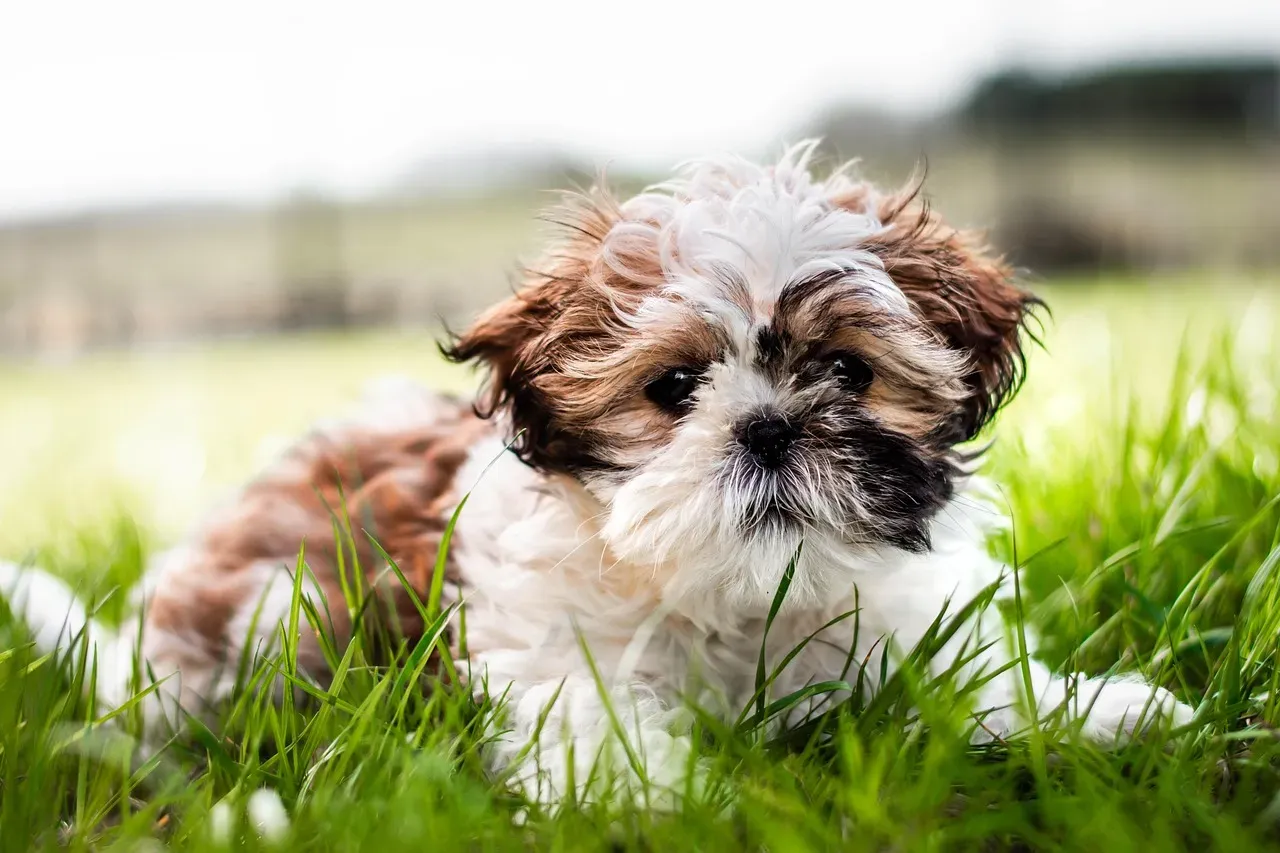
The Shih Tzu doubles up on the risk factors in Nevada’s climate. They’re both brachycephalic and long-coated, meaning they face breathing limitations and coat-related heat retention simultaneously. Brachycephalic breeds such as Pugs, Bulldogs, Boxers, Shih Tzus, and Boston Terriers have a harder time regulating their body temperature, making them more prone to heatstroke. In a state where triple-digit temperatures are a regular summer event, that’s a meaningful concern.
Many Shih Tzu owners in warmer climates opt for a shorter “puppy cut” to reduce coat-related heat retention, which is a practical and humane choice in Nevada. Only exercise dogs in cooler parts of the day, early in the morning or late at night. Even short walks can cause heatstroke in predisposed dogs or on extremely hot, humid days. Keep a close eye on breathing quality, especially during summer. Noisy or labored breathing in the heat is always worth a call to your vet.
11. Basenji: Africa’s Desert Dog Finds Its Home in Nevada
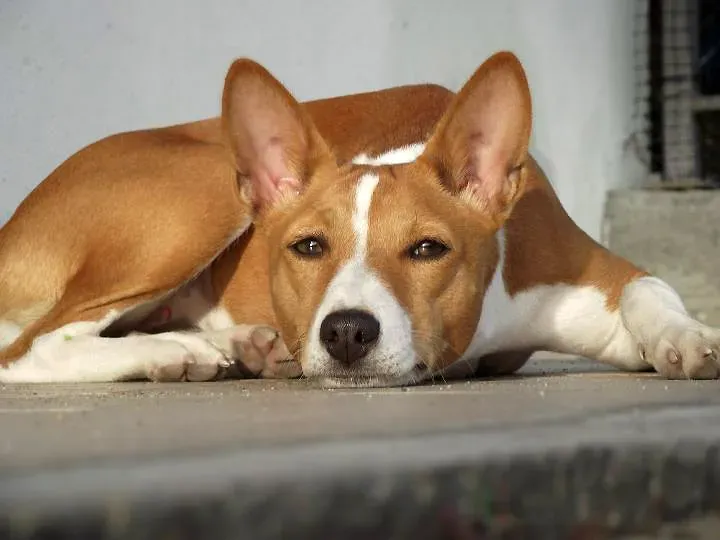
Now for the good news. The Basenji is practically custom-made for Nevada’s climate. Originating from Central Africa, Basenjis have a rich history of living in hot climates. They are often called “barkless dogs” and are well-known for their cat-like grooming habits. Their short, fine coat provides natural insulation and allows for efficient heat dissipation, making them well-suited for warmer weather. Basenjis are highly adaptable and tend to be more tolerant of heat compared to other breeds.
Originally called the bush or Congo dog in reference to the area of Africa from which the breed hails, the Basenji evolved in warm weather and has been known to seek out warm, sunny places in a person’s home. With a very short coat and long legs for their size, the breed’s build allows heat to escape their bodies in every way possible. They’re independent, curious, and endlessly entertaining, though they do require secure fencing given their strong prey drive.
12. Saluki: The Desert’s Own Ancient Athlete
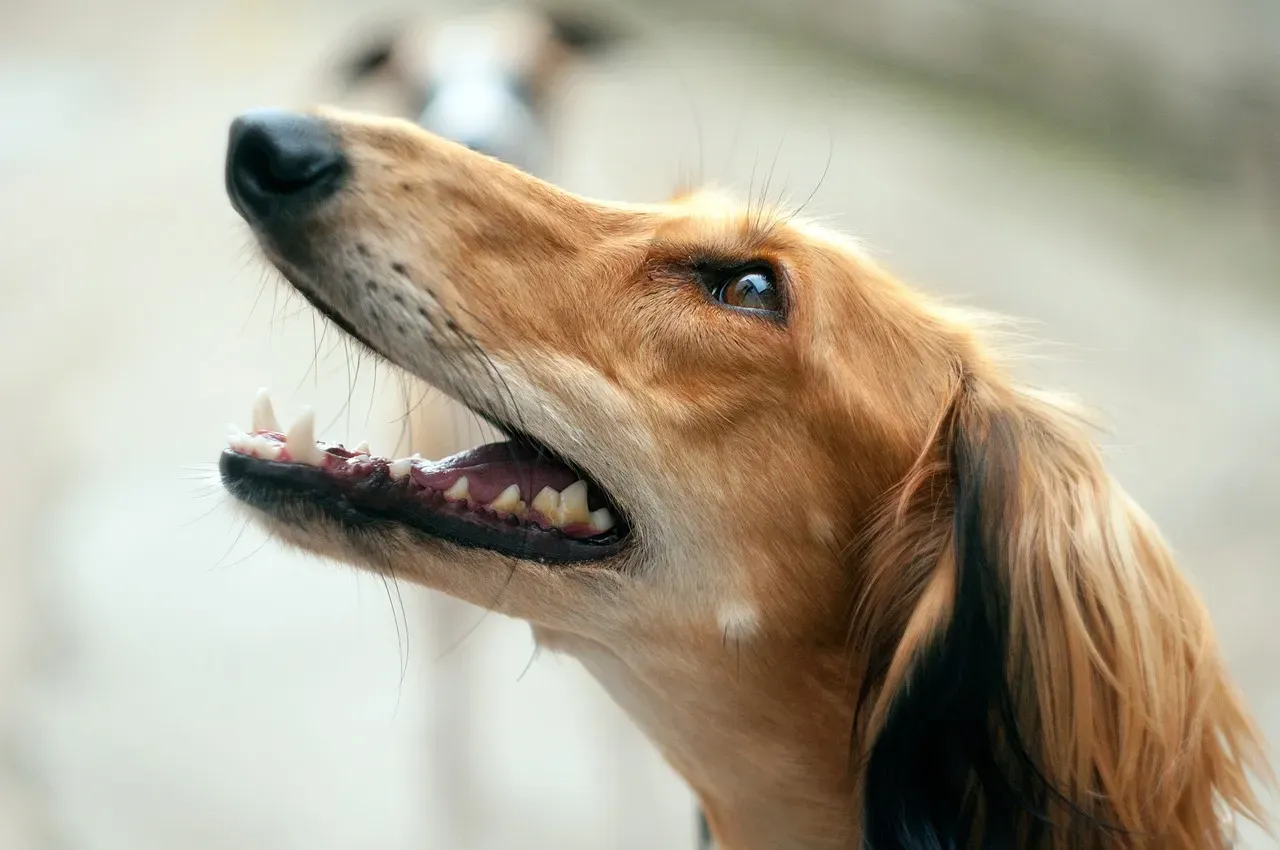
The Saluki, one of the oldest dog breeds, is well-adapted to desert life. Originally bred in the Middle East for hunting, they have a slender build and long legs, which help keep them cool and enable them to move swiftly over hot sand. The Saluki isn’t just tolerating Nevada’s heat – it was practically born for it. Thousands of years of desert-hunting heritage have produced a dog whose body is elegantly calibrated for extreme warmth.
Like most sighthounds, the Saluki is slim and elegant, and has a short, silky coat that allows air to circulate rather than trapping it as an insulating layer. Salukis also have an inbuilt cooling system that makes them superior to many other breeds – they have more sweat glands in their paws, which enables them to dissipate heat. Salukis do need daily exercise and mental stimulation, and they’re best suited for experienced dog owners who appreciate an independent spirit.
13. Vizsla: The Rust-Colored Companion That Loves Nevada Warmth
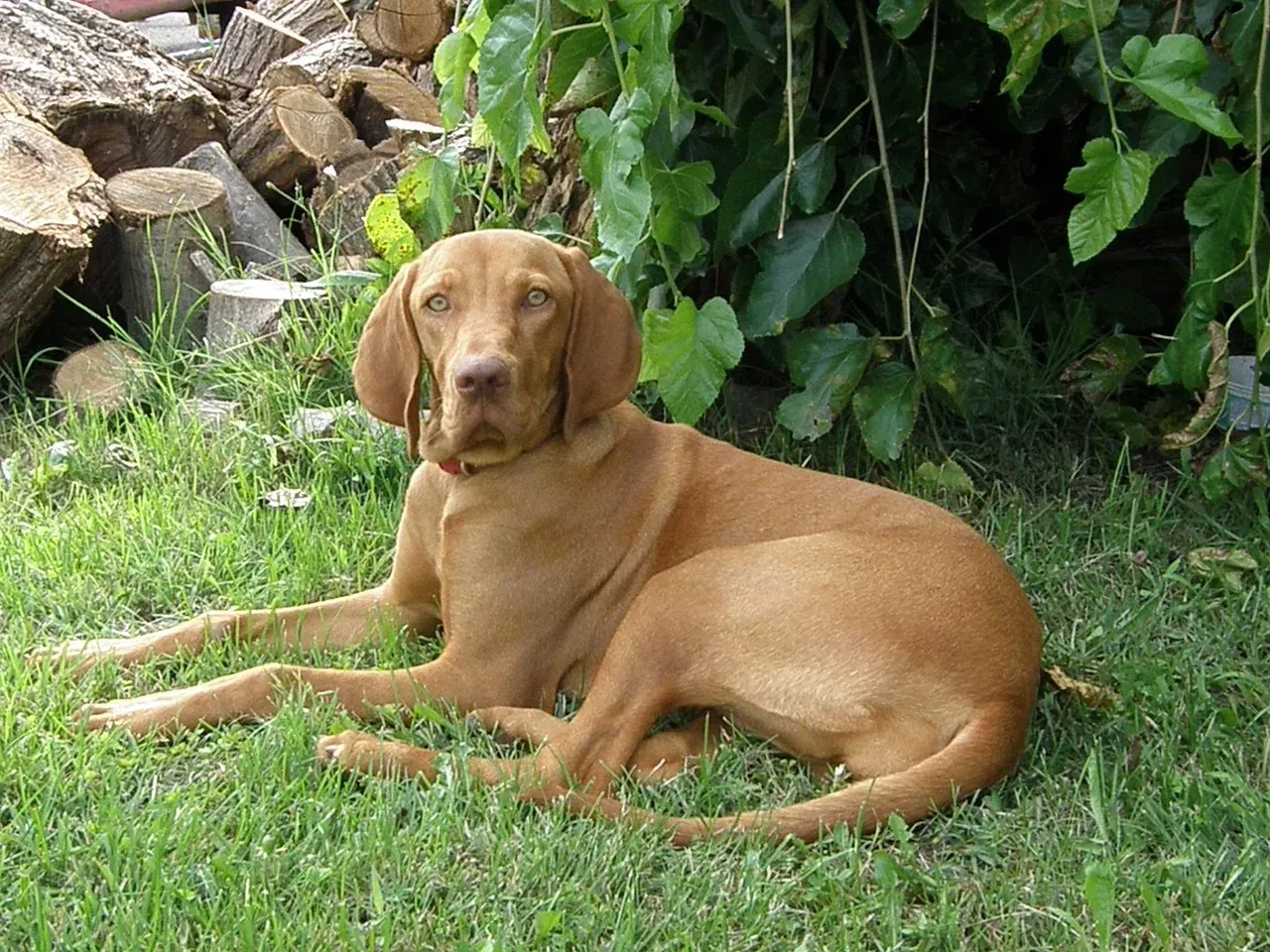
The thin-coated Vizsla makes a wonderful family pet and tolerates hot weather well. This Hungarian hunting breed has a sleek, rust-gold coat that sits close to the body, minimal body fat, and a lean muscular build that allows heat to dissipate efficiently. In Nevada’s dry desert air, the Vizsla genuinely thrives where heavier-coated breeds falter.
These athletic, intelligent dogs are not the breed for people or families who are rarely home. Vizslas bond closely with their humans and are prone to separation anxiety. Since they’re bred as hunting dogs, Vizslas need daily mental and physical stimulation. Pair early morning hikes with indoor puzzle games during the midday heat, and you’ll have one of the happiest, most well-adjusted dogs in the Silver State.
14. Chihuahua: Nevada’s Most Climate-Adapted Small Dog
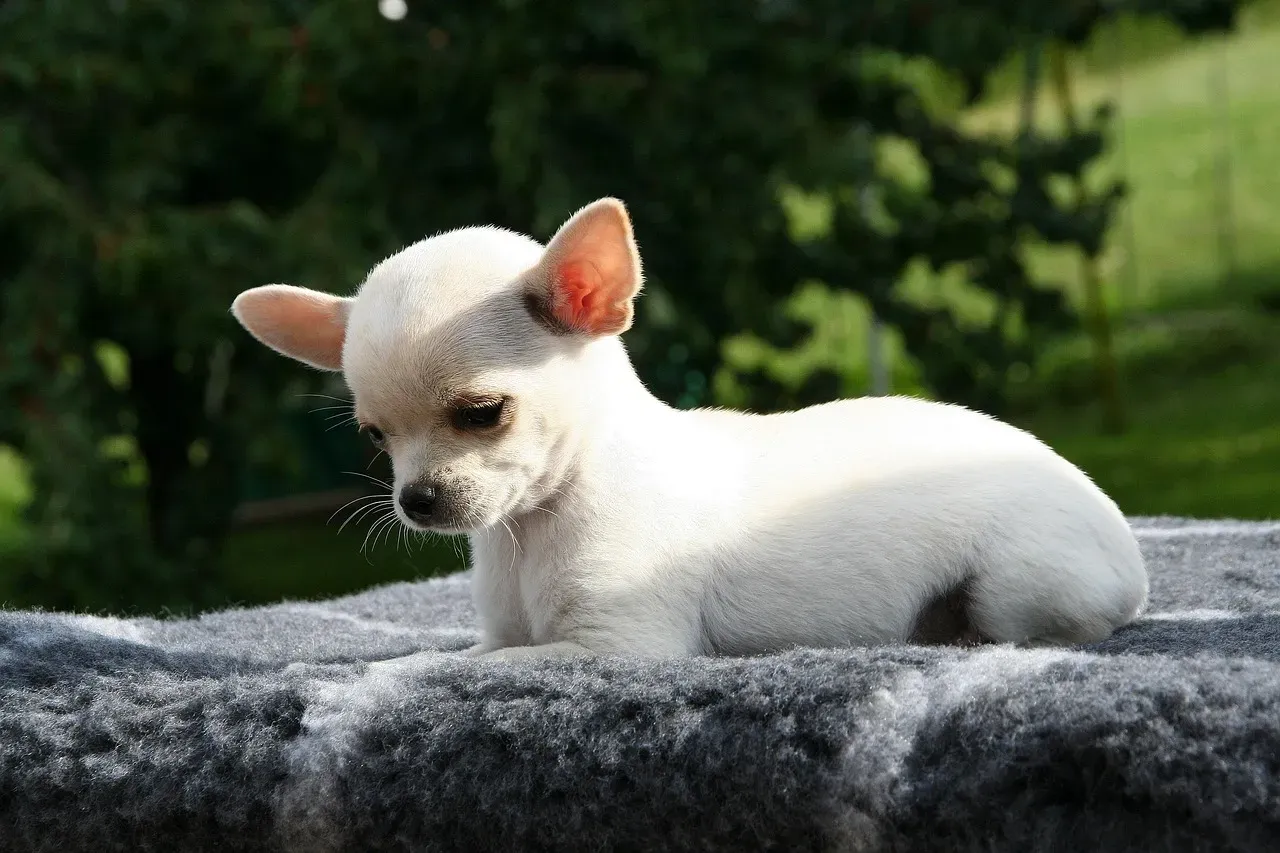
Originating in the Mexican desert, the Chihuahua is a national symbol of Mexico with a lineage dating back to the ancient kingdoms of pre-Columbian times. This 2-to-5-pound dog with large erect ears and a thin coat seeks warmth and needs a sweater and a warm lap when the temperature drops. In Nevada’s heat, the Chihuahua is right at home in a way that few other breeds can claim.
The breed’s large, erect ears are more than just adorable. The shape also allows airflow over expanded blood vessels in the thin skin to cool both sides. That’s elegant biological engineering in a very small package. However, they still need access to shade and fresh water during hot days. No dog gets a complete free pass from hydration and shade requirements, and Chihuahuas are no exception – they just need far less intervention than most.
15. Pharaoh Hound: An Ancient Breed Tailor-Made for Desert Life
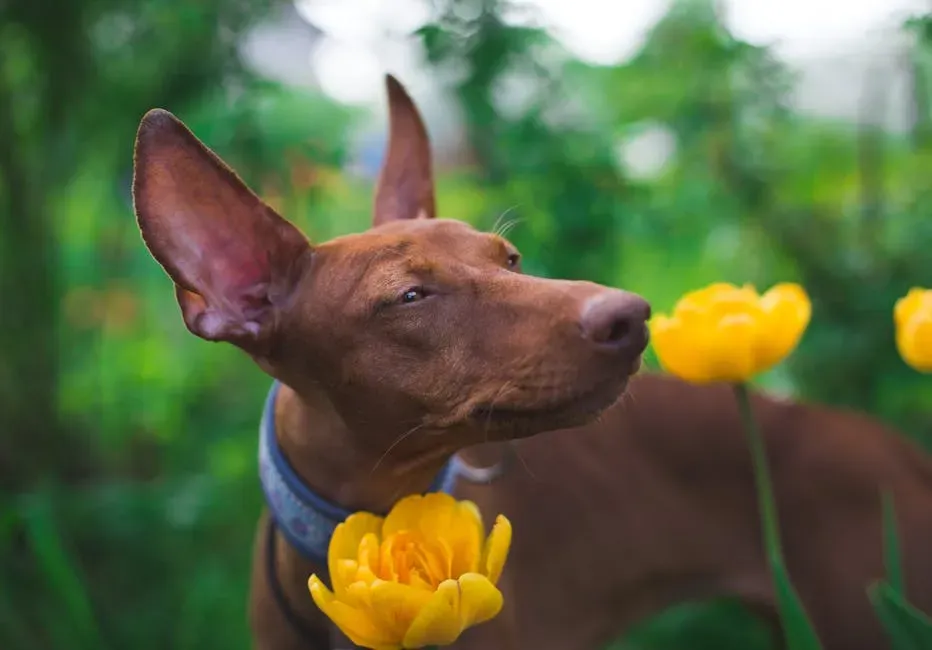
Originally from Malta, the Pharaoh Hound possesses incredible heat tolerance. It is often called the “blushing dog” due to its unique ability to display a rosy hue when excited or warmed. Their short coat is fine and thin, allowing for better heat exchange. The Pharaoh Hound’s ears are also large and thin, aiding in heat regulation. Despite their natural adaptation to heat, providing them with shade and water is crucial, especially during the hottest parts of the day.
Large, erect ears are another useful attribute in hot weather, because long, droopy ears trap the heat. The Pharaoh Hound’s anatomy ticks nearly every box for desert fitness: large ears, thin coat, lean body, and long snout for efficient air cooling. They’re also deeply affectionate and energetic companions. Pharaoh Hounds need a lot of exercise but are absolutely not to be trusted running off-leash without a fence. A securely fenced yard and early morning runs will keep this breed in peak condition.
Caring for Any Dog in Nevada’s Desert: Universal Tips That Matter
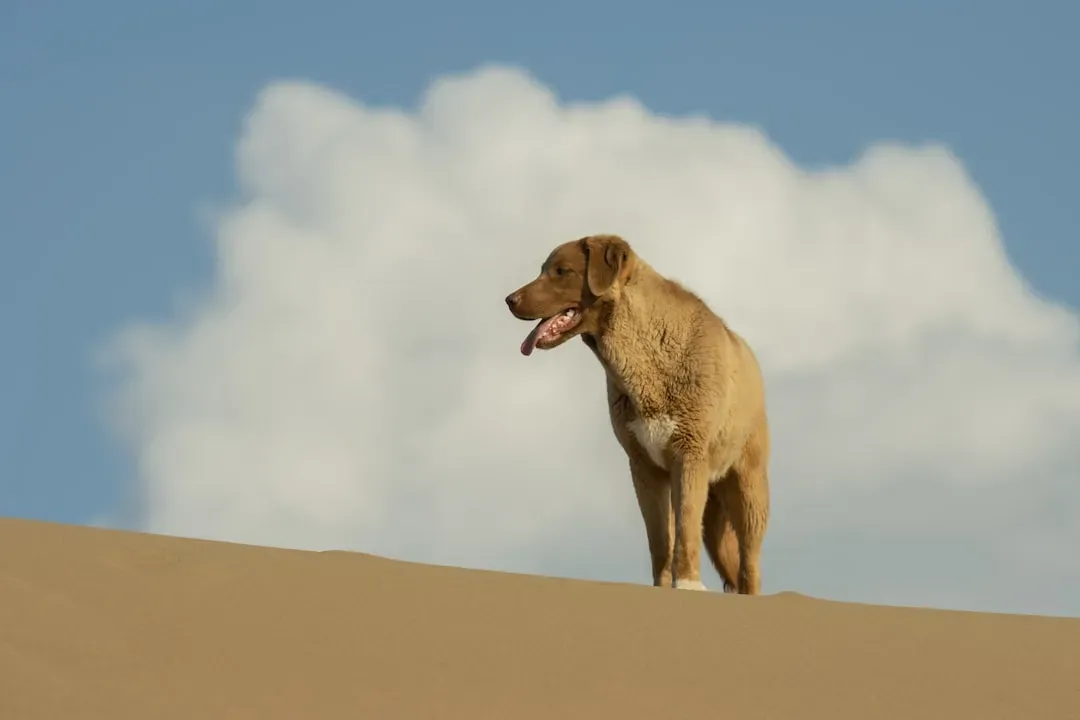
Unlike humans, dogs only have sweat glands on their paws and must rely on panting to cool down. The normal body temperature for a dog is between 100.5 and 102.5 degrees Fahrenheit. Understanding this basic biology is the starting point for responsible desert dog ownership. When temperatures spike into triple digits, every dog – regardless of breed – needs careful monitoring.
Avoid walking your dog on hot pavement. Asphalt can reach dangerous temperatures fast and burn paw pads. If you can’t hold your hand on it for 5 seconds, it’s too hot for your dog. Stick to early morning or evening walks, always carry water, and know the signs of heat stress: heavy panting, drooling, vomiting, diarrhea, weakness, and collapse. Any of these symptoms warrant immediate cooling and a call to your veterinarian.
Conclusion: Breed Choice Is an Act of Love
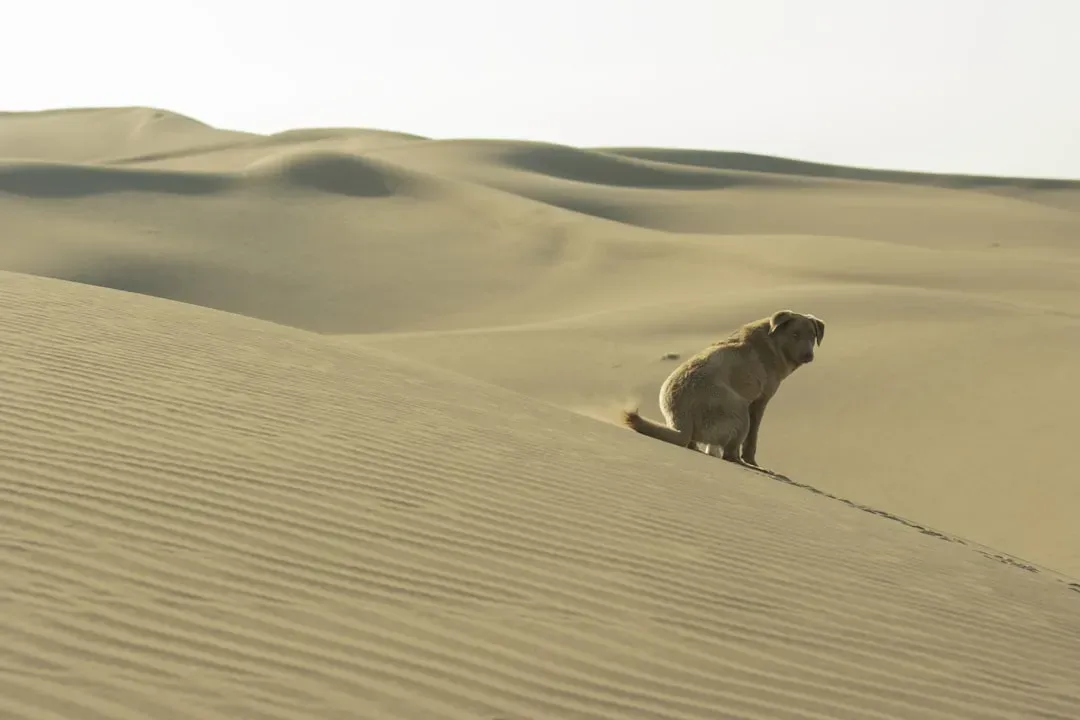
Choosing a dog that suits your climate isn’t about limiting your options – it’s about setting your dog up for a life where they feel genuinely comfortable, not just managed. Nevada’s desert climate demands honesty from dog owners. One of the best ways to narrow down potential breeds is to investigate what breeds were developed in similar climates. That single question can steer you toward a dog that will thrive rather than merely endure.
If you already share your Nevada home with a heat-sensitive breed, don’t despair. Any breed can quickly run into health problems if they get too hot, but with proper precautions, the right routines, and attentive care, many dogs can live full and happy desert lives. The key is knowledge – knowing your dog’s limits, reading their body language, and never assuming they’ll tell you when they’ve had enough. They often won’t. That’s why they have you.


