

There’s something quietly striking about the way a Rottweiler scans a room. They don’t announce it. They don’t pace nervously. They simply settle into a corner, fix their gaze on the door, and take inventory of everything happening around them. If you’ve ever caught your Rottie doing that slow, deliberate survey of the backyard while guests are over, you already know what this article is about.
The protective instinct in a Rottweiler isn’t something you teach. It’s hardwired. Their watchdog instincts kick in naturally, and they notice every sound, every visitor, and every change in routine. What makes this breed so fascinating is that their vigilance isn’t anxious or chaotic. It’s measured, purposeful, and deeply rooted in centuries of working alongside humans as guardians. Understanding what’s behind each behavior makes you a better owner, a calmer handler, and, honestly, a bigger fan of these incredible dogs.
The Hard, Unblinking Stare

Walk past a Rottweiler’s yard and you might feel like you’re being assessed. That’s because you are. Rottweilers have perfected what many call the “Rottie stare,” a hard, fixed look reserved for strangers or anything they don’t like. Their bodies go very still, ears may be slightly raised, and the mouth stays closed and tight. It’s not aggression. It’s evaluation.
The hard stare is usually reserved for intruders on their territory. If it fails to deter, it can escalate to a low growl, which is essentially a final polite warning. Think of it as your dog’s version of a raised eyebrow. If you see this look directed at a guest, step in calmly, make the introduction yourself, and let your Rottie take their time assessing the situation.
Perimeter Patrol: Walking the Yard
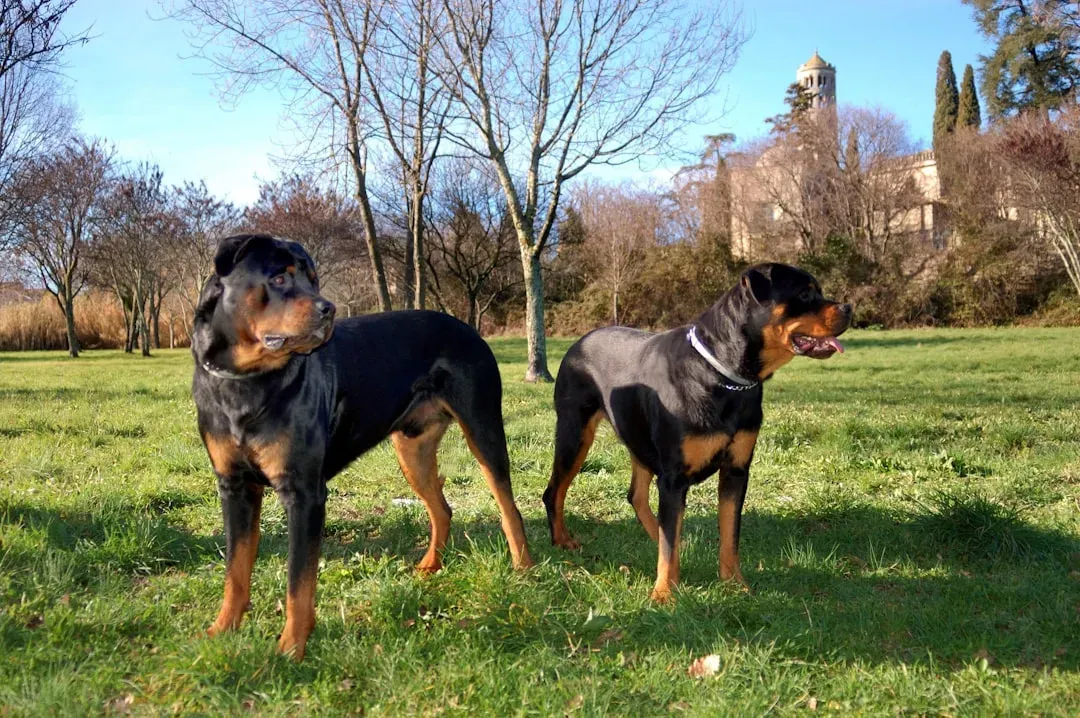
Rottweilers spend a lot of time simply observing their surroundings. Many enjoy walking the perimeter of the yard or watching out the window, remaining alert and very aware of what’s happening around them. This isn’t restlessness. It’s a job they’ve assigned themselves, and they take it seriously.
Rottweilers are known for their strong protective instincts, a trait rooted in their history as guard dogs and working animals. They are naturally vigilant and take their role as protectors of their family and territory very seriously. If your Rottie does daily laps around the fence line, don’t discourage it. Just make sure the behavior stays calm and doesn’t tip into obsessive pacing, which can signal under-stimulation rather than guardianship.
Positioning Between You and a Stranger
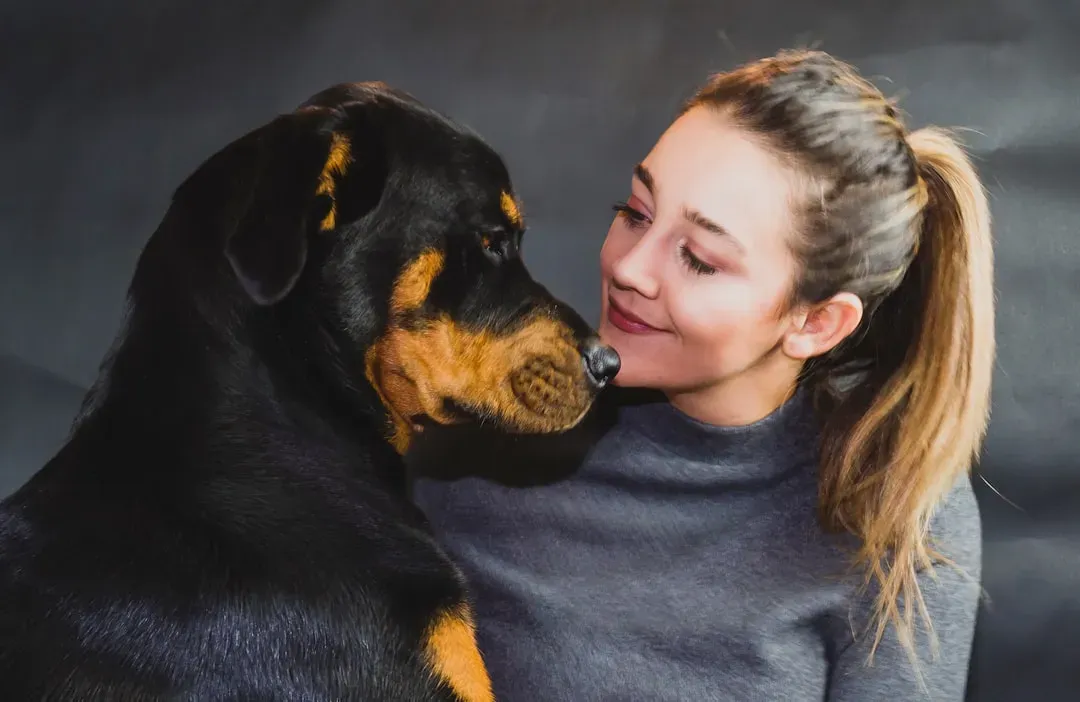
You’ve probably noticed this one. A visitor walks in, and without being prompted, your Rottweiler glides smoothly between you and them. It looks almost choreographed. A protective Rottweiler will often position themselves between their family and the perceived threat, remaining alert but calm. This physical placement is one of the clearest signals the breed offers.
Rottweilers often bark at strangers, patrol the yard, or insert themselves between their owner and a guest. When this happens during a calm, normal visit, the best response is to acknowledge it without making a big scene. A quiet hand signal or a “settle” command gives your dog permission to relax while still honoring their instinct to be nearby.
Ears Forward, Eyes Locked: The Alert Posture

When Rottweilers have their ears erect, it often signifies alertness and attention. This position indicates that the dog is focused on something of interest or is assessing the environment for potential threats. You’ll notice this most when someone knocks at the door or when an unfamiliar sound drifts in from outside.
Owners should pay attention to the context of this behavior. Erect ears can also indicate defensiveness, especially if the dog’s body shows other signs of tension. Understanding the surrounding situation alongside ear position is vital to interpreting the dog’s intentions accurately. Paired with a relaxed body and a quiet mouth, forward ears are simply your Rottie saying: “I heard that, and I’m deciding what to do about it.”
The Low Rumbling Warning Growl

Growling can signify a range of emotions in Rottweilers, from playfulness to genuine warning. They may growl during play as a sign of excitement, but a low, rumbling growl in a different context may indicate discomfort or a signal that the dog feels threatened. The tricky part is learning which is which.
Even Rottweiler owners can confuse happy “rumbling” with actual aggressive growling. Rotties do growl to communicate unhappiness. Watch the full picture: a wagging tail and loose body means they’re playing; a stiff posture, closed mouth, and direct stare means they’re warning you. Never punish a warning growl. It’s their most honest form of communication, and suppressing it removes a crucial safety signal for everyone involved.
Watching Guests Throughout the Entire Visit
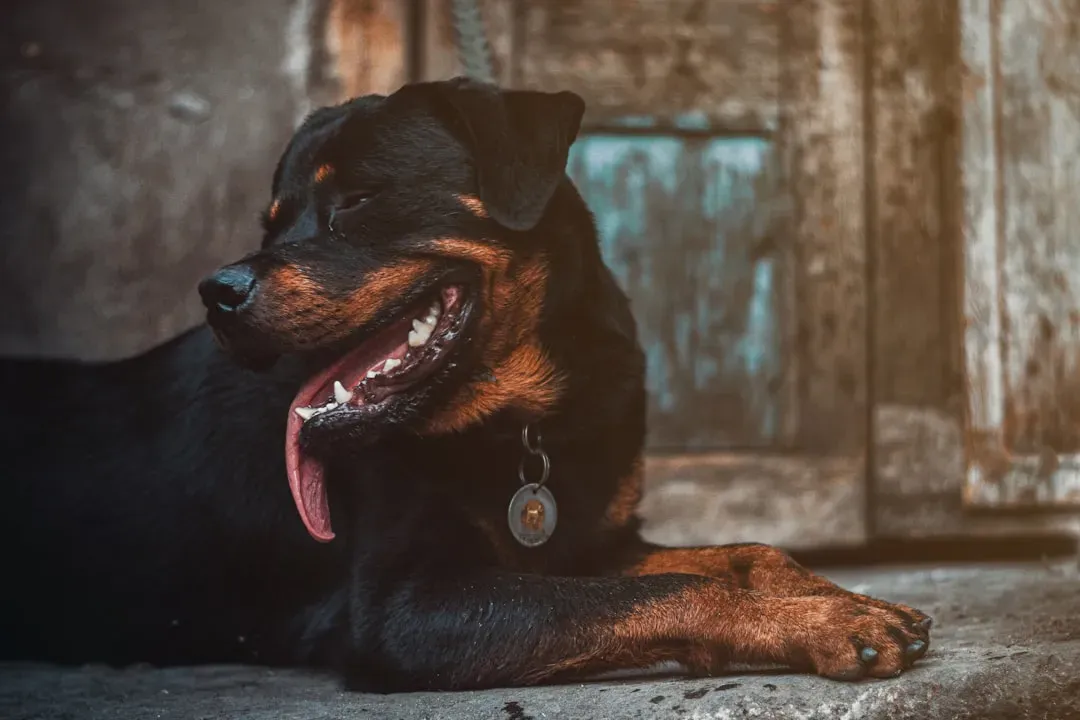
Your friend has been sitting on your couch for two hours. Your Rottweiler has been watching them the entire time. Not aggressively. Just, watching. Some Rottweilers remain watchful of guests throughout a visit. They may position themselves where they can observe the visitor, periodically check in on the interaction, or remain slightly aloof, even while allowing the person’s presence. This is normal behavior reflecting their protective instinct and reserved nature.
These dogs prefer to take their time and assess the situation. They don’t rush into new relationships, but they won’t attack for no reason either. This “wait and see” attitude is characteristic of their steady, thoughtful temperament, the same quality that sees them excel in police, military, and customs work. Help this process along by introducing guests calmly, letting your dog sniff and observe at their own pace, and never forcing the interaction.
Reading Your Emotional State Before You Realize It’s Changed
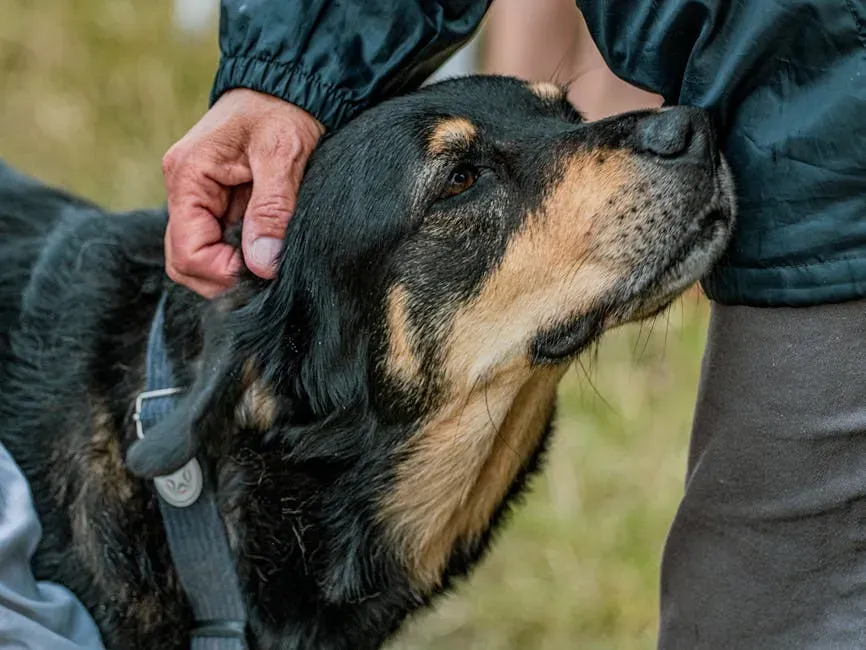
You walk in the door after a terrible day. You haven’t said a word. Your Rottweiler is already pressed against your leg. This isn’t coincidence. Rottweilers learn routines rapidly and anticipate what happens next based on your patterns. They also read human body language and emotional states with notable accuracy. That sensitivity is part of what makes them extraordinary companions, not just guardians.
Rottweilers possess strong guarding instincts, physical strength, and emotional intelligence. Their ability to assess threats and form deep bonds with their owners makes them reliable protectors. If your Rottie nudges you, leans on you, or follows you from room to room on a hard day, recognize it for what it is: genuine attentiveness. They’re calibrating their protection based on your needs, not just external threats.
Alert Barking That Stops When You Say It’s Okay

There’s a difference between a dog that barks at everything and one that barks to tell you something specific. Rottweilers are known for their alertness and bravery, frequently assessing their environment for potential threats. This vigilance makes them excellent watchdogs, as they will bark to alert their owners to any unusual activity. The bark is the message. What matters is what happens next.
Protective behavior is usually proportional to the perceived threat. A well-trained Rottweiler exhibiting protective behavior should still respond to commands from their owner, while an aggressive dog may be more difficult to control or redirect. Train a reliable “quiet” or “enough” command early, and reward your dog when they settle after alerting you. Commands like “leave it” or “quiet” redirect their attention away from potential triggers, and positive reinforcement like treats and praise can reinforce the calm response.
Confident, Still Body Language When Something Feels Off
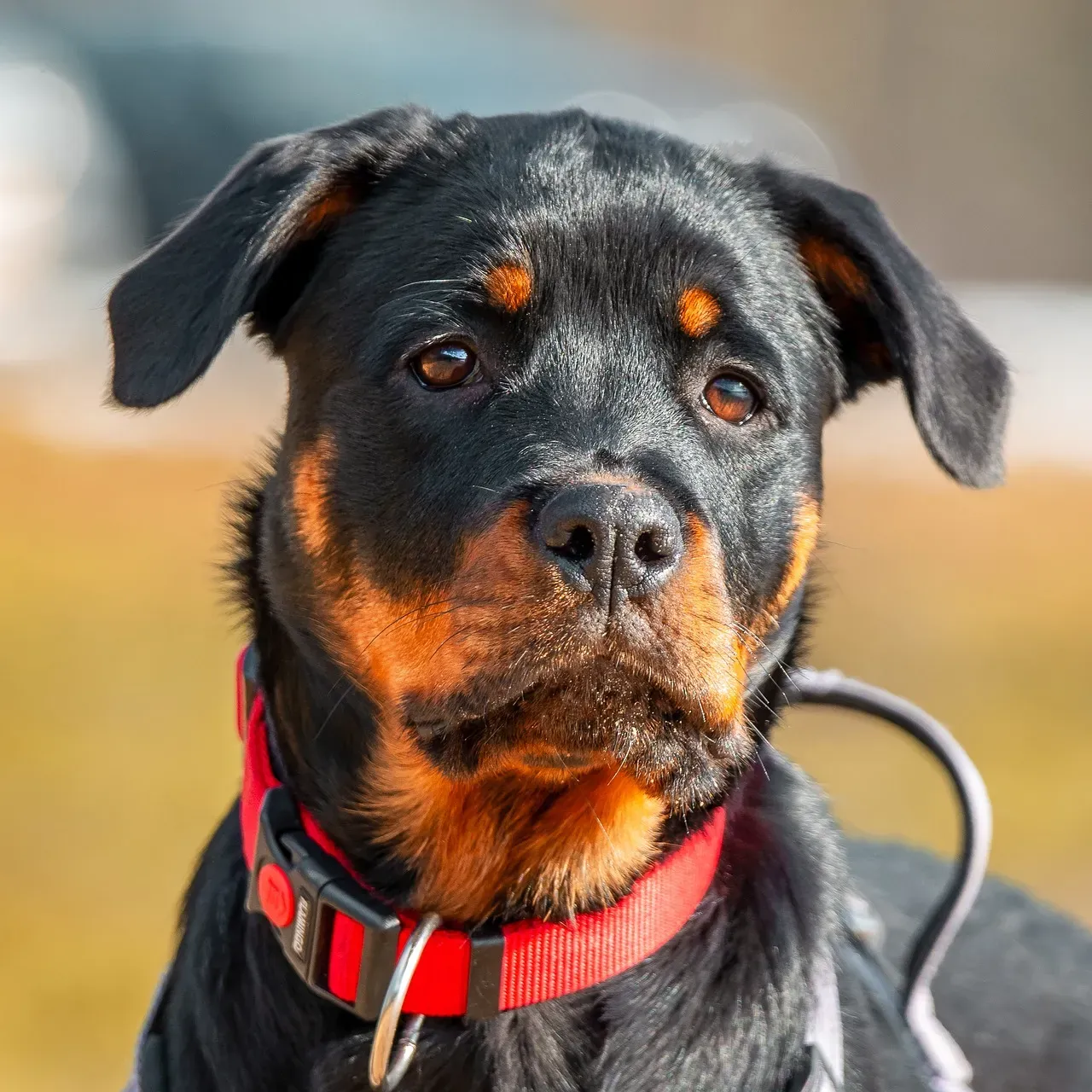
The Rottweiler temperament blends confidence with calmness. They assess situations before reacting, which makes them reliable protectors who don’t overreact to normal activity. When something genuinely concerns them, though, they shift into a mode that’s unmistakable: completely still, weight forward, head slightly lowered.
They use their body language, standing tall with focused attention and sometimes a low warning bark, to communicate alertness. What separates appropriate protectiveness from problematic aggression is control and discernment. A Rottweiler freezing and fixing their gaze on a specific point deserves your attention. Check what they’ve noticed before brushing it off. More often than not, they’ve caught something you missed.
Following You From Room to Room Without Being Clingy
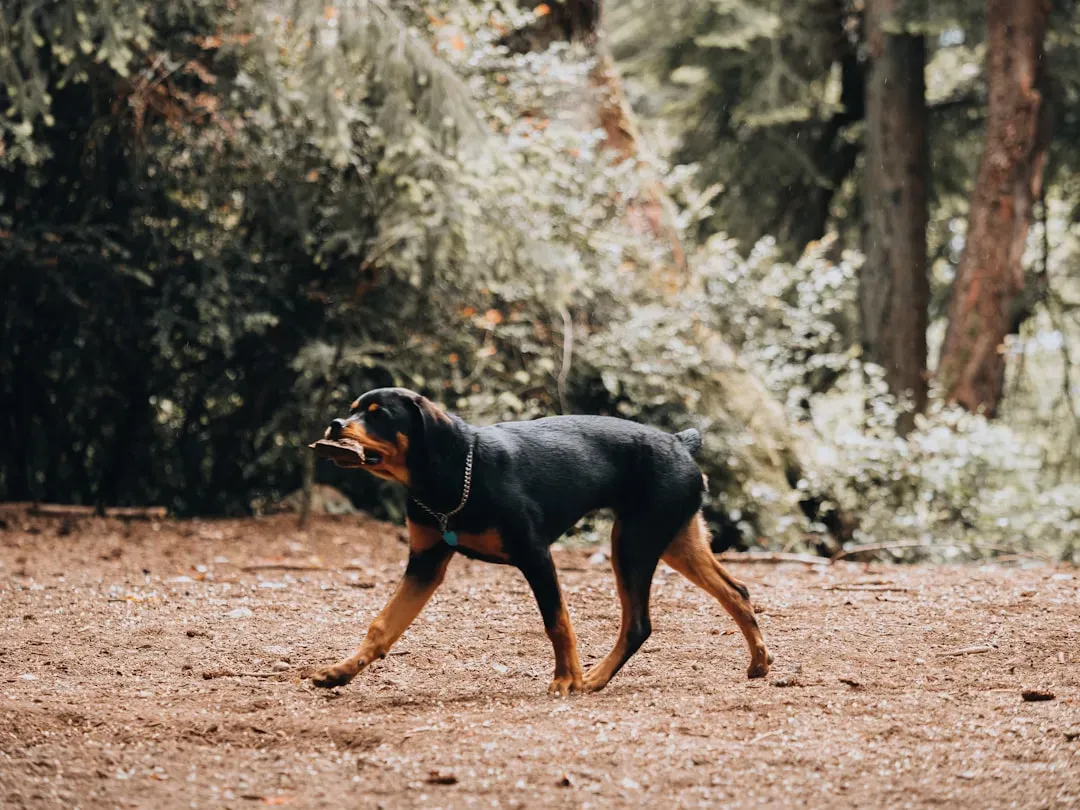
It’s subtle, but it’s real. Wherever you go in the house, your Rottweiler is there within a minute or two. They’re not demanding attention or tripping over your feet. They’re just… present. Rottweilers are naturally devoted to their families. They form strong bonds with their owners and thrive in environments where they are included in daily activities. Their loyalty makes them excellent guard dogs, but it also means they crave companionship.
Rottweilers are naturally very protective dogs, a trait rooted in their history as herding and guard dogs. Their protectiveness centers around their family and territory rather than random aggression. That room-to-room movement isn’t clinginess in the anxious sense. It’s zone coverage. They’re keeping you in their perimeter because, in their mind, that’s exactly where you belong.
Conclusion: They’re Not Just Watching, They’re Caring
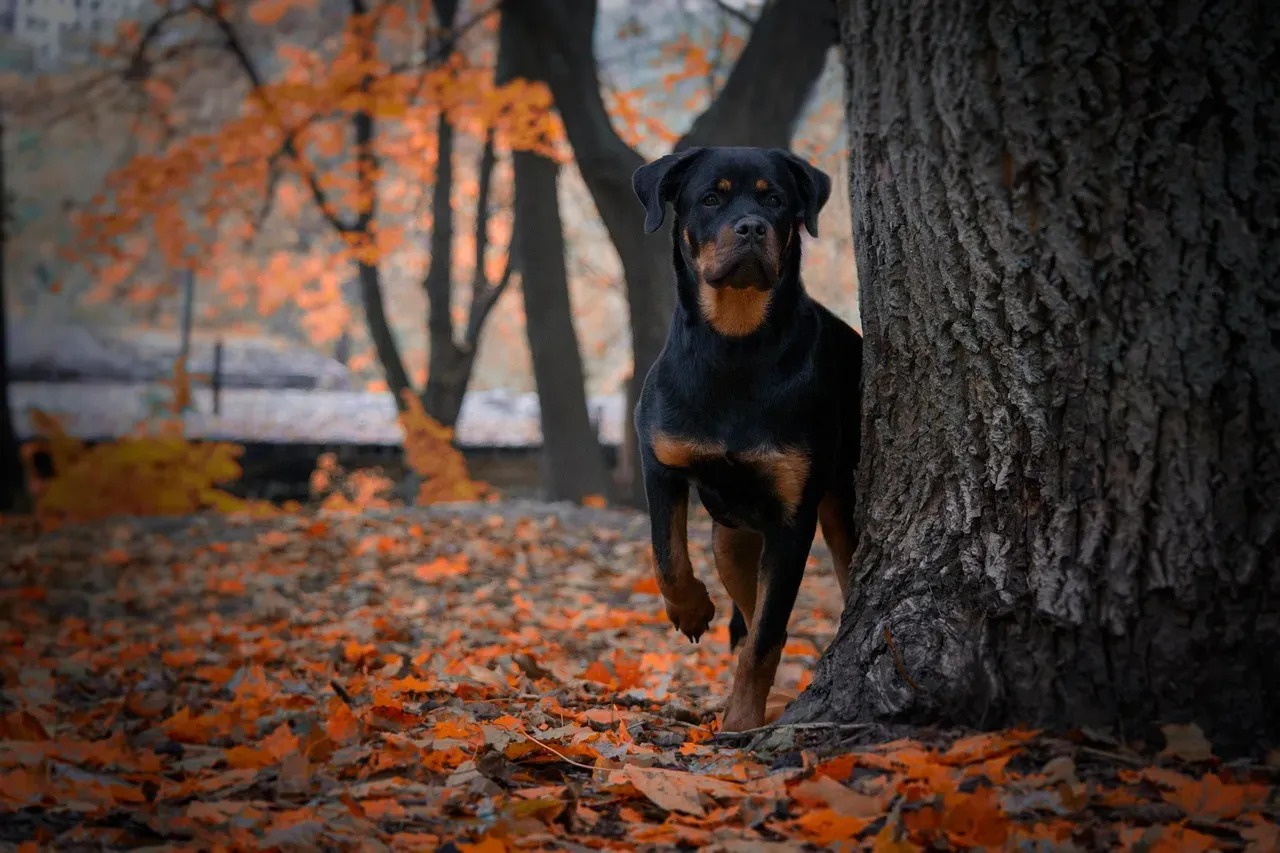
Every behavior in this list points to the same truth: Rottweilers don’t guard out of aggression. They guard out of devotion. Rottweiler guarding instincts are a natural and valuable aspect of the breed’s temperament. With proper socialization, training, and management, these instincts can be channeled into positive behaviors that make Rottweilers excellent protectors and loyal companions.
The hard stare, the slow perimeter walk, the way they position themselves between you and the front door: none of it is random. It’s a language. Once you learn to read it, your relationship with your Rottie shifts from managing a big dog to genuinely partnering with one. These dogs don’t need dominance. They need leadership. Clear rules, consistent enforcement, and genuine affection create the balanced Rottweiler every owner wants.
Give them that structure, meet their need for mental and physical engagement, and what you get in return is one of the most watchful, loyal, and quietly magnificent companions the dog world has to offer. They’re not watching everything to be difficult. They’re watching everything because, to them, you’re worth it.


