
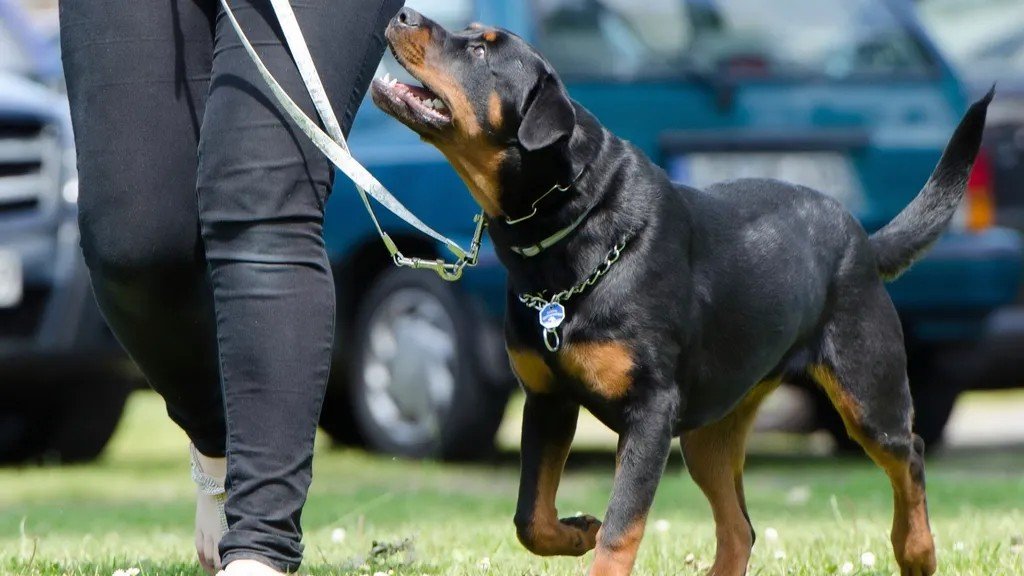
You love your dog. That’s not in question. You buy the good treats, you let them hog the couch, and you talk to them like they understand every word. Yet somewhere in all that love, you might be doing something your dog genuinely dreads – and the tricky part is, it probably feels like affection to you.
Despite living side by side with humans for thousands of years, we often do things to dogs that we believe they love, when dogs distinctly dislike them. This kind of misinterpretation can push dogs toward fearful, anxious, and even aggressive responses over time. The gap between what feels loving and what actually is loving might be wider than you think. These five behaviors are the ones most dog owners never see coming.
Hugging Your Dog Like a Human
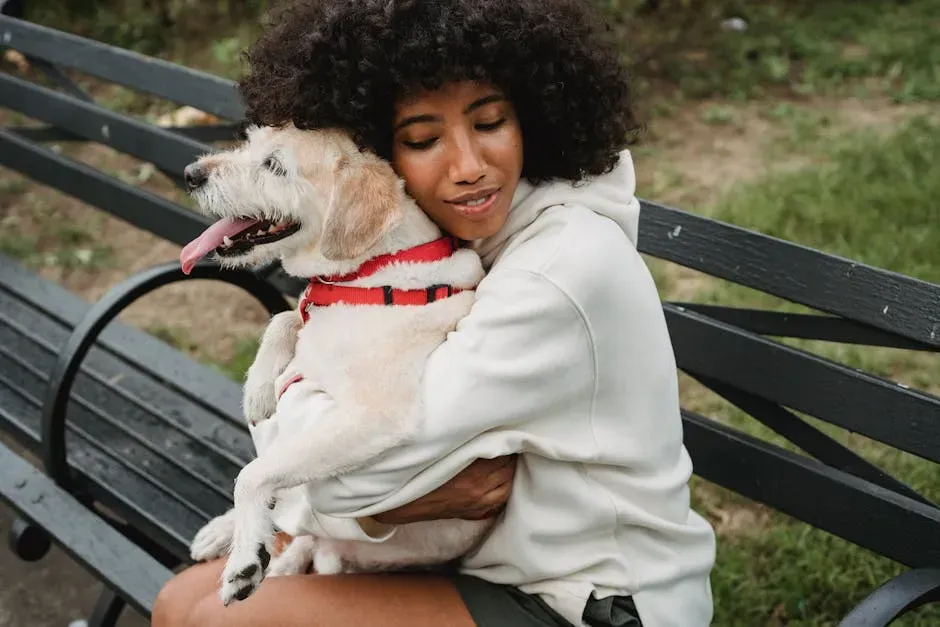
This one stings a little, doesn’t it? We hug the people we love, so of course we want to wrap our arms around our dogs. It feels natural, warm, and deeply affectionate. The problem is that it’s a very human thing to do – not a canine one.
Hugging feels entrapping in a dog’s mind, and they don’t like it. The only animals that naturally enjoy hugging are primates – humans, monkeys, gorillas – not dogs. When you wrap your arms around your dog’s neck and shoulders, you’re restricting their ability to move away, which is their primary option when they feel uncomfortable.
Dogs who are being hugged often display signs of stress, including tongue flicks, a tightly closed mouth, pulled-back ears, rigid facial muscles, and a furrowed brow. Putting your arms around your dog’s neck and shoulders may feel like love to you, but to dogs, not so much.
What to do instead: let your dog come to you. Once you start paying attention to their body language, you’ll notice your dog’s discomfort during hugs. The better approach is to let your pooch cuddle on its own terms and pat them around the back while they do. That small shift in who initiates contact makes a world of difference.
Sending Mixed Signals Without Realizing It

Imagine being told you can sit on the couch one evening, then scolded for doing it the next morning. You’d be confused, frustrated, and eventually anxious. That’s exactly what inconsistent rules do to your dog, and it happens in households everywhere.
Inconsistent behavior is a major mistake that completely confuses dogs. One day you order your dog off the couch, then the next day you call him to join you during a movie. You scold him for begging, then lure him to the table with treats. This kind of back-and-forth behavior makes it impossible to set clear rules.
If you want to keep your dog happy, consistency is key, especially when it comes to training and how you reward or correct behavior. Dogs are experts at reading body language and tone of voice, but they are constantly confused by the mixed messages their humans communicate. That confusion doesn’t just create bad behavior – it creates chronic low-level anxiety.
A practical fix is to get every person in the household on the same page. Giving mixed signals isn’t fair to the dog. A great way to maintain consistency is to write house rules down, or use a whiteboard on the fridge and go over it with everyone in the household. Simple, but genuinely effective.
Rushing Them Through Their Walk
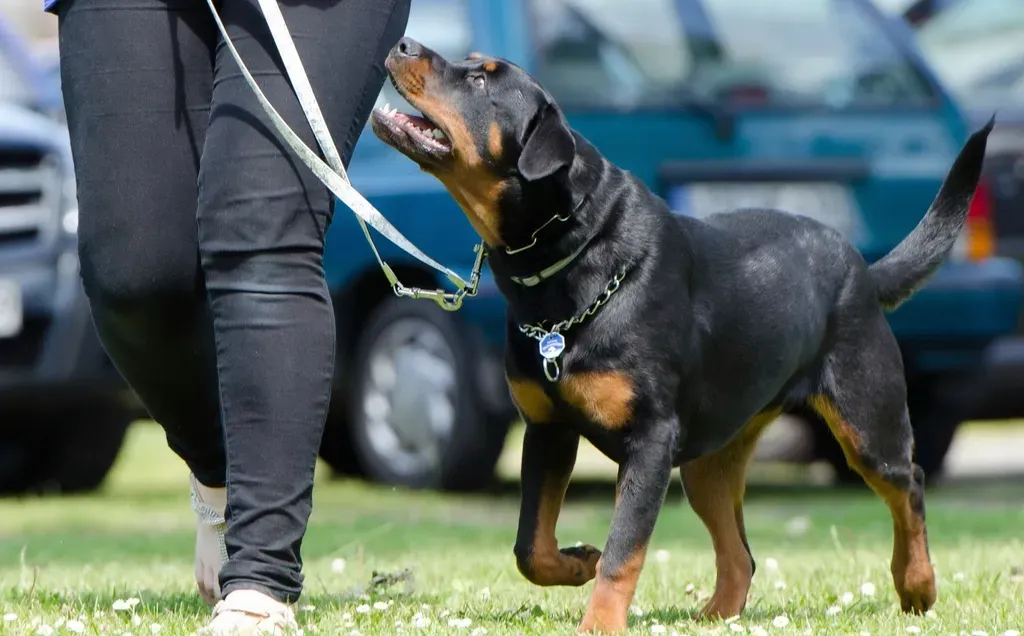
You’ve got fifteen minutes. You need the walk done, your dog needs to go, and every time they stop to sniff a patch of grass for the fourth time, you give the leash a tug. Relatable scenario, right? The trouble is, you’re essentially yanking your dog away from the one thing that makes a walk meaningful for them.
Dogs detest being hurried through their daily walks and having their leash yanked each time they stop to sniff. Walking your dog is about more than just exercise. Walks should be fun for both of you, and it’s critical to remember that people and dogs explore the world very differently. You navigate by sight. Your dog navigates by smell.
Smell is a dog’s most developed sense. Dogs have between 150 and 300 million olfactory cells, compared to humans’ five million cells, meaning they can identify almost every particle in the air or on objects. Every fire hydrant, blade of grass, and corner post is a paragraph in a story only your dog can read. Pulling them away mid-sentence is genuinely frustrating for them.
Try building “sniff breaks” into your walk intentionally. Even five minutes of uninterrupted sniffing at a tree or bush provides real mental stimulation that tires a dog out just as effectively as physical exercise. A shorter walk where your dog controls the pace does more good than a brisk march where they never get to explore.
Ignoring Their Stress Signals
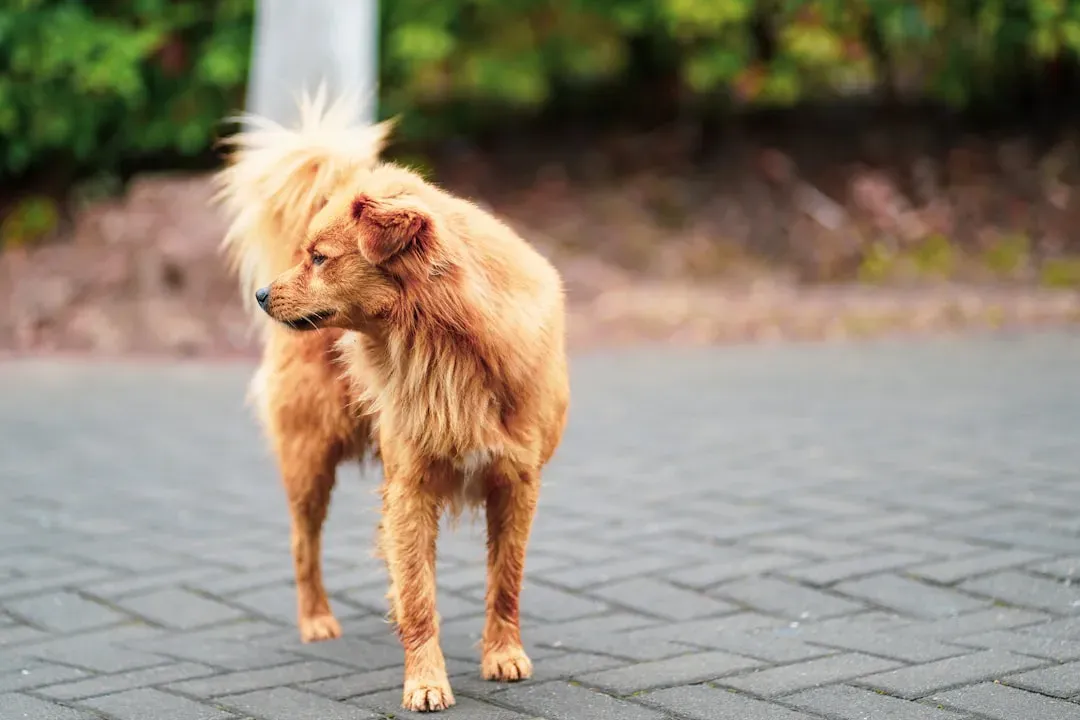
Here’s the thing most owners don’t realize: your dog has been trying to tell you they’re uncomfortable for a while. The yawn when you bring out the nail clippers, the lip lick when a stranger reaches for their head, the sudden intense sniffing when they’d rather be anywhere else – those aren’t random quirks. They’re a language.
Dogs use a complex system of visual signals to communicate their emotional state, and many of these signals are designed to prevent conflict and reduce tension. These are called “calming signals” or “displacement behaviors,” subtle cues that indicate your dog is feeling uncomfortable, anxious, or stressed. Unfortunately, because these signals are so understated, they’re frequently overlooked or misinterpreted even by devoted dog owners.
When early warning signs are ignored, or the level of threat intensifies, dogs escalate their behavior. They are doing this to stop the situation, and if early signs are ignored, they move to more obvious signals, ending with growling, snapping, and biting. This escalation can occur very quickly or over a longer period when appeasement behavior is continually ignored.
The more you practice recognizing the subtle, initial signs that a dog feels uncomfortable or afraid, the sooner you’ll be able to respond appropriately and prevent the situation from getting worse. If you can respond to their subtle signs of discomfort, your dog will be less likely to communicate by lunging, baring teeth, snarling, growling, snapping, or biting. The more we show our dogs that we understand and respect how they are feeling, the more they can trust us to help them. Trust is built in those small, quiet moments of paying attention.
Disrupting Their Routine Without Warning
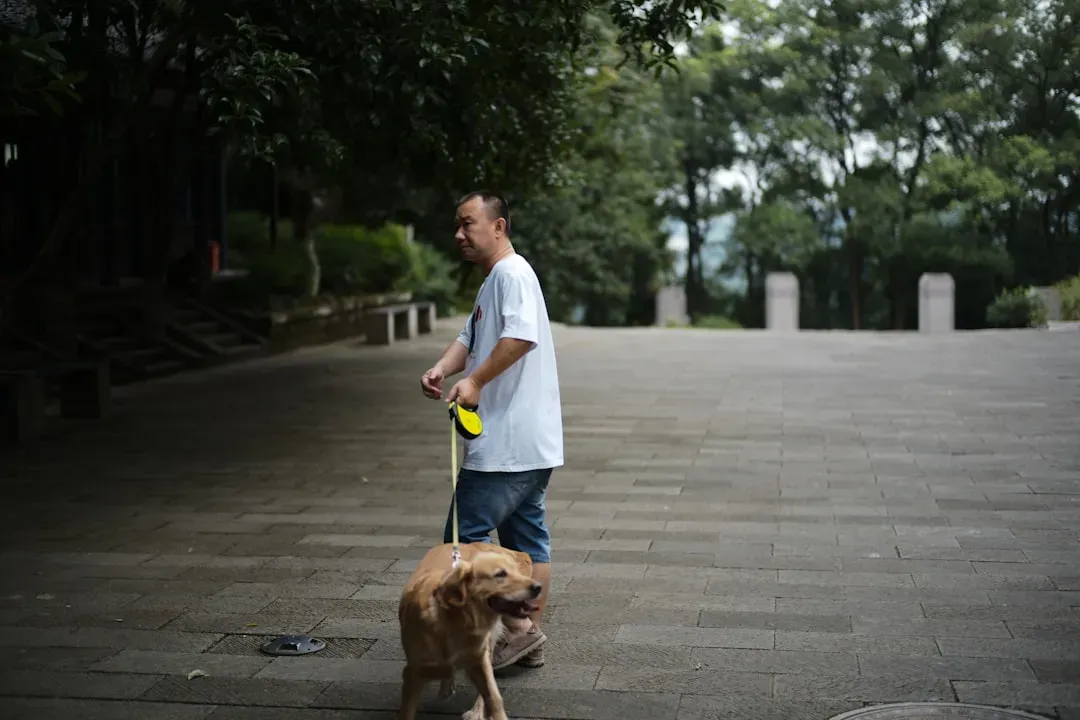
Dogs are creatures of habit in a way that most people genuinely underestimate. Their internal clock is remarkably precise, and they structure their sense of safety around predictability. A reliable routine isn’t just convenient for them – it’s emotionally regulating.
Dogs are creatures of habit. A consistent schedule for meals, walks, playtime, and bedtime helps your dog feel secure and reduces stress. When they know what to expect, they’re less likely to act out. When that structure disappears suddenly, your dog doesn’t understand why – they just feel the absence of it.
Dogs love routine. They appreciate it when their owner provides structure and consistency. Feeding them at a particular time and taking them out for scheduled walks and play sessions makes them feel comfortable. Going to bed too late or sleeping in too long not only interrupts their routine but can also lead to undesirable behavior as the sudden change in schedule causes them to act out.
Dogs have an internal clock and prefer doing things on a fixed schedule. Training is an important part of providing structure in your dog’s life. Having a schedule is essential. After a few days of organized rules and routine, you’ll most likely notice your dog is happier. Routines make your dog’s environment more predictable and can even boost their confidence. That last part is worth sitting with – a predictable life actually makes a more confident dog.
Conclusion: Your Dog Is Already Trying to Tell You
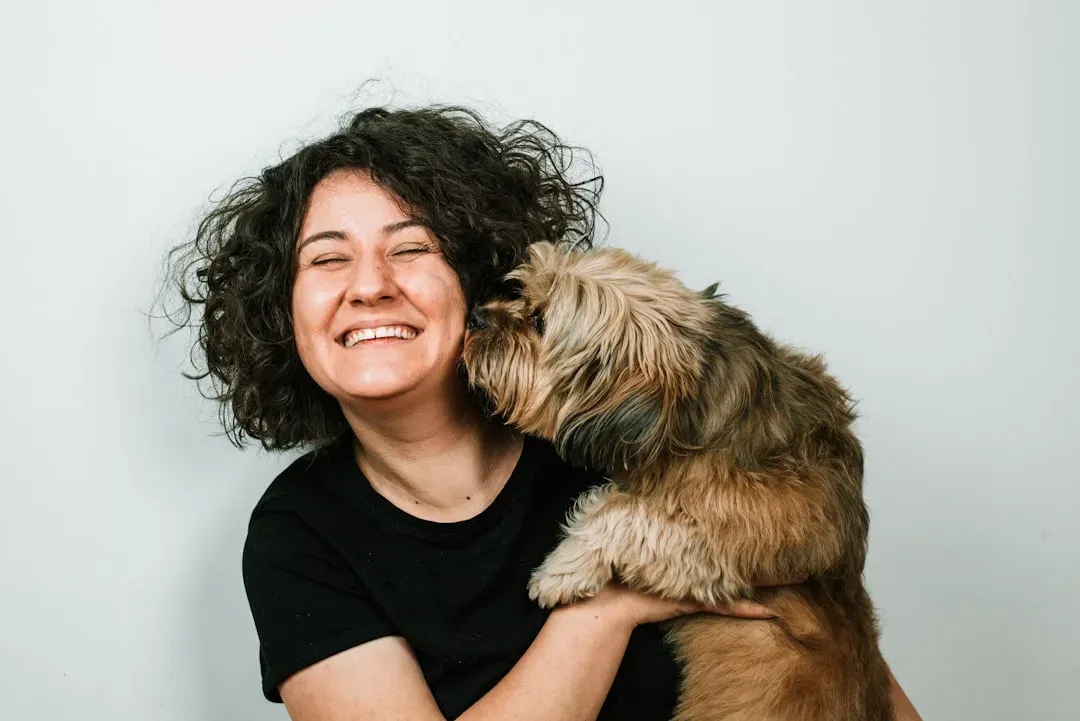
None of these behaviors come from a bad place. They come from love that hasn’t yet learned the language of dogs. The good news is that language isn’t complicated once you slow down enough to notice it.
When you listen to your dog’s signals, you build trust. Your dog learns that their person pays attention and keeps them safe, which makes your bond even stronger. That’s the real reward here – not just a better-behaved dog, but a genuinely happier one who feels understood.
You don’t have to be perfect. You just have to be willing to look a little closer, adjust a little more, and meet your dog where they actually are – not where we imagine them to be. That’s what separates a good dog owner from a truly great one.


