
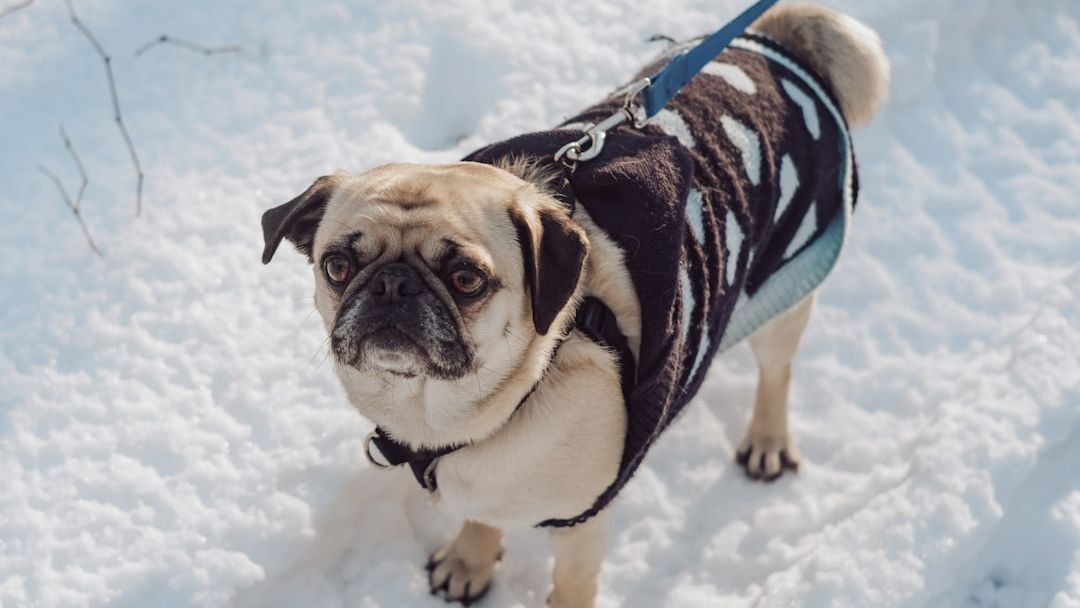
Michigan winters don’t mess around. Wind chills that plunge below zero, lake-effect snowstorms that drop feet of snow overnight, and temperatures that can stay bitter for weeks at a stretch – this is not a casual cold. It’s the kind of cold that makes even well-bundled humans question their life choices while standing at the end of the driveway.
For dog owners in the Great Lakes State, winter isn’t just a seasonal inconvenience. It’s a genuine health concern, and the breed of dog curled up on your couch matters enormously. Some breeds aren’t equipped for cold weather because they have low body fat, a short coat, or experience breathing problems when the temperature is too low. Meanwhile, others were practically born for it. Knowing which category your dog falls into could mean the difference between a safe winter and an emergency vet visit.
Why Michigan Winters Are Especially Tough on Dogs
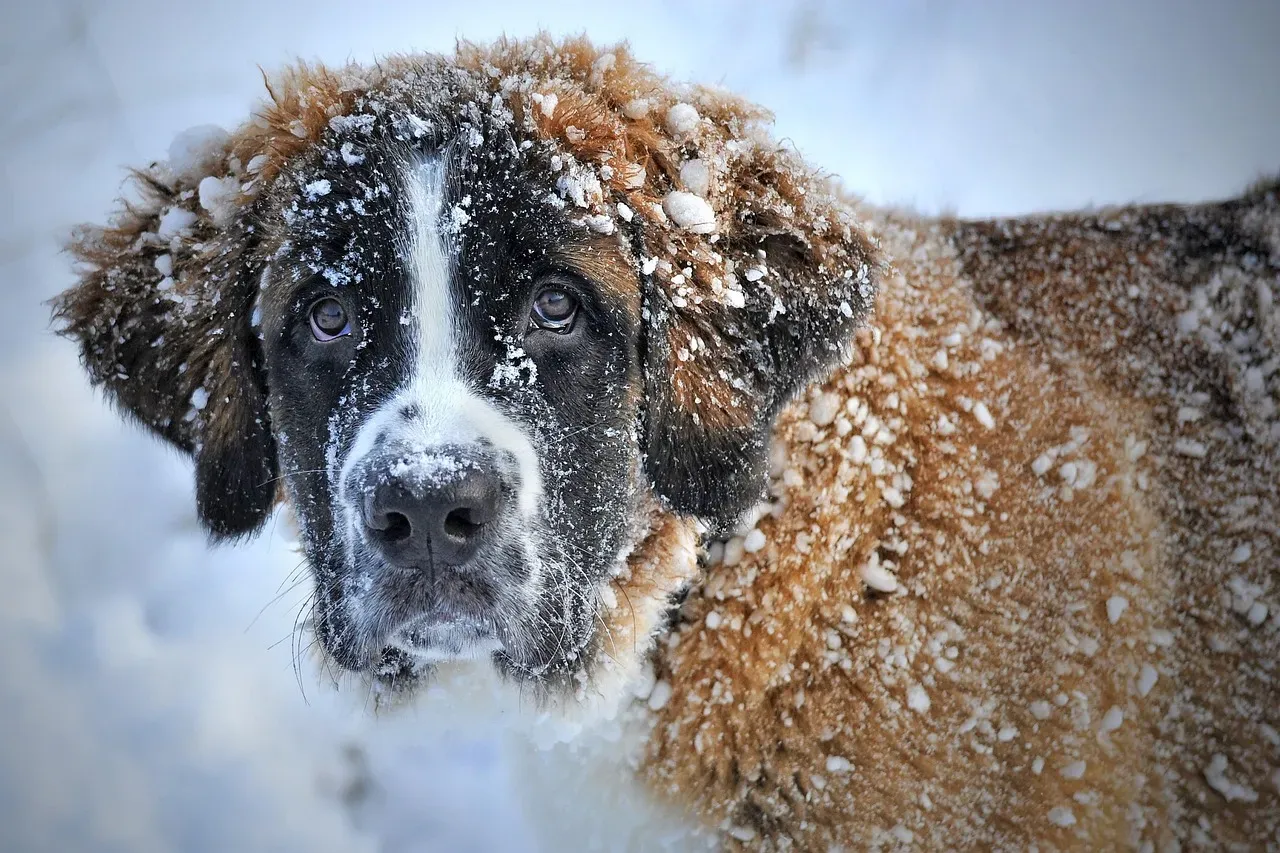
Michigan sits at a unique intersection of lake-effect weather systems and continental cold fronts, making its winters unpredictable and often extreme. Winter in Michigan can be harsh, which is why it’s so important for pet owners to understand how cold is too cold for taking their dogs outside. Being aware of the risks associated with cold weather, such as frostbite and hypothermia, can help ensure your dog’s safety and well-being.
Frostbite on dogs can develop when temperatures drop below freezing, but the risk increases significantly when temperatures fall below about 20°F, particularly during prolonged exposure. In Michigan, those temperatures are simply a Tuesday in January.
Wind is one of the biggest contributors to frostbite, with some wind conditions being able to make even mild conditions dangerous for pets. Strong winds can quickly strip away a dog’s body heat and make the effective temperature much colder than the actual air temperature. Factor in Michigan’s notorious lake winds, and the stakes get even higher.
Chihuahua: The Pocket-Sized Dog That Hates the Cold
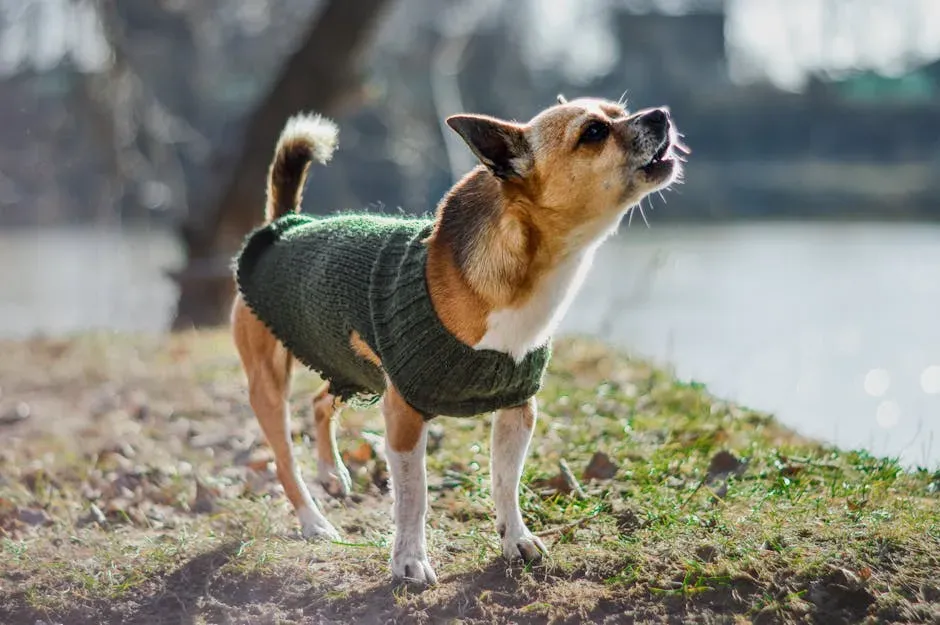
The itty bitty Chihuahua is one of the smallest dog breeds, weighing only four to six pounds, so it’s no surprise that these dogs can’t handle cold weather. They often shiver when cold and might need to wear a cute dog sweater, even when they’re inside. In fact, if you ever can’t find your Chihuahua, look under a blanket – they probably burrowed underneath for warmth.
Dog breeds who can’t handle winter, such as the Chihuahua and Italian Greyhound, are not only small but also lack the insulating fur that helps other breeds thrive in colder climates. These dogs are especially prone to hypothermia, which can lead to serious health risks if not addressed promptly. In Michigan, that risk is present for a solid four to five months of the year.
Watch for shivering that doesn’t stop even after coming indoors, reluctance to walk, or tucked posture on outdoor trips. Keep outdoor time to just a few minutes during the coldest stretches, and invest in a well-fitted dog sweater and booties. Small-breed dogs, senior pets, and pets with short coats are especially sensitive to cold and may benefit from being carried outside briefly for bathroom breaks to reduce exposure.
French Bulldog: When a Flat Face Meets Freezing Air
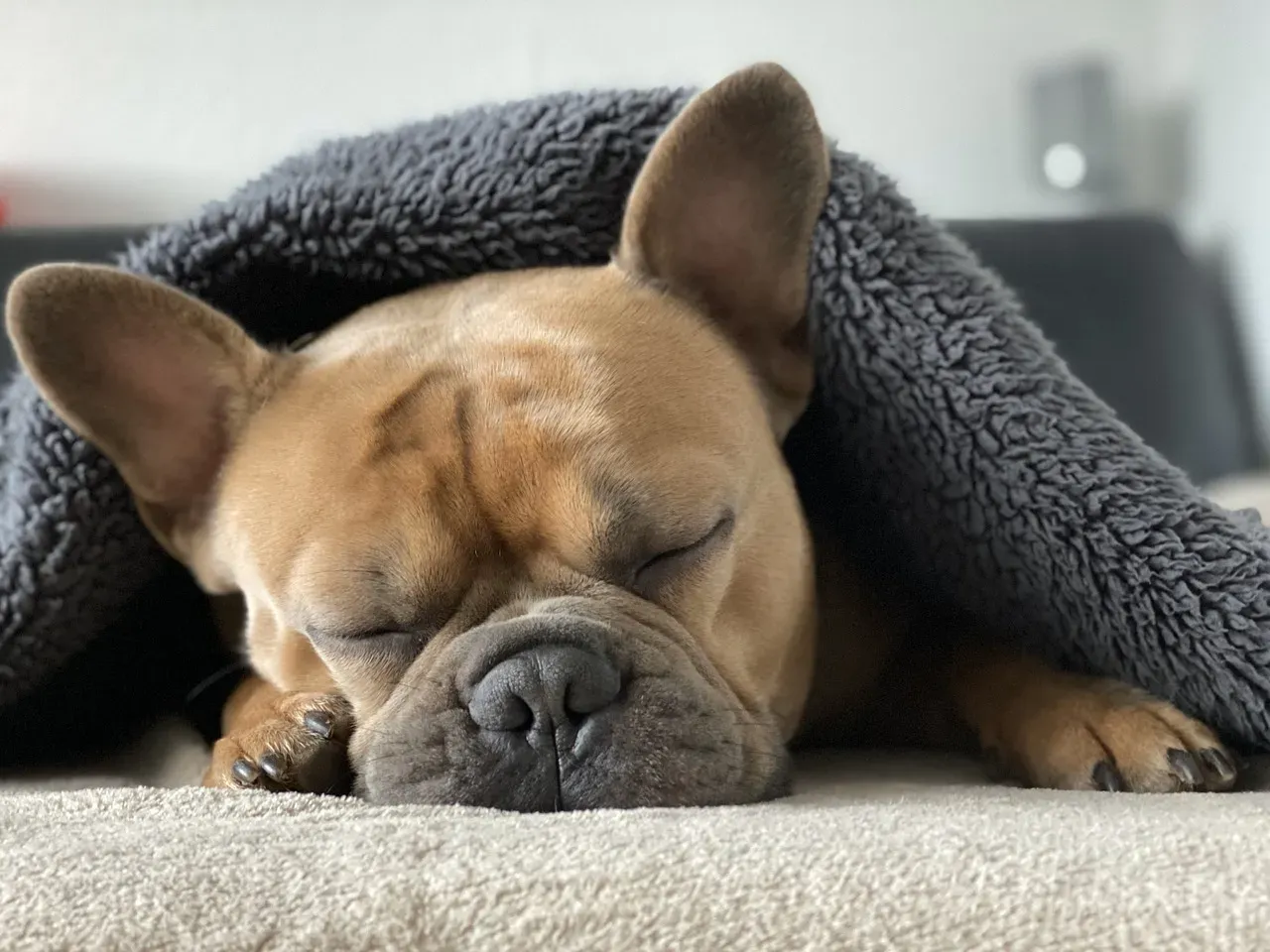
French Bulldogs have compact size and a short coat, which provides minimal insulation against the cold. French Bulldogs often have difficulty maintaining their body heat in chilly conditions. Add Michigan’s relentless wind chill to that equation and you have a recipe for real discomfort.
The bigger issue isn’t just the cold itself. Breeds like the French Bulldog and Pug not only have short coats but also possess a brachycephalic structure, which can make breathing more difficult in cold weather. Breathing in sharp, freezing air is noticeably harder for flat-faced breeds, and their bodies work overtime just to stay warm.
French Bulldogs have a harder time regulating their temperature during both extreme heat and cold. Their short coats offer minimal insulation, and their flat faces make cold air a challenge to breathe. They quickly become uncomfortable in winter weather and rely on warm layers and short outdoor periods. A cozy environment suits them much better than long walks in freezing temperatures.
Pug: Wrinkled, Lovable, and Winter-Averse
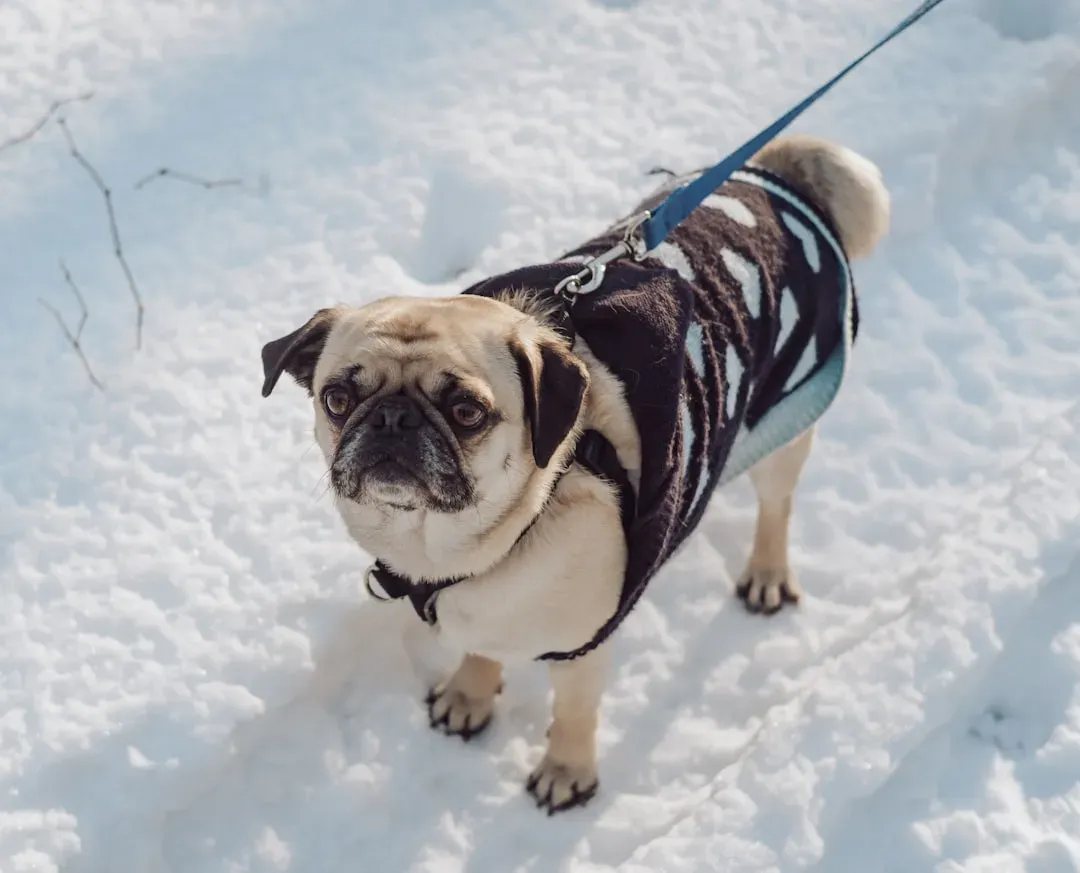
Pugs are one of the most easily recognizable dog breeds thanks to their super-squishy face and abundance of wrinkles. These cute traits also mean Pugs struggle in very cold and very hot temperatures. It’s a structural reality, not just a preference.
Pugs have short coats and flat faces that make cold air difficult to handle. They lose heat easily and often need extra protection during winter walks. Long periods in freezing temperatures can lead to breathing discomfort and shivering. They prefer staying inside where they can stay warm with blankets and indoor playtime rather than dealing with icy conditions.
The practical solution for Pug owners in Michigan is to keep outdoor excursions short, layer them up before stepping outside, and lean into indoor enrichment. Keep walks short in cold weather and use indoor games to keep your Pug active and healthy, instead of letting them turn into a couch potato.
Whippet: Built for Speed, Not for Snow
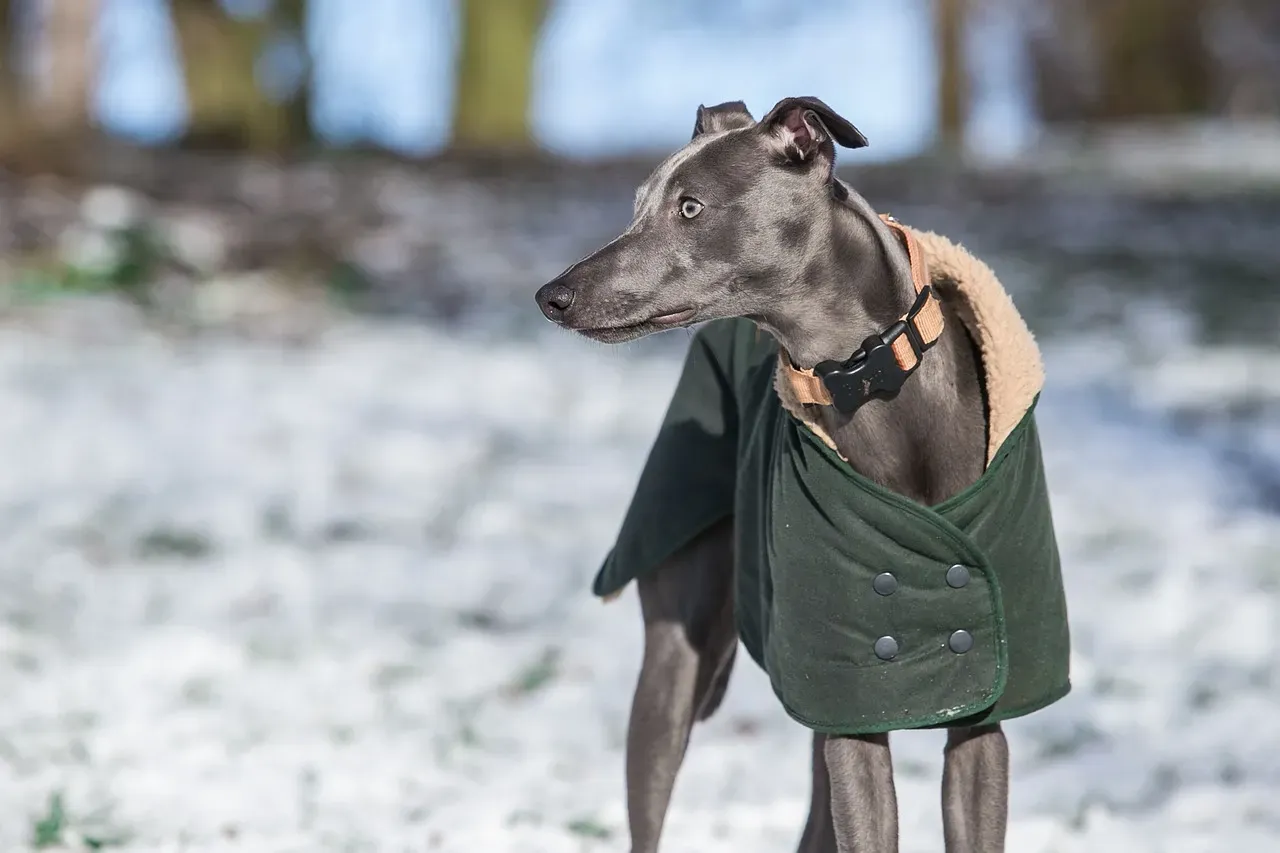
The Whippet shares many similarities with their Greyhound and Italian Greyhound relatives, so it’s no surprise that these dogs also dislike cold weather. These sleek sight hounds have a very thin coat and little body fat, making it easy for them to lose body heat when temperatures drop. A dog that weighs around thirty to forty pounds but carries almost no insulating fat is going to feel Michigan cold deeply and fast.
Whippets share many of the same cold-weather challenges as Greyhounds. Their slender bodies and minimal coats allow heat to escape quickly, making winter outings uncomfortable for them. They enjoy short bursts of activity but need to be brought inside as soon as they show signs of getting chilled. Indoors, they often burrow into blankets to stay warm.
If you have a Whippet in Michigan, a good quality, wind-resistant coat that wraps around the chest and belly is a non-negotiable. Watch for paw lifting, shivering, or a reluctance to move, as these are early warning signs that your dog is getting dangerously cold.
Dachshund: Short Legs, Big Problem in the Snow
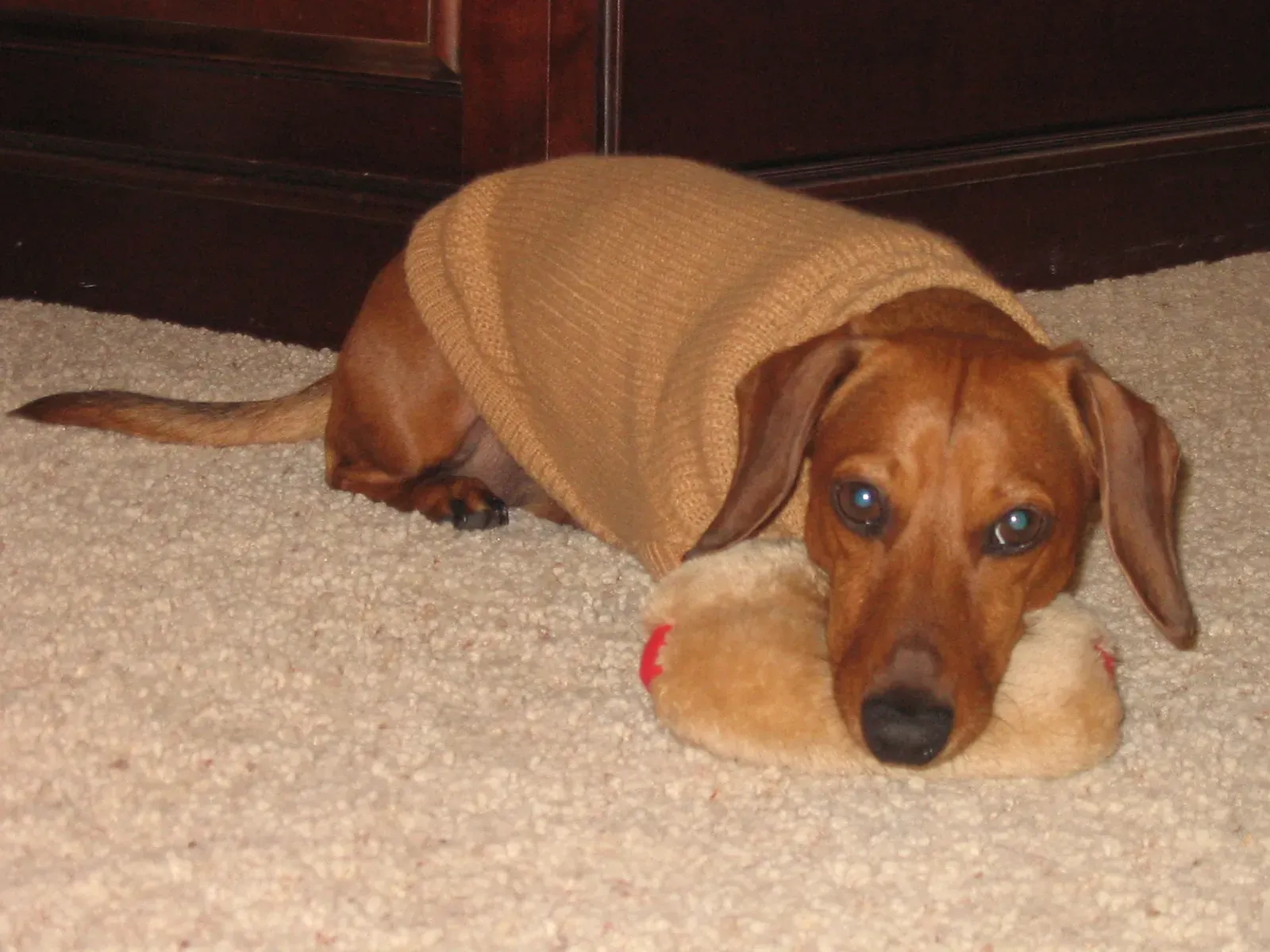
Dachshunds have a bold attitude that can disguise how easily they get cold. Their short legs put them close to the ground where they feel the chill quickly, especially when snow is involved. Their coats do not offer much warmth, so they rely on jackets and brief outdoor time during winter.
It’s a genuine anatomical challenge. Small dog breeds are closer to the ground, exposing their bellies and bodies to the cold surface or snow much more than longer-legged dogs. For a Dachshund, walking through even a light snowfall means their entire underside is dragging through ice and cold moisture.
A fitted dog coat that covers the belly, not just the back, is essential for Dachshunds in Michigan winters. While Dachshunds are spirited and playful, their short legs and minimal body fat can make them vulnerable to cold weather. Their long bodies, combined with short fur, leave them at a greater risk for feeling chilly during winter months.
Boxer: Energetic, Tough in Temperament, Vulnerable in the Cold
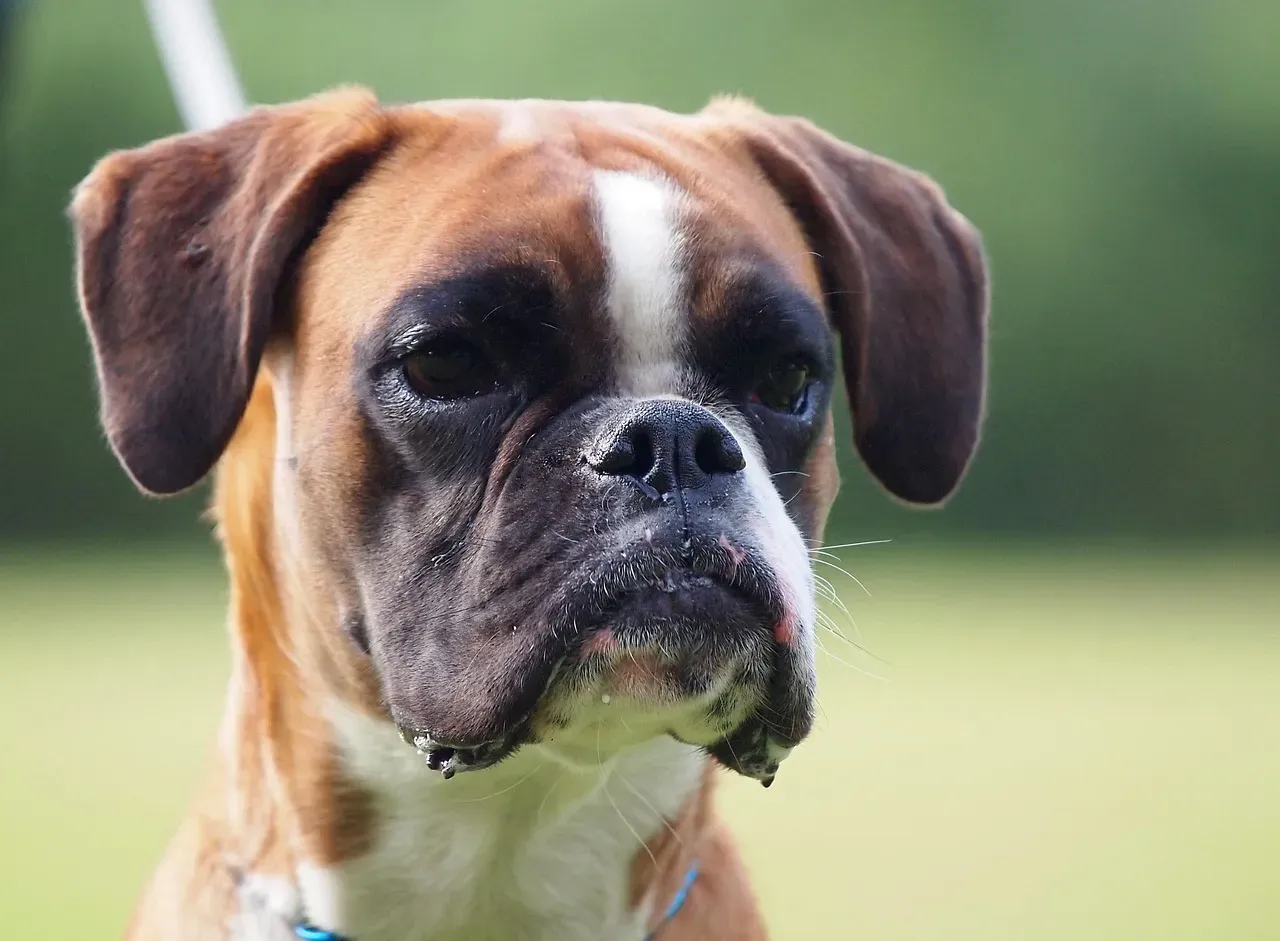
Boxers have short, smooth coats and muscular builds that offer little insulation. They feel the cold quickly and often shiver when temperatures drop. Long winter outings can be tough on them, and they rely on layers and limited outdoor time. This breed is happiest inside during winter where they can stay warm and avoid the discomfort of cold weather.
The tricky part with Boxers is their personality. They’re energetic, playful, and will often push through discomfort just to keep up with their owner. Because a Pittie will still have plenty of energy regardless of the weather report, invest in a good-quality dog coat for daily walks. The same logic applies to Boxers. Their enthusiasm is not an accurate measure of how cold they actually are.
Watch your Boxer for shivering during or after walks, and don’t let a wagging tail fool you into thinking they’re comfortable. A well-insulated coat and shortened outdoor sessions are the smartest approach for this breed through Michigan’s long winters.
Yorkshire Terrier: Silky Coat, Insufficient Insulation
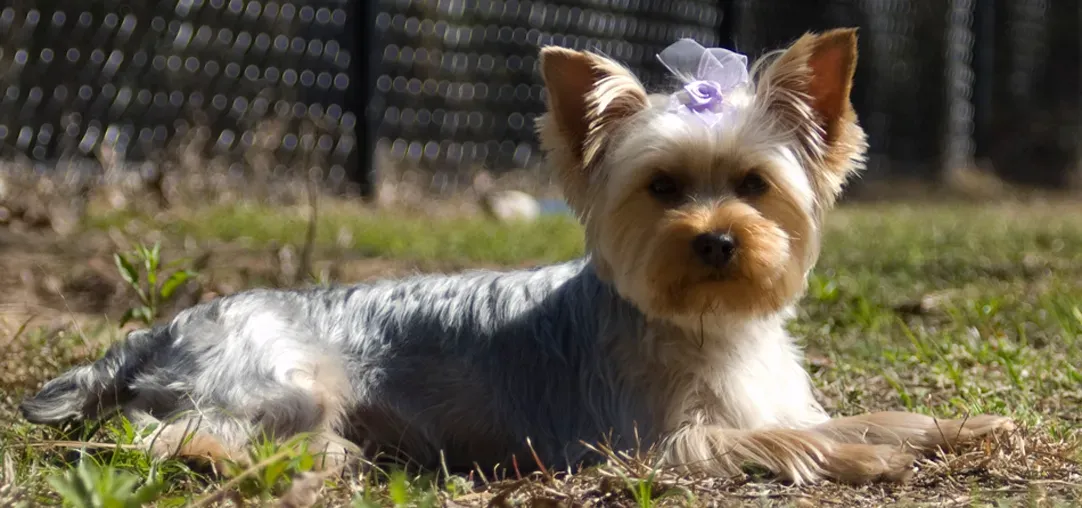
Yorkshire Terriers are small dogs with fine, long hair. While their coat may look fluffy, it does not offer adequate protection from harsh winter weather, making them particularly sensitive to cold temperatures. Many owners are surprised by this, assuming the length of the coat equals warmth. It doesn’t – it’s the density and layering that matter.
These families may already be aware that this breed struggles with the cold, as they only have a one-layer coat and a small frame. Like the other pups listed here, winter walks call for some extra protection. In Michigan, that protection needs to be substantial, not just decorative.
A Yorkie’s small body also loses heat faster simply because of physics. Smaller dogs lose body heat faster than larger dogs thanks to the ratio of their larger surface area to their volume. Bundle them up, limit outdoor time on bitter days, and make sure their sleeping area is warm and away from drafts.
Chinese Crested: The Most Cold-Vulnerable Dog You’ll Ever Meet
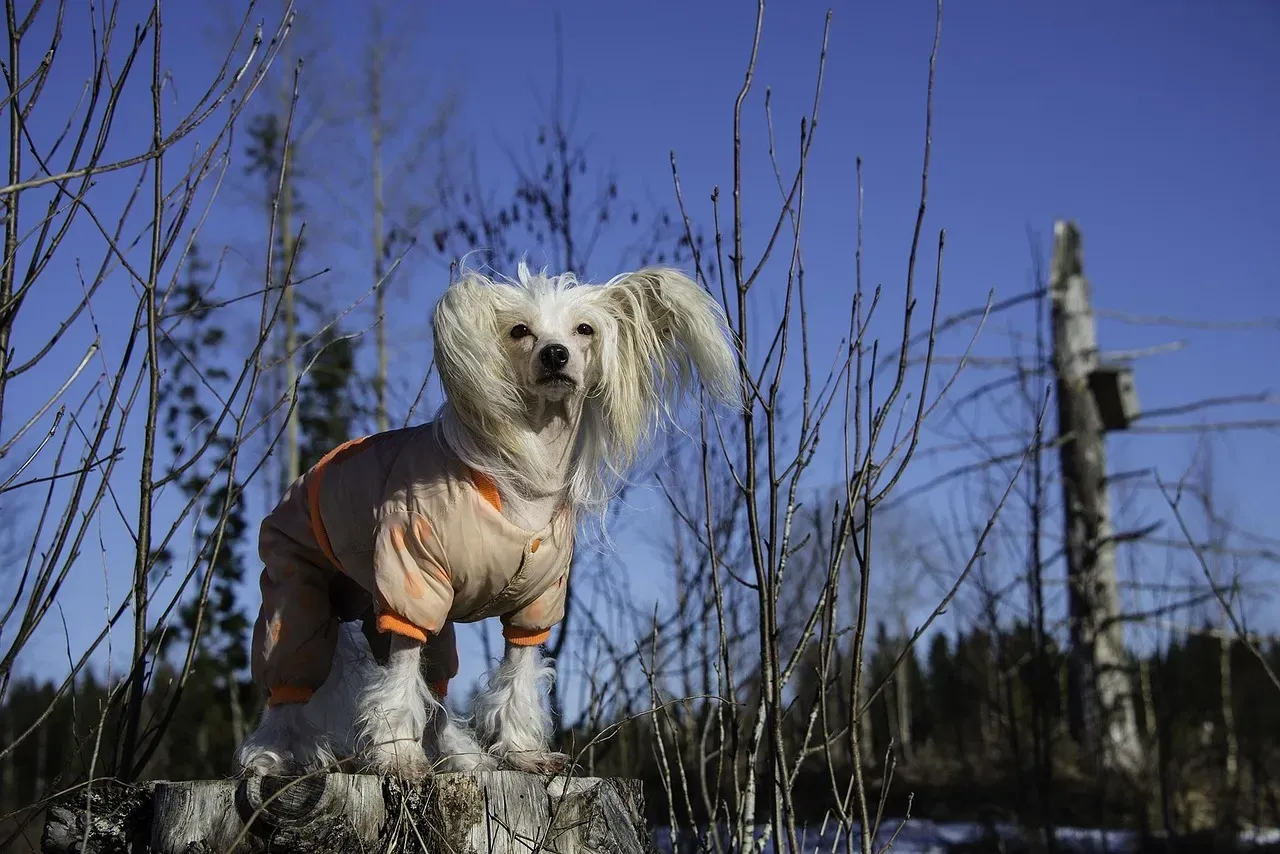
The Chinese Crested is a small, typically hairless dog, and the little fur they do have isn’t enough to keep them warm in winter. This is a breed that was never, in any way, intended for cold climates. Putting them outside in Michigan in January without serious protection is genuinely dangerous.
Chinese Cresteds struggle with cold weather more than most dogs. Their small bodies lose heat quickly, which makes cold weather difficult for them. They benefit from warm clothing and short outdoor trips during winter. Inside, they enjoy cozy blankets and heated spots, which keep them comfortable until the weather improves.
For Chinese Crested owners in Michigan, layering is essential. Think full body suit, booties, and a warm sweater – not as fashion, but as a genuine health measure. Outdoor time should be brief and carefully supervised. Shorter-coated dogs need a dog coat to protect them from the snow, wind and cold temperatures. For this breed, that’s an understatement.
Siberian Husky: The Ultimate Michigan Winter Dog
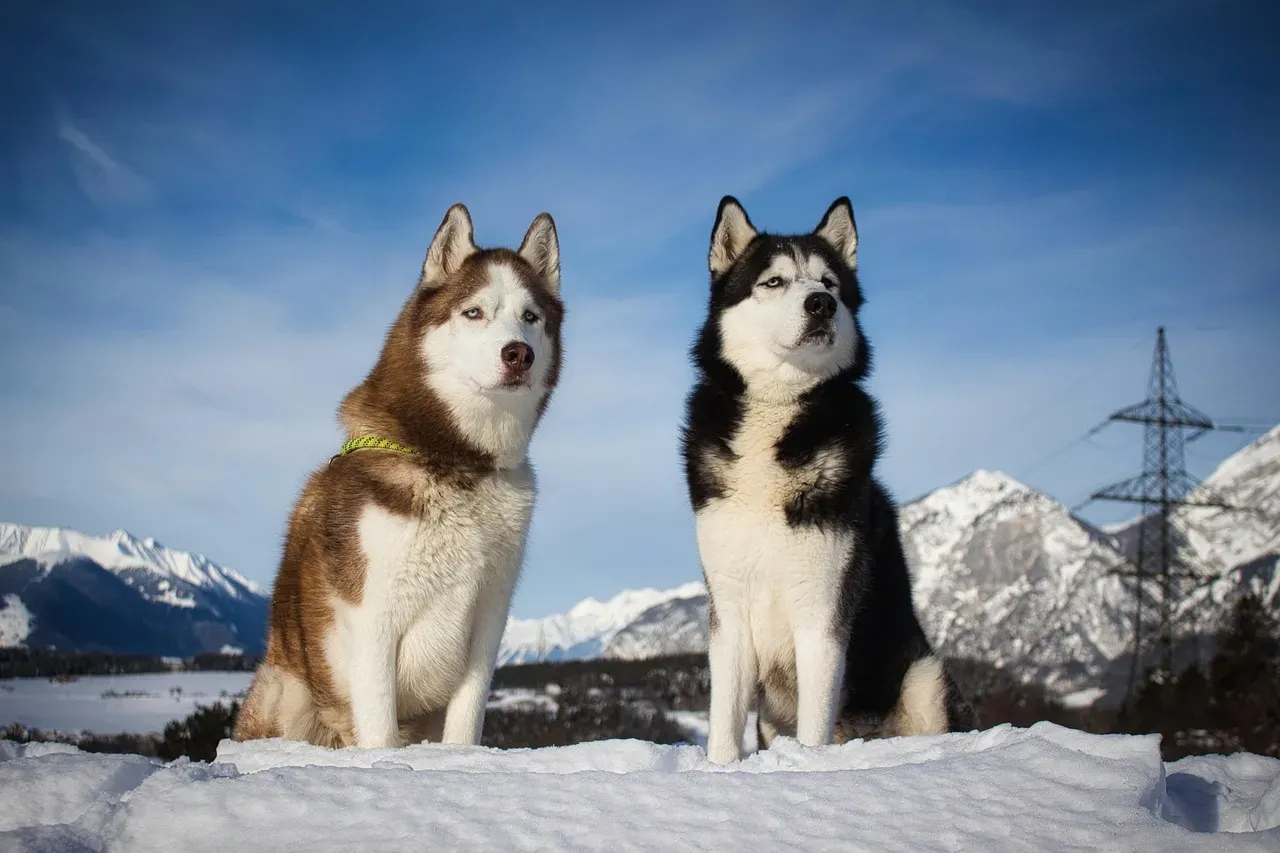
Siberian Huskies are what most people think of when they say snow dog breeds. Once bred by the Chukchi people in Siberia to pull sleds across frozen desolation, these dogs don’t just withstand cold – they prefer it. A Michigan winter is, for a Husky, not a hardship but a habitat.
The Husky originated in the cold climate of Northeast Asia and was also bred to be a sled dog. They have a thicker coat than most other dog breeds, made up of a dense cashmere-like undercoat and a longer, coarse top coat. That combination functions like a high-end layering system, managing both warmth and moisture with remarkable efficiency.
Dogs with thick double or triple-layer coats who are bred for the cold, such as huskies and Alaskan malamutes, can tolerate temperatures as low as 0°F for short periods of time. Even so, monitor them in truly extreme conditions and make sure they always have fresh water, since dehydration can sneak up in winter too.
Alaskan Malamute: Power, Fluff, and Pure Snow Love
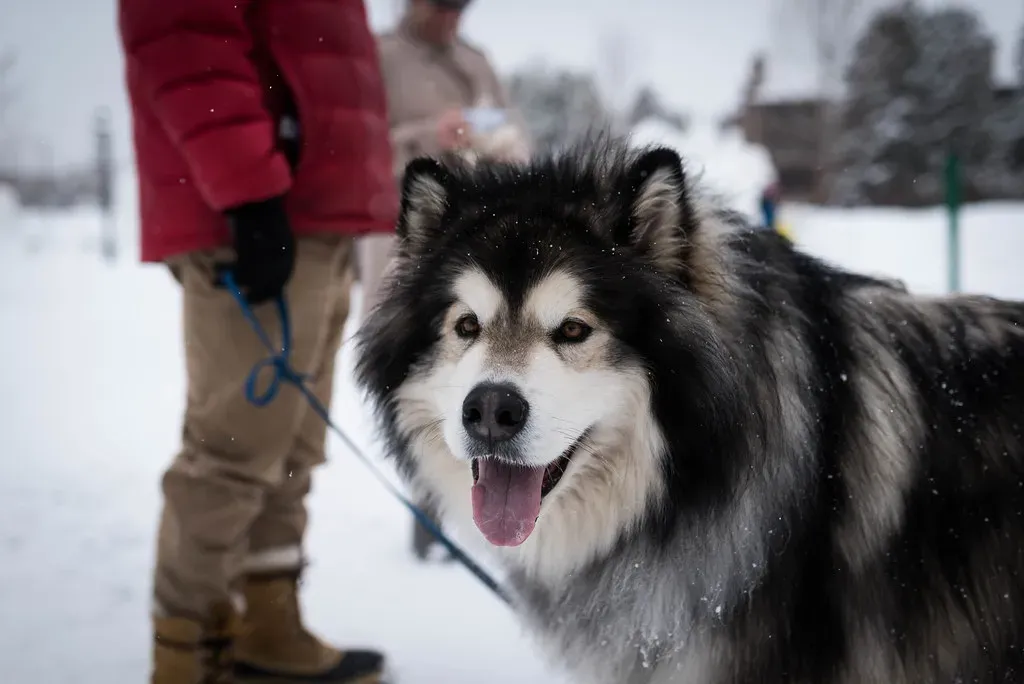
A cousin of the Husky, the Malamute once worked as a sled dog for Inuit tribes and played a big role during the Klondike Gold Rush by hauling sleds for miners. Their muscular build and thick double coat made them perfect for the job. These dogs are essentially winter athletes, and Michigan’s snowy terrain is their playground.
This playful cold-weather dog has a lot of energy and a genetic drive to do a job. Without regular winter exercise, Malamutes can become restless and destructive. The good news is that Michigan winters give them exactly what they need: space to run, snow to roll in, and cold air that energizes rather than exhausts them.
Keep in mind that even hardy cold-weather breeds have their limits. Just be sure to keep tabs on how your Malamute is doing during long outdoor romps in the cold. While they are bred for cold weather and love it, it is important that owners monitor them closely during extreme cold and prolonged exposure to salt and ice.
Bernese Mountain Dog: The Gentle Giant of Winter
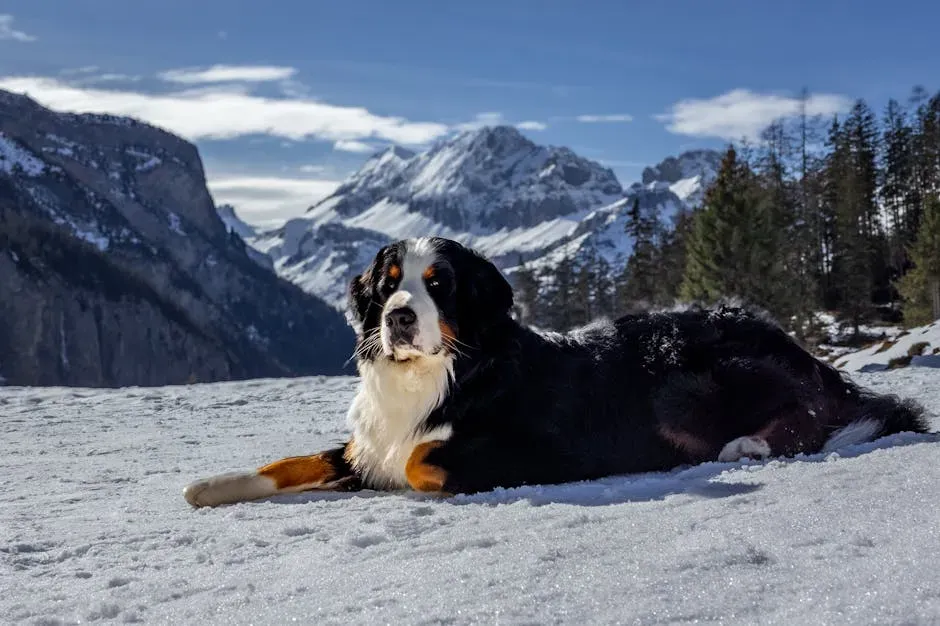
Originating in the Swiss Alps, the Bernese Mountain Dog worked alongside farmers to herd cattle, guard livestock, and haul dairy products through the hills and valleys of Bern. Generations of pulling carts and wagons in rugged, snowy terrain built their strength and resilience. Well-muscled and sturdy, Bernese Mountain Dogs have a thick, tricolor coat that insulates their body from snow and wind.
Bernese Mountain Dogs thrive in cold weather thanks to their brawny stature and silky brown-and-white coat. They love the outdoors and are always down for a hike or camping trip. Berners are friendly, affectionate dogs who are great with children and become deeply attached to their pet parents.
For Michigan families who enjoy snowshoeing, hiking, or simply long winter walks, a Berner is a dream companion. The Bernese Mountain Dog is a large breed that’s sturdy on their paws and is known to be able to carry heavy loads. While they don’t have a high need for exercise, they do have endurance – so they can keep you company on long, cold walks.
Saint Bernard: Snow Search and Rescue Legend
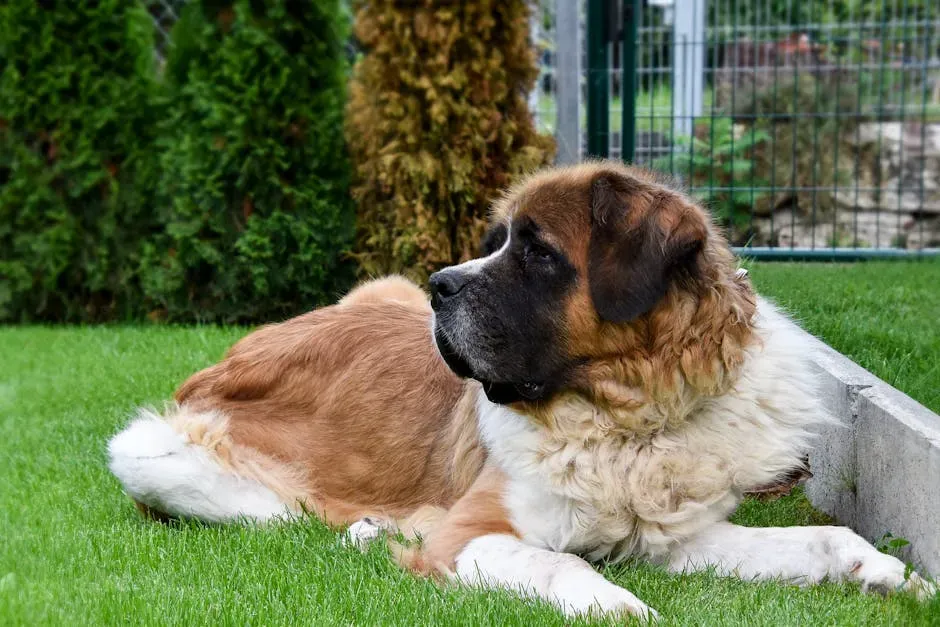
The Saint Bernard originated as a monastery dog in the mountains of Switzerland, serving as a companion and protector to monks. Their keen sense of smell and remarkable strength made them legendary snow search and rescue dogs, saving travelers stranded in the treacherous St. Bernard Pass between Italy and Switzerland. Massive and powerful, often weighing well over 100 pounds, Saint Bernards are gentle giants who enjoy winter weather.
Today’s Saint Bernards still have all that cold-weather capability built right in. They’re gentle giants who can weigh over 150 pounds and love kids. Unlike some of the more energetic winter dogs, Saints are pretty chill indoors. They’re happy to lounge around but still enjoy winter walks.
If you’re a Michigan dog owner who loves a quiet winter walk through the woods, a Saint Bernard is as fitting a companion as it gets. Just be ready for the drool. In cold weather, it freezes fast – which is as charming as it sounds.
Great Pyrenees: The Majestic Mountain Guardian
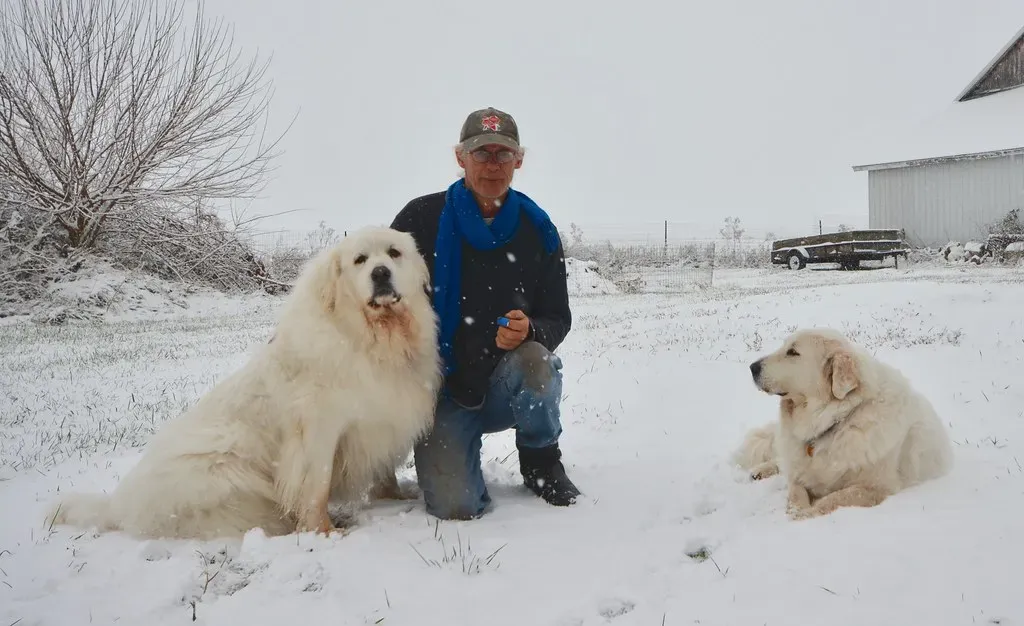
Also known as the Pyrenean Mountain Dog, the Great Pyrenees spent centuries guarding sheep in the Pyrenees Mountains between France and Spain. Bred to defend the flock against wolves and bears, they needed size, strength, and stamina to withstand cold nights outdoors. Their impressive build, often exceeding 100 pounds, earned them the French nickname “Le Grand Chien des Montagnes,” or “the big dog of the mountains.”
The Great Pyrenees is a majestic snow-loving dog breed that hails from the Pyrenees Mountains between France and Spain. With a thick double coat, these cold-weather dogs stay warm and cozy while romping through snow-covered landscapes, making them perfect companions for winter adventures. Originally bred to protect sheep from wolves and other predators, Great Pyrenees are natural guard dogs.
They’re calm, patient, and perfectly at ease in Michigan’s worst weather. Great Pyrenees are gentle and calm dogs that have a reputation for being great with kids. Their thick white coat also means they blend beautifully into a snowy Michigan landscape, which is either enchanting or alarming depending on how well you can see them in a blizzard.
How to Keep Cold-Sensitive Dogs Safe All Winter
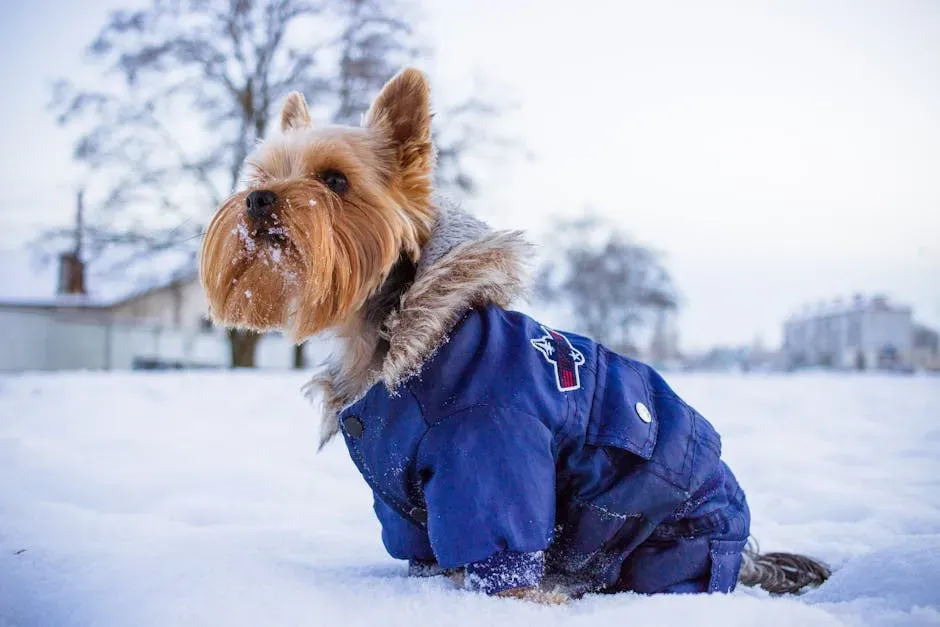
Knowing your dog’s breed limitations is step one. Acting on that knowledge every single day of winter is step two. When temperatures fall between 10°F and 20°F, the risk increases significantly. Short-haired breeds or those with low body fat should not be outside for extended periods. Consider using dog jackets and booties for added protection.
Signs of frostbite may not be obvious at first and may not show for several days when it comes to pets. Signs of frostbite include a white, waxy, or pale appearance to extremities such as toes, nose, ears, and tail; skin that is cold and numb with loss of feeling; and sloughing or shedding of skin. Pets can easily get frostbite on their ears, tail, and paws.
Symptoms which should prompt an owner to take a dog to a warmer location include shivering, reluctance to walk, turning to return home, whining, trouble walking, lifting paws frequently, and even falling over. If any of these appear, don’t wait. Get your dog inside immediately and consult your vet if symptoms persist.
Conclusion: Know Your Dog, Know Your Winter
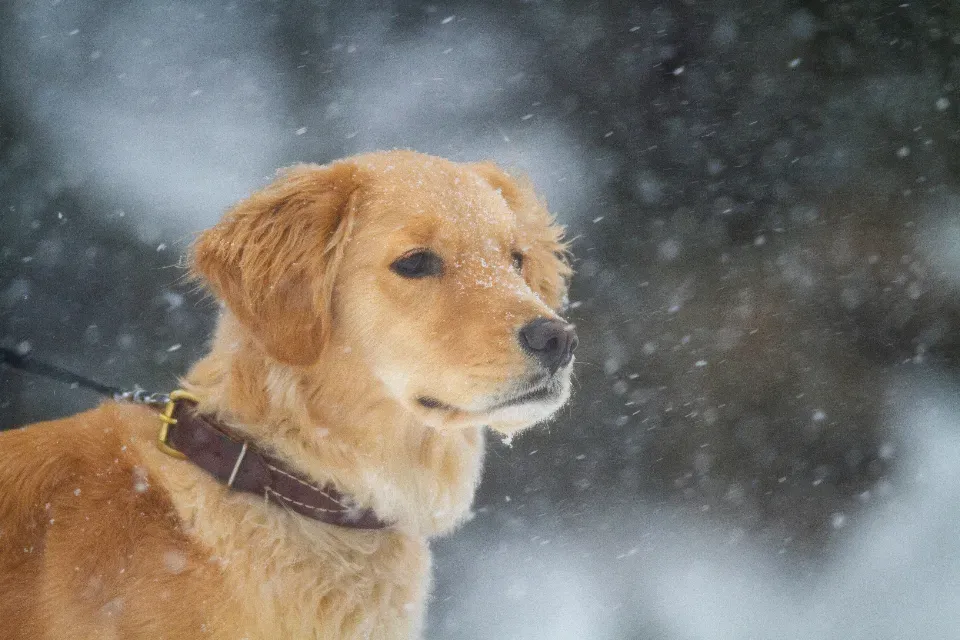
Michigan winters are not going to soften for our dogs. The lake-effect snow will keep falling, the wind chills will keep dropping, and our pups will keep looking up at us from the doorstep with that eternal question in their eyes: “Do we really have to go out there?”
For Huskies and Bernese Mountain Dogs, the answer is a joyful yes. For Chihuahuas and French Bulldogs, it’s a careful, brief, fully-layered maybe. Even if your dog’s breed is one initially developed to work in cold temperatures, your dog’s individual experience will also influence their ability to tolerate cold temperatures. If your dog isn’t used to being outside in cold weather, cold weather exposure should be limited, supervised, and introduced gradually for any dog.
The most important thing you can do as a dog owner this winter is pay attention. Watch your dog’s body, not the calendar. Cold tolerance is deeply personal, even within breeds. Regardless of what breed of dog you have, always make sure to keep your dog warm in winter, and know when to take a break from the cold. That’s not overprotective – that’s just love with good information behind it.


