
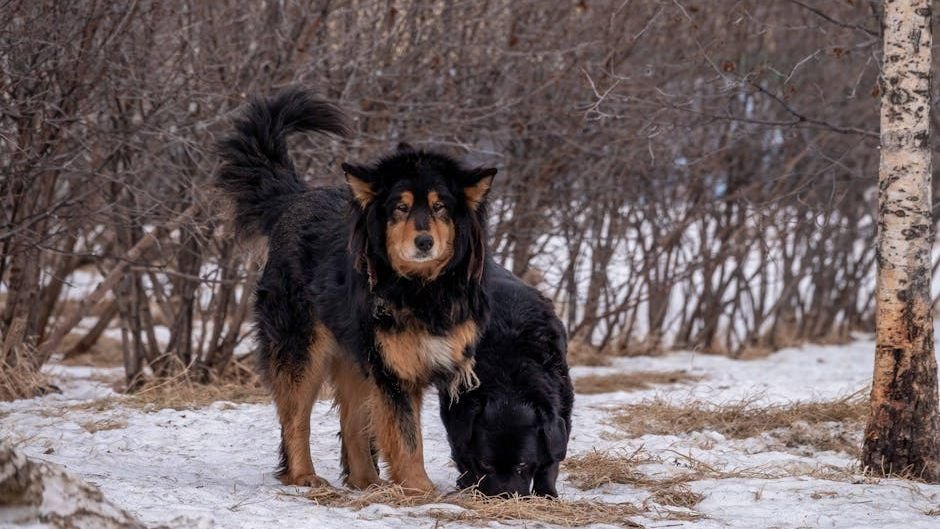
Picture this: it’s January in Fairbanks, Alaska. The temperature is sitting at minus 30 degrees Fahrenheit. The ground is buried under several feet of snow, and the wind has a bite that cuts straight through even the thickest winter gear. Now imagine your dog bounding through that snowfield like it’s the best day of their life, tail up, nose down, absolutely thriving.
That’s the reality for certain dog breeds. Not because they’re tougher or braver, but because centuries of selective breeding shaped them specifically for these conditions. Dog breeds that originated in cold, snowy, mountainous regions developed traits over centuries to help them withstand these harsh climates, including thick insulating double coats, strong muscles, and impressive stamina that allowed them to work and thrive in frigid conditions. On the flip side, some dogs are genuinely not equipped for Alaskan winters, and pushing them into one can be dangerous. Knowing which category your dog falls into isn’t just interesting trivia. It’s essential care.
1. Alaskan Malamute: Born for the Last Frontier
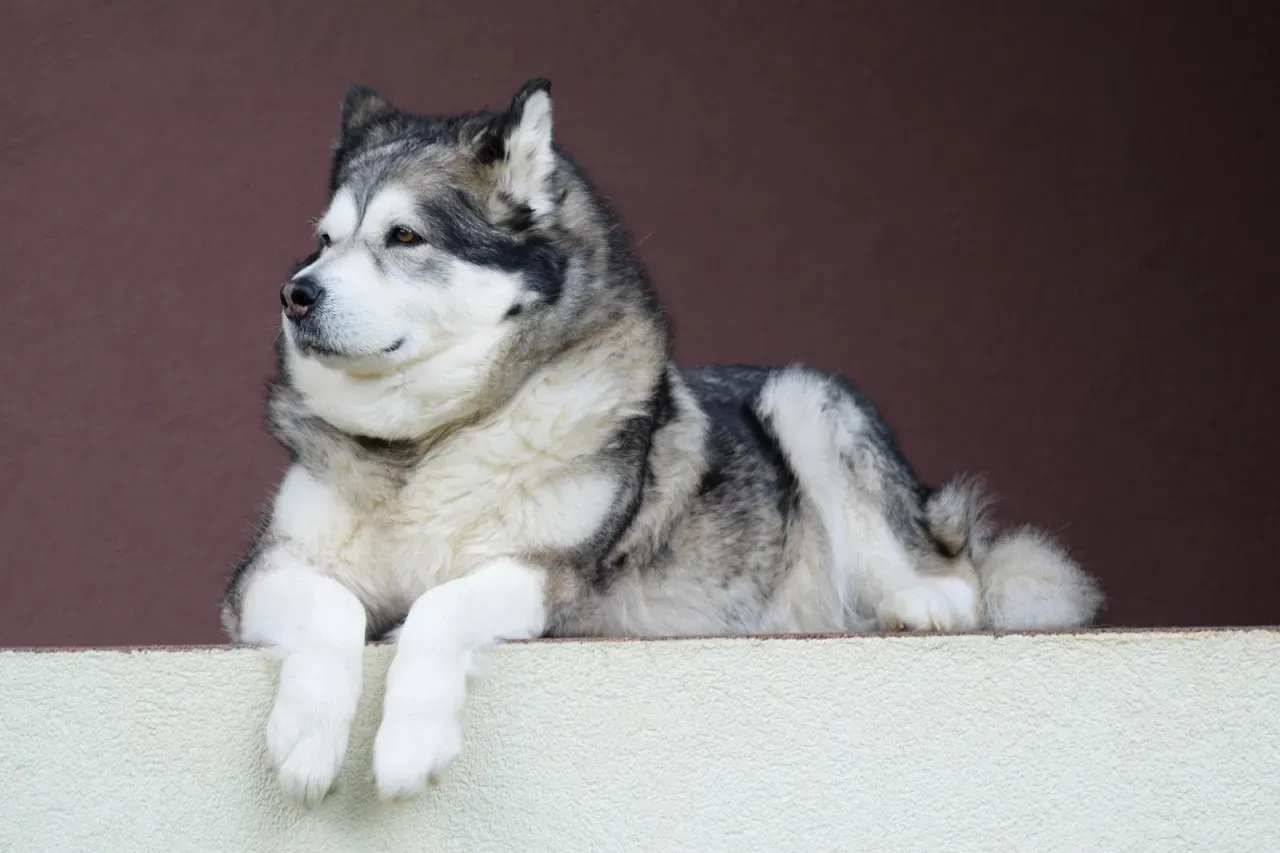
There’s no breed more at home in Alaska than the Alaskan Malamute. Bred by the Malamuit people of northwest Alaska, the Alaskan Malamute is one of the most iconic Alaskan dog breeds and a powerhouse among sled dogs, essential to the Malamuits for hauling heavy loads, freighting supplies, and providing reliable transportation across frozen terrain. This is a dog whose entire evolutionary purpose was shaped by the Alaskan landscape itself.
If you’re seeking a breed capable of facing the harshest cold temperatures while combining power, endurance, and unwavering loyalty, the Alaskan Malamute stands in a league of its own, with a thick double coat that acts like a natural thermal blanket, insulating them against snow, wind, and icy trails. The Alaskan Malamute, sometimes called the “Clydesdale of the Great White North,” has broad, bear-like paws that can grip ice, distribute the dog’s weight across a greater surface area, and keep the dog’s feet from sinking into the snow. As a care note, these dogs need serious daily exercise. Without it, they can become restless and destructive indoors.
2. Siberian Husky: The Quintessential Snow Dog
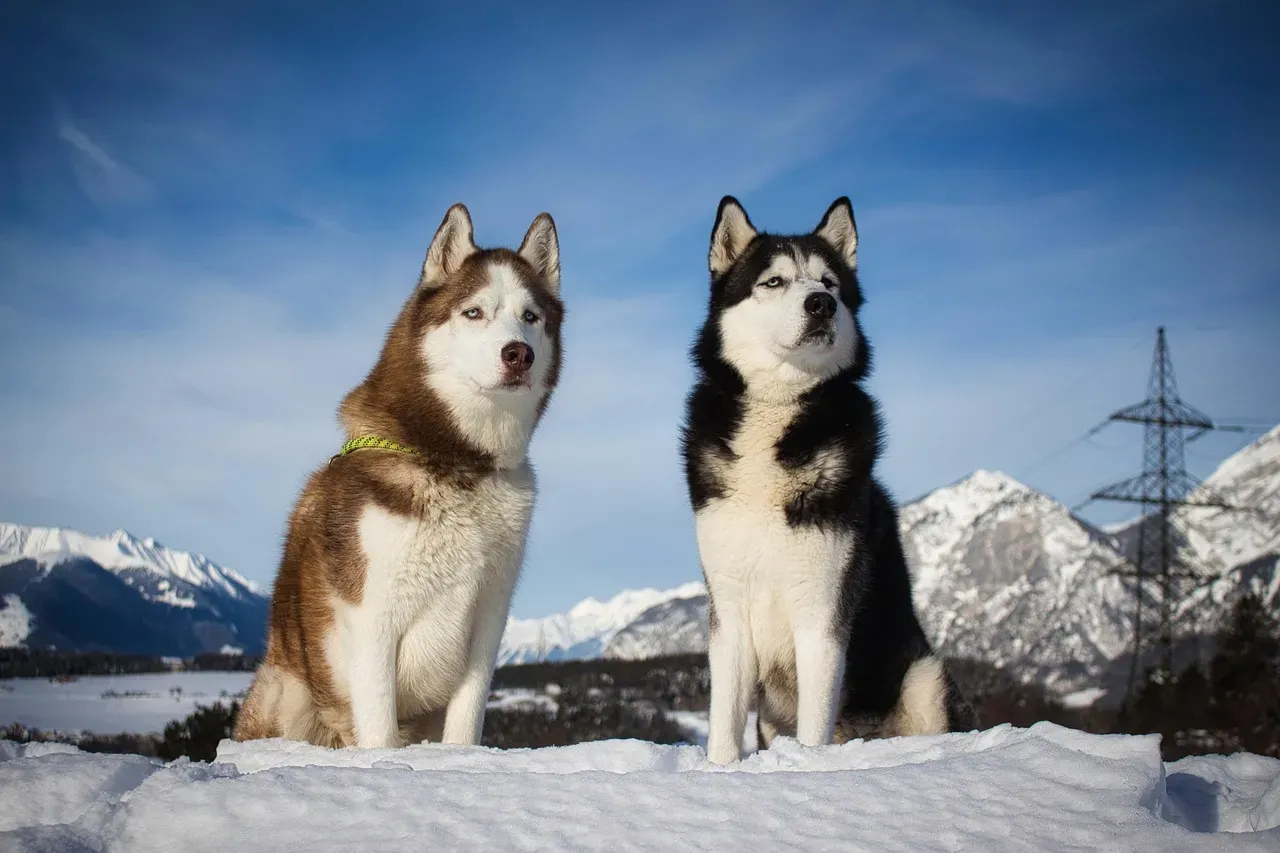
The Siberian Husky is the quintessential snow dog. Though some may think they’re an American breed, they actually originated in northeast Asia, where they worked as sled dogs for the Chukchi people, hauling supplies and transporting people across frozen tundra. To endure intense winters, these Arctic dogs relied on their thick double coat and natural stamina. In 1925, Huskies famously helped relay life-saving serum across more than 600 miles to Nome, Alaska, a feat that cemented their place in polar history.
Huskies are spirited, highly social, and endlessly curious, thriving not only in the wild but also alongside families who can match their high energy. Their dense fur comes with a cost, though: expect heavy shedding, especially during seasonal blowouts in spring and fall, which means brushing isn’t optional. These dogs are happiest when active, whether running through snowfields, hiking rugged trails, or exploring frozen landscapes, and they require both mental and physical stimulation to stay content. Boredom and confinement are their real enemies, not the cold.
3. Samoyed: The Smiling Arctic Companion
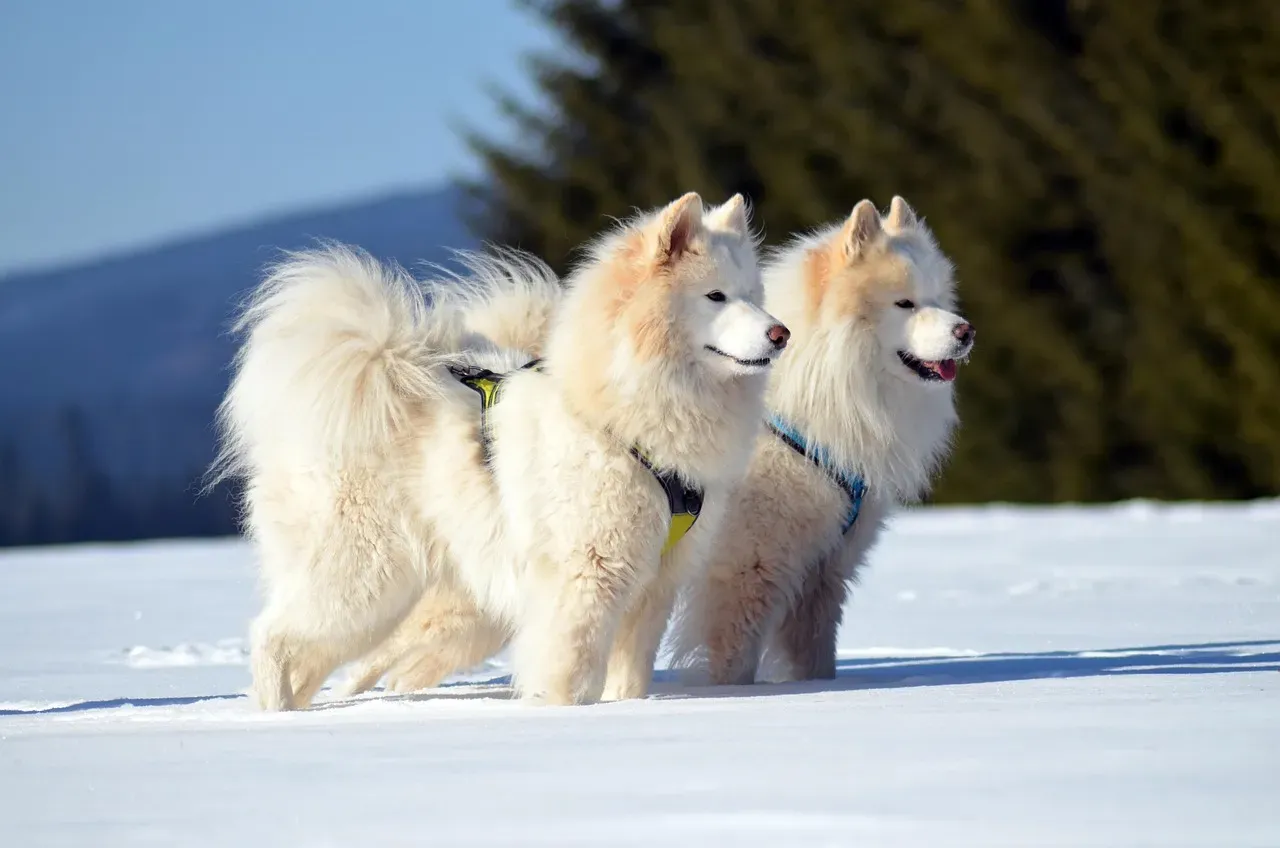
Samoyeds are the ultimate cold-weather companions, beautiful, hardy, and built for life in some of the planet’s most extreme climates. Originally bred in Siberia for sledding, herding, and hunting in subzero temperatures, these “smiling” dogs were made to work tirelessly in conditions where most breeds would struggle. Their thick double weather-resistant coat, with a harsh outer layer and soft, woolly undercoat, insulates them against wind, snow, and temperatures as low as minus 60 degrees, making them perfectly suited for Arctic adventures.
The Samoyed’s smile is not just for looks: the upturned mouth actually helps keep icicles from forming on a Samoyed’s face. That’s a genuinely remarkable piece of natural engineering. They are playful and social, which makes snowy days feel like a celebration to them. Samoyeds require consistent grooming, because their beautiful coat can tangle and mat if it is not cared for properly. Plan for regular brushing sessions, especially after outdoor snow adventures.
4. Norwegian Elkhound: A Viking Dog That Still Delivers
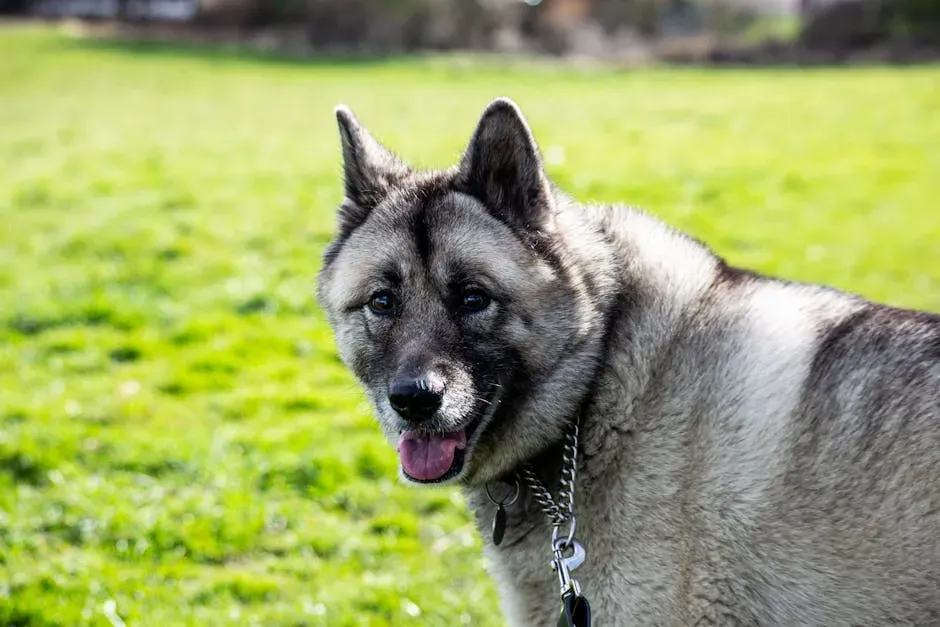
Records indicate the Norwegian Elkhound could have emerged as early as 5,000 B.C. Archaeologists have found skeletons resembling the Norwegian Elkhound in the same sites where they have found Viking remains and weapons, which would make them one of the oldest dog breeds in the world. The Norwegian Elkhound was historically used for hunting big game such as moose and bears. The Vikings bred only the dogs that were the best hunters and could withstand the harsh conditions and rugged terrain of the region, resulting in a dog that is compact and muscular with impressive stamina.
Norwegian Elkhounds are compact, strong dogs built for cold conditions and outdoor endurance. They have a thick coat and a bold personality that thrives during cool-weather activities. Elkhounds tend to enjoy hiking, exploring, and playing in winter environments where they can move freely and use their senses. They are also vocal and alert, so training and mental stimulation help keep them balanced and polite at home. One thing to keep in mind: they can have a lingering prey drive and may chase after smaller animals, so introductions to cats must be done with care, and pet parents should keep their Elkhound on a leash or within a fence when outside.
5. Saint Bernard: The Gentle Giant of the Snow
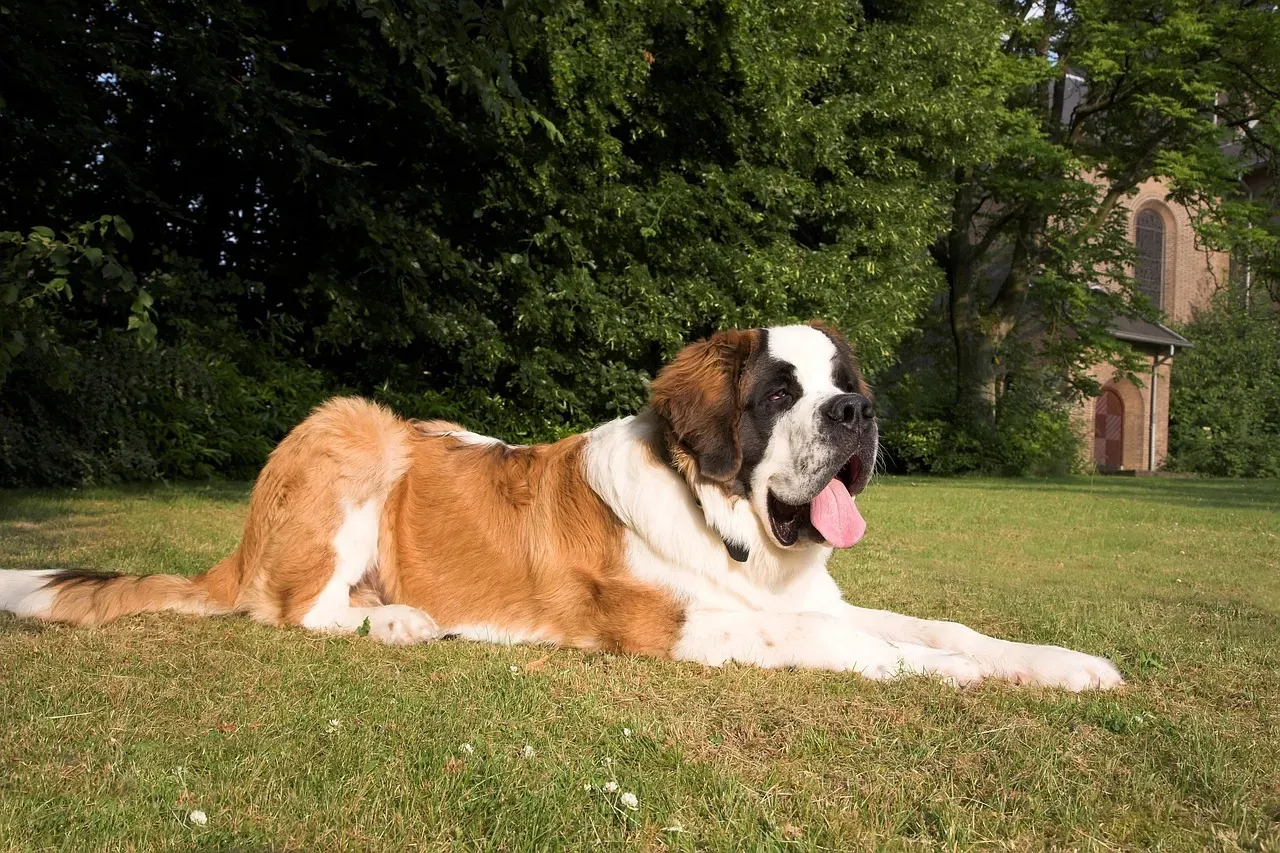
The Saint Bernard originated in a monastery located at the Great St. Bernard Pass, sitting at 8,000 feet above sea level in the Western Alps. Severe winter weather and deep snows made this a particularly treacherous area, and monks bred these cold-weather dogs to help find travelers who had gotten lost or been buried under avalanches. These dogs are reported to have saved approximately 2,000 people during a period of 200 years.
Their dense, weather-resistant coat shields them from freezing temperatures, while their strength and endurance allow them to navigate deep snow and treacherous mountain terrain with ease. Though still occasionally called upon for avalanche rescue missions, Saint Bernards have earned a place in homes worldwide as gentle giants, known for their calm, friendly temperament, which balances their heroic capabilities with an affectionate, patient nature. Despite their imposing size, they thrive on social interaction and moderate exercise. Joint health is a key concern as they age, so monitor for signs of stiffness after cold-weather outings.
6. Tibetan Mastiff: The Ancient High-Altitude Guardian
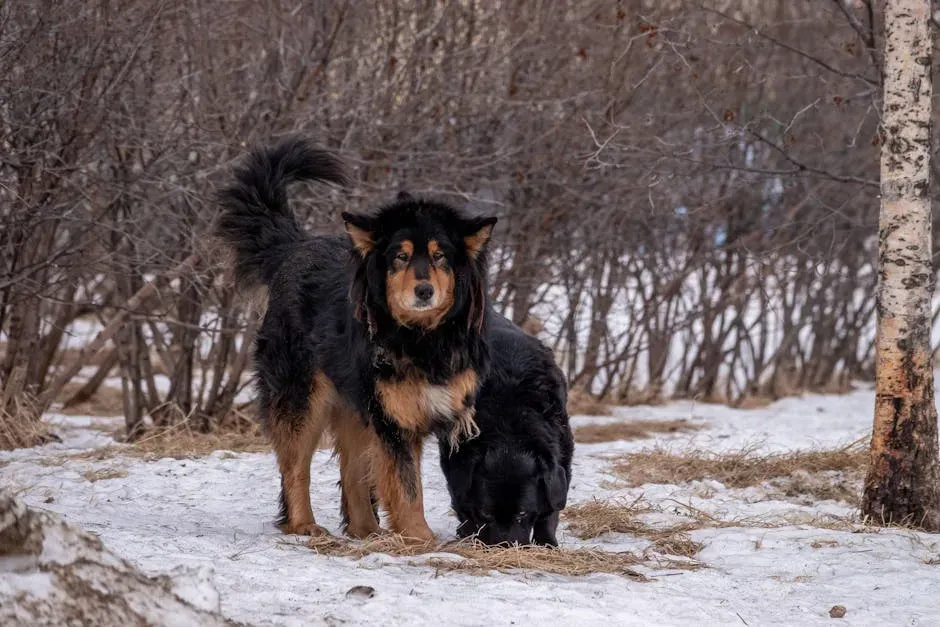
The Tibetan Mastiff is an ancient breed that spent thousands of years guarding homes and temples in Tibet, a region high in the Himalayas. Bred by nomadic peoples to withstand extreme altitudes and subzero temperatures, Tibetan Mastiffs developed a dense coat, imposing size, and protective nature. Independent but loyal, Tibetan Mastiffs prefer purposeful activity over casual play. Their thick coat is genuinely extraordinary, layered and dense enough that they have historically slept outdoors in Himalayan winters without distress.
Tibetan Mastiffs have an impressive coat and a rugged build designed for cold, high-altitude environments. They often handle winter temperatures comfortably and may prefer cool nights and crisp mornings. Their temperament is independent and protective, which can make them better suited for experienced owners who appreciate a more serious personality. Grooming is essential, especially during seasonal shedding when their thick coat can release dramatic amounts of fur. First-time dog owners may find their independent streak a challenge, so early, consistent training is worth prioritizing.
7. Great Pyrenees: Patient, Powerful, and Winter-Ready
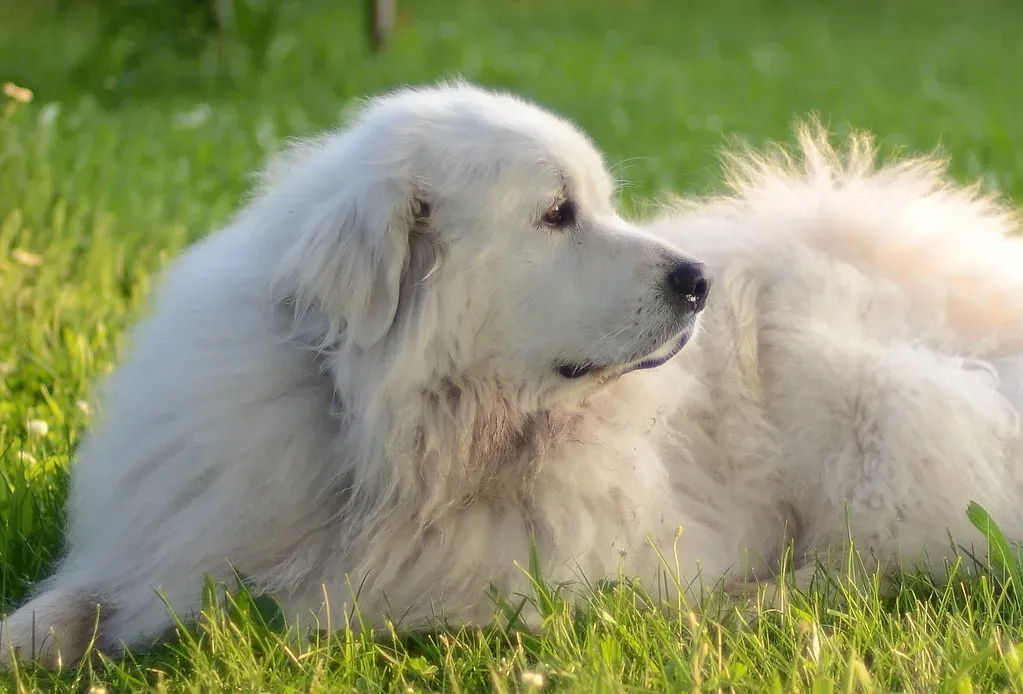
These gentle giants were bred to handle the cold and snowy conditions of France’s Pyrenees Mountains, originally serving as livestock guards in the mountainous regions between Spain and France. Great Pyrenees are large with double coats that are usually white with various colored markings, and they have strong, muscular builds. These patient dogs are affectionate with their families but often aloof with strangers.
The Great Pyrenees is a large working dog from the Pyrenees mountains between Spain and France. Though not of Arctic origin, this dog is built to navigate snowy terrain, where they historically guarded livestock from predators. Great Pyrenees are gentle and calm dogs that have a reputation for being great with kids. They tend to be nocturnal guardians by nature, so be prepared for some nighttime alertness, a trait that makes total sense when you consider their heritage of watching over flocks through the mountain night.
8. Bernese Mountain Dog: The Family-Friendly Snow Dog
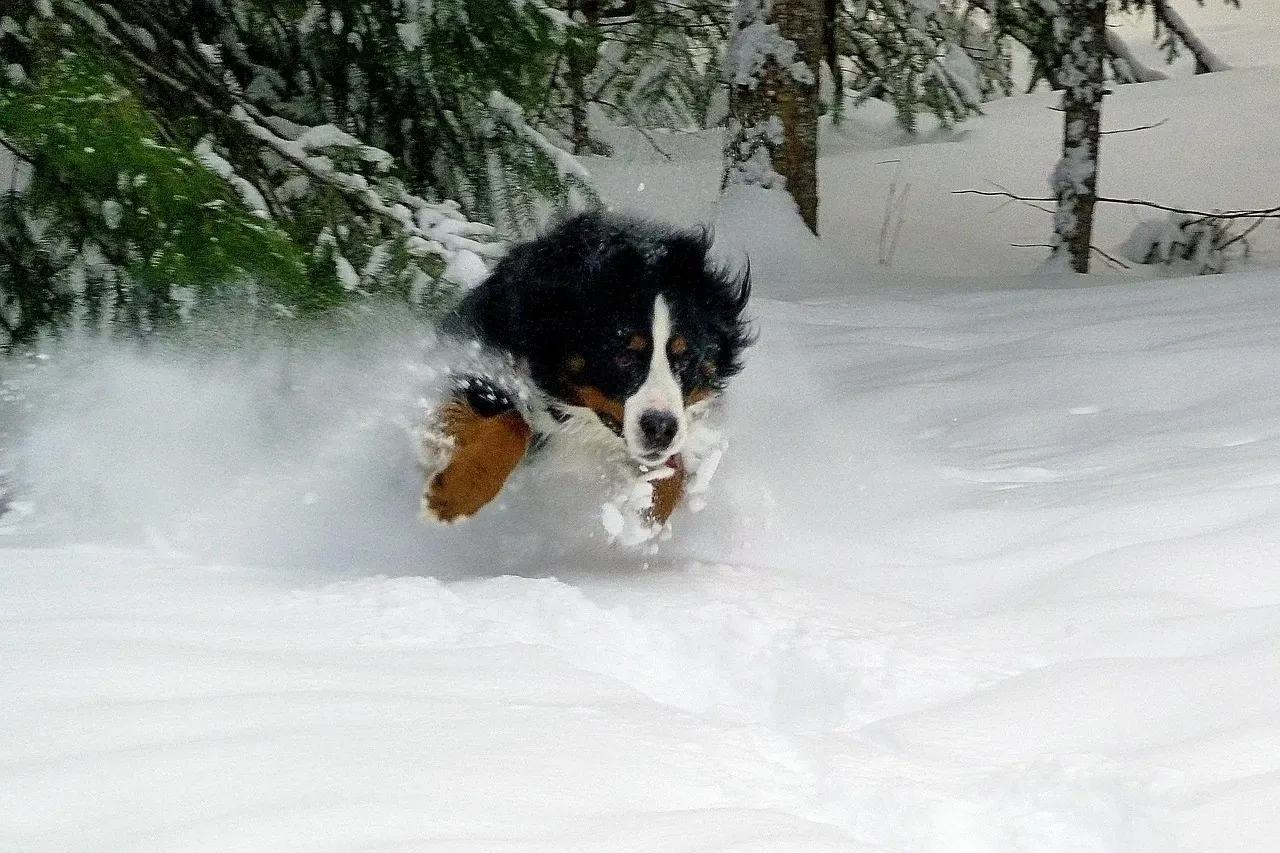
Originating in the Swiss Alps, the Bernese Mountain Dog worked alongside farmers to herd cattle, guard livestock, and haul dairy products through the hills and valleys of Bern. Generations of pulling carts and wagons in rugged, snowy terrain built their strength and resilience, making them not only a classic mountain dog breed, but also true cold-weather dogs. Well-muscled and sturdy, Bernese Mountain Dogs have a thick, tricolor coat that insulates their body from snow and wind.
Berners are known for their loyalty, patience, and strength. They’re excellent with children and make fantastic family pets for those who enjoy the outdoors. Due to their long, dense coat, Bernese Mountain Dogs require regular grooming to prevent matting, and brushing with the occasional bath can keep their fur healthy. This breed may also benefit from joint-supporting supplements as they age, as large breeds are prone to hip and joint issues. Watch for early signs of stiffness after cold play sessions, especially in senior Berners.
9. Newfoundland: The Cold-Water, Cold-Weather Powerhouse
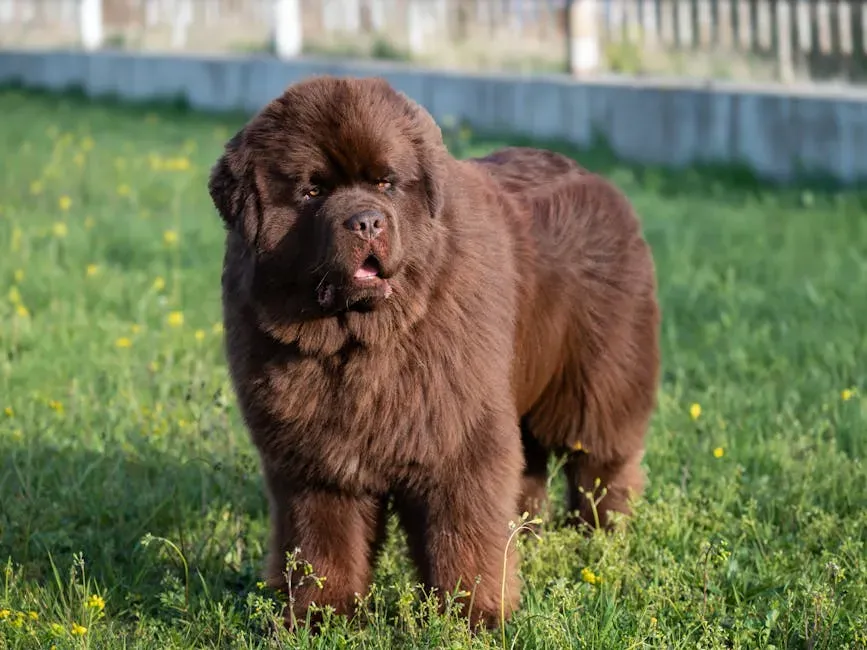
Native to the Canadian province of Newfoundland and Labrador, these large and strong working dogs are known for their sweet personalities and loyalty. Newfoundland dogs were originally bred as working dogs, used to help fishermen with tasks like pulling in nets and rescuing people who had fallen overboard. Newfoundlands are excellent swimmers, thanks to their webbed feet and thick water-resistant coat. That water-resistance is the key detail here: it means their coat repels cold moisture rather than absorbing it, which is critical in Alaska’s wet, heavy snow conditions.
This massive breed possesses a double coat that is water-resistant, and they also have partially webbed feet. Today, Newfies are often used as water-rescue dogs, as they are strong enough to save a human from drowning. They are well-known for their gentle nature and patience with children, making them ideal family pets. Given their thick coat, regular brushing throughout winter is essential to prevent matting and keep their natural insulation working at full capacity.
10. Akita: Japan’s “Snow Country Dog”
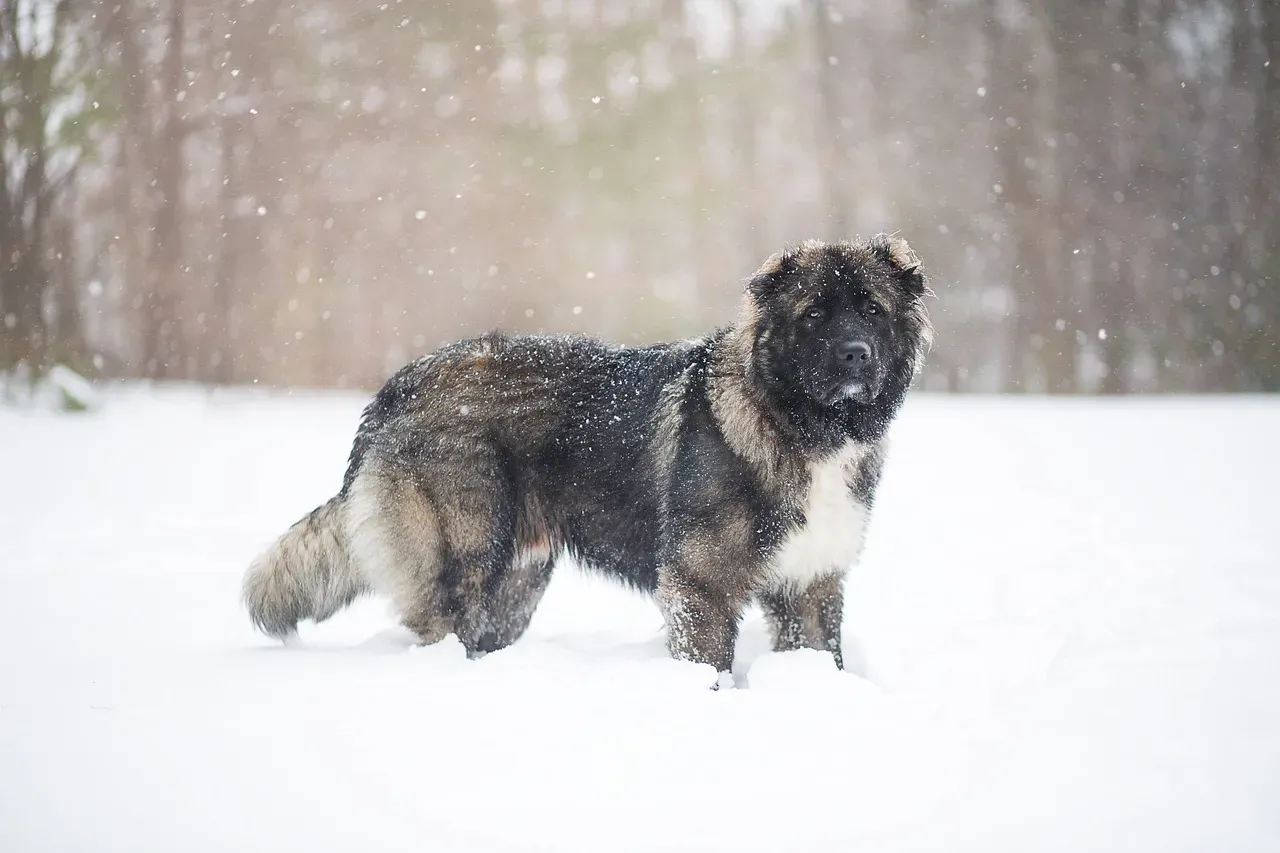
Originally from a snowy mountain region in Japan, Akitas were once prized as dogs of nobility. They’re also known as “snow country dogs” because of their love for cold weather; once the temperature drops, these dogs are happiest outside. However, Akitas are also introverted and more than happy to cozy up with you on the couch after a winter hike through the snow.
Bred by the Matagi people to hunt large game like bears and to guard homes, the Akita is strong, courageous, and able to thrive in harsh winter conditions. Muscular and powerfully built, Akitas have a dense, medium-length coat that provides excellent insulation against the cold. Along with their physical weight, which can reach well over 100 pounds, the Akita is a breed that carries significant cultural weight in Japan, where they are considered national treasures. Though typically independent and reserved, Akitas form strong bonds with their close family members. Early socialization is essential, as their reserved nature with strangers can become problematic without proper training.
11. Chihuahua: Brave Heart, Wrong Climate

Dog breeds like the Chihuahua are not only small but also lack the insulating fur that helps other breeds thrive in colder climates. These dogs are especially prone to hypothermia, which can lead to serious health risks if not addressed promptly. Understanding these vulnerabilities can help pet owners take proactive measures, including providing appropriate clothing and shelter to minimize cold exposure. Alaska’s winters are simply not built for a Chihuahua’s biology.
Because Chihuahuas have a higher surface area-to-volume ratio, they tend to lose body heat quickly, making it essential for their owners to provide them with warmth during chilly weather. Smaller dogs lose body heat faster than larger dogs thanks to the ratio of their larger surface area to their volume. Small dog breeds are also closer to the ground, exposing their bellies and bodies to the cold surface or snow much more than longer-legged dogs. If you have a Chihuahua in a cold climate, keep outdoor exposure brief, layer them up in quality dog wear, and watch closely for shivering, which is their most obvious early distress signal.
12. Greyhound: Built for Speed, Not Snowdrifts
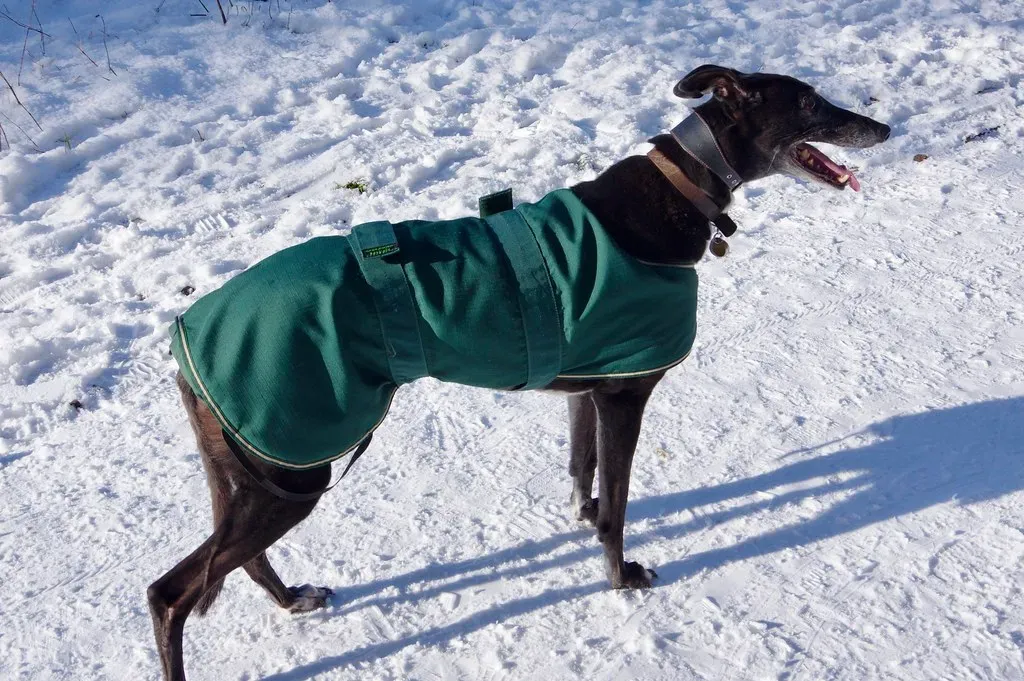
The Greyhound has a lean physique with very little body fat and a very thin coat that allows for rapid heat dissipation. While these features make these dogs track stars, they’re less suited for cold weather conditions. Outdoor exposure should be kept brief when temperatures are below freezing, and don’t be surprised if your Greyhound needs a layer of clothing to stay warm. In Alaska, where temperatures can plunge far below zero, a Greyhound outdoors without protection faces genuine risk.
Breeds with short hair or low body fat, such as Chihuahuas and Greyhounds, are less equipped to handle cold temperatures. The physical traits that make Greyhounds exceptional athletes – lean muscle, minimal fat, a thin single coat – work directly against them in frigid environments. If you own a Greyhound in a snowy region, invest in a well-fitted, insulated dog coat that covers their core, and keep winter walks short and purposeful rather than leisurely.
13. French Bulldog: Brachycephalic Breeds and the Cold Don’t Mix

French Bulldogs have a short, thin coat that doesn’t provide much insulation when the temperature drops. A dog sweater or jacket can provide some protection, but it’s best to avoid prolonged outdoor activities with a Frenchie in extreme weather, whether hot or cold. Breeds like the French Bulldog and Pug not only have short coats but also possess a brachycephalic structure, which can make breathing more difficult in cold weather. This double vulnerability makes cold climates particularly risky for them.
Hypothermia happens when a body loses warmth more quickly than it produces it, pulling core temperature into a danger zone. For a French Bulldog, this can strike even on days that don’t seem too cold to us. Damp air or a sharp wind makes it worse. Their thin layer of protection doesn’t hold heat well, so once the warmth slips away, their condition can get serious very quickly. Watch for shivering, reluctance to walk, or huddling into a ball. Those are your cues to get them inside immediately.
14. Whippet: Slim, Swift, and Sensitive to the Cold
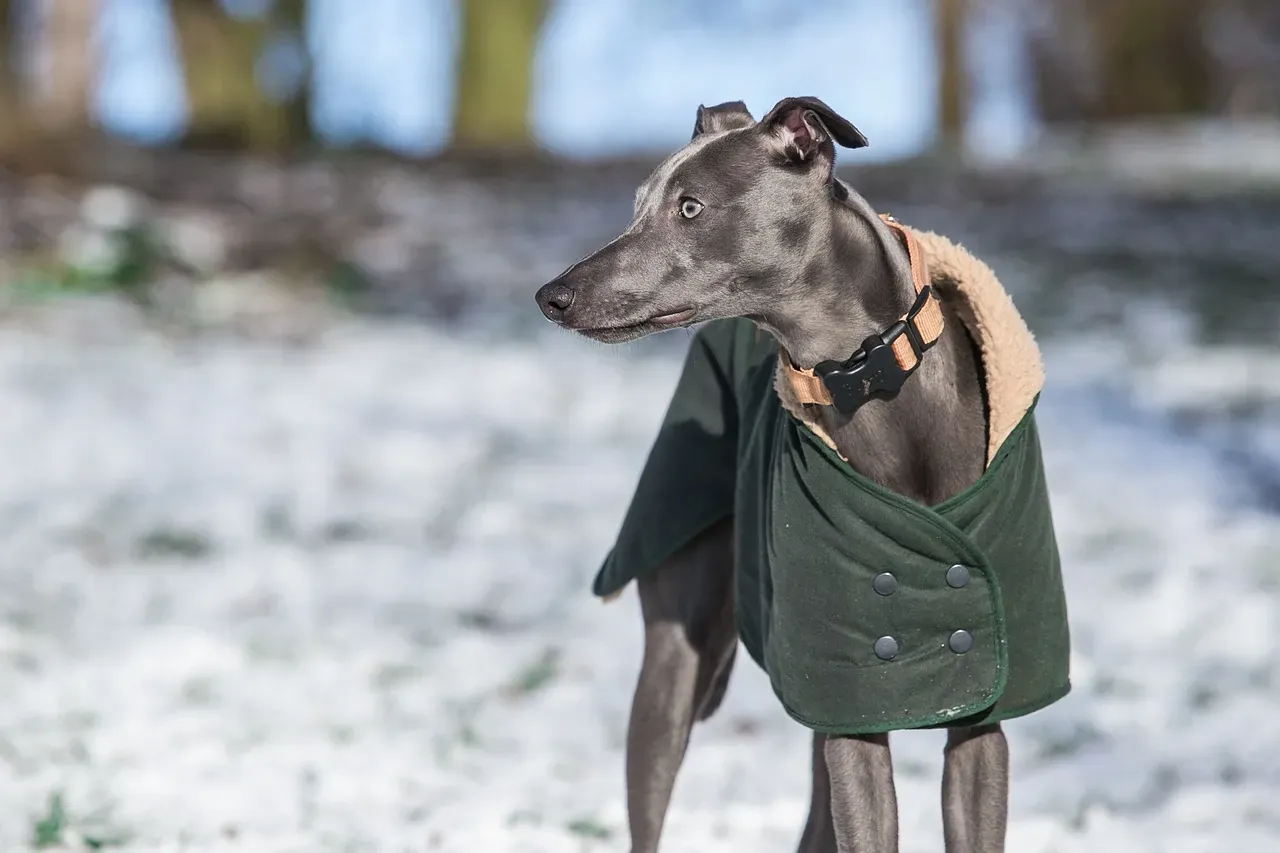
The lanky Whippet is built for speed and is closely related to the Greyhound. The breed has a short coat, thin skin, and very little body fat, so there’s not much to insulate against cold weather. When the weather takes a turn, Whippets need protection from the elements, including warm clothing and perhaps even dog boots to protect their paw pads from ice. In Alaskan conditions, their slender frame makes heat retention nearly impossible without owner intervention.
Whippets are known for their slim physique and short hair, which can leave them susceptible to the cold as well. Despite their hardy running ability, Whippets are genuinely sensitive dogs in terms of temperature regulation. If you love winter outdoor activities and own a Whippet, invest in a snug-fitting insulated dog coat that covers from neck to the base of the tail. Keep winter sessions short and warm them up with indoor activity afterward. Their speed means they can get cold faster than you might expect.
15. Chihuahua’s Close Relative: The Italian Greyhound in Alaska
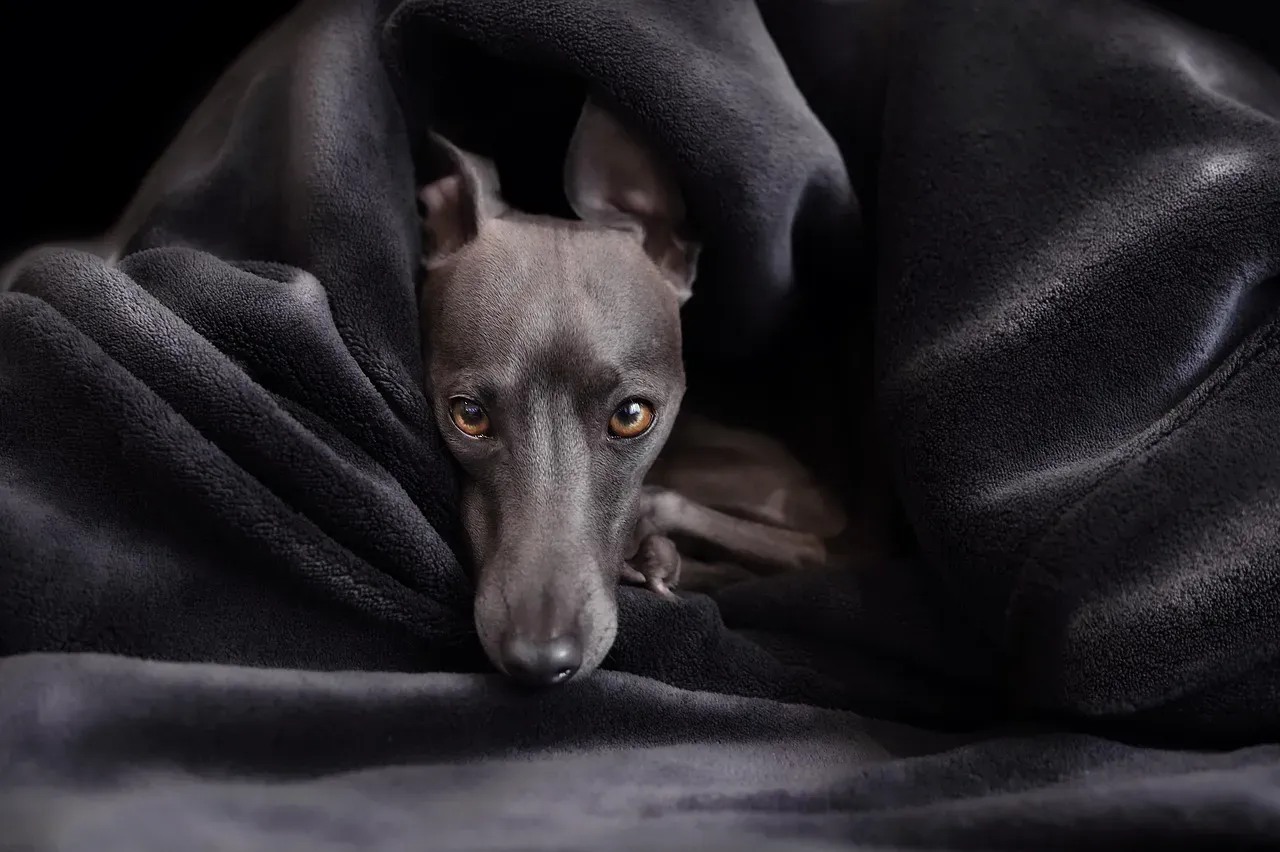
The Italian Greyhound looks like a petite version of the Greyhound, and the two breeds share many physical characteristics, including a slender body and a short, thin coat. Similar to the Chihuahua, the Italian Greyhound has a sleek body and a short coat that does not offer much insulation against the cold. Their lean build can lead to discomfort in lower temperatures, so it is advisable for owners to dress them in sweaters or coats to help maintain their body heat. In Alaska, where even a mild winter day can be brutally cold by lower-48 standards, the Italian Greyhound has essentially no natural defense.
Italian Greyhounds are known to be affectionate lap dogs, so don’t be surprised if they snuggle up to you even more when the weather turns chilly. Opting for a cozy donut bed can help keep your Italian Greyhound warm when you’re not around to snuggle. If you live in a cold region with an Italian Greyhound, layering is essential both indoors and out. Keep their bed away from drafts, invest in quality dogwear that fits close to their body, and limit outdoor time to quick bathroom breaks during peak cold. They’ll thank you for it by curling into the smallest, warmest spot on the couch they can find.
Conclusion: Match the Dog to the Climate, Not Your Wishful Thinking
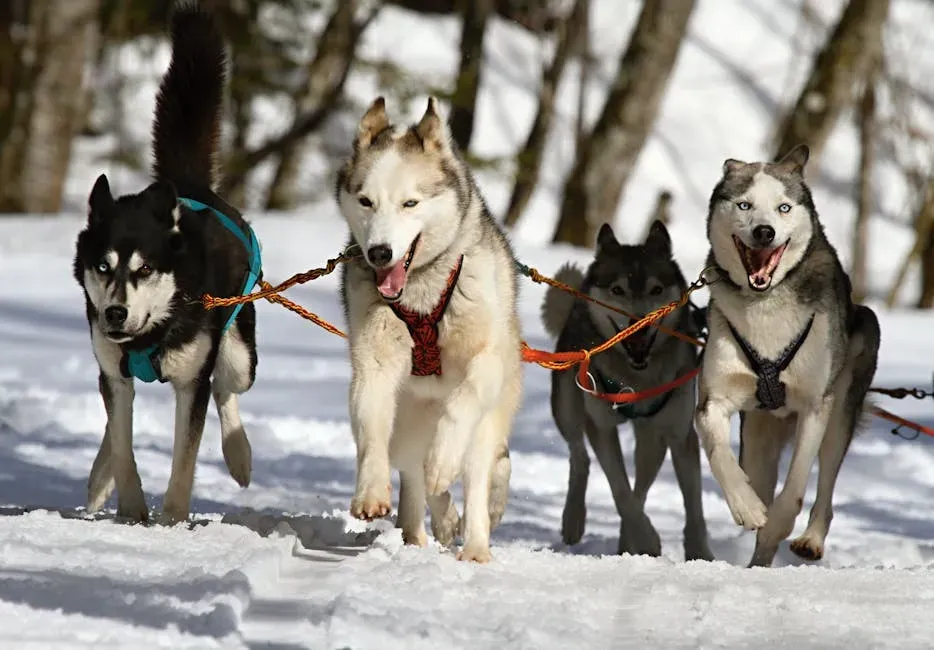
Alaska doesn’t just test gear and toughness. It tests whether a dog’s biology is suited for the environment they’re living in. Cold-weather dogs have traits that help keep them comfortable in low temperatures, including thick double coats that insulate them from the cold, sturdy builds meant for icy grounds, and personalities to match the season’s chill. Breeds like the Alaskan Malamute, Siberian Husky, and Samoyed didn’t just stumble into Arctic fitness. Centuries of deliberate breeding gave them exactly the tools they need to thrive.
Signs that your dog is becoming too cold include shivering, a tucked tail, hunched posture, seeking warmth, whining, reluctance to move, cold extremities, lethargy, and curling up into a ball. These signals apply to every dog, even the cold-hardy ones, and knowing them could prevent a genuinely serious health emergency. Even if your dog’s breed was originally developed to work in cold temperatures, your dog’s individual experience will also influence their ability to tolerate cold. Cold-weather exposure should be limited, supervised, and introduced gradually for any dog.
The right breed for Alaska’s winters isn’t just about survival. It’s about quality of life, for your dog and for you. A Malamute bounding through fresh snow with pure joy is a completely different experience from a Greyhound shivering at the back door, desperate to come in. Choosing a dog whose nature matches your climate is one of the most genuinely caring decisions you can make as an owner. It shapes every walk, every winter morning, every year you spend together.


