
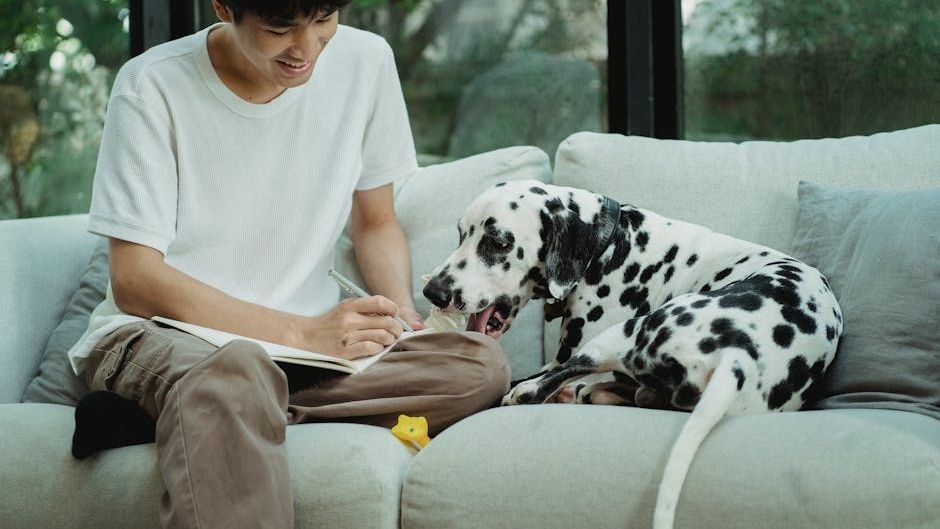
Most dog owners would say, without hesitation, that their dog trusts them completely. After all, the dog sleeps on the bed, follows them from room to room, and greets them at the door like a celebrity. It feels mutual. It feels solid. But here’s the thing about dogs: they’re communicating constantly through their bodies, and their paws in particular carry far more emotional information than most of us realize. That single lifted paw, that restless shuffle, that repetitive licking – each one has a story behind it.
Unlike people, dogs rely heavily on body posturing and physical cues as their primary form of communication. People are listeners; dogs are watchers. Understanding what your dog is actually expressing is one of the most meaningful things you can do for them. So before you assume everything is fine because your dog looks “happy enough,” it’s worth taking a closer look at what those paws might be saying.
The Language of Paws: What That Lifted Foot Really Means
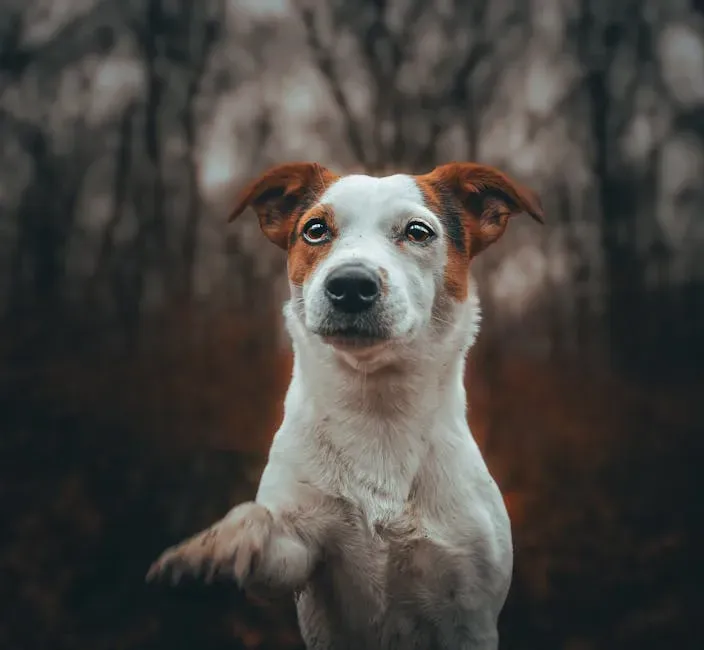
Most people notice when their dog lifts a paw and reach one of two conclusions: it’s cute, or it means the dog wants something. Both can be true. But the picture is more layered than that.
In pointing breeds like the English Setter, a paw raise is part of pointing behavior, indicating nearby prey. Outside of this context, however, a raised paw often indicates that a dog is uncertain about a situation or feels a bit insecure.
Paw raising and tail tucking are actually submissive behaviors dogs use to communicate uncertainty or discomfort. So the next time your dog lifts a paw while you’re talking to a stranger on the street or putting on your coat to leave, consider what else their body is saying in that moment. The paw alone doesn’t tell the full story, but it’s a good place to start looking.
Pawing is a natural form of communication for dogs, often used to express a need. Understanding a dog’s full body language is important for interpreting the reason behind their pawing. Context is everything here. A soft, slow paw placed on your knee while you’re watching television reads entirely differently from a nervous, repetitive paw-tap at a vet’s office.
When Paw Licking and Chewing Are Cries for Help
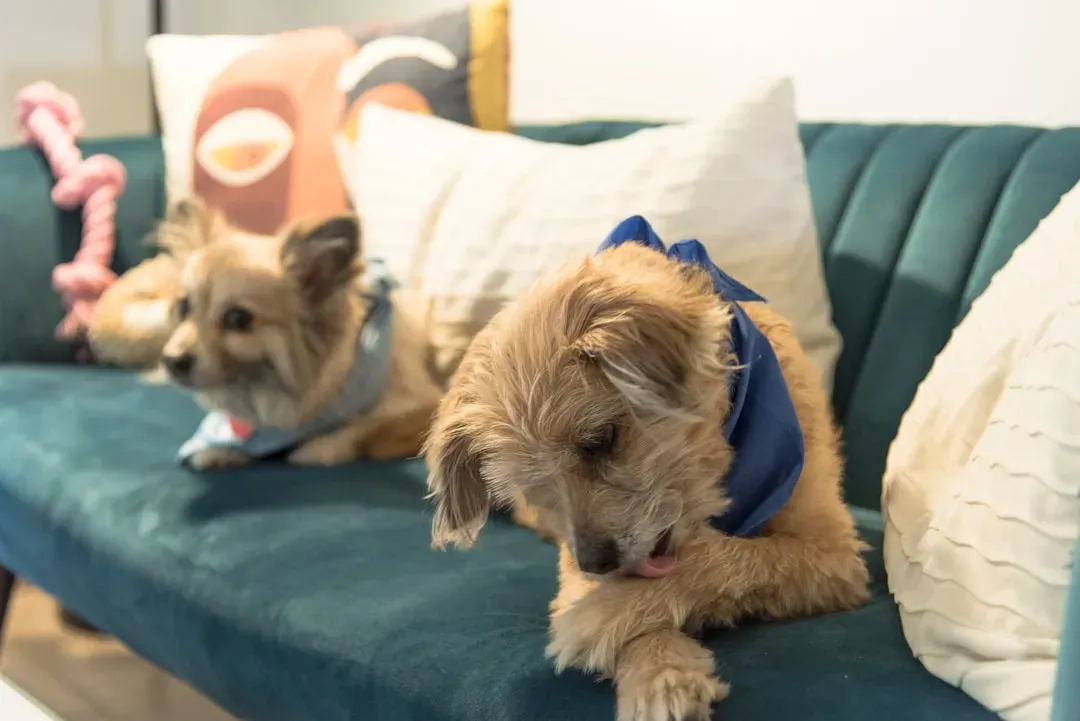
A dog licking their paws after a walk is normal. It can be grooming, it can be a mild irritant, it can be habit. But when the licking becomes constant, rhythmic, almost compulsive, that’s a different message entirely.
Dogs may exhibit repetitive or compulsive behaviors, such as constant paw licking or tail-chasing. These behavioral changes are significant indicators that a dog is experiencing ongoing stress and should not be overlooked.
If pawing or paw-focused behavior seems out of character or is suddenly constant, it’s worth considering a medical cause. Pain, itchiness, or neurological issues can cause dogs to seek comfort through touch or try to get your attention to help them. Watch for signs like limping, licking one paw obsessively, or being unusually clingy.
Allergies, fungal infections, and joint pain can all show up first as excessive paw attention. If the licking is focused on one specific paw rather than all four, that’s especially worth noting. A vet visit sooner rather than later can rule out physical causes and help you determine whether you’re dealing with a health issue, a stress response, or both.
Stress Signals Hidden in Plain Sight
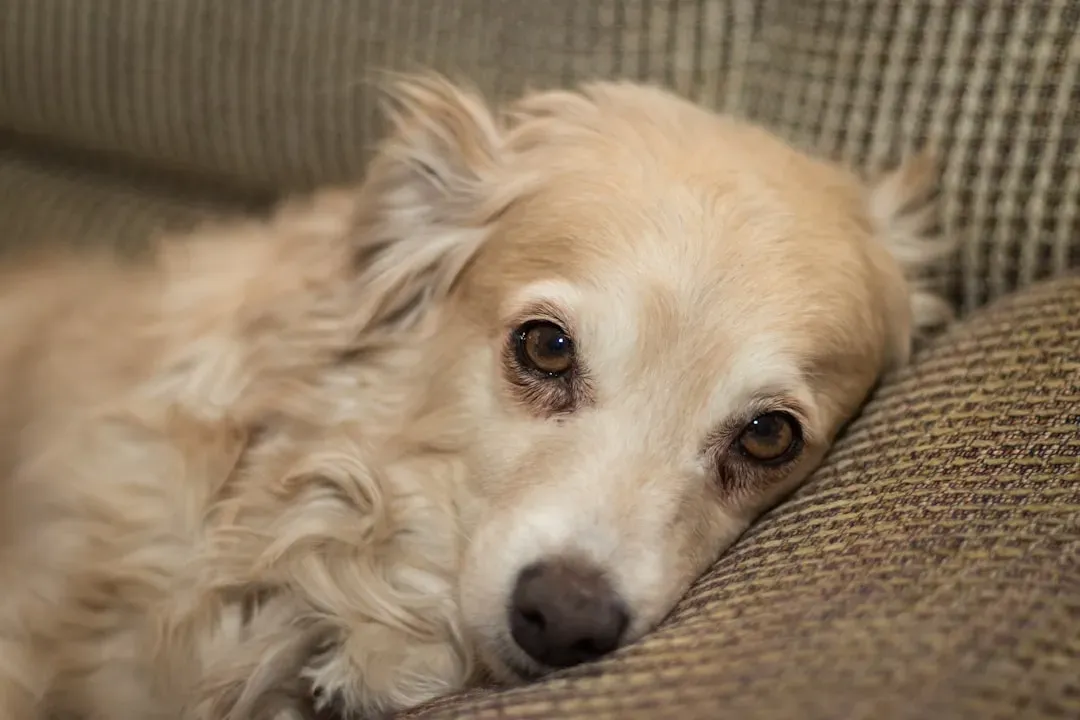
One of the most common mistakes dog owners make is misreading stress as disobedience. The dog who “ignores” a command, grabs a treat too fast, or won’t settle down isn’t being stubborn. They may be overwhelmed.
A dog might become suddenly very active and seek attention by jumping up, pawing at you, or even mouthing. They might also find it difficult to follow well-known requests, like “sit,” because the stress response in their body makes it harder to stay still or concentrate.
Other subtle signs may indicate a dog is experiencing chronic stress. These include excessive shedding, changes in body posture, or avoidance of eye contact. Frequent yawning, panting, or licking could also be signs of discomfort. It’s essential to pay attention to these subtle cues, as they often go unnoticed but can be telling of a deeper issue.
Think about the family dog during a crowded holiday gathering. The yawning that gets laughed off, the constant lip-licking that everyone assumes is hunger, the pacing that people call “excitement.” Often, those are stress signals stacking up quietly. Ignoring or discouraging these kinds of signs from your dog could teach them that there’s no point in showing subtle signs of fear because it doesn’t work. So next time, they might feel they have no other option than to lunge or bite straight away.
What Trusting Paws Actually Look Like
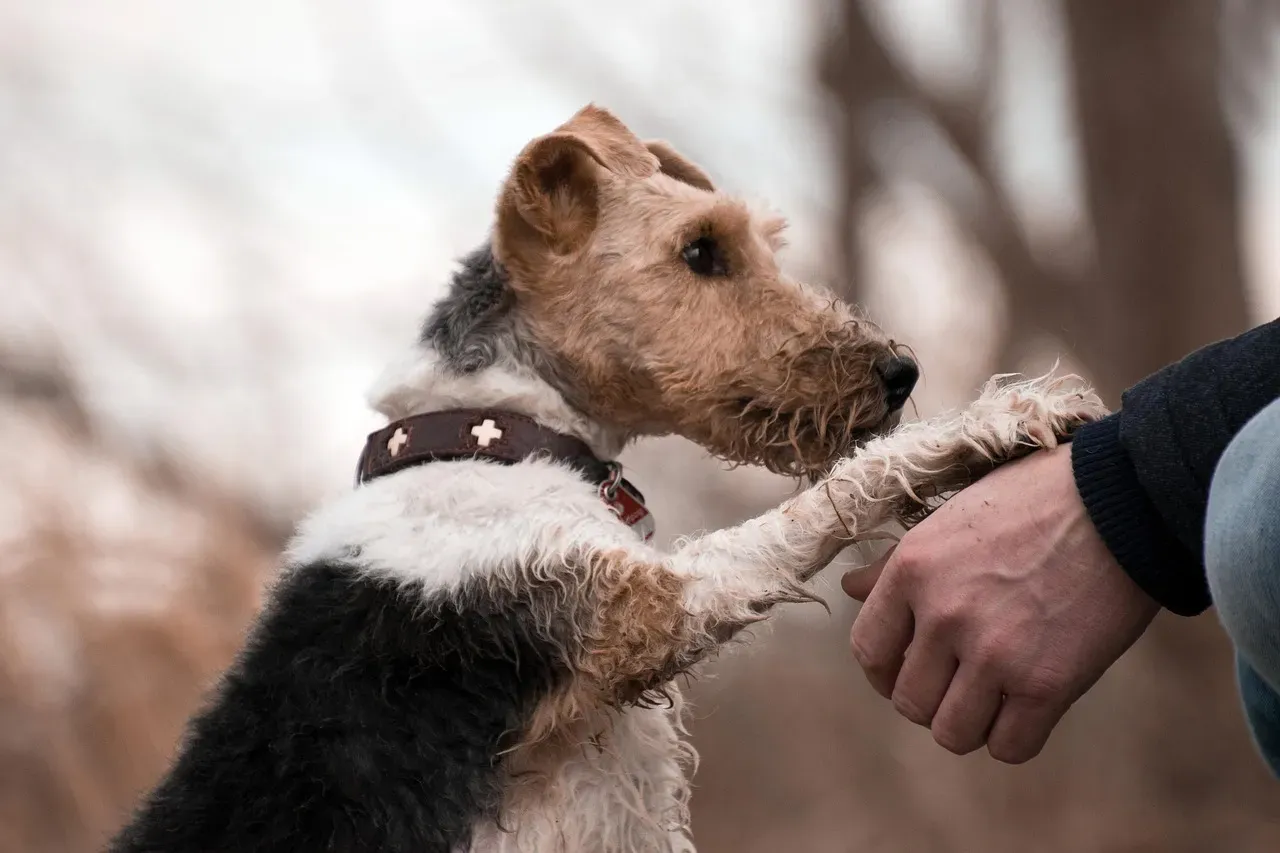
Trust isn’t just about a dog being happy to see you. It shows up in small, consistent physical moments that are easy to take for granted unless you know what you’re looking for.
Some trusting pups will want to find a spot beneath the blanket and pressed up against you, while others might choose to camp out in their dog bed next to you, with a single paw pressed against your foot. That quiet physical connection is significant. It’s not random positioning. It’s deliberate contact from a dog who feels safe.
Trust also impacts your dog’s overall wellbeing. Dogs who trust their owners show lower stress levels, adapt better to changes, and recover faster from scary experiences. They sleep more soundly, eat more consistently, and play more enthusiastically.
The greatest indicator of trust is showing off their belly. Since exposing the belly shows that a dog has dropped its guard and is emotionally comfortable, the posture demonstrates complete trust. A dog who does this in a relaxed, loose-bodied way around you is giving you one of the clearest green lights in canine communication. That’s earned, not accidental.
How to Rebuild or Deepen the Trust Your Dog Has in You
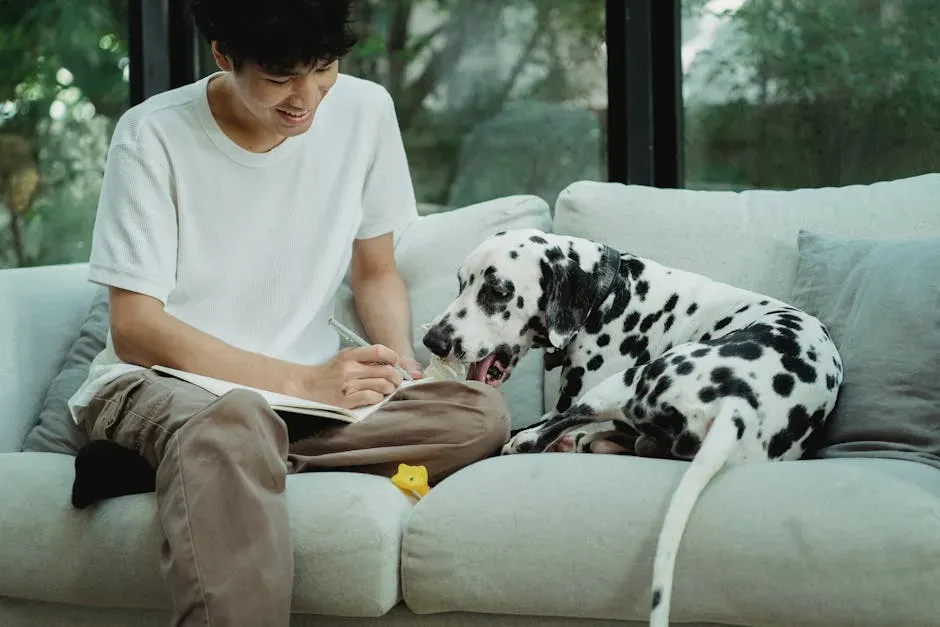
Trust between a dog and their person isn’t a fixed state. It’s built incrementally through everyday interactions, and it can be quietly eroded by things owners often don’t realize they’re doing.
We control nearly every aspect of our dogs’ lives, from what they eat to when they eliminate, so giving your dog autonomy is a way to prove that trust is a two-way street. For example, let them choose which path you’re going to walk or how long they sniff at something in the park. Giving your dog the chance to have a voice in your day-to-day life is an easy way to deepen the connection.
Routines are key to creating a predictable environment. Keeping feeding, sleeping, and exercise times regular creates stability. Using positive reinforcement to reward desired behaviors, and consistent verbal cues, avoids confusion or frustration.
Studies shared by the American Veterinary Society of Animal Behavior show that dogs who grow up with kind and predictable human interactions tend to have lower stress hormones and better emotional regulation. That’s not just about puppyhood, either. Adult dogs can and do shift emotionally when their environment becomes more consistent and their signals are finally being understood. Pay attention to what your dog’s paws are telling you, respond thoughtfully, and you’ll likely find that over time the story they’re telling starts to change.
Conclusion
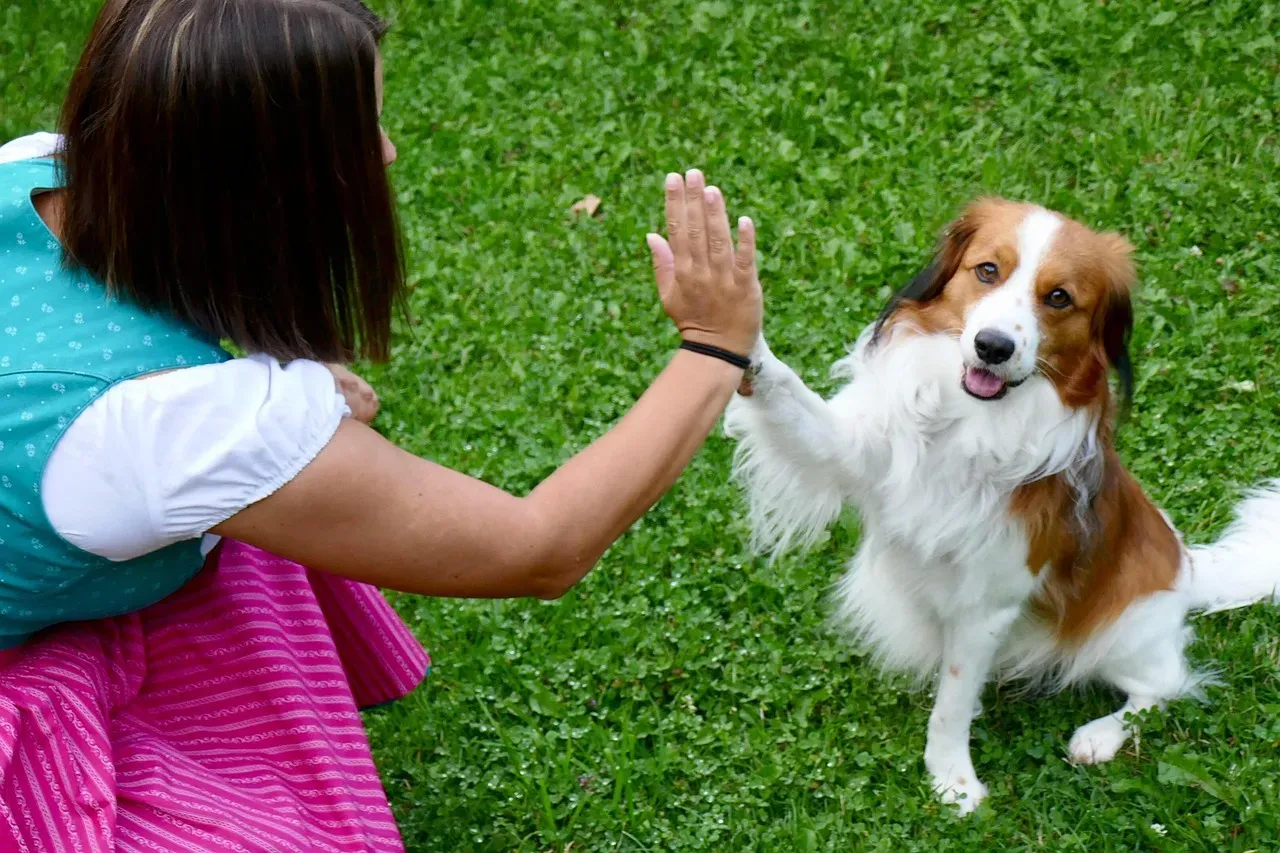
Dogs have never needed words to express themselves. They’ve been communicating through their bodies for thousands of years, patiently offering signals to anyone paying close enough attention. The lifted paw, the obsessive licking, the gentle foot pressed against yours in the dark – none of it is random.
Your dog is “talking” to you all the time. If you learn what your dog is saying, you will develop a deeper bond of trust and respect. Your understanding of your dog’s emotional state can also help you predict their behavior and prevent problems before they arise.
The most powerful shift any dog owner can make is moving from assumption to observation. Stop guessing what your dog is feeling and start reading what they’re already showing you. Trust isn’t declared – it’s demonstrated, quietly, one paw at a time.


