
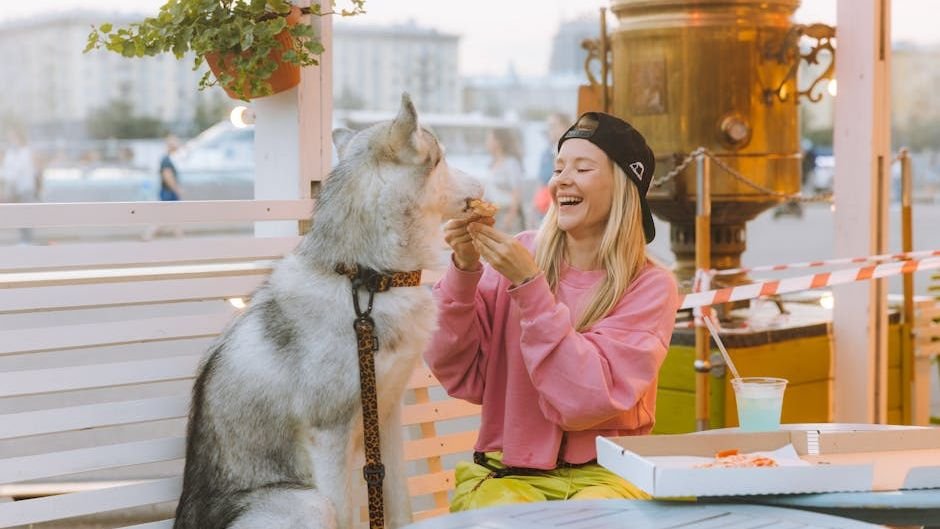
Your dog can’t tell you how they’re feeling in words, but they’re communicating with you constantly. Every wag, every glance, every subtle shift in posture is part of a language they’ve been speaking all their lives. The honest truth is that most of us catch the obvious signals – the leaping at the door, the tail going wild – but miss the quieter ones that reveal so much more.
When you pay attention to all these signals together, the posture, the face, the movement, you’ll start to recognize how your dog feels in the moment. This skill not only helps you identify when they’re truly happy, but also lets you catch early signs of stress before it builds. Whether you’ve had dogs your whole life or you’re still learning, knowing what genuinely content and genuinely troubled looks like can change everything about how you care for your pup.
Sign #1 (Happy): The Full-Body Wiggle
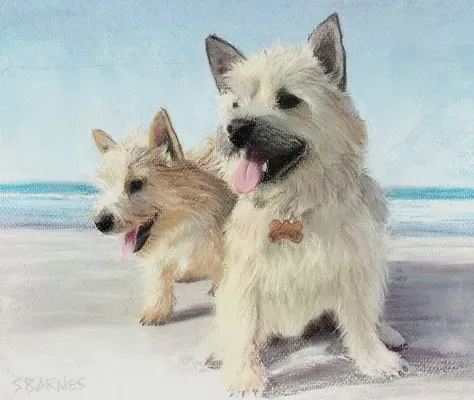
When a dog is happy, their whole body and tail will look relaxed, and they quite often wiggle. A happy dog’s whole body can wag along with their tail. This isn’t just excitement about a treat or a walk – it’s a full expression of emotional ease. You’ll know the difference when you see it.
The posture is easy and indicates emotional security and physical ease. Happy dogs move freely, carry their bodies naturally, and do not display any stiffness, fear, or defensive tension in their daily interactions. Think about the way your dog greeted you after a long day last week. If their whole body seemed to melt into joy, that’s exactly what you’re looking for.
Sign #2 (Happy): Soft Eyes and a Relaxed Face
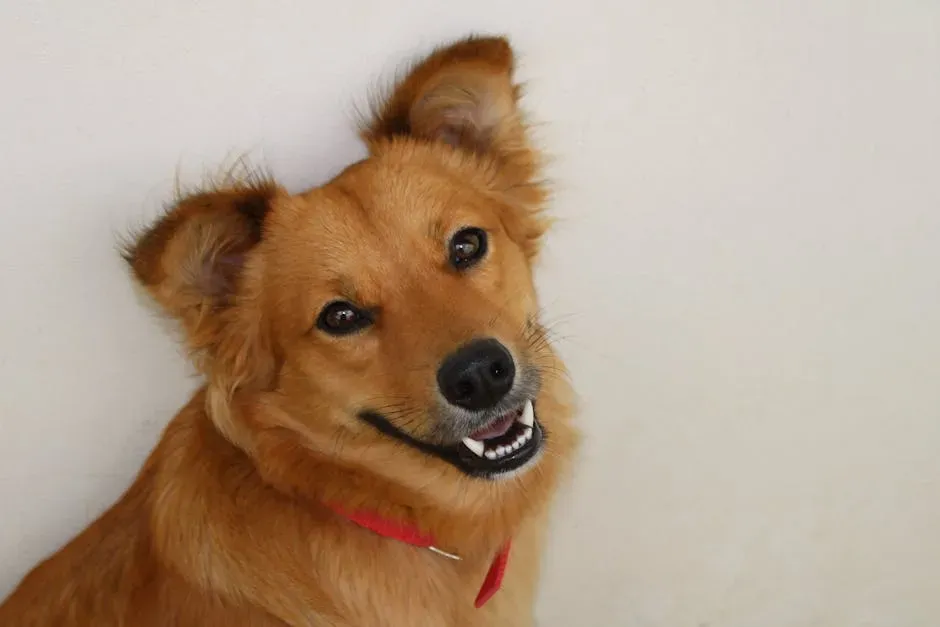
Content dogs have soft, open eyes with relaxed eyelids. They blink often and avoid hard stares. Eyes that look “melty” rather than wide and intense are a reliable indicator of an at-ease dog. It’s one of those cues that’s easy to overlook until you’ve trained yourself to notice it.
Happy dogs often appear to smile. The mouth is soft and open, the corners of the mouth are turned up, and while some teeth may be visible, it’s not in an aggressive manner. A lolling tongue can also mean your dog is relaxed. Pair soft eyes with a loose, open mouth, and you’re looking at a genuinely content dog – no guesswork needed.
Sign #3 (Happy): The Play Bow
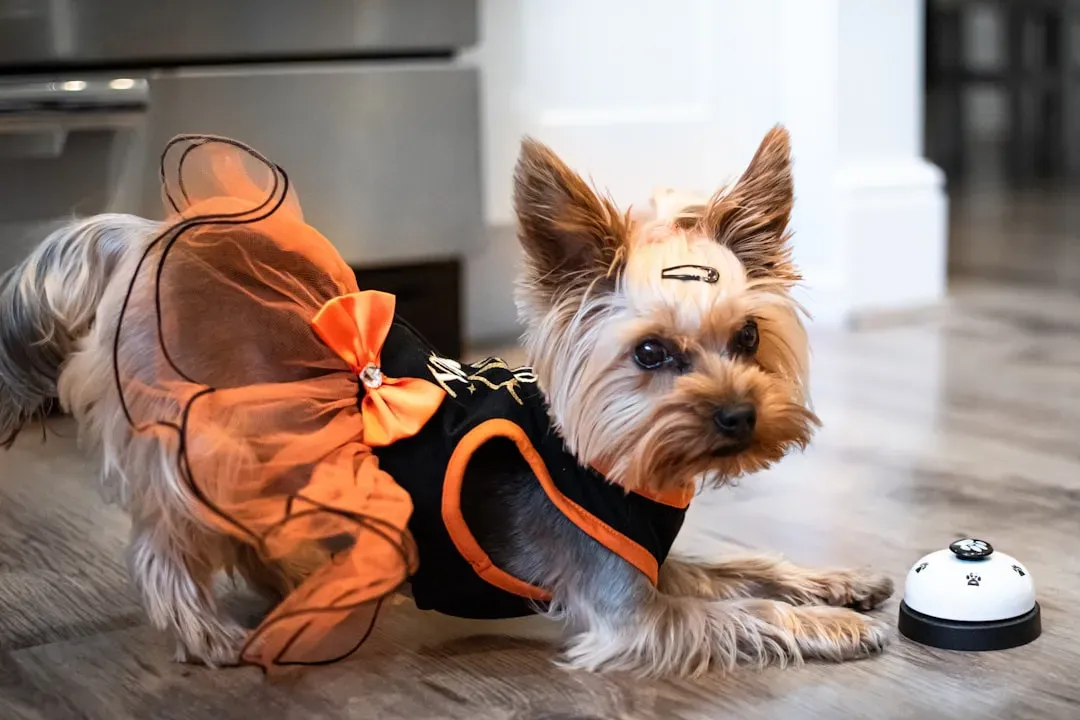
The classic play bow, where your dog has their chest lowered to the ground and their rear end extended up in the air, is a good indication that they are happy and feeling friendly. A University of Michigan study set out to determine why exactly dogs perform this bowing behavior. Researchers found that dogs play bow most often when there is a pause in play, and they wish to continue playing. So if you see your dog play bow in the middle of playing fetch, this gives you a good idea that they’re enjoying what they’re doing and want to play more.
Play is an intense emotional source that can express happiness and confidence. Happy dogs willingly initiate and respond to games positively, and play without feeling frustrated, aggressive, or hyperactive. The next time your dog dips into a play bow in front of you, take it as a personal invitation. They’re asking you to show up and share the moment with them.
Sign #4 (Happy): A Healthy, Consistent Appetite
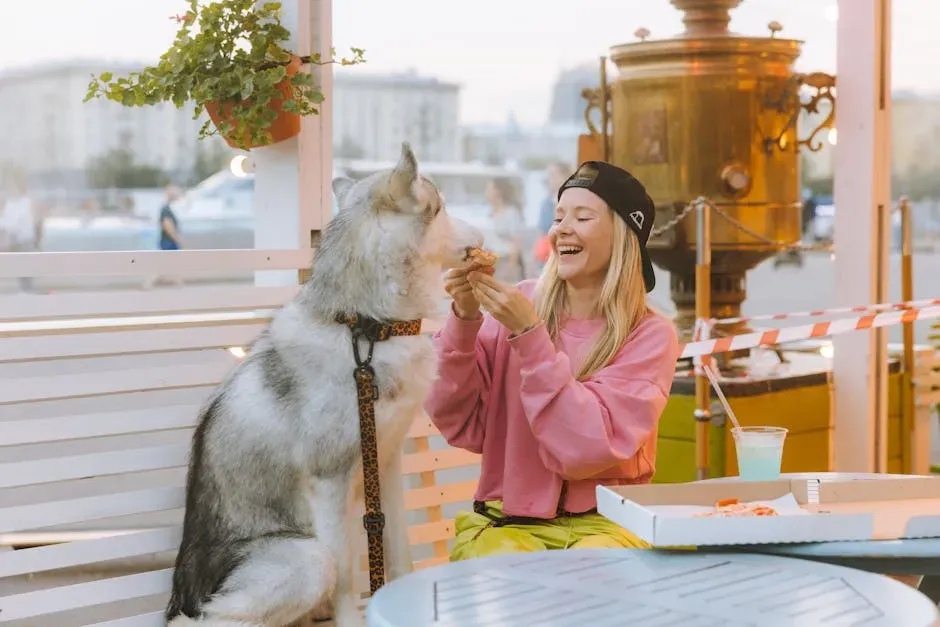
A steady appetite often reflects emotional comfort and physical wellness. Happy dogs are interested in meals and have regular eating patterns, neither stress-related refusal patterns nor compulsive overeating. It seems simple, but how your dog eats tells you a lot about how they feel on the inside.
A happy dog has a good appetite and will eagerly chow down at mealtime. Like us, dogs feel better and are less grouchy when their belly is full. A reduced appetite or refusal to eat could signal a physical or emotional health issue that warrants attention. Keep mealtime consistent, pay attention to changes in enthusiasm around the food bowl, and you’ll have a valuable daily barometer for your dog’s emotional health.
Sign #5 (Happy): Seeking You Out and Leaning In
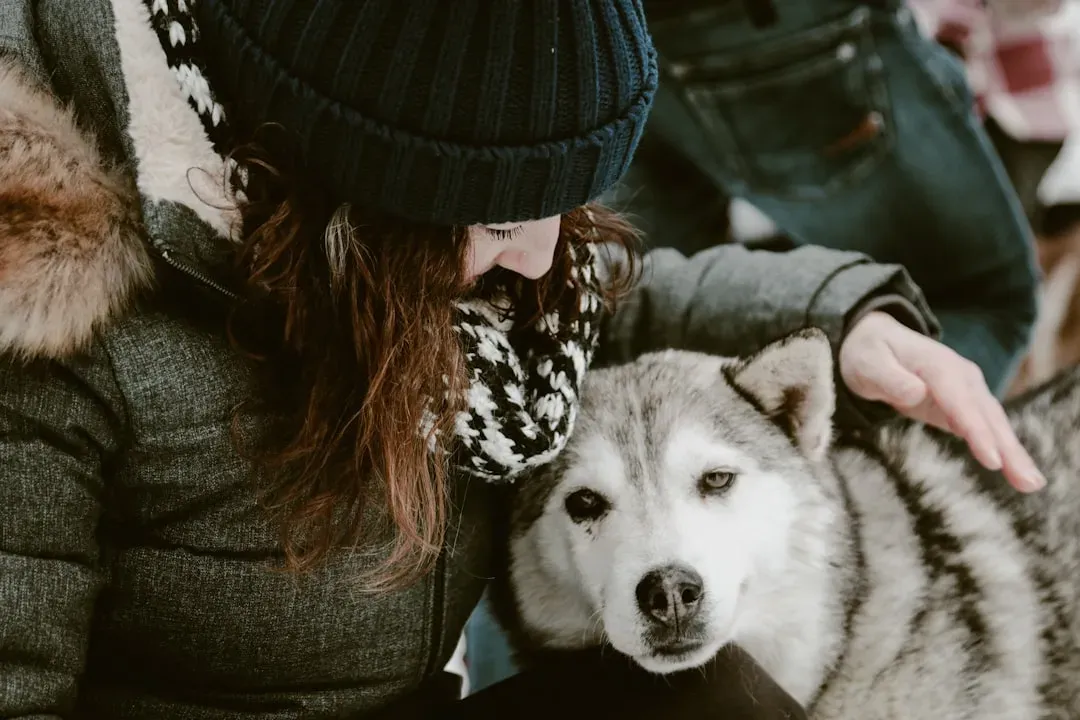
If your dog seeks out your company by following you around, cuddling next to you on the couch, or sitting on the floor next to your chair, they are showing that they trust you and are happy to be near you. Happy dogs like contact. A totally content dog might also lean against their favorite people in a display of trust. There’s something quietly wonderful about a dog who simply chooses to be close to you.
If your dog lets you pet them, it’s not just a way you can bond with your dog – it’s an affectionate behavior that is also a sign of happiness. When dogs lean in for cuddles or appropriately solicit affection and attention, it shows that they feel safe and happy. Notice whether your dog leans into your hand during a scratch or pulls gently away. That small detail speaks volumes.
Sign #6 (Happy): Sound, Restful Sleep
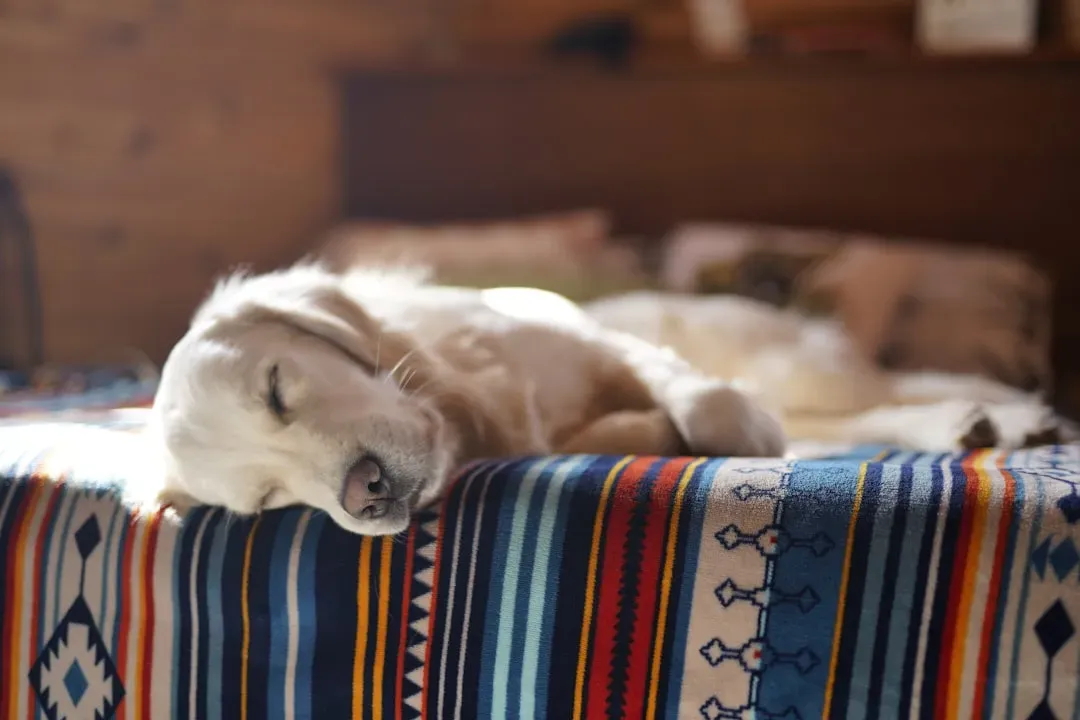
Adult dogs sleep about 12 to 16 hours daily. Sleep after activity demonstrates relaxation and comfort. A dog who can completely stretch out and sleep deeply in your home is one who feels genuinely secure in their environment. It’s a sign of trust you can’t fake or manufacture – it just has to be earned.
Quality rest means trust and safety so that dogs can rest physically and emotionally. This is instrumental to continued happiness and behavioral stability. If your dog regularly sleeps on their back with their paws in the air, consider it a small daily confirmation that they feel completely at home. That vulnerable posture takes real security to pull off.
Sign #7 (Happy): Relaxed Ears in Their Natural Position
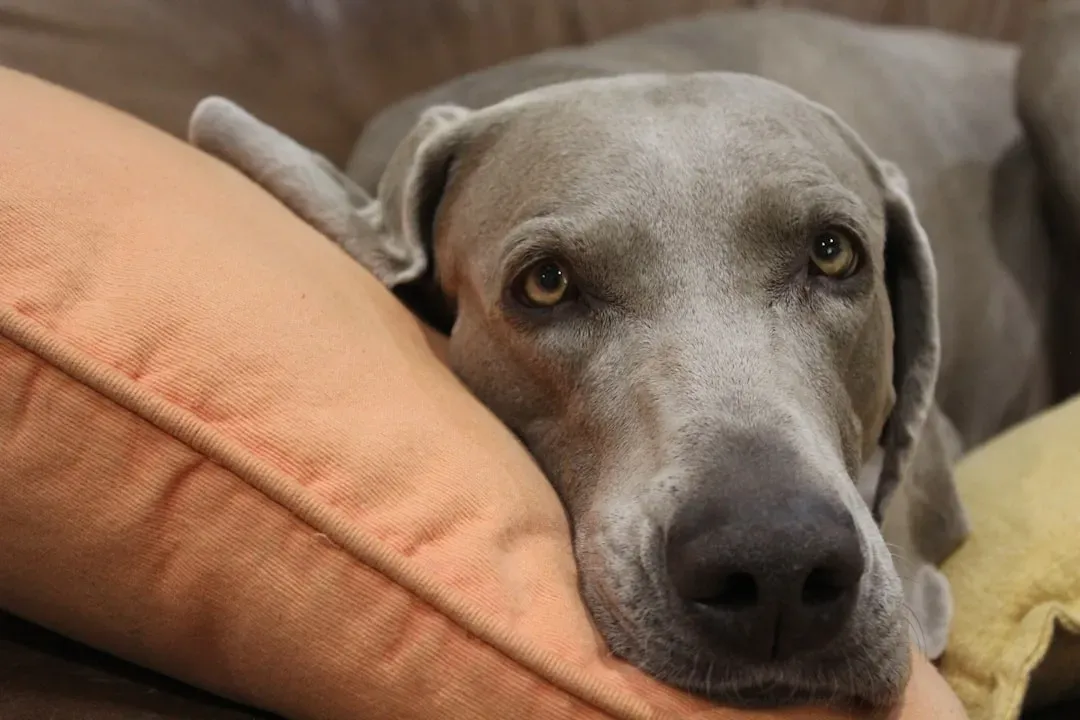
Whether your dog has naturally floppy ears or upright ears, loose, relaxed ears can tell you that your dog is feeling happy. This means their ears are held in their natural state, without any tension. This differs from ears that are pulled forward, which can indicate curiosity, or ears that are pulled back, which might be because your dog is feeling nervous.
While ear shapes vary depending on the breed, a happy dog’s ears are relaxed and rest naturally against their head. Some dogs will have one ear cocked up, or both may be loose and floppy. Ears are one of the fastest indicators of emotional shifts in dogs. Learning your dog’s neutral ear position takes only a little practice, and once you know it, reading their feelings becomes second nature.
Sign #8 (Happy): Enthusiastic Engagement With Routines
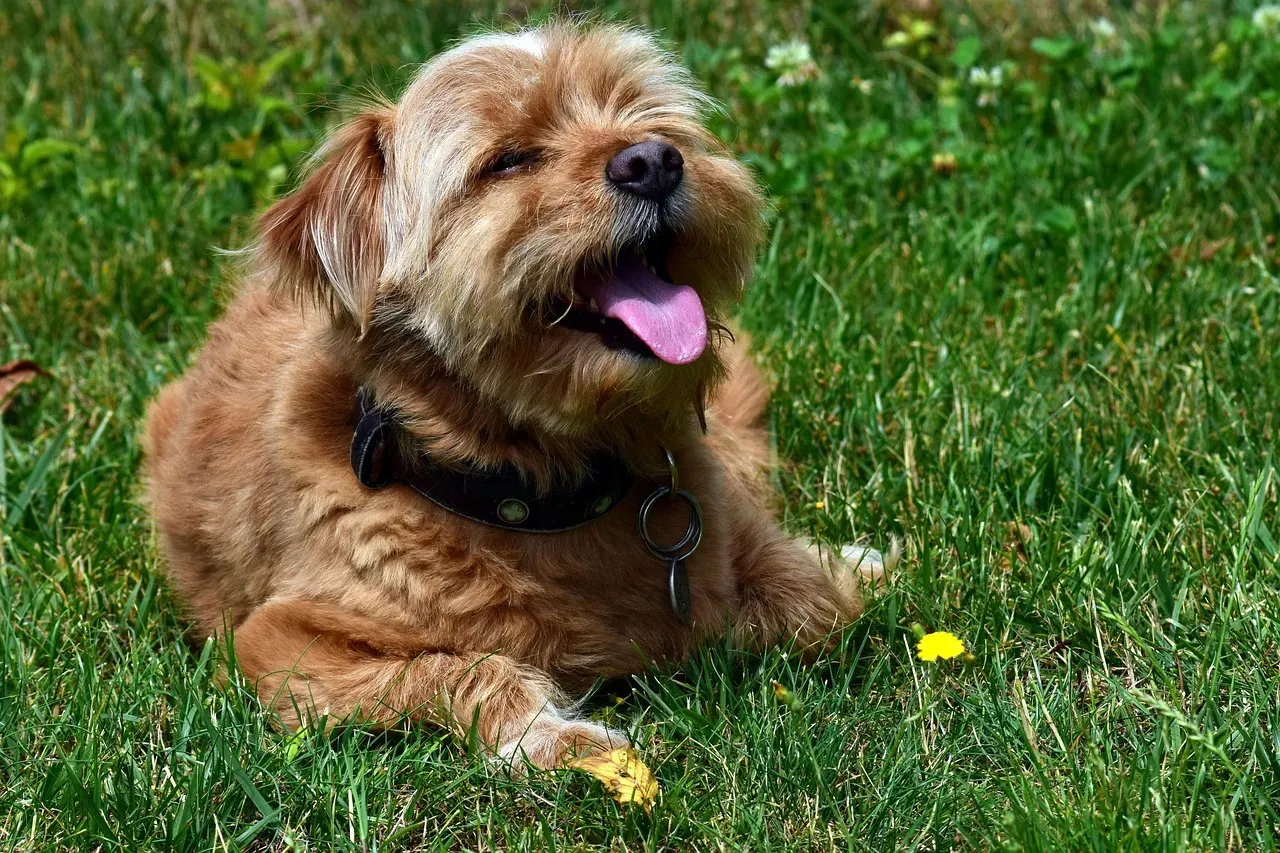
Dogs thrive on structure. A happy dog anticipates daily activities like walks and meals and responds with excitement. You know that look – leash comes out and your dog is practically vibrating with anticipation. That enthusiasm isn’t just about the walk. It’s about feeling safe enough to expect good things.
Happy dogs usually have all of their needs met, so they’re calmer and pretty well-behaved as a result. Happy dogs will be able to settle easily, follow cues, and recover quickly from small stressors. A dog that bounces back easily from a minor disruption, the unexpected doorbell or a change in schedule, is showing you genuine emotional resilience. That’s something worth nurturing every day.
Sign #9 (Not Happy): Persistent Panting Without Physical Exertion
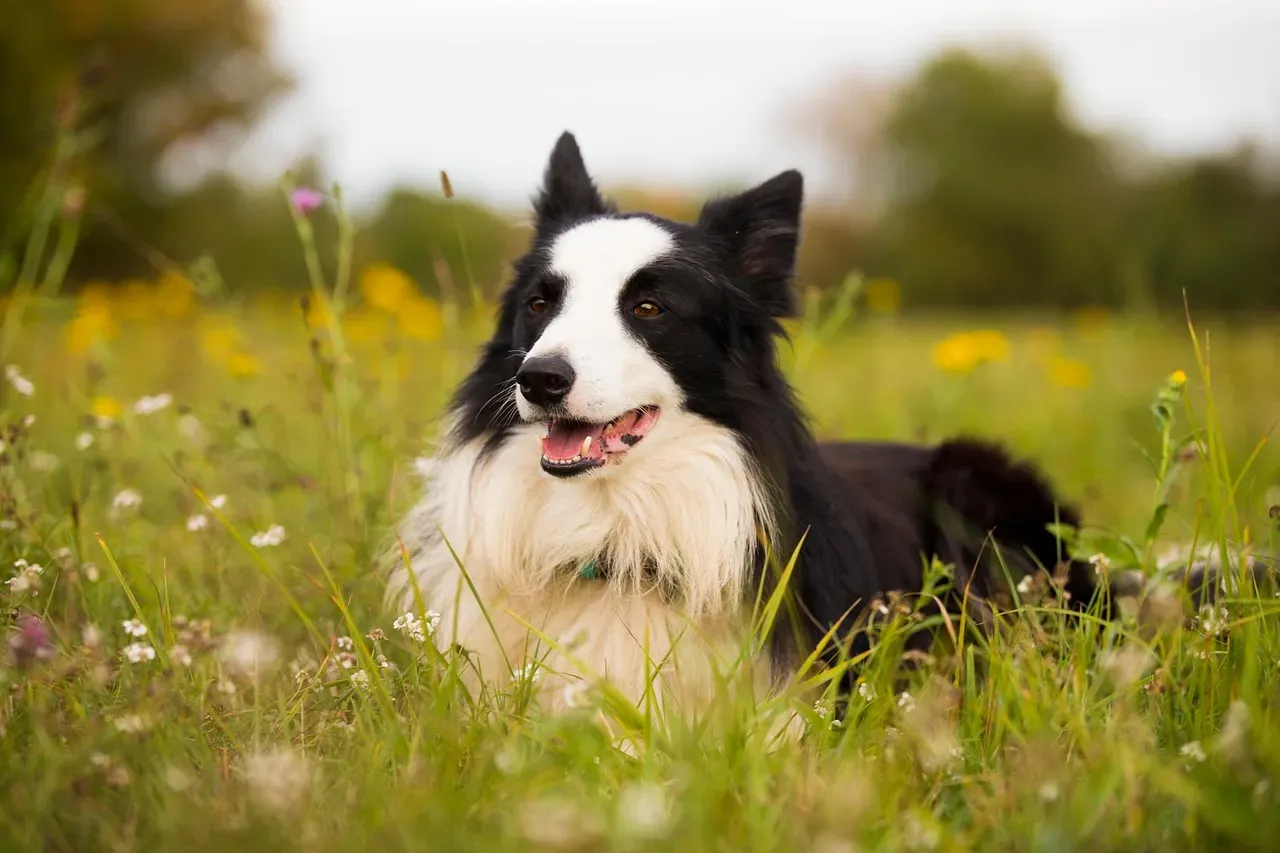
If your dog is panting even though they have not exercised, they may be experiencing stress. It’s easy to miss because panting looks normal. The key is context – if it’s a cool day, your dog hasn’t been running, and the panting doesn’t stop, something is off.
Dogs may pant or drool excessively when they are stressed or anxious. This physiological response is a common sign of discomfort or unease. If your dog exhibits persistent or excessive panting or drooling, it may indicate emotional distress. In these moments, rather than reaching for distractions, try to identify the trigger. What changed? Is there a new sound, a new person, or a shift in the household routine? Start there.
Sign #10 (Not Happy): Withdrawal, Hiding, and Avoidance
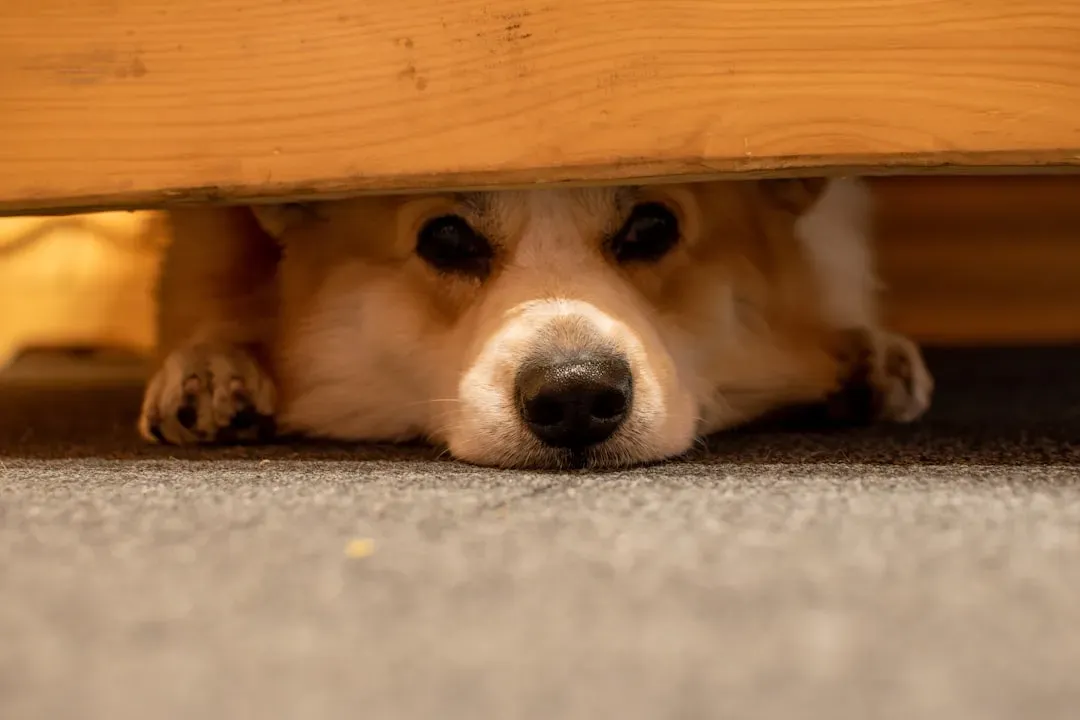
An unhappy dog might avoid attention, hide in corners, or separate themselves from the family. This is one of the quieter distress signals, easily mistaken for the dog simply “wanting space.” But there’s a real difference between a content dog choosing a quiet spot to nap and one who is consistently removing themselves from connection.
Some tense dogs move behind a trusted person or behind a nearby object. They may even nudge or jump on their person to prompt them to move along. In other cases, your dog may seek ways to remove themselves from their environment. They may hide when other people or animals are nearby, or run around finding ways to escape. Their avoidance of social interaction is your dog’s way of trying to communicate that they want to avoid the stressor. Never force a dog to engage when they’re clearly pulling back – respect that communication.
Sign #11 (Not Happy): Destructive Behavior and Compulsive Habits
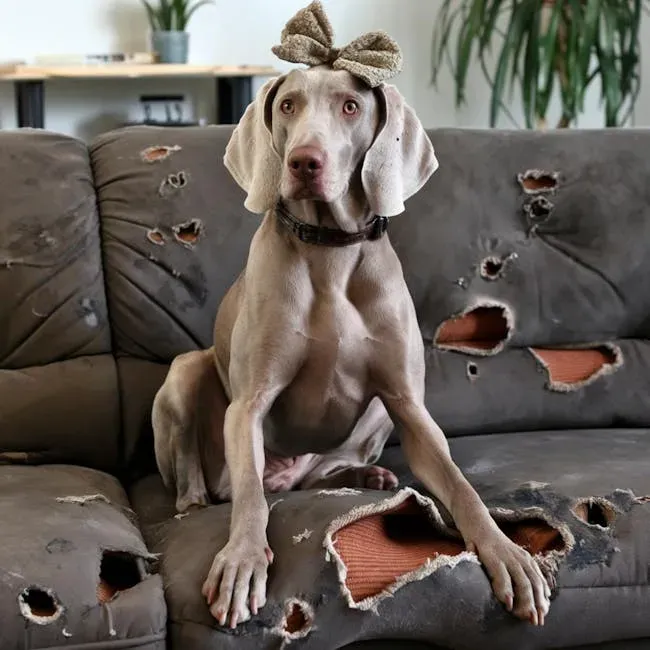
Your dog may begin to drool and lick excessively, chew on objects compulsively, or destroy furniture and objects in their vicinity as a way to cope. This type of misdemeanor and change in behavior is a common sign of anxiety and stress. Although seen as destructive or disobedient, these compulsive behavior signs are coping mechanisms dogs use to self-soothe and calm themselves.
Happy dogs are unlikely to destroy your home or act “naughty.” Chewing is a natural behavior for dogs, as they use their mouths to explore their environments. Excessive chewing or destructive behavior, particularly in an adult dog, could be a sign of stress or boredom. Separation anxiety is another common cause of destructive behavior in dogs. Before punishing the behavior, ask what unmet need your dog might be expressing. That framing will get you much further.
Sign #12 (Not Happy): Tense Body Language and a Tucked Tail
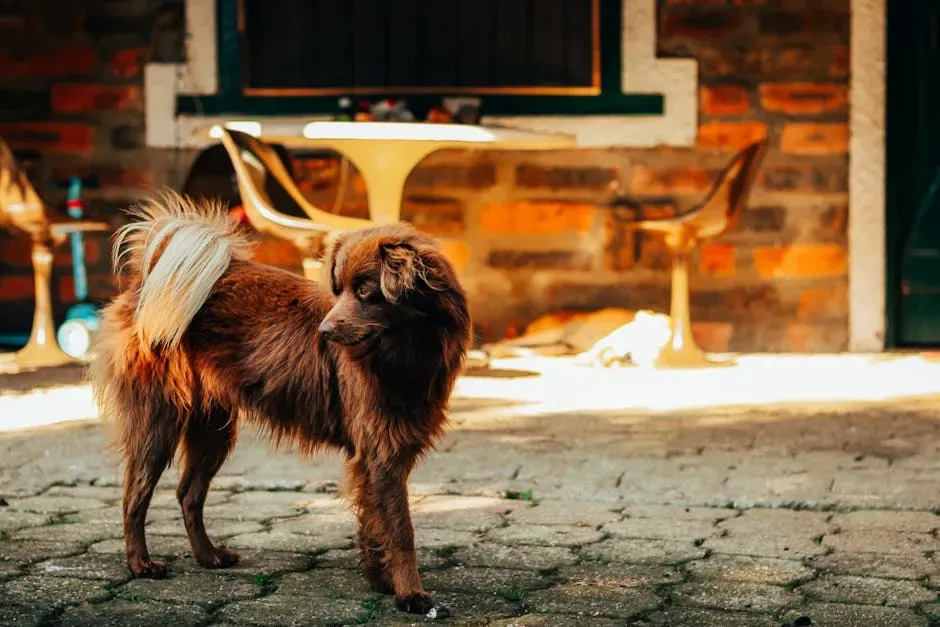
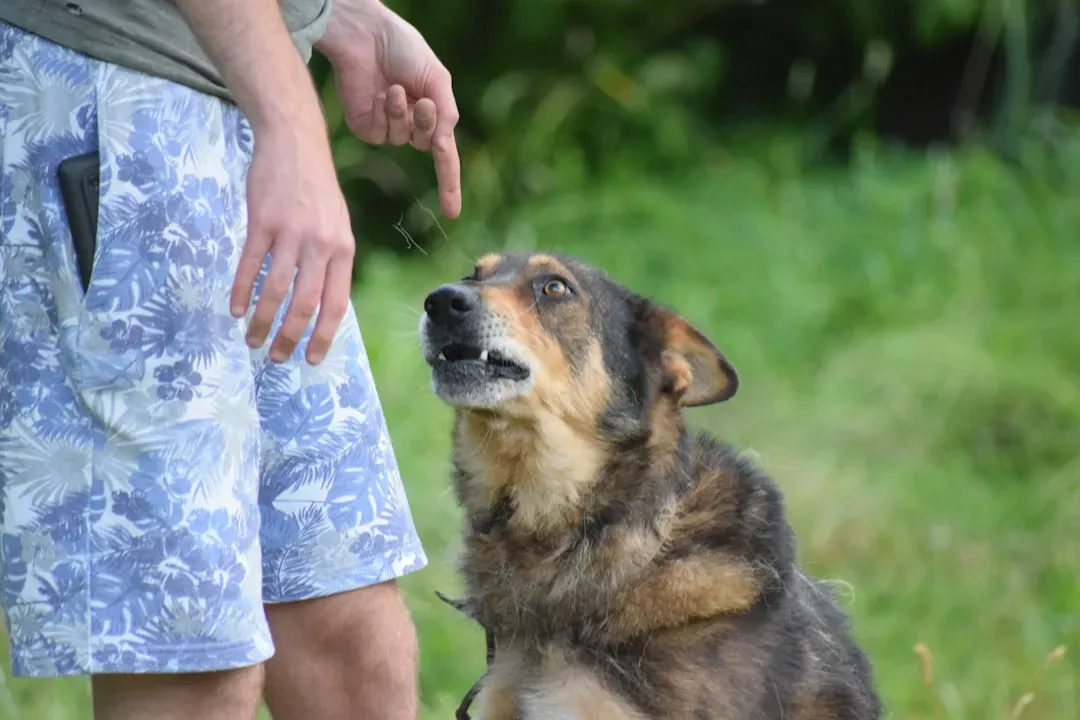
Stress signs to look for include whale eye (when dogs reveal the whites of their eyes), tucked ears or tail, raised hackles, lip-licking, yawning, and panting. Your dog might also avoid eye contact or look away. These are often called “calming signals” – small behaviors dogs use to manage discomfort. When you see several of them together, take it seriously.
A stressed or unhappy dog may tuck its tail between its legs rather than wagging it high in the air. Just because their tail’s wagging doesn’t always mean they’re happy, either. While wiggly, happy, high tail wags are definitely associated with good feelings, a low or slow wag can indicate fear or insecurity. A worried dog will also look tense rather than relaxed in the way they hold themselves. They might shrink away, hold their head low, and avoid eye contact. If your dog goes still like a statue, that’s a clear signal to give them space and assess the situation carefully.
Reading Your Dog: A Skill Worth Building for Life
Understanding your dog’s emotional world isn’t a one-time lesson. It’s a practice you build day by day, walk by walk, quiet evening by quiet evening. The good news is that dogs are remarkably clear communicators once you learn to listen with your eyes.
Learning to read your dog’s body language lets you catch early signs of stress before it builds. The more you respond appropriately to these cues, the more your dog learns that you’re tuned in to their needs, strengthening the bond you share. By learning to read your dog’s body language, you gain a better understanding of what makes them feel safe and content.
If your dog is showing signs of stress or anxiety more frequently or in inappropriate situations, it’s important to take action. Early recognition and intervention are keys to preventing feelings of distress from escalating and causing behavioral issues. The first step is to get your dog checked by a veterinarian to rule out any medical causes for their behavior. No article replaces a professional when something feels genuinely wrong.
At the end of the day, your dog isn’t asking for perfection. They’re asking to be seen, understood, and kept safe. Learn their language, and you’ll give them something far more valuable than any toy or treat – you’ll give them the certainty that you’re paying attention. That’s where real happiness, for both of you, actually lives.


