
Picture this: you step out to grab groceries for forty minutes, and you come home to chewed baseboards, a soaked floor, and a dog vibrating with panic at the door. You didn’t neglect that dog. You loved it constantly, carried it everywhere, and never let it be far from your side. That’s exactly the problem.
Loving your dog deeply is one of the best things about having one. Nobody here is saying otherwise. But there’s a real, well-documented difference between a dog that feels genuinely safe and connected and a dog that has become so dependent on your presence that it simply cannot function without you. The gap between those two states isn’t always obvious from the outside. The clingy dog who follows you from room to room might look like the most devoted companion in the world. What it might actually be is a dog running on chronic low-level anxiety. Here’s what the research, and plenty of real-life experience, tells us about why teaching your dog a little independence might be one of the kindest things you can do for them.
The Difference Between Love and Over-Dependence
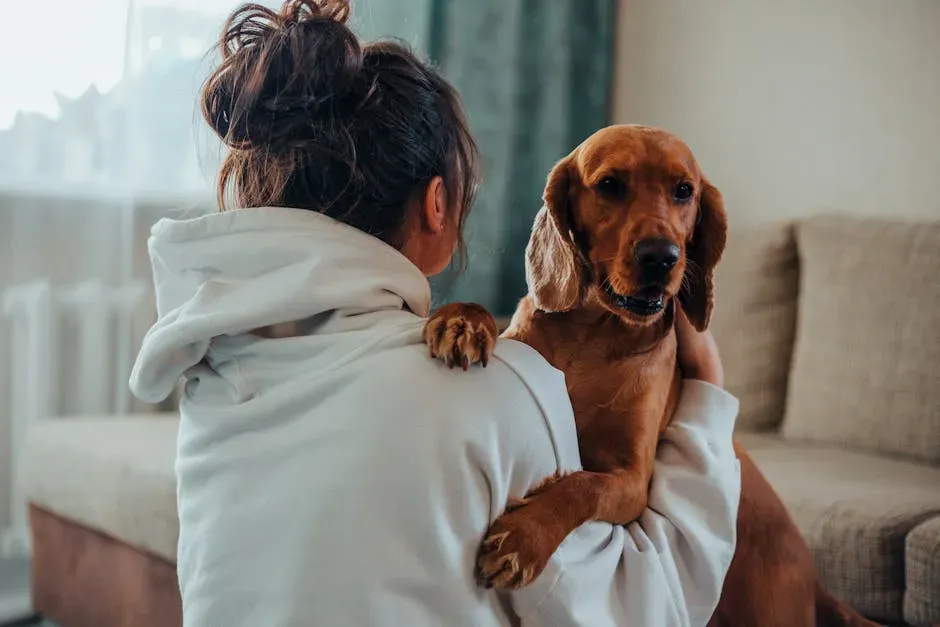
It’s easy to blur the line between affection and over-attachment because they can look almost identical. Your dog wants to be near you, and that feels good. Completely understandable. Emotional dependency is often mislabeled as affection. It is not affection. It is dysregulated attachment. And dysregulated attachment has real consequences for your dog’s wellbeing.
A diagnosis of hyper-attachment disorder means the pet is overly attached to someone, and cannot cope without them. Hyper-attachment is a condition that leads to high stress levels in your pet. These high stress levels can have a negative effect on your pet’s mental, emotional, and even physical wellbeing.
Many clingy dogs are unintentionally reinforced into dependency. Think about the small daily habits: picking the dog up the moment it whines, letting it follow you into every room, never leaving it alone even for short stretches. Constantly coddling your dog and picking them up to physically be touching you around the clock, and having your dog follow you everywhere without ever being fully without attention, can inadvertently create an unhealthy codependency and attachment style which can have detrimental effects on the individual. It’s important to ensure that attachment-style behaviours in our dogs aren’t accidentally being created by us unnecessarily.
What Over-Coddling Actually Does to Your Dog’s Brain and Behavior

Dogs with separation anxiety have experienced chronic stress. Studies show that chronic stress causes change and rewiring in the brain. The damage to the brain makes it harder to decrease fear in an animal, and can also make them more susceptible to fear. That’s not a minor side effect. That’s a cycle that gets harder to break the longer it continues.
The behavioral signs are worth knowing. Most dogs with separation anxiety try to remain close to their owners, follow them from room to room, and rarely spend time outdoors alone. They often begin to display anxiety as soon as the owners prepare to leave. During departures or separations, they may be restless, shake, shiver, salivate, refuse to eat, or become quiet and withdrawn.
Giving too much attention to an animal creates a need in the animal for constant attention, and they are less likely to become independent-thinking dogs, explore on their own, or make judgments. We want to create dogs that are willing to work and be creative in their surroundings. Signs like being timid, unwillingness to explore, submissive urination, resource guarding, or aggression are all signs that too much attention is being given by one person.
Recognizing the Warning Signs Before They Escalate

Dogs who are allowed to follow their owners from room to room, who are encouraged to display more overt leaving and greeting behavior, and who are excessively bonded to their owners may be more anxious in their owner’s absence. Catching the early signs matters, because the longer these patterns settle in, the more intensive the retraining needs to be.
Watch for these specific behavior cues. Signs include excessive barking or howling, indoor accidents, chewing or scratching, pacing, drooling, and trying to escape, mostly when the owner is away. Dogs with separation-related problems will often show signs of excessive attachment to their owners, following them around when at home, and when their owners are preparing to leave the house. Some dogs will begin to whine, pace, pant, or freeze as their owner’s departure becomes imminent.
If your dog is overly excited when you return, they may also be experiencing stress or anxiety. If this over-excitement is repeatedly rewarded with your attention, the dog will never gain control over their own emotional state, resulting in unwanted uncontrolled behaviors like jumping, barking, whining, nipping, or an overall exacerbation of anxiety issues. These aren’t just inconveniences. They’re signals that your dog’s emotional regulation system is under strain.
How to Build Independence the Right Way
The goal isn’t to become emotionally distant from your dog. It’s to help them feel genuinely secure, not just secure when you’re in the room. Independence training should begin in puppyhood through short, calm separations and structured rest periods. Early exposure to safe independence strengthens resilience and prevents dependency patterns. For dogs who are already showing clingy behavior, the same principles apply, just with more patience.
Don’t encourage overly clingy behavior. Instead, develop independence by teaching your puppy to be on their own in another room, even when you’re at home. Teaching a solid stay is another way to battle excessive attachment. Start with short lengths of time, and once your puppy can stay for several minutes, you can begin to leave the room.
Lying quietly away from you should be rewarded. Teach your dog that it is the quiet behavior that will receive attention, and not following you around or demanding attention. Teach your dog to relax in a quiet area and to accept periods of inattention when you are home. Boundaries aren’t about withholding love. They’re about creating security through predictability. Teaching a dog to rest in their own space, wait for cues before jumping on the couch, or remain calm during departures helps them feel stable.
Enrichment and Exercise as Tools for Emotional Resilience
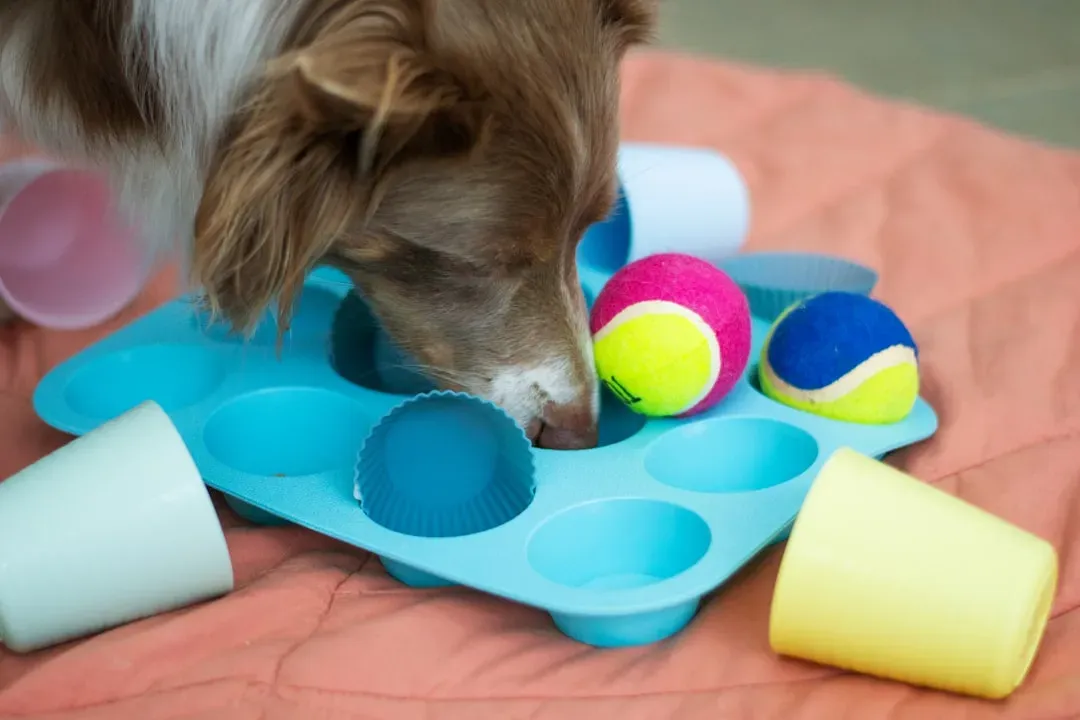
One of the most practical ways to build your dog’s independence is to give them something genuinely engaging to do on their own. Puzzle toys offer physical and mental stimulation that can enrich a dog’s life and promote mental and physical health and wellness. They’re useful for all kinds of pups: bored dogs prone to destructive behavior, anxious dogs learning to be more independent, and active dogs looking to build skills.
These activities foster independence and confidence. As dogs solve puzzles, find hidden treats, or work through a challenging toy, they build self-reliance, which can translate into other areas of their lives. Confident dogs are more adaptable and better equipped to handle new environments, people, or situations without becoming stressed.
A tired, contented dog who’s had a brisk walk and playtime with you is more likely to settle down when you leave. Puzzle toys and chew items encourage chewing and licking, which have been shown to have a calming effect on dogs. Be sure to provide them whenever you leave your dog alone. Think of this as giving your dog a job to focus on rather than a void to spiral in.
Rethinking Hellos and Goodbyes
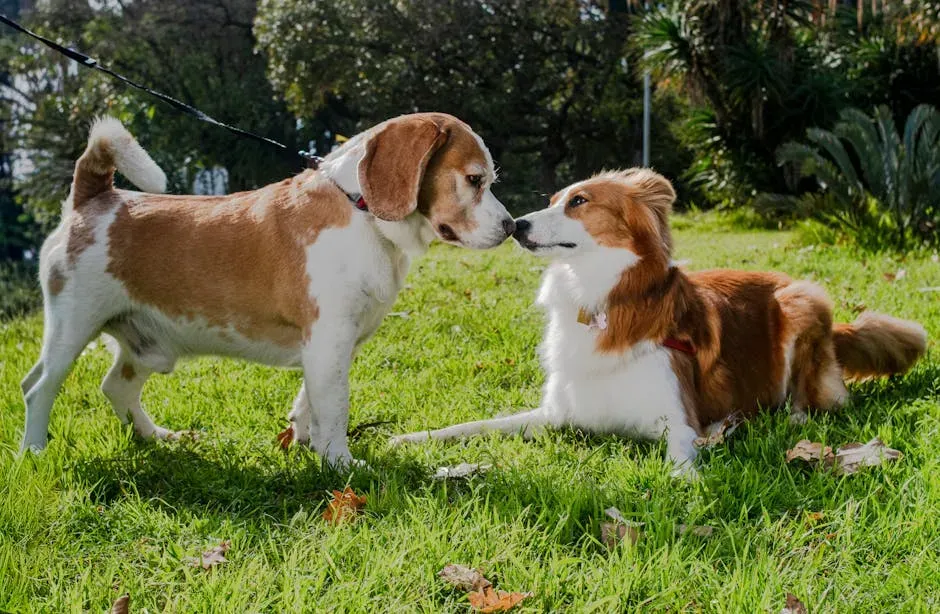
The way you leave and return each day sends your dog a very clear message, whether you intend it or not. You can greet your dog with love, but don’t get over-the-top emotional. Keep things calm and without fanfare. If you get worked up, your dog will see your comings and goings as a major event to worry over.
Going over the top with your departure and return will reinforce your dog’s fear of you leaving and give them more to worry about while you’re gone. Calmly say goodbye when you leave and, when you return, calmly greet them. Don’t get too affectionate right away. Wait until they have settled. This isn’t coldness. This is kindness in a language your dog can actually read.
Greeting a dog calmly and consistently helps reduce anxious behaviors. A brief, relaxed welcome allows the pet to settle rather than become overly excited or stressed. Avoid loud exclamations or immediate hugs, which may reinforce frantic behavior. Wait until the dog is calm before offering praise or gentle contact. When you dial down the drama around arrivals and departures, you lower the emotional stakes of separation itself.
Conclusion
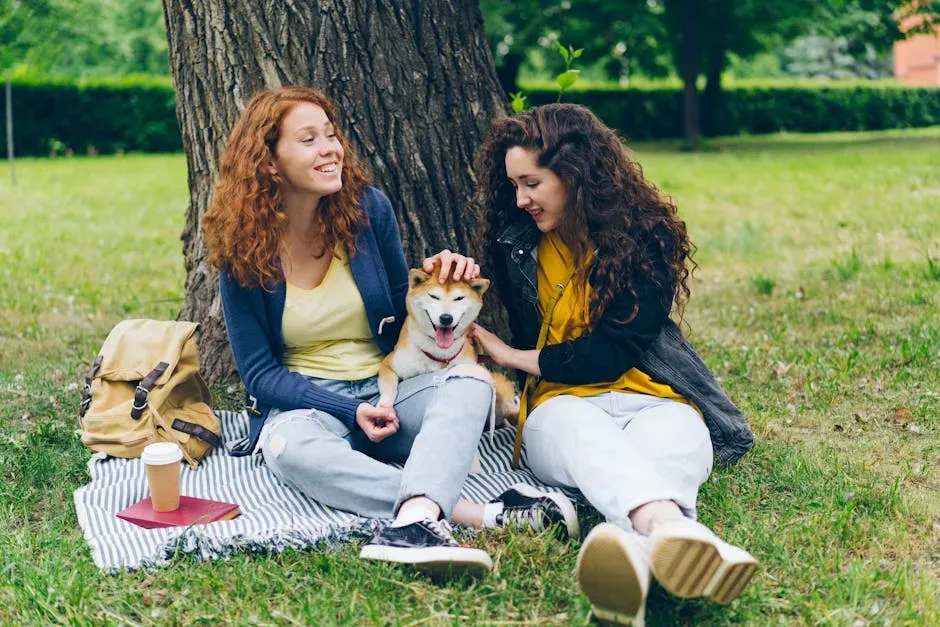
Loving your dog well doesn’t always look like constant closeness. Sometimes it looks like letting them figure out a puzzle on their own, sitting quietly in a different room, or staying calm when you walk out the door. It’s important for pets to develop healthy independence and confidence.
The most stable dogs bond deeply, but they do not cling. The unstable ones attach intensely but lack independence. The difference is not affection. The difference is emotional regulation. That’s the real goal: a dog who loves you, trusts you, and can still breathe when you leave the room.
A confident, independently capable dog isn’t less attached to you. It’s more resilient because of you. That shift in perspective, from coddling to coaching, might be the most loving thing you ever do for them.


