
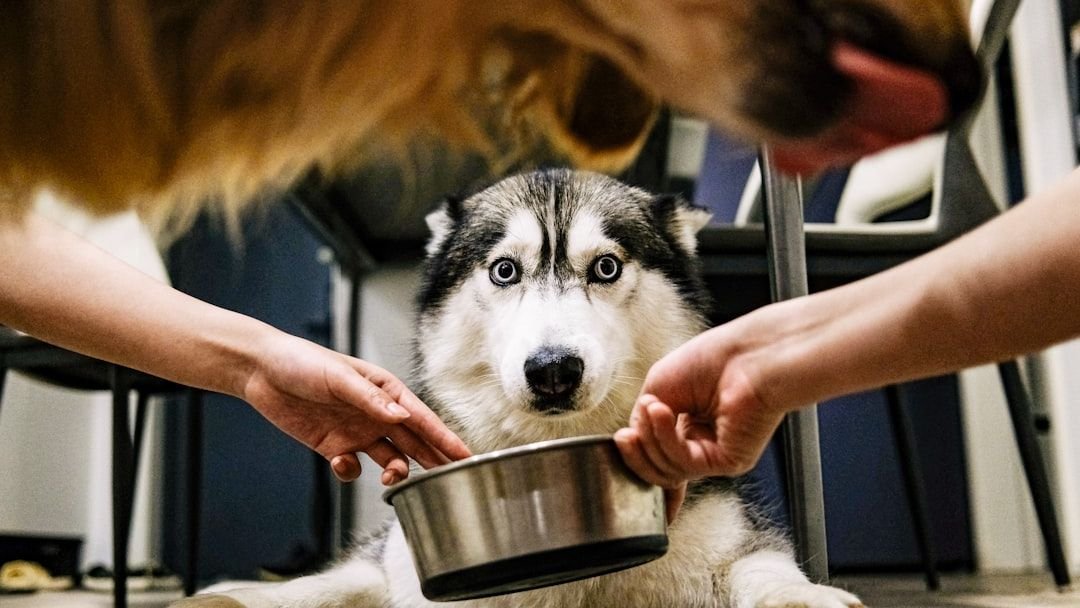
Your dog looked fine at breakfast. Ate their food, wagged their tail, did their usual spin by the back door. Yet something felt slightly off. Maybe they paused a little too long before jumping onto the couch, or they’ve been a bit more clingy than normal. You chalked it up to a mood or a tired day. But here’s what most dog owners don’t realize: those tiny, easy-to-miss moments are often your dog’s most honest attempts to communicate.
Dogs have spent thousands of years evolving alongside humans, but their instinct to hide weakness runs deeper than domestication. In the wild, showing pain meant vulnerability. Your couch-dwelling golden retriever still carries those same survival instincts, masking discomfort until it becomes unbearable. The result? We often miss the message entirely. Learning to read these signals doesn’t just help you respond faster. It deepens the trust between you and your dog in a way that’s genuinely hard to describe until you’ve experienced it.
They Suddenly Go Quiet and Hide From You
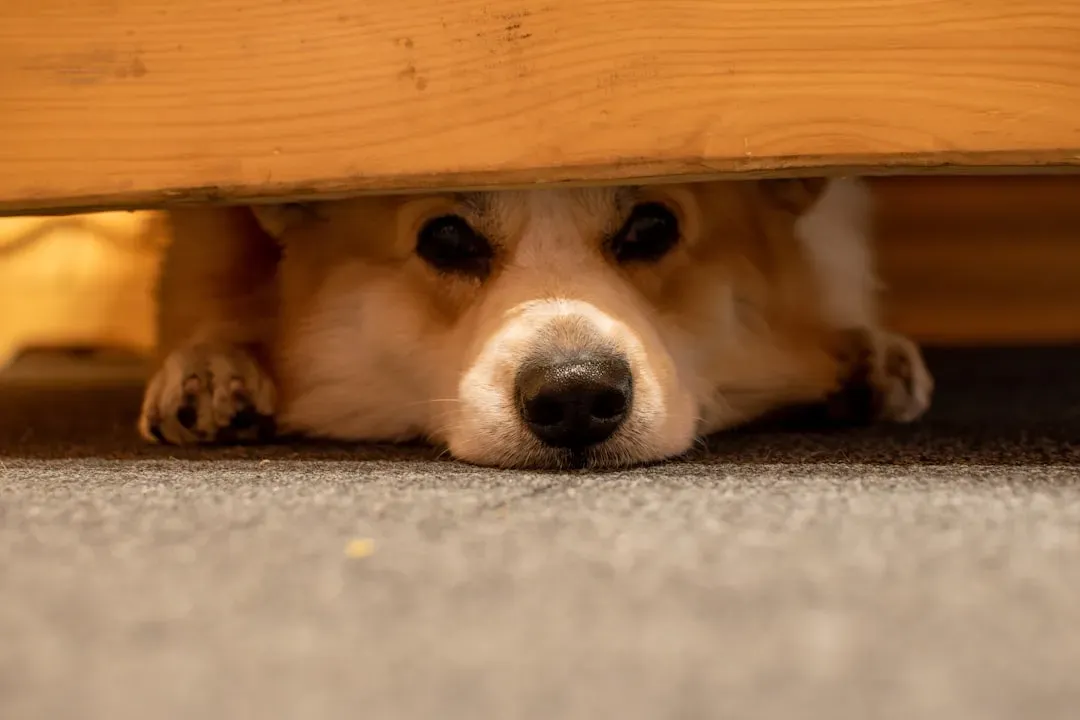
One of the most overlooked distress signals is a dog who withdraws. If your normally social dog starts isolating themselves, hiding under furniture, or avoiding family members, it’s a strong signal that something is wrong. Dogs hide when they’re feeling unwell, scared, or stressed. Illness, injury, or emotional distress could all be the cause.
Think about it from your dog’s perspective. They can’t explain what hurts or what’s frightening them. Retreating is their way of protecting a tender spot, both physically and emotionally. Instead of clear distress, they often adjust, compensate, or quietly withdraw. These minor changes can seem like personality quirks, which is why discomfort often goes unnoticed until it’s serious.
If your dog is choosing the corner of the bedroom over their usual spot on the sofa, take that seriously. Check for other signs like a reluctance to be touched in certain areas, changes in posture, or reduced appetite. When the withdrawal lasts more than a day, a vet visit is worth scheduling.
They Flinch or Pull Away When You Try to Pet Them
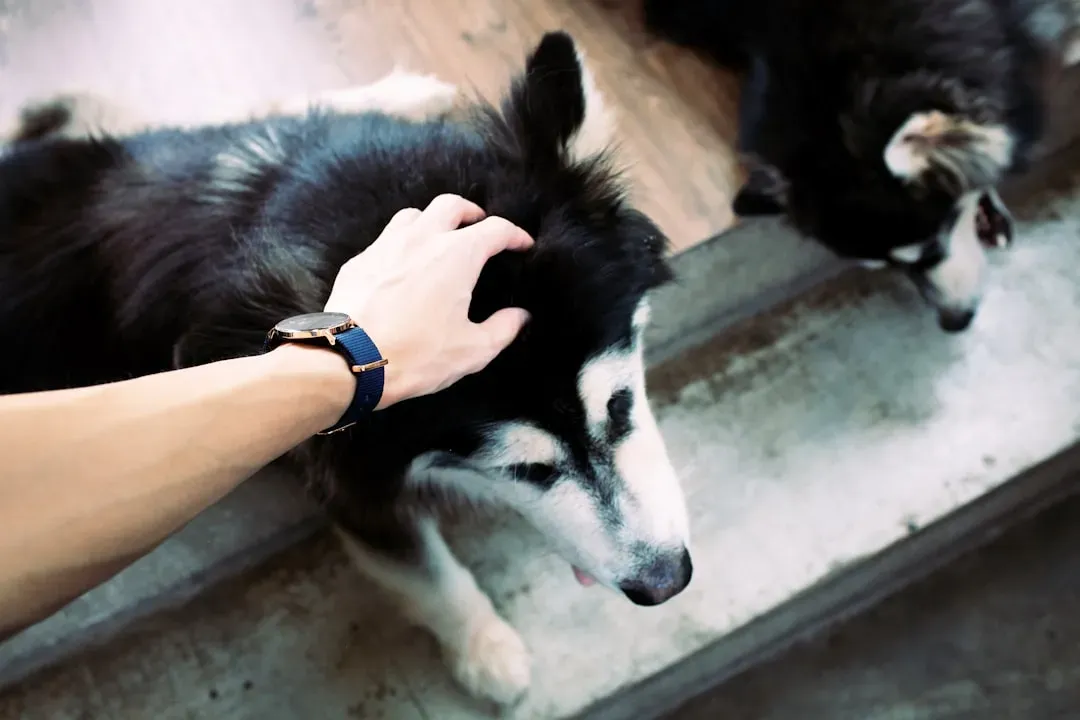
If your dog is normally affectionate and suddenly begins to shy away from petting and attention, they may be asking you for help. This could be their way of telling you that petting hurts, or they’re nervous that you’re going to touch a sensitive area on their body. It’s a quiet, polite request that’s easy to misread as rudeness or a bad mood.
A normally friendly and affectionate dog that suddenly becomes snappy, growly, or withdrawn may be experiencing pain or emotional distress. This could stem from an injury, illness, or even an underlying medical condition like arthritis. Dogs who feel unwell or are in pain may react defensively when touched, even by their favorite humans.
The key word here is “suddenly.” Dogs are creatures of habit. A shift in how they respond to your touch is not a personality change. It’s information. Before a vet appointment, try to document your dog’s behavior by taking photos, videos, or written notes to share with your veterinarian. Anxiety or fear may mask certain pain behaviors in a clinic setting, so these observations from home can provide critical insights.
They Stare at You With Unusual Intensity
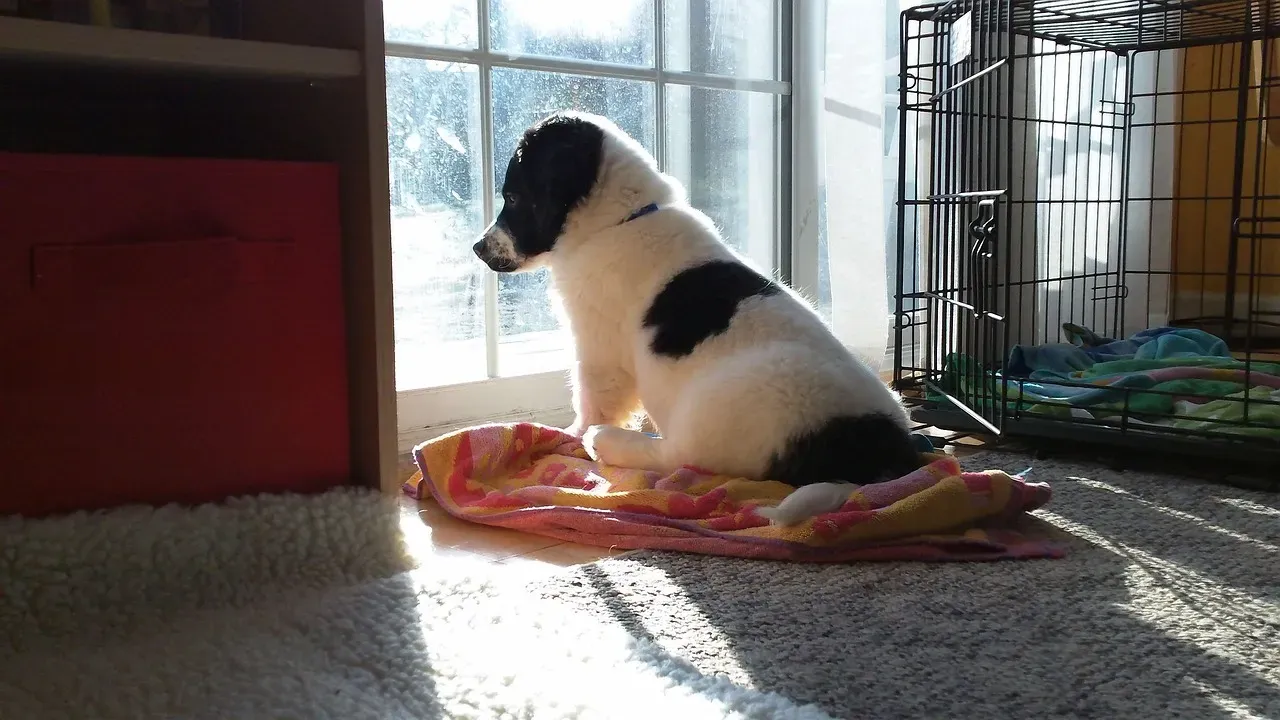
Eye contact is a form of canine communication. If your dog stares at you, they’re making direct eye contact to communicate they want something. Most owners assume it means “feed me” or “let’s play,” and sometimes it does. Other times, that sustained gaze is something more urgent.
If your dog is displaying behavior that you don’t understand, they may be staring at you with curiosity or desire. When dogs want something, they stare with the hope that you’ll understand what they’re after. For example, are they staring with their favorite toy in their mouth? If so, it could mean they’re waiting for you to get the hint. The difference between a casual stare and a distress signal usually shows up in the rest of their body. A relaxed dog stares loosely. A dog in discomfort stares with a tense body, flat ears, or a low tail.
Train yourself to read the whole picture, not just the eyes. Dogs are masters of body language. Paying attention to their postures and expressions can provide valuable insights into their emotional state and needs.
They Whine or Vocalize in Ways That Seem Out of Context

Your dog could be trying to get your attention vocally by whimpering or whining. Dogs do this when they want attention or when they need something. They also do this when they are feeling stressed, scared, or worse, when they are experiencing pain. The tricky part is that the sound can seem mild, almost like background noise you’ve stopped registering.
Barks, growls, and whines aren’t just noise. A sharp, repetitive bark might be an attention-seeking signal, while whining might express excitement, frustration, or even pain if they seem to be doing it for no reason. Pay close attention to when the vocalization happens. Does it occur when your dog shifts position? When they try to jump? During what should be a relaxed moment? Timing is everything.
Look for other signs that could help you determine the cause of the whining. You won’t be able to help your dog until you understand what’s causing it. Watch their movements, try to read their body language, and do your best to figure out what is bothering them. A dog who whines quietly while lying still deserves as much attention as one who yelps loudly.
They Lick or Chew One Spot Relentlessly
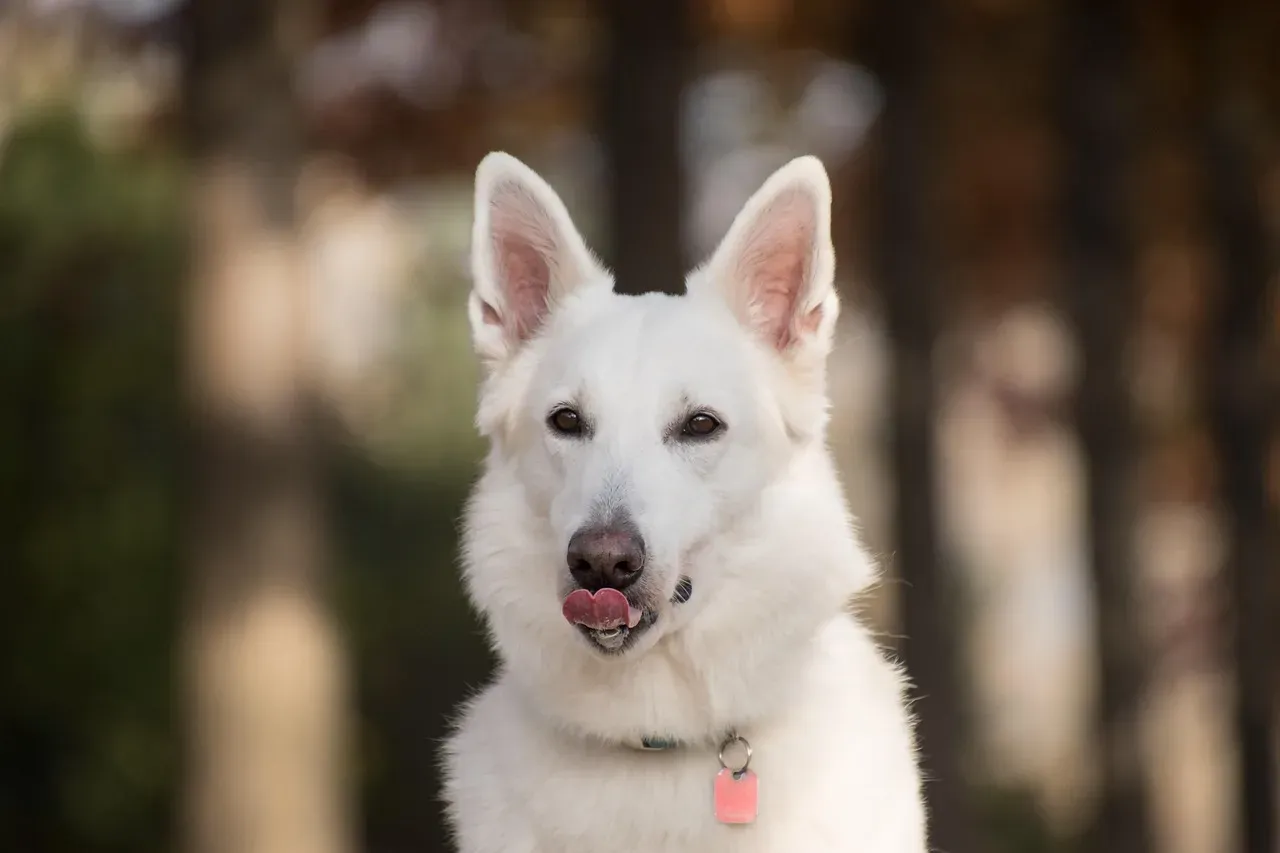
A dog that suddenly starts licking, biting, or chewing at a particular spot on their body may be dealing with irritation, pain, or even an underlying health issue. It could be allergies, dry skin, or something more serious like an infection. This kind of focused, repetitive grooming is one of the body’s most direct distress signals, and it’s one owners tend to dismiss as a “habit.”
Excessive grooming, specifically licking or chewing at a specific area on the body, is also listed by veterinary professionals at Cornell University as a recognized sign of pain. Some dogs also develop anxiety-related licking, creating hot spots or bald patches. Whether the root cause is physical or emotional, the message is the same: something is not right, and your dog needs you to notice.
Prevention tip: run your hand over your dog’s coat regularly during your normal cuddle time. Feel for warm spots, raised skin, or areas where your dog tenses up under your touch. Catching these early can save your dog a lot of discomfort down the line.
They Pace, Can’t Settle, or Show Restless Behavior
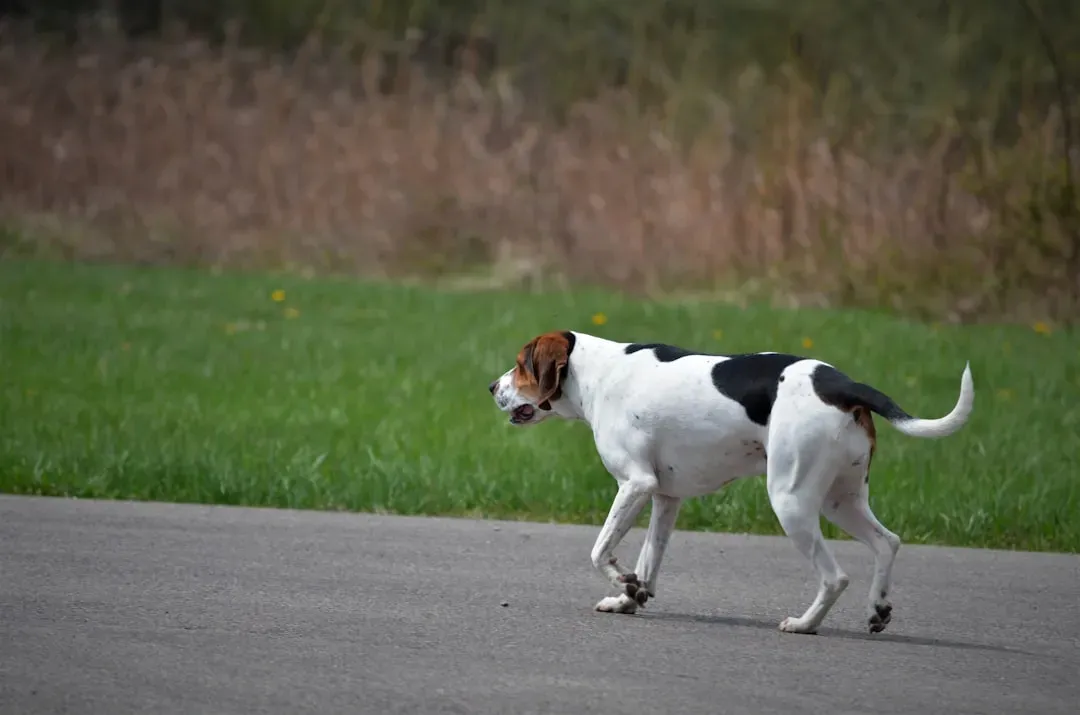
Pacing is typically a sign of anxiety or stress. It may occur for a brief period, like while a dog is waiting for a family member to return. But if your dog starts pacing out of the blue or if it lasts for an extended period of time, it may be a sign of a serious problem.
Restlessness, including pacing or an inability to settle, is also recognized as a behavioral indicator of pain. A dog who keeps circling their bed, lying down only to get up again moments later, or who seems unable to find a comfortable position may be managing discomfort that isn’t immediately visible. Older dogs naturally sleep more, but pain causes restless sleep, frequent position changes, or difficulty settling.
This is especially worth watching in senior dogs. The dog who’s been dealing with arthritis for months, moving just slightly slower each morning, or the one with dental pain who still eats but seems less enthusiastic about meals. These dogs are suffering in silence, and their subtle signals often go unnoticed until the problem becomes severe.
They Show Sudden Changes in Appetite or Daily Routine
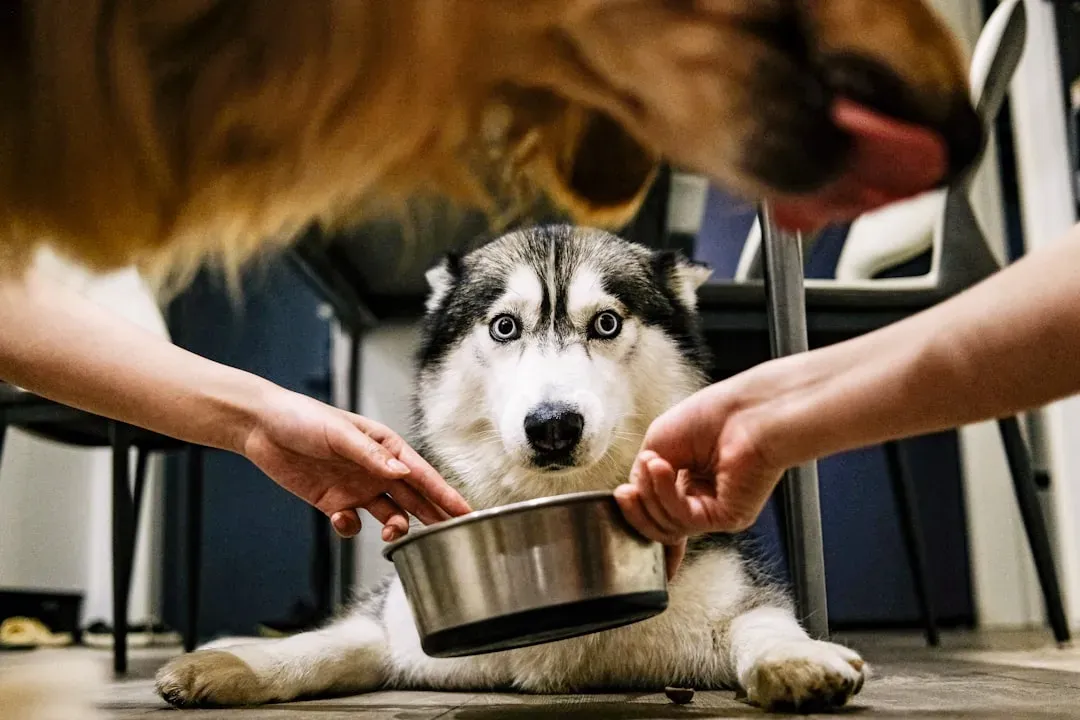
If you go to your dog’s food bowl and notice there’s still food there, ask yourself if they weren’t hungry. This could be a sign that your dog caught a harmless bug that needs to run its course. Or, it could be a sign that medical attention is necessary. Appetite changes are one of the earliest and most reliable indicators that something has shifted in your dog’s health or emotional state.
There are three primary ways you can tell when a dog needs your help: physiological changes, behavioral changes, and signs of pain or discomfort. A change in appetite often bridges all three categories at once. It could be a sign of something more serious, such as Cushing’s disease, diabetes, or kidney or liver disease. If this behavior lasts more than 24 hours, or if it’s accompanied by other serious symptoms such as vomiting, diarrhea, or whimpering, see your veterinarian.
Dogs love routine. When that routine is interrupted or suddenly changes, their behavior may follow. Dogs can get confused and may need redirection or a reminder of what’s normal. Anytime you notice a consistent deviation from your dog’s usual patterns, whether with food, sleep, walks, or play, take it as the signal it truly is.
Conclusion: Your Dog Is Always Talking. Are You Listening?
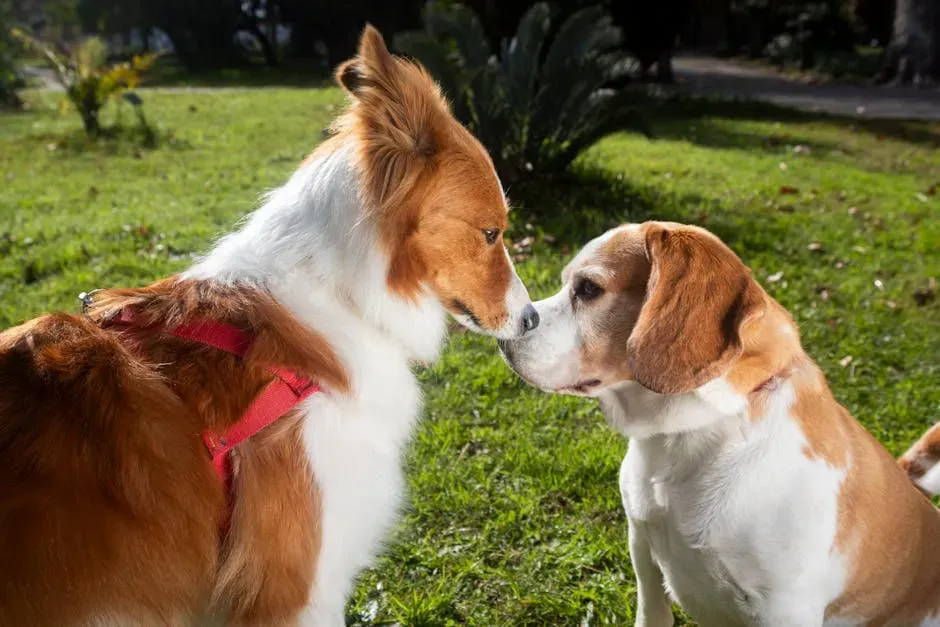
None of these signals require a veterinary degree to recognize. They require something simpler and more powerful: attention. Each dog is unique, and their cues and behaviors may vary. Paying close attention to your dog’s body language, vocalizations, physical cues, and changes in routine can help you interpret their needs accurately and provide the love and care they deserve.
Dogs may express signs of pain differently depending on breed, individual personality, age, and how long the issue has been present. Behavioral changes due to pain often develop gradually, so being attentive to your dog’s daily habits is key, as subtle behavioral cues will be more readily detected early by someone most familiar with the dog. That person is you.
The most meaningful thing you can do for your dog isn’t just feeding them well or keeping up with their vet appointments. It’s learning their language. When your dog’s signals are noticed and respected, it builds trust. This creates a supportive relationship where your dog feels understood. That kind of bond, built on genuine attentiveness, is what being a dog owner is really all about.


