

Picture this: you’ve just fallen in love with a new puppy or adopted a second dog, and you’re practically bursting with excitement. Then a quiet worry creeps in. What if your resident dog doesn’t share that same enthusiasm? What if the first meeting goes sideways, and instead of wagging tails you’re dealing with growling and tension you can’t undo?
You’re not alone in that worry. The good news is that with a little preparation and the right mindset, you can stack the odds heavily in your favor. The best way to foster canine friendship is through a gradual, positive introduction. Introducing dogs the right way increases the chances that they will get along and develop positive associations with each other. These ten steps will walk you through the whole process, from the very first sniff to sharing a home with ease.
1. Know Your Dog’s Personality Before Bringing Anyone Home
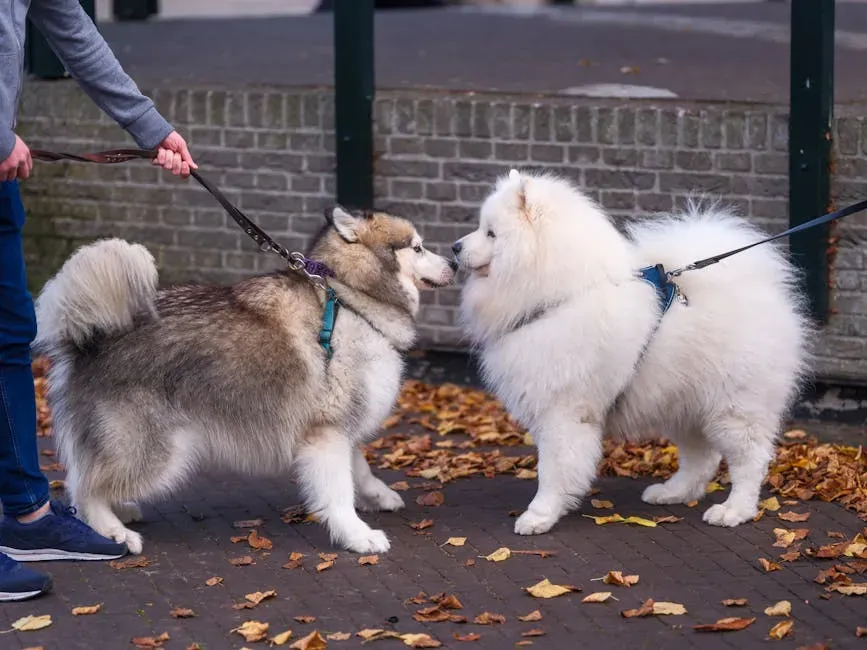
Not every dog rolls out the welcome mat for a new arrival. Before you set up a dog introduction, consider your dog’s general attitude toward other dogs. All dogs are individuals. Some are uncomfortable with or reactive to new dogs and need very slow introductions. Some don’t necessarily like every single dog they meet. Some do best as the only dog in the household. Knowing this upfront isn’t a reason to give up – it’s a reason to plan carefully.
It’s important to consider whether the dogs are even interested in meeting new friends. While some dogs crave canine companionship, some older dogs or dogs who didn’t have thorough socialization as a puppy might not need – or want – a buddy. Always take your dog’s personality into consideration and do what’s best for them. An honest assessment before day one protects everyone involved.
2. Think Carefully About Compatibility When Choosing the New Pet

Give some thought to choosing a new dog who can be compatible with your present dog. In general, conflict is least likely to occur between a male dog and a female dog. Male with male is the next best combination, while female with female is the combination most likely to result in conflict. These aren’t hard rules, but they’re worth keeping in mind as you make your choice.
When you choose a new dog, consider your present dog’s needs. For example, try not to bring a very active young dog into a home with an older dog who already has health problems such as osteoarthritis. If you do get a puppy or young dog, be prepared to protect the older dog from them. You will have to spend plenty of time with the new dog and offer distractions to keep them from harassing the older dog.
3. Make Sure All Pets Are Healthy Before the Big Day
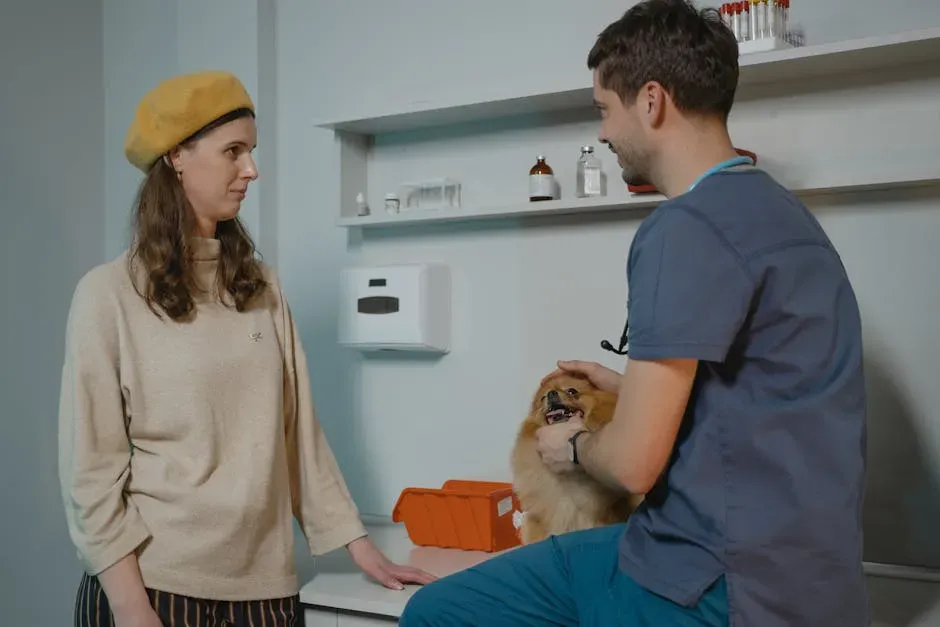
If you already have dogs or cats at home, make sure they are up to date on their shots and in good general health before introducing your new dog. New family members can be stressful for pets, so you want all pets in your home to be mentally and physically healthy before adding any additional stress. A dog that’s already unwell is far less equipped to handle the emotional demands of a new housemate.
Take your new dog to the veterinarian within a week for a general health check, vaccinations, and preventative flea/tick medicine. This protects your resident dog from any illnesses the new arrival might unknowingly carry. It’s a simple step that many first-time multi-dog owners skip, and it can make a real difference in how smoothly things go.
4. Prepare Your Home Before the New Pet Arrives
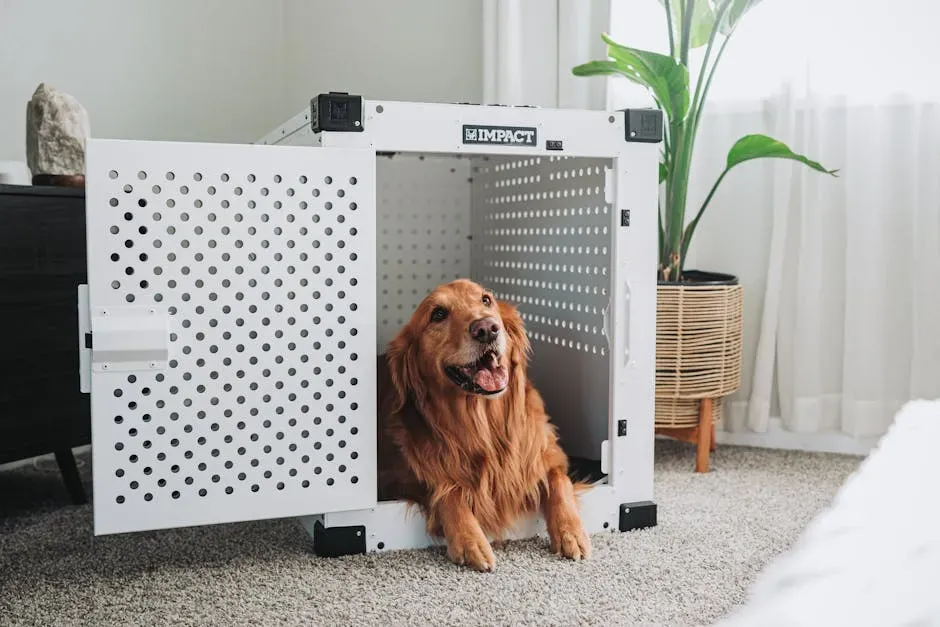
Before bringing in the new addition, prepare your home. A crate, an exercise pen, and dog gates are all helpful tools when you need to quickly separate the dogs. Plan on establishing a routine from the very beginning. Having the physical setup done in advance means you won’t be scrambling in stressful moments when both dogs need managing simultaneously.
At home, let them settle in, but make sure you’ve put away your dog’s toys, bones, and food bowls first, because these items can be sources of conflict. Whenever you feed the dogs – and if you’re going to offer high-value items like chews – it might be best to separate them while they eat. There should be more than one water bowl and more than one comfortable place to lie down. There should be plenty of toys, especially of kinds your dog likes, so that there’s no reason for the dogs to have a conflict over access to them.
5. Choose a Neutral Location for the First Meeting
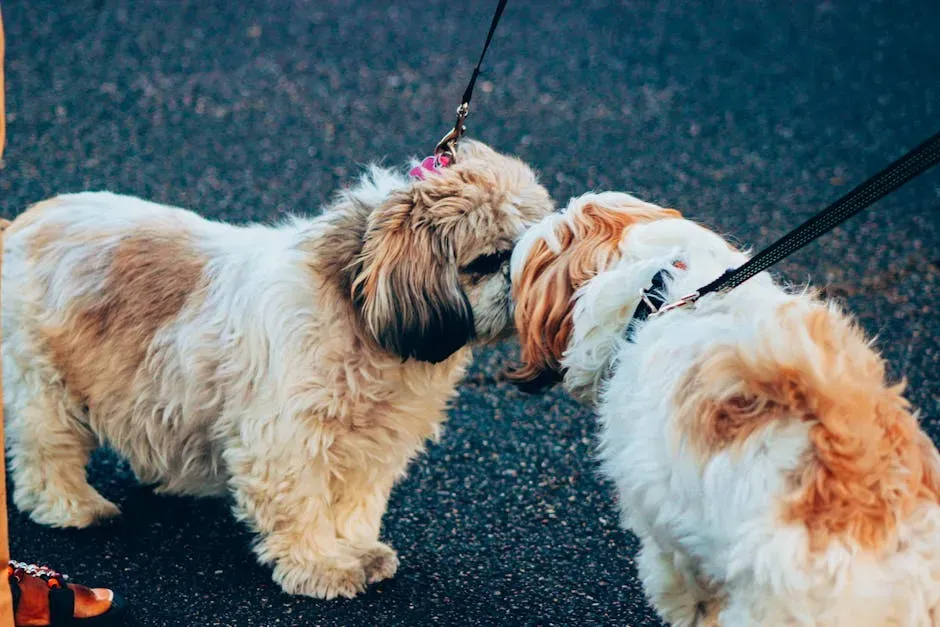
First impressions matter, so it’s important to properly introduce your current dog to a new dog. You don’t want to walk a new dog into your home with your current dog waiting inside, because your dog will naturally feel that the newcomer is an intruder, not a new friend. Properly introduced dogs are more likely to become buddies. Think of it like introducing two strangers – a public, neutral space always beats one person’s living room.
The introduction should happen in a large outdoor space that’s neutral to both dogs, meaning neither has claimed it by frequent visits or marking. Ideally, this location should have enough space so the dogs can be at least 30 feet apart at first. A local park, quiet field, or open street all work well. The goal is to give both dogs breathing room before they even share a glance.
6. Try Parallel Walking Before a Face-to-Face Greeting
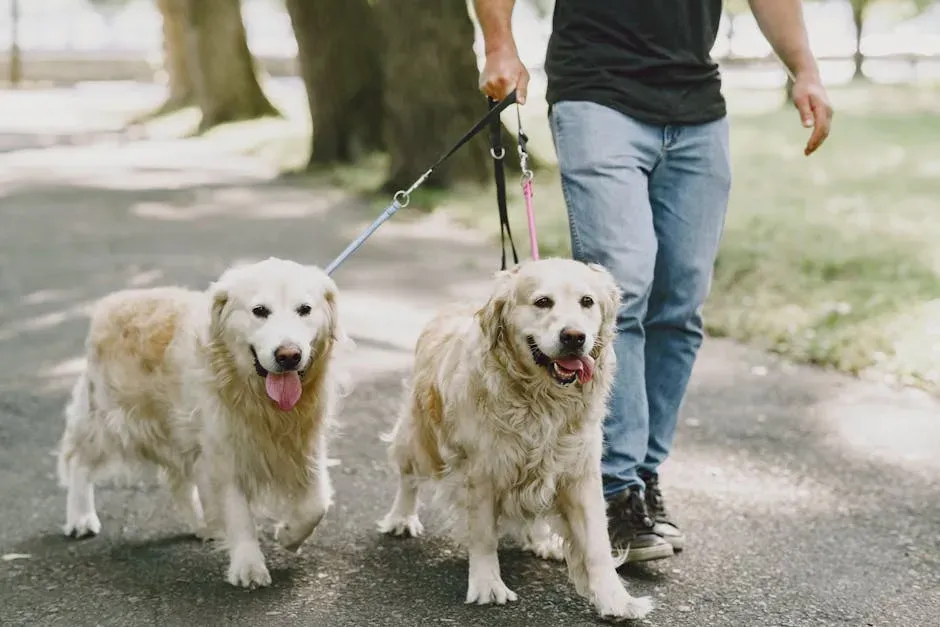
When introducing two dogs, try parallel walking before allowing them to meet on leash. Instead of letting the dogs meet immediately, start walking down the street in the same direction and parallel with the other dog and handler. This technique lets them get used to each other’s presence without the pressure of direct contact. It’s one of the most effective low-drama tools available.
Start on neutral territory where you have plenty of space, like a park, open field, or quiet street. Start on opposite sides of your space walking the same direction. When one dog looks at the other, they get a treat. Keep walking until they are no longer focused on each other. Repeat your walk and reward method, moving about three to five feet closer. This gradual approach builds positive associations without overwhelming either dog.
7. Learn to Read Your Dog’s Body Language
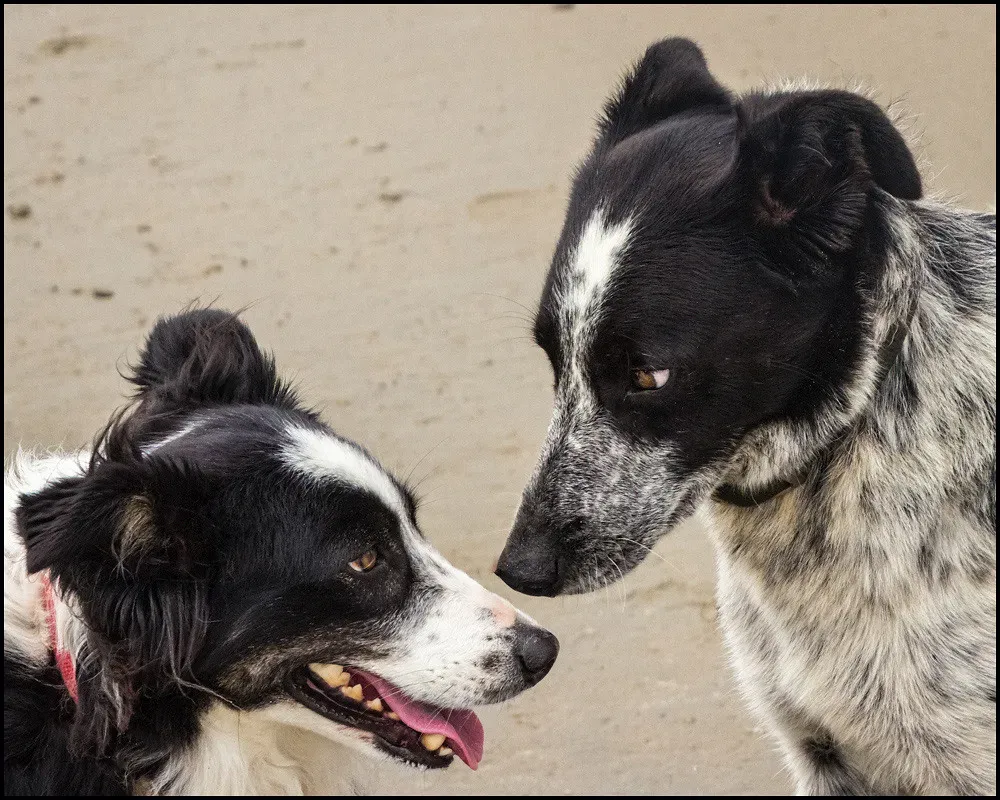
Your dog is always talking. The challenge is understanding what they’re saying. Dogs communicate how they feel through body language – including their ears, eyes, mouth, posture, and tail – and understanding these signals helps prevent fear, stress, and bites while strengthening your bond. During introductions especially, this skill can prevent a tense situation from escalating into something harder to walk back.
Watch for these specific warning signs: be on the lookout for signs either dog is anxious or uncomfortable, such as growling, snapping, showing teeth, back-hunching, long stares, and raised fur. On the calmer end, a relaxed dog typically shows a gentle and loose tail wag accompanied by a relaxed body posture, soft eyes with the mouth slightly open or closed, ears positioned neither forward nor backward, and a loose overall body with no signs of stiffness or tension. When you see that relaxed picture, it’s a green light to move forward slowly.
8. Keep Leashes Loose and Your Own Energy Calm
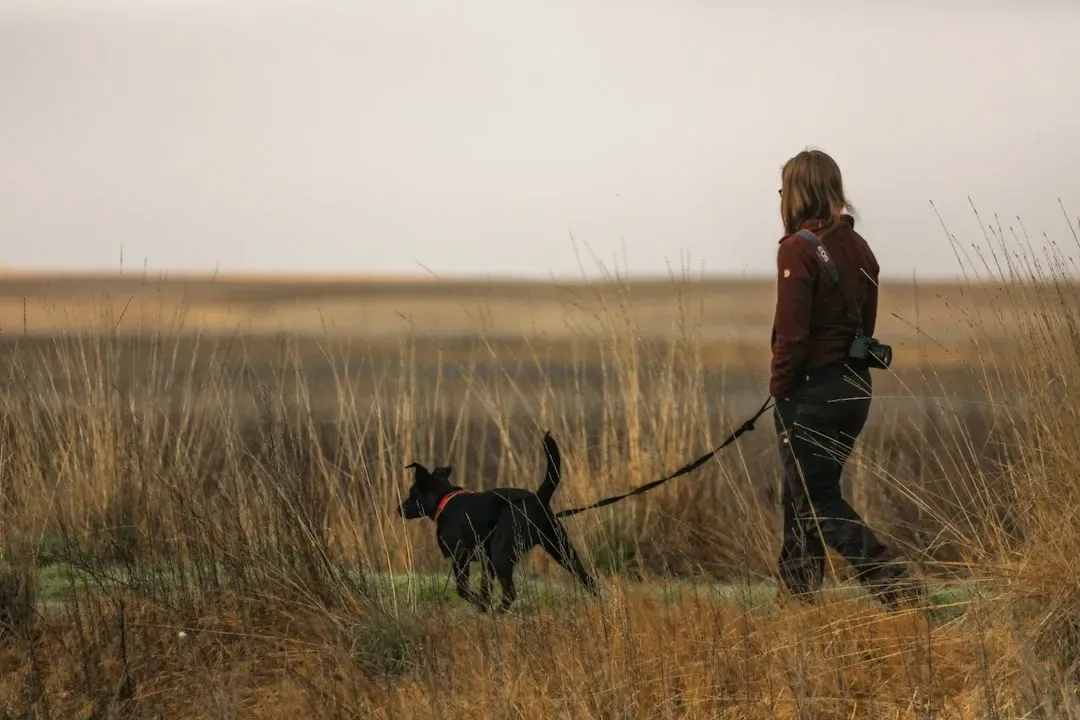
Try to keep the leashes loose to prevent leash pressure that can contribute to your dog feeling restricted, stressed, or frustrated. You can use treats to work on loose leash walking, lure the dog to walk next to you rather than pulling ahead, and redirect them if they are straining or lunging at the end of the leash. A tight leash sends tension straight down to your dog’s body, and they feel it instantly.
When introducing two dogs, it’s important for both dog owners to remain calm, as dogs have a keen sense for the general demeanor of humans. A fearful dog is a dog that has a hard time learning anything new – by keeping your cool, you teach your dog to do the same. Your nervous energy can spike their anxiety before anything has even gone wrong. Take a breath, steady yourself, and let your calm posture do some of the work.
9. Supervise Closely and Separate When Needed
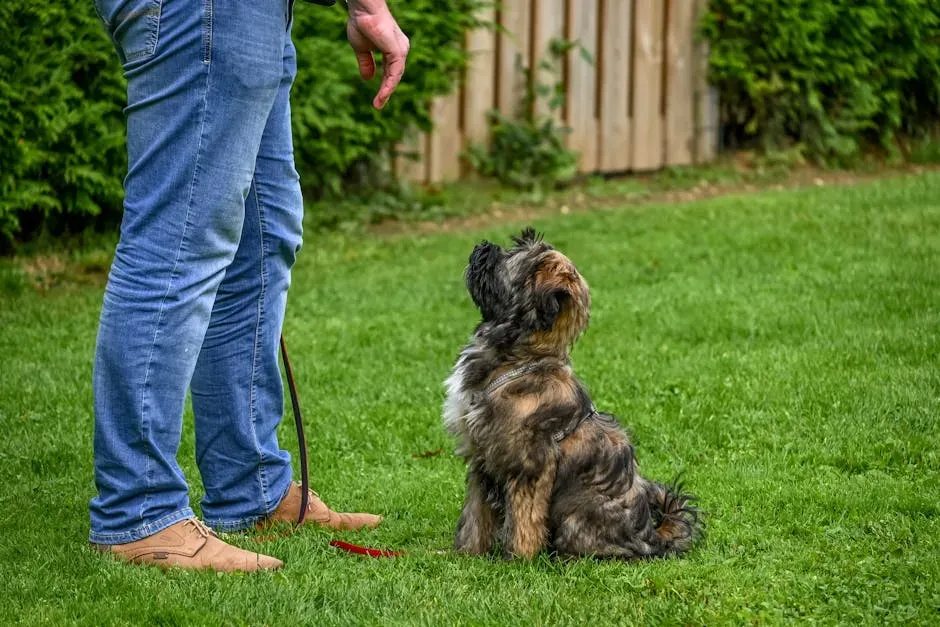
Keep the dogs’ interactions closely supervised for the first two weeks, until both dogs are fully accustomed to each other. Avoid leaving the dogs alone together until you’re sure they’re comfortable with each other. Two weeks might feel like a long time, but it goes fast, and the payoff is a genuinely stable relationship between your dogs rather than an uneasy truce.
When you are not able to supervise them, it is best either to crate the new dog or put the dogs in separate rooms. You want to make sure they don’t have any issues when you aren’t around, because one altercation can make it much more difficult for them to be comfortable with each other. Keep in mind: some posturing and mild aggression can be normal as dogs become more comfortable, even after a successful first few days or weeks. Don’t panic! It doesn’t necessarily mean things are falling apart.
10. Use Positive Reinforcement Throughout the Entire Process
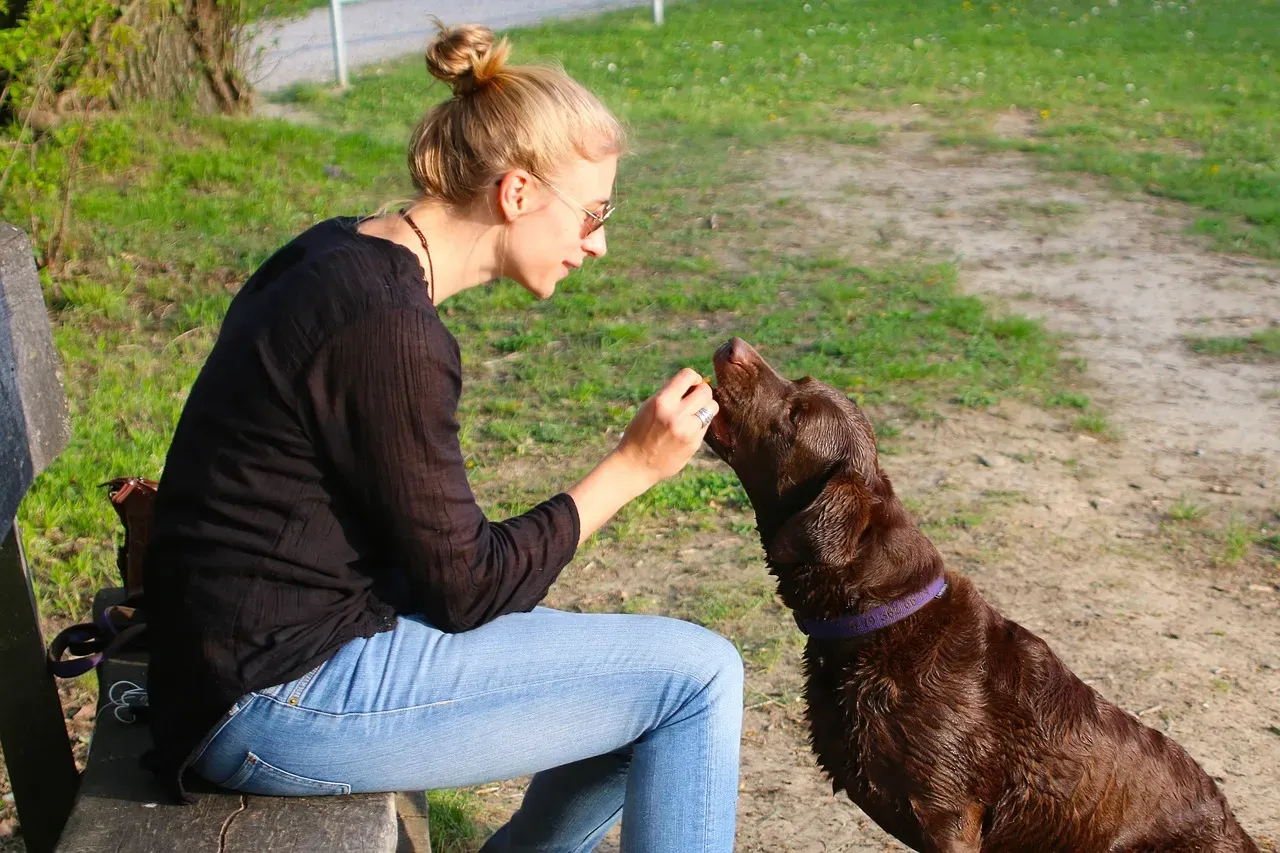
Reinforce positive behavior with lots of treats and pets – treats are a great training tool. Watch closely for situations that could lead to conflict, such as fighting over toys or becoming overly excited. Rewarding good behavior is far more effective than reacting to bad behavior, and it builds a positive emotional bond between the two dogs from day one.
When supervising interactions, reward both dogs for behaving appropriately. Make sure your puppy is getting enough mental and physical exercise, so they’re not focusing all their attention on the older dog. A great activity is taking both dogs on a walk. Eventually, with an introduction that hasn’t been rushed, the puppy will develop the communication skills they need to succeed, and your dogs will likely be great friends. Patience paired with consistent rewards is the real secret here.
Conclusion: Drama-Free Is Absolutely Possible

Bringing a new pet into your home doesn’t have to mean weeks of tension, chaos, or worry. The dogs in your life don’t need perfection from you – they need patience, preparation, and a willingness to slow down and let things unfold on their timeline. Every carefully planned walk, every treat tossed at the right moment, every calm breath you take on their behalf adds up.
Be patient. Bringing a new dog home requires that everyone make some adjustments, especially your current pets. It will take time for your dogs to build a comfortable relationship. Some pairs bond within days, others take a month or two. What matters most is that you stay observant, stay consistent, and trust the process.
The relationship that forms on the other side of that effort – two dogs napping side by side, playing in the yard, keeping each other company during a thunderstorm – is absolutely worth every mindful step it took to get there.


