
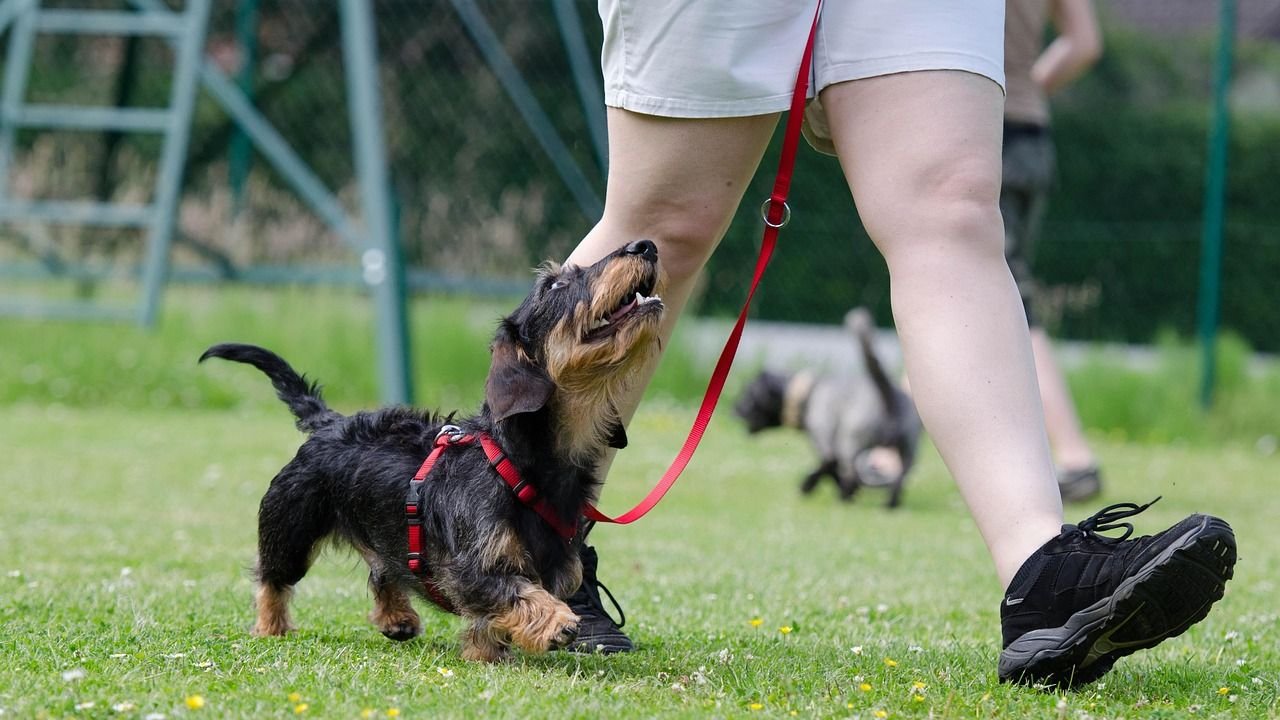
You’ve done the long walk. You’ve played fetch until your arm gave out. Your dog has zoomied through every room in the house, demolished a chew toy in under four minutes, and is now staring at you like you personally owe them a third adventure. Sound familiar?
For high-energy breeds, it can feel tempting to rely on physical exercise alone to tire them out. The problem is that physical exhaustion alone can lead to more excitement and adrenaline rather than true fulfillment, and that excitement level tends to trend upward over time, trapping you in a cycle of chaos rather than calm. The real missing piece isn’t more miles on the leash. It’s mental challenge. Dogs are incredibly smart animals, and mental stimulation is just as important as physical exercise. Mental exercises can actually make dogs even more tired than physical exercise alone. These five games are simple, require little to no special equipment, and work genuinely well, even for the bounciest dogs on the block.
Game 1: The “Find It” Nose Work Game
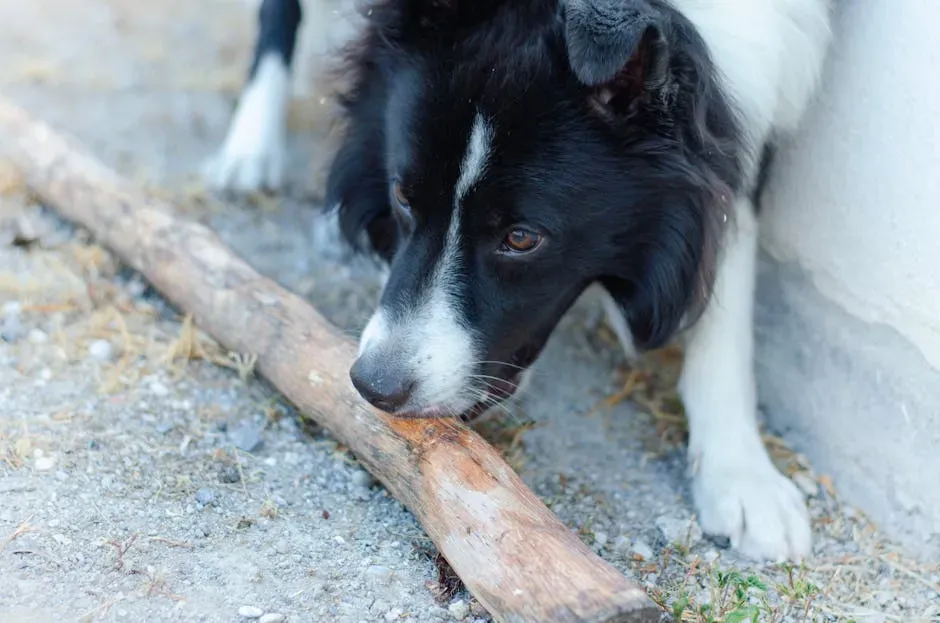
Dogs experience the world primarily through their noses, and that superpower is wildly underused in most households. The act of sniffing, central to most enrichment tasks, has a particularly calming effect on the canine nervous system. In fact, nose work has been shown to regulate heart rate and promote relaxation. Giving your dog a dedicated sniffing job taps directly into that natural capacity.
To play, simply scatter a handful of kibble or small treats across a rug, in the grass, or across the kitchen floor. Tell your dog “find it!” and let them go to work. Start easy with the treat in an obvious place, and as your dog begins to understand the game, progressively make it harder. Hide pieces under cups, inside folded towels, or tucked into corners of the yard. The beauty of this game is that it scales endlessly.
Ten minutes of active sniffing exhausts mental energy more effectively than twenty minutes of aimless pacing. If your dog seems restless after a walk, try five minutes of “find it” before expecting them to settle. You’ll often notice the difference almost immediately. Watch for your dog’s breathing to slow and their body posture to soften as solid signs the game is doing its job.
Game 2: Puzzle Feeders and Food Toys
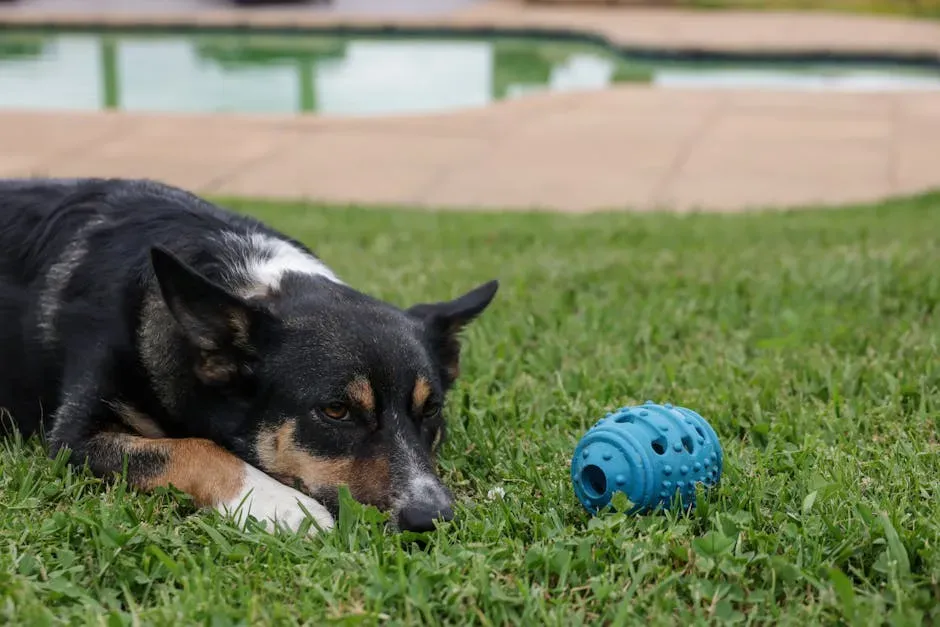
Swapping your dog’s regular bowl for a puzzle feeder is one of the simplest upgrades you can make to their daily routine. Puzzle feeders engage your dog’s mind during mealtime, turning routine eating into an exciting challenge. They can also help slow down fast eaters, which improves digestion and prevents bloating. By requiring your dog to work for their food, puzzle feeders provide mental stimulation that keeps them alert and attentive.
When a dog works to solve a puzzle or uncover hidden treats, their brain releases dopamine, the “feel-good” neurotransmitter responsible for pleasure and motivation. By giving your dog opportunities to earn rewards through enrichment, you’re literally boosting their mood chemistry. That’s a meaningful payoff from something as routine as feeding time.
Start with easier puzzles and heavily reward any effort, not just success. If your dog shows frustration through whining, pawing aggressively, or walking away, the puzzle is too difficult. Dial it back and build up gradually. The goal is engagement, not stress. A dog who finishes a puzzle feeder and then curls up for a nap is telling you everything you need to know about how hard their brain just worked.
Game 3: Hide and Seek (With You or Their Toys)
This one is genuinely fun for both of you. The idea is simple: ask your dog to wait in another room, go hide somewhere in the house, then call their name once. The sniffing, searching, and problem-solving involved makes this a powerful mental stimulation game for dogs. When they find you, celebrate wildly. Make it the best moment of their day. As a bonus, it also reinforces the “come” command, which is always a win.
You can run a toy-based version too, where you hide a named favorite toy and send your dog to find it. Hide and seek is a great way to boost your dog’s problem-solving skills, and it also gives you the opportunity to reinforce commands like “wait” and “come,” as well as introduce new command words like “find.” There are lots of variations you can try, including testing your dog to seek out treats, toys, or even you.
Scent work games like these really engage a dog’s brain and wear them out after all that work. They have endless variations of hiding places, so you can always keep things fresh, new, and stimulating. Rotate locations, vary the difficulty level, and never hide in the exact same spot twice. Dogs notice patterns quickly, and novelty is what keeps the brain firing.
Game 4: Short Trick Training Sessions
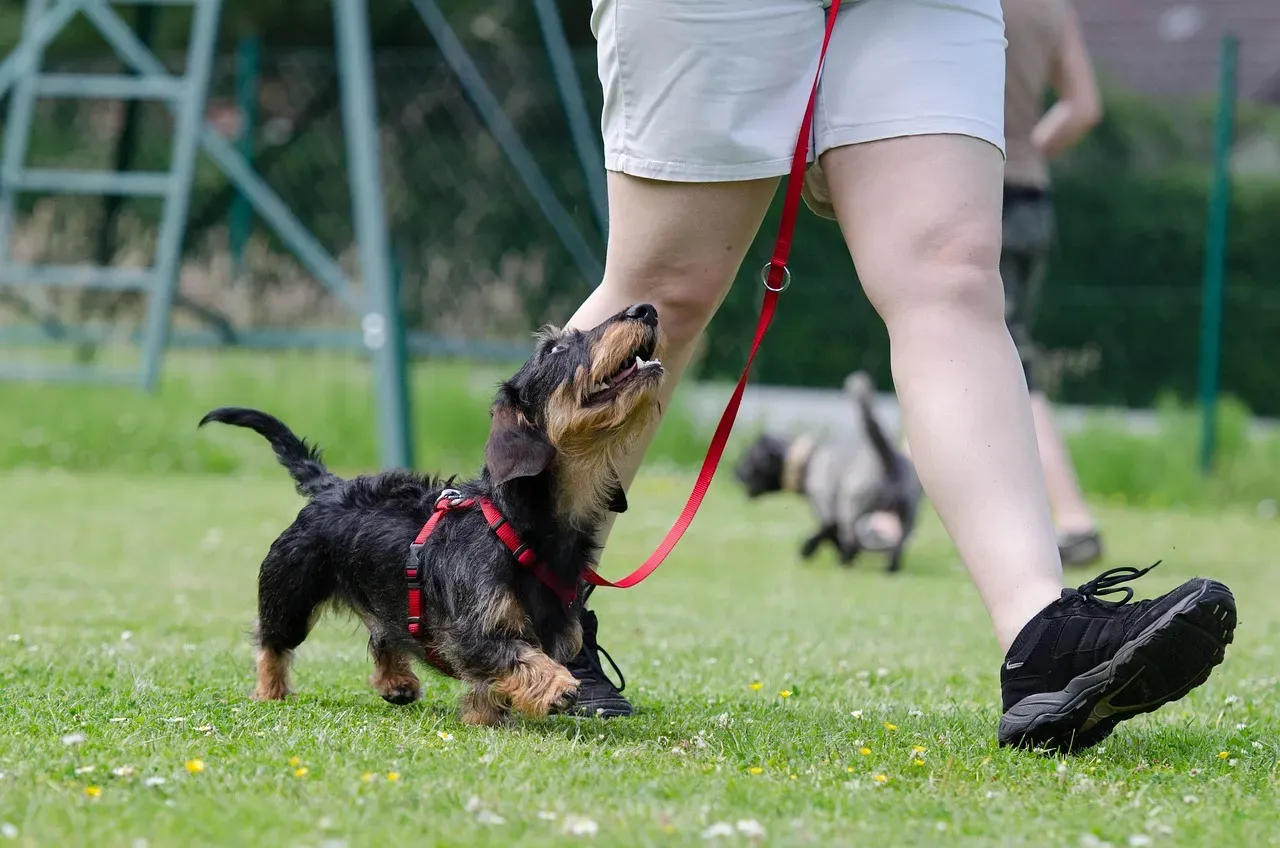
Teaching new tricks isn’t just about a cool party piece. It’s serious mental work. Teaching new behaviors is one of the most effective enrichment activities because it combines mental stimulation with positive reinforcement training. Learning creates new neural pathways, keeping your dog’s brain young and engaged. Just ten to fifteen minutes of training can tire a dog as much as a long walk.
Dogs like to know the rules of a household, and training not only bonds them with you but also makes them feel more secure at home. Even five to fifteen minutes of training exercises a day can be exhausting for your dog, comparable to whenever you’ve tried to learn something new, which uses new parts of your brain and tires you out quickly.
Keep sessions short and upbeat, ending on a success every time. Classic commands become genuine cognitive games when you change variables: practice “sit” at greater distances, add mild distractions, or switch locations. Each variation forces fresh decision-making, and correct choices flood the brain with reinforcement. Within weeks, many unwanted behaviors naturally diminish because the dog now has more rewarding ways to channel energy and attention. Signs your dog is mentally full include yawning, looking away, or lying down mid-session. Those are good signs, not bad ones.
Game 5: The Shell Game with Cups
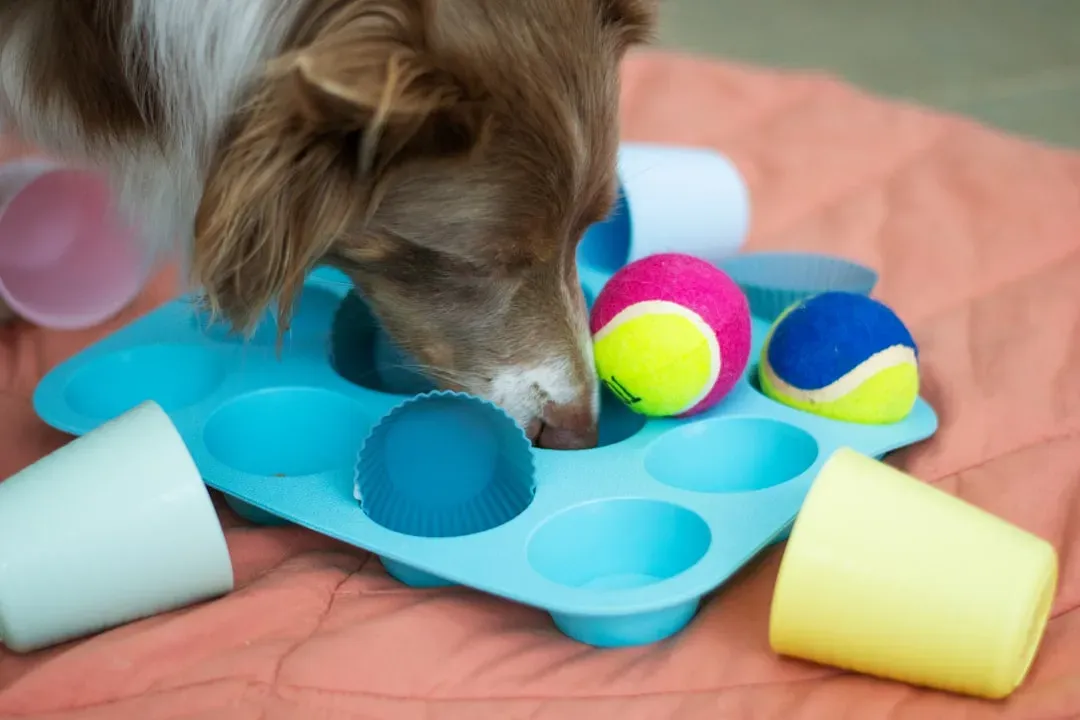
This game is deceptively simple and genuinely impressive to watch. Place three cups upside down on the floor, hide a treat under one of them, and let your dog sniff out the right cup. The objective is to have them use their brain to earn the reward. These interactive activities can improve your dog’s memory and teach them to focus on a specific task for a period of time. That focused concentration is exactly what drains mental energy in the best possible way.
Studies have shown that dogs are far more intuitive than you may think. Not only are they able to read human faces and expressions, they also have the potential to develop counting skills and understand concepts like object permanence. The shell game plays directly into this capacity for tracking and memory. Once your dog gets the hang of it, start slowly shuffling the cups before asking them to choose. The added challenge of watching and remembering ramps up the difficulty considerably.
Environmental enrichment activities result in a significant increase in relaxation behaviors and a significant reduction in alert and stress behaviors. The shell game, though modest in appearance, delivers on both counts. It’s one of the few games you can run from the couch on a rainy afternoon without breaking a sweat yourself, which honestly makes it a win for everyone involved.
A Few Things Worth Knowing Before You Start
Start with ten to fifteen minutes daily and adjust based on your dog’s engagement. Mental stimulation can be more tiring than physical exercise, so watch for signs of mental fatigue such as yawning, looking away, or lying down. Multiple short sessions throughout the day are more effective than one long session. Don’t feel the need to push through if your dog taps out early.
Enrichment has been shown to have wide-ranging benefits for dogs including promoting relaxation, reducing stress and anxiety, improving resilience, strengthening bonds with their people, and preventing and treating undesirable behaviors like excessive barking. These games aren’t just about tiring your dog out, though they do that well. They’re about meeting your dog where their instincts live, and that’s a different, deeper kind of care.
Many destructive behaviors in dogs can be resolved simply by implementing mental exercises every day. If your dog is chewing furniture, pacing, barking at nothing, or acting wired even after exercise, those are often signs of an understimulated brain, not a “difficult” dog. The fix is usually simpler than you think.
Conclusion

High-energy dogs aren’t a problem to be solved. They’re bright, capable animals who need their minds engaged as much as their bodies. A mentally fulfilled dog barks less, destroys fewer shoes, and focuses better during training. These enrichment activities tap into a dog’s instincts, turning simple moments into meaningful “jobs” that leave them happily tired.
None of these five games require expensive equipment, a big yard, or an hour of your time. A handful of kibble, three plastic cups, a few minutes of hide and seek, or a quick training session can genuinely shift the energy in your home. Enrichment both early and later in life has been shown to slow cognitive decline in dogs. Its use may promote neurogenesis later in life, and cognitive enrichment early in life appears to protect against the development of age-associated cognitive decline and dementia.
Start with just one game this week. Watch how your dog settles afterward. That contented, boneless nap they fall into is the best feedback you’ll ever get. A dog with a busy brain is a dog that feels seen, and honestly, that’s all any of them are asking for.


