
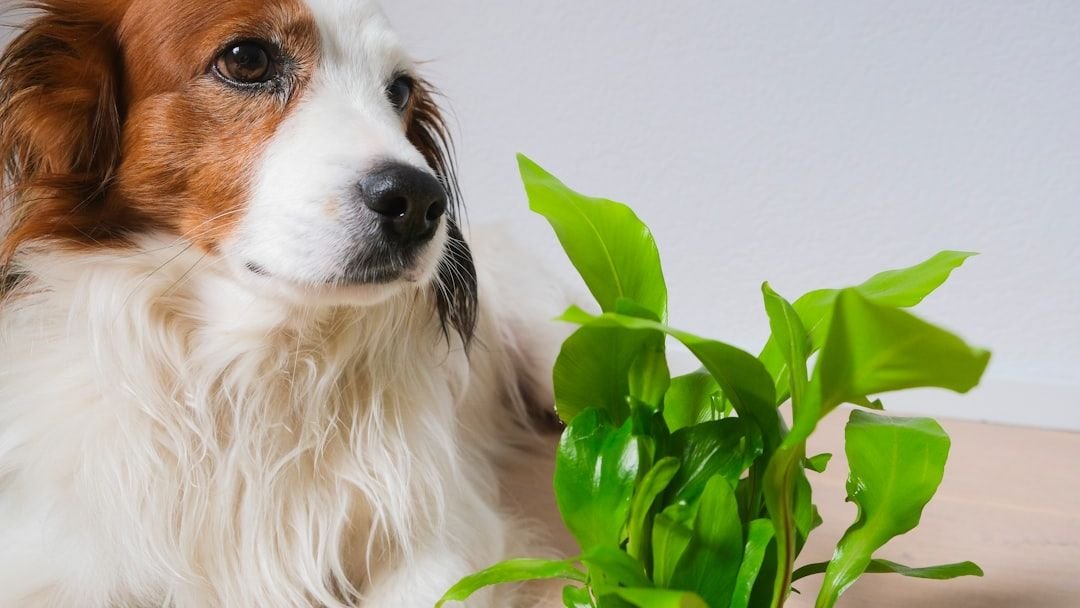
Picture this: it’s a sunny afternoon, your dog is sniffing around the garden, your cat is lounging between flower pots, and everything looks perfectly peaceful. What most pet owners don’t realize is that some of the most beautiful plants in that garden could send their beloved companion straight to an emergency vet.
So many poisonous plants for pets are common in home gardens and households, and the danger isn’t always obvious. A gorgeous flowering shrub or that tropical-looking ornamental you picked up at the nursery might seem harmless, but certain plants carry toxins that can cause anything from mild stomach upset to life-threatening organ failure. Knowing which ones to watch out for is one of the most practical things you can do as a pet parent.
1. Sago Palm: The Deceptively Deadly Ornamental
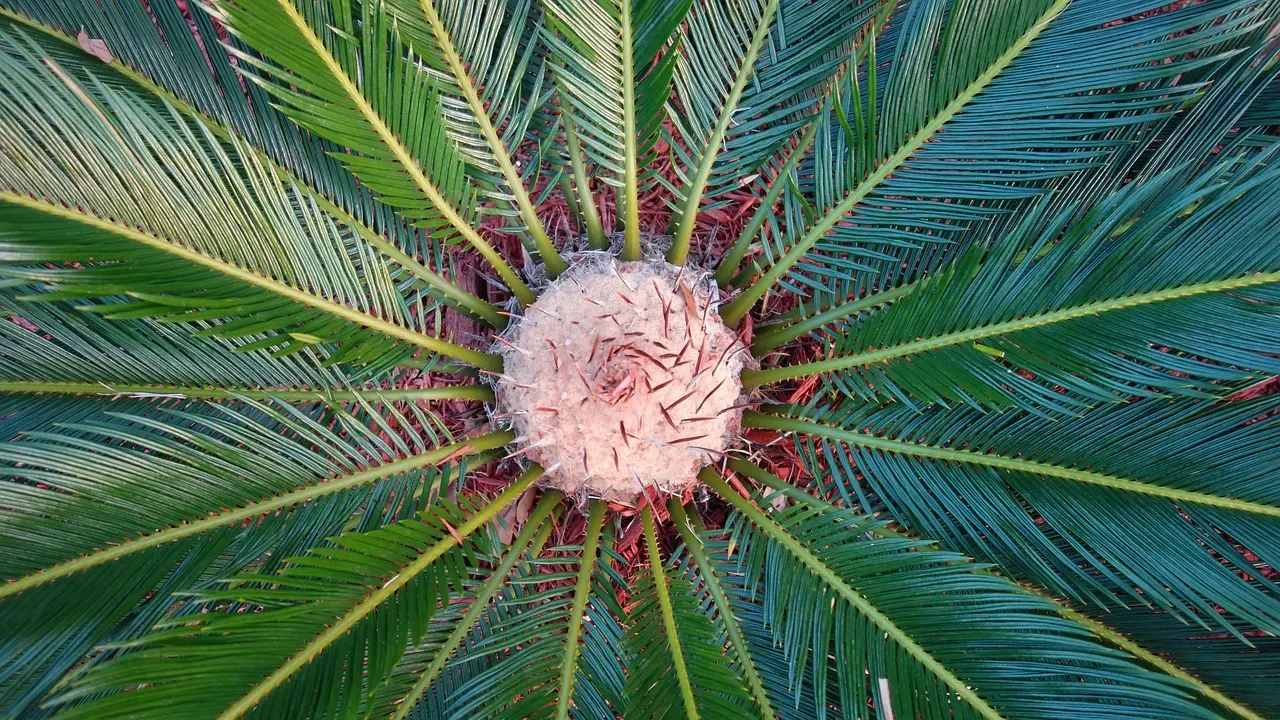
Despite its name, the Sago Palm is not a true palm, and it’s far more dangerous. It’s widely sold as a decorative indoor or patio plant, which means many pet owners welcome it into their homes without a second thought. That’s where the real danger lies.
Dogs are extremely sensitive to the toxicity of sago palms, with severe gastrointestinal signs, liver toxicity, and central nervous system abnormalities expected. Seeds are the most toxic part, though all parts are considered toxic. Two primary toxins are present within the plant: cycasin and beta-methylamino-L-alanine (BMAA). Cycasin primarily causes gastrointestinal, CNS, and liver toxic effects, while BMAA primarily causes CNS effects.
Clinical signs of toxicosis include vomiting and diarrhea, which may be bloody, as well as anorexia, lethargy, abdominal pain, tremors, seizures, and liver failure. Initial clinical signs are often evident within the first four hours of ingestion and can progress to liver failure within 48 to 72 hours.
According to Pet Poison Helpline, even with aggressive treatment, only about half of affected pets survive. If you suspect your pet has chewed on any part of this plant, don’t wait for symptoms to escalate. Get to a vet immediately. This one genuinely warrants removing the plant entirely from your home and garden.
2. Lilies: Beautiful Blooms With Serious Consequences for Cats
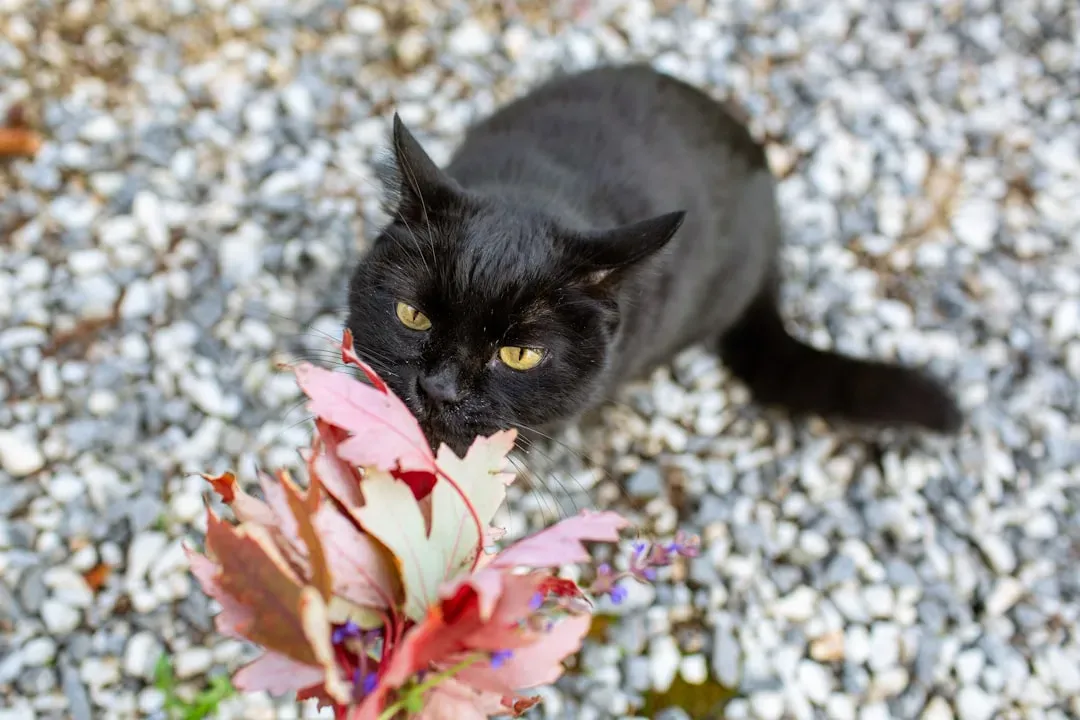
There are dangerous and benign lilies out there, and it’s important to know the difference. Many people assume all lilies are equal, but the distinction between true lilies and lookalikes is critical, especially if you share your home with a cat.
The more dangerous, potentially fatal lilies are true lilies, which include tiger, day, Asiatic, Easter, and roselilies, all of which are highly toxic to cats. Even small ingestions such as two to three petals or leaves can result in severe kidney failure. This is not a plant where a curious nibble carries minor consequences.
Clinical signs begin within one to three hours after ingestion and include salivation, anorexia, and lethargy. If left untreated, the situation worsens rapidly. Take your cat to the vet immediately if it consumes any part of a lily.
Prevention here is straightforward. Also avoid having lilies in any vases inside. Even pollen that falls from a cut arrangement onto a cat’s fur and gets groomed off can be enough to trigger kidney damage. Instead, try petunias, cornflowers, or African violets as safe and equally beautiful alternatives.
3. Foxglove: The Heart Medication That Can Stop Your Pet’s Heart
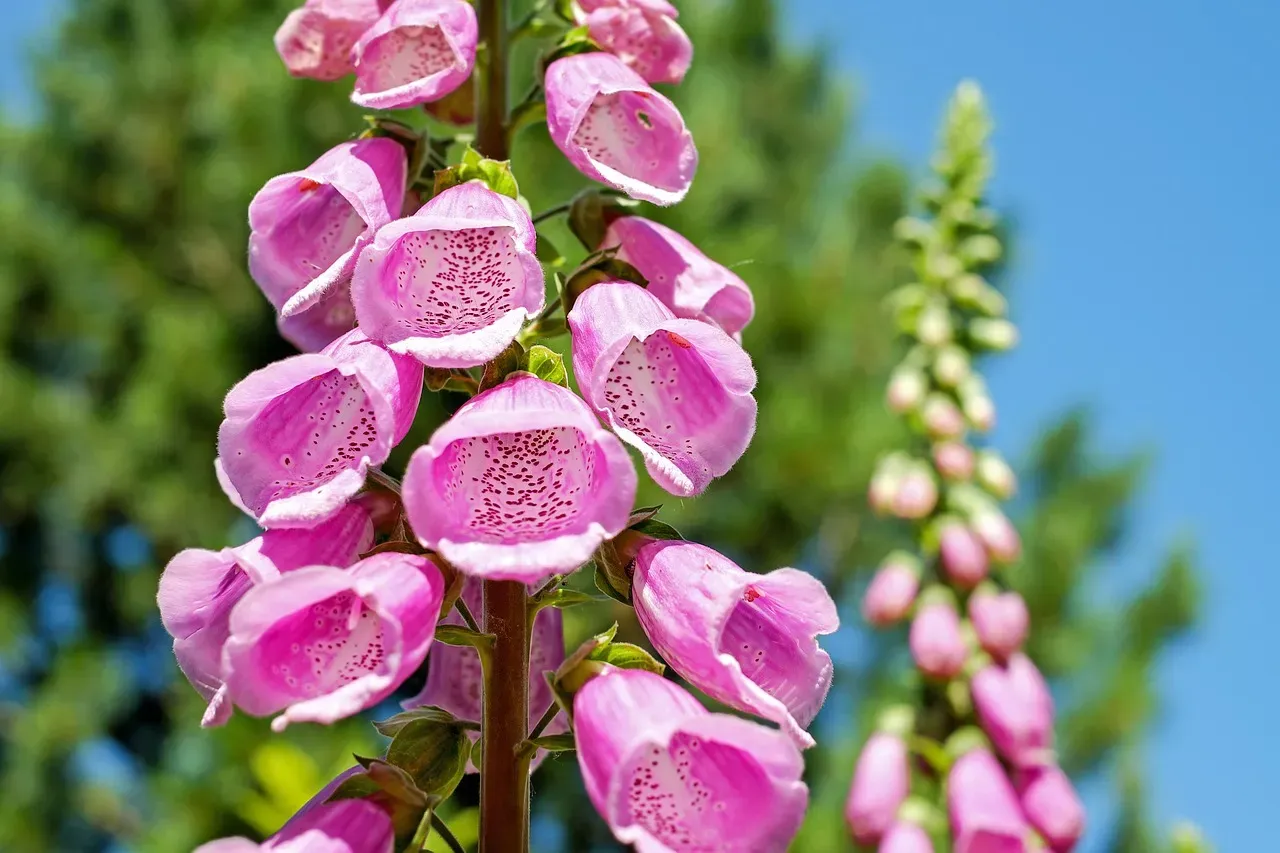
The tall flower spires of foxglove are a welcome sight in the garden come spring and summer. A favorite in English cottage-style gardens, the attractive bell-shaped flowers make a welcome addition to any flower border. These biennial or perennial flowers are highly poisonous to pets if ingested, containing cardiac glycosides that can affect the heart.
Pets can become sick just by drinking water out of a vase containing cut foxgloves. Symptoms include drooling, nausea, vomiting, weakness, dilated pupils, tremors, abnormal heart rate, seizures, and death. That’s a sobering list for a plant that looks like something out of a fairy tale.
All parts of the foxglove plant are poisonous to dogs, cats, and even humans. These toxins, called cardiac glycoside toxins, affect the heart by disrupting its internal balance. The scary part is that even a small exposure can have outsized effects, particularly in smaller pets.
The level of toxicity varies between plants, with oleander and foxglove considered to be the most toxic. Cats are believed to be more sensitive than dogs. If you love the cottage garden aesthetic, consider replacing foxglove with snapdragons or lupins, which offer similar height and color without the cardiac risk.
4. Oleander: A Common Landscape Shrub With Hidden Danger
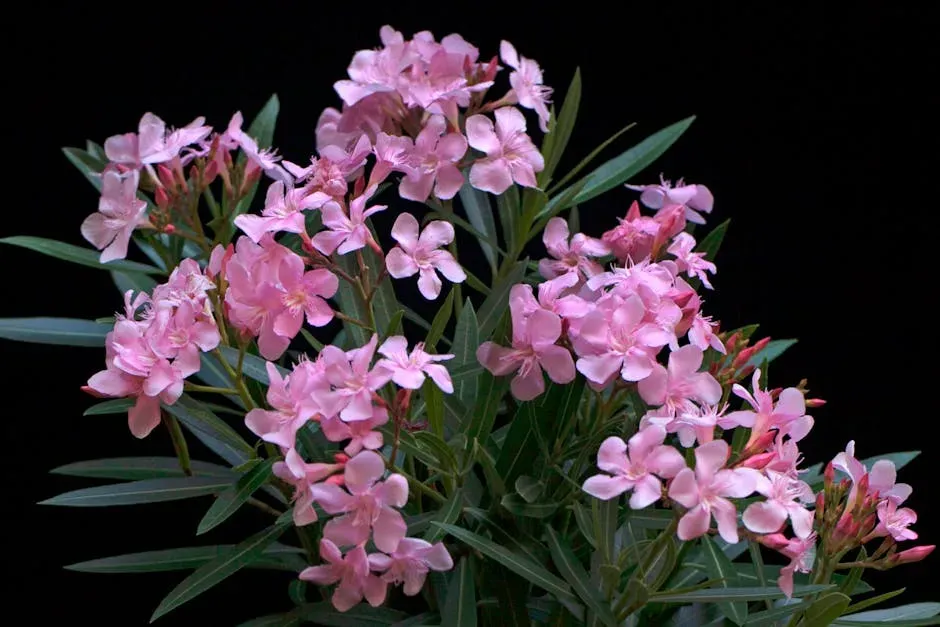
Oleander is an outdoor shrub, popular for its evergreen qualities and delicate flowers. The leaves and flowers are extremely toxic if ingested and can cause severe vomiting, slow the heart rate, and possibly even cause death. It’s one of those plants that looks perfectly at home in a manicured garden but is genuinely hazardous to pets of all sizes.
Oleander contains naturally occurring cardiac toxins that can gravely affect the nervous systems of cats and dogs, leading to abnormal heart rhythms, nausea, vomiting, seizures, and tremors. Because it’s such a popular landscaping choice, especially in warmer regions, many pet owners don’t even realize it’s growing in their yard or a neighbor’s.
Although for most pets oleander is unattractive, some are still curious about it and may try to sniff, lick, or rub against it if it’s in the home or the garden, so it’s important for pet owners to know that all parts of the plant are highly toxic. Don’t rely on the assumption that your pet won’t be tempted.
Fatalities have been reported after oleander and foxglove toxicosis even with aggressive treatment. This is one where the margin for error is very thin. If you have oleander on your property and a dog or cat who spends time outdoors, seriously consider whether the plant is worth keeping.
5. Azalea and Rhododendron: The Backyard Staple That Bites Back
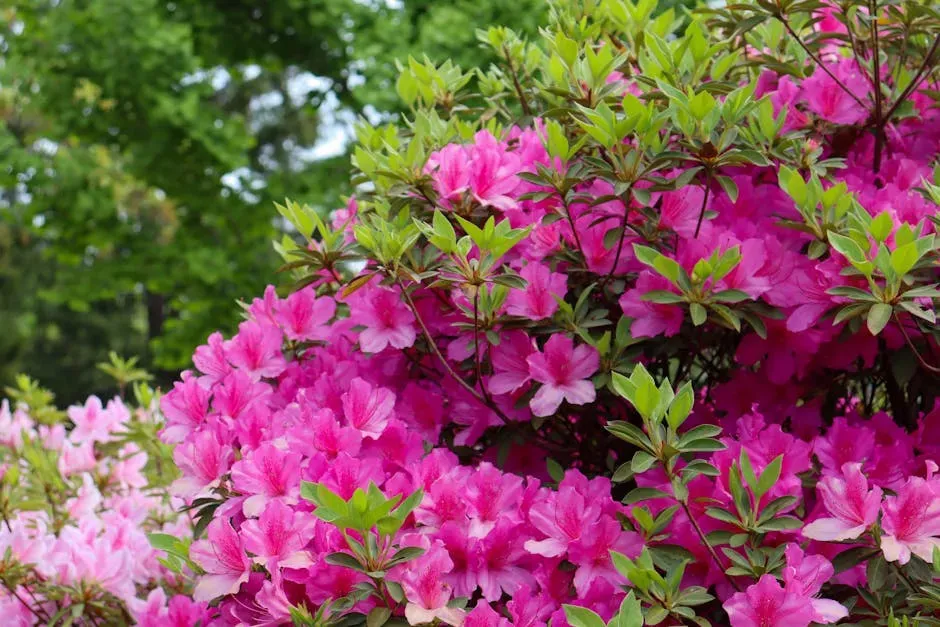
Drive through almost any suburban neighborhood in spring and you’ll spot azaleas in full bloom. They’re everywhere. They’re gorgeous. They’re also one of the most commonly encountered toxic shrubs for dogs and cats.
All parts of these flowering beauties contain grayanotoxin, and the reaction your pet gets depends on how much they’ve eaten. Eating even a few leaves can result in vomiting, diarrhea, and excessive drooling. Large ingestions may result in more serious signs including heart rate and rhythm abnormalities and neurologic abnormalities.
Ingestion of just a few azalea leaves can irritate your dog’s mouth and cause subsequent vomiting and diarrhea. In severe cases, azaleas can cause a drop in blood pressure, coma, and even death. It doesn’t take a large amount to cause distress, which makes this plant particularly worrying in garden settings where curious dogs roam freely.
Watch for drooling, pawing at the mouth, or a sudden reluctance to eat after your dog has been in the garden. These can be early behavioral cues that something has been ingested. It’s essential to prevent your cat or dog from free roaming in neighborhoods to avoid access to toxins. If your yard contains toxic flowers or plants, pets should only be outside with supervision, or these plants should be removed.
6. Lily of the Valley: Small Plant, Serious Threat
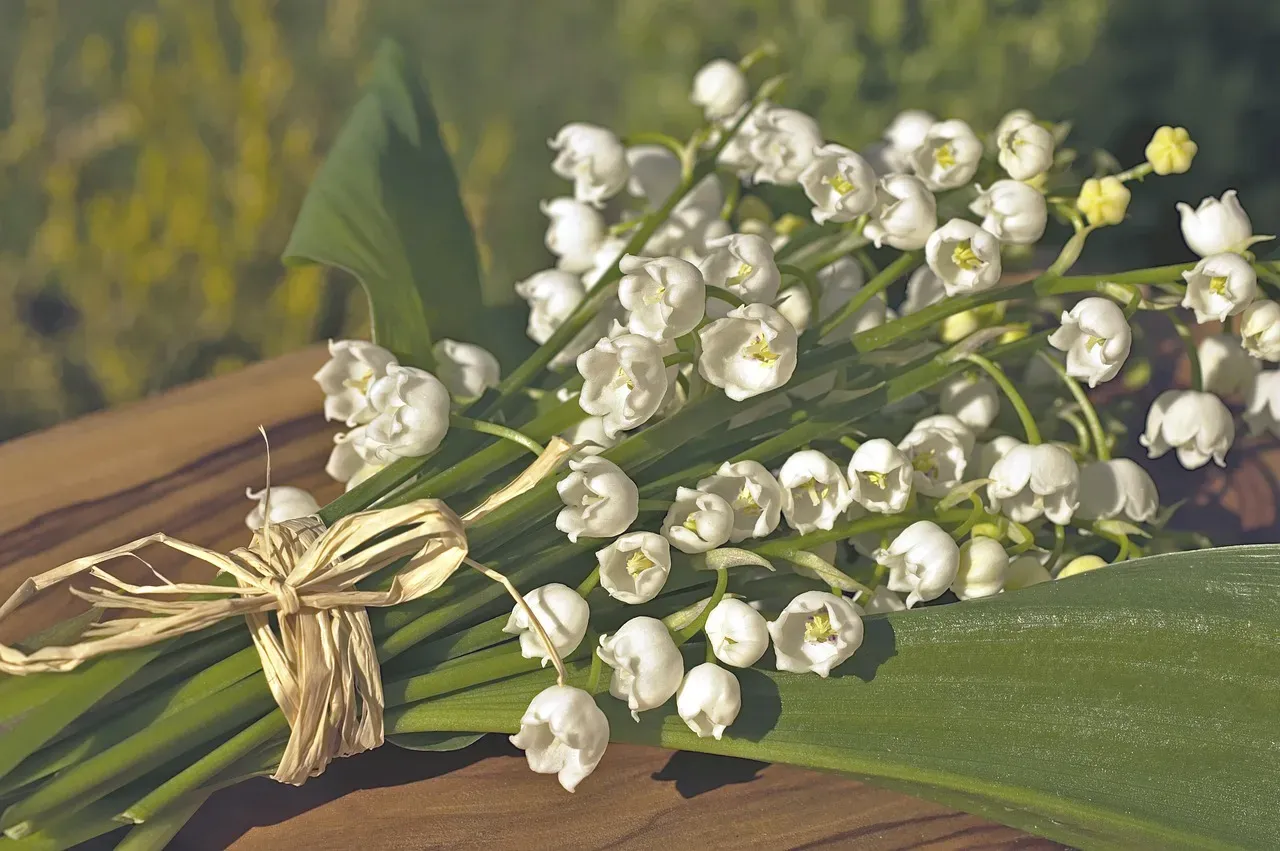
Lily of the Valley is one of the most poisonous plants . The plant’s bulb, roots, stems, leaves, blooms, and berries are all poisonous. It’s small, low to the ground, and can spread easily as ground cover, which means pets often come across it simply by wandering through a garden bed.
The plant contains cardiac glycosides which cause symptoms similar to foxglove ingestion. These symptoms include vomiting, diarrhea, a drop in heart rate, severe cardiac arrhythmias, and possibly seizures. Given its small stature, it tends to be underestimated, but the toxicity is very real.
Lily of the Valley is a common groundcover perennial in neighborhoods and wooded areas. It contains chemicals that are very potent cardiotoxins. Ingestion results in vomiting, arrhythmias, decreased cardiac output, weak pulses, critically high potassium levels in the blood, and death. The cardiac effects can move quickly, especially in smaller dogs and cats.
It’s important to note that lily of the valley is also highly toxic to humans and can be fatal when ingested, especially by children. This makes it a plant worth removing entirely if you have both pets and young children sharing your outdoor space. Pets with any known exposure to this plant should be examined and evaluated by a veterinarian and treated symptomatically.
What to Do If Your Pet Ingests a Toxic Plant
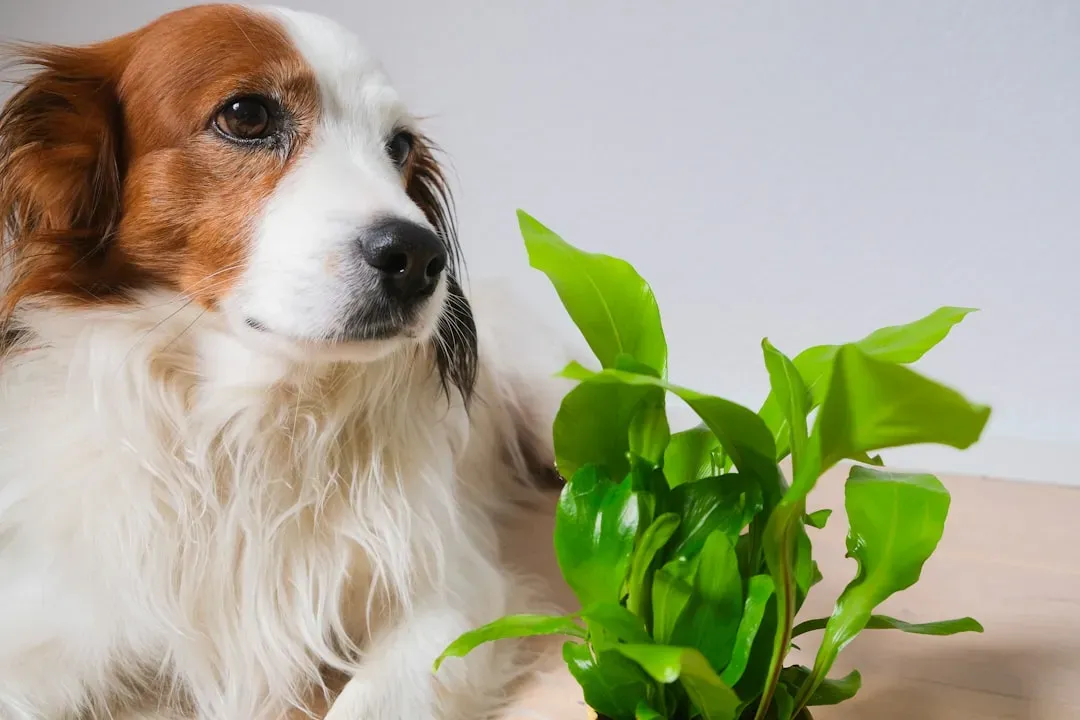
Acting quickly is everything. Do not wait for symptoms to appear, and do not induce vomiting unless directed by a veterinarian. Symptoms can appear within minutes to hours, depending on the plant and amount ingested. Some toxins act rapidly, while others may cause delayed effects, making early intervention critical.
Take a picture of the plant or bring some of it with you to the vet to help figure out what your pet ate. This simple step can save valuable time when a vet is trying to identify the toxin and determine treatment. If you believe your animal is ill or may have ingested a poisonous substance, contact either your local veterinarian or the ASPCA Poison Control’s 24-hour emergency poison hotline at (888) 426-4435.
For ongoing prevention, be sure to identify every plant and shrub in your yard and remove those with potential toxicity if eaten. Also identify all existing houseplants and remove those that are potentially problematic. A quick audit of your garden once a year is a small investment of time that could protect your pet’s life.
Conclusion

Loving a dog or cat means seeing the world through their eyes, at nose height, full of curiosity and zero caution. The garden you’ve worked so hard to grow can become a hazard without any warning. The six plants covered here are among the most common, most beautiful, and most dangerous offenders, and they deserve your attention.
You don’t need to give up gardening or live in a sterile outdoor space. Knowing what’s growing, where it’s growing, and how to respond if something goes wrong is enough to make a real difference. Choose plants that are not toxic to pets, or use fencing to keep pets away. Small changes in your garden planning can add up to years of health and safety for the animals who trust you completely.
The most powerful thing about this knowledge isn’t the alarm it raises. It’s the peace of mind that comes from being prepared.


