
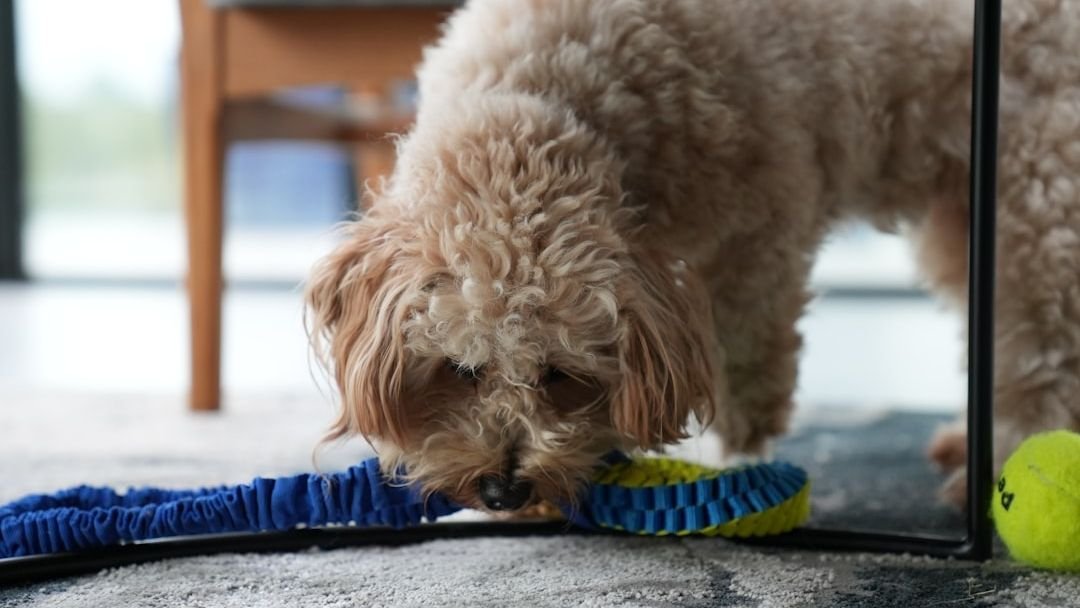
Picture this: you grab your keys, slip on your shoes, and head out the door. Your dog watches you go, and somewhere between that last lingering look and the click of the latch, you wonder what’s really happening on the other side. Most dog owners do. Leaving your dog home alone can be stressful, not just for you but for your furry friend as well. Dogs are social creatures who thrive on interaction, and being left alone for extended periods can lead to boredom, anxiety, and even destructive behavior.
The good news is that a chewed sofa or a scratched door isn’t inevitable. Keeping your home-alone dog entertained requires understanding their individual needs and providing a stimulating environment. Take note of the things your dog likes to do while you are home together, and see which of these can translate to enrichment activities while you’re away. Whether you have a high-energy Border Collie or a laidback Basset Hound, these eight practical, vet-informed hacks can genuinely change how your dog experiences those hours alone.
1. Start the Day with a Real Morning Ritual
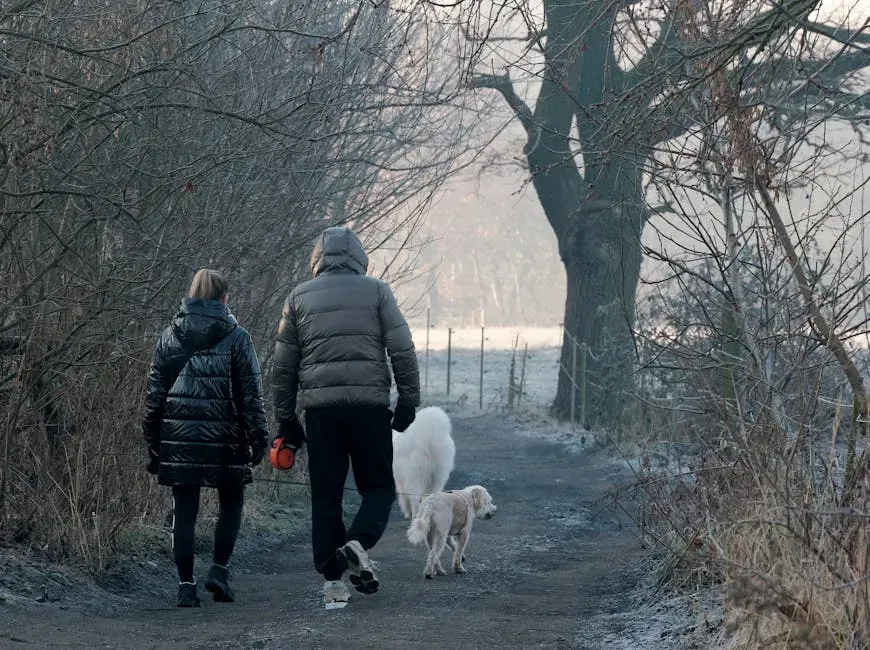
What happens before you leave often matters more than anything you set up inside. Burn off some of that pent-up energy with a regular morning workout and training session. By the time you leave for work, your furry companion will be perfectly content to lounge on the couch until you arrive home. Think of it as front-loading the day.
Walks provide physical exercise, but many dog owners rush through them. Allow your dog to sniff and explore, as this is one of the most enjoyable and rewarding parts of the walk. Sniffing is a stress-relieving activity that helps your dog emotionally self-regulate. Whether it’s a walk around the block or a longer nature walk, letting your dog sniff uses their natural instincts and leaves them more fulfilled.
Most dogs need about 30 to 45 minutes of exercise daily. That activity can include anything from leisurely walks to sprints during fetch in the backyard. Pair that walk with a few minutes of basic training when you get back inside. Even easy tricks, such as balancing a treat on their nose, giving paw, or spinning in a circle, are enough to trigger their work-and-reward instincts. Exercising a dog’s pattern recognition is just as beneficial as physical exercise.
2. Freeze a KONG or Stuffed Chew Toy the Night Before
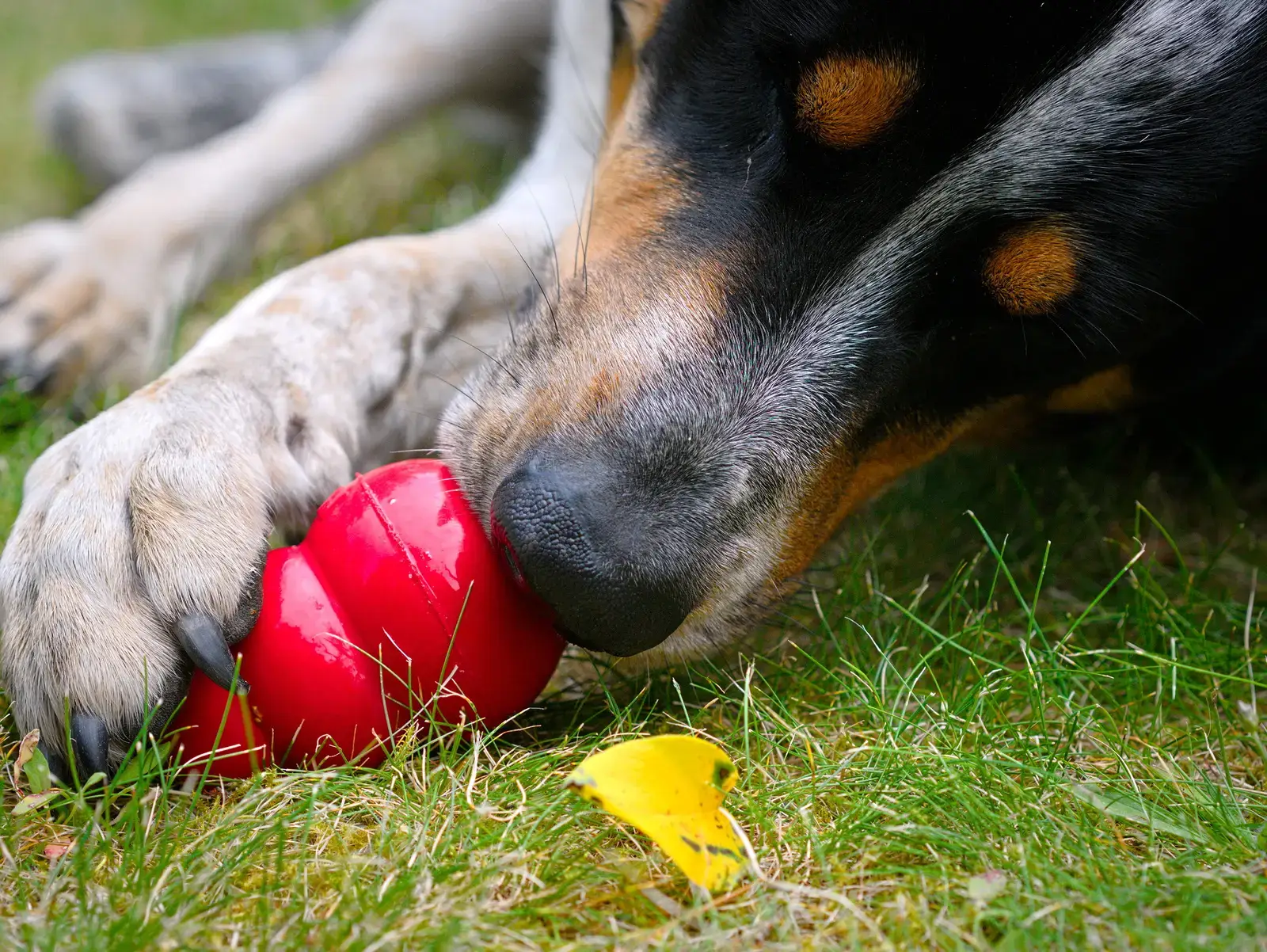
A classic enrichment tool, the KONG can be filled with kibble, peanut butter, or frozen treats. It soothes teething puppies, promotes healthy chewing, and provides hours of focused engagement. The trick most dog owners miss? Freeze it overnight. A frozen KONG takes far longer to work through than a fresh one, which means your dog stays occupied well past those anxious first thirty minutes of alone time.
Stuff a KONG with peanut butter, yogurt, or their favorite treats and freeze it for a long-lasting challenge. Not only does this keep your dog busy, but it also satisfies their natural chewing instinct. You can also vary the fillings throughout the week to keep things interesting. One day it might be mashed banana and kibble, another day a layer of pumpkin puree. The novelty alone holds their attention longer.
Safety note worth keeping in mind: if you opt for chews, make sure you go with something that won’t break into small sharp pieces. While bully sticks, antlers, and bones are all great for keeping your dog occupied when you’re at home, they’re not really ideal for unsupervised chew time. A well-stuffed KONG is one of the safer solo options precisely because it doesn’t splinter.
3. Set Up a Snuffle Mat for Nose Work and Calm Focus
Snuffle mats help stimulate a dog’s brain and engage their natural instincts. In short, they provide an outlet for dogs to use their noses and mimic scavenging for food. It’s a simple concept with a surprisingly powerful effect. A 2022 study found that areas of the brain responsible for sight and smell are connected in dogs, suggesting that they rely on scent to figure out where things are.
When dogs are playing with a snuffle mat, their natural foraging instincts help them find the treats, which in turn doesn’t just give them a yummy food reward but the success also stimulates the production of the neurotransmitter dopamine in the brain, which in turn helps to boost their mood and reduce anxiety. That’s a meaningful result from a fleece mat and a handful of kibble.
Research says that 20 minutes of snuffling is the same amount of stimulation as in one hour of running around. That’s a remarkable ratio. For senior dogs especially, senior dogs benefit from maintaining cognitive sharpness, as the challenge of sniffing promotes neural activity and helps combat age-related decline. Just be sure to introduce the mat with your dog present before leaving it for solo use.
4. Rotate Toys to Keep Things Fresh and Novel
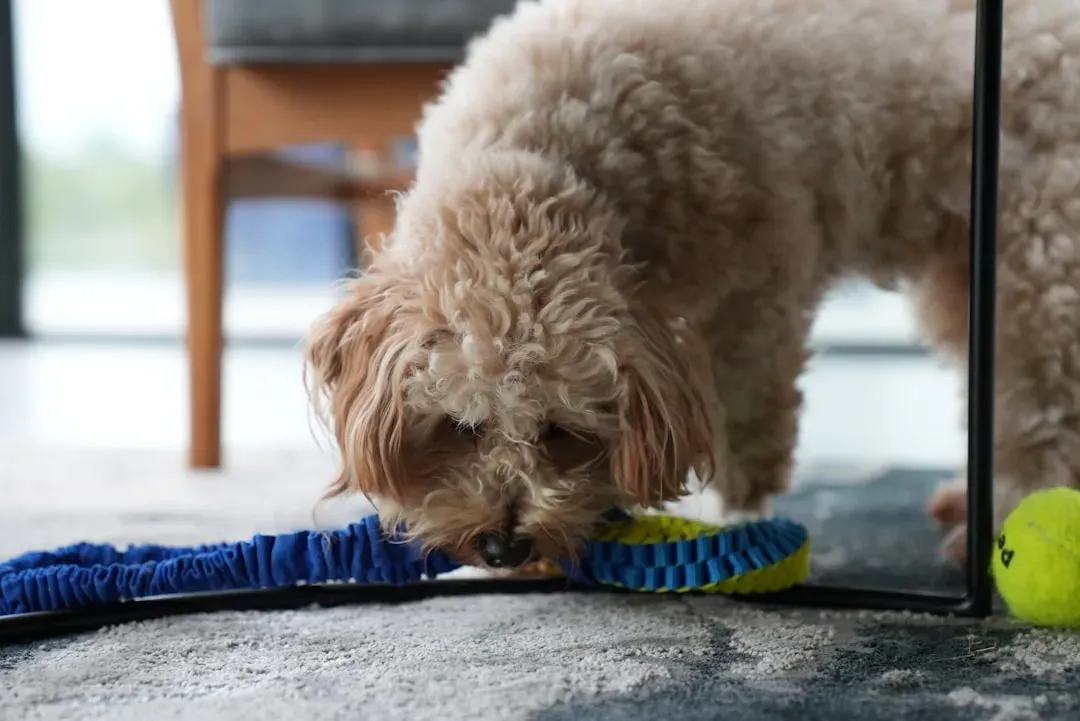
Keep your pup’s toy collection feeling fresh by rotating toys weekly. Dogs, much like children, can lose interest when the same playthings are always available. By putting a few toys away and reintroducing them later, you create novelty and renewed excitement each time your pup sees them again. It costs nothing and takes about two minutes.
A helpful rule of thumb is to keep only two or three toys accessible at a time, then swap them out every few days. Mixing familiar favorites with a “new” or forgotten option not only keeps playtime stimulating but also encourages your dog to engage more enthusiastically. A toy your dog has ignored for three weeks can suddenly become the most exciting thing in the room when it reappears.
When it comes to toys, they need to be interactive and designed to mentally and physically stimulate dogs, and should be alternated each day or two. They need to be shown how to use them, and leaving lots of non-interactive toys or balls around is of no use, especially if no one is at the end of the toy to play a game of tug or throw a ball with them. The key word there is interactive – passive toys do little on their own.
5. Use Puzzle Feeders and Treat-Dispensing Toys
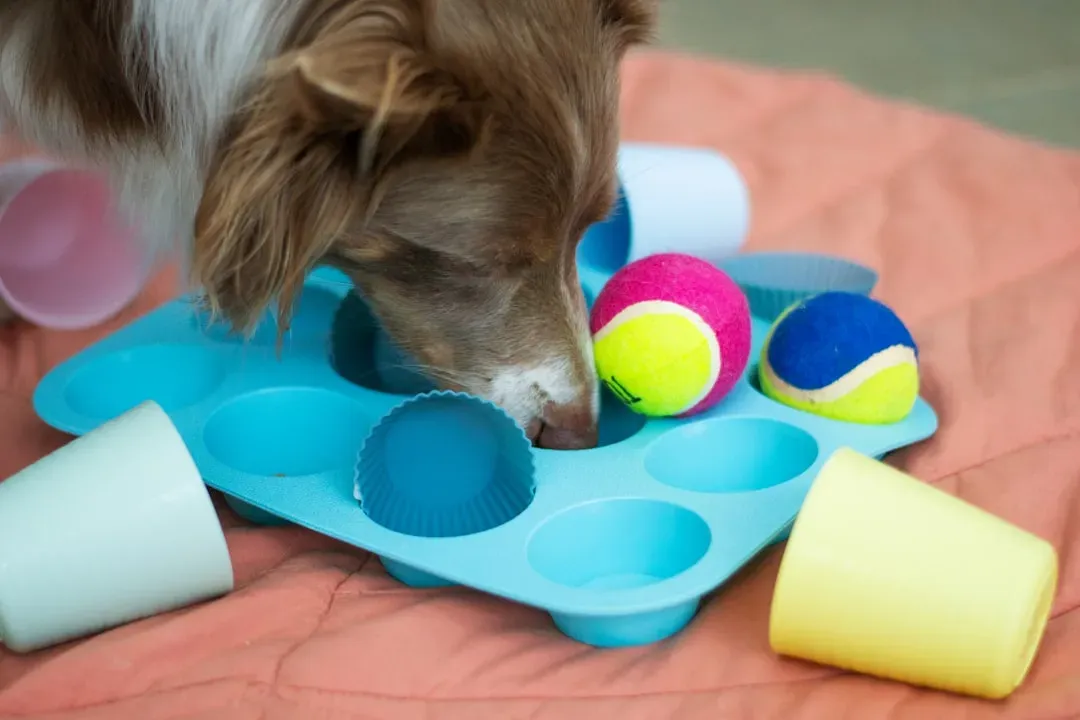
Toys like puzzle feeders or treat-dispensing toys, such as the classic KONG, are great for keeping your dog mentally stimulated. These toys challenge your dog to figure out how to access the treats inside, turning snack time into an enriching experience. For dogs that inhale their meals from a bowl in under thirty seconds, a puzzle feeder is a genuine game-changer.
Different breeds have distinct instinctual drives that influence their entertainment preferences. Herding breeds like Border Collies and Australian Shepherds benefit from mentally challenging puzzle toys that require problem-solving skills. Scent hounds like Beagles and Bloodhounds thrive with nose work activities like snuffle mats and scent-based games. Terriers often enjoy digging activities and toys that allow them to “hunt” for treats. Matching the toy to the dog matters.
Match puzzle complexity to your dog’s problem-solving abilities to prevent frustration. Starting too hard can actually discourage a dog from engaging altogether. Begin at an easy level, let them build confidence, and increase difficulty gradually over days or weeks. A dog who figures something out feels genuinely satisfied, and that satisfaction carries over into calmer behavior throughout the day.
6. Create a Comfortable, Safe Space for Your Dog
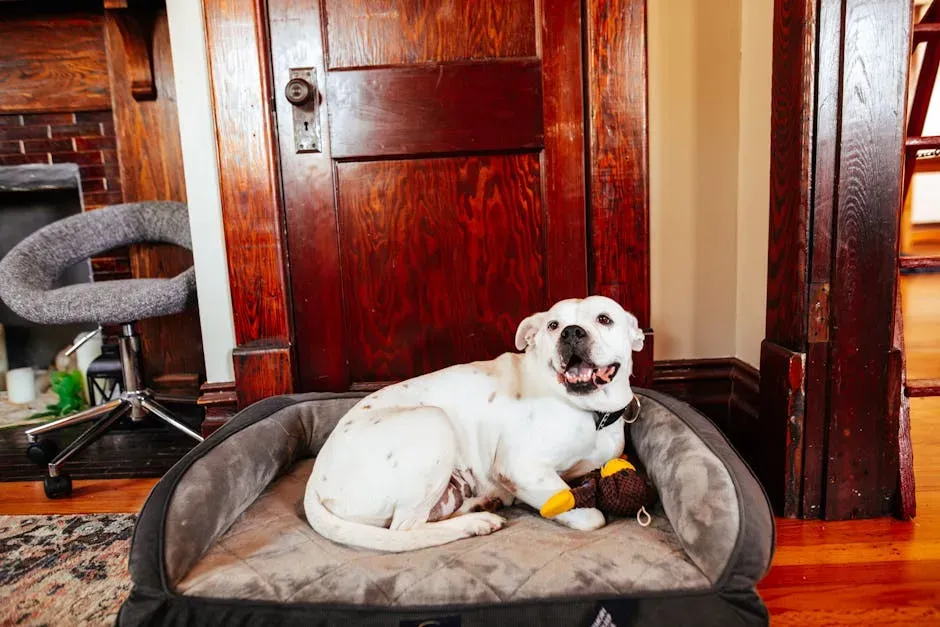
Designate a cozy, comfortable spot just for your dog. This can be their bed or a crate, as long as it’s a safe and peaceful space where they can relax. Add their favorite blanket, a couple of toys, and even something that smells like you, like an old T-shirt, to give them a sense of security. Having their own space makes it easier for them to feel comfortable and calm while waiting for your return.
We would not recommend the use of a crate if your dog will be alone for long periods, but giving them the run of the whole house can increase anxiety, set up guarding behavior, and possibly increase the risk of nuisance barking. A room at the back of the house, away from street noises, is always the best solution, especially if they have a comfortable bed, entertainment, and fresh water to hand.
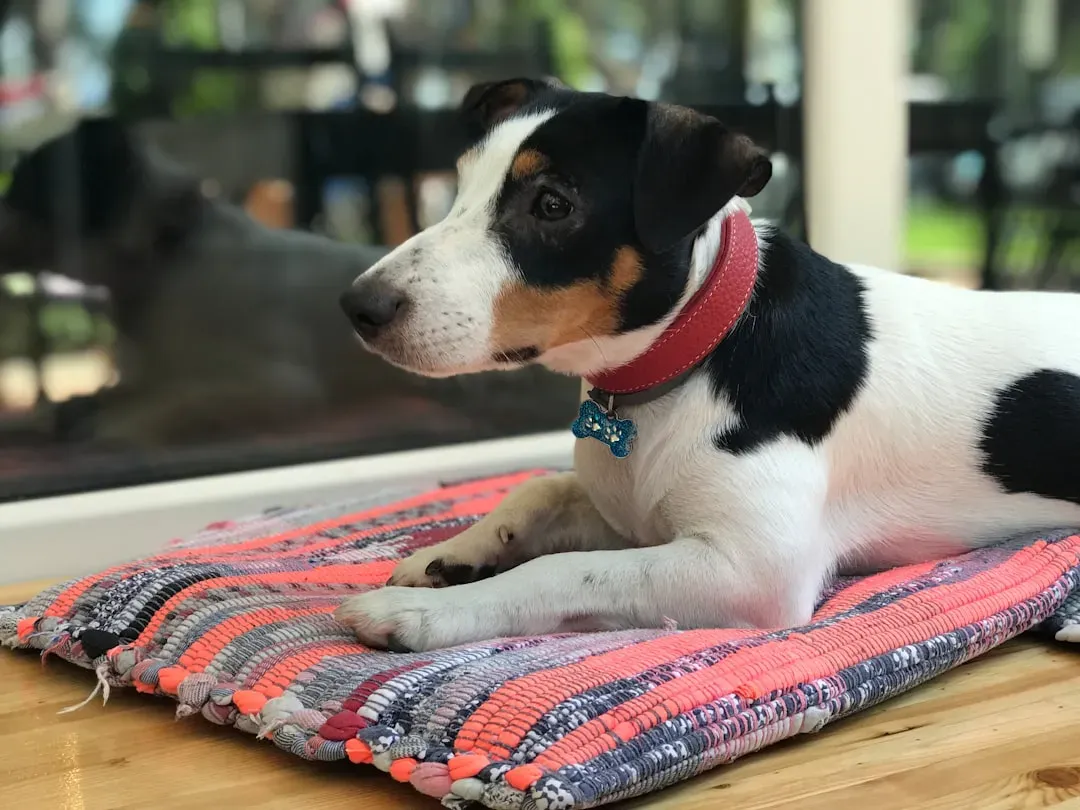
If your dog enjoys watching the world go by, leave a window open with a good view. Dogs are naturally curious and they’ll love spending time watching birds, squirrels, passing cars, or even people walking by. This simple activity can provide plenty of mental stimulation and help them pass the time. It’s essentially free enrichment that requires zero effort from you.
7. Bring in Calming Sounds and Audio-Visual Enrichment
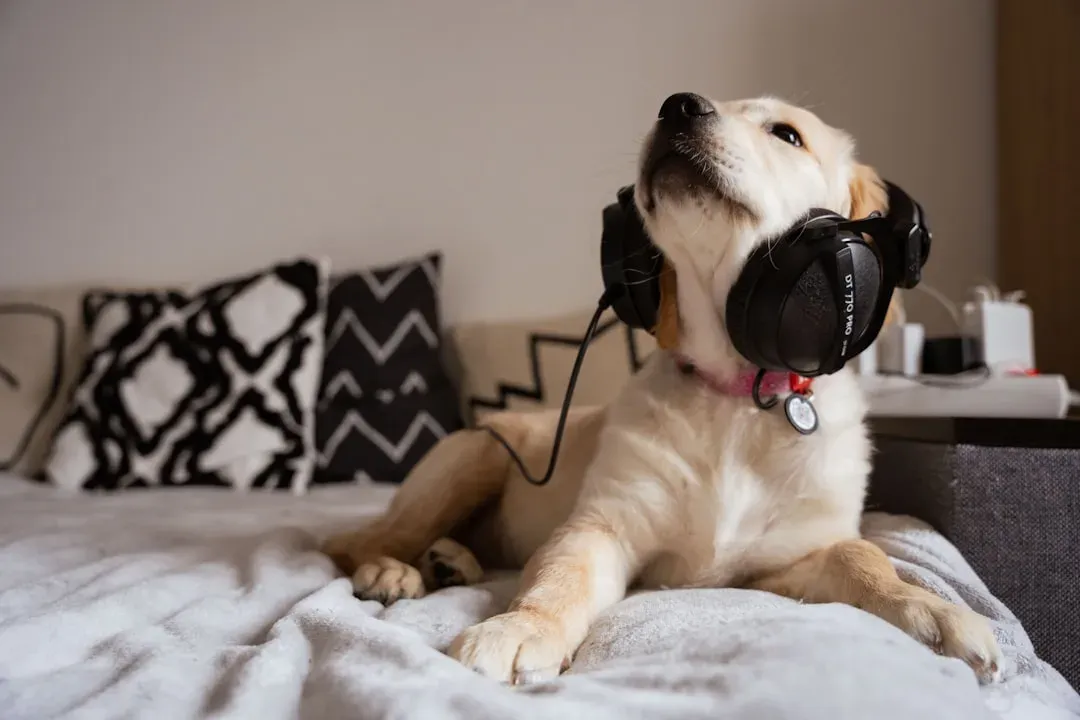
Playing soft classical music or specially curated dog-calming playlists provides a gentle, consistent background that helps your pup feel secure. Studies have shown that soothing sounds can lower heart rates and encourage relaxation, making music an excellent tool to keep your dog entertained while home alone in a peaceful, reassuring way. This is one of the simplest hacks, yet it’s frequently overlooked.
For pups who need more than sound alone, DogTV is another wonderful option. Designed specifically for canine eyes and ears, its programming features colors, movements, and sounds that are engaging without being overwhelming. The variety of gentle scenes can hold your pup’s attention, reduce boredom, and provide a sense of companionship in your absence.
Audio-visual stimulation provides a significant environmental enrichment component for dogs home alone, helping to reduce stress and prevent boredom. Keep the volume low and consistent. Sudden loud sounds or jarring content on a regular TV can have the opposite effect, startling an already-sensitive dog rather than soothing them.
8. Know When to Call in Backup: Dog Walkers, Daycare, and Smart Cameras
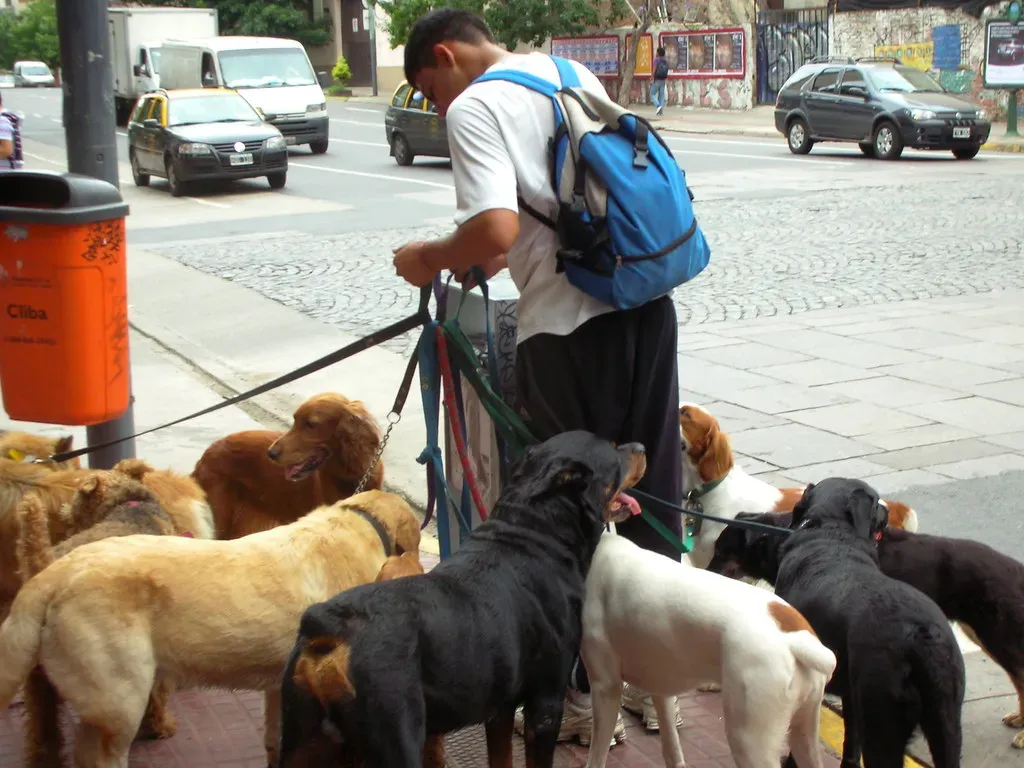
All the enrichment tools in the world can only do so much. Mature dogs can be left alone for a normal workday as long as they are getting enough exercise and socialization when you are home. If you need to leave your dog home alone for longer than six hours, it’s best to hire a professional dog walker to take them out to go to the bathroom and provide some enrichment. That midday break matters more than most people realize.
For those long days at work or when your schedule keeps you out of the house for extended periods, doggy daycare is a great option. A local doggy daycare will ensure your dog gets plenty of interaction, both with humans and other dogs. This helps prevent boredom, keeps them physically active, and even improves their social skills.
If you’re willing to invest in technology, there are several smart toys and cameras designed to entertain and monitor your dog when they’re home alone. Interactive treat dispensers like the Furbo Dog Camera or Petcube Bites let you remotely interact with your pet and dispense treats via your smartphone. Checking in with a quick two-way audio call can visibly settle an anxious dog. It’s also worth knowing the difference between boredom and true separation anxiety: if the distress begins within the first five to fifteen minutes and remains intense throughout your absence, it is likely separation anxiety. If your dog settles for a while and then gets into mischief out of boredom, the problem is under-stimulation. One needs enrichment; the other may need professional support.
Conclusion: Small Shifts, Lasting Calm
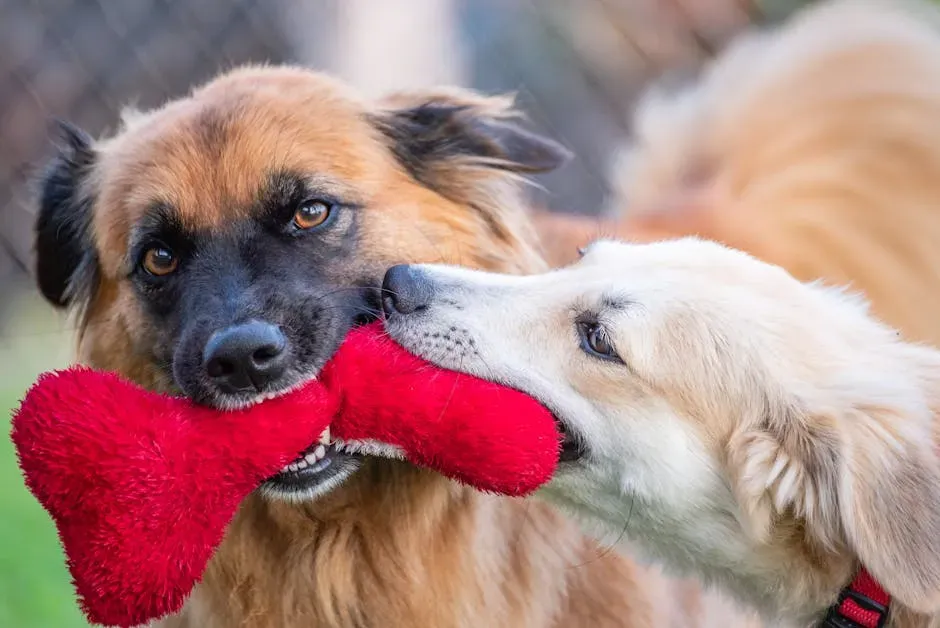
You don’t need to overhaul your entire life to give your dog a better experience at home. Activity stations can be antidotes to the boredom dogs may experience when left home alone. Providing them with something constructive to do can improve their quality of life. The stations can also help you fulfill your responsibility to make sure your dog is happy, stimulated and entertained when you leave the house.
Most of these hacks build on each other. A well-exercised dog is calmer. A calmer dog engages better with enrichment toys. A dog who finds their snuffle mat rewarding is less likely to find your shoes rewarding instead. Providing some entertainment for your dog when left alone will stimulate the brain, can reduce boredom and anxiety, and so reduce the chance of destructive behaviors like chewing, digging, and barking. In fact, you will both feel more relaxed about being apart.
Start with one or two changes this week. Watch how your dog responds. The goal isn’t perfection. It’s a dog who spends their alone time sniffing, napping, and solving puzzles rather than unraveling the couch. That’s a win for both of you, and honestly, it’s not as far off as it might feel right now.


