
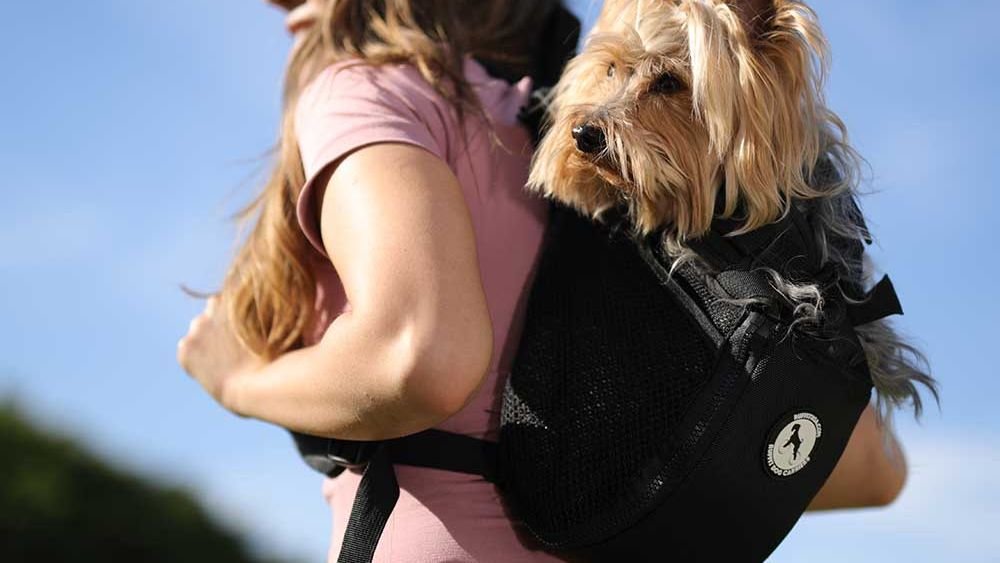
Picture this: you’re halfway through a road trip with your dog riding beside you, tail wagging, nose pressed against the window. It sounds perfect. For millions of dog lovers, traveling with their best friend is one of the greatest joys of owning a dog. But the reality of getting there – safely, smoothly, and without a car full of stress – takes more thought than most people expect.
Traveling or vacationing with your dog can be a fun and rewarding experience, but thoughtful preparation can make the difference between a joyful trip and one that is stressful or even dangerous. Whether you’re planning a quick weekend getaway or a cross-country adventure, knowing what to prepare for is what turns a good trip into a great one. These eleven tips cover everything from pre-departure vet visits to hotel stays, motion sickness, and keeping your dog safe when things don’t go exactly to plan.
1. Visit Your Vet Before You Pack a Single Bag
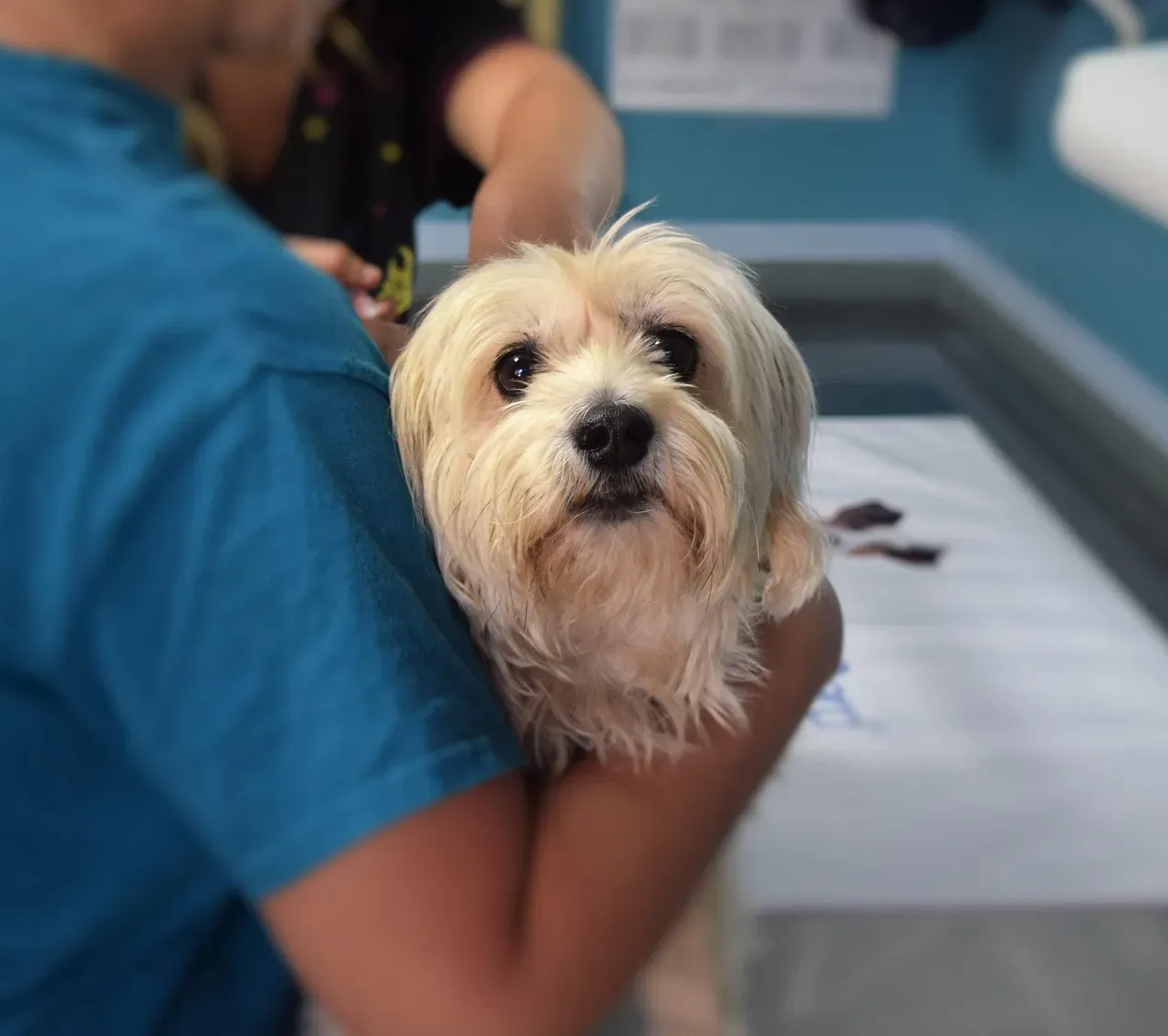
Before you throw a single item into your travel bag, your first call should be to your veterinarian. It’s important to consult with your veterinarian to ensure your pet is healthy enough for the trip. Depending on your travel mode and destination, you may need updated health records. Your veterinarian can also alert you to potential safety concerns, such as insects or wildlife, that you may encounter at your destination.
A pre-travel veterinary check-up is essential to review your pet’s medical history and overall health. Pets with certain conditions, such as heart disease, respiratory problems, seizures, diabetes, or severe anxiety may not be able to tolerate the stress of travel safely. In these cases, the most responsible choice may be to reconsider their trip, because animal welfare should always come first.
Prior to your trip, make sure your pet’s vaccinations are up-to-date and obtain a health certificate from your veterinarian dated within 10 days of your departure. It’s a small step that can prevent big headaches at state borders, airports, or even hotel check-ins. Don’t skip it.
2. Restrain Your Dog Properly in the Car
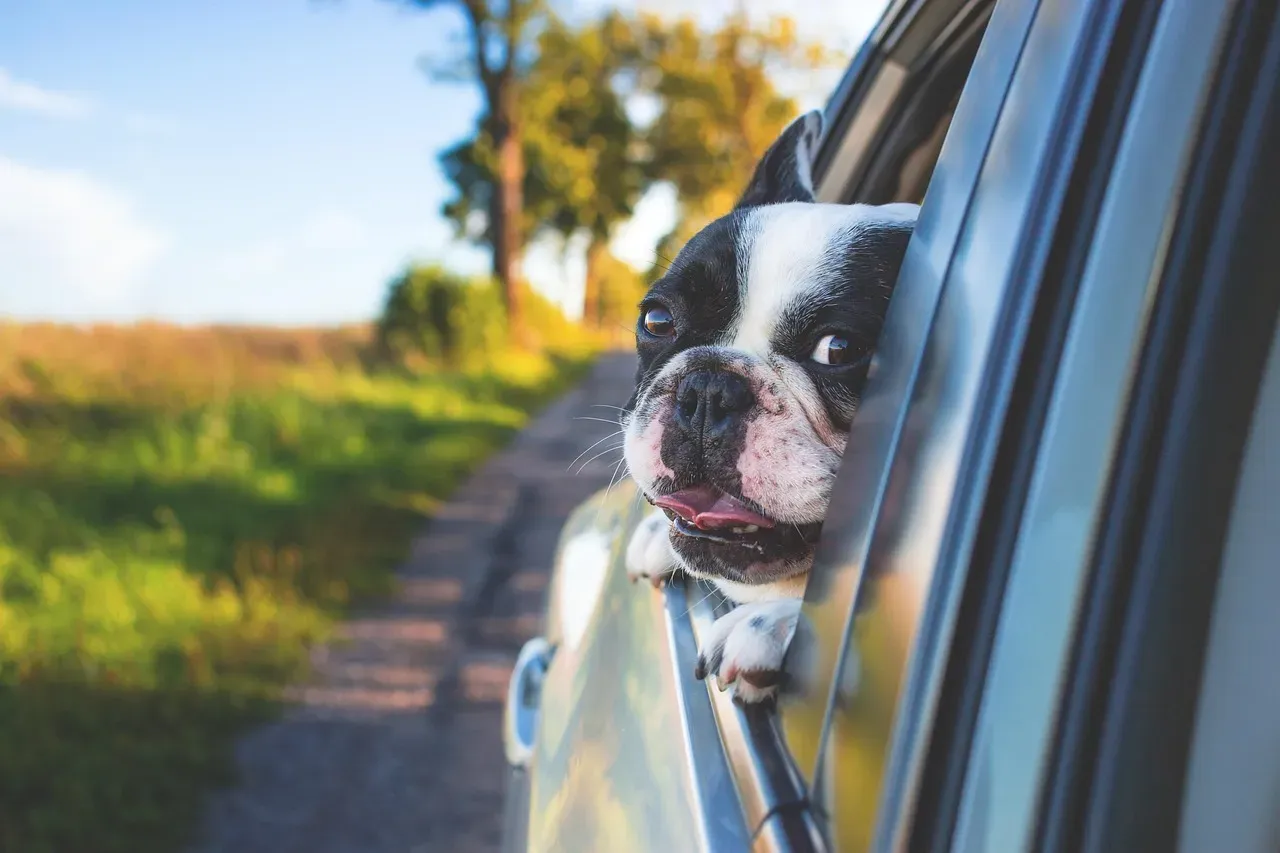
A loose dog in a moving car isn’t just an inconvenience. It’s a genuine safety risk for everyone inside the vehicle. A small pet could crawl down in the footwell, interfering with your use of the brake or accelerator pedal, and during a collision, unrestrained pets may be crushed by deployed airbags, or thrown out or through windows or windshields.
The safest way for your dog to travel in the car is in a crate that has been anchored to the vehicle using a seat belt or other secure means. Being confined in a carrier will also protect your dog from escaping from the vehicle if they’re startled, scared, or just curious when the car door or window is opened.
Look for crash-tested harnesses that work with your vehicle’s seat belt and keep your dog sitting upright versus lying down. If you prefer a crate, choose one that’s big enough to allow your pet to stand up, turn around, and lie down comfortably, and position it as near to the center of the vehicle as possible, secured in place to prevent movement. Also, always keep your dog in the back seat. If an airbag deploys while your pet is in the passenger seat, even in a crate, it might injure your pet.
3. Recognize and Manage Motion Sickness Early

Motion sickness is more common in dogs than most owners realize, and it’s not always obvious at first. Car sickness in dogs is usually caused by sensitivity to motion. The repeated motion of the car stimulates the dog’s inner ear, disrupting its sense of balance and sending conflicting signals to the brain. This sensory confusion leads to motion sickness and, ultimately, discomfort, anxiety, dizziness, and vomiting.
Dogs who are fearful or anxious of travel may start experiencing symptoms even before the trip begins. Young dogs are more likely to experience motion sickness, since parts of their inner ears are still developing. Watch for early warning signs like excessive drooling, lip licking, panting, or restlessness – these often appear well before vomiting does.
Anti-nausea medications like maropitant (Cerenia), dimenhydrinate (Dramamine), and meclizine can prevent vomiting in a stressed pet. A single dose of Cerenia lasts 24 hours. Note that these drugs only help with motion sickness, not anxiety. Ask your veterinarian if these medications are appropriate for your dog and to obtain the correct dosages. Also, to help prevent car sickness, place your dog’s crate in the middle seat of the middle row of the car, as this location has the least amount of motion. Avoid placing the crate in the back of the car, where bumps and turns feel more pronounced.
4. Never Leave Your Dog Alone in a Parked Car
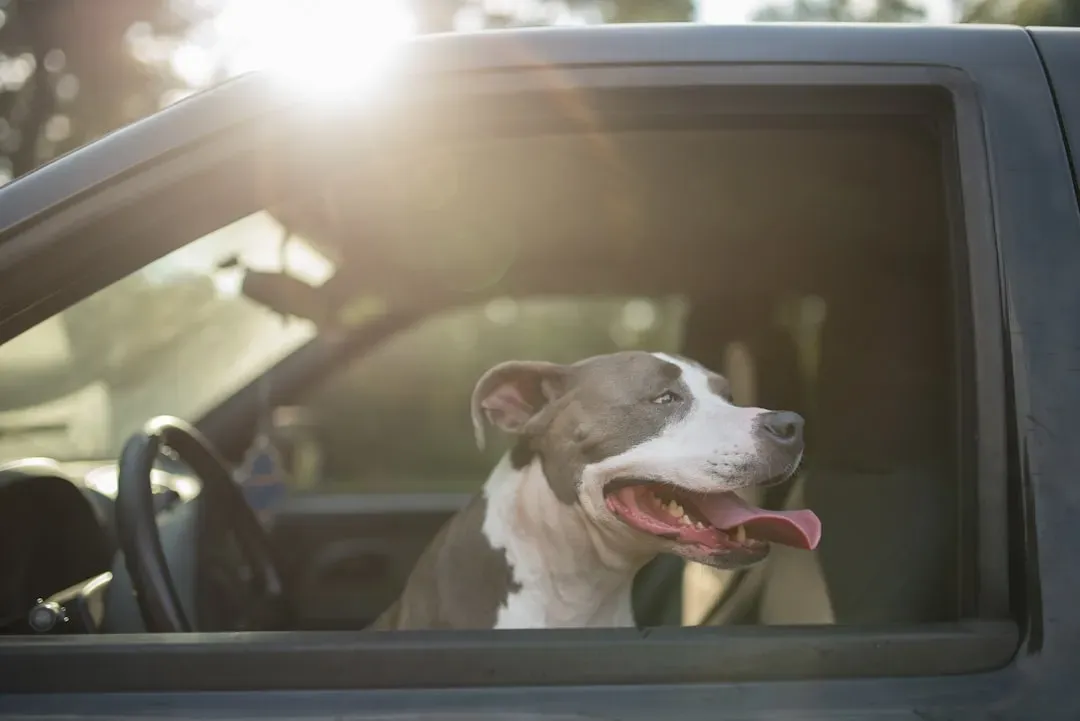
This one is non-negotiable. Leaving your dog alone in a parked vehicle, even briefly, can be deadly. When it’s 72 degrees Fahrenheit outside, the temperature inside your car can heat up to 116 degrees within an hour. On an 85-degree day, even with the windows slightly open, the temperature inside your car can reach 102 degrees in just 10 minutes.
Cracking the window is not adequate as the car heats at almost the same rate. Dogs with short snouts like Pugs or French Bulldogs will succumb to heat exhaustion even faster than other breeds. The danger doesn’t vanish in cold weather either. On hot days, temperatures can rise quickly within minutes and can cause death. In cold weather, animals left in cars can freeze to death.
If you’re traveling solo and need to stop somewhere that doesn’t allow dogs inside, plan your stops carefully in advance. Travel with a companion who can stay with your dog, or choose rest stops and drive-throughs that keep you near the car at all times.
5. Pack a Proper Dog Travel Kit
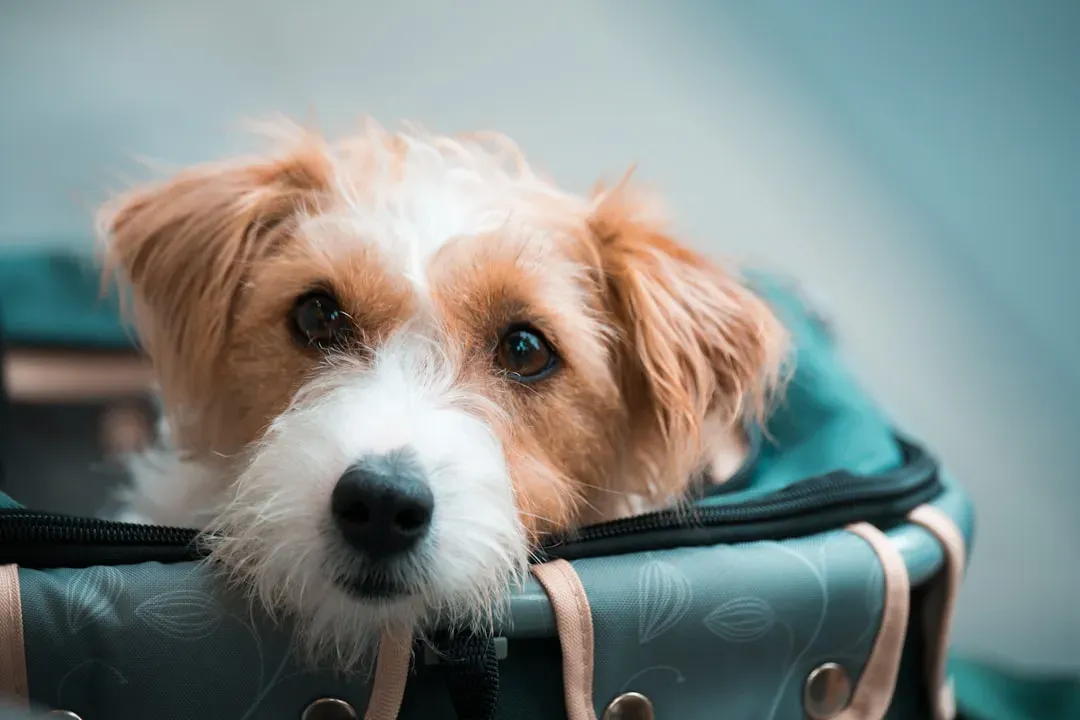
A well-stocked travel kit can turn a minor inconvenience into a non-event. Prep a pet-friendly travel kit. Bring food, a bowl, leash, waste bags, grooming supplies, medication, a first-aid kit, your veterinarian’s contact information, and any travel documents your pet may need for the duration of both your ride and your time away from home. Also pack a favorite toy, towel, or bedding to give your pet a sense of familiarity.
Water deserves its own mention. Pack plenty of water, and always opt for bottled water or water from home on a road trip. Drinking water from an area they aren’t used to could cause an upset stomach. It’s a surprisingly simple thing to overlook when you’re busy loading the car.
Keep basic first-aid supplies for your pet in your car. You can use a travel-sized first-aid kit for your pet on flights. Keep the phone numbers of your veterinarian, the National Animal Poison Control Center of the ASPCA (1-888-426-4435), and a 24-hour emergency veterinary hospital in the area where you will be visiting, easily accessible.
6. Feed Thoughtfully Before and During Travel
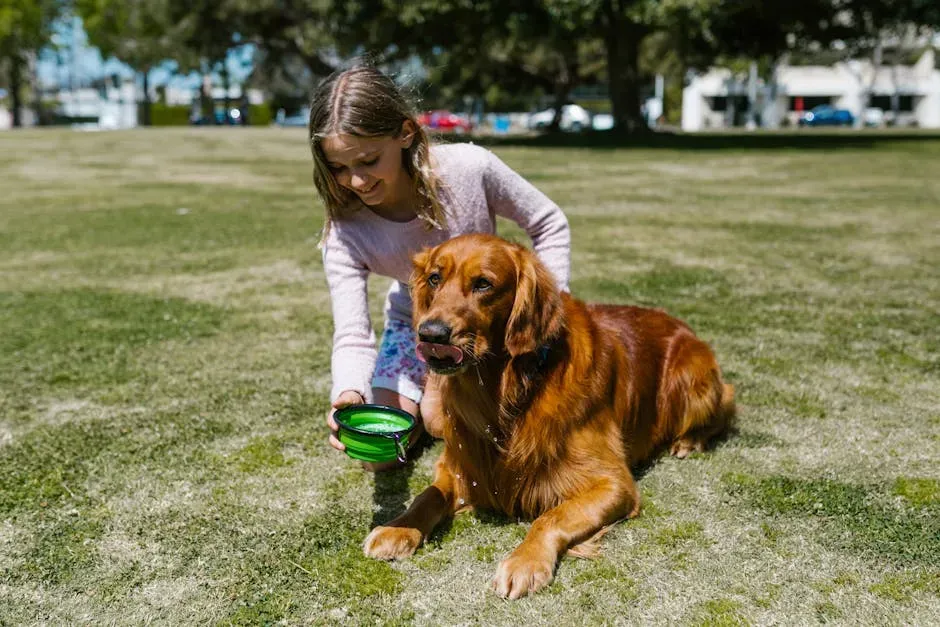
Timing meals around travel is one of those details that makes a real difference, especially for dogs prone to an upset stomach. Don’t feed your pet in a moving vehicle, as this may result in your pet feeling nauseous or vomiting. Instead, feed your pet three or four hours ahead of departure and offer an occasional small snack, like a dog biscuit or two, on longer rides.
To make your dog’s travel more enjoyable and reduce motion sickness, if it is not too stressful, withhold food for up to 8 hours before travel. An empty stomach will help reduce nausea and the need for frequent potty breaks that are often unwelcome, especially during long car rides or airplane or train travel.
Maintain your pet’s typical feeding schedule. Cats and dogs are very routine-oriented, so staying on track as much as possible with meals will help them feel more comfortable during travel. The key is balance: don’t starve your dog, but don’t offer a full meal right before the wheels start rolling either.
7. Make Rest Stops a Real Priority

Long drives are tiring for dogs, just like they are for people. Regular breaks aren’t optional extras – they’re essential. Schedule stops every two hours for toilet breaks, short walks, and hydration. Use spill-proof bowls for water. These pauses also give your dog a chance to sniff around, which is genuinely enriching and helps reduce stress.
Stop frequently to allow your pet to exercise and eliminate, and be sure your pet has a leash that is clipped to a collar or harness they can’t wiggle out of. Even calm, well-trained dogs can get spooked at an unfamiliar rest stop, so clip that leash before you open the car door. Every time.
Rest stops are also a good opportunity to check in on how your dog is feeling. Keep a close eye on your pet’s behavior during travel. Distress or discomfort signs, such as excessive panting, drooling, whining, or lethargy, should be addressed promptly. Catching these signals early can prevent a small problem from becoming a bigger one down the road.
8. Always Have Up-to-Date ID and Microchip Information
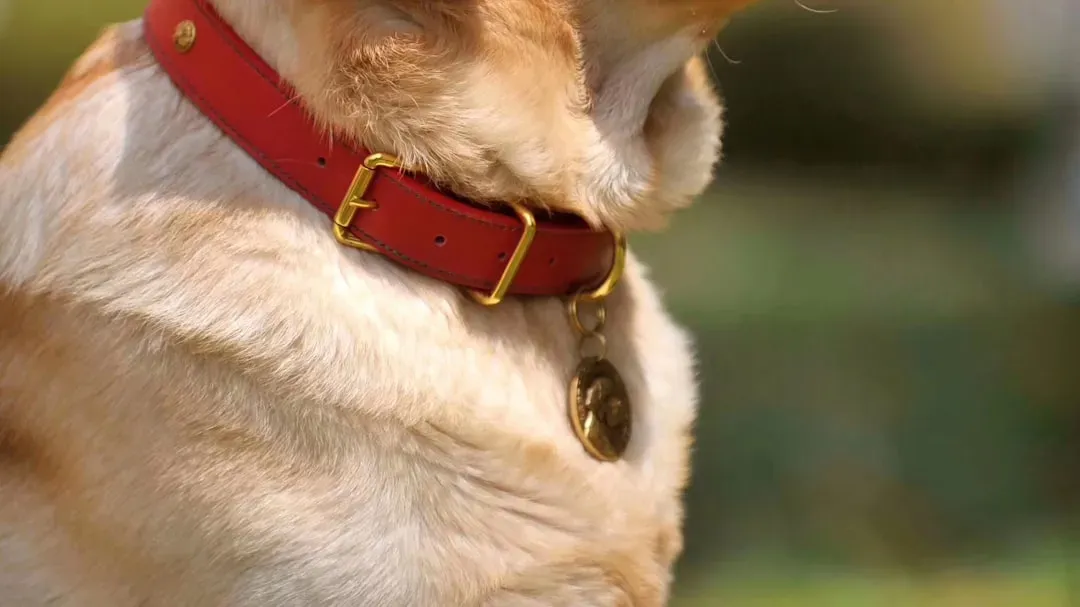
Losing your dog in an unfamiliar location is one of the most frightening things that can happen on a trip. Good identification is your most powerful safety net. Identify your pet with a tag attached to the collar or harness, and a permanent form of identification like a microchip. Be sure all identification is up to date and reflects your present contact information.
The safety case is especially strong for travel days, when even normally calm dogs can bolt through an open door or slip a leash in an unfamiliar environment. Identification is described as a core responsibility of pet ownership that significantly improves the chances of a swift reunion when animals become lost, disoriented, or separated during emergencies, travel, or natural disasters.
A microchip is a permanent safety net that cannot fall off, but it requires a scanner and access to registration databases, which typically happens at a clinic or shelter rather than in the middle of a hotel lobby. Visible ID, whether in the form of a tag or clothing, lets anyone who finds your dog act immediately, while the microchip stands ready if tags are lost or removed. Use both. They complement each other perfectly.
9. Gradually Prepare Your Dog for Travel Ahead of Time
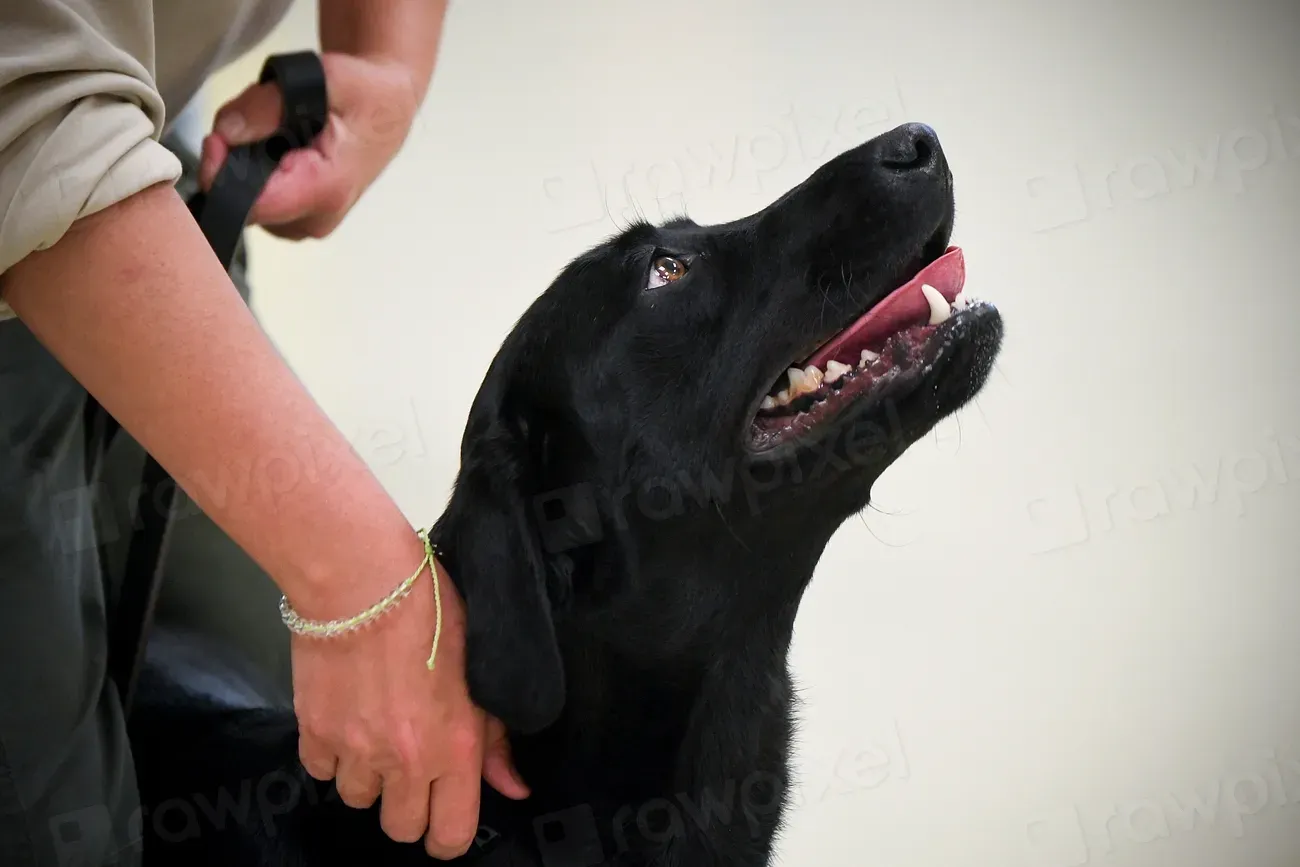
Throwing an untrained dog into a long car journey or a flight is a recipe for anxiety on both ends of the leash. Preparation weeks before departure pays dividends on the day. Get your pet comfortable by taking them on a series of short drives first, then gradually lengthening the time spent in the car.
Many adult dogs become anxious or even nauseous during travel due to a lack of conditioning and the overwhelming, unusual stimuli associated with moving inside a vehicle. Dogs that travel only once or twice a year are not used to car rides and often associate the car ride with the stressful experience that follows. This association causes heightened anxiety and stress and may result in vomiting and diarrhea.
Use positive reinforcement – treats and praise – to associate the vehicle with enjoyable outcomes. Experts also recommend harnessing dogs in stationary cars prior to ignition, so canine passengers adapt to restraint devices before ever hitting the road. If your dog has a history of severe anxiety, your vet may also discuss short-term calming support options to use during the desensitization process.
10. Know What to Expect When Flying With Your Dog
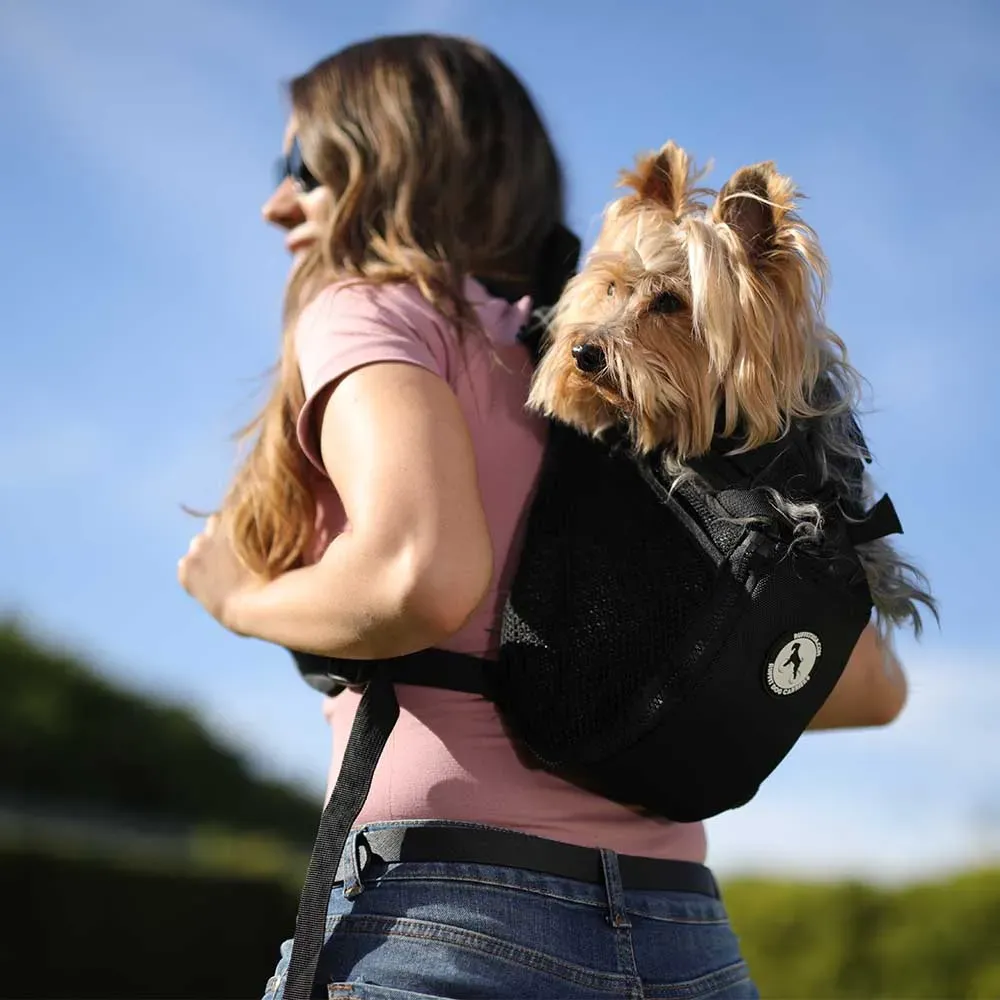
Air travel with dogs requires a different level of planning. Rules vary widely, and the stakes are higher. The cargo area of an aircraft can be quite stressful to dogs and poses serious safety risks. When a dog travels in cargo, they are checked in, handled by crews through transfers, and then delivered to the destination. While incidents are rare, injuries and even death while flying in cargo have occurred.
If you’re flying, book a direct flight whenever possible and notify the airline in advance, as most airlines limit how many pets can fly in-cabin per flight. Never assume your pet will be allowed without confirmation from the airline. If traveling via cargo, make sure you comply with airline live animal cargo policies, such as temperature restrictions, restricted breeds, and drop-off and pickup times.
Dogs entering or returning to the United States must meet specific CDC requirements, and these rules depend on where your dog has been in the previous six months and where they received their rabies vaccination. International health certificates can be complicated, sometimes requiring USDA endorsement. Only certain USDA-accredited veterinarians can complete them, and the cost varies. Incorrect or missing paperwork can result in your pet being denied entry, quarantined, or sent home at your expense. Start the paperwork process early – sometimes months in advance.
11. Book Dog-Friendly Accommodations the Right Way

Not all “pet-friendly” hotels are created equal. There’s a real difference between a property that tolerates dogs and one that genuinely welcomes them. You want a hotel that is pet-friendly, not just pet-tolerant. The staff should welcome two- and four-legged guests with warmth, granting them appropriate access to on-site areas. A pet-friendly hotel should provide ample green space for exercise and potty breaks.
Some hotels may have size limits, breed restrictions, or a restriction on the number of dogs allowed in one room. It’s quite common for hotels to charge an extra fee for dogs – this could be a non-refundable deposit, a flat rate, or a nominal daily fee. They can also have a clean-up fee if your dog makes a mess in the room or anywhere else in the hotel. Always call ahead to confirm the details, even if a booking website says the hotel is pet-friendly.
In particular, dogs with a history of separation anxiety may not be able to be left alone in a hotel room at all for their own safety, and to avoid potential destructive behavior and barking that could result in hotel fines. Choosing a ground-level room makes it easier to take your pet out for bathroom breaks and avoid noise from elevators – especially helpful if your dog barks at unexpected sounds.
Conclusion: A Happy Trip Starts With a Prepared Dog Parent
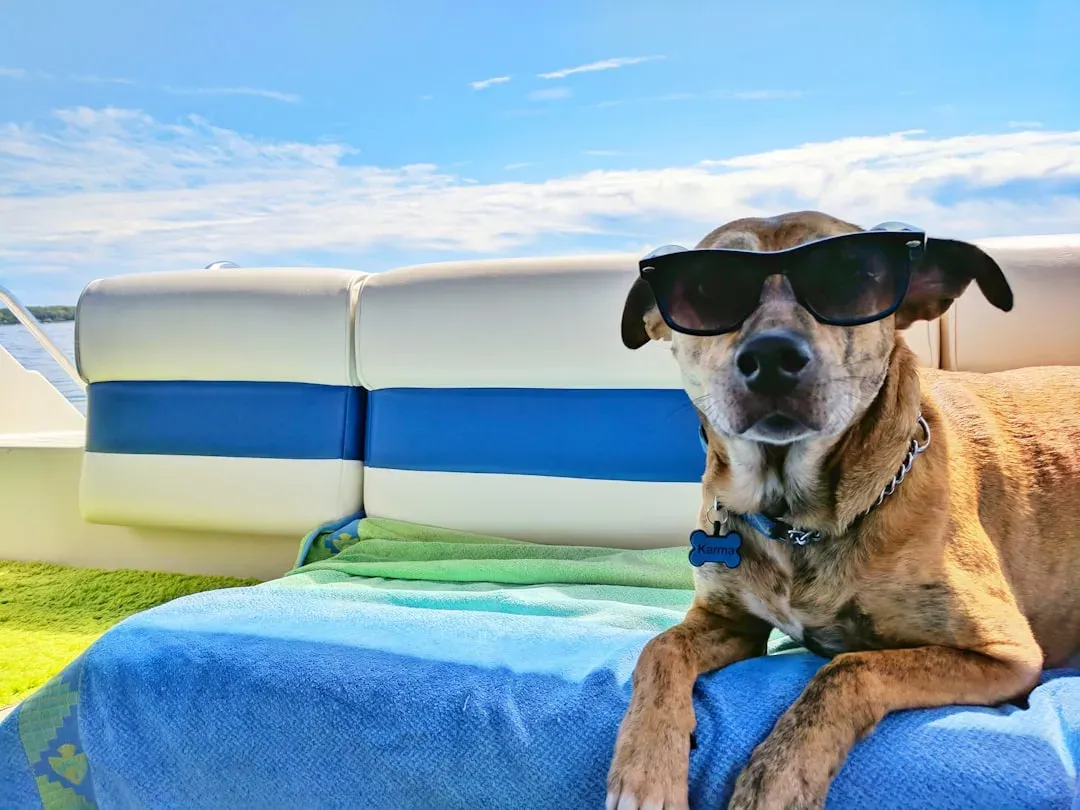
Traveling with your dog is genuinely one of the most rewarding things you can do together. The tail wags at a new hiking trail, the contented nap after a long drive, the way they explore a fresh environment with total curiosity – these moments are worth every ounce of preparation. The 11 tips covered here aren’t meant to overwhelm you. They’re meant to give you the confidence that comes from knowing you’ve thought things through.
The dogs who travel best aren’t the ones with the most expensive gear. They’re the ones whose owners took the time to prepare them, watch for stress signals, and put their wellbeing first at every step. Dogs thrive on routine, and while novel experiences are also enriching, maintaining some semblance of their normal routine can help minimize potential stress. Stick to their normal feeding and walking schedule as closely as possible, offer frequent breaks to stretch, sniff, and hydrate, and bring items of comfort and familiarity from home.
At its core, good dog travel isn’t complicated. It’s just good dog ownership – extended to the open road. Safe travels to you and your best friend.


