
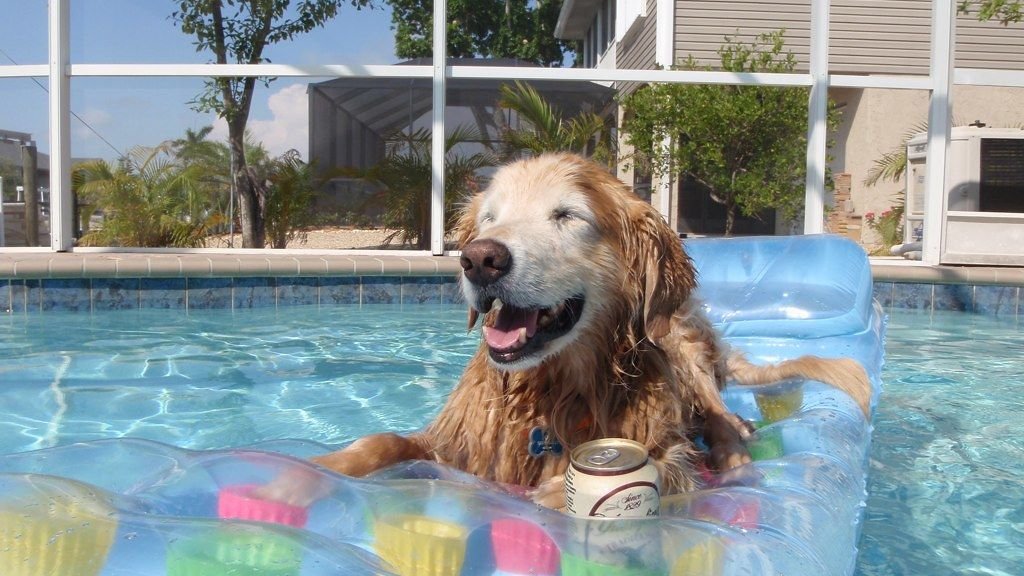
You know that moment when your dog takes a little longer to get up from their bed in the morning, or hesitates at the bottom of the stairs where they used to leap? It’s one of those quiet, bittersweet signs that time is doing what time does. Your dog is aging, and that’s okay. What matters most right now is what you do with that knowledge.
The good news is that keeping a senior dog active doesn’t mean dragging them on long hikes or enrolling them in agility courses. It means being thoughtful, consistent, and tuned in to what their body needs. As dogs age, their activity levels naturally decline, but staying active is crucial to maintaining their health, mobility, and overall happiness. Older dogs can still enjoy regular exercise, but the key is tailoring routines to their age, physical abilities, and any underlying health concerns. These five exercises do exactly that.
The “Sniff and Stroll”: Purposeful Daily Walks
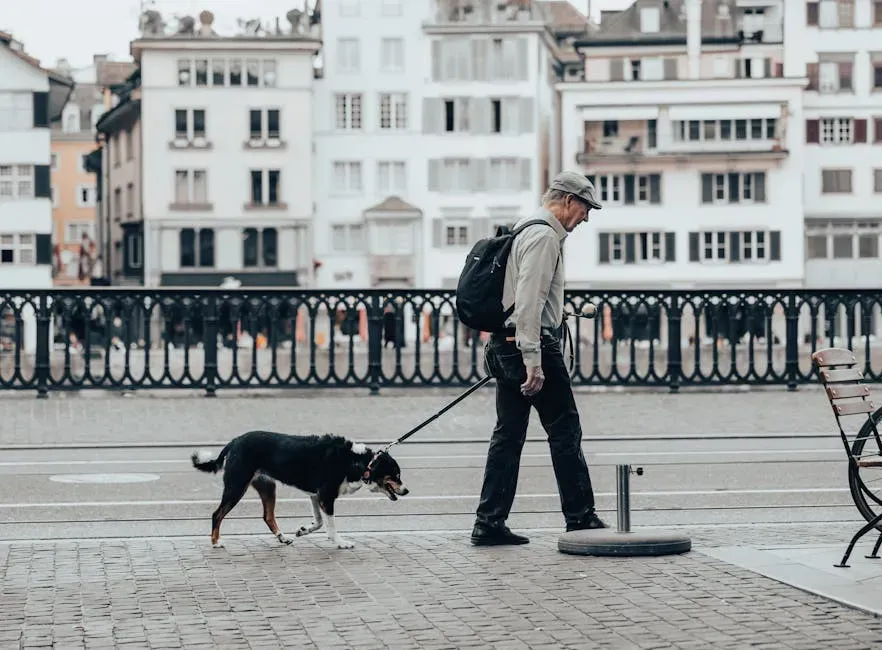
Walking is, without question, the single most accessible and effective thing you can do for an aging dog. It’s not glamorous, but its benefits stack up quickly. Walking helps control weight, promotes healthy joint motion, can aid in digestion, and provides both physical and mental stimulation.
The key is adjusting your expectations. A senior dog’s walk looks different from what it used to be, and that’s completely fine. Dividing longer walks into multiple short sessions of five to fifteen minutes each is ideal, sticking to flat, even surfaces to reduce strain on hips and knees, with a gradual increase in pace or distance only if your dog tolerates it well.
Avoid walking your senior dog for too long when it’s excessively hot or cold outside. A raincoat or sweater can help keep them dry and warm in inclement weather. Keeping a routine by walking around the same time of day and for the same duration can help your senior dog look forward to your walks together.
Watch for behavioral cues during walks. If your dog is slowing down, sniffing more than usual, or sitting down mid-walk, those aren’t signs of stubbornness. They’re telling you they’ve had enough. Senior dogs benefit from what could be called the “sniff and stroll” approach, which means shorter, gentler excursions that prioritize enjoyment over distance. Let them lead the pace. That nose-to-ground exploration is actually fantastic mental exercise too.
Sit-to-Stand Repetitions: The Senior Dog Squat
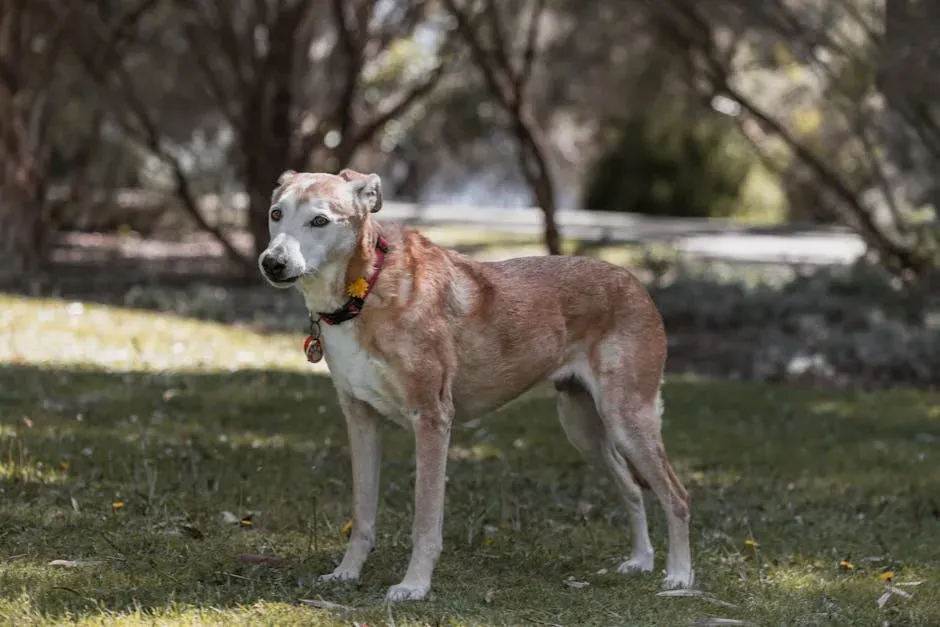
If you’re looking for one simple strength exercise that targets the muscles senior dogs lose the fastest, this is it. Hindquarter weakness is common in aging pets and often manifests as difficulty rising from lying positions. Modified exercises that target these crucial muscle groups can help while minimizing joint stress.
The mechanics are simple. Similar to a human squat, this exercise helps older dogs maintain strong back legs. Ask your dog to sit, then encourage a slow stand using a treat. Repeat five to eight times. If your dog struggles, reduce repetitions or support them gently.
This exercise doubles as a bonding moment and a quick daily health check. If your dog struggles more than usual to rise, takes longer to find their footing, or seems reluctant to repeat the motion, those are worth noting. Reluctance to move or exercise, difficulty standing up or lying down, and visible joint stiffness especially after resting are all signs that warrant a conversation with your vet.
Sarcopenia, the age-related loss of muscle mass and strength, is a common condition in aging dogs. It typically begins as early as seven years of age in larger breeds, and slightly later in smaller breeds. Muscle loss can lead to reduced mobility, increased risk of injury, joint problems, and even metabolic disorders. Sit-to-stands won’t reverse this entirely, but done consistently, they’re one of the most practical ways to slow it down.
Gentle Stretching: Warming Up That Aging Body
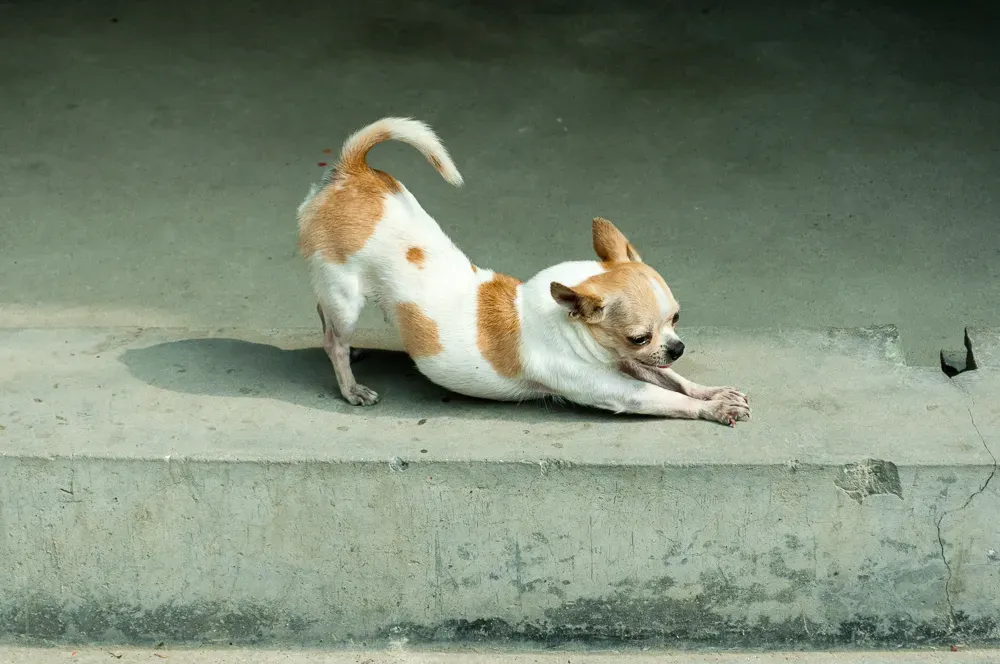
Most dog owners skip stretching entirely, which is understandable since it feels less intuitive than a walk or a game of fetch. However, for senior dogs, it may be one of the most impactful habits you can build. Stretching offers several benefits for senior dogs before exercise. It helps improve flexibility, reducing the risk of injury by loosening tight muscles and tendons. It also promotes better blood circulation, preparing the dog’s muscles for physical activity, which can alleviate stiffness, particularly in older dogs with joint issues like arthritis.
A simple home stretching routine doesn’t require any professional training to get started. A home exercise program may include light massage, gentle stretches and range-of-motion exercises for joint health, and simple strengthening exercises. Gently flexing and extending each limb while your dog lies relaxed on their side is a good starting point. Most dogs actually enjoy it once they associate it with calm, positive attention.
Most senior dogs benefit from daily passive range-of-motion exercises focused on shoulders, elbows, wrists, hips, knees, and ankles. The entire session might take only five to ten minutes, but provides significant benefits for joint health and circulation. Many dogs come to enjoy these sessions as bonding time, particularly when combined with gentle massage.
One important caution: pay careful attention to your dog’s reactions. While mild initial hesitation is normal, any signs of pain such as pulling away, growling, or whining mean you should stop immediately and consult your veterinarian. Never force a stretch. The goal is ease, not intensity.
Water-Based Exercise: The Joint-Friendly Full-Body Workout
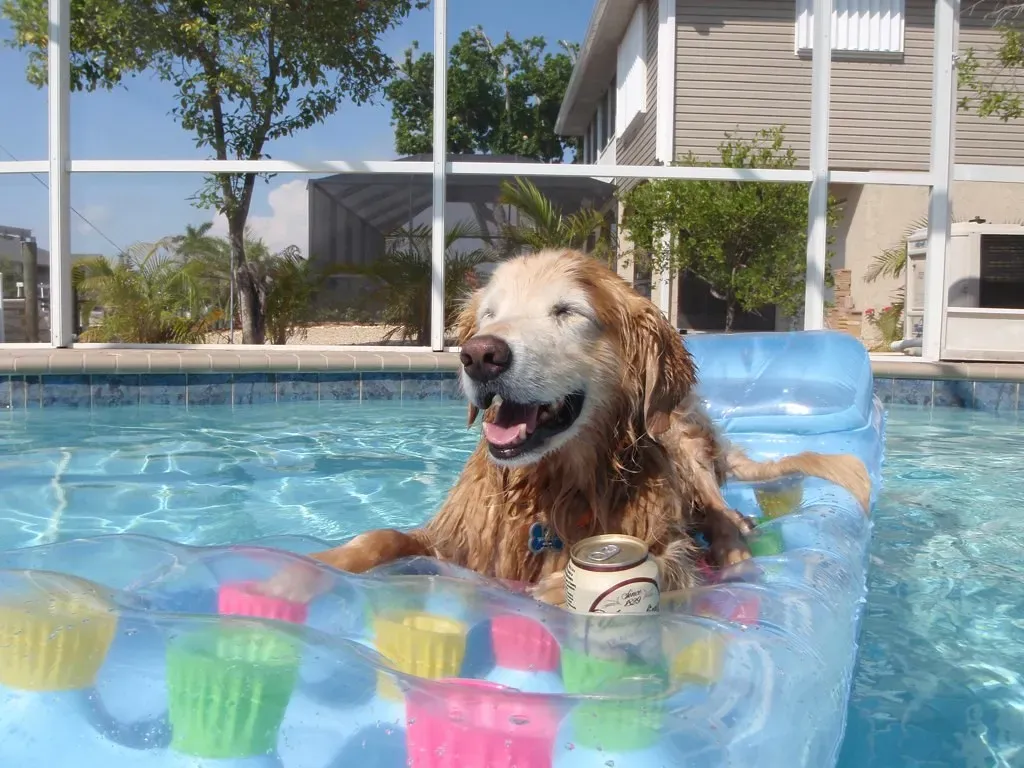
If your senior dog has arthritis, hip dysplasia, or any kind of joint discomfort, water exercise might be the single biggest upgrade you can offer their fitness routine. Water therapy, or hydrotherapy, offers exceptional benefits for aging dogs. The buoyancy of water reduces joint impact while providing gentle resistance that builds muscle without strain. For dogs with significant mobility limitations, water often allows movement that’s impossible on land.
Swimming works the whole body in a way that walking simply can’t match. For dogs that can’t fully support themselves against gravity, water exercise is liberating. With swimming, the dog can move without falling or having to hold themselves up. The muscles are used differently than on land, which can help with coordination and cross-training, helping with neuromuscular retraining and stretching of soft tissues.
You don’t need a professional hydrotherapy facility to get started, though those do exist and can be excellent for dogs with serious mobility challenges. A calm, shallow body of water works well, provided the dog is supervised at all times and comfortable around water. Water supports weight and reduces joint stress while providing a full-body workout. Many dogs enjoy swimming, and hydrotherapy can relieve arthritis discomfort.
Watch how your dog moves after a swim session versus after a land walk. Many owners notice their dog seems looser, more relaxed, and sometimes more playful. That’s the water doing its job. Low-impact exercises like swimming, short walks, or controlled treadmill exercises help maintain muscle mass without overloading aging joints.
Mental Movement Games: Keeping the Brain and Body in Sync
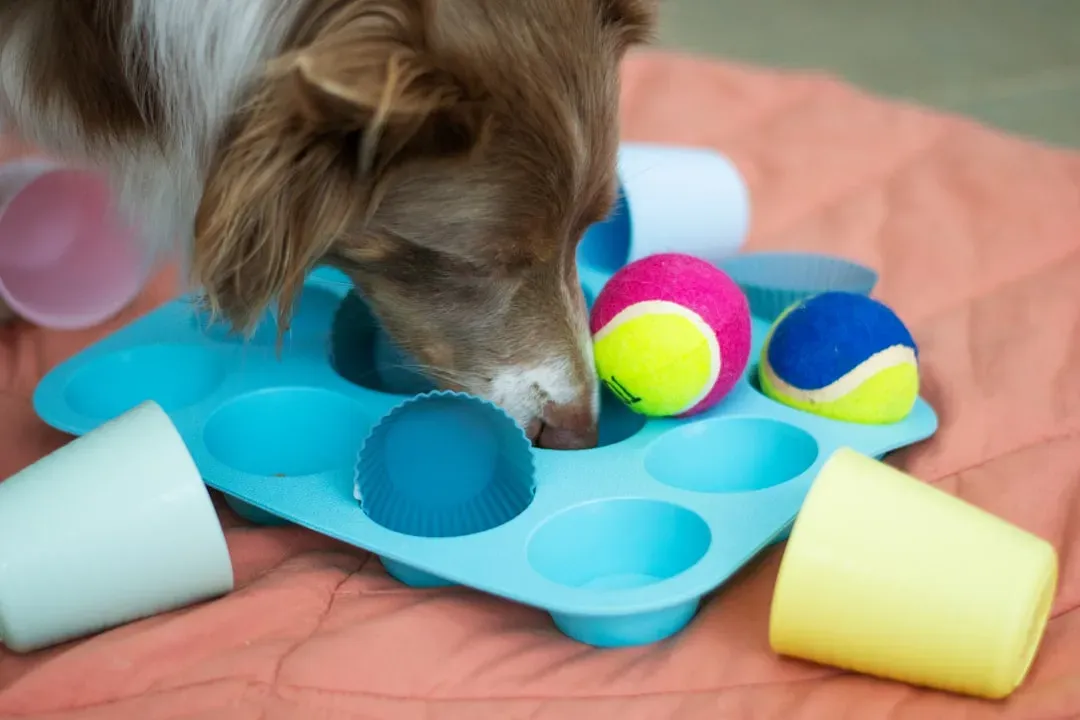
Physical movement is only part of the picture. Senior dogs face cognitive changes alongside physical ones, and an exercise plan that ignores the brain is only doing half the work. Cognitive health is just as important as physical movement. Engaging your dog’s brain can slow cognitive dysfunction and reduce anxiety. Keeping senior dogs active mentally helps maintain routine and reduces confusion or clinginess often associated with aging.
The beauty of mental movement games is that they encourage physical activity without your dog even realizing they’re exercising. Nose work is one of the best examples. Hiding treats or favorite toys around the house provides mild mental and physical stimulation. Puzzle feeders encourage movement and cognitive engagement. Even a simple scatter-feed in the grass, where your dog has to sniff out their kibble, counts as meaningful enrichment.
Mental challenges such as puzzle toys, treat-dispensing devices, and refreshing basic commands help maintain cognitive health. Teaching new tricks at a relaxed pace can also spark engagement and confidence. Rewards-based strategies, patient practice, and regular positive reinforcement ensure a pleasant experience and strengthen bonding.
The mind-body connection plays a powerful role in canine mobility. Mental exercise that encourages physical movement provides dual benefits, keeping both brain and body engaged. For seniors with limited physical capabilities, mental stimulation becomes especially important. On days when weather or a flare-up limits what your dog can physically do, a good brain game keeps them engaged and emotionally content without putting strain on their body.
A Note on Watching for Warning Signs
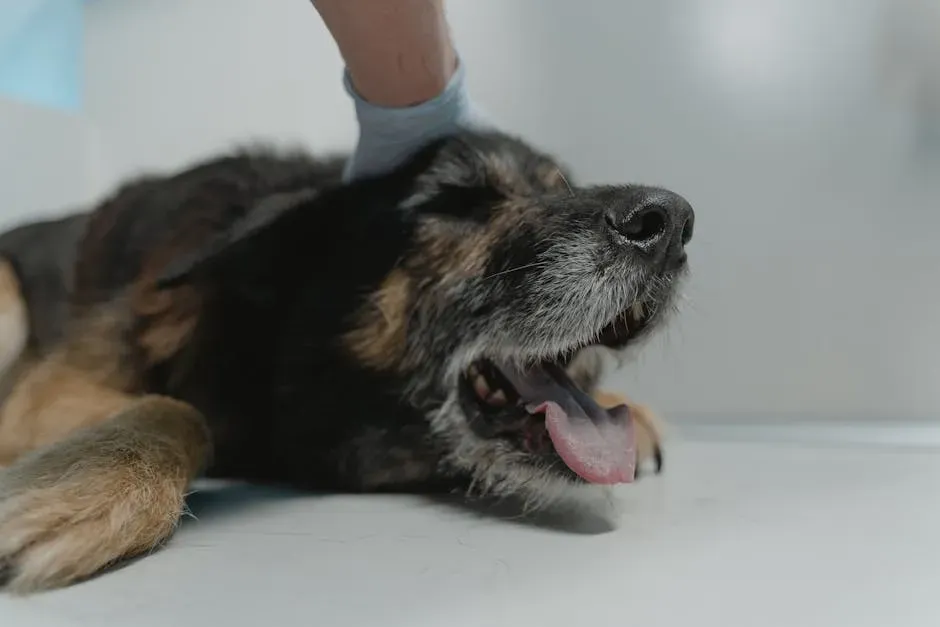
No exercise plan works well in isolation. Being a good observer is just as important as being a consistent trainer. If your dog is reluctant to get up after resting, less active than usual, or shows stiffness especially after rest or in cold weather, these are early indicators that joint health may need attention.
Senior pets should generally have checkups with their vet every six months. These regular wellness visits help catch disease processes early so that any necessary treatment can be started as soon as possible, helping to prolong their quality of life. Pairing a smart home exercise routine with consistent veterinary oversight gives your senior dog the best chance at comfortable, active golden years.
Before you start exercising your senior dog, schedule a visit with your veterinarian. This is especially true if your dog has an existing condition or hasn’t been active in a while. A clean bill of health, or a customized plan that accounts for any limitations, gives you a far clearer roadmap than guesswork.
Conclusion
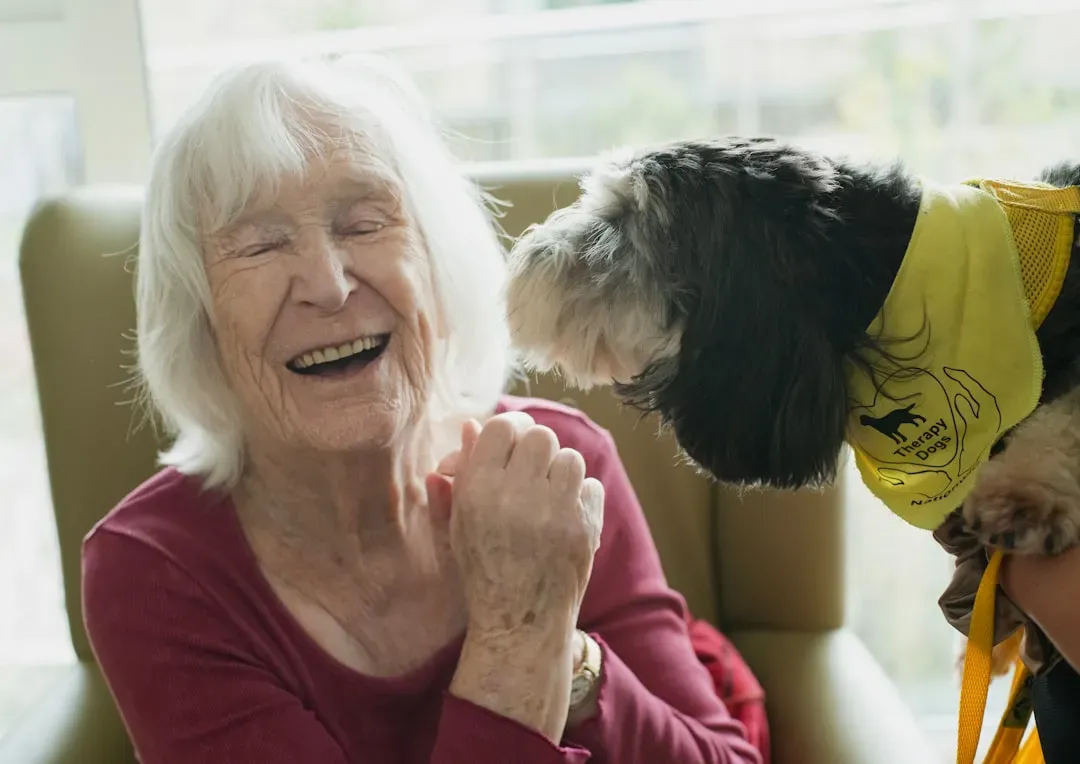
Caring for a senior dog asks something specific of us: the willingness to slow down, pay closer attention, and trade ambition for consistency. None of these five exercises are complicated. None require expensive equipment or hours of your day. What they require is showing up, day after day, with patience and awareness.
With proper care, many senior dogs can maintain a good quality of life and continue to enjoy their favorite activities, even if at a slower pace. A shorter walk taken daily will always outperform a long one taken rarely. A few minutes of stretching before bed will add up over weeks and months in ways you’ll see in how your dog moves, how quickly they rise, and how bright their eyes still look when you grab the leash.
Your dog doesn’t know what “senior” means. All they know is whether today was a good day, whether their body felt okay, and whether you were there. These exercises are a quiet, daily way of saying yes to all three.


