

Picture this: you sit down after a long day, phone in hand, and your dog nudges your leg once, twice, then slinks away with ears drooping. That quiet retreat hits different when you realize they might be hurting inside. As a dog lover, you’ve probably felt that pang of guilt, wondering if your furry friend truly senses the distance.
Dogs thrive on connection, wired as pack animals who read our every cue. Short bursts of ignoring might not faze them much, yet patterns of neglect spark real distress signals.[1] Let’s unpack those subtle shifts so you can spot them early and keep your bond strong.
Spotting the Subtle First Signs

Your dog starts with hopeful pokes or paw slaps, eyes locked on you for that familiar pat. When those go unanswered, expect more insistent whining or circling at your feet. These aren’t random; they’re pleas rooted in their need for reassurance.[2]
Take Max, a lab who shadowed his owner everywhere until ignored evenings led to constant tail-tucking. Owners often miss this Velcro shift turning clingy.[3] Watch for lip licking or yawning too, classic stress whispers before louder barks kick in. Catching it here prevents escalation.
Why They Crave Your Attention So Much

Dogs evolved alongside humans, viewing us as family pack leaders whose approval means safety. Ignoring disrupts that security, stirring confusion like a lost pup in the wild. They don’t sulk forever, but the uncertainty lingers until you reconnect.[4]
Relatable? Think of your herder mix pacing by the door during your work calls. Studies link this to frustration from unmet social needs, not spite.[5] Their brains light up similarly to ours in bonding moments, making neglect feel like a quiet rejection. Prioritize short daily rituals to fill that emotional tank.
Behavioral Red Flags You Can’t Ignore

Destructive chewing on shoes or furniture ramps up as they vent boredom-fueled anxiety. Whining turns to howling, especially alone, signaling separation distress.[6] Picture your couch cushions shredded after a busy week; it’s their way of screaming for engagement.
Lethargy creeps in next, with skipped meals or disinterest in walks. These mimic “doggy blues,” where play favorites gather dust.[7] Real-world tip: Rotate puzzle toys to redirect energy. If barking spikes at night, check for underlying health tweaks too, like thyroid dips.
The Hidden Toll on Their Well-Being
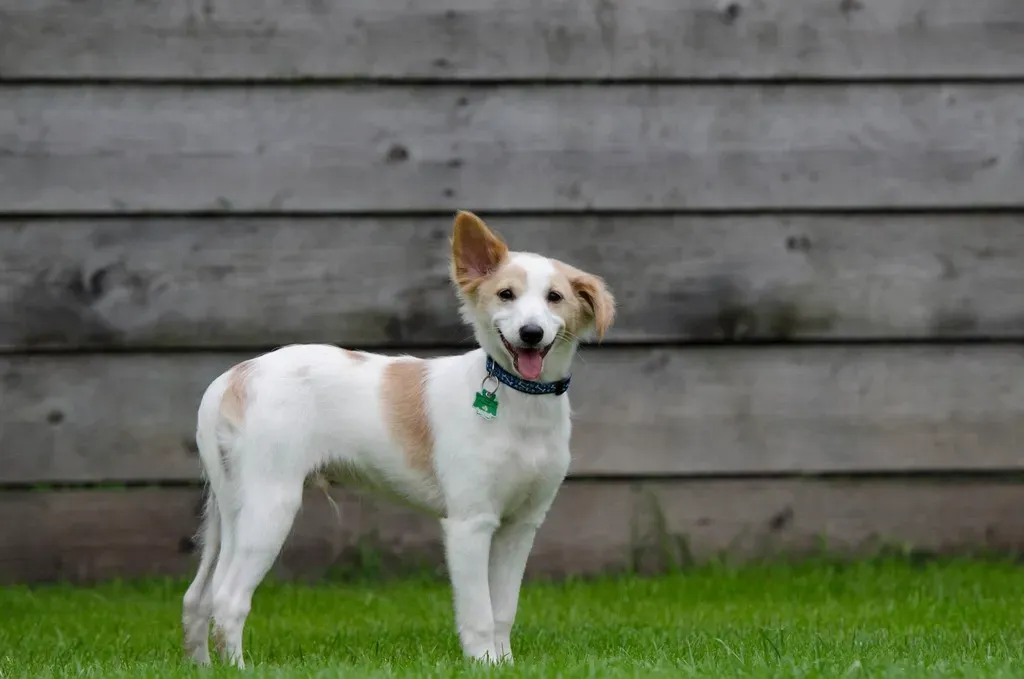
Prolonged ignoring spikes stress hormones, paving paths to full separation anxiety with pacing and escape attempts.[8] Dogs withdraw socially, avoiding even fun park romps. It’s not drama; cortisol overload wears them down physically.
Health signs include tummy upset or coat dullness from chronic worry. One owner shared how their beagle’s endless sighs faded with routine belly rubs. Prevention shines in consistent schedules, easing their world. Empathy here turns potential shutdowns into tail wags.
Reconnecting Before It’s Too Late

Start small: eye contact and calm pets rebuild trust fast. Ignore bad habits briefly for training, but never affection needs. Enrich alone time with frozen Kongs stuffed with kibble.[9]
Daily 15-minute training games boost confidence, cutting clinginess. If distress persists, vet-check rules out medical mimics. You’ve got this; your awareness alone strengthens that unbreakable pup-parent tie. Small shifts yield big loyalty returns.
Wrapping It Up: Stronger Bonds Await

Your dog doesn’t need grand gestures, just steady presence amid life’s chaos. Spot those cues early, respond with kindness, and watch anxiety melt away. Feeling seen in their world? That’s the magic of dog ownership.
Next time that nudge comes, drop the scroll and lean in. Those moments compound into a lifetime of joyful companionship. Your pup’s heart will thank you every wag.


