
It’s 9 PM on the Fourth of July, and your dog is wedged between the toilet and the bathtub wall, shaking like a leaf. You’ve tried calling their name. You’ve offered treats. Nothing works. If this sounds familiar, you’re far from alone.
Research suggests that somewhere between fifteen and thirty percent of dogs suffer from some level of noise-related anxiety, with thunderstorm phobia being one of the most common specific triggers. That’s a significant portion of our four-legged family members going through real distress, often while we stand by feeling helpless. The good news is that you don’t have to be. There are practical, vet-backed strategies that can genuinely make a difference, and knowing why your dog reacts the way they do is the best place to start.
Why Storms and Fireworks Are So Overwhelming for Dogs
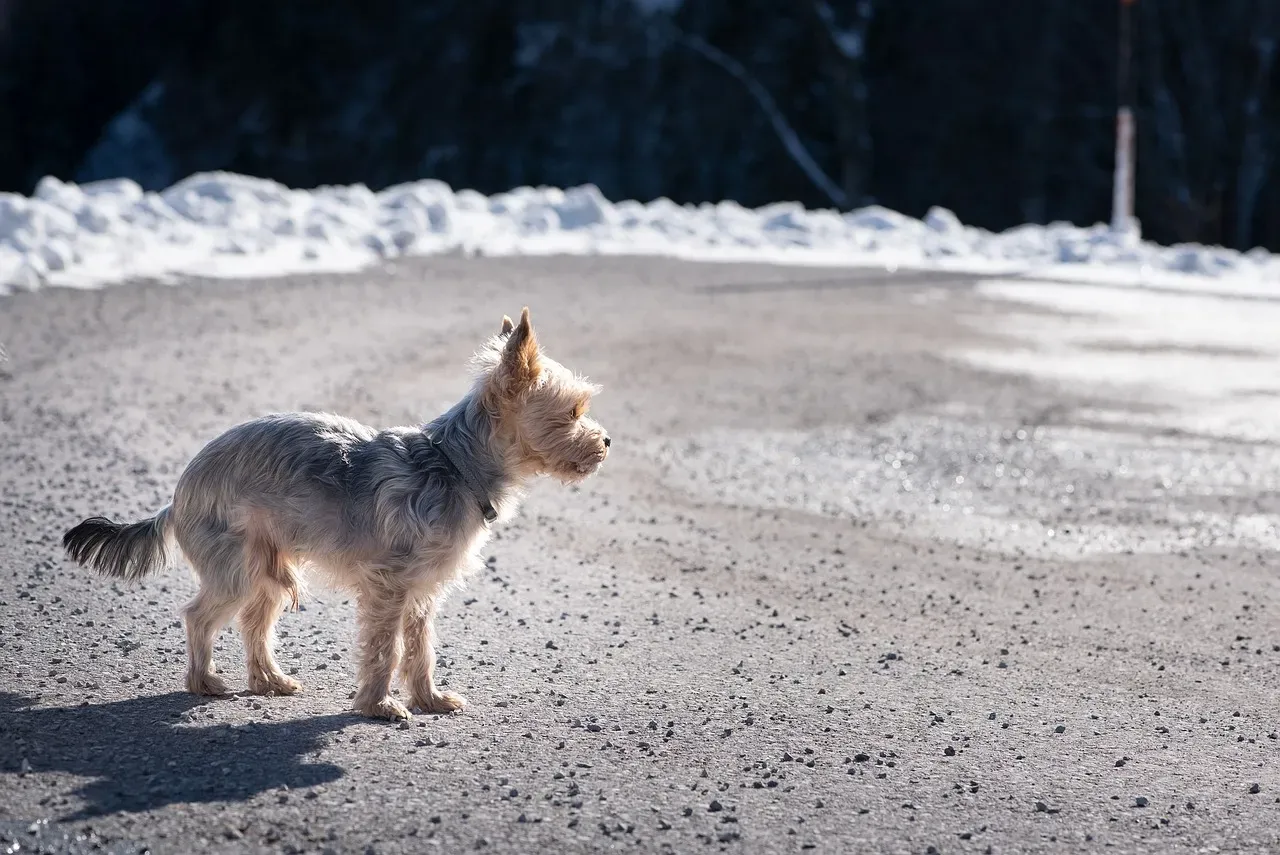
Dogs experience storms very differently from us. Dogs have very strong senses, and thunderstorms can be incredibly overwhelming sensory events for them, bringing loud low-frequency noise, bright flashes of lightning, and shifts in barometric pressure that can make even confident dogs uncomfortable. It’s not just about the boom of thunder.
Dogs diagnosed with storm phobia can react with anxiety or fear to wind, rain, thunder, lightning, and other associated stimuli, including barometric pressure changes, the “smell of rain,” static electricity, and even time of day. Fireworks add their own layer of difficulty because the source of the sound is unpredictable and seemingly comes from everywhere at once.
Dogs hear at a much higher frequency than humans, and that super-hearing comes with a downside: loud sounds are magnified and terrifying. The combination of sudden sounds and flashing lights from fireworks can be especially overwhelming, as both sensory triggers contribute to their anxiety. Understanding this helps explain why simply “waiting it out” rarely works on its own.
Know the Signs: Reading Your Dog’s Fear Before It Escalates
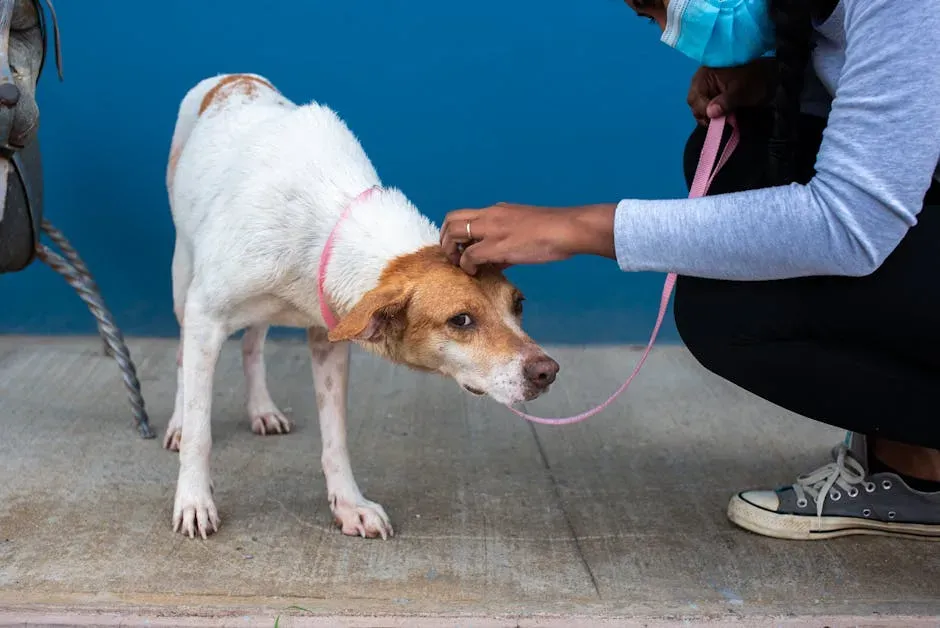
The signs of fear can range from mild to severe, including trembling, vocalizing, panting, pacing, drooling, hiding, digging at doors, and escape attempts. Some of these are obvious. Others are easy to miss, especially the subtle early ones.
During a storm, some dogs only show mild signs of distress such as licking their paws or yawning frequently, while other dogs become highly aroused and destructive. Yawning and paw licking might look like boredom but they’re actually classic displacement behaviors, signs that your dog is trying to manage internal stress.
Unlike a mild, passing nervousness that some dogs may display, thunderstorm anxiety is a persistent and often escalating condition. Without intervention, the fear response can intensify with each storm, making what began as minor anxiety a debilitating experience. Catching it early and responding thoughtfully can genuinely change that trajectory.
Create a Safe Space That Your Dog Actually Trusts
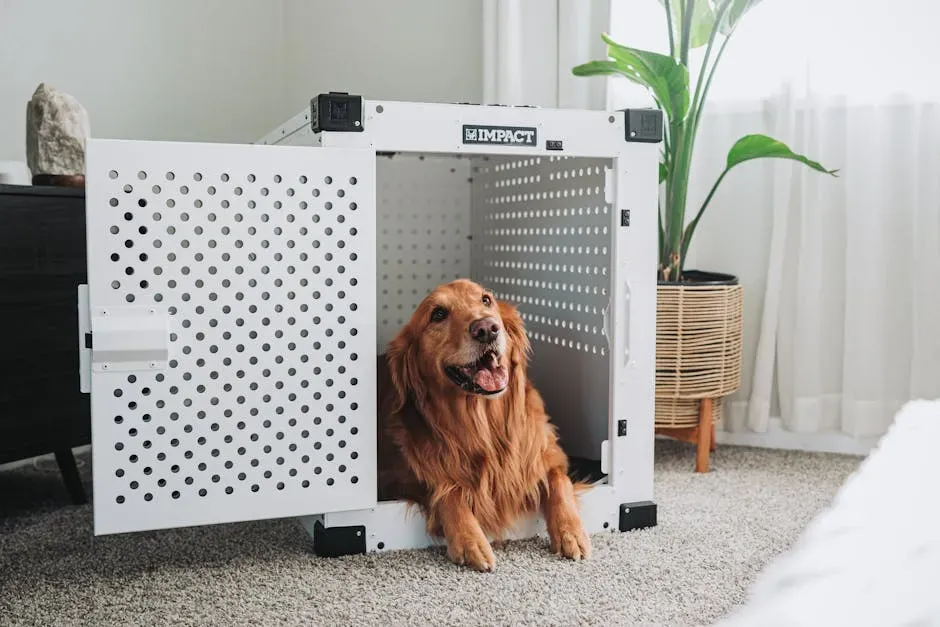
Creating a safe space is one of the most effective first steps you can take. It should be in a location of the home they are familiar with, equipped with a cozy bed or blankets, and kept in a room farthest from the noise and with few or no windows to help decrease outside sound. Think of it as their personal storm bunker.
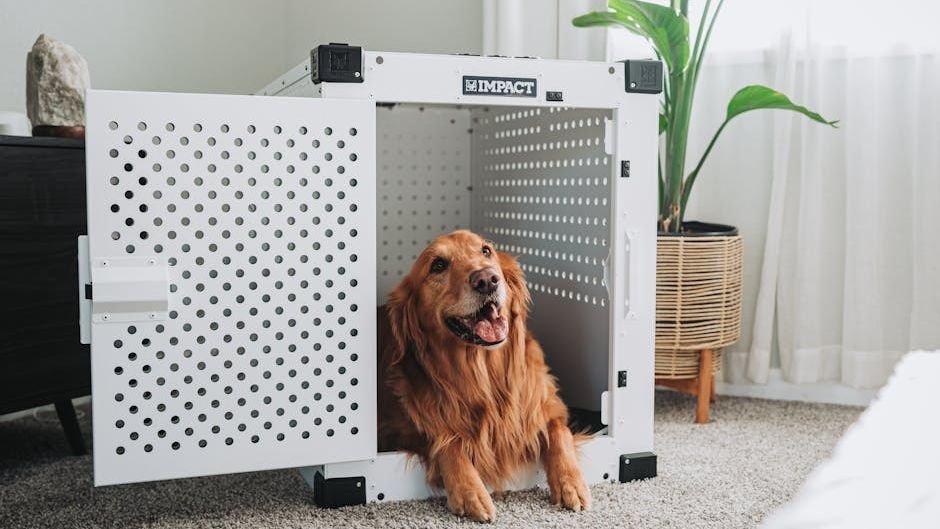
Only use a crate if your dog is already accustomed to it and considers it a safe spot. A crate that’s new or unfamiliar can actually increase stress rather than reduce it, so don’t force it. Don’t force the dog to confront their fears. Let them hide away in a comfortable place, like a plush dog bed, a rug, a crate, or space under a bed, even in the bathtub.
At the approach of thunderstorm season, try to ensure that your dog has access to a well-curtained or blacked-out room when the storm begins. Blacking out the room removes the additional problems of flashing lights and flares. This simple step eliminates one whole category of trigger and is easy to set up in advance.
In-the-Moment Tools That Can Help Right Now

Playing white noise and music can make a meaningful difference. Layering two different types of sound can help drown out the noise, and calming classical music may also help reduce stress. Many dog owners keep a dedicated playlist ready for exactly these moments.
A calming jacket such as a ThunderShirt provides comfort through gentle pressure, much like a weighted blanket. In one study, after five uses of an Anxiety Wrap, nearly nine out of ten owners reported that it was at least partially effective in treating their dogs’ thunderstorm phobias. That’s a meaningful result for something you can put on in under a minute.
Fitting the dog with an Adaptil collar or using an Adaptil plug-in close to your pet’s favorite hiding place can also help. The pheromones, or chemical messengers, send out reassuring signals that can take the edge off mild anxiety. For best results, start using the product at least two weeks ahead of any anticipated traumatic event, such as scheduled fireworks. Timing matters more than most people realize.
Offering long-lasting treats such as stuffed frozen Kongs, Lick Mats, or other food toys can give your dog something constructive to focus on. If your dog won’t eat, that means their stress level is too high and you should stop trying to feed. That’s a useful gauge of just how anxious they actually are in the moment.
Your Presence and Behavior Matter More Than You Think
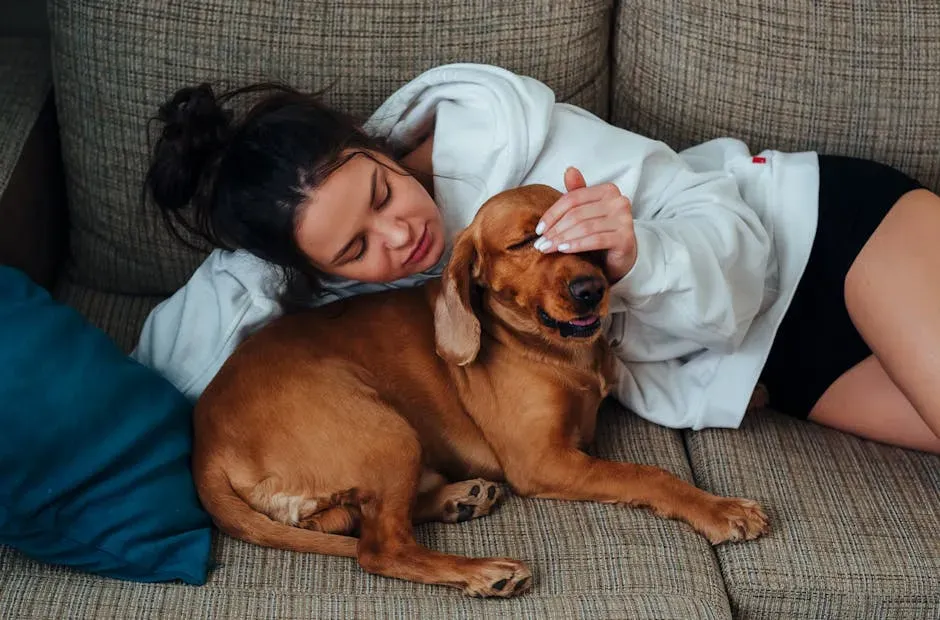
One of the most persistent myths in dog parenting is that comforting a scared dog will reinforce the fear. That idea has largely been set aside by modern veterinary science. It’s perfectly acceptable to offer comfort if your dog seeks it during a storm. It’s a common misconception that doing so might accidentally reinforce your dog’s fear, but fear is a visceral response that can’t be altered by petting or kind words.
Still, how you offer comfort matters. You need to stay calm even when your dog is displaying signs of fear. Carry on as usual and avoid pretending, as dogs can see right through it. Don’t act excited or hyped up, as this can make the situation worse and your dog might think you are fearful too. Calm, quiet presence is the message you want to send.
Staying home to comfort your dog is genuinely helpful. Many dogs with noise phobias may also have some separation anxiety, so your absence may make them even more stressed. If staying home isn’t possible, consider a pet sitter they know and trust. Your dog doesn’t need you to fix the storm. They just need to know you’re there.
When to Talk to Your Vet About Longer-Term Solutions
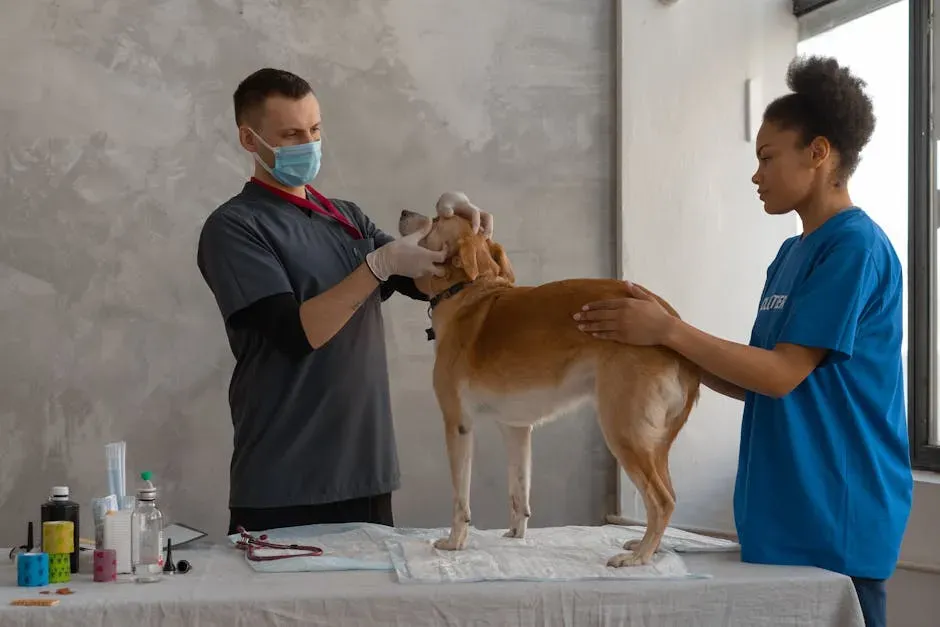
Some dogs have anxiety that goes beyond what home management can address. If your dog’s fear, anxiety, and stress feel unmanageable during fireworks, thunderstorms, or other loud noises, speak to your veterinarian or consider a referral to a veterinary behaviorist, as more extensive treatment including medications and behavior modification may be needed.
Medications should only be given under veterinary supervision. To be effective, they must be absorbed and active in the body before any noise starts or panic sets in, which is usually at least an hour prior to the event. This is why planning ahead, especially before predictable events like holidays, is so important.
Desensitization and counterconditioning are forms of behavior modification used to reduce the fear of noise and storms. Desensitization exposes the dog to a scary noise at such a low level that the animal is not scared. Counterconditioning changes the association of the noise with fear. The prognosis for thunderstorm anxiety in dogs is generally positive, particularly when treatment begins early and is applied consistently. Many dogs respond well to a combination of behavioral therapy and environmental management, showing measurable reductions in fear behaviors over time.
Conclusion: You Know Your Dog Best
There’s no single solution that works for every dog. What calms one may have zero effect on another, and finding the right combination often takes a bit of trial and observation. What works for some dogs may not work for others. An obvious step but possibly the most helpful one is to minimize the noise triggers as much as possible. Other steps include creating a safe space, reassuring your dog, providing medications as directed by a veterinarian, and trying antianxiety vests.
The most important thing is that you’re paying attention. You noticed your dog was scared. You looked for answers. That instinct to protect and comfort your companion is exactly what they need from you, and it’s already more powerful than any product on the shelf.
Storms will keep coming. Fireworks will keep going off. Your dog doesn’t need a fear-free world. They just need a safe place, a calm human, and a little preparation on your part. That’s a combination well within reach.


