
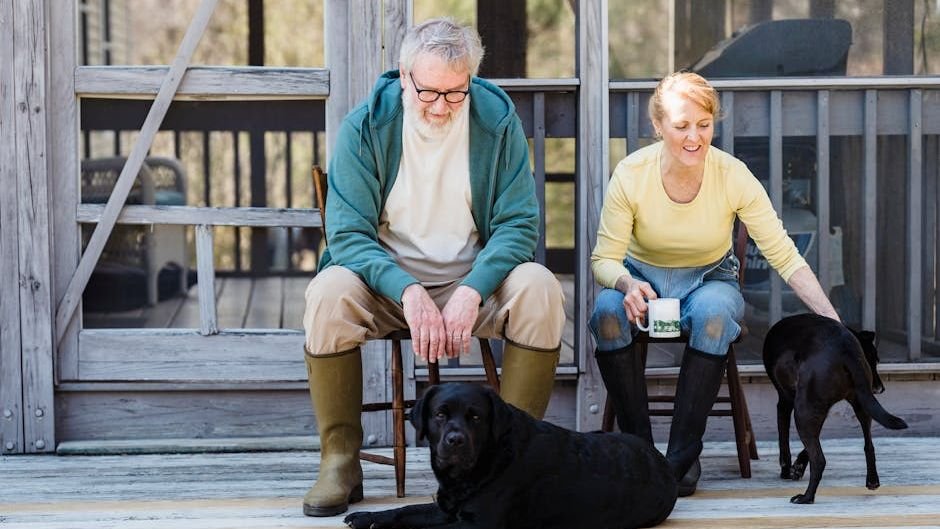
Retirement is one of life’s biggest transitions. One day there’s a full calendar, a team, a title. The next, there’s open time and a quieter house. For many retirees, that shift carries unexpected emotional weight. Loneliness can creep in, purpose can feel harder to locate, and a daily sense of structure simply disappears.
Dogs act as companions who provide emotional and physical support, and for retirees specifically, that role becomes something genuinely significant. The research backing this up has grown considerably in recent years. What follows are ten concrete, science-informed ways a dog can transform .
1. They Give You a Reason to Get Up Every Morning

One of the quieter losses of retirement is the absence of obligation. When nobody needs you at nine o’clock, mornings can lose their rhythm. A dog changes that immediately. Feeding schedules, morning walks, and playtime create a structure that has real psychological weight.
The responsibility of owning a pet is a great way to add structure to your daily routine. Establishing healthy routines for a pet such as daily walks, healthy meals, and active playtime provides many pet parents with a sense of purpose and accomplishment. That sense of accomplishment isn’t trivial. It’s a daily, repeatable signal to your brain that you matter and that you’re needed.
One way that owning a pet might reduce feelings of low mood and depression is by providing a sense of purpose and helping maintain a routine. For retirees navigating the identity shift that often follows a career ending, that daily anchor can be genuinely stabilizing.
2. They Reduce Stress at a Biological Level

Petting your dog isn’t just pleasant. There’s measurable chemistry happening. Interacting with animals has been shown to increase levels of oxytocin, sometimes referred to as the “love hormone.” When you pet a dog or cat, your body releases oxytocin, which directly counters the body’s stress response by reducing cortisol levels, the primary stress hormone.
Spending time with animals has been found to increase our levels of oxytocin, dopamine, and serotonin, collectively known as the ‘happy hormones’ because they promote a sense of wellbeing and contentment. These aren’t subtle effects. They’re the same neurochemical pathways involved in human bonding.
Research has shown that regular interaction with animals can decrease stress hormone levels among older individuals, and also promotes the release of hormones such as oxytocin, which are associated with increased positive emotions. In practical terms, a calm evening with your dog on the sofa may genuinely be doing something for your body that no supplement can replicate.
3. They Fight Loneliness in Ways Nothing Else Quite Matches

Loneliness is one of the most pressing health concerns facing retirees today. Social networks shrink naturally as colleagues retire, friends move, and family members develop their own busy lives. This companionship may be especially important for older adults as their social networks shrink.
Interacting with pets can reduce feelings of loneliness and isolation commonly experienced by seniors. Dogs don’t require reciprocal conversation or scheduling. Their presence is consistent, unconditional, and available at two in the morning when sleep won’t come. Studies have shown that the presence of pets not only reduces feelings of loneliness but also boosts oxytocin levels, improves daily routines, and provides a sense of purpose.
According to US market research, roughly four in five pet owners say their pet makes them feel less lonely. That’s a striking number, and it holds up across different living situations and life stages.
4. They Keep You Physically Active
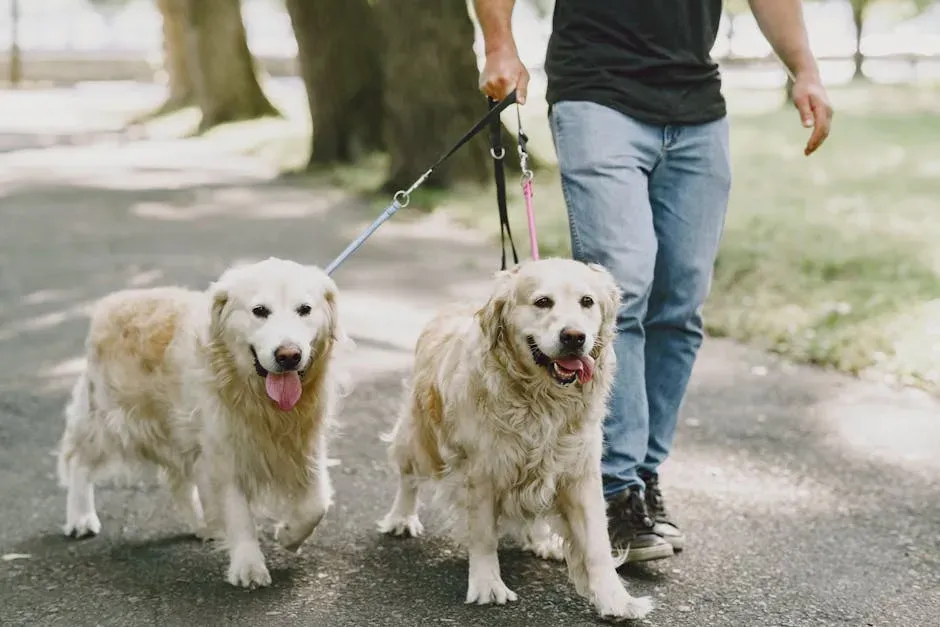
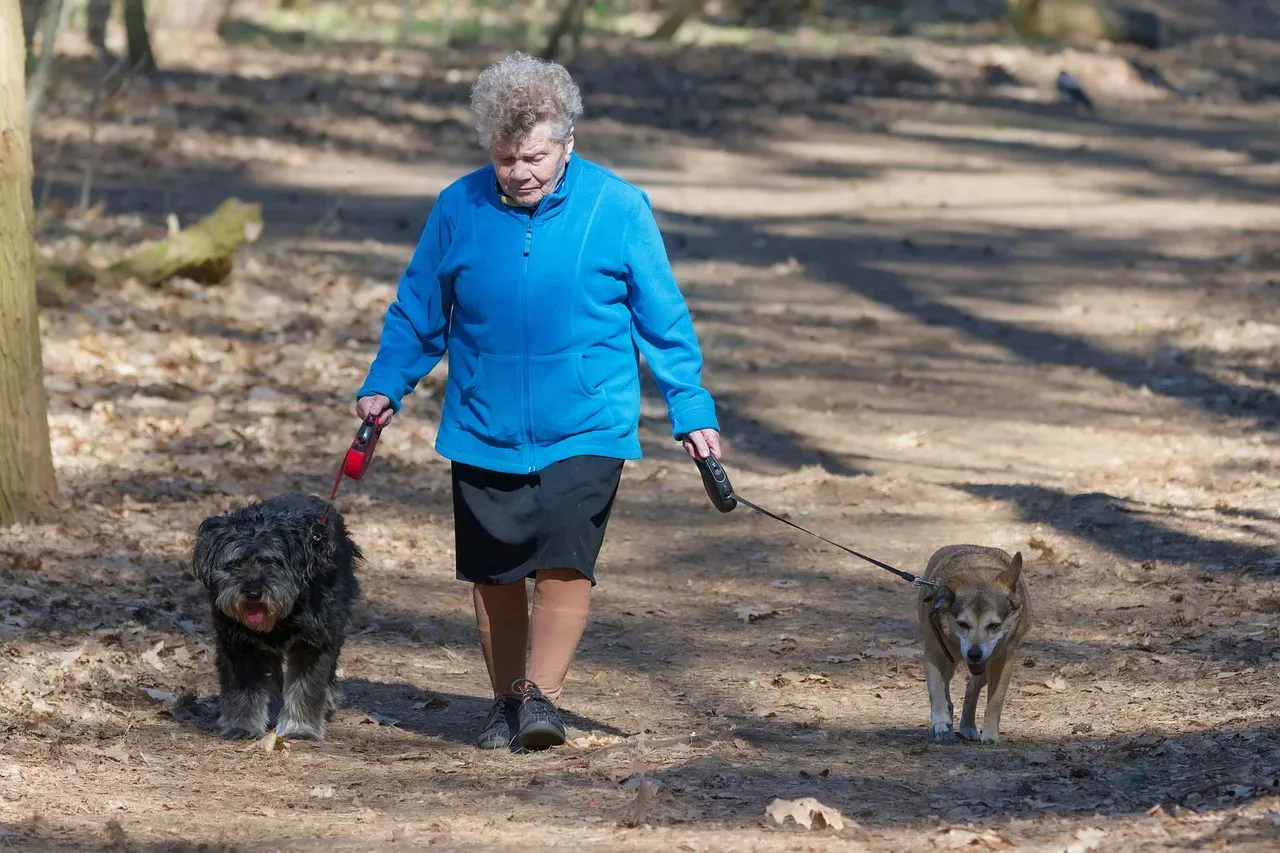
The link between physical movement and emotional health is one of the most well-established in medicine. Dogs are, among other things, relentless motivators to move. Dog owners who walk their dogs are two and a half times more likely to achieve moderate physical activity of at least 150 minutes per week than non-dog walkers.
Compared to their non-dog-owning counterparts, community-dwelling older adult dog owners spent more time walking every day, on average around 22 minutes more, took significantly more steps per day, and experienced fewer prolonged sedentary events. Those extra minutes outdoors add up meaningfully over months and years. Physical activity also directly alleviates symptoms of anxiety and depression, making the dog-walk a two-for-one investment in wellbeing.
Studies using path analysis showed that dog owners engage in higher levels of both pet-related and general physical activity compared to owners of other pets or non-owners. The effect is especially pronounced in older adults, for whom a daily walk carries outsized health value.
5. They Strengthen Your Sense of Self-Worth

Retirement can quietly chip away at identity. Without a professional role, many people find themselves asking who they are outside of what they did. A dog offers a simple, honest answer: you’re the person this animal trusts completely.
Caring for a pet can instill a sense of responsibility and boost self-esteem in older adults. Whether it’s feeding, grooming, or simply spending quality time together, the daily interactions with a pet can provide a sense of fulfillment and purpose, leading to improved mental and emotional well-being.
Research from the University of Miami found that pet owners had higher levels of self-esteem and were less fearful and preoccupied than non-pet owners. Feeling capable, trusted, and needed by another living creature has a grounding effect that is difficult to manufacture through other means.
6. They Open Doors to Social Connection

Dogs are natural social facilitators. Walking through a neighborhood with a dog is not the same as walking alone. People stop. Conversations happen. Strangers become familiar faces. Research found that dog owners are more likely to engage in social interactions during walks, which can reduce feelings of social isolation and contribute to better mental health outcomes.
Pets can act as social catalysts, easing interactions between people, sparking conversations, and helping form social networks. For someone struggling with social anxiety or loneliness, a pet can be a bridge to human interactions, offering common ground and a shared interest to discuss.
Pets encourage us to be more active, make us laugh, provide comfort and affection, help us feel safer, and can even help us connect with our neighbors and make new friends. Dog parks, training classes, and veterinary waiting rooms become unexpected social venues. For retirees who’ve lost the automatic community of a workplace, these small interactions carry real emotional value.
7. They Help Protect Cognitive Function
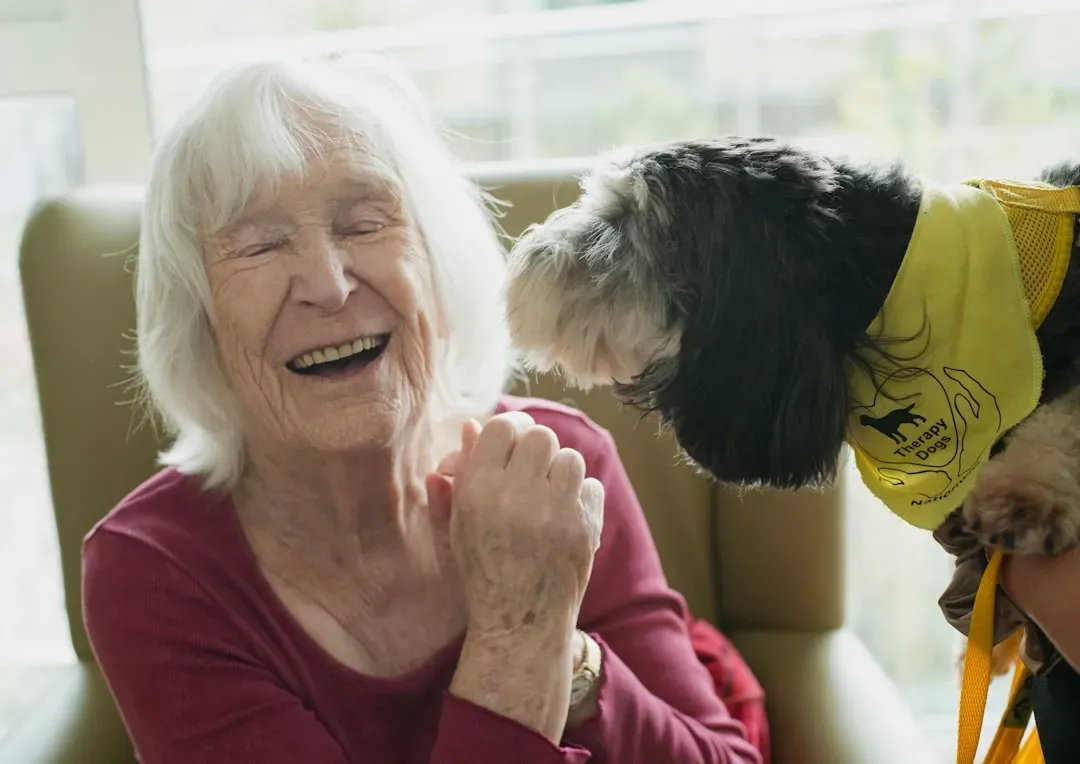
The brain, like the body, benefits from stimulation and engagement. Caring for a dog provides both in steady, manageable doses. Taking care of a pet involves a variety of tasks that can help keep the senior mind active. From feeding schedules to health care appointments, managing these responsibilities can provide mental stimulation that’s vital for seniors. Interacting with a pet can help keep the brain engaged and may slow the progression of cognitive decline in older adults.
Several recent studies found that pet ownership can help slow cognitive decline and prevent dementia in older adults. In a study of nearly 8,000 older adults published in JAMA Network Open, researchers found that among those living alone, having a pet was associated with a slower rate of cognitive decline, specifically in composite verbal cognition, verbal memory, and verbal fluency.
A large study using data from eight waves of the Survey of Health and Retirement in Europe examined the relationship between pet ownership and cognitive decline over 18 years among adults aged 50 and older. The targeted cognitive domains were executive functioning and episodic memory. Results confirmed that pet ownership is associated with slower decline in both cognitive domains.
8. They Ease Depression and Lift Mood
Depression in older adults is often under-recognized and under-treated. It doesn’t always look like sadness. Sometimes it looks like disengagement, fatigue, or a flat lack of interest in things that used to matter. Dogs can interrupt that pattern in ways that feel natural rather than clinical.
A growing body of research has found that pet ownership and human-animal interactions are associated with decreased levels of depression. The mechanism isn’t complicated: dogs demand attention, return affection, create movement, and anchor the present moment. Pets play a significant role in enhancing mental health by boosting the release of hormones such as serotonin, prolactin, and oxytocin. These neurotransmitters can alleviate feelings of depression and stress. When engaging with pets, individuals often experience a reduction in loneliness and an increase in life satisfaction, providing a sense of purpose that is beneficial in combating depressive symptoms.
A systematic review indicated that animal-assisted interventions effectively reduce depressive symptoms among older adults. Whether the dog lives with you or visits through a local therapy program, the effect on mood is real and worth taking seriously.
9. They Encourage Mindfulness and Present-Moment Awareness

Dogs don’t worry about what happened last year or what might happen next month. They’re entirely present. Spending time with them pulls you into that same present-tense awareness, and that’s something many retirees genuinely need.
Pets, by their very nature, encourage a form of mindfulness, a state where worries about the past or future give way to the present moment’s simple joys. This inherent mindfulness that pets bring into our lives can be incredibly therapeutic, especially in combating feelings of depression or loneliness. A walk where you’re noticing what your dog is noticing is a walk where you’re not replaying regrets or rehearsing anxieties.
Pets have evolved to become acutely attuned to humans and our behavior and emotions. Dogs, for example, are able to understand many of the words we use, but they’re even better at interpreting our tone of voice, body language, and gestures. There’s something quietly grounding about being truly read by another creature. It pulls you out of your head and into your actual life.
10. They Provide Comfort During Grief and Life Transitions
Retirement often arrives alongside other significant losses. Relationships shift. Health changes. Spouses and close friends may pass away. Navigating grief at any age is hard. Dogs provide a form of comfort during these periods that is uniquely non-demanding. Research found that pets provide comfort and safety, social inclusion and participation, purposeful routine and structure, and a meaningful role for older adults.
Pet ownership may benefit community-dwelling older adults by providing companionship, giving a sense of purpose and meaning, reducing loneliness and increasing socialisation. These benefits may also increase resilience in older adults against mental health disorders, which may positively influence their mental health outcomes.
The unconditional love and non-judgmental nature of pets create a lasting bond that fosters emotional well-being and mental resilience in seniors. In the aftermath of loss, a dog doesn’t ask you to explain yourself. It simply stays close. For many retirees, that quiet, unwavering presence is one of the most meaningful things in their daily life.
Making the Most of Your Bond: Practical Tips for Retired Dog Owners
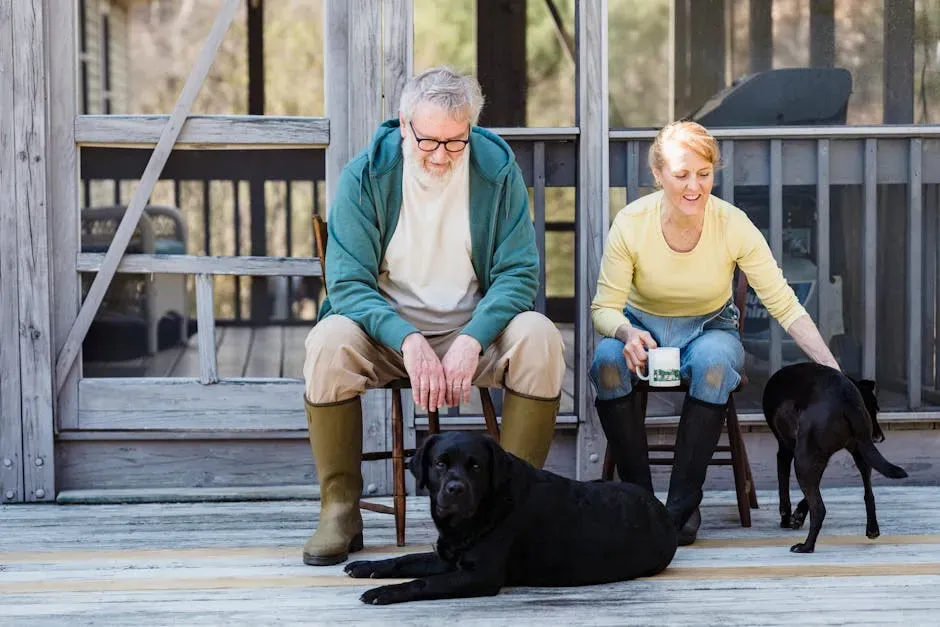
Knowing the benefits is one thing. Actively building a life with your dog that draws on them is another. Keep your dog’s routine consistent. Regular mealtimes and walk schedules serve both of you. If you’re navigating grief or a period of low mood, pay attention to behavior cues in your dog too. Dogs are sensitive to their owner’s emotional state, and a dog who’s quieter than usual or seeking extra closeness may simply be mirroring your own emotional weather.
Pet ownership is not the only way to reap the physical, social and emotional benefits of animals. People can get the same benefits by volunteering at shelters, visiting a dog park, and playing with the pets of friends, neighbors, and family. If full dog ownership feels too demanding physically or financially right now, those alternatives are genuinely worthwhile.
It is important to weigh the pros and cons before becoming a pet owner. While the routine of caring for a pet can be beneficial, it can also be demanding. Seniors must consider whether they have the physical and financial capacity to meet the needs of a pet, including food, vet visits, and daily care tasks. Choosing a breed suited to your energy level and living situation is worth careful thought. A well-matched dog isn’t just a companion. It’s a genuinely good fit for the life you’re actually living.
Conclusion
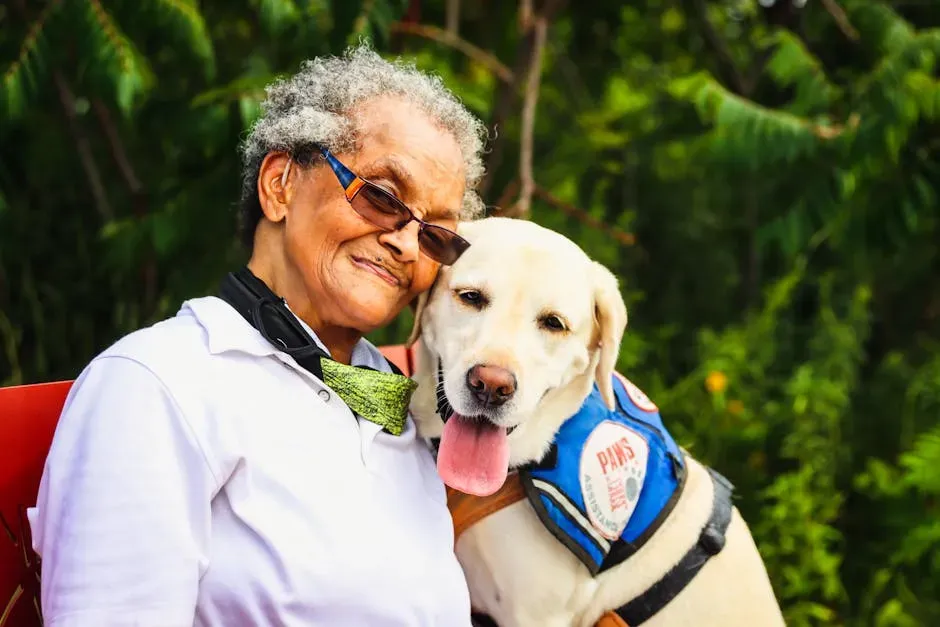
The emotional gifts dogs offer in retirement aren’t sentimental overstatements. They’re backed by a growing body of research across cognitive science, psychology, and gerontology. From the morning walk that resets your day to the quiet evening that lowers your blood pressure, dogs deliver something that retirement planning rarely accounts for: a daily, embodied reason to engage with life.
The bond works both ways, of course. A well-cared-for, deeply loved dog thrives alongside a thriving owner. That mutuality is part of what makes it so meaningful. Their shorter lifespans compel us to learn about the challenges and gifts of caring for older individuals. Our companion dogs can be exemplars of healthy or unhealthy aging.
Retirement isn’t a finish line. It’s a new chapter with more latitude and different challenges than any that came before. A dog won’t solve every difficulty that comes with it. But a good dog, walked daily, loved genuinely, and cared for well, can make the emotional landscape of those years considerably richer than it would otherwise be.


