
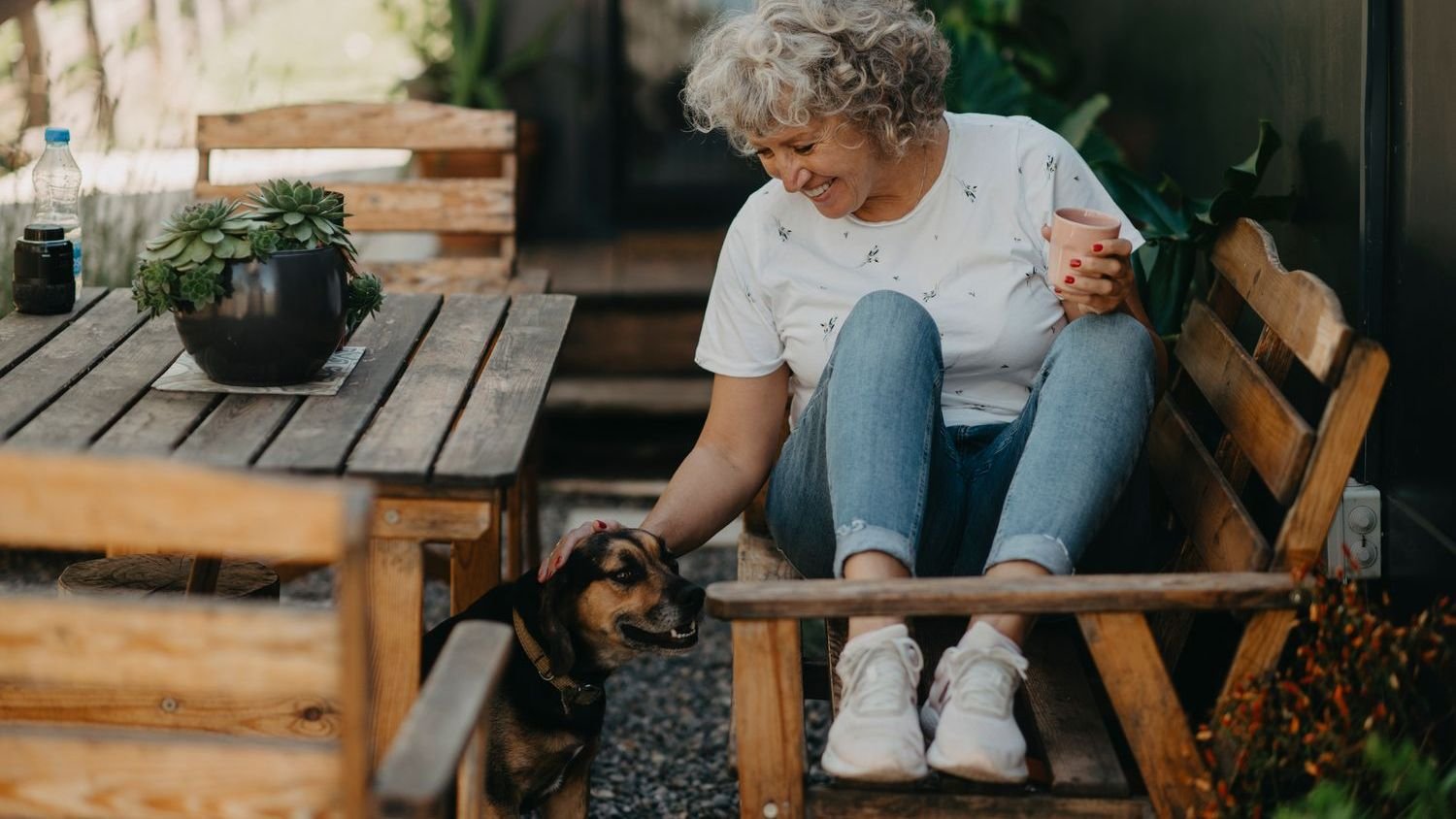
Picture this: it’s a quiet Tuesday morning, the kids are grown, the career has wrapped up, and the house feels a little too still. Retirement brings freedom, yes, but for many people over 60, it also arrives with an unexpected side effect – a gradual erosion of routine, connection, and purpose. It’s not something people talk about enough, but it’s remarkably common.
There’s a four-legged answer that science and lived experience keep pointing back to. Dogs have shared their lives with humans for thousands of years, and research increasingly confirms what devoted dog owners have always known: these animals do something genuinely remarkable for older adults. The bond isn’t just heartwarming. It’s measurably, meaningfully good for your health.
1. They Give You a Reason to Get Up Every Single Morning
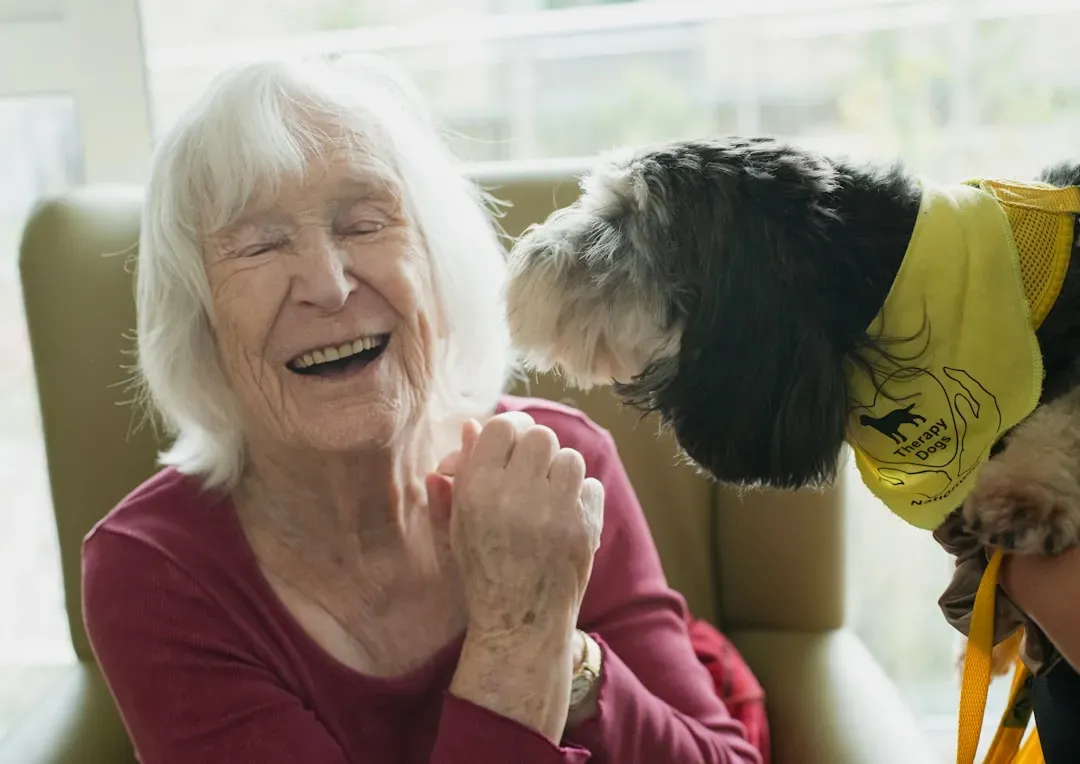
One of the quieter struggles of life after 60 is the loss of structure. Work gave the day a shape. Retirement doesn’t come with a built-in schedule. Older adults often struggle with their daily routines simply because they don’t have much to do, and retirees in particular find it troublesome to create a new routine in their first period of retirement. A dog changes that immediately and reliably.
Responsibility and attachment to a dog give owners a sense of purpose that comes from routine, with fixed times for meals and walks. There’s no negotiating with a dog who needs to go outside at 7am. That gentle insistence is actually a gift. Caring for a pet gives structure and meaning to daily life, and maintaining a healthy routine and daily structure has been shown to improve health and wellness.
According to Harvard Health Publishing, having a purpose in life is related to healthy aging and longevity, and older people with a sense of purpose have been shown to have better physical ability and strength. A dog doesn’t just fill the hours. It anchors them.
2. They’re Surprisingly Powerful for Your Heart Health
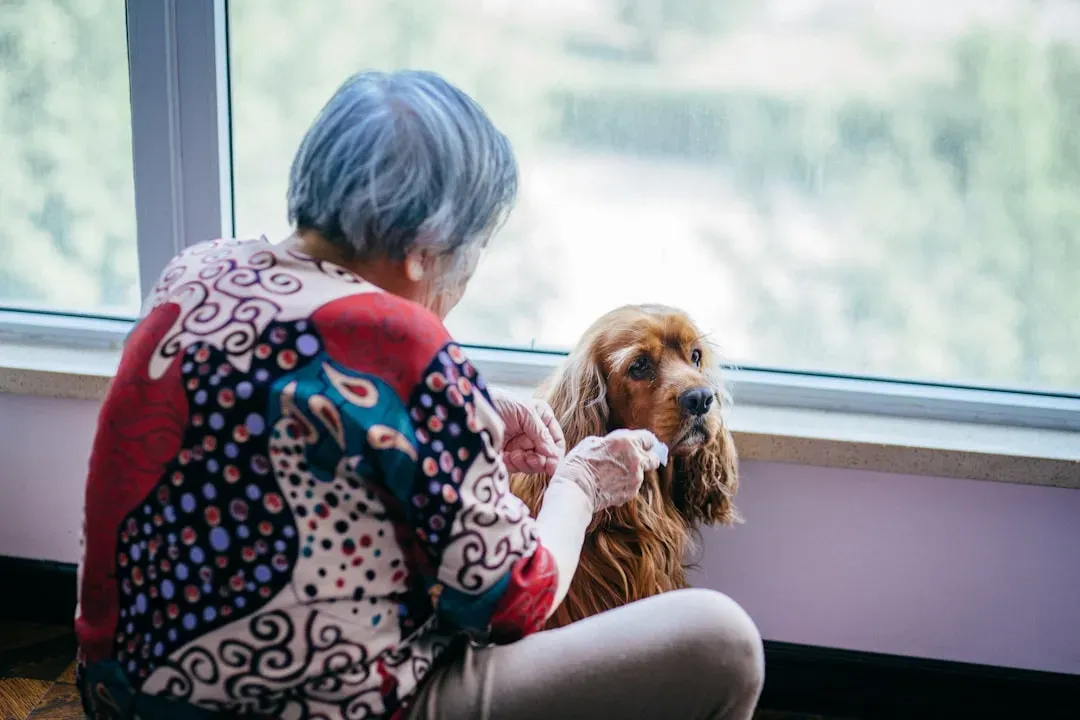
The cardiovascular benefits of dog ownership are more concrete than most people realize. Dog owners have lower blood pressure and healthier cholesterol levels, and a lower risk of heart disease, than non-owners. That’s not a small thing when you’re over 60 and cardiovascular risk climbs with every passing year.
The mechanism is partly stress-related and partly physical. Simply petting a dog can decrease the level of the stress hormone cortisol and increase the level of the mood-regulating hormone serotonin, resulting in lowered blood pressure and heart rate. Positive interactions with dogs also increase the “feel good” hormone dopamine, which can elevate your mood. It’s hard to feel tense when a warm, wriggly dog is nudging your hand for attention.
It has been reported that owning a dog leads to a notable reduction in the risk of all-cause mortality and a meaningful reduction in the risk of cardiovascular disease, as well as greater physical activity and a greater ability to embrace a healthy lifestyle. For older adults managing blood pressure or recovering from cardiac events, these numbers are worth paying attention to.
3. They Keep Your Body Moving – Gently and Consistently
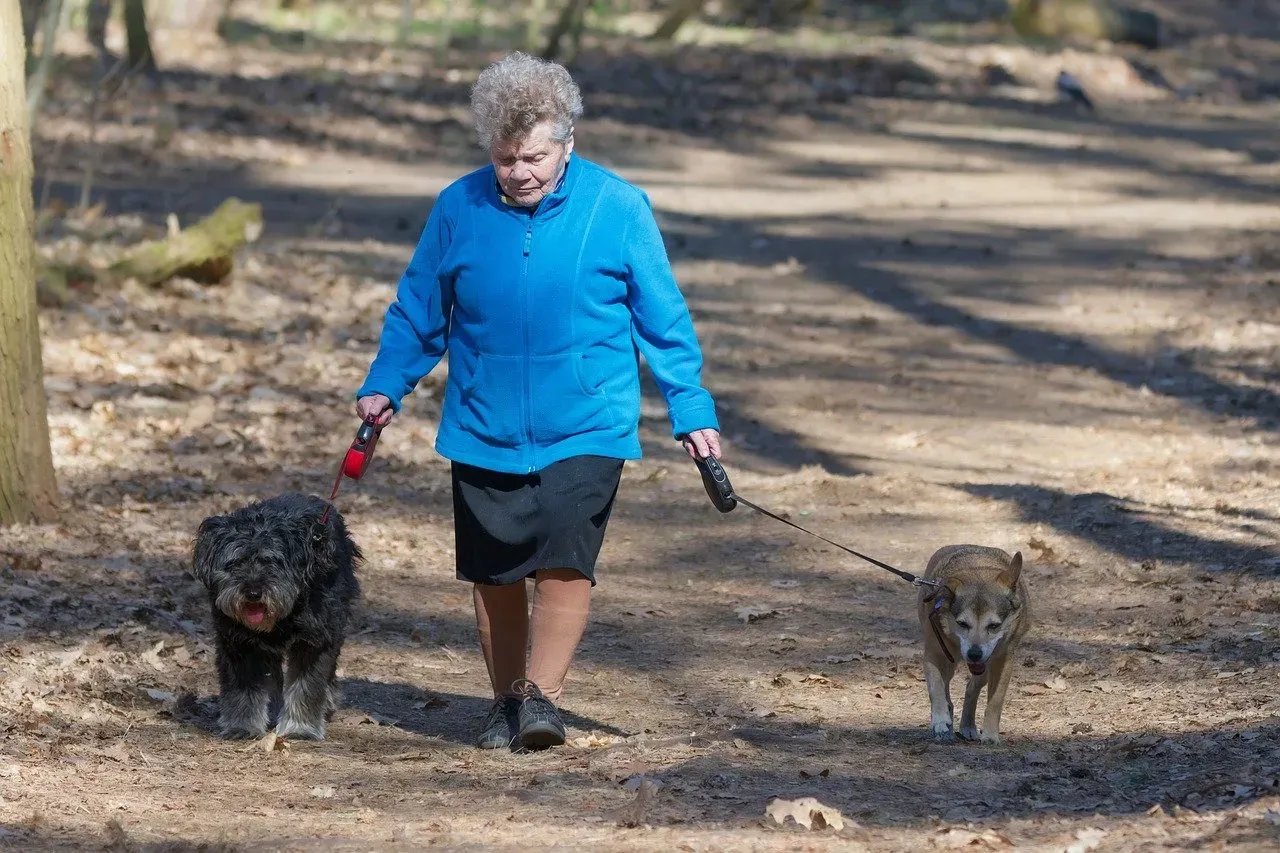
Walking is one of the most recommended forms of exercise for people over 60, and dogs happen to be excellent personal trainers. Among adults 60 years of age or more, walking is the most common form of leisure-time physical activity because it is self-paced, low impact, and does not require equipment. A dog makes that daily walk non-negotiable in the best possible way.
Research published in the BMC Public Health Journal found that people who own a dog walk roughly 22 minutes longer on average than those who do not have a dog. Even a low-intensity daily 20-minute walk can improve heart health, lower blood pressure, and relieve stress. Those extra minutes compound over weeks and months into genuinely meaningful fitness gains.
Dog walking has been associated with lower body mass index, fewer activities of daily living limitations, fewer doctor visits, and more frequent moderate and vigorous exercise. If you’ve been looking for a reason to move more consistently – one that doesn’t feel like exercise – a dog might be the most enjoyable solution you’ll find.
4. They’re a Natural Antidote to Loneliness
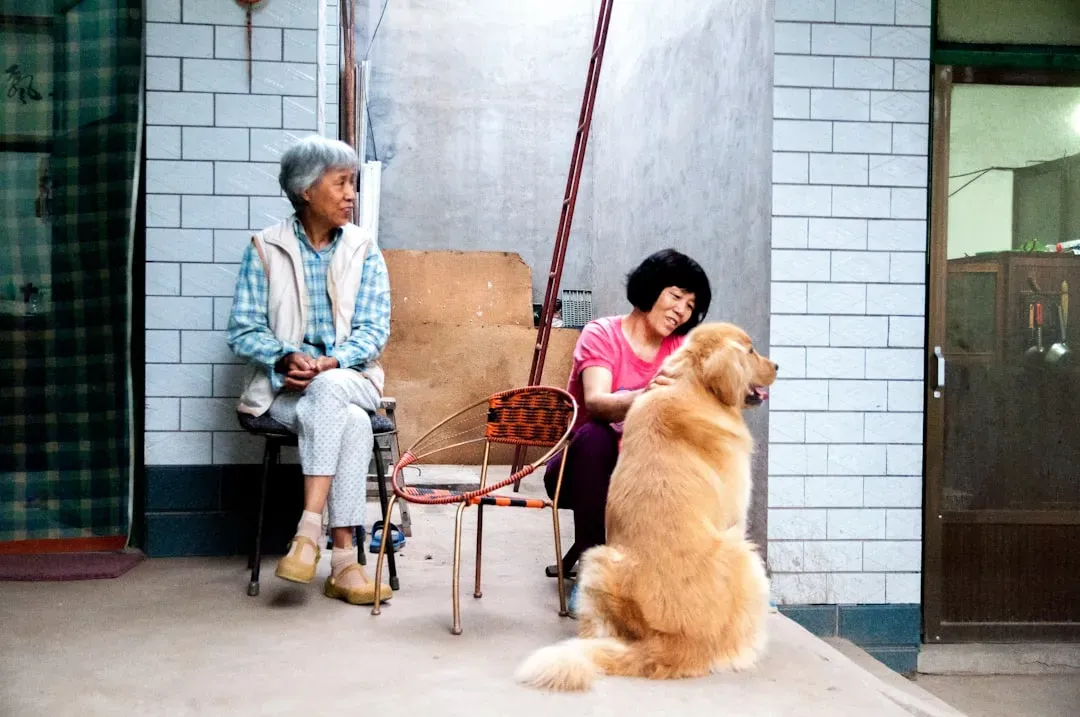
Loneliness among older adults is not a minor inconvenience. It’s a genuine health risk. Older adults who report feelings of loneliness are at increased risk for a range of negative physical and mental health outcomes, including early mortality. Dogs address this in a direct, constant, and unconditional way that human relationships sometimes can’t match on a day-to-day basis.
One study found that individuals over 60 who lived alone reported their pets as particularly effective in attenuating loneliness, and another found that higher levels of pet attachment related to less loneliness. There’s something deeply steadying about a presence that greets you the same way every single day, regardless of your mood, your appearance, or how the week has gone.
Research has found that older adults who reported owning a pet were significantly less likely to report loneliness than older adults who don’t have pets. For anyone living alone after retirement, or after losing a spouse, that difference in daily emotional experience is not trivial. It can be transformative.
5. They Open Doors to New Social Connections

A dog is, among many things, an extraordinarily effective social catalyst. People who might never stop to talk to a stranger will cross the street to greet a friendly dog. That seemingly small dynamic has real consequences for older adults whose social networks tend to shrink with age.
Research has found that being a pet owner was the third most common way that people meet other people in their neighborhoods, and pet owners were significantly more likely than non-pet owners to get to know people in their neighborhoods. The occurrence of social lubrication is well recognized in human-animal research, whereby individuals more positively perceive someone who is walking with a dog, and as a result, are more likely to interact with them.
Dog owners were twice as likely as non-pet owners to have gotten to know someone in their neighborhood. Approximately 40 percent of pet owners reported receiving social support from people they met through their pet. A walk in the park with your dog can be the beginning of a friendship you didn’t expect. That happens more often than people realize, and it matters deeply for healthy aging.
6. They Support Sharper Cognitive Function
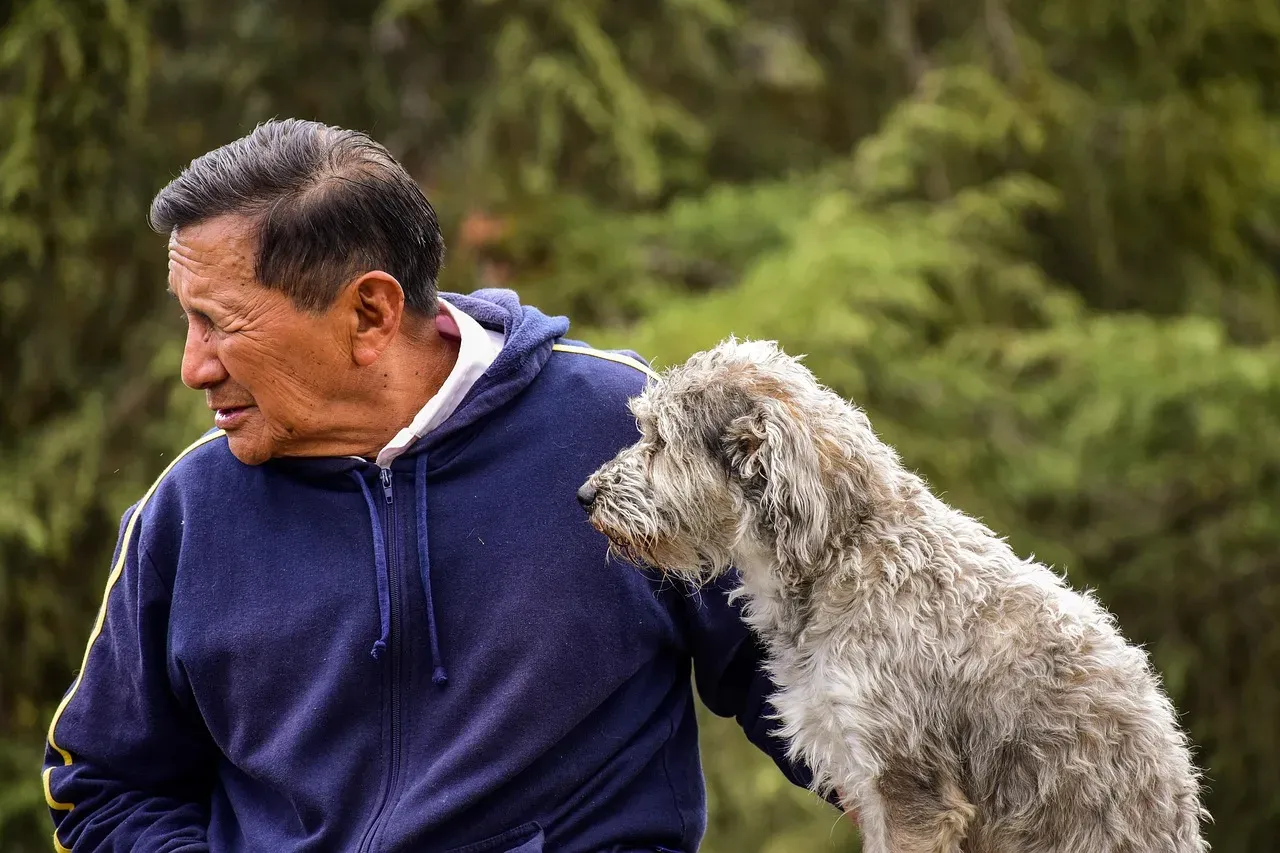
Keeping the mind sharp is one of the most pressing concerns for anyone over 60, and the connection between dog ownership and cognitive health is an area where research has produced some genuinely compelling findings. A study of nearly 8,000 older adults who lived alone found that having a pet was associated with a slower rate of cognitive decline, especially in verbal cognition, memory, and fluency.
Results from a large longitudinal study confirmed that pet ownership is associated with slower decline in both cognitive domains examined, including executive functioning and episodic memory. The reasons are likely multiple. As for why living with a companion animal appears to benefit cognition, researchers suspect several factors may be at play. Health data showed that pet owners tended to have lower body fat percentages, better blood pressure, and a lower incidence of diabetes than those without pets, pointing to greater levels of physical activity, which has long been linked to improved cognitive health.
Research supports that among older adults, human-animal interaction can provide social support, increase social interaction, and decrease loneliness, which are associated with maintaining cognitive function. Staying mentally engaged, physically active, and socially connected are three of the strongest protective factors against cognitive decline – and a dog encourages all three.
7. They Give You Something That Can’t Be Prescribed
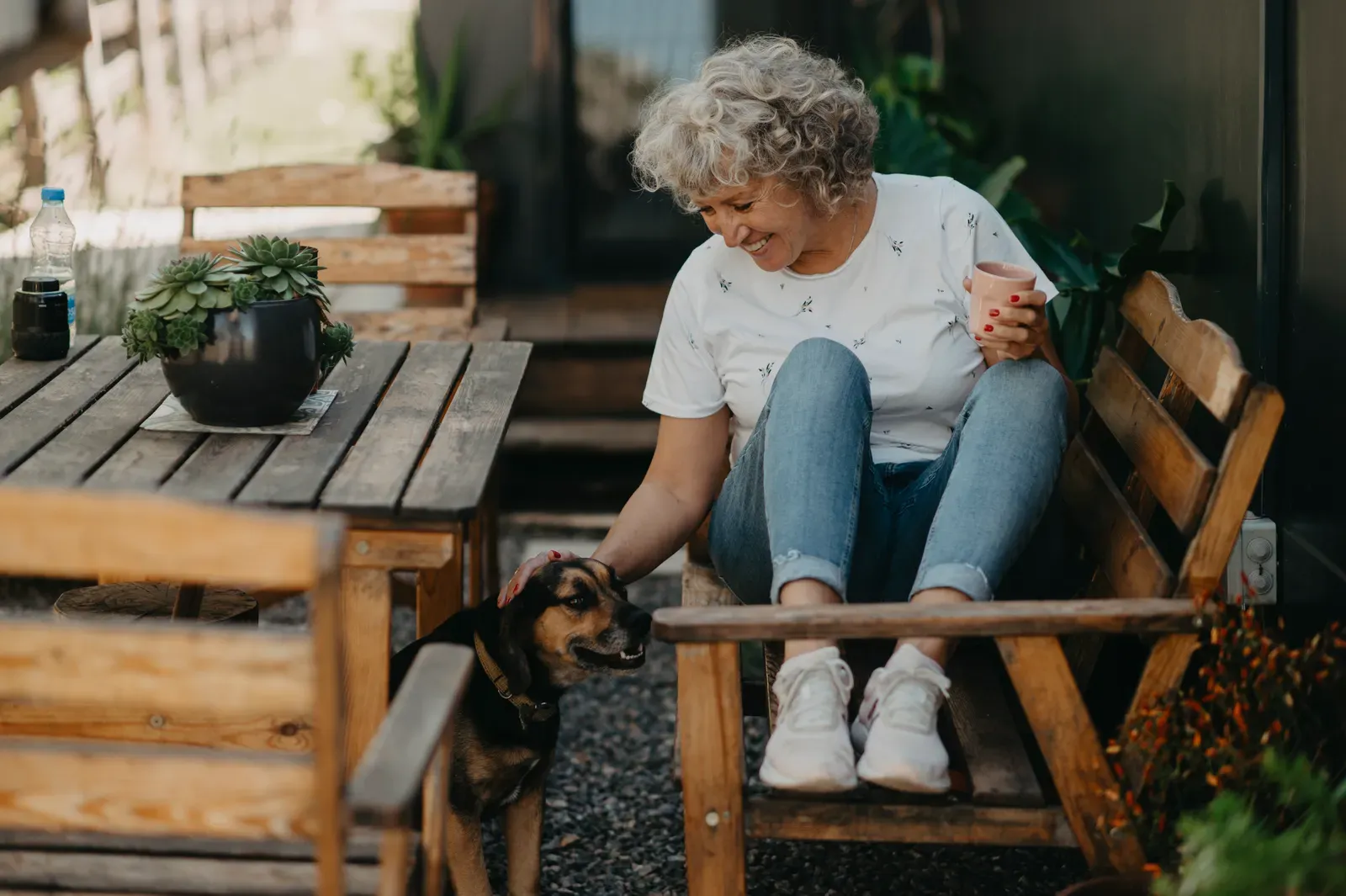
There’s no medication that replicates what a dog provides: uncomplicated, consistent, non-judgmental companionship. Research findings suggest that the role of pet ownership may benefit community-dwelling older adults by providing companionship, giving a sense of purpose and meaning, reducing loneliness, and increasing socialisation. These aren’t soft or abstract benefits. They show up in measurable health outcomes.
A study by the University of Michigan, sponsored by AARP, found that roughly 70 percent of older adults said their pet helps them cope with physical or emotional symptoms, and nearly half said their pets help take their mind off of pain. That kind of support is remarkable, especially for people managing chronic conditions or recovering from illness or surgery. Pets are so effective at helping people see the bright side that many hospitals, rehabilitation centers, and long-term care centers have established pet visitation programs for patients.
Pets offer humans opportunities to nurture and feel needed, to provide a purpose, structure, and routine for daily life, to enhance feelings of security, to give and receive affection, and to maintain older adults’ ability to care for themselves independently. That combination, taken together, is genuinely hard to match. A dog doesn’t just enrich your life after 60. In many ways, it can help you live it more fully.
Choosing the Right Dog for Your Lifestyle

Before bringing any dog home, it’s worth being honest about your energy levels, living space, and physical abilities. When choosing a companion, owners should consider their lifestyle and personal physical abilities, the cost of ownership, and breed characteristics. For example, owners who don’t want to or are unable to go on hikes, runs, or long walks may want to avoid very athletic and high-energy dogs.
Older dogs make great companions for older adults because they aren’t as energetic as puppies and they’re often already house-trained. Many shelters even run “Seniors for Seniors” programs that connect older adults with senior dogs at reduced adoption rates. Cats or small dogs are typically more manageable than larger dogs, and it’s essential to choose a pet that fits the senior’s lifestyle and physical abilities.
Owners should consider who will care for a pet in the event of a sudden illness – for both the owner and the pet. Having a backup plan in place isn’t pessimism. It’s responsible love for your dog. When the match is right, the rewards – for both of you – are genuinely remarkable.
Final Thoughts

The research is clear on many fronts: dogs offer older adults real, meaningful benefits that span physical health, emotional well-being, social connection, and cognitive resilience. There is an increasing body of evidence suggesting that pets may offer a range of health benefits supporting older adults to retain their physical and mental health, independence, social connectedness, and engagement.
None of this means every person over 60 needs a dog. Life circumstances matter, and so does honest self-assessment. The greatest priority in older adult pet ownership is ensuring that the owner can properly care for the animal they are committing to. That responsibility, though, is also part of what makes the relationship so valuable.
A dog won’t solve everything. But for the right person, at the right time, choosing to share your life with one might be among the most health-forward decisions you’ll ever make in your 60s, 70s, or beyond. Some of the best companionships don’t come from a pill bottle or a prescription pad. They come with a wagging tail.


