
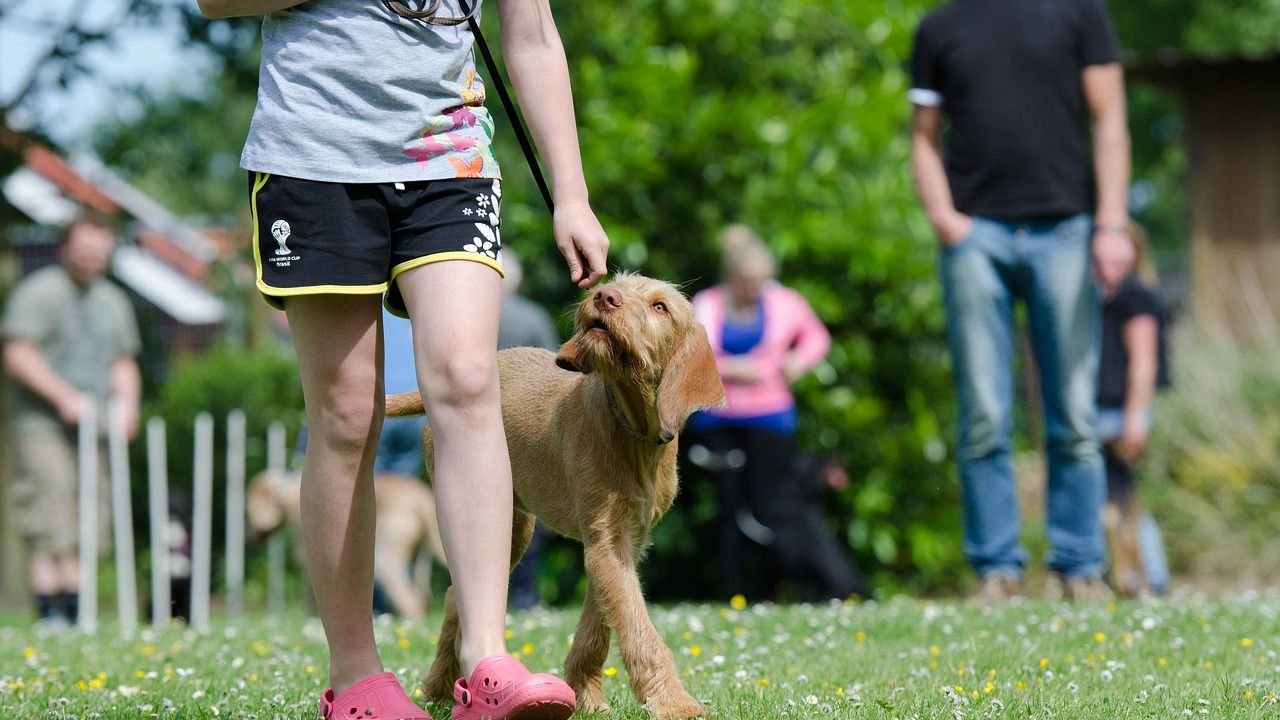
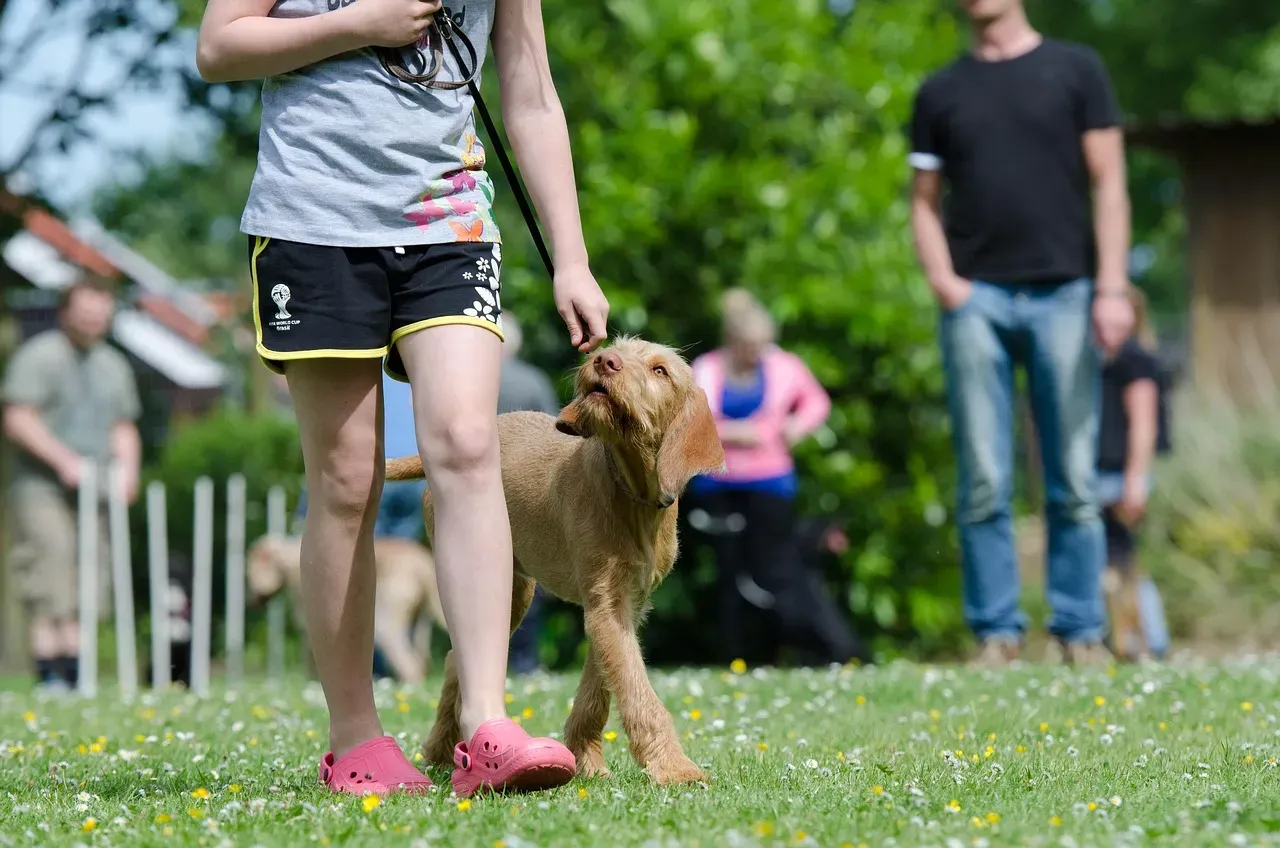
Picture this: you’re standing at the front door, leash in hand, and your dog has planted all four paws firmly on the floor and won’t budge. You repeat the command. Nothing. You try again, a little louder this time. Still nothing. Frustration creeps in, and the word “stubborn” feels like the only logical explanation.
Except it almost certainly isn’t.
Dogs don’t dig in their heels, ignore a cue, or act out because they’re trying to win a power struggle. They’re doing what every living creature does when something feels wrong: they’re communicating. The problem is that their language is mostly silent, built from posture, eye shape, tail position, and breath patterns, and most of us were never taught to read it. Once you start to understand what your dog is actually saying, the whole dynamic shifts from frustration to curiosity, and from conflict to connection.
The “Stubborn” Label and Why It Gets in the Way

When we misinterpret a dog’s signals, we may unintentionally label them as stubborn, bad, or aggressive. Once a label sticks, it can be hard to look past it and see that our dog may simply be struggling to cope with a situation. That’s a significant problem, because the label stops us from asking the more useful question: what is my dog actually trying to tell me right now?
Any time pet parents start to call their dogs “stubborn,” it’s worth reassessing the situation. A dog suddenly freezing may be totally normal behavior, and it’s a sign you need to pay attention to the reason why it’s happening. Replacing the label with genuine curiosity is one of the most practical shifts any dog owner can make.
Dog communication involves the use of characteristic body posturing and shows emotional states, but not always specific intent or actions. Communication between dogs and people does not occur through a tangible “language,” so the messages shared across species tend to be more general in nature or can be missed or misinterpreted. This gap is not a failure of your dog. It’s a species difference, and the responsibility to bridge it falls largely on us.
How Dogs Actually Communicate: Reading the Whole Picture
Your dog is “talking” to you all the time. If you learn what your dog is saying, you will develop a deeper bond of trust and respect, and your newfound understanding of your dog’s emotional state can help you predict their behavior. The challenge is that most people focus on one obvious cue and miss the surrounding context entirely.
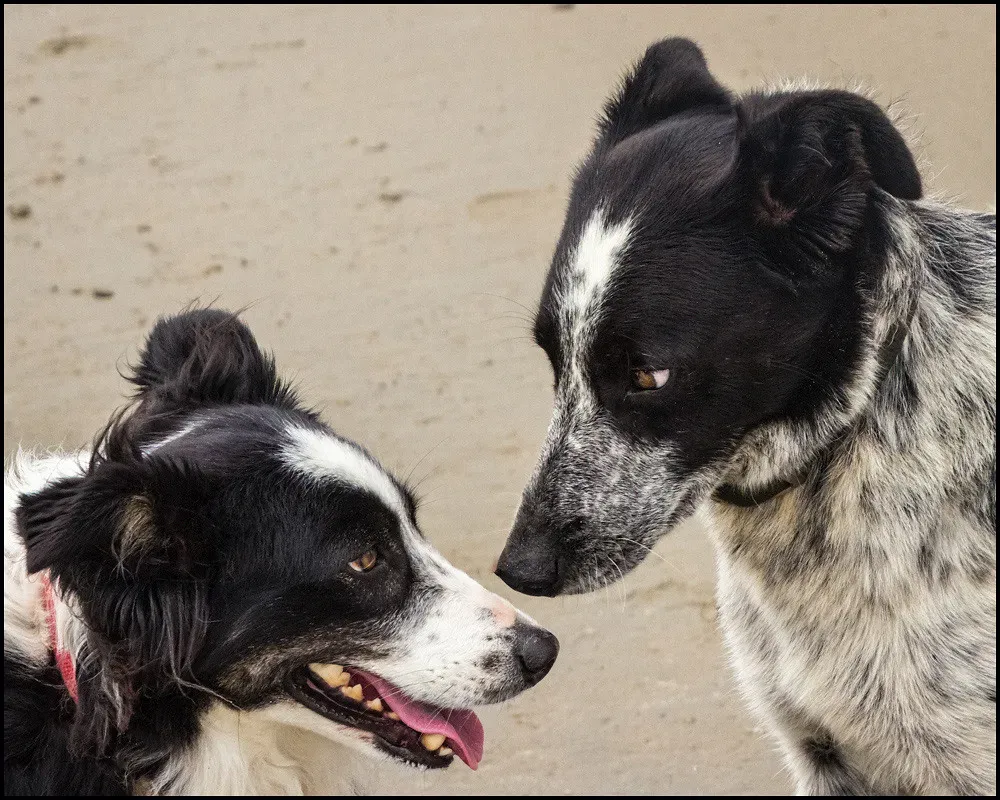
Dog body language must be read as a whole, not by a single signal like tail wagging. A wagging tail does not always mean a happy dog. Known as “whale eye,” when a dog shows the whites of the eyes, it’s a signal that they’re feeling anxious or stressed in a situation. You might see this when you make your dog uncomfortable, such as when you pat them on the head, or when they’re afraid someone will steal a bone or toy.
Things to watch for when dogs communicate are primarily body language and posturing, including position of the head and neck, position of the ears, tail position and activity, raised hair over shoulders or back, position of eyes and ears, facial expressions, and vocalization. When you start tracking all of these signals together rather than in isolation, your dog’s behavior will suddenly start to make much more sense.
Fear, Stress, and Anxiety: The Most Misread Needs of All

Emotional and psychological factors can significantly impact a dog’s willingness to comply with commands. Anxiety, fear, or stress triggered by specific situations or stimuli can cause a dog to become overwhelmed and ignore commands. A dog in that state isn’t being defiant. Their nervous system has essentially overridden the part of their brain that processes instructions.
Wide eyes showing the whites, excessive panting when not hot or exercising, and yawning when not tired are common stress indicators. Dogs experiencing distress may also drool excessively, shake, or tremble even when the temperature is comfortable. A distressed dog might also perform exaggerated yawns, sneeze, or lick their lips frequently, shake their bodies as if their coat is wet, focus on self-grooming, or scratch themselves excessively. These aren’t random quirks. They’re a vocabulary.
The four Fs, fight, flight, freeze and fawn, represent the primary behavioral strategies dogs use when faced with a perceived threat. This sequence is not fixed. Dogs may move fluidly between these responses depending on their learning history, environment and level of perceived control. The freeze and fawn responses are the most frequently overlooked, as they appear compliant or non-threatening. A frozen dog may seem “good” or “calm,” but these are often signs of significant emotional suppression rather than comfort.
When Behavior Changes Are Actually Health Signals

Pay attention to changes in your dog’s normal behavior patterns. A typically friendly dog who suddenly becomes withdrawn or aggressive may be experiencing fear or pain. Loss of appetite, refusing favorite treats, or changes in eating habits often signal that something is wrong. This is one of the most important things any dog owner can internalize, because behavioral changes are frequently the first sign that something is physically wrong.
Pain, in particular, is an important risk factor for behavior problems. A study of veterinary behaviorists’ cases found that between roughly a quarter and more than three quarters of patients demonstrated signs of pain. That’s a striking range, and it tells you that when your dog’s behavior shifts unexpectedly, a vet visit should be one of your first moves, not your last.
Fear and phobic behavior can develop due to pain, inadequate nutrition, medication that affects the brain or gastrointestinal tract, and underlying medical conditions. Though dogs of all ages can be affected by medical conditions, senior dogs are particularly prone to pain related to osteoarthritis, changes in vision and hearing, and altered cognitive ability, all of which can contribute to the development of fearful behavior. If your older dog is suddenly resisting activities they used to love, pain is a very real and common culprit.
Responding Better: Practical Steps That Actually Help
When we view behaviors as communication instead of “bad behavior,” we can respond with understanding and support. When we replace labels with listening, our perspective changes. Instead of focusing on what the dog is doing wrong, we can ask why they’re behaving that way. A dog who growls or hides isn’t being difficult, they’re saying, “I don’t feel safe right now.”
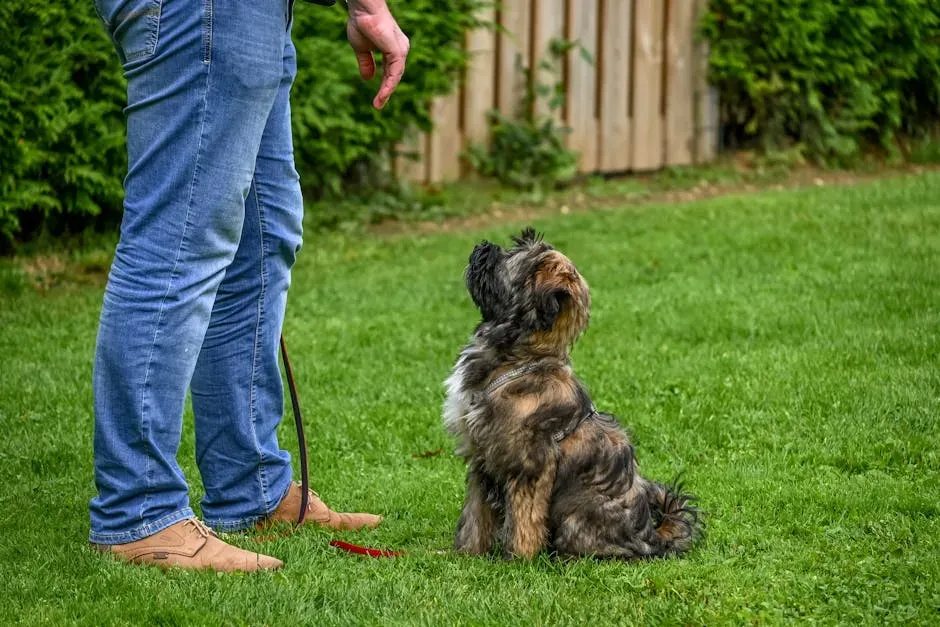
Positive reinforcement training helps and improves the human-dog relationship. This is done by understanding a dog’s motivations, using rewards to motivate a dog, creating a good association with people through those rewards, and never causing pain or fear. Studies have shown that positive, rewards-based training is more effective and reduces the likelihood of aggressive behaviors as compared to punitive training methods. Dogs taught with positive methods show fewer stress signals, show a better bond with their owner, and tend to respond more quickly to cues or commands.
You cannot correct fear or aggression with punitive measures, such as scolding or applying physical correction through a choke, pinch, or shock collar. The use of punitive techniques can inhibit the dog’s behavior in your presence and even teach them to not exhibit warning signals, where the dog then bites without warning in the future. Prevention always starts with listening before you react.
Conclusion: Listening Is the Real Training
The most powerful tool you have as a dog owner isn’t a leash, a crate, or even a treat pouch. It’s your attention. By recognizing and interpreting behavioral cues, such as stress signals and social gestures, pet owners can foster better communication with dogs, enhancing welfare and strengthening bonds.
Never ignore behavioral changes or assume they’ll resolve on their own. You know your dog best. Schedule an appointment with your veterinarian whenever you’re concerned about changes in your dog’s behavior or suspect they’re experiencing fear, anxiety, stress, or pain. Early intervention often leads to better outcomes and prevents problems from becoming more serious.
Your dog has been trying to talk to you this whole time. They’ve been yawning at just the right moment, averting their eyes, planting their feet, or going unusually quiet. None of it is random. None of it is defiance. It’s a conversation, one that gets richer the more fluent you become. The dog on the other end of your leash isn’t a problem to be solved. They’re a partner asking to be understood.


