
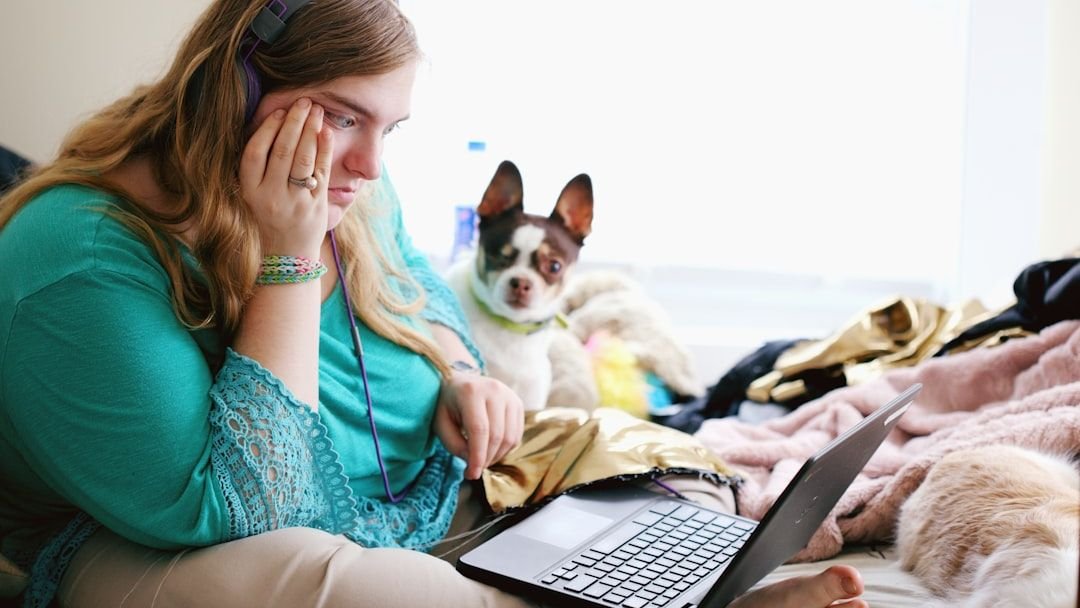
Your dog has been trying to tell you something for a long time. The quick look away when you lean in for a hug. The yawn during a training session. The way they pace quietly when the house gets loud. These aren’t random behaviors. They’re a language, and once you start reading it, you’ll see it everywhere.
Most dog owners are deeply devoted. They buy the best food, schedule regular vet visits, and think constantly about their dog’s happiness. Yet stress can still creep in through the most ordinary moments of daily life, often through habits that feel perfectly normal from a human perspective. That’s exactly what makes them so easy to miss.
Hugging Your Dog the Way You’d Hug a Person

This one stings a little, because it comes from such a loving place. The instinct to wrap your arms around your dog is completely natural. The problem is that dogs don’t experience a hug the way we do. Dogs are technically cursorial animals, meaning they’re designed for swift running, and in times of stress or threat, their first line of defense is their ability to run away. When you hug them, you remove that option entirely, and the feeling of being immobilized can significantly raise their stress level.
Research analyzing over 250 photos of people hugging their dogs found that a striking 81.6% of the dogs were showing at least one sign of discomfort, stress, or anxiety. Only about 7.6% of the photos showed dogs that appeared genuinely comfortable with being hugged. Watch for the telltale signals: ears slicked against the side of the head, lip licking, turning the head away to break eye contact, or closing the eyes partially. If you see any of those, your dog is quietly asking for a little more space.
Staring Directly Into Your Dog’s Eyes

For humans, sustained eye contact communicates warmth, attention, and trust. Dogs read it very differently. Direct prolonged eye contact with dogs is very confrontational. In canine body language, it suggests you would like to interact, and not necessarily in a good way. This is a hard thing to unlearn, especially when you’re trying to connect with your pet.
The canine species views staring as a confrontational signal, which naturally triggers a stress response. There’s no need to stare at your dog unless you’re returning their gaze. Soft, blinking eye contact is entirely different. Soft eye contact, including blinking, relaxed facial muscles, and a loose body, signals connection and trust. In contrast, a hard stare, dilated pupils, or unblinking eyes can mean tension or fear. The difference is subtle but matters enormously to your dog.
Disrupting Their Daily Routine
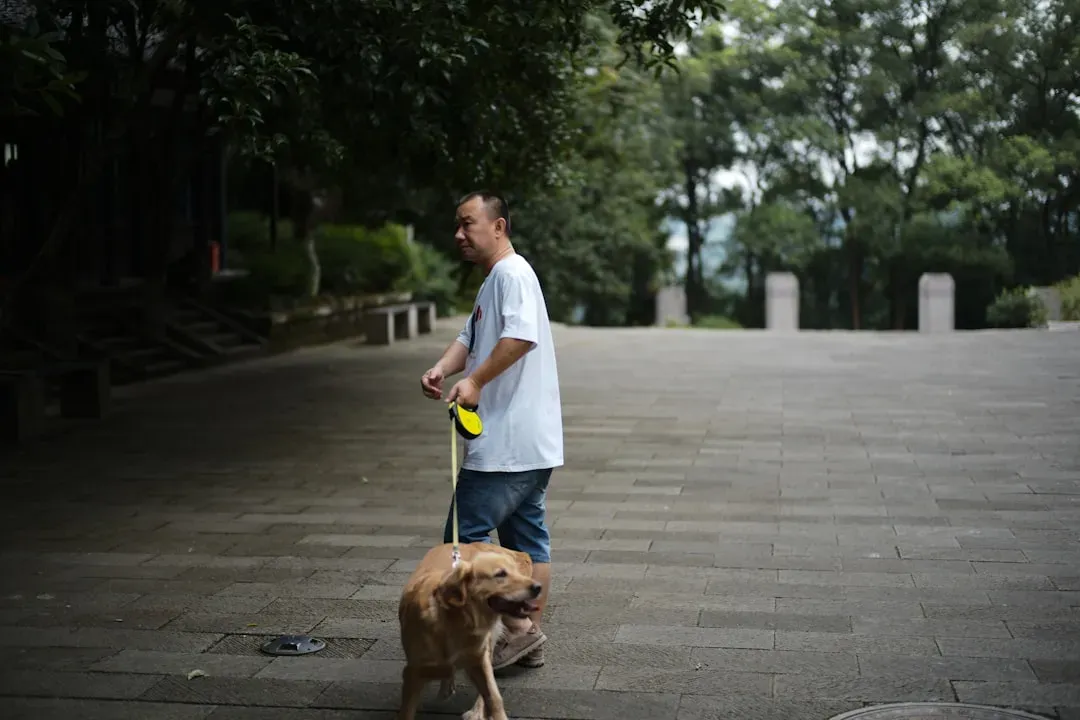
Dogs are creatures of rhythm. They track time through patterns: the rustle of your shoes before a walk, the sound of the food bag at the usual hour, the evening calm on the couch. Changes in routine are a well-known stress trigger for dogs. They thrive on predictability, and substantially changing your schedule, such as a new work schedule or a different walk or mealtime, can create genuine anxiety.
Predictability is the ultimate stress-reliever for dogs. When a dog knows exactly when they will be fed, walked, and given attention, their cortisol levels naturally drop. This doesn’t mean life has to be completely rigid. If you are going through a period of change, try to keep the core pillars of their day, like breakfast and the evening walk, at the exact same time. This consistency provides an anchor of safety that allows them to relax.
Sending Mixed Signals With Inconsistent Rules

One day he’s allowed on the couch. The next day he gets scolded for it. From your perspective, maybe the rules shifted because company was coming over. From your dog’s perspective, the world just became unpredictable and confusing. Many dog owners unknowingly send mixed signals. Allowing a dog to jump on guests one day but scolding them for it the next creates confusion. This inconsistency can lead to anxiety and stress as the dog struggles to understand what is expected of them.
Lack of training or inconsistent training can leave dogs feeling unsure of their place in the household, and that uncertainty can lead to anxiety and behavioral issues. The fix is simpler than most people realize. Establish clear, consistent rules and stick to them. If you don’t want your dog jumping on guests, ensure everyone in the household enforces the same rule every time. Consistency isn’t strictness. It’s kindness in disguise.
Leaving Them Alone for Long Stretches Without Preparation

Separation is one of the most common sources of stress for dogs, and yet it’s one that owners often feel powerless to change. Life requires work, errands, and time away. The challenge isn’t always the absence itself but how that absence is managed. Being left alone can cause stress for many dogs. It doesn’t have to be a long period of time, either. Some pups feel the need to follow their owners around, and they feel anxious when separated.
Dogs that suffer with separation anxiety become adept at reading their owner’s departure cues sometimes hours before their person leaves. That means the anxiety starts well before the door closes. If your dog shows signs of separation anxiety, such as excessive barking or destructive behavior when left alone, address it proactively. Gradually accustom your dog to being alone, starting with very short periods and slowly increasing the duration. Patience here pays off significantly over time.
Punishing Fear-Based Behavior
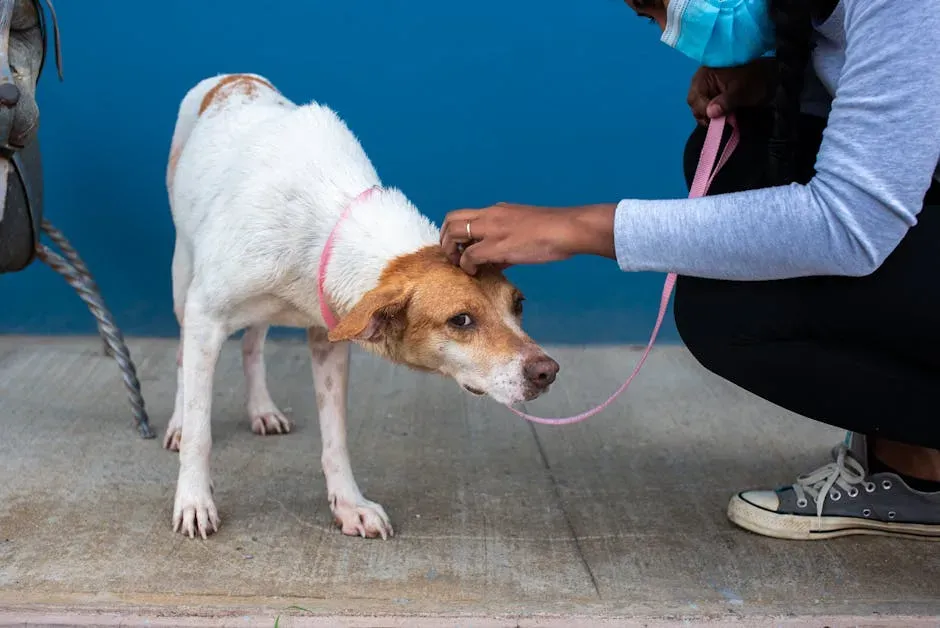
When a dog growls, snaps, or cowers, the instinct can be to correct the behavior firmly. The intention is understandable. The result, though, often makes things worse. When owners scold or correct their dogs for growling, cowering, or showing other behavioral patterns consistent with being afraid, it only stresses a dog out more. Fearful behavior is just a dog’s way of communicating their discomfort.
When a dog’s stress-related behavior is punished, that only serves to increase the dog’s insecurity, which in turn can lead to more stress-related behavior. Think of a growl as a warning sign, not a misbehavior. When your dog growls, they are warning you to stay away. Never punish your dog for growling. Growling is your dog’s way of letting you know they are about to bite. If your dog starts to growl, it can mean that you are pushing past a boundary where they no longer feel comfortable and safe.
Not Providing Enough Mental Stimulation

Physical walks are wonderful, but they’re only half the picture. A dog that has run for thirty minutes but has spent the rest of the day with nothing to engage their mind is still a dog on the edge of frustration. Boredom can manifest as stress. When a dog has pent-up energy with no outlet, it often turns into anxious behavior.
Dogs need both physical and mental stimulation. A bored dog can often lead to a stressed, unfulfilled dog, especially in working breeds. A dog without a job or purpose can lead to them coming up with their own work, which often includes destructive habits or compulsive behaviors like excessive chewing or digging. The solution doesn’t need to be elaborate. Mental exercise is often more effective at lowering stress than physical exercise alone. Activities that allow a dog to use their nose, like scent work or puzzle toys, trigger the release of dopamine and help tire out the brain. When a dog is focused on solving a problem or finding a hidden treat, they cannot simultaneously focus on their anxieties.
Absorbing Your Emotional State Without Realizing It

You’ve had a brutal day. You walk in the door tense, moving quickly, speaking sharply. Your dog picks all of it up. Pets have evolved to recognize and understand human communication, whether that’s body language, verbal tone, or even biological markers. They have developed to recognize human physiological signs of emotion and changes in emotional state.
A study published in late 2024 found that the heart rate variability of a dog and its owner can mirror each other. In practical terms, that means your stress is quite literally your dog’s stress. If owners notice their pet is showing increased signs of stress, experts recommend figuring out the root cause and making lifestyle changes accordingly. As animals are so good at observing our behaviors, it may be something we need to change to help not only ourselves but our pets too. Taking care of your own stress levels is, in a very real sense, taking care of your dog.
Using Commands Your Dog Hasn’t Learned Yet
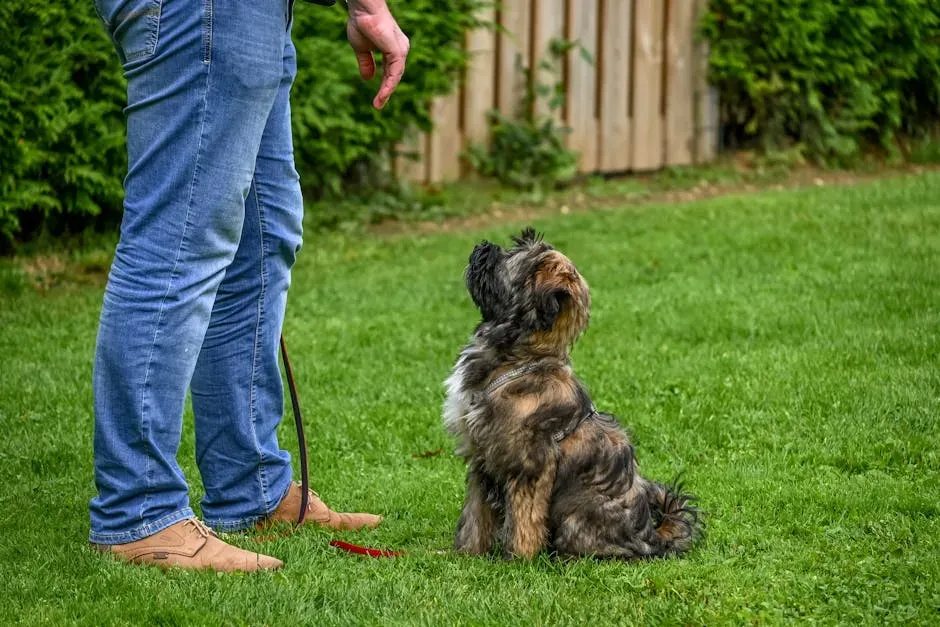
It’s easy to assume your dog understands more language than they do. You’ve lived with them for years, after all. But understanding a word requires deliberate, repeated teaching, not just repeated use. Unless you have specifically taught your dog commands like “drop it,” “leave it,” “get it,” and “come,” your dog may not actually know these terms. Using them anyway results in stress as your dog attempts to guess the right answer.
This matters more than most owners appreciate. Dogs don’t naturally understand that a command learned in one place applies everywhere. A dog might quickly learn to sit at home but may struggle to do so in a new environment. The sights, sounds, and smells of an unfamiliar setting can overwhelm them, making it difficult to remember the command. This is not a sign of defiance; it’s a natural response to an unfamiliar context. The kindest thing you can do is teach clearly and practice everywhere.
Forcing Social Situations Your Dog Isn’t Ready For
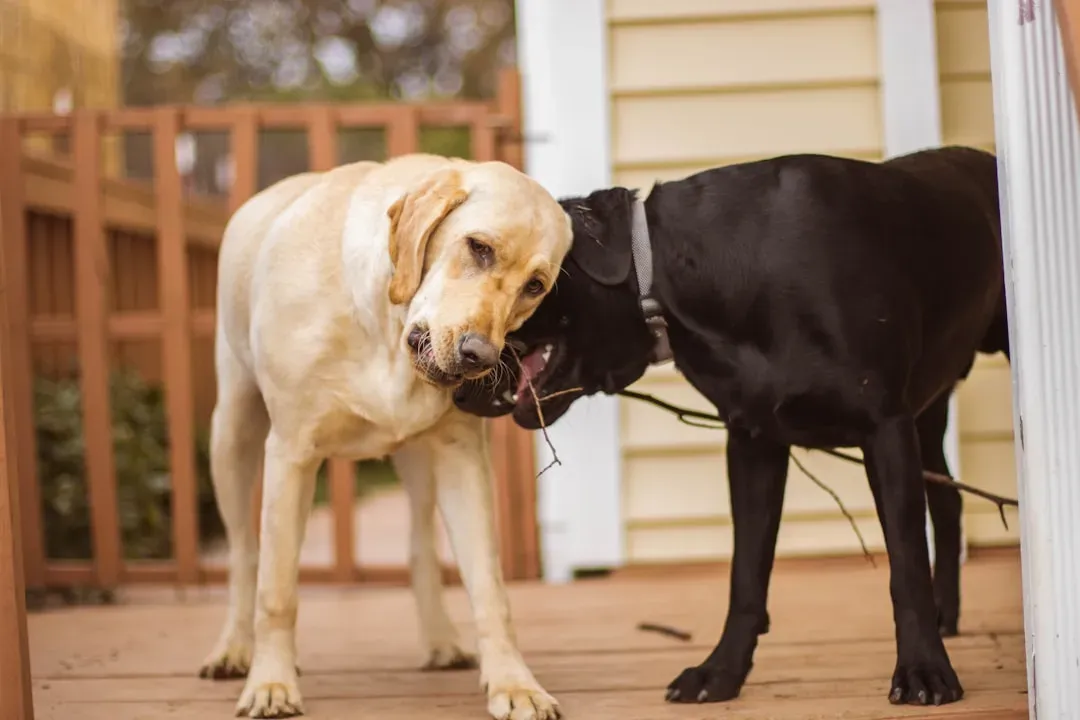
Dog parks, busy sidewalks, crowded family gatherings, and enthusiastic strangers who want to pet your pup can all become sources of genuine distress when the dog isn’t comfortable. Many owners push through these moments hoping their dog will simply adjust. Sometimes they do. Often, the experience chips away at their sense of safety instead. Forcing your dog into uncomfortable social situations can increase anxiety. This includes making them interact with unfamiliar people or animals when they’re already showing signs of stress.
When owners overlook the subtle signs of stress in their dog, it only makes their discomfort more common. Things like yawning constantly even when not tired, freezing in place, or suddenly turning their heads away when someone tries to pet them are signs of a dog feeling stressed. Many owners dismiss this behavior, but in reality, the dog is communicating real discomfort. When those warnings are ignored, dogs end up feeling forced to stay in situations that make them feel uneasy. Let your dog set the pace.
Relying on Leash Corrections Instead of Communication
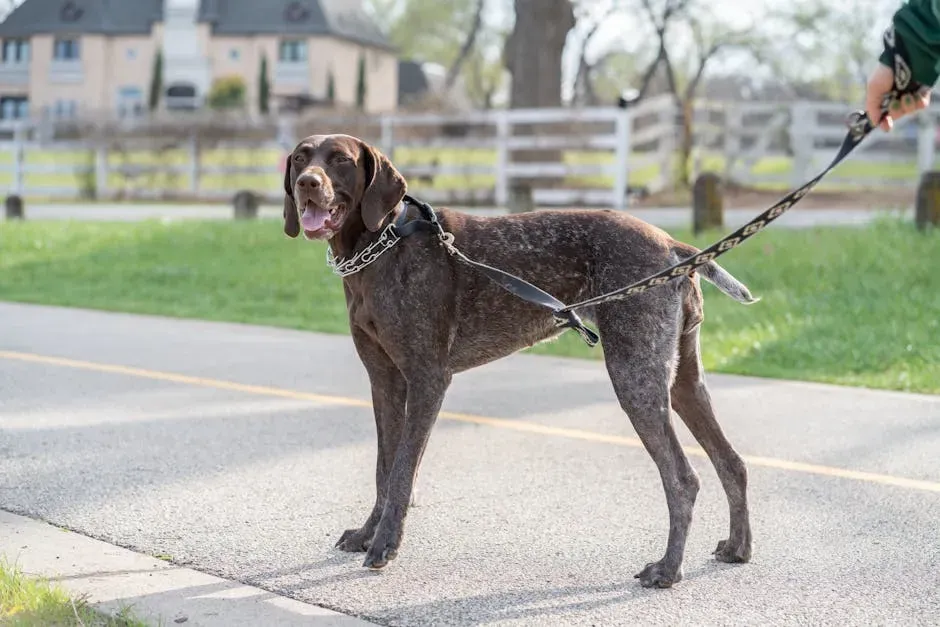
A quick tug on the leash feels like a natural, harmless way to redirect a dog on a walk. In practice, it can do quiet damage to both the dog’s comfort and your relationship. Yanking on a dog’s leash is often seen as a quick way to gain control, but it can be quite startling and stressful for a dog. The sudden pressure on their neck or chest can feel scary, especially because they don’t understand why it’s happening. Rather than learning, they start to associate walks with being stressful and anxiety-inducing.
Pulling on the leash increases everyone’s frustration and stress. Your dog may think the only way it can go forward is to pull the human along. The better path takes more patience upfront. Low or neutral tones and slow, calm speech can reassure nervous dogs during the walk itself, and building loose-leash habits through positive reinforcement transforms the whole experience for both of you. Walks are supposed to feel like a privilege, not a battle.
Conclusion: The Quiet Work of Caring Better
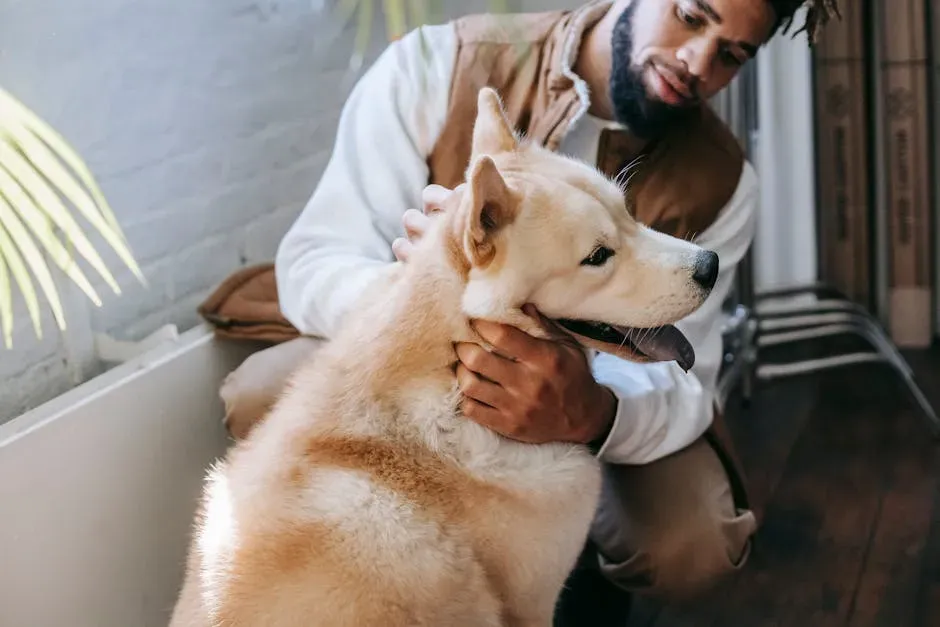
None of the habits on this list come from carelessness. They come from being human: from loving your dog in the ways that feel natural to you, without always realizing how differently your dog experiences the world. The good news is that awareness itself is already a form of care.
To differentiate stress signs from normal behavior, you must be familiar with your dog’s regular demeanor and pay attention to the context. That way, you can tell if they are licking their lips because they are anxious or because they want a treat. That kind of attentive observation, quiet and consistent, is what great dog ownership actually looks like.
Your dog doesn’t need a perfect environment. They need an honest one, where their signals are noticed, their limits are respected, and the person they trust most is paying attention. If your dog becomes stressed often or in response to many triggers, see your veterinarian. After ensuring that your dog’s behavior does not have a physical basis, your veterinarian may refer you to a trainer or veterinary behaviorist for further assessment. Small changes in your daily habits can create a genuinely calmer life for the dog who is counting on you.


