
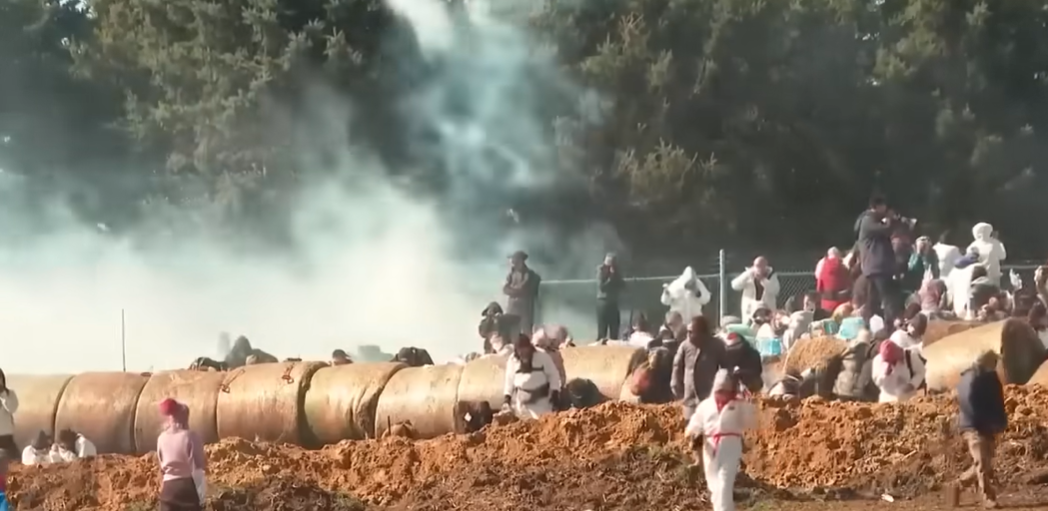
A growing animal welfare protest in Wisconsin has intensified into a national flashpoint after police used tear gas and rubber bullets against activists attempting to rescue beagles from a controversial breeding facility. What began as a coordinated effort by animal rights groups has now evolved into a wider movement, with demonstrators taking their demands directly to the state Capitol.
At the center of the conflict is Ridglan Farms, a long-standing research facility that houses thousands of beagles—animals activists say are being subjected to inhumane conditions.
Clash at the Facility Sparks Outrage
The confrontation unfolded on April 18 in Blue Mounds, Wisconsin, when nearly 1,000 activists gathered at the facility in an attempt to free the dogs. Protesters tried to breach barriers, including fences and trenches, while law enforcement responded with force to prevent entry.
Authorities deployed tear gas, rubber bullets, and pepper spray as tensions escalated. Officials later stated that some protesters attempted to break through security and block emergency access, while activists insisted their mission was a peaceful rescue operation.
Arrests and Rising Tensions
The clash resulted in multiple arrests, including key organizers linked to the Coalition to Save the Ridglan Dogs. Law enforcement described the situation as volatile, citing attempts to force entry and incidents involving protesters trying to breach secured zones.
Activists, however, argue that the response was excessive and unjustified. Many claim they were met with force despite advocating for humane treatment, further fueling public debate over how such protests are handled.
Protest Moves to the Capitol
In the days following the confrontation, demonstrators shifted their focus to the Wisconsin State Capitol, calling on officials to intervene. Protesters are urging Governor Tony Evers and state authorities to investigate Ridglan Farms and take action to protect the approximately 2,000 beagles housed there.
The protest at the Capitol was largely peaceful, with activists demanding transparency, accountability, and the release or rehoming of the dogs. The move signals a broader strategy—taking the issue beyond the facility and into the political arena.
Legal Pressure Mounts Against Ridglan Farms
Scrutiny surrounding Ridglan Farms has intensified further with new legal action. Dane County District Attorney Ismael R. Ozanne has filed charges against the facility for constructing and altering a manure storage system without obtaining the required permit.
This development adds a significant legal dimension to an already volatile situation. While the charges are not directly tied to animal treatment, they reinforce growing concerns about regulatory compliance and oversight at the facility. Combined with public protests, the legal action has increased pressure on Ridglan Farms from multiple fronts.
The Controversy and a Movement Gaining Momentum
Ridglan Farms has long been a point of contention. Activists allege that dogs at the facility have been subjected to questionable conditions, while the facility maintains that it complies with regulatory standards and denies any abuse.
Despite this, the farm has agreed to relinquish its breeding license by July 2026 under a legal settlement, signaling a possible turning point. What began as a single protest has now evolved into a broader movement—one that is drawing national attention and forcing deeper conversations about animal testing, accountability, and ethical responsibility.
Conclusion: A Defining Moment for Animal Advocacy
This is no longer just about one facility or one protest—it’s about where society draws the line between enforcement, activism, and animal welfare. The addition of legal charges only deepens the stakes, suggesting that scrutiny is shifting from public outrage to formal accountability.
The events at Ridglan Farms have ensured one thing: this issue is no longer hidden behind fences. It now sits at the intersection of law, ethics, and public pressure—and what happens next could shape the future of animal welfare oversight in the United States.


