
The Secret to a Happy Dog Isn’t Just Treats; It’s Understanding Their World
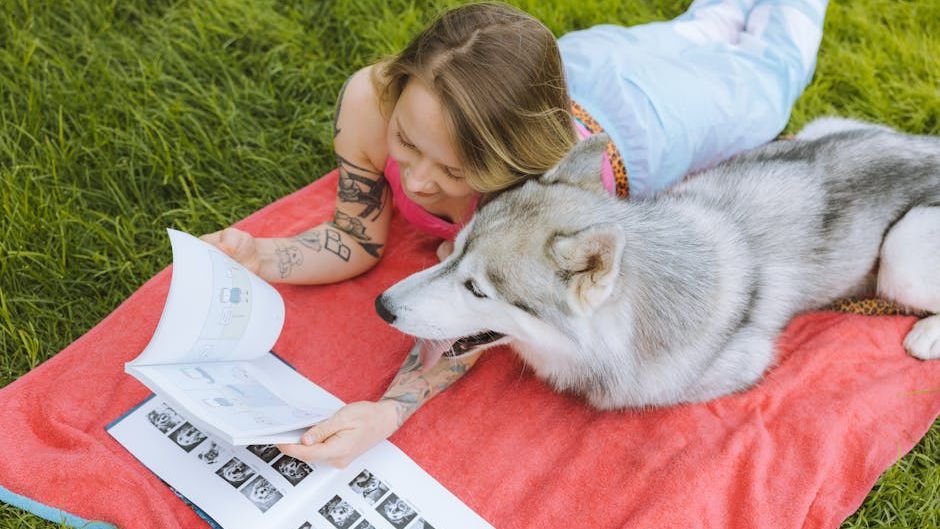
Most of us got a dog because we wanted a companion. What we didn’t fully expect was just how much that small, tail-wagging creature would challenge us to become better observers, better listeners, and frankly, better people. The bag of treats on the counter is a great start. It shows you care, you reward, you want to make your dog happy. Yet science and years of canine research continue to point to something deeper: the dogs that genuinely thrive aren’t just well-fed. They’re understood.
Understanding dog behavior, especially in the context of the human social environment, is critical to maintaining positive human-dog interactions. Behavior can also be an important indicator of health and welfare in companion dogs. So before you reach for that treat jar again, consider this your friendly guide to seeing the world a little more through your dog’s eyes.
Your Dog Is Always Talking. Are You Actually Listening?

Dogs are masters of nonverbal communication. They tell us how they feel with their bodies. A wagging tail, a quick lick of their lips, or even a yawn all mean something. The challenge is that we humans are wired to read context first and the dog second, which means we often miss what’s right in front of us.
Research from Arizona State University found that people were not judging a dog’s emotions based on the dog’s behavior, but on the situation the dog was in. In other words, we see a dog near a vacuum cleaner and assume distress. We see the same dog near a leash and call it joy. The actual dog behavior in both clips? Identical. That’s a humbling finding for any dog lover.
Think of your dog as a whole-body communicator. One signal on its own can be misleading, but patterns are more reliable. Look at the eyes, ears, mouth, tail, weight shift, and movement together. Then ask a simple question: is my dog getting looser and more comfortable, or tighter and more conflicted? That single question can transform how you read every interaction.
No dog body language signals act alone. They’re all part of a package. When you read a dog’s communication, look at every signal the dog is using, from the tail height to the eye shape. Once you start seeing the full picture, the subtle shifts become almost impossible to ignore.
The Signals Most Owners Accidentally Miss
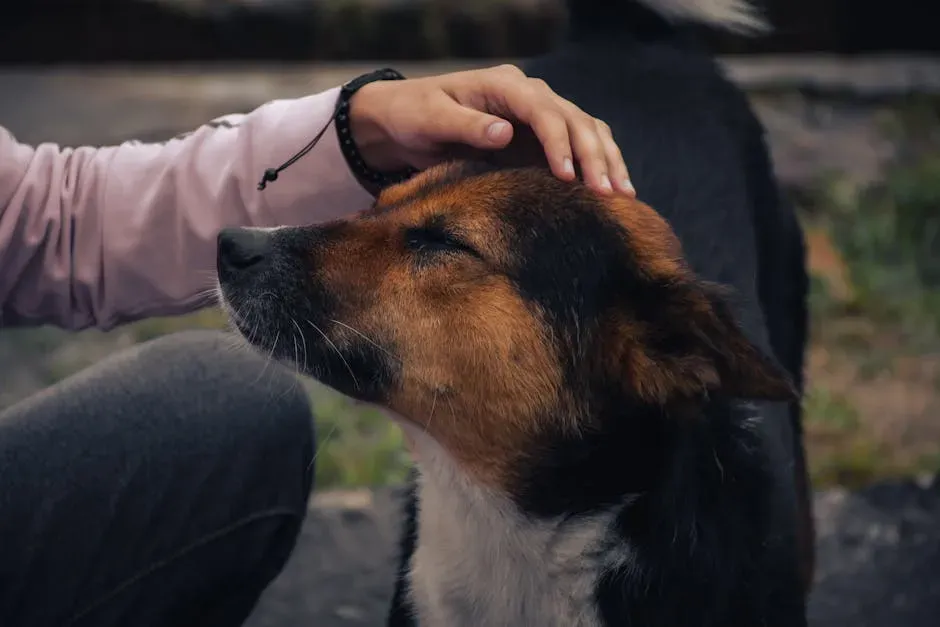
Many dogs show stress in quiet ways before they escalate. Common early signs include lip licking when no food is present, yawning when not tired, sniffing the ground suddenly, turning the head away, lifting a paw, or shaking off as if wet. These are often called calming signals or displacement behaviors. They can mean your dog is trying to reduce tension or avoid conflict. A lot of owners see these behaviors and shrug them off as quirks.
Calming signals can appear in both stressful and exciting situations. The top three calming signals owners should be on the lookout for are lip licking, yawning, and shaking off. The tricky part? These signals can look totally ordinary unless you know what you’re watching for and in what context they appear.
When panting happens indoors, in cool temperatures, or during quiet activity, it can point to stress. Rapid, shallow panting is especially telling that something else is going on. Similarly, the whites of the eyes, known as “whale eye,” when visible in a dog, signal that they’re feeling anxious or stressed in a situation. Catching these early means you can step in before a small discomfort becomes a big reaction.
The Hidden Cost of a Bored Brain
When people think about caring for a dog, they often think about the pet’s physical needs, such as food, exercise, and grooming. But they might overlook the need for mental stimulation, which is also crucial for a dog’s well-being. Mental stimulation is just as important for dogs as physical exercise. This is one of the most consistently underestimated aspects of dog care.
Exercise works your dog’s body. Enrichment works your dog’s brain. A long run in the park is physically tiring but mentally repetitive. A ten-minute scent work session is physically easy but mentally exhausting. Dogs need both, but most pet dogs get far more physical exercise than mental stimulation. That imbalance shows up in behavior faster than most people expect.
A dog who is not mentally stimulated will create their own enrichment, and you will not like it. Destructive chewing, excessive barking, digging, counter surfing, and restless pacing are all signs of a dog whose brain is under-stimulated. These are not character flaws. They are a dog doing the best they can with an environment that is not meeting their needs.
True enrichment spans five categories: food-based enrichment, sensory enrichment especially through scent, cognitive enrichment through training and problem-solving, environmental enrichment through novel places and experiences, and social enrichment through appropriate interactions with other dogs and people. A well-enriched dog gets some combination of all five on a regular basis. Start small, rotate activities, and watch your dog’s default mood shift noticeably within weeks.
Separation Anxiety: What Your Dog Is Really Telling You

Separation anxiety occurs when an animal, most commonly a dog, becomes upset due to being apart from their owner or any individual to whom the pet has grown attached. It can look dramatic, howling, scratching at doors, and destructive behavior, but it can also show up quietly: a dog who refuses to eat, paces near the door, or can’t settle for hours after you leave.
The emotional attachment between adult dogs and their owners has been found to be similar to that displayed by human adults and their children. This is not surprising given that dogs have been selected for their dependence on humans over ten thousand or more years of domestication. Understanding that bond with real depth helps explain why absence is genuinely distressing for many dogs, not just inconvenient.
Protective factors against separation anxiety include ensuring a wide range of experiences outside the home and with other people between the ages of five and ten months, stable household routines, and the avoidance of punishment. Building independence gradually during puppyhood is far more effective than trying to reverse anxiety later on.
Owners who have well-behaved pets when left alone were happier, whereas owners who witnessed separation-related anxiety problems in their dogs were more stressed. Some researchers suggest that although human and dog long-term anxiety are strongly correlated, dogs tend to mirror their owners’ stress levels. That’s worth sitting with. Your own calm really does matter to your dog’s nervous system.
The Bond That Actually Makes Dogs Happy
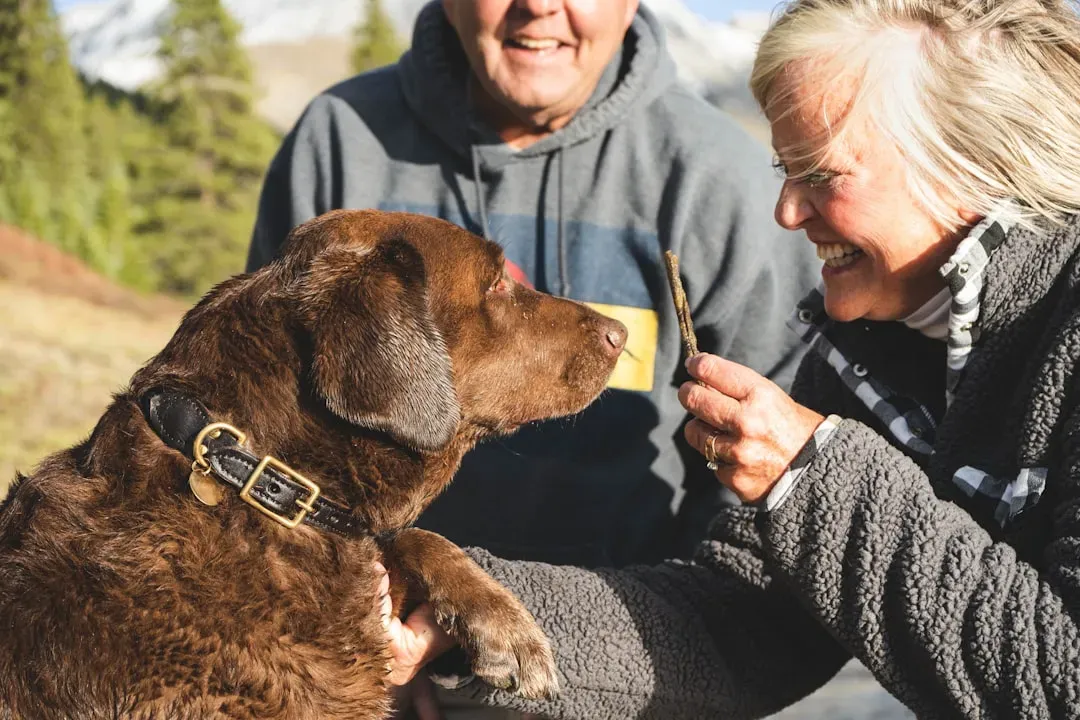
Dogs have a knack for adapting to human behavior and emotions. Research has shown that dogs synchronize their behavior with both children and adults and that they produce significantly more facial movements when a human is paying attention to them. They’re tuned into us in ways that are almost startling once you start noticing.
Owners reported increased happiness, mindful presence, gratefulness, and confidence from their interaction with their dogs. Attributes of dogs that led to positive mental wellbeing effects included the concept of the dog being loyal, non-judgmental, and showing empathy and unconditional love. The relationship is genuinely reciprocal, but only when both sides feel seen.
Human interaction is the most enriching experience dogs can have. Whether you’re playing, training, or simply relaxing together, you are your dog’s favorite part of their world. That’s not a sentimental exaggeration. It’s a well-supported behavioral reality.
When you listen to your dog’s signals, you build trust. Your dog learns, “My person pays attention and keeps me safe.” This trust makes your bond even stronger. And that trust is the real foundation of a happy dog, far more lasting than any treat you’ll ever give.
Conclusion: Caring Better Starts With Seeing Clearly

Loving a dog is easy. Understanding one takes practice. But that practice, learning to read a yawn for what it is, recognizing when the wagging tail carries tension, knowing why your dog is destroying the couch, is one of the most rewarding things you can invest in as a dog owner.
The dogs in our lives don’t ask for much. They want to feel safe, mentally engaged, socially connected, and genuinely seen by the person they’ve chosen to trust completely. Treats are lovely. Routine helps. But the real gift you can give your dog isn’t found in a bag or a bowl.
It’s found in a moment of quiet observation, where you put down your phone, look at your dog, and actually try to understand what they’re telling you. That moment, repeated daily, is what a truly happy dog is made of.