
The Emotional Reason Dogs Sleep Near Their Humans
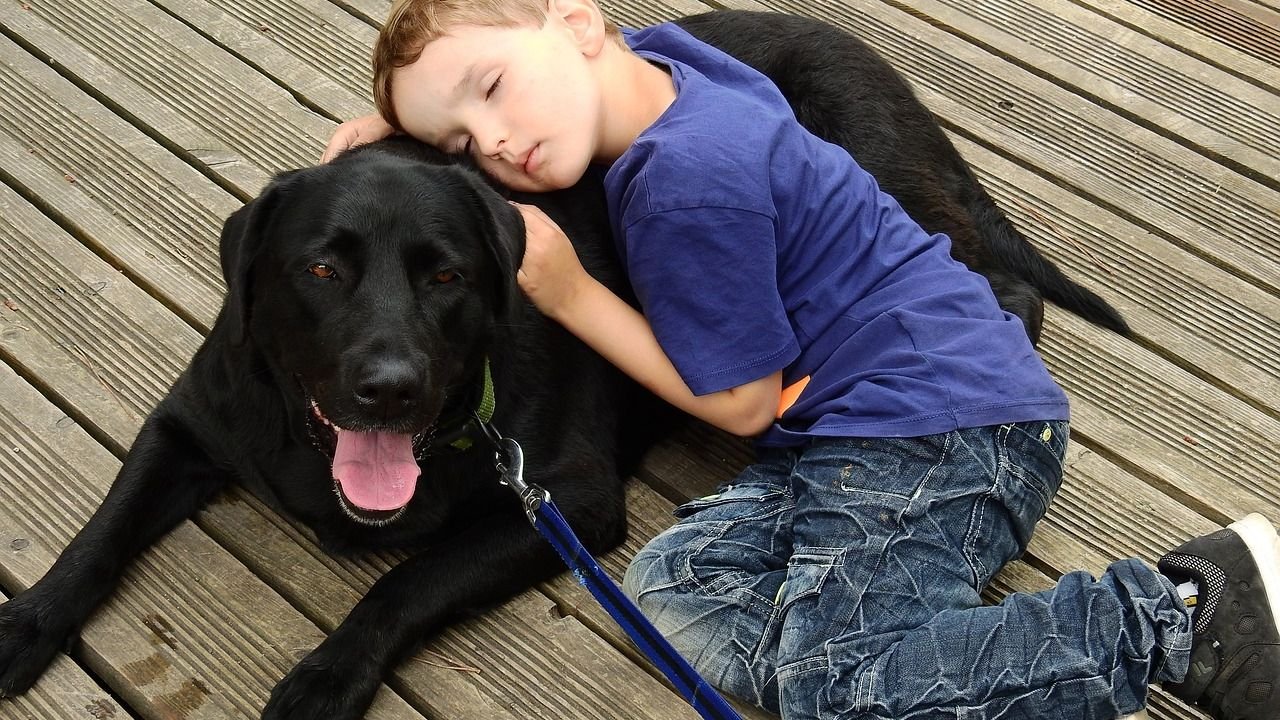
There’s something quietly profound about waking up and finding your dog curled beside you, heavy and warm, their breath slow and steady. Most of us smile, maybe shift to give them more room, and go back to sleep. We rarely stop to ask why they’re there in the first place.
The answer turns out to be far richer than simple habit or body heat. The reasons lie in animal behavior, evolution, and the deep emotional connection between dogs and their humans. Understanding what drives this nighttime closeness can actually help you become a more empathetic, attentive dog owner, and change how you see that furry shape at the foot of your bed.
It Goes Back Thousands of Years: The Pack Instinct Runs Deep

Long before dogs had names or lived indoors, their ancestors made a survival decision every single night: sleep together or face the dark alone. Before domestication, wolves and other canids lived in close-knit groups, relying on each other for warmth, protection, and social bonding, and this ingrained behavior persists in our domesticated dogs today, shaping their desire for physical closeness especially during vulnerable periods like sleep.
Sleep is a uniquely exposed state for any animal. Dogs are deeply influenced by instinct, and in the wild, animals sleep near those they trust most. Sleeping is a vulnerable state, and choosing a sleeping spot is a decision rooted in survival. When your dog lies beside you, it shows that they believe you are the safest place they can be.
When your dog snuggles up against you, they’re not just seeking the comfort of your body heat, they’re also expressing their instinctual pack mentality. You’re not just their owner; you’re a valued member of their pack, and they want to keep you safe. That quiet presence beside you at night isn’t accidental. It’s ancient, deliberate, and deeply loyal.
Love at the Neurological Level: The Chemistry of Closeness
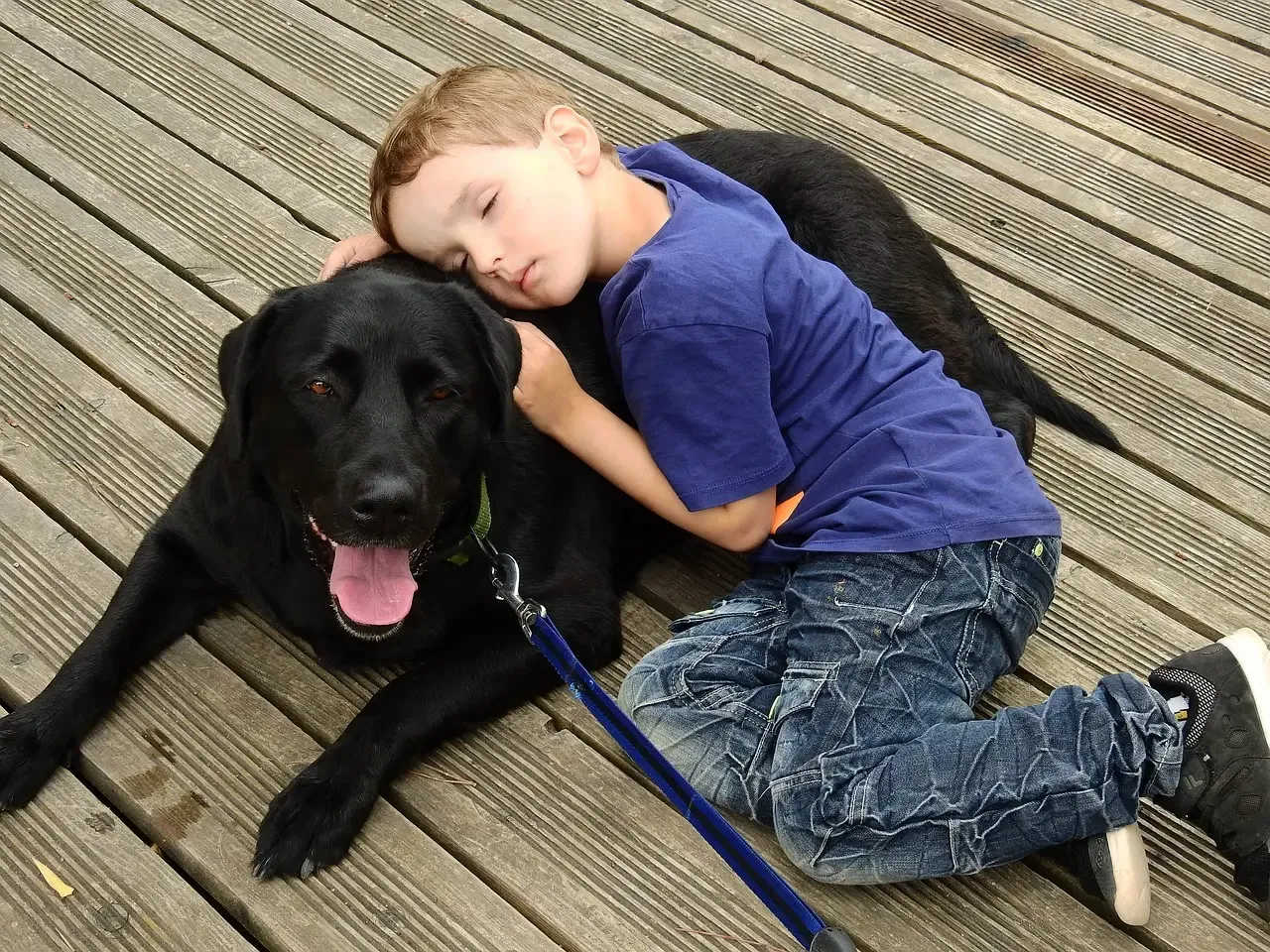
What your dog feels when they curl up next to you isn’t just behavioral. It’s genuinely chemical. This attachment is reinforced by oxytocin, often referred to as the “love hormone,” which is released during interactions like touch, play, and even sleeping together. For both of you, this is biology working in your favor.
Being close triggers oxytocin and dopamine through physical contact, hormones that promote bonding and stress relief in both dogs and humans. That physical warmth your dog presses against you at night isn’t incidental comfort. It’s a genuine hormonal exchange that leaves both of you calmer and more connected.
Physical closeness releases oxytocin and endorphins, creating a sense of relaxation and contentment in both dogs and humans. Furthermore, proximity allows dogs to monitor their owner’s behavior and movements more closely, providing them with a sense of security and stability. So yes, your dog is genuinely watching over you even in sleep.
Your Dog’s Sleep Quality Is Tied to You: What the Science Shows
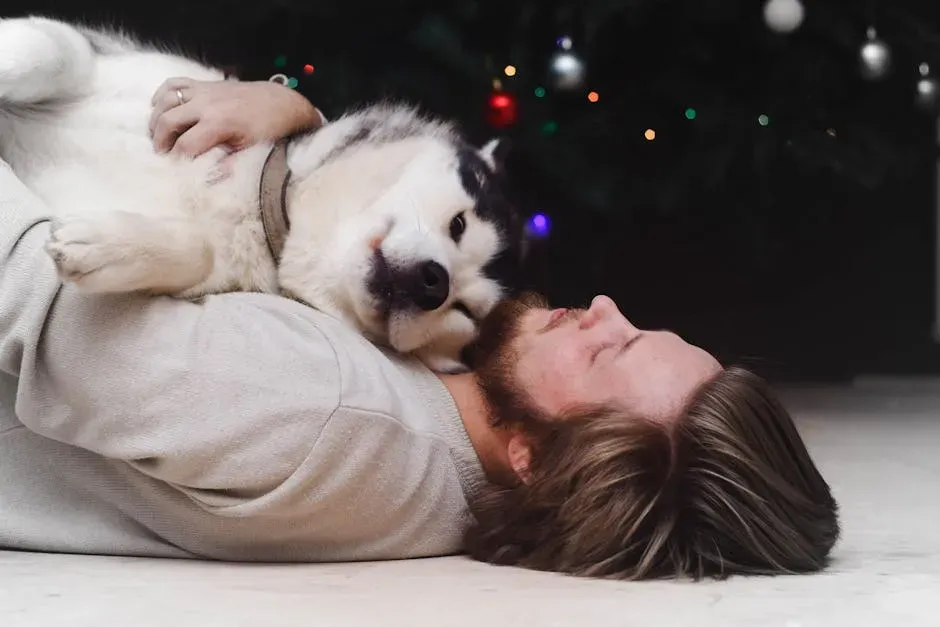
This is where things get genuinely fascinating. Researchers have looked at what actually happens inside a dog’s brain when they sleep near their person versus sleeping apart. The results are striking. Studies show a robust difference between dogs’ sleep structure with and without the owner present. In addition to an increased sleep latency and worsened sleep efficiency, dogs spent considerably less time in deep sleep when their owner was absent.
More strongly bonded dogs have more deep restorative sleep when they are with their owners than dogs who lack the same degree of attachment. Think about what that means practically. A dog who trusts their human deeply doesn’t have to stay on guard. They can actually let go and rest.
Dogs have been shown to form attachment bonds towards their owners analogous to the human infant-parent attachment. Researchers found that higher attachment scores in study dogs were associated with more time in deep sleep, known as the most relaxing sleep phase. If your dog sleeps soundly beside you, that’s not just cuteness. It’s a sign of profound trust in you as their safe haven.
When Closeness Becomes Stress: Recognizing Anxiety vs. Affection

Not every dog sleeping by your side is doing so from a place of pure contentment. Sometimes, the urge to be close carries a heavier emotional weight. For some dogs, the desire to sleep next to their owner stems from separation anxiety. These dogs find nighttime separation stressful and seek proximity to reduce emotional discomfort. Co-sleeping can be a way to ease their fears and help them relax.
Knowing the difference between healthy bonding and anxiety-driven closeness matters for your dog’s long-term wellbeing. Signs that lean toward anxiety include restlessness, panting, inability to settle even when close to you, and distress cues like whining or pacing before bed. Separation anxiety is a widespread problem and can be a source of great distress for both the dog and the owner. It is caused by a fear of being left alone and can manifest itself in various ways, such as excessive barking or howling.
A sudden change in sleeping habits can indicate a change in your dog’s health or emotional state. Possible reasons include increased anxiety, discomfort, a change in home environment, or even early signs of illness. If the behavior persists, consult with your veterinarian. Trusting your instincts here is important. You know your dog, and when something feels different, it usually is.
Finding the Right Balance: Warmth Without Dependency

Sharing nighttime space with your dog is a genuinely personal decision, and there’s no universal right answer. What matters most is that both you and your dog get consistent, quality rest. While sharing a bed isn’t essential for bonding, teaching a canine to rest independently is key to supporting its overall well-being and confidence. Dogs that learn they can settle safely on their own tend to cope better with everyday separations and changes in routine.
If you enjoy having your dog close but want to manage boundaries, small practical changes go a long way. If you love the idea of snuggling with your pup but worry about disruptions, try setting boundaries with a designated blanket or side of the bed. Give them a cozy dog bed nearby as an alternative sleeping space. Keep a bedtime routine, including bathroom breaks to prevent midnight disturbances.
Feeding routines, training, play, walks, and spending calm time together all contribute more significantly to forming secure attachment. Proximity at night is one small thread in a much larger bond. Whether your dog sleeps in your bed, on a dog bed at your feet, or in their own space across the room, what they need most is consistency, care, and the steady reassurance that you’re there.
Conclusion: What Your Dog Is Really Saying at Bedtime

Every time your dog chooses to sleep near you, they’re making a quiet statement. Not a random one, not a coincidence. Choosing you as their sleeping companion is one of the clearest ways your dog expresses love and trust. Their need for safety draws them to your side, and your presence becomes the comfort they turn to each night.
That small, warm weight against your leg or at the foot of your bed carries the full weight of thousands of years of co-evolution, trust, and emotional connection. Sleeping beside you can reveal comfort, protection, bonding, and even emotional sensitivity that grows stronger with time. Understanding what this behavior means helps you see your dog’s love in a deeper and more heartwarming way.
So the next time you shift over to make a little more room, know that you’re not just being a soft touch. You’re being exactly what your dog needs you to be: their safe place in the world. That’s a bond worth understanding, and worth protecting.