
10 Strange Things Dogs Do That Actually Make Sense
You’re sitting on your couch when your dog suddenly bolts across the room like something invisible is chasing them. Or maybe you’ve caught them slowly sniffing a spot of grass for five full minutes before doing their business, or locking eyes with you at precisely the most inconvenient moment. If you’ve ever stood there genuinely puzzled by your dog’s behavior, you’re in very good company.
Dogs do things that can look completely unhinged from a human perspective. A freshly bathed dog rolling in something disgusting. A dog circling their bed four times before lying down. A dog staring at you. Again. For no visible reason. Yet nearly every one of these behaviors has a logical explanation rooted in biology, evolution, or your dog’s deep emotional bond with you.
Understanding the “why” behind these quirks doesn’t just make you a more informed dog owner. It changes the way you see and respond to your dog, and sometimes, it tips you off to something worth paying closer attention to.
1. Getting the Zoomies Out of Nowhere
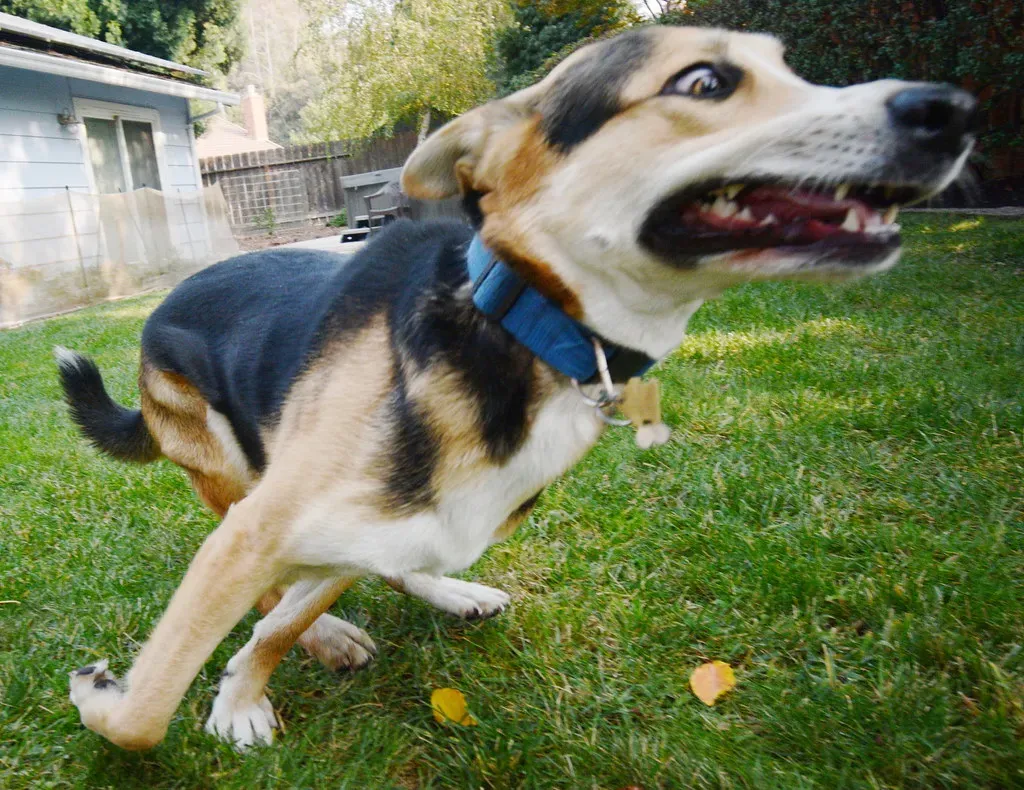
One second your dog is calm. The next, they’re tearing through the living room at full speed, bouncing off the couch, and spinning in circles like a tiny tornado. This explosive burst of energy has an official name: the scientific term for this behavior is frenetic random activity periods, or FRAPs. We don’t fully understand why dogs have zoomies, but the best explanation is that they are a release of energy and, possibly, an expression of joy.
Zoomies are common first thing in the morning when dogs are rested and raring to go, and after long periods of idleness or being stuck inside. You might even see a zoomie after your dog has a poop. Zoomies may also release stress, which is why they are common after a semi-stressful event like a bath. The behavior cue to watch for: a happy zooming dog will be loose, wiggly, and may even pause to play bow. A frightened dog, by contrast, will be more tense with wide eyes and a tightly tucked tail, and a scared dog needs to be calmed down. If your dog gets frequent zoomies, it may simply be their way of telling you they need more exercise and mental stimulation.
2. Circling Before Lying Down

Whether it’s on a plush dog bed or your expensive couch, most dogs circle a spot several times before settling in. It seems unnecessary and a little theatrical, but there’s a deep instinctual reason behind it. Domesticated dogs’ ancestors didn’t have the luxury of soft blankets to sleep in. They probably turned in circles to pat down grass into a comfy spot, and to move away anything prickly or sharp. Other suggestions for the bedtime circling behavior in wild canines include checking for potential predators and making sure the pack was all there.
One reason could also have to do with their powerful sense of smell. Some people think wolves circled before lying down to figure out the direction of the wind, then arranged themselves to better sniff any intruders approaching in the night. Worth noting: if your dog is spinning for longer periods or getting up repeatedly after lying down and seems uncomfortable, it might be time to speak to your veterinarian to see if there is arthritis or other pain making it hard for them to get comfortable.
3. Rolling in the Most Revolting Thing They Can Find
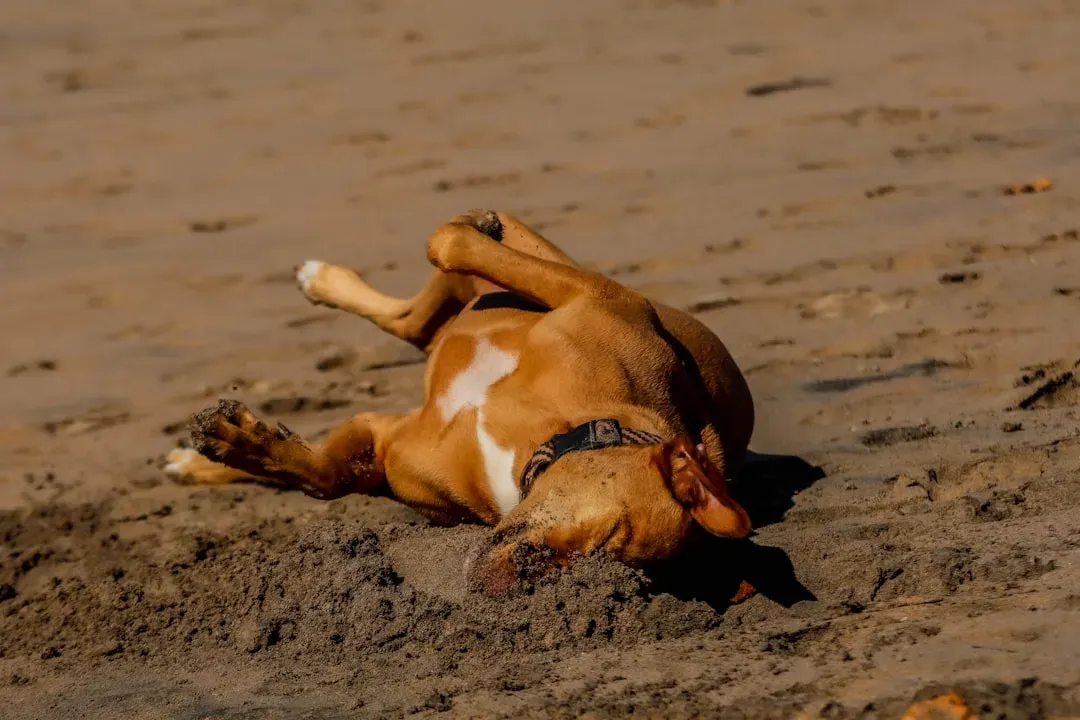
You’ve just given your dog a bath. They smell wonderful. You let them outside for thirty seconds and they immediately launch themselves into something foul. Many believe it’s instinctual behavior, harkening back to the days when your dog’s wild ancestors would mask their scent to help them sneak up on their prey. Wolves, for example, have been observed rolling in animal carcasses or droppings to cover up their own smell during the hunt. There is also a related theory that wild dogs may have rolled in smelly things to tell their pack mates where they’d been and what they encountered.
The “clean” smell of a freshly shampooed dog may appeal to us, but most dogs aren’t fans. That’s why they’ll roll in grass or anything else they can find to get the clean smell off and replace it with a more dog-approved scent. If you want to discourage this, one long-term solution is to train them to “leave it.” A shorter-term fix is to redirect their attention when they start sniffing intensely, because that’s a reliable sign they’re about to dive in. Grab their attention with a toy or treat to entice them away before they make contact. Also, frequent rolling may be a sign of allergies, fleas, or another issue causing itchiness, so it’s worth mentioning to your vet if it becomes obsessive.
4. Eating Grass Like It’s a Salad Bar
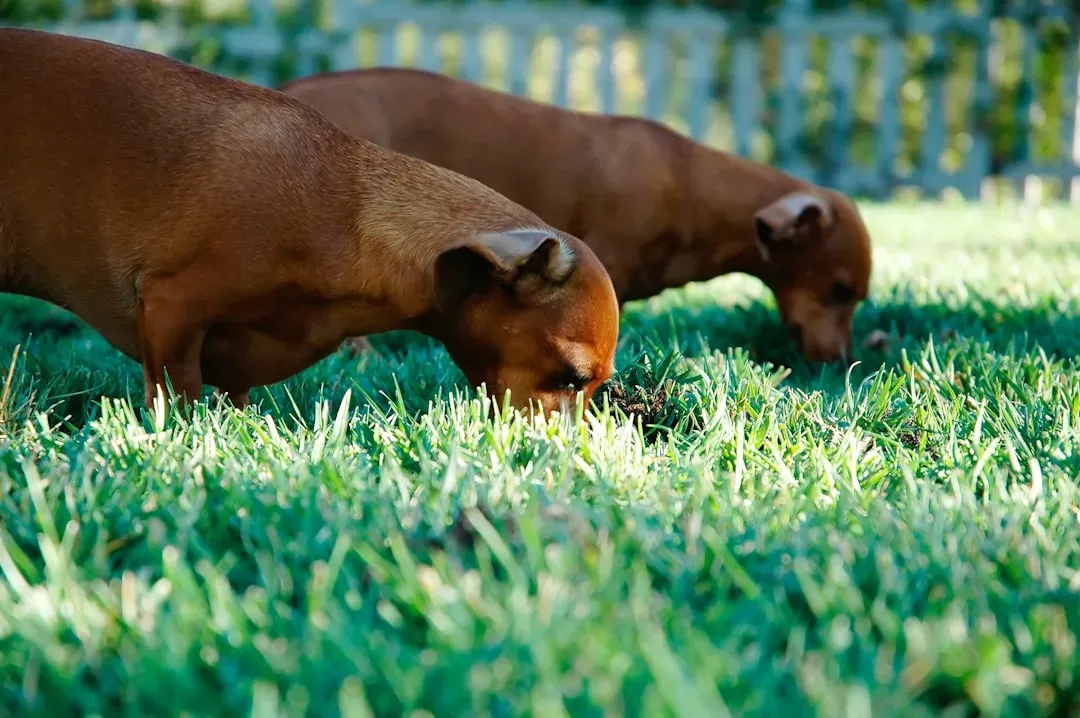
Dogs eating grass is one of those behaviors that baffles new dog owners and never stops baffling experienced ones. It’s not entirely clear why dogs eat grass, though several theories exist. One explanation is that dogs eat grass to make themselves vomit when their stomachs are upset. The blades of grass are thought to tickle the dog’s throat and stomach lining, which triggers vomiting. Experts are unsure, though, whether dogs are actually smart enough to self-identify an upset stomach and determine grass is the cure.
The most likely reason dogs eat grass may also be the simplest: they like the taste. Considering some of the unsavory things dogs enjoy eating, an occasional serving of greens doesn’t seem so bad. Regardless of why they do it, most veterinarians believe eating grass is a relatively normal and harmless behavior. The key prevention tip: lawns sprayed with pesticides can be dangerous to dogs, so it’s best to keep your pup from munching on grass treated with fertilizers or chemicals of any kind. If your dog seems to eat grass compulsively, bring it up with your vet.
5. Staring at You Without Blinking
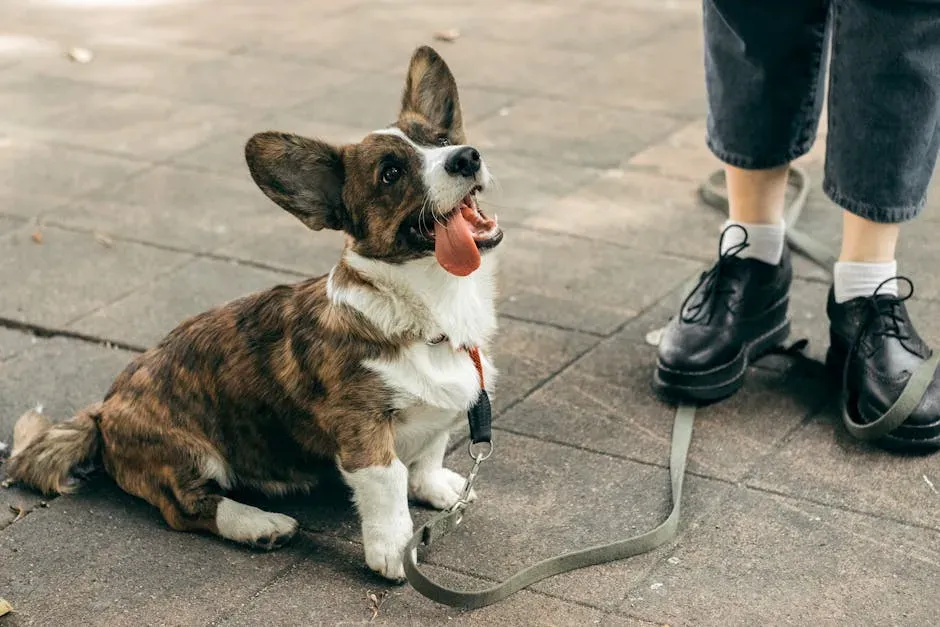
Dogs stare at their owners constantly, and it’s not always easy to read. Sometimes it means they want food. Sometimes it means something deeper. When your dog gazes at you with puppy dog eyes, they’re reinforcing their bond with you through biochemistry. Researchers have discovered that when your dog looks at you, both of your brains get a jolt of oxytocin, the same chemical that helps mothers and babies bond. Like humans, dogs use eye contact to build a solid emotional connection with their owners, and mutual gazes are a sign of trust and affection.
Context matters when reading your dog’s stare. When feeling the need to be defensive or offensive, dogs can convey aggressive intention through a frontal aggressive stare or a “side-eye,” and owners can tell the difference when they also read the dog’s body language. A soft gaze with relaxed body posture is loving. A hard, fixed stare with a stiff body is a warning. Learning to read the difference is one of the most practical skills you can develop as a dog owner.
6. Tilting Their Head When You Speak
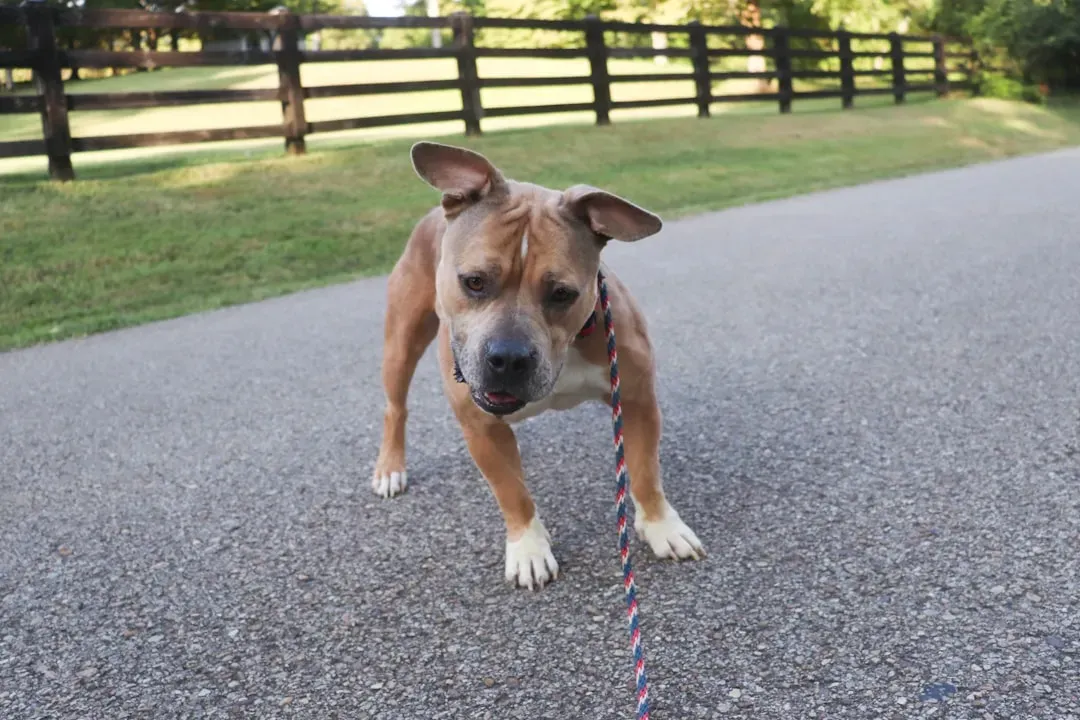
The head tilt is one of the most adorable things a dog does, and it also happens to be genuinely functional. Dogs tilt their heads to hear better and understand what you are saying. The head tilt allows dogs to adjust the shape of their ear canal, which helps them pick up on different frequencies and sounds. Dogs are also highly attuned to human emotions and body language, and when a dog tilts their head in response to their owner’s voice or facial expressions, it may be an attempt to show empathy and understanding.
There’s also a visual component. Dogs with larger snouts may tilt their heads to see around their own muzzle and get a clearer view of your face. Head tilting is typically only done for a few seconds or a few minutes. If your dog’s head seems to be tilted constantly, however, this could be a sign of an ear infection or a health condition like vestibular disease. The key cue here: a brief, responsive head tilt when you talk is charming and normal. A persistent, involuntary tilt is a reason to book a vet visit.
7. Sniffing Every Other Dog’s Behind
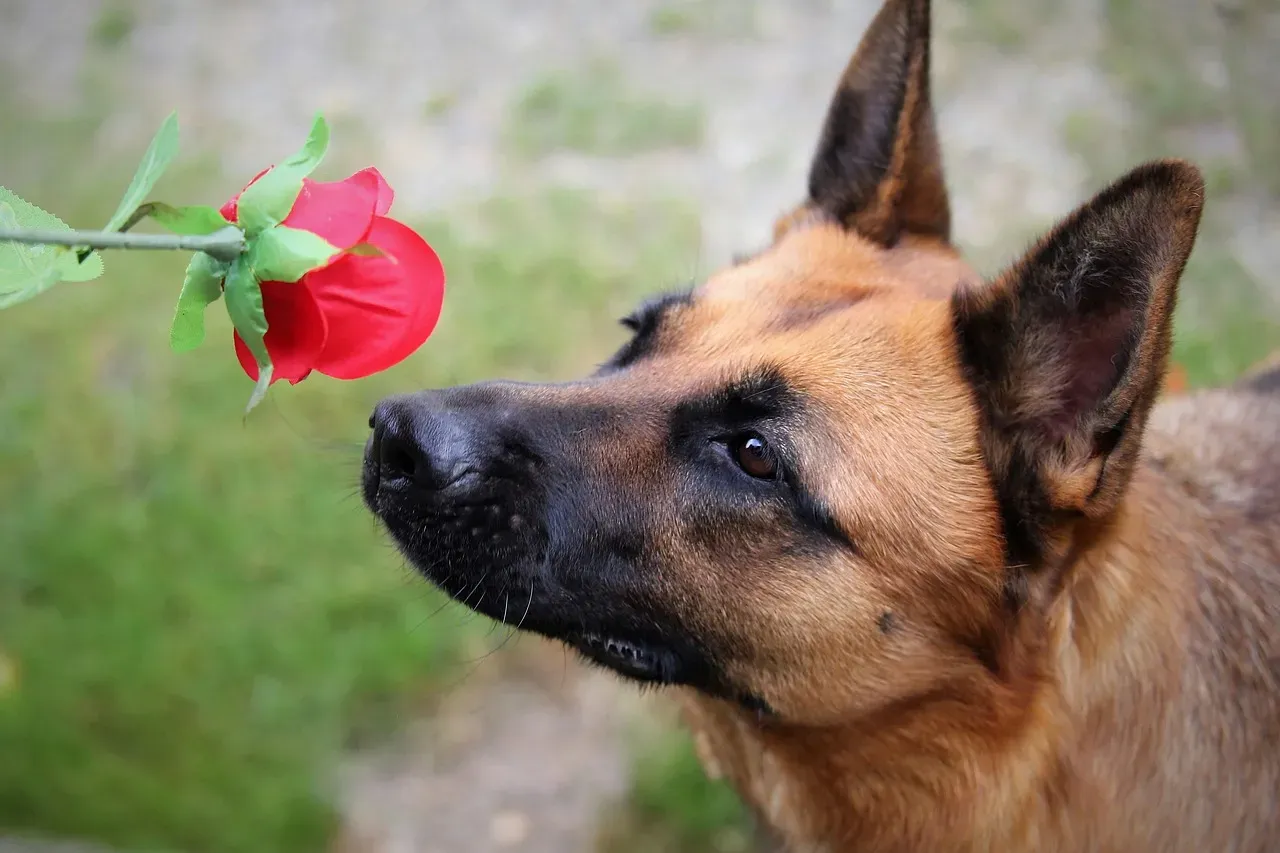
Dog greetings can be mortifying from a human perspective. At the dog park, before you’ve said hello to the other owner, your dog has already conducted a thorough investigation of their dog’s rear end. Bizarre as this image may be, it’s perfectly normal social etiquette for dogs. In the same way you can tell a lot about someone by their handshake, dogs can learn a lot about each other by sniffing pheromones released by anal glands.
Dogs have scent glands around their rear that act like a biological name tag. A quick sniff tells them everything they need to know, including age, diet, mood, and even health status. It’s no wonder dogs can smell things that humans can’t. They have up to 300 million olfactory receptors in their noses, while humans have a paltry six million. So while it’s uncomfortable to watch, your dog isn’t being rude. They’re gathering information in the most efficient way evolution gave them.
8. Staring at You While They Poop
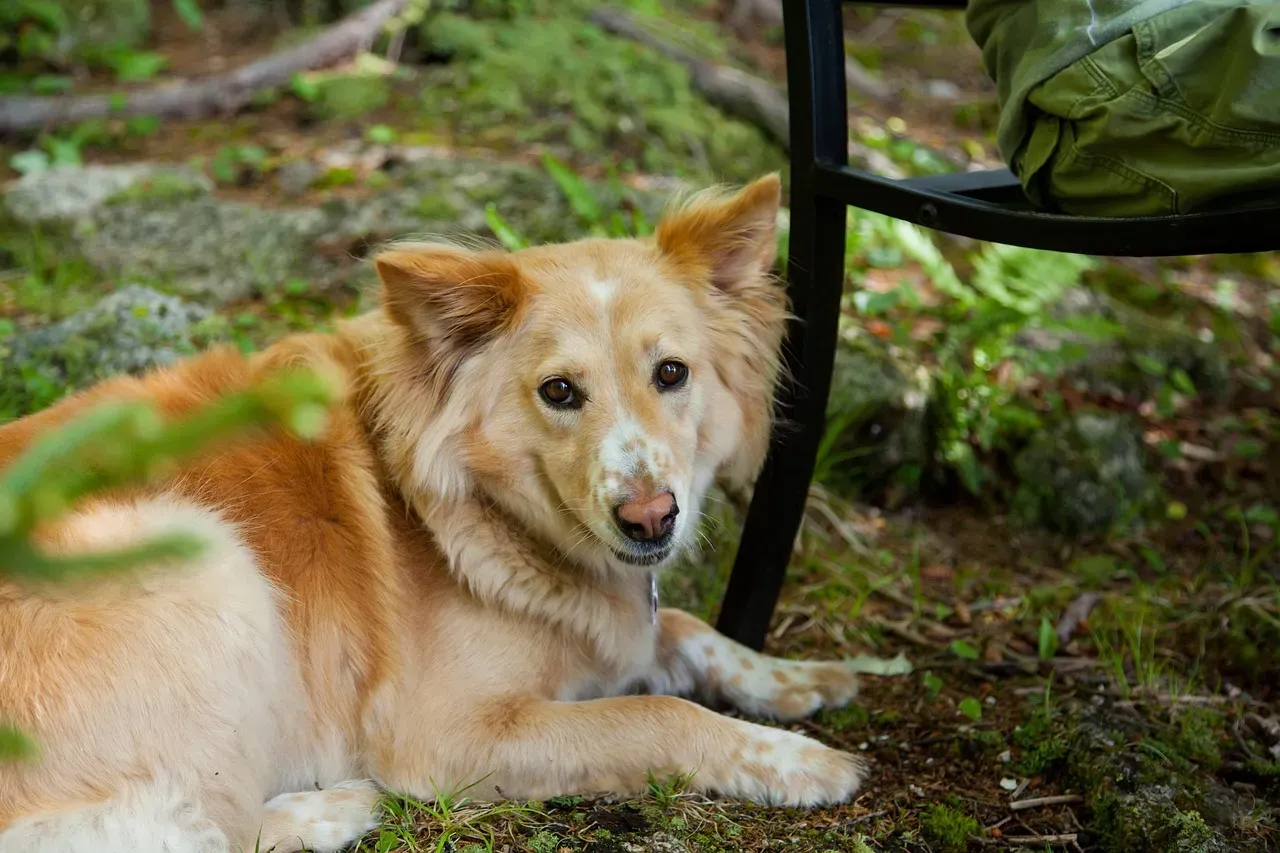
You’ve probably noticed this one. You take your dog outside, they find their spot, and then they make prolonged, unwavering eye contact with you for the entire duration. It’s strange, a little funny, and there’s actually a solid survival-based reason behind it. When dogs need to poop, whether indoors or outdoors, they are acutely aware that they’re in a vulnerable position and are basically trusting you, their owner, to keep a lookout for immediate danger in their surroundings.
As pack animals, canines have deeply ingrained instincts to communicate and bond with their family group. Staring at you during a bathroom break could be a way of maintaining a connection with their pack leader. In the wild, animals are most at risk of attack when they’re relieving themselves. While your domesticated dog is far from those dangers, their instincts persist. You can actually help your dog feel more secure by staying calm, avoiding sudden movements, and calmly scanning the area so they know you’ve got things covered.
9. Licking Your Face (and Everything Else)
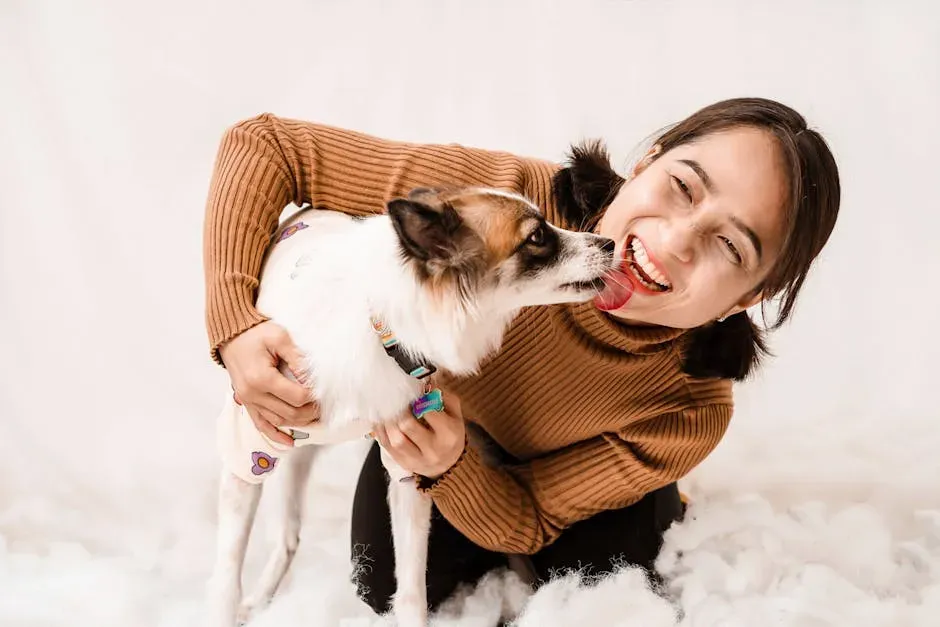
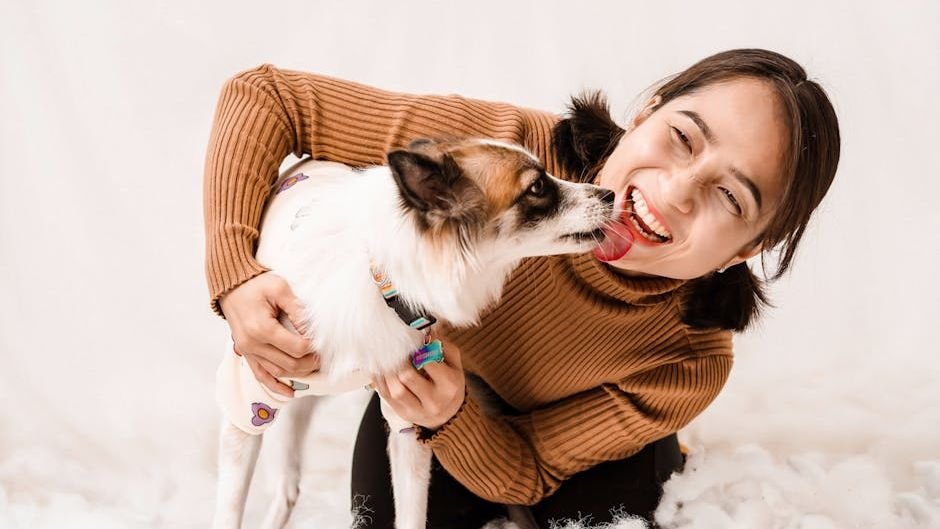
Face licks feel like affection, and sometimes they are. Licking is an innate behavior for dogs, and they do it for several reasons, including showing affection, communicating, or grooming themselves. However, if your dog is excessively licking, it may indicate underlying issues such as anxiety or boredom, and consulting with your veterinarian can help identify and address any potential health problems. There’s also a fascinating evolutionary layer here: puppies lick their mothers’ mouths to make them regurgitate food for them, so when your dog licks your face, they might literally be asking for a snack.
Dogs are able to sense mood swings and emotions by relying on subtle changes in a person’s chemical makeup, body language, and facial expressions. A 2021 study showed that dogs exposed to sweat samples from happy and frightened individuals were more social toward the “happy” people and avoided the “scared” samples. Face-licking, in many cases, is your dog reading your emotional state and responding with comfort, connection, or curiosity. It’s not random. It’s relational.
10. Yawning When You Yawn
You yawn. Your dog, sitting nearby, yawns right back. It can feel like a coincidence, but research suggests it’s something more meaningful. New research shows that, like humans, dogs are prone to yawning when they see someone else do it, and they yawn most frequently in response to their owner. Researchers found that more than half the dogs tested yawned contagiously, and were more likely to yawn after watching their owner yawn than after seeing it done by an unfamiliar human. If empathy is truly at the heart of contagious yawning, these findings suggest that canines may be capable of true empathy.
Dogs also yawn when they’re stressed or anxious as a way to calm themselves down, so if your dog is yawning a lot, it’s worth checking if something is making them nervous. The distinction between a relaxed, empathic yawn and a stress yawn often comes down to context and body language. Since dogs and humans have been living together for between 14,000 and 30,000 years, contagious yawning may be deeply rooted in canine evolutionary history, and dogs’ long relationship with us may have enabled them to reach across species lines to feel what we’re feeling. That’s not strange at all. That’s extraordinary.
Conclusion: Your Dog Is Not Broken, They’re Just a Dog
Almost every behavior covered here has a common thread: it comes from somewhere real. Survival instincts that stretch back thousands of years. A powerful sensory system that processes the world in ways we can barely imagine. And a remarkably deep emotional bond with the humans they live alongside.
The next time your dog does something puzzling, try to ask “why” before asking “how do I make them stop.” Most of the time, the behavior is completely normal. Occasionally, it’s a sign something needs attention. Understanding the why behind your dog’s weird behavior can give you insight into their mental state, and in some cases might even tip you off that something’s not quite right with their health.
The more fluent you become in your dog’s language, the better equipped you are to care for them well. That’s the whole point. Not to turn your dog into a puzzle to be solved, but to see them for what they are: a different kind of mind, living right alongside yours, doing their best to connect.