
11 Dog Breeds That Struggle in Georgia’s Heat (And 5 That Adapt Easily)
Spend one August afternoon in Savannah or Atlanta, and you’ll understand immediately why Georgia summers demand respect. Temperatures often reach into the 90s, and the high humidity makes the air feel even hotter. For dogs, that combination is far more than just uncomfortable. Dogs can’t sweat like humans, so their bodies rely on panting and limited sweat glands to dissipate heat. In Georgia’s high humidity, even these methods become less effective, putting pets at risk for heat exhaustion or heatstroke.
What’s easy to miss is that breed matters enormously. The dog that thrives on a breezy Mediterranean hillside can become a serious heat risk in a Macon backyard come July. Some dogs are at higher risk than others, including dogs with thick fur coats, very old or young dogs, and dogs with heart or upper respiratory problems. A few key differences set warm and cold-weather tolerant dogs apart: their coat type and color, ear shape, and muzzle length. Whether you already share your home with one of these breeds or you’re thinking about adding a furry companion to your Georgia household, what follows may be the most important reading you do this summer.
1. English Bulldog: The Lovable Breed With a Serious Heat Liability
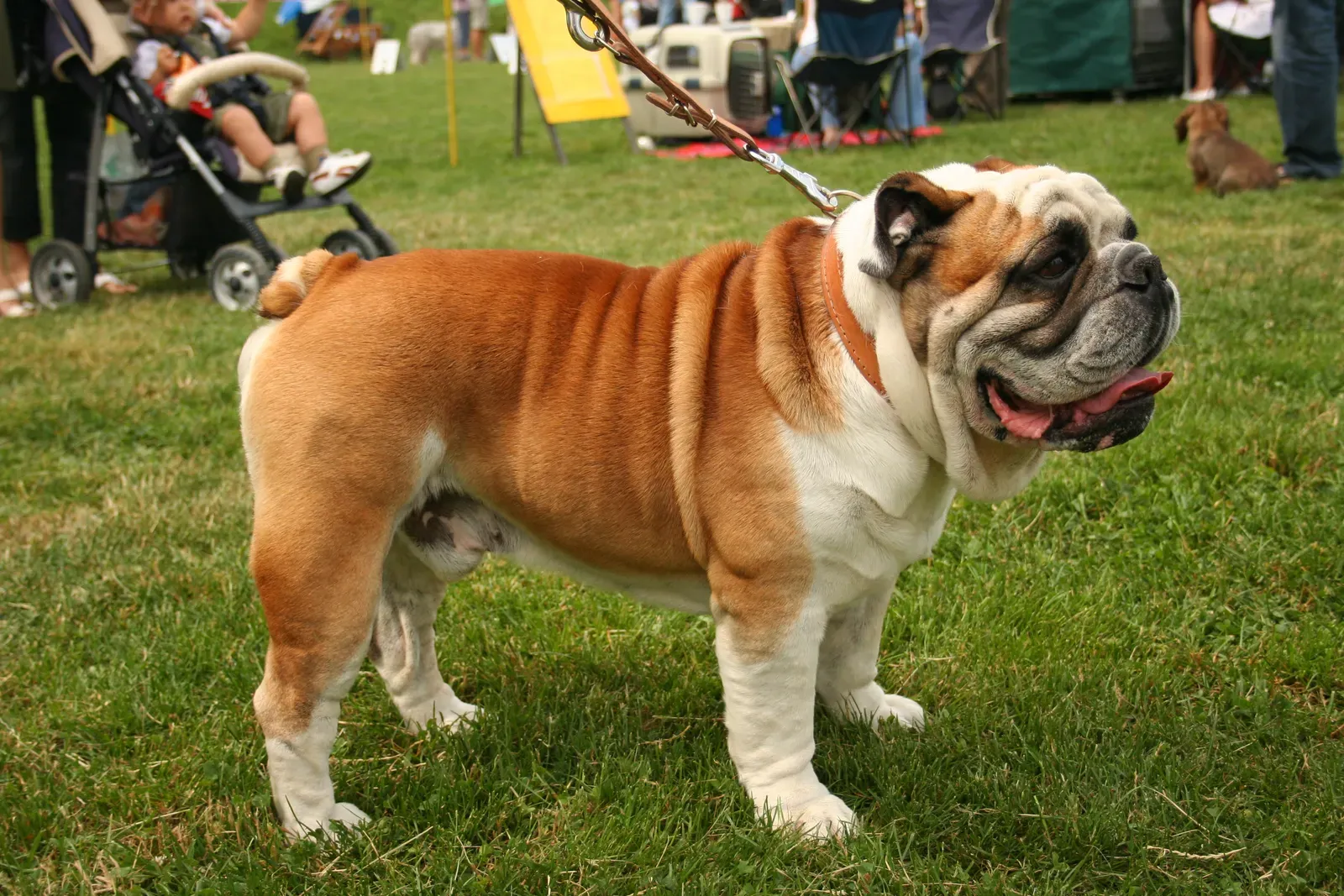
Few dogs are as endearing as the English Bulldog, with that wrinkled face and calm, sofa-loving personality. But in Georgia’s heat, that same adorable face becomes a genuine health concern. The flat face of an English Bulldog makes this breed prone to overheating, and it’s vital that pet parents restrict outdoor activity during the heat of the day. Even a brief walk on a hot afternoon can push a Bulldog past its limits.
With their short snouts and heavy builds, Bulldogs overheat quickly. They’re not efficient at cooling themselves through panting and can develop heatstroke in minutes if overexerted. Even a short walk in the sun can be risky, so it’s best to keep Bulldogs indoors with fans or air conditioning during hot days. If you have a Bulldog in Georgia, your air conditioning unit is essentially a medical device. Morning and evening walks only, and never push through the midday heat.
2. French Bulldog: Popular Everywhere, But Vulnerable in the South
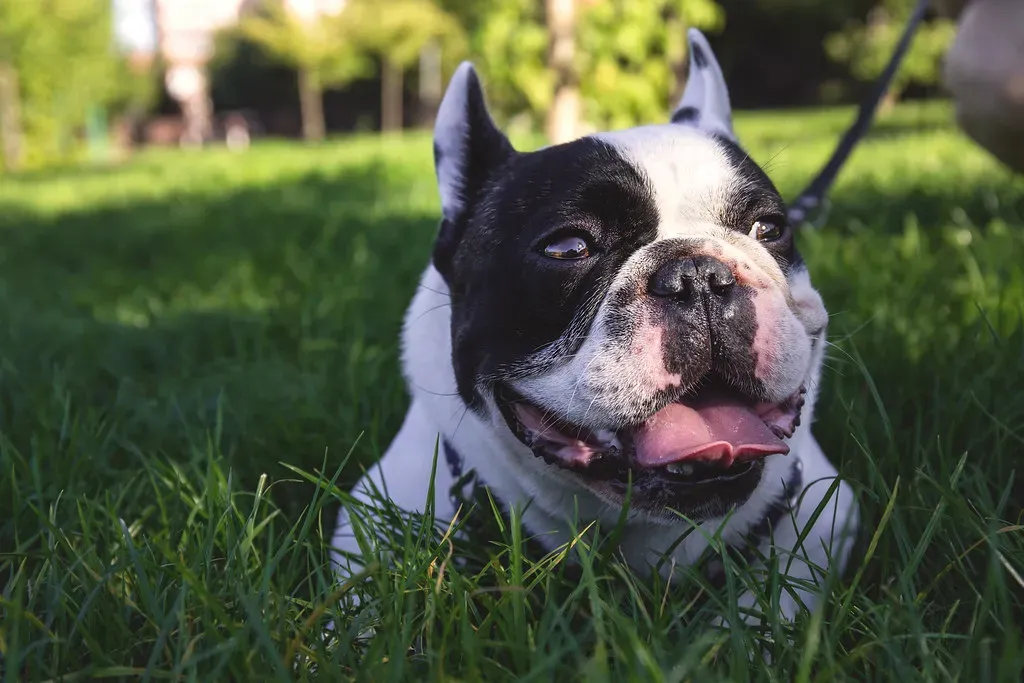
French Bulldogs cannot effectively cool down through panting. Because dogs don’t sweat like humans do, this can be dangerous. French Bulldogs are the most popular dog breed in the U.S., and their pet parents need to know how to keep this breed cool and safe. Georgia dog owners who love Frenchies need to be especially mindful from May straight through October.
Certain breeds, like those with flat faces, may have more difficulty regulating body temperature in hot climates. Due to their shortened nasal passages, these breeds don’t cool down as efficiently through panting, making them more susceptible to heat-related issues. Keep walks to the early morning, set your thermostat conservatively, and always have fresh water accessible indoors and outdoors. A cool mat on the floor can make a real difference for these little dogs.
3. Pug: Charming, Compact, and Genuinely Heat-Sensitive
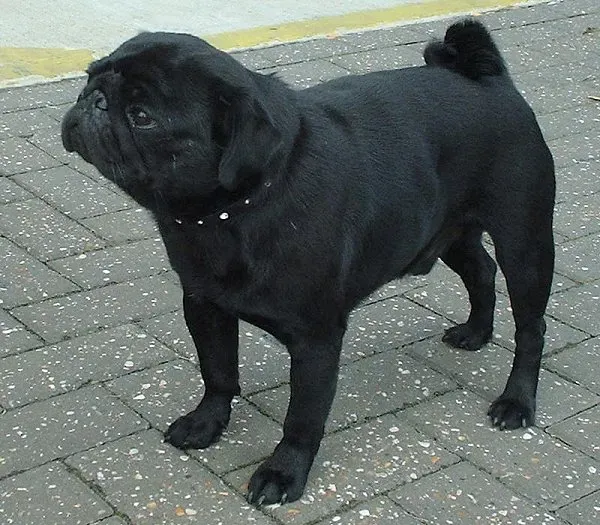
Pugs are adorable and full of personality, but their short noses and compact airways make them highly susceptible to heatstroke. These brachycephalic dogs struggle to cool themselves through panting, especially in warm or humid environments. Even short walks in the sun can be dangerous. Pugs should avoid the heat as much as possible and spend the hottest part of the day indoors with a fan or air conditioning.
Dogs with a restricted airway, such as brachycephalic breeds, are at even greater risk. In these breeds, clinical signs of heat stroke can occur when the outside temperature and humidity are only moderately elevated. That means a Georgia spring day can already be problematic for a Pug, not just the peak of summer. Watch for excessive drooling, a glazed look in their eyes, or reluctance to get up. Those are your cues to act quickly.
4. Chow Chow: Built for Northern China, Not Southern Georgia
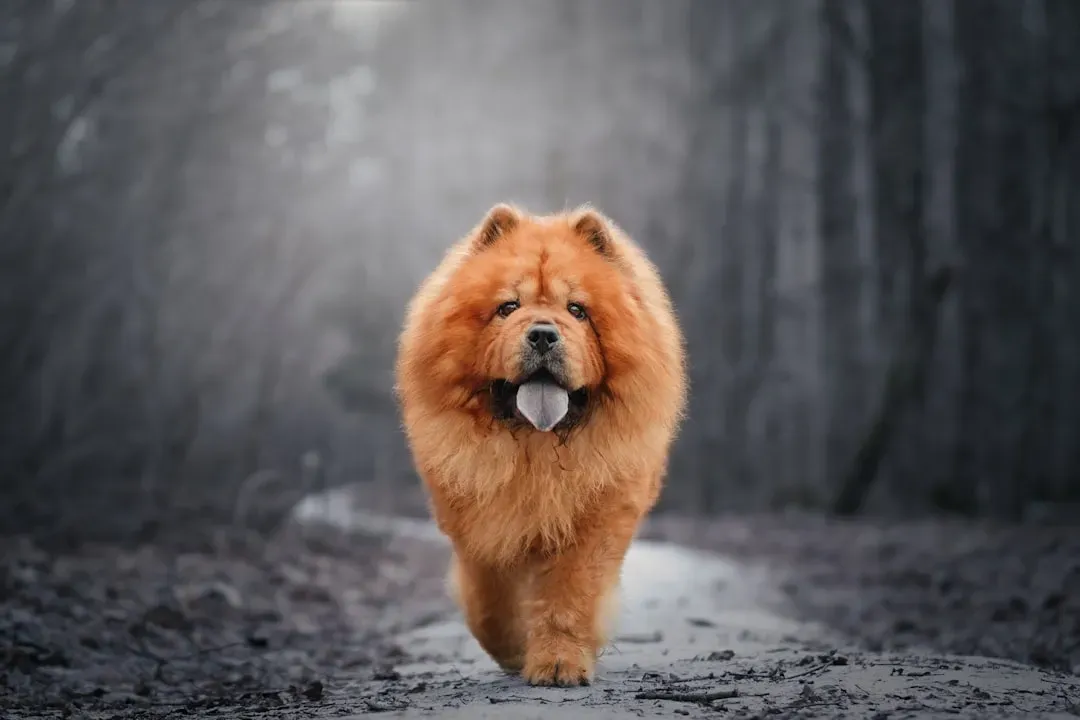
The Chow Chow’s thick, lion-like coat is one of its most recognizable features and also one of its biggest challenges in the heat. Originally from cold northern China, this breed isn’t equipped to handle high temperatures. Chows can quickly become irritable or sluggish when they’re too warm. They require daily grooming to reduce trapped heat and should never be overexerted in the sun.
With their dense double coat and large build, Chow Chows are built more for snow than sunshine. They’re highly prone to overheating in warm, humid climates. Limit outdoor play and consider trimming their coat (without shaving) to help them handle the heat better. Shaving a Chow Chow completely is not the answer since the double coat also provides insulation from the sun. Regular professional grooming and keeping the dog indoors during Georgia’s hottest months is far safer.
5. Alaskan Malamute: An Arctic Sled Dog in a Southern State
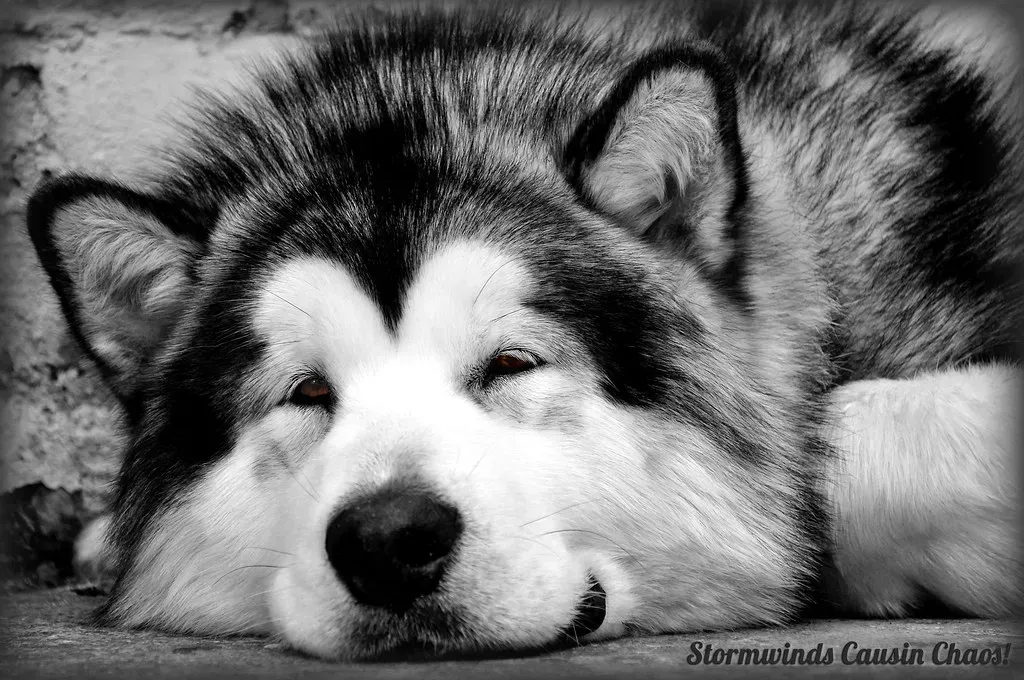
The Alaskan Malamute was bred to pull heavy loads in freezing Alaskan temperatures. This makes them one of the best dog breeds for cold weather, but one of the worst for hot climates. Owning a Malamute in Georgia requires an extraordinary level of commitment to keeping them cool, well-hydrated, and largely indoors from late spring through early fall.
The Alaskan Malamute feels right at home in big snowdrifts and was originally bred to pull heavy loads in Alaska. A summer heat wave is less tolerable for this double-coated working dog. The breed’s dense coat is like a well-insulated parka that traps heat and locks out moisture, but it’s not the best in sweltering summer temperatures. Malamutes love to work and be outside, so this dog breed is best for homes in colder or moderate climates. For Malamute owners in Georgia, a powerful air conditioning system and a kiddie pool in a shaded yard are non-negotiable.
6. Saint Bernard: A Mountain Rescue Dog That Needs Rescuing From the Heat
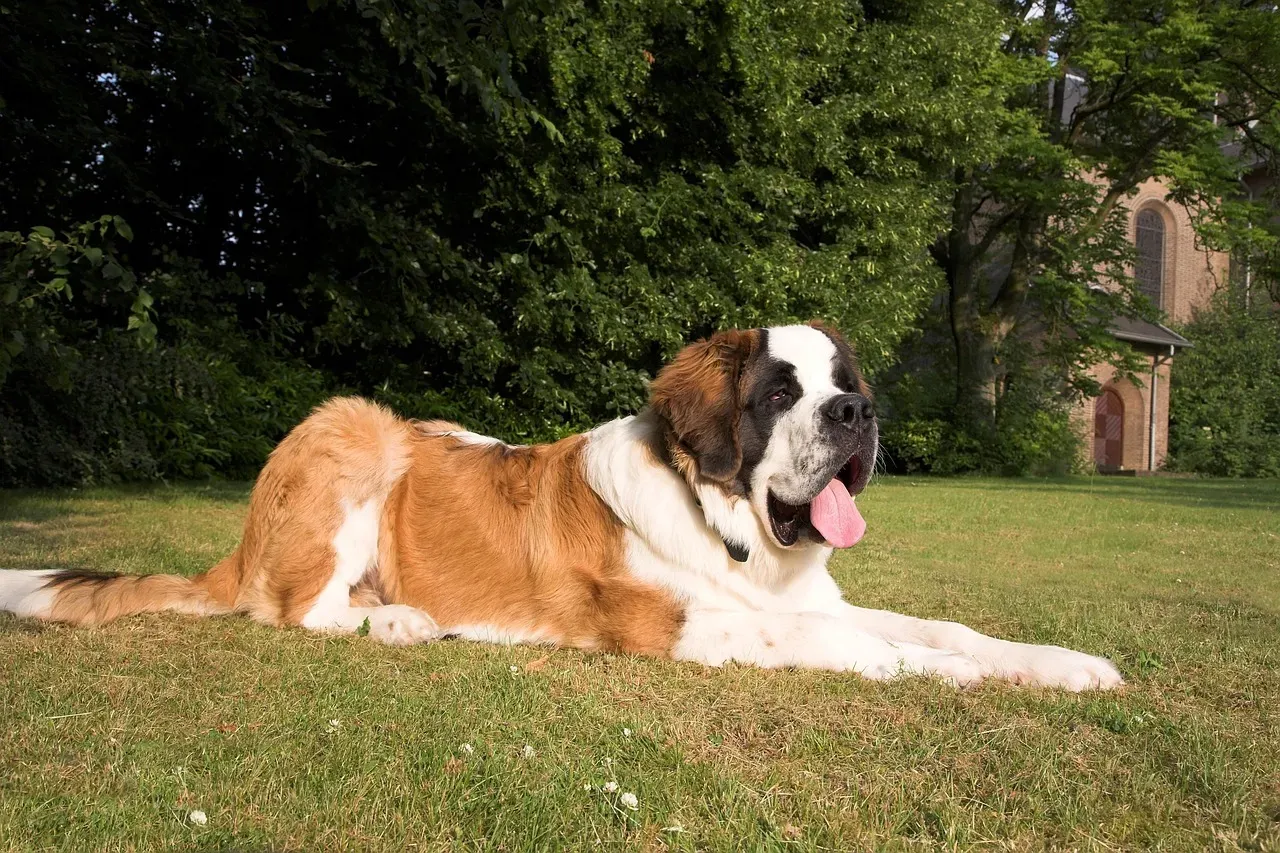
Originally bred for snowy rescue work, Saint Bernards struggle in the heat. Their size, weight, and thick fur all contribute to a higher risk of overheating. Walk them only when it’s cool, and let them rest in air-conditioned spaces during heatwaves. A Saint Bernard lounging on a Georgia porch in July is a dog in real distress, even if it doesn’t look like it on the surface.
Their massive size and heavy coat make them prone to overheating, even in moderately warm temperatures. These dogs tend to overexert themselves without realizing it, which can lead to heat exhaustion or even heatstroke. If you live in a warm climate, Saint Bernards need constant access to cool indoor spaces, and walks should be kept very short. Cooling mats, fans pointed at floor level, and multiple water bowls around the house are practical tools for Saint Bernard owners living in Georgia.
7. Siberian Husky: Stunning Dog, Wrong Climate
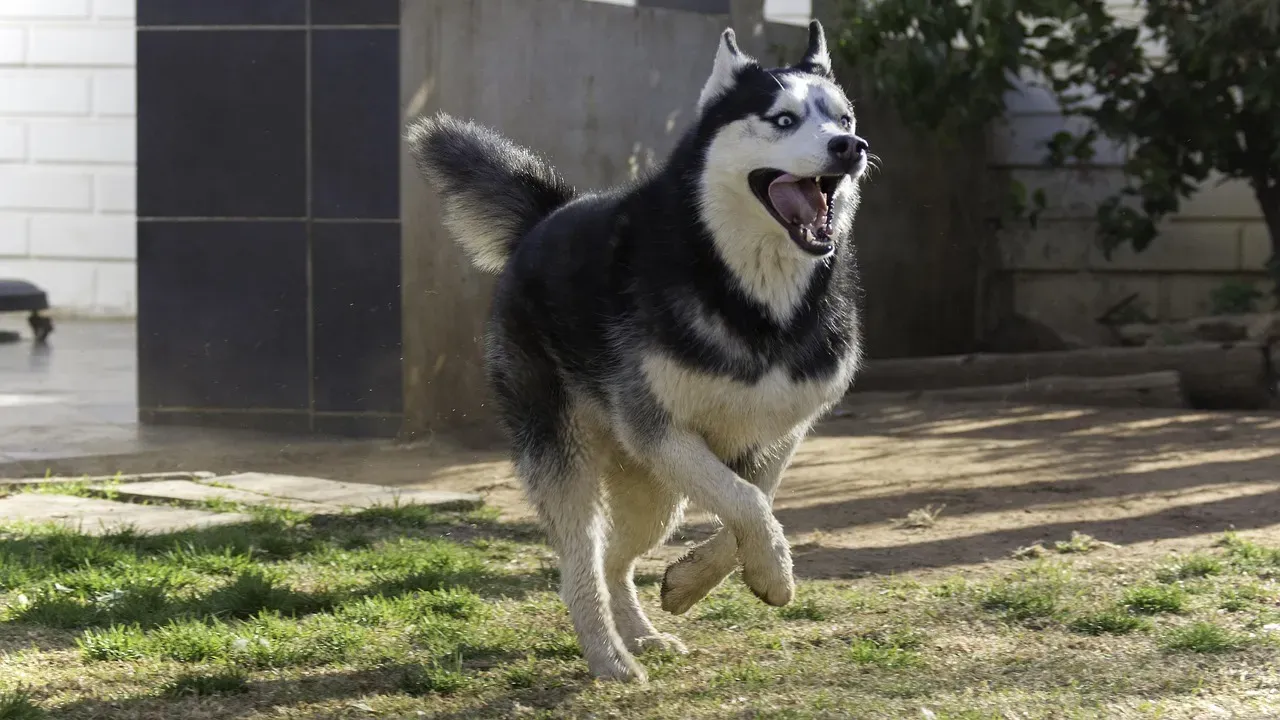
Siberian Huskies were developed to work in freezing temperatures, pulling sleds over long distances. Their double-layered coat insulates them against the cold but becomes a serious problem in hot climates. They are extremely active dogs who love to run, but warm temperatures can quickly wear them out. Without constant shade, water, and rest, they can easily overheat and become lethargic or ill.
A Husky in Georgia isn’t impossible, but it demands vigilance every single day between May and October. Extra precaution should also be taken with dogs that have thick or dark colored coats since they are at a higher risk for heatstroke. Huskies often push through discomfort because of their high-drive nature, so you can’t wait for them to show you they’re struggling. Early morning exercise, cool water access, and indoor rest during midday are the basics. Cooling vests designed for active dogs are also worth the investment.
8. Boxer: Athletic Energy That Needs Careful Management
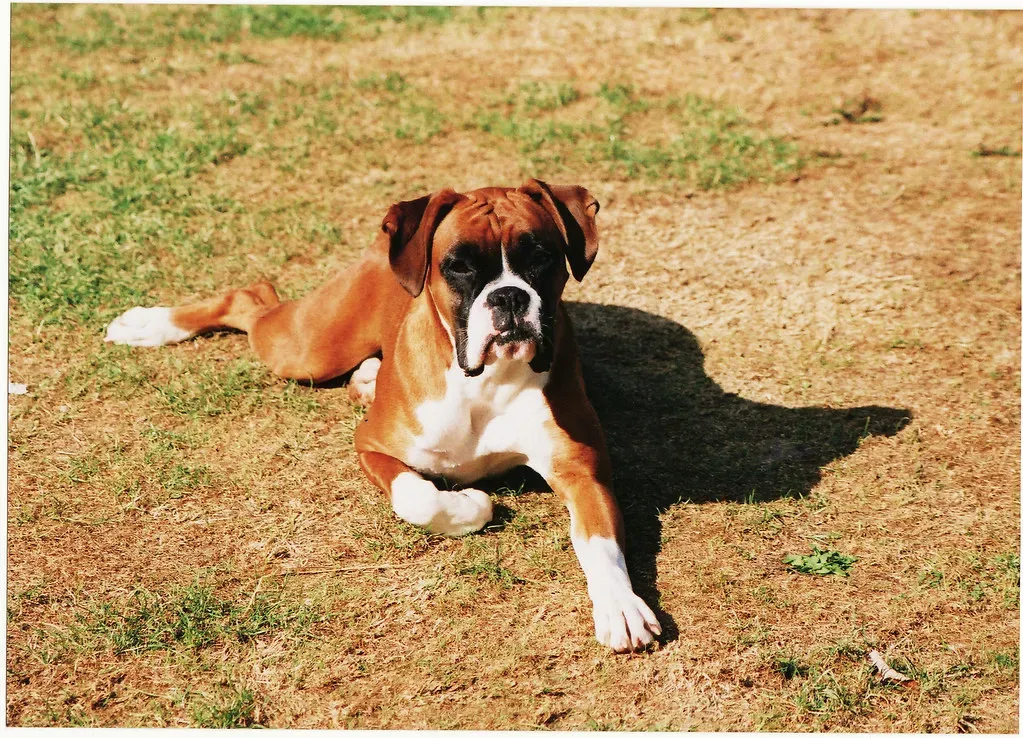
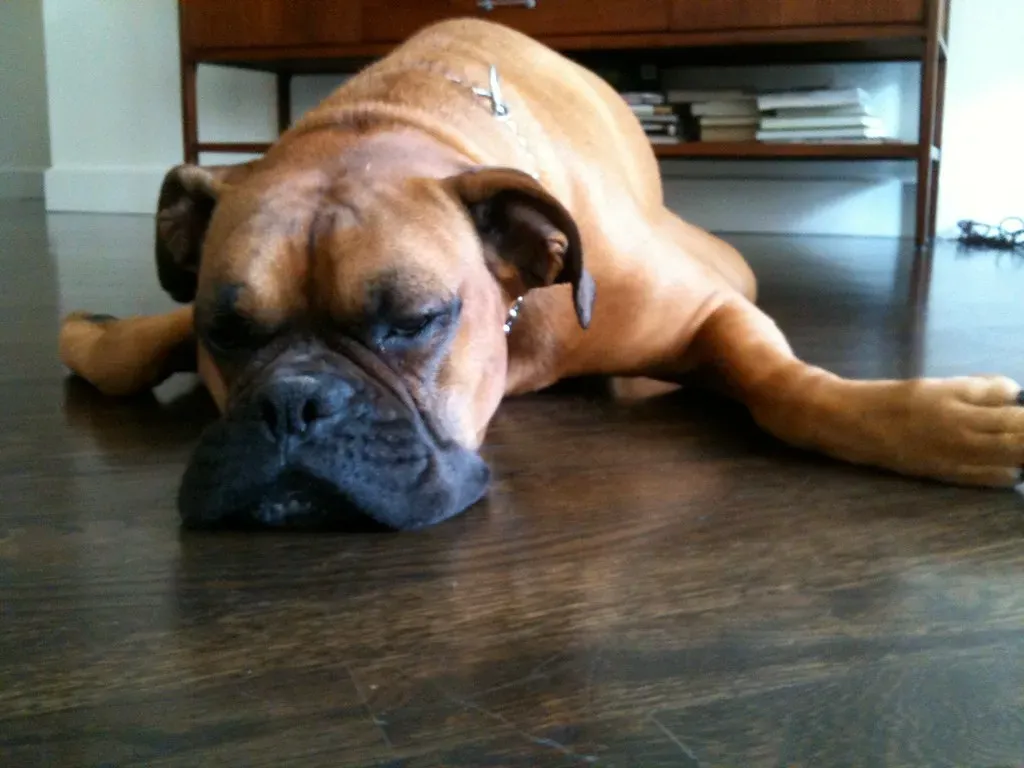
Boxers are athletic and energetic, but their short noses and tight airways make them vulnerable in warm weather. Boxers are beloved family dogs, and their enthusiasm for play can actually work against them in Georgia’s heat because they won’t slow down on their own. Boxers are athletic, affectionate, and intelligent, making them superstar family dogs. These dogs make great jogging partners and excel in canine sports like agility and tracking. But the breed’s characteristically flat face means they can’t tolerate long workouts when it’s hot out.
Brachycephalic breeds such as Boxers cannot pant as efficiently and have a harder time keeping themselves cool, putting them at a higher risk in hot or humid weather. A Boxer who looks like it’s still having fun in a Georgia afternoon sun may already be heading toward heat stress. Watch for heavy, labored panting, stumbling, or sudden loss of interest in play. Those are your signs to bring them in and cool them down immediately.
9. Boston Terrier: A Small Dog With Big Heat Sensitivity
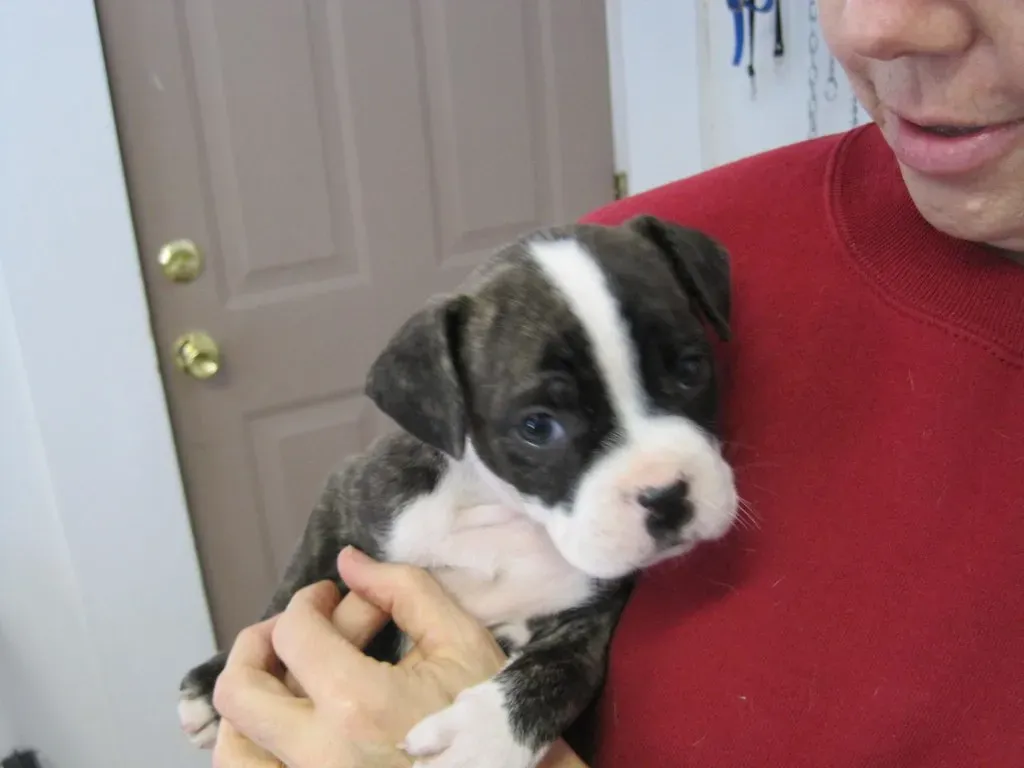
Although Boston Terriers have a short, smooth coat, the breed’s short muzzle means that intense exercise during periods of high heat and humidity is a no-go. The good news is that there are plenty of indoor activities a Boston Terrier will be happy to take part in, like fetch in the living room, puzzle games, or tugging with a favorite dog toy. Redirecting their energy indoors during Georgia summers keeps them both happy and safe.
Boston Terriers are adaptable dogs in many ways, but their brachycephalic anatomy puts them firmly in the heat-sensitive category. Brachycephalic breeds, like Bulldogs and Pugs, are especially susceptible to respiratory distress during hot spells because their airways are naturally narrower. The same applies to Boston Terriers. Keep their outdoor time to short windows in the early morning or after sunset, and always check that water bowls are full before heading out.
10. Akita: Powerful, Loyal, and Poorly Suited for Georgia Summers
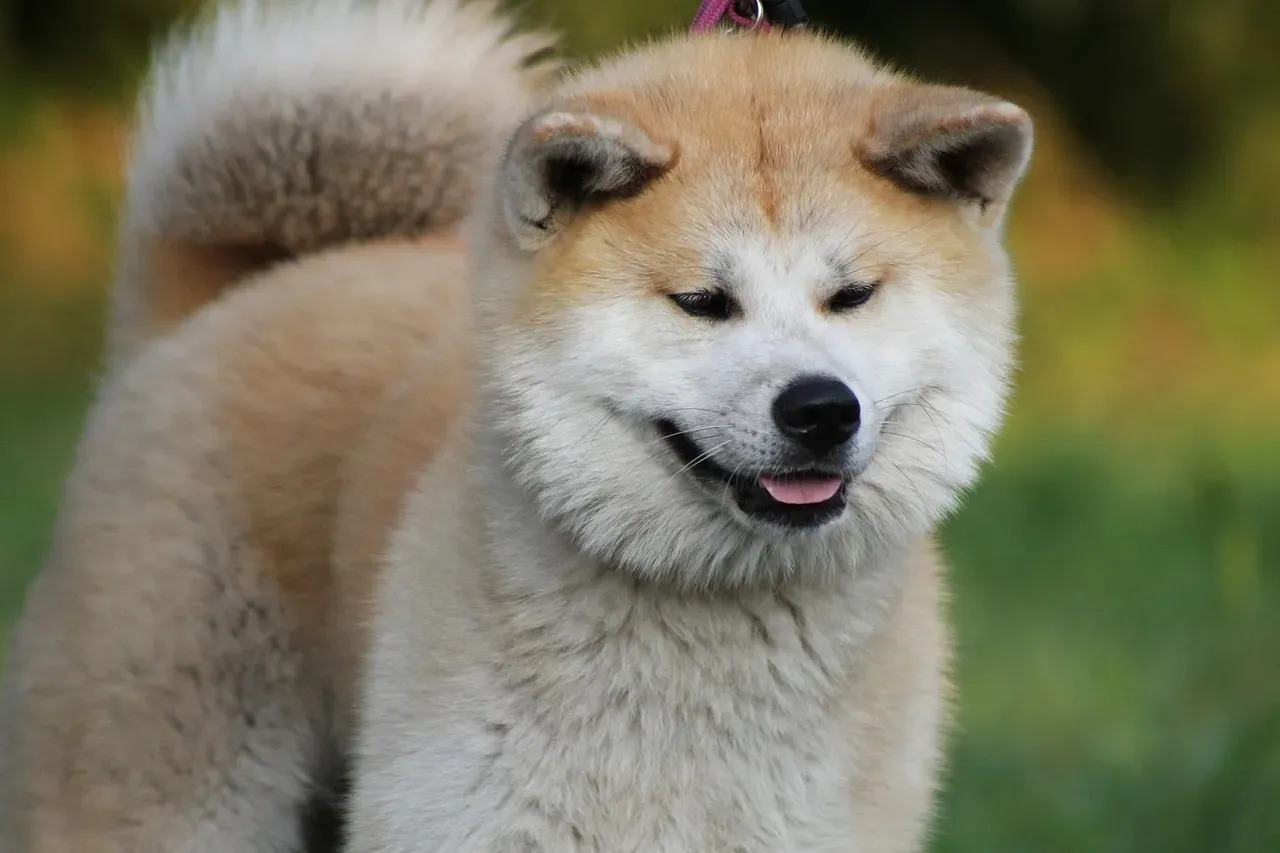
In cold weather, an Akita’s thick double coat provides insulation. In hot weather, this coat may cause them to overheat. This, coupled with their heavy build, means Akitas have a low tolerance for heat. Akitas are deeply loyal and often strongly bonded to a single family, which makes their summer care feel deeply personal for their owners.
Akitas are cold-weather dogs with thick double coats designed to trap warmth. In hot weather, this fur becomes a burden and can trap heat. They do best with plenty of shade, water, and indoor time. Never leave them outdoors for extended periods during summer. A shaded, well-ventilated yard can supplement indoor time, but it shouldn’t replace it. Daily grooming during peak shedding season also helps remove the insulating undercoat, which can provide some relief.
11. Newfoundland: The Gentle Giant Who Belongs Near Cold Water
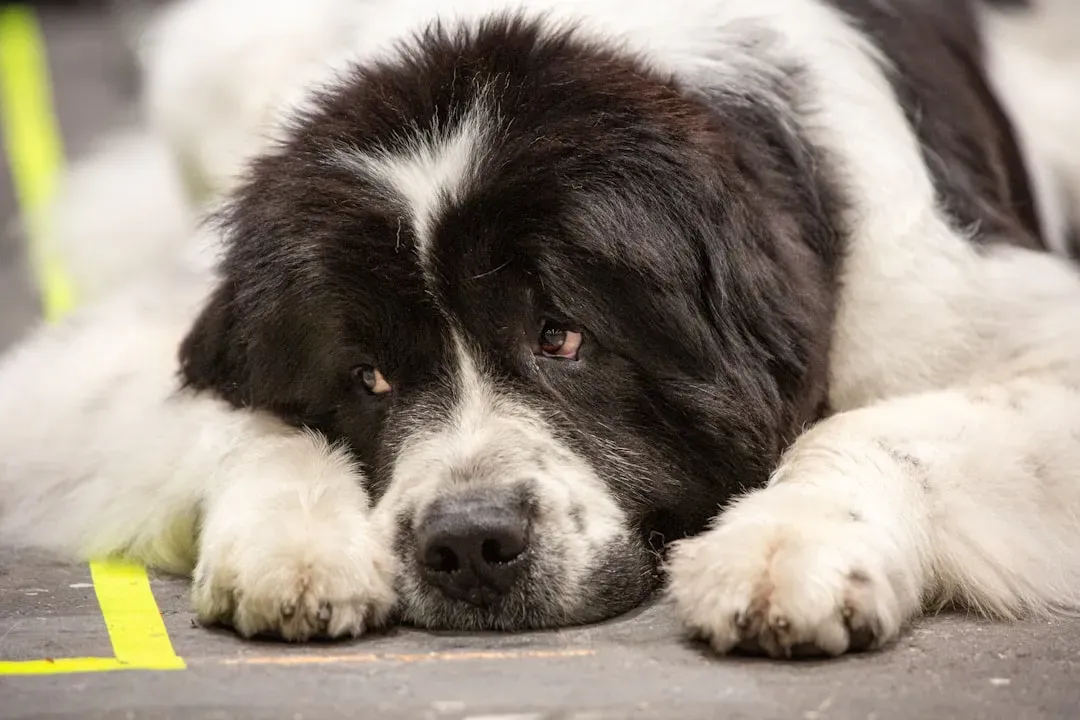
Known for their strength and swimming ability, Newfoundlands were bred to work in icy waters and cold climates. Their dense, water-resistant coat offers excellent protection in frigid environments but becomes dangerously hot in the summer. These dogs are large and slow-moving, which makes it harder for them to cool down. They may enjoy a dip in a pool, but land-based activity should be minimal in the heat.
Owning a Newfoundland in Georgia is a genuine labor of love. Newfoundland dogs were born to swim, not sunbathe. Newfies have a thick, water-repellent double coat that allows them to take a dip in brisk waters, like you’ll find in the breed’s Canadian homeland. In hot climates, keep a close eye on your gentle giant to make sure he doesn’t overheat. If you have a pool or lake nearby, these water-loving pooches will gladly splash around for a little outdoor exercise. A shaded, cool pool is probably the best gift you can give a Newfoundland during a Georgia summer.
Now the Good News: 5 Breeds That Handle Georgia’s Heat With Relative Ease
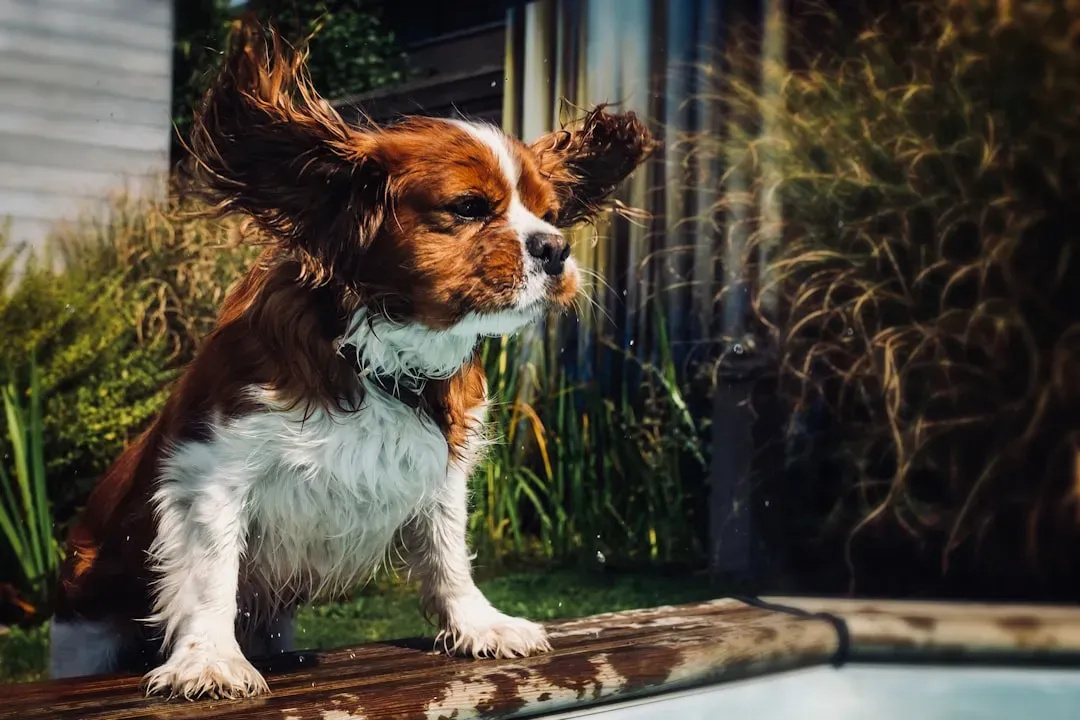
Not every dog struggles under a Southern sun. In general, the dog breeds that can handle hot weather well have roots in warmer climates, short coats, or a physique that effectively cools air as they breathe. These five breeds bring that natural resilience to the table, making them a more compatible fit for Georgia life.
The best dogs in hot weather have short, single, or hairless coats. This no-frills fur allows air to circulate throughout the body and doesn’t retain heat. White, tan, or gray-colored coats reflect rather than retain heat, and erect ears keep dogs cooler than floppy ears that trap and restrict circulation. Keep these traits in mind as you read about the heat-friendly breeds below.
12. Basenji: Africa’s Original Heat-Tolerant Dog
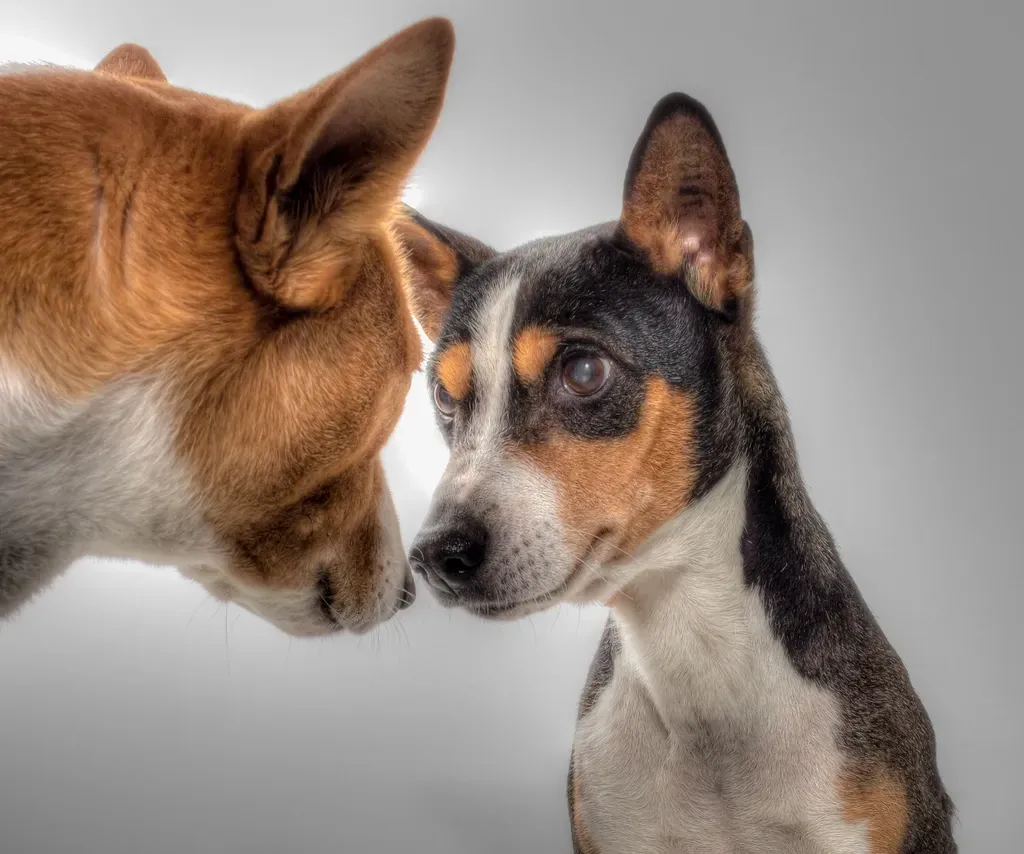
Originating from Central Africa, Basenjis have a rich history of living in hot climates. They are often called “barkless dogs” and are well-known for their cat-like grooming habits. Their short, fine coat provides natural insulation and allows for efficient heat dissipation, making them well-suited for warmer weather. Basenjis are highly adaptable and tend to be more tolerant of heat compared to other breeds.
The Basenji is an ancient breed known for its unique appearance and heat tolerance. Originating from Central Africa, where temperatures can soar, the Basenji has a short, fine coat that helps it stay cool. Its small to medium size and slender build also aid in heat dissipation. Basenjis are active, intelligent, and known for their cat-like grooming habits, which keep their coat in good condition. For active Georgia dog owners who want a compact, agile companion, the Basenji is a genuinely smart choice.
13. Greyhound: Lean, Elegant, and Surprisingly Well-Suited to Warm Weather
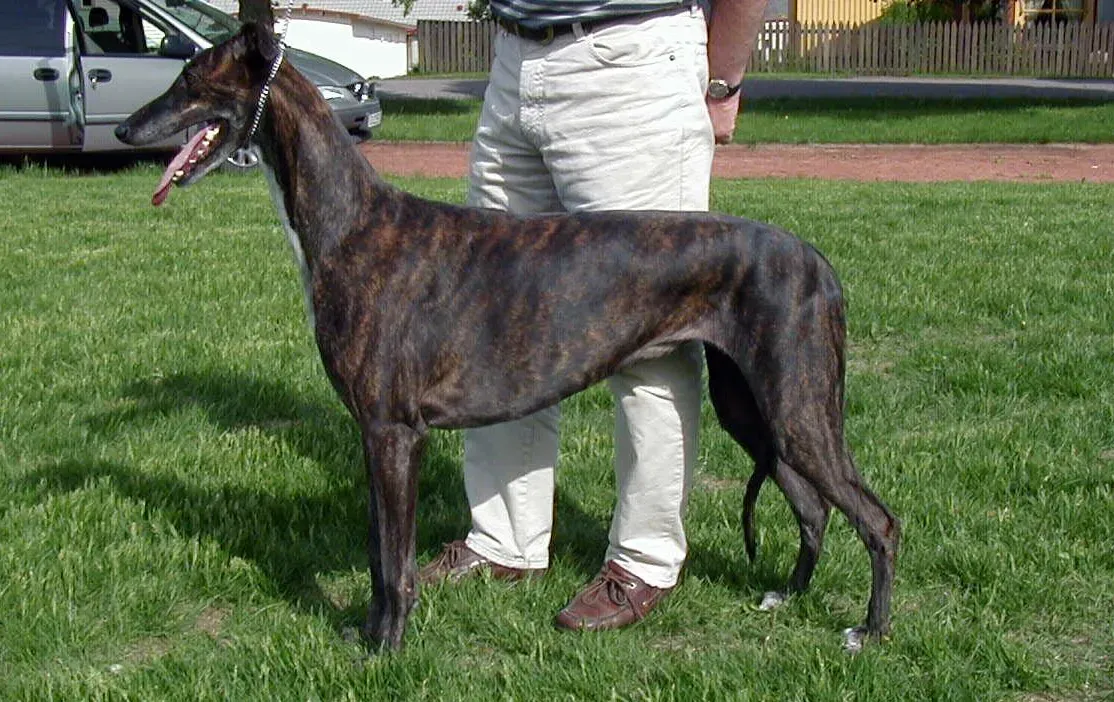
Known for their incredible speed, Greyhounds are also well-suited to heat due to their slim physique and short coat. With origins dating back to ancient Egypt and the Middle East, Greyhounds have a history of living in hot climates. Their thin, short coat helps regulate body temperature, and their lean build promotes better heat dissipation. However, be cautious during extreme temperatures, as even Greyhounds can suffer from heatstroke.
Their thin coats and lean bodies help Greyhounds manage body heat effectively. They enjoy lounging indoors and need safe sprinting spaces outdoors. Owners who can provide both a cozy indoor environment and room to run will find the Greyhound to be a rewarding companion. Greyhounds are famously calm indoors, which means they’re also easy to keep cool inside during Georgia’s hottest hours. A short sprint in the early morning and a cool nap the rest of the day suits them perfectly.
14. Vizsla: Georgia’s Ideal Outdoor Companion
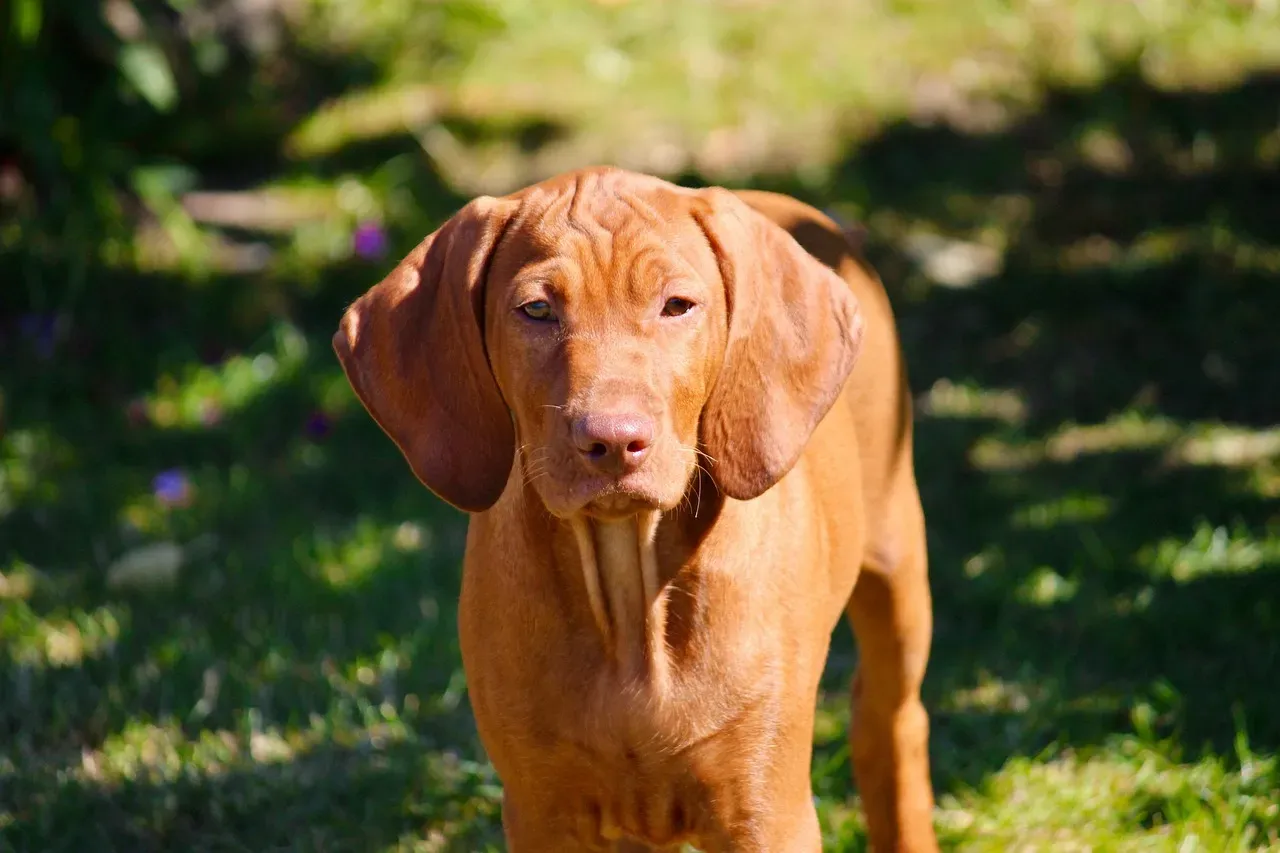
The Vizsla is a Hungarian breed known for its sleek, short coat that is ideal for hot weather. With their high energy levels and athletic build, Vizslas need plenty of exercise, which they handle well in warmer temperatures as long as they have adequate hydration. Their short coat is easy to maintain, and they are known for their affectionate nature and agility.
Vizslas have short, smooth coats and are known for their high energy levels. Originating from Hungary, they are accustomed to various climates and can adapt well to heat. Vizslas require regular exercise, which they can comfortably endure in warmer weather. Their golden rust coat and lean physique make them ideal partners for Georgia trails and outdoor adventures, provided you schedule activity around the coolest parts of the day and always bring water.
15. Rhodesian Ridgeback: Born for the Heat
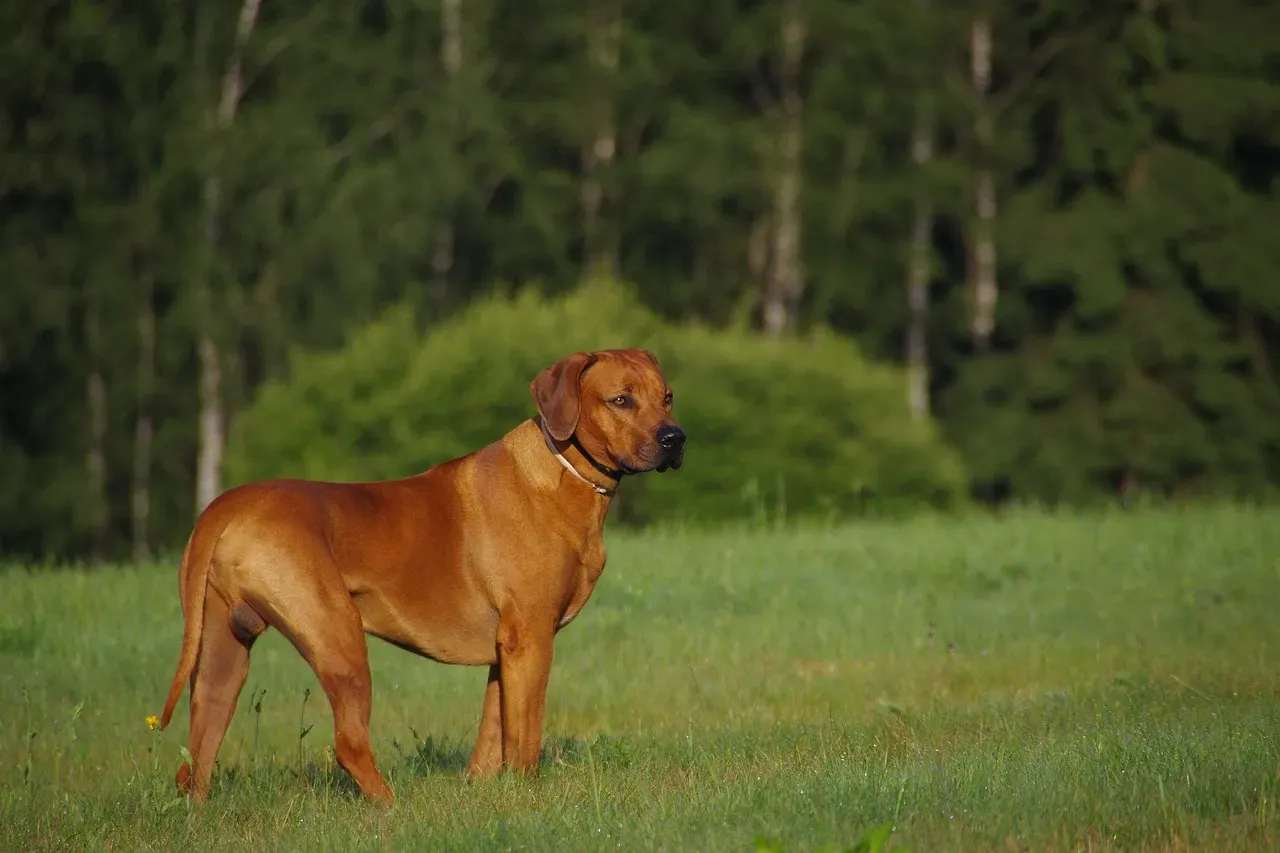
Rhodesian Ridgebacks, originally bred in Africa, are well-adapted to hot climates. Their short, sleek coat and strong, muscular build make them well-suited for warmer temperatures. They are known for their endurance and protective nature, making them excellent family dogs. Despite their heat tolerance, they should have access to plenty of water and avoid prolonged exposure to the sun.
Rhodesian Ridgebacks are originally from southern Africa and are well-adapted to hot, dry climates. Their short coat and robust build make them tolerant of high temperatures. They are known for their endurance and can handle outdoor activities even in warmer conditions. Their calm, confident temperament also makes them wonderful family companions in the South. That said, Georgia’s humidity is different from the dry heat of the African savanna, so shade and hydration remain important even for this resilient breed.
16. Dalmatian: A Short-Coated, High-Energy Southern Survivor
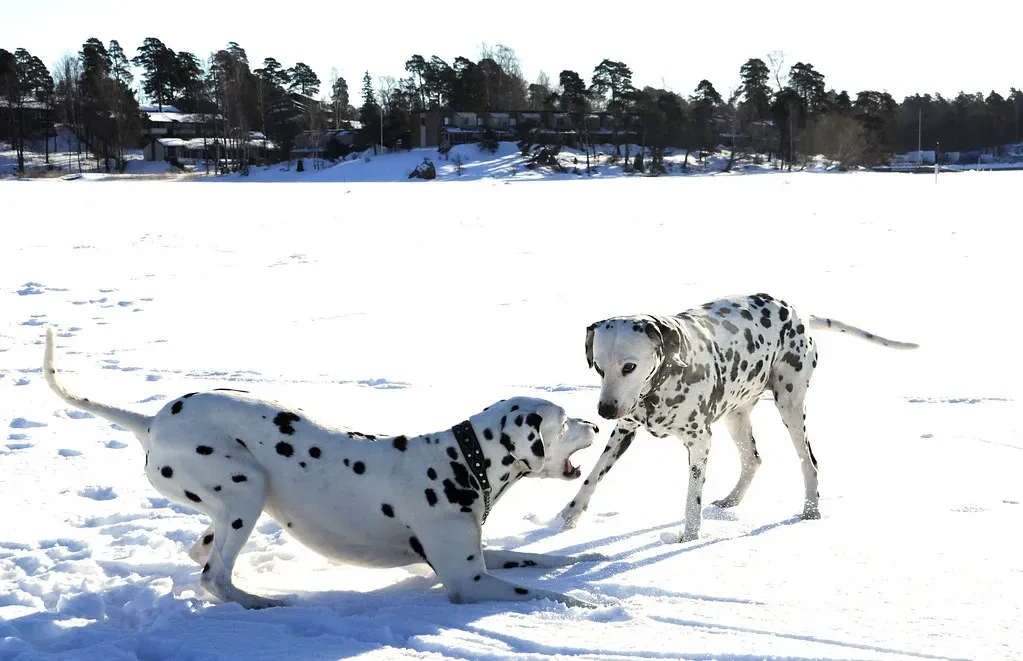
Dalmatians are renowned for their striking appearance, with their distinct black or liver spots. They were originally bred as carriage dogs and have a short, dense coat that doesn’t trap heat. This energetic breed enjoys physical activities, making it well-suited for an active lifestyle in a hot climate. Regular exercise and access to shade and water are essential to keeping them comfortable.
Dalmatians have short and sleek coats that help in heat dissipation. They are also known for their high energy and stamina, which allows them to remain active even in warmer temperatures. For Georgia families who love active outdoor living, a Dalmatian is a breed that can genuinely keep up. Early morning runs along the river, afternoon shade, and consistent hydration form the ideal routine. They’ll reward that care with boundless enthusiasm and a few very good years by your side.
Knowing the Warning Signs Every Georgia Dog Owner Should Recognize
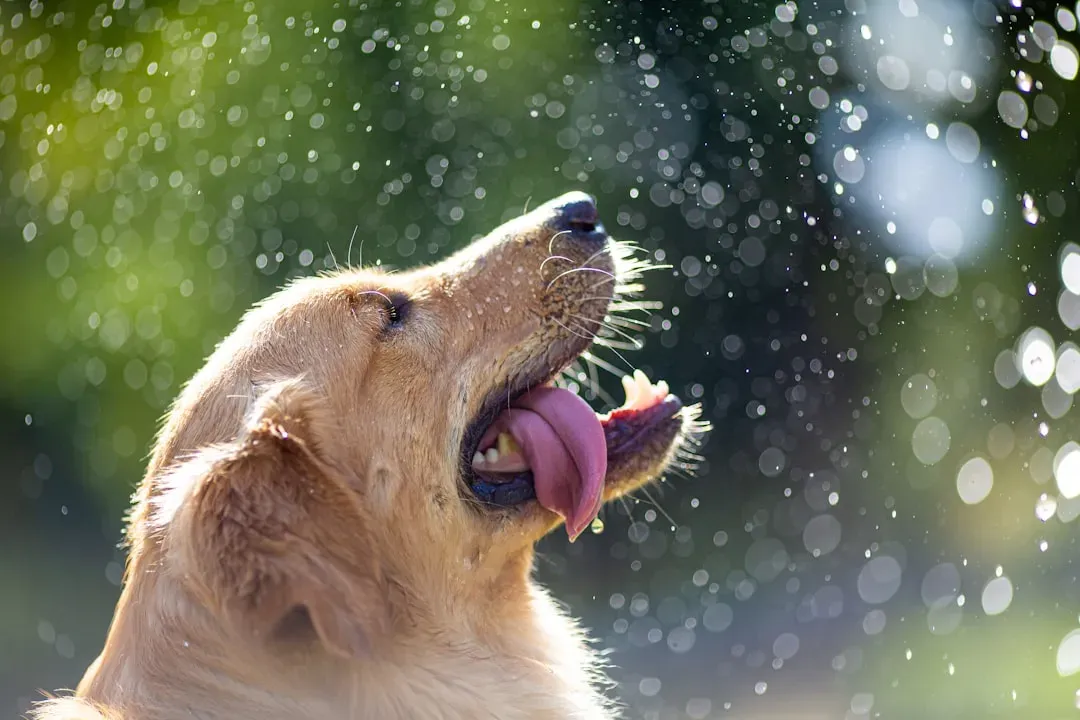
Excessive panting that doesn’t subside is a warning sign. Thick, sticky saliva and excessive drooling can indicate that your pet is struggling to cool down. A pet that seems unusually tired, weak, or unresponsive may be suffering from heat exhaustion. Vomiting or diarrhea can be signs of heat stroke and should not be ignored. Bright red or pale gums can also be a sign of heat stroke.
Dog heatstroke can occur very quickly and result in death in under an hour, especially if the pet does not have access to shade, water, and rest. This condition is an emergency. Pet parents should immediately take their dog to the local emergency veterinary hospital if they suspect their pup is experiencing heatstroke. Time is the most critical variable here. Cooling your pet prior to arrival at the hospital has been shown to increase their chances of survival from 50% to 80%. Cool water on the underside of the body, a fan, and a fast drive to the vet can save a life.
Conclusion: Know Your Dog, Know Your Summer
Georgia summers aren’t going anywhere, and neither is your love for your dog. The gap between a dog that thrives and a dog that struggles in this climate often comes down to what you know and how quickly you act on it. No matter how heat-tolerant a breed might be, no breed is impervious to dehydration or heatstroke, which can both be fatal. That’s true even for the five breeds that adapt well.
Making simple changes to your schedule can have a significant impact. Walk your dog early in the morning or later in the evening when temperatures are lower and pavement is cooler. Always provide access to fresh, clean water, and consider leaving multiple water stations around your home and yard. Shade is vital for outdoor pets, so ensure your yard has trees, awnings, or pet-safe shelters.
Caring well for your dog in Georgia’s heat isn’t about fear. It’s about paying attention. Every breed has its threshold, and every dog trusts you to notice before it’s too late. That kind of attentiveness is exactly what makes a dog owner great, and your dog will feel every bit of it.