
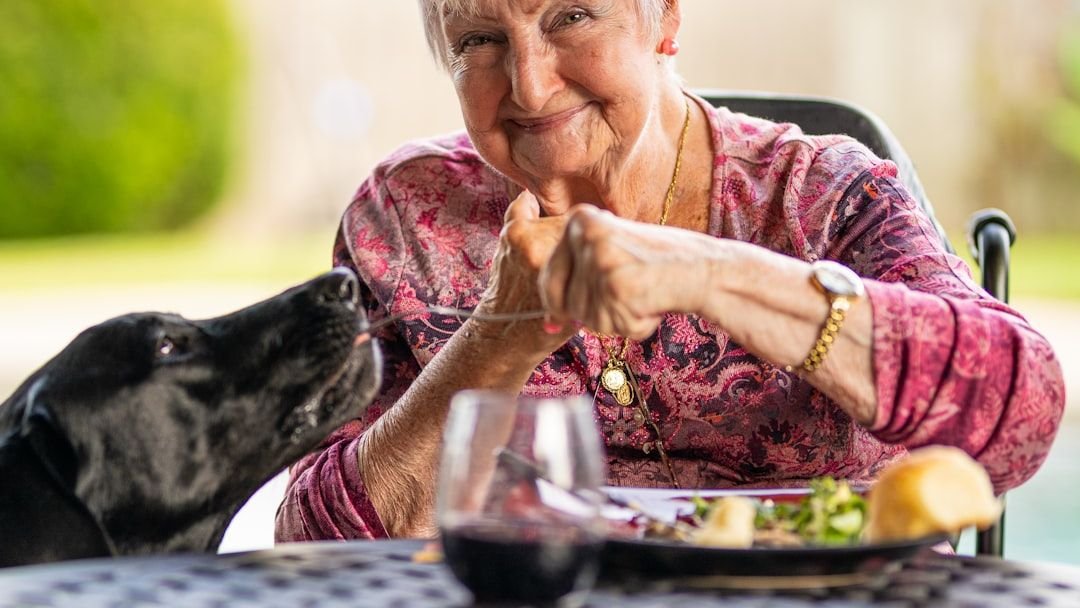
There’s a particular kind of grief that comes not all at once, but in pieces. You notice it on a Tuesday morning when your dog doesn’t bound to the door the way she used to. Or on a walk when he stops halfway up a hill he used to charge up without a second thought. It’s the quiet grief of watching a beloved dog grow old.
Senior dogs don’t announce their decline. They adjust. They compensate. They keep wagging their tails even when their joints ache or their eyesight blurs. That loyalty, that stubborn sweetness, is what makes the whole thing so hard to watch. The changes come slowly, sneaking up on you both, and before you know it, you’re googling symptoms at midnight and feeling a complicated mix of love, worry, and helplessness.
The good news is that knowing what to expect can make all the difference. Most of these changes are manageable. Some are treatable. All of them deserve your attention, not because the end is near, but because there’s still so much you can do to make your dog’s golden years genuinely good.
1. They Start Slowing Down on Walks They Used to Love
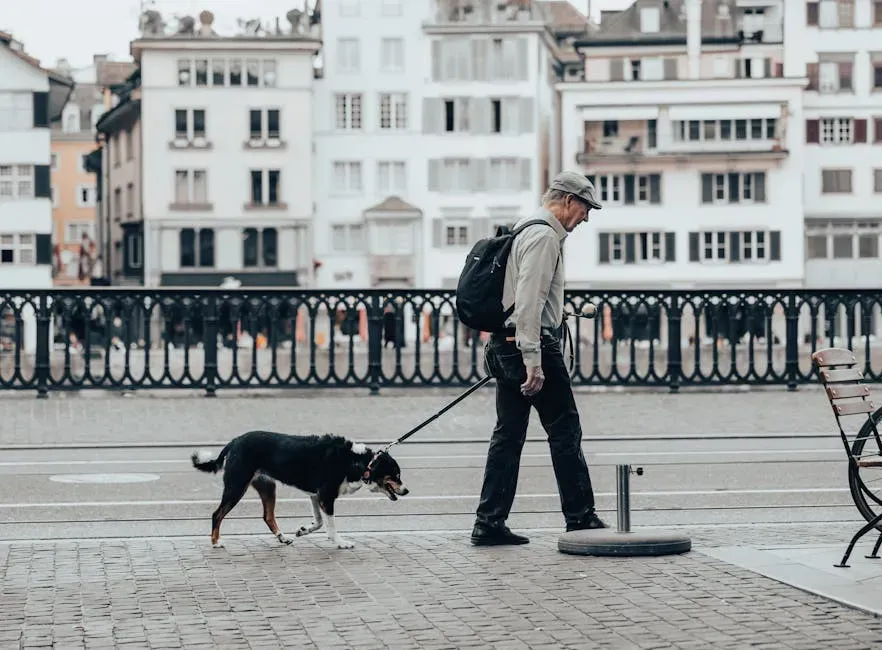
One of the first things owners notice is that the dog who used to drag them down the street now lags behind, pauses more often, or just stops and stares. As dogs age, you might notice they seem stiff when getting up from a nap or hesitate before jumping onto the couch to sit beside you. That morning walk that was once a joyful sprint becomes a gentle, shorter stroll.
As dogs age, their joints can become stiff or painful because the cartilage that cushions the ends of bones wears down. This causes the bones to rub against each other, causing pain, inflammation, and reduced mobility. Reduced joint lubrication, muscle loss, and weakness all contribute to joint wear and reduced joint support, further straining and stiffening the joint. It’s not laziness. It’s real, physical discomfort.
The best thing you can do is adapt rather than push. Walks for senior dogs often work better as two shorter outings rather than one long one. The shorter distance is gentler on joints, and two outings provide two natural energy peaks and troughs in the day. Talk to your vet about pain management options, as there are several effective treatments available today that can meaningfully improve your dog’s comfort and mobility.
2. They Sleep Far More Than They Ever Did
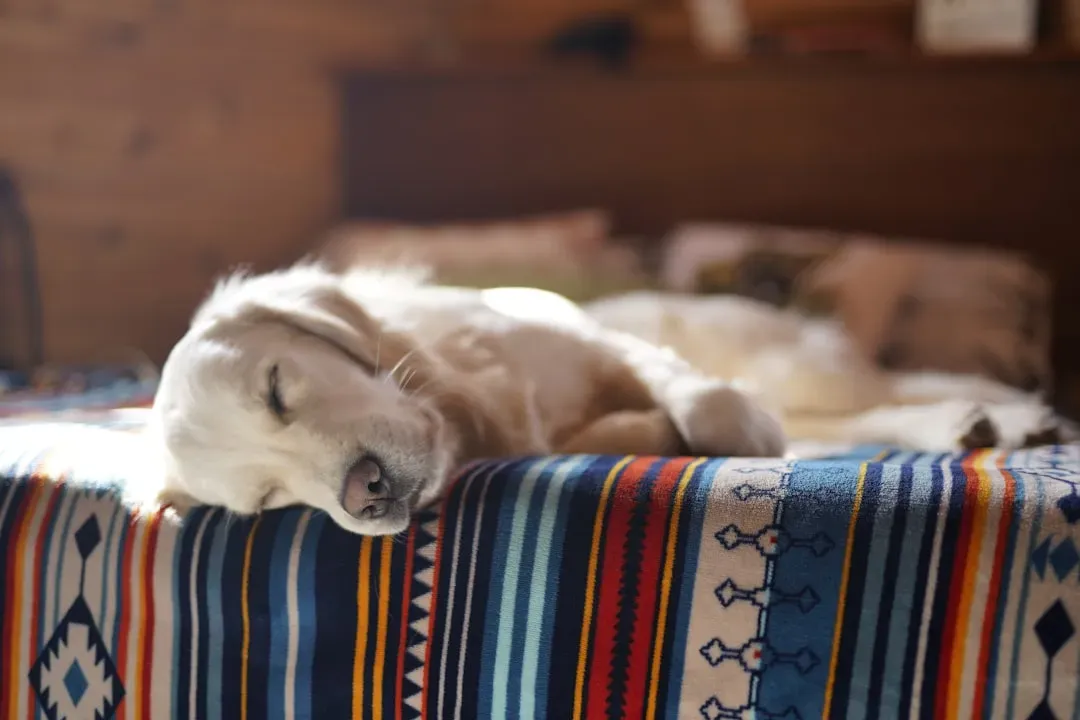
It starts innocuously. Your dog naps a little more, sleeps a little longer. Then one day you realize they’ve been asleep for most of the afternoon, and the day before that, and the day before that. Senior dogs tend to sleep and nap a lot, getting 16 to 18 hours of sleep daily. For context, that leaves very little waking time in a 24-hour day.
In the same way humans tend to slow down as they grow older, a dog’s energy level decreases as they get older, leading to longer periods of sleep. They simply get exhausted more easily and require more rest. This is largely normal. Still, it’s worth monitoring closely because too much sleep can sometimes signal an underlying condition like hypothyroidism or heart disease.
If your senior dog sleeps more than 18 hours a day or experiences a sudden change in their sleep pattern, schedule a checkup with your veterinarian. Don’t just shrug it off as old age. A simple blood panel can rule out treatable conditions and give you peace of mind, or an early diagnosis that opens up more options.
3. They Get Confused in Familiar Places
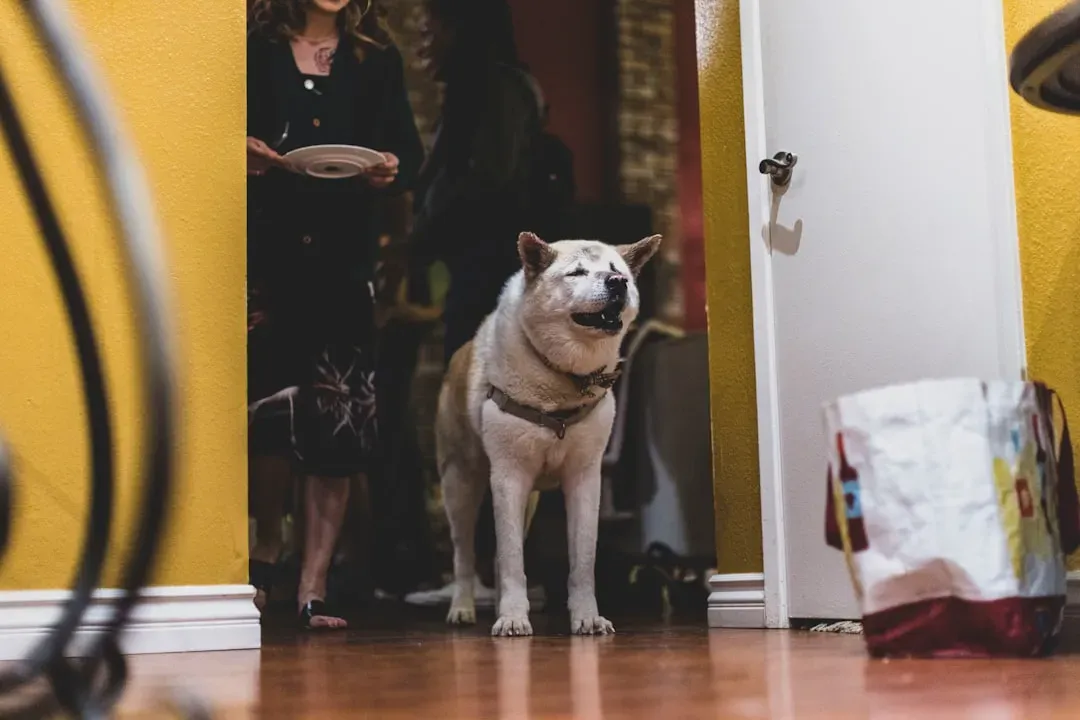
You’ve lived in the same house for years. Your dog knows every room, every corner, every squeaky floorboard. Then one evening you find them standing in the hallway, looking lost. They seem unsure of where they are or where they’re going. Dogs with Canine Cognitive Dysfunction may pace, forget familiar routes, or become confused or scared in their own home.
Dog dementia, or Canine Cognitive Dysfunction (CCD), is a progressive brain condition that affects senior dogs. Much like Alzheimer’s disease in humans, it causes physical and chemical changes in the brain that impact memory, awareness, and learning. The scale of this problem is larger than most owners realize. Research shows that over 60 percent of dogs older than 11 years show at least one sign of cognitive decline.
Early recognition genuinely matters. Early intervention with diet, enrichment, and medications can help slow the progression of CDS and improve quality of life. Dogs with cognitive dysfunction often get lost in their own homes and can panic when stuck in tight corners or under furniture. Make sure your dog’s environment is safe by removing hazards that might cause accidents due to disorientation. Baby gates, nightlights, and consistent furniture placement are all simple, practical steps that help.
4. Their Eyes Begin to Cloud Over
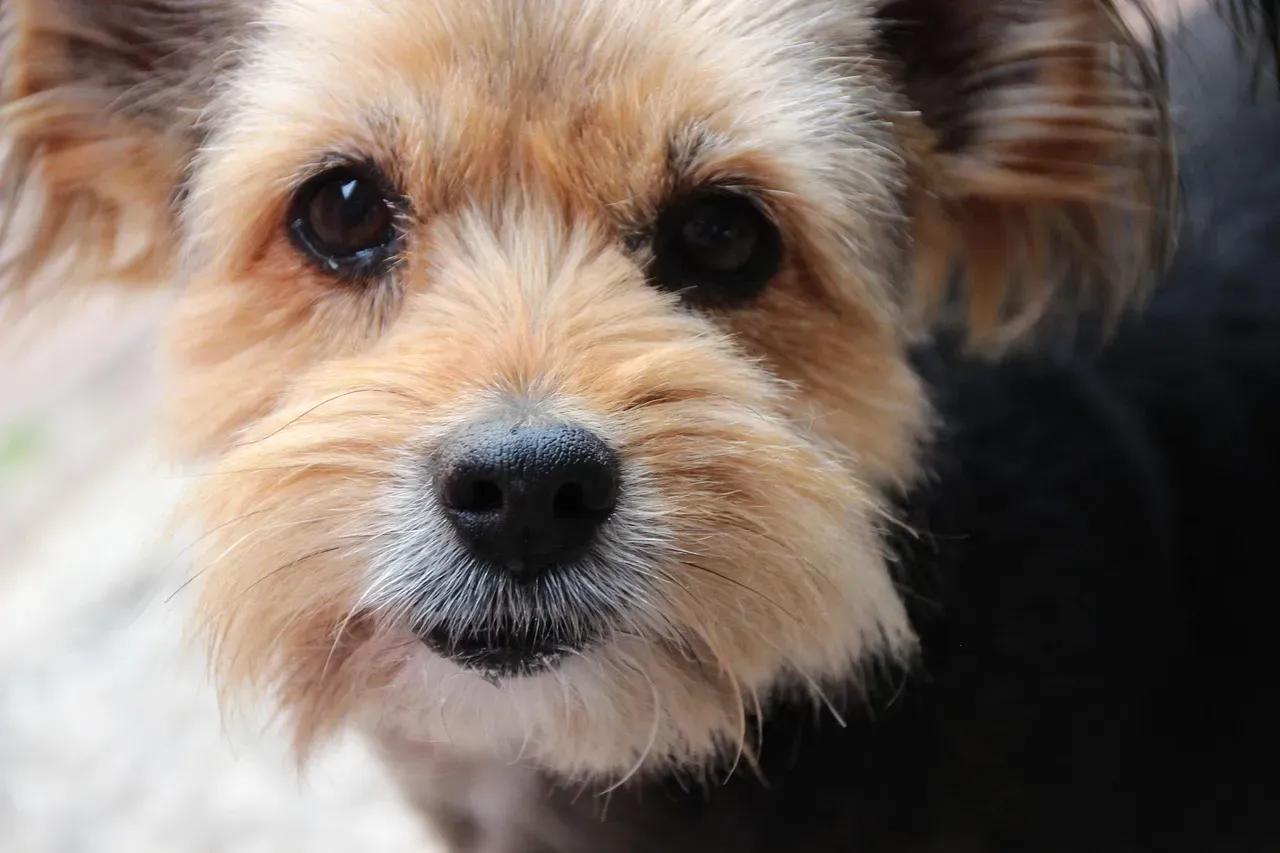
There’s something quietly devastating about looking into your dog’s eyes and seeing the cloudiness that wasn’t there before. Cloudy-looking eyes are a common aging change. Many dogs experience a normal aging change called nuclear sclerosis. It’s important to rule out cataracts or other eye diseases. The two conditions look similar to an untrained eye but have very different implications.
As dogs age, so does their vision. Normal aging of the lens, which is called lenticular sclerosis, can result in decreased vision. Sudden blindness can be caused by cataracts or other more serious issues and warrants a trip to your veterinarian. Dogs adapt surprisingly well to gradual vision loss, relying more heavily on scent and hearing to navigate. The real trouble comes when vision declines quickly.
Your response matters a lot here. It’s important to support a senior dog experiencing vision loss by keeping surroundings consistent, such as avoiding rearranging furniture and keeping food bowls in the same place. If possible, use touch cues to replace verbal commands, and use night lights and avoid clutter on the floors to keep pathways safe. A stable environment dramatically reduces their anxiety and keeps them safe.
5. They Stop Hearing You Call Their Name
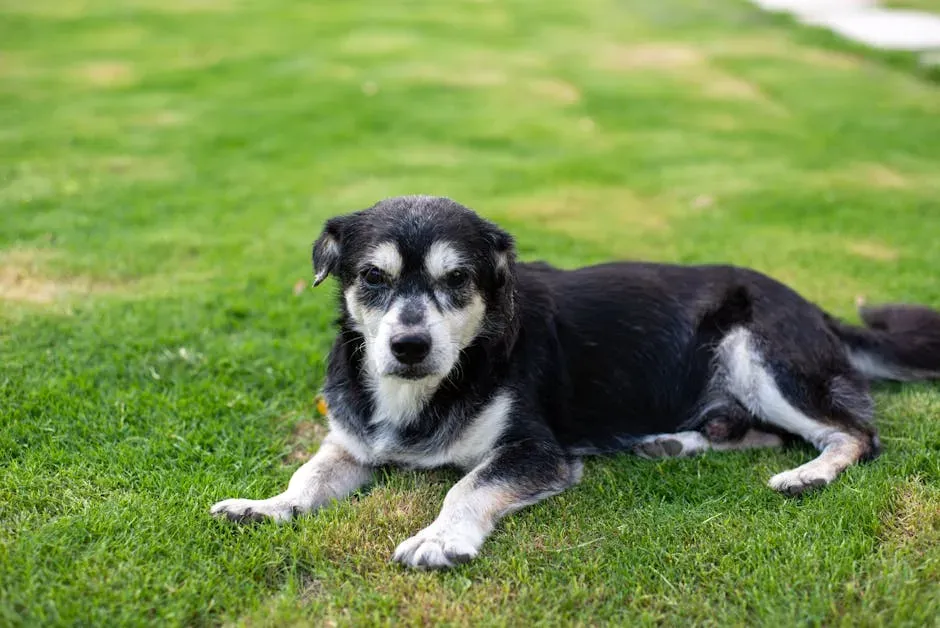
You call your dog’s name from across the yard. Nothing. You try again, louder. Still nothing. It’s easy to feel ignored, but the reality is far more poignant. Some degree of hearing and vision loss is normal in senior dogs, but this deterioration in senses can have a marked impact on your pup. Hearing loss in aging dogs tends to develop gradually, making it easy to mistake for selective attention.
If you suspect hearing loss, you can test this at home by rustling your dog’s favorite treats at varying distances, as some dogs may develop apparent non-responsiveness due to other conditions such as cognitive decline. A proper evaluation by your vet can distinguish between true hearing loss and other issues. Noise sensitivity from hearing loss can also make some dogs more anxious and vocal. A dog who suddenly startles more easily or seems jumpy may be struggling to hear the world around them clearly.
Transitioning to hand signals is one of the most practical things you can do. A Certified Professional Dog Trainer can help you change verbal cues to hand signals if your dog has lost their hearing and help you adjust your training for any physical impairments your dog may have developed. Dogs are remarkably adaptable, and with a little patience, you can maintain clear communication even without words.
6. They Have Accidents Inside Despite Being House-Trained for Years
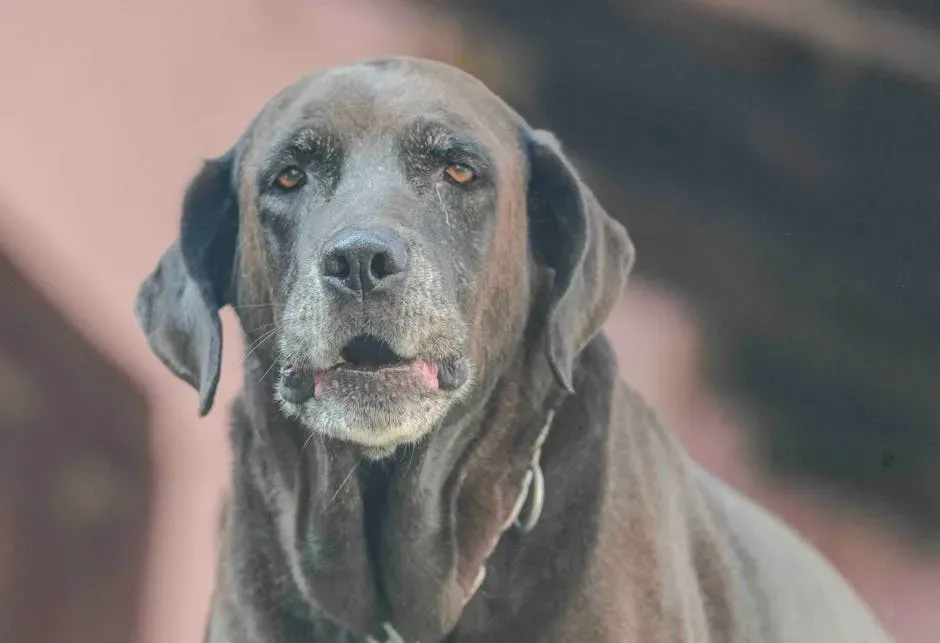
Few things tug at an owner’s heart quite like finding their perfectly house-trained dog standing in a puddle with a look of shame on their face. Incontinence is not your dog’s fault, so don’t even think about punishing your pup for these accidents. They’re not being difficult. Something physical is happening that they genuinely cannot control.
House soiling could be due to difficulty finding the door or trouble remembering their potty training from cognitive dysfunction, trouble with physically getting up or walking outside due to arthritis, age-related incontinence especially in females, or a health problem such as a UTI or kidney disease. The causes are varied, which is exactly why a vet visit is essential before assuming it’s simply age at work.
If arthritis or mobility issues are contributing to accidents, add dog ramps or stairs and nonslip rugs to make it easier and less painful for your dog to get up and move around when nature calls. More frequent potty breaks, pee pads in accessible locations, and calm, patient reactions from you go a long way. Remember, your senior dog is not trying to make a mess; they simply can’t help it. They’re already feeling anxious, so avoid punishing them and instead clean the mess up calmly and quietly.
7. They Become Clingy or Suddenly Withdrawn
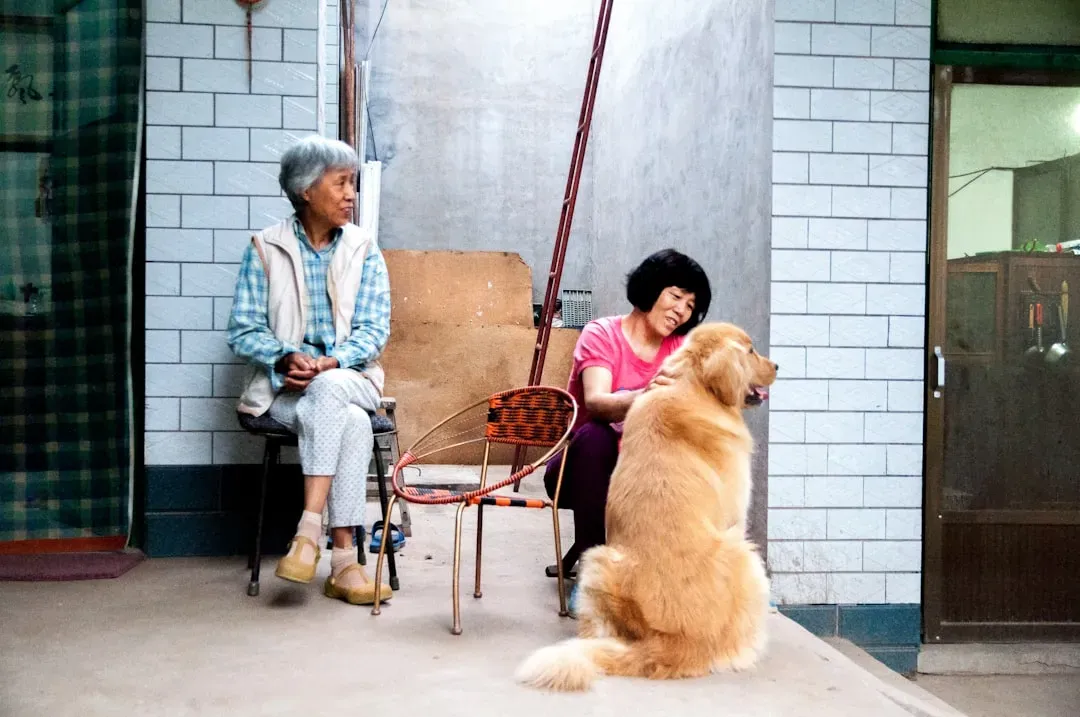
Personality changes in senior dogs are among the most disorienting experiences for an owner. A once-independent dog who slept alone in another room suddenly won’t leave your side. Or conversely, a social dog who always greeted you at the door starts retreating to a corner. Common changes include sudden clinginess or avoidance, not recognizing familiar people, and shifts in social interaction patterns.
Changes in social interactions with household people and pets can manifest as becoming more clingy, becoming reclusive, or showing irritability when approached. Both extremes, the velcro dog and the withdrawn one, are worth taking seriously. Senior dog behavior changes are often caused by aging-related physical, metabolic, cognitive, or sensory decline, not simply old age. Pain, arthritis, and chronic medical conditions commonly drive behavior changes and may be subtle or hidden.
If the withdrawal seems sudden and paired with other symptoms, see your vet without delay. If it’s clinginess, offer comfort but also maintain gentle structure. There are many ways to keep your older dog’s life interesting and stimulating that don’t require vigorous physical effort. Just as with humans, dogs need to use their brains and bodies to maintain their mental and physical fitness. Connection, gentle activity, and consistency are all therapeutic for a senior dog navigating these changes.
8. They Pace and Whine at Night
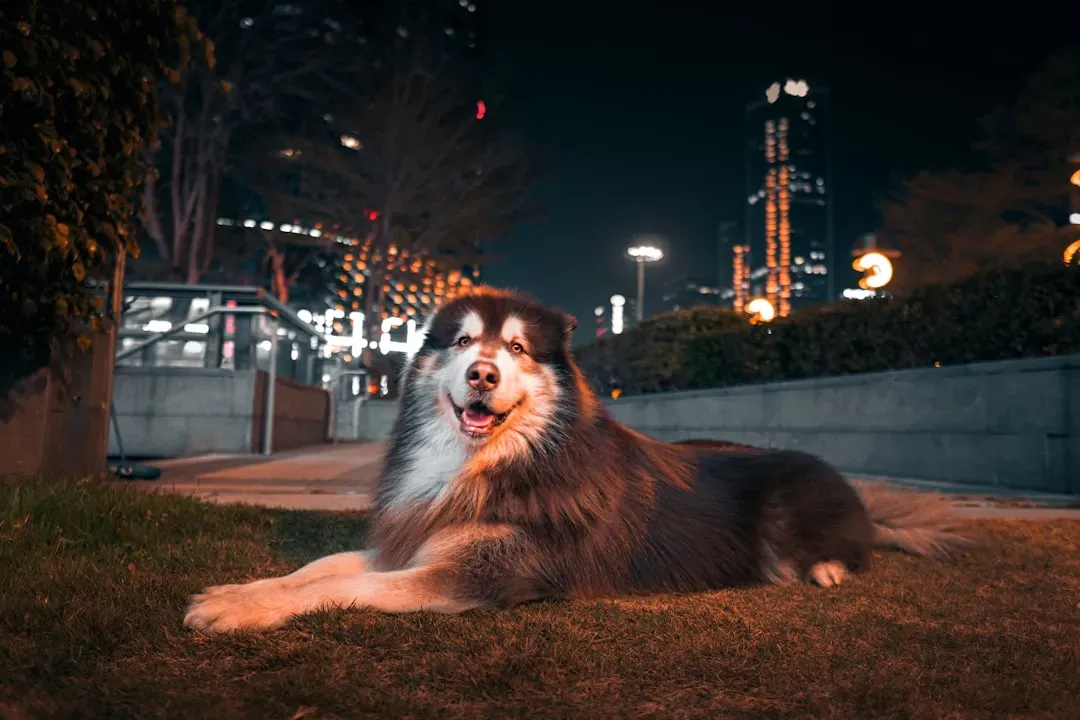
You wake at 2 a.m. to the sound of your dog shuffling restlessly across the hardwood floor. A dog with Canine Cognitive Dysfunction often sleeps heavily through the day and then becomes restless, confused, or agitated at night. Owners describe coming downstairs in the early hours to find their dog pacing or standing in the middle of the room, staring at nothing. It’s exhausting for both of you, and heartbreaking in equal measure.
Often symptoms are first noticed as confusion, agitation, restlessness, and vocalization during the evening hours, known as Sundowners Syndrome. However, cognitive decline can also be caused by other medical conditions, which must be ruled out first. Increased whining, crying, or barking could be a sign of cognitive dysfunction, loss of hearing, pain, or anxiety. Each of these has different solutions, which is why identifying the root cause with your vet is step one.
Dogs with cognitive dysfunction often pant, pace, and sometimes vocalize at night then be exhausted and sleep all day, thought to be similar to sundowning in humans where the circadian rhythms become dysregulated. It can lead to a vicious cycle. Helping pets have a good night’s sleep can help them have more energy during the day and improve their quality of life. Your vet can discuss medication options and management strategies that address this specific pattern.
9. They Lose Interest in Food
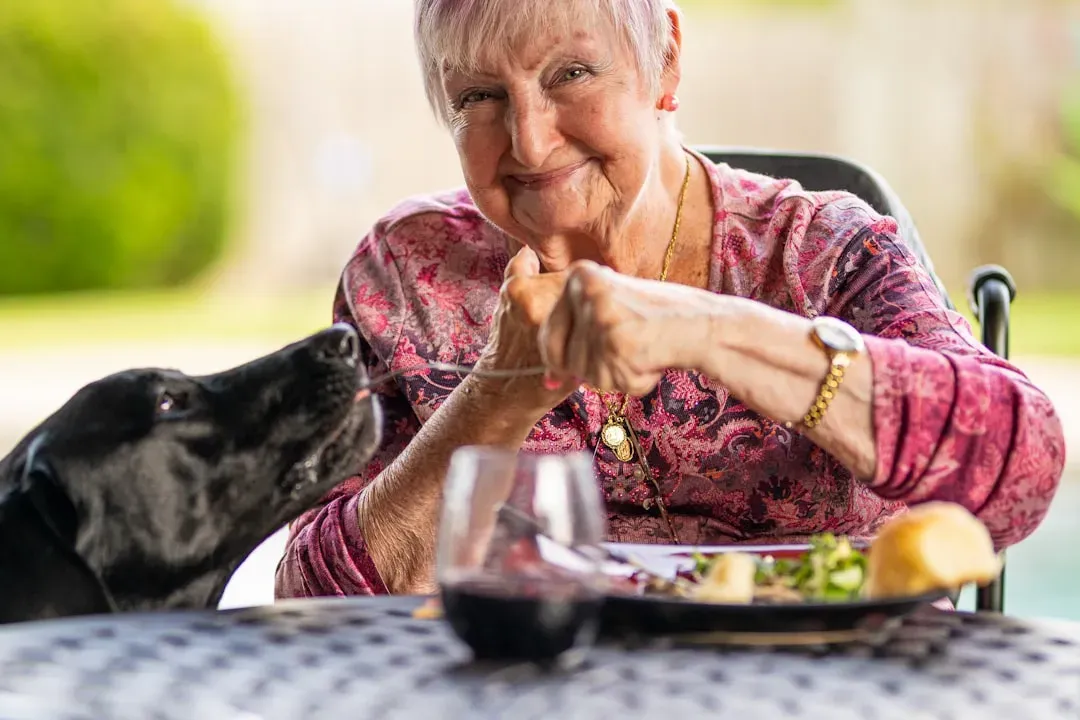
The dog who once practically bowled you over at dinnertime now sniffs their bowl and walks away. Appetite changes in senior dogs are common, but they shouldn’t be casually dismissed. As dogs age, their metabolism slows down and their energy requirements decrease, which can lead to a natural decrease in appetite. Additionally, older dogs may experience a decrease in their sense of smell and taste, which can affect their desire to eat.
Weight loss can also occur in senior dogs, but this is usually linked to a medical issue, so it’s important to contact your veterinarian if you notice weight loss or changes in your dog’s appetite. Weight changes can signal medical issues such as hypothyroidism, kidney disease, diabetes, or dental pain, so a checkup is recommended before altering your dog’s diet. The specific cause shapes the solution entirely.
One way to enhance your dog’s mealtime experience is by adding warm water or low-sodium chicken broth to their food. Not only does this enhance the aroma and taste, but it also adds moisture that can be beneficial for older dogs who may have difficulty chewing or swallowing dry food. If the appetite loss is accompanied by vomiting, rapid weight loss, or extreme lethargy, contact your vet immediately rather than waiting.
10. They Develop Separation Anxiety They Never Had Before
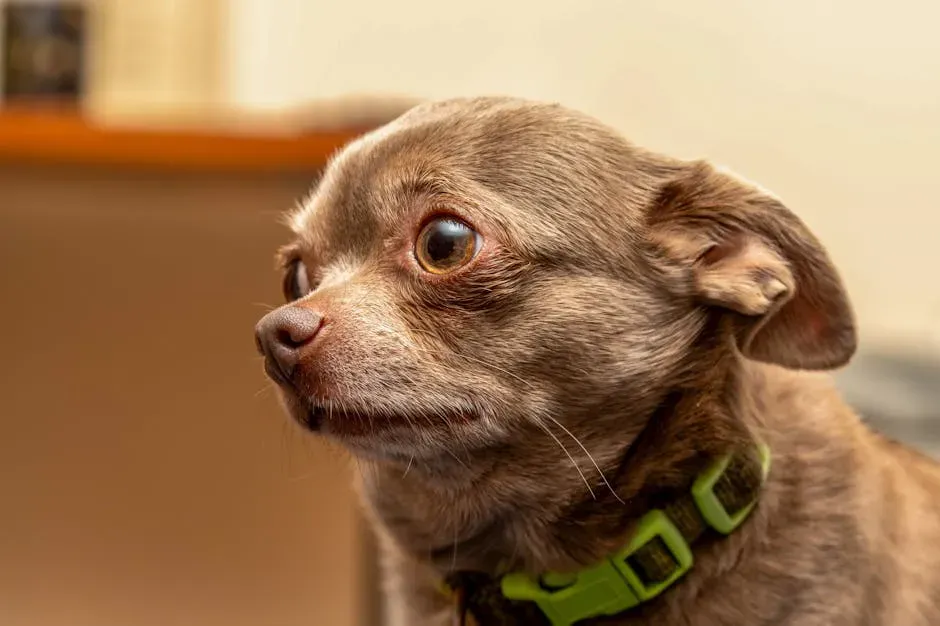
This one surprises a lot of owners. A dog who spent years contentedly napping alone while you went to work suddenly starts panicking the moment you reach for your keys. Increased anxiety is common in senior dogs, often secondary to mental or physical changes that leave them feeling like less than their best selves. Some older dogs even develop separation anxiety at night, when you’re asleep and not responsive to them.
Separation anxiety is one of the most common behavioral problems in older dogs. A canine with separation anxiety will become very anxious when they sense their owner is about to leave, often shaking, panting, pacing, or excessively licking. When left alone, they may bark, become destructive, or urinate and defecate indoors. Understanding the trigger is important because treatment approaches differ depending on whether pain, cognitive decline, or anxiety is driving the behavior.
Practical adjustments can genuinely help. Anything you can do to make your dog feel less alone is beneficial, such as playing the radio or leaving the TV on. You can also leave a light on for them if you’re going to be gone at night, so they aren’t left alone in the dark. Anxiety may also be managed with trazodone or fluoxetine, and calming pheromones or supplements can provide additional support. Consult your vet to find the right combination for your dog.
11. They Become Irritable or Snap Unexpectedly
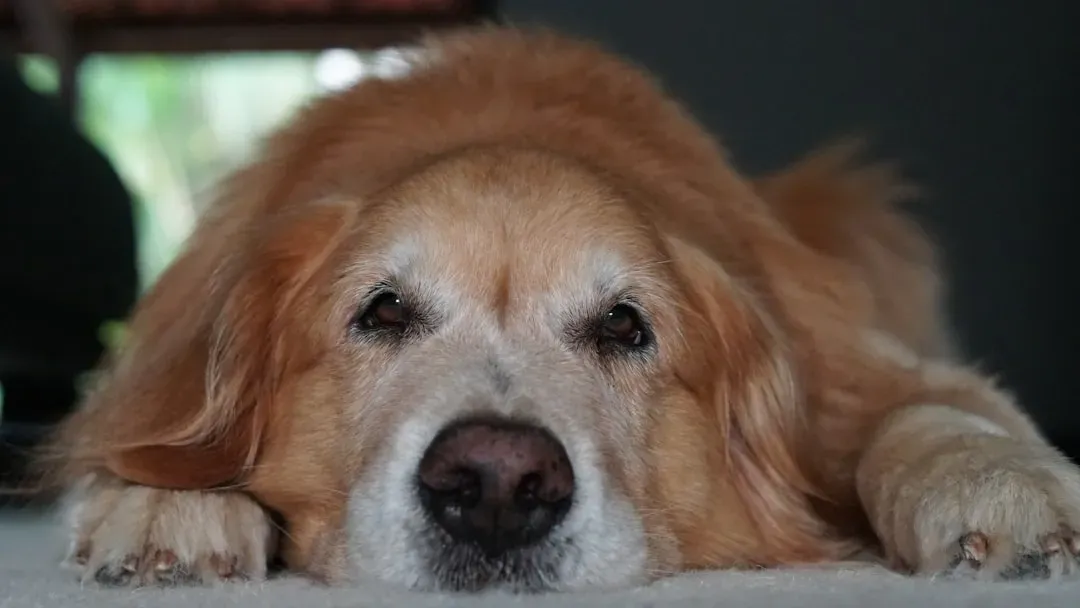
A gentle, patient dog who has never growled at a family member suddenly snaps when touched. It doesn’t mean they’ve changed. It almost certainly means they’re in pain. Dogs may become more irritable or reluctant to engage in their old favorite activities if they’re struggling with pain or discomfort due to arthritis or another condition. Pain changes behavior in ways that can look like attitude problems but are really cries for help.
A multitude of factors can contribute to an increase in a dog’s aggressive behavior. Medical conditions that affect your dog’s appetite, mobility, cognition, senses, or hormones can lead to increased aggression, as can conditions that cause pain or irritability. Pain may not be obvious in senior dogs because many hide discomfort well. A dog with arthritis may not yelp or limp, but subtle signs such as reduced willingness to climb stairs or jump into the car suggest discomfort.
The response here matters. Never punish a senior dog for reactive behavior. Instead, give them space when they signal discomfort, and schedule a vet visit to explore pain management. From prescription NSAIDs like carprofen and meloxicam to specialized supplements containing glucosamine and chondroitin, proper treatment can significantly improve your dog’s mobility and comfort. A dog in less pain is a calmer, happier dog.
12. They Stop Doing the Little Things That Defined Them
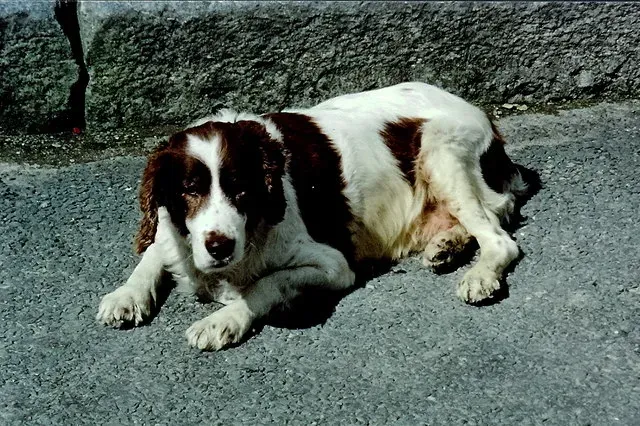
This is perhaps the most quietly heartbreaking of all. The dog who always greeted guests at the door stops coming. The dog who slept at the foot of your bed stops making the jump. The dog who brought you a toy every time you came home sets the toy down and looks at you with tired eyes. As cognitive decline progresses, dogs often lose interest in playing or engaging with their owners.
Senior dogs often spend more time snoozing, which is normal as their energy levels decrease with age. If your pup seems unusually lethargic or uninterested in activities they once enjoyed, it could signal underlying health problems such as heart disease or hypothyroidism. Not every change signals the end, though. Many of these shifts can be slowed, managed, or meaningfully improved with the right care.
Environmental enrichment is very helpful for maintaining brain health, based on the concept of use it or lose it. Continuing to provide your pet with physical exercise, play sessions, new toys, and even new training can all help enrich the lives and brains of older pets. Adapt the activities to what your dog can still do. Short sniff walks, gentle interactive games, quiet companionship. These things still matter deeply, to both of you.
What You Can Do: A Final Word
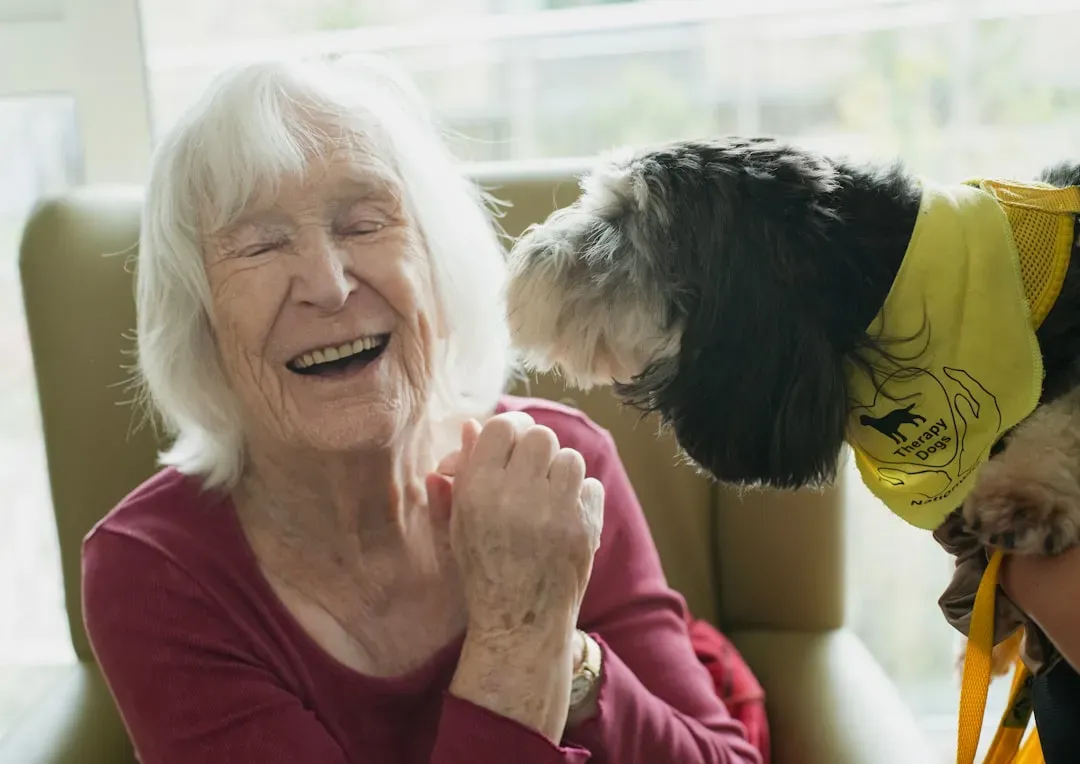
Watching your dog age is hard. There’s no clean way around that truth. Aging is a slow and gradual process, and changes can be subtle, so it’s important to keep a close eye on your dog’s health and behavior and discuss any changes you notice with your veterinarian. The owners who catch things early, who notice the slight hesitation before the stairs or the first confused midnight wander, are the ones who have the most options.
Early intervention can make a big difference in your dog’s quality of life. Aim for twice-yearly vet visits to catch issues early and keep your dog as comfortable as possible. Medical care, environmental adjustments, and consistent routines can greatly improve a senior dog’s comfort and quality of life. This is not passive watching. It’s active, informed, loving care.
Your senior dog doesn’t need you to fix everything. They need you to see them, to show up, and to make the days they have as rich and comfortable as possible. The gray muzzle and the slower pace don’t erase the years of loyalty and love that came before. They’re part of it. They’re the whole story. And that story is still worth telling, one gentle day at a time.


