
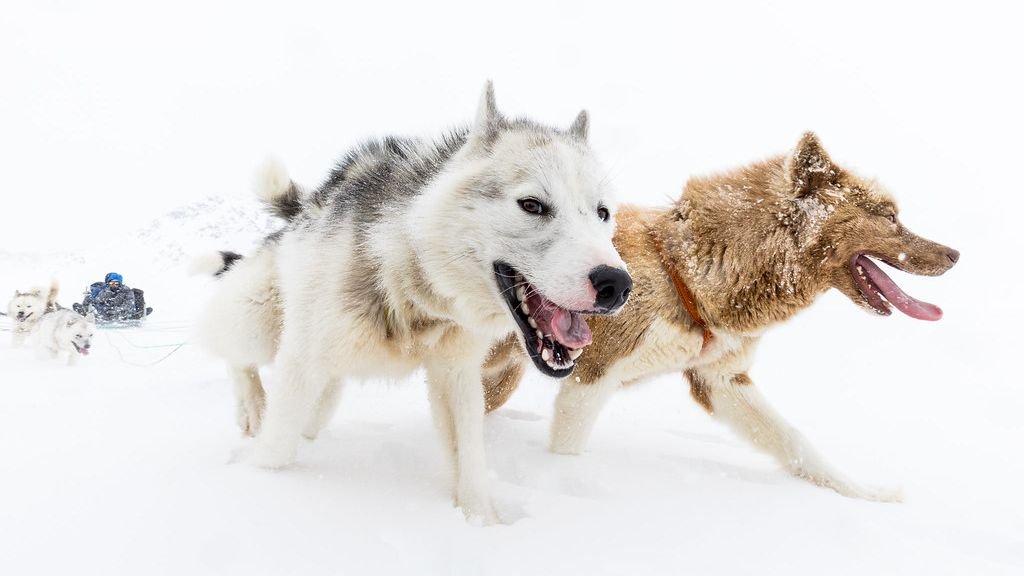
Wisconsin winters are no joke. When January rolls around and temperatures in Green Bay or Madison plunge well below freezing, the stakes for your dog’s health change completely. It’s not just about comfort. It’s about survival. Most dog owners know to layer up before stepping outside, but a surprising number don’t realize that the dog trotting beside them might be fighting a losing battle against the cold from the moment they hit the sidewalk.
Some breeds simply aren’t equipped for cold weather because they have low body fat, a short coat, or experience breathing problems when the temperature is too low. Wisconsin’s winters routinely push temperatures to dangerous extremes, making it one of the most challenging environments for cold-sensitive dogs in the country. Dogs can start feeling uncomfortable at 45°F and below, and by 20°F, dogs can develop frostbite and hypothermia – thresholds Wisconsin crosses regularly for months at a time.
Whether you’re a lifelong Wisconsin resident or newly arrived, this guide is for you. Here are 12 breeds that genuinely struggle in the cold, the warning signs to watch for, and 5 breeds that were practically built for Wisconsin winters.
1. Chihuahua: Big Attitude, No Cold Defense
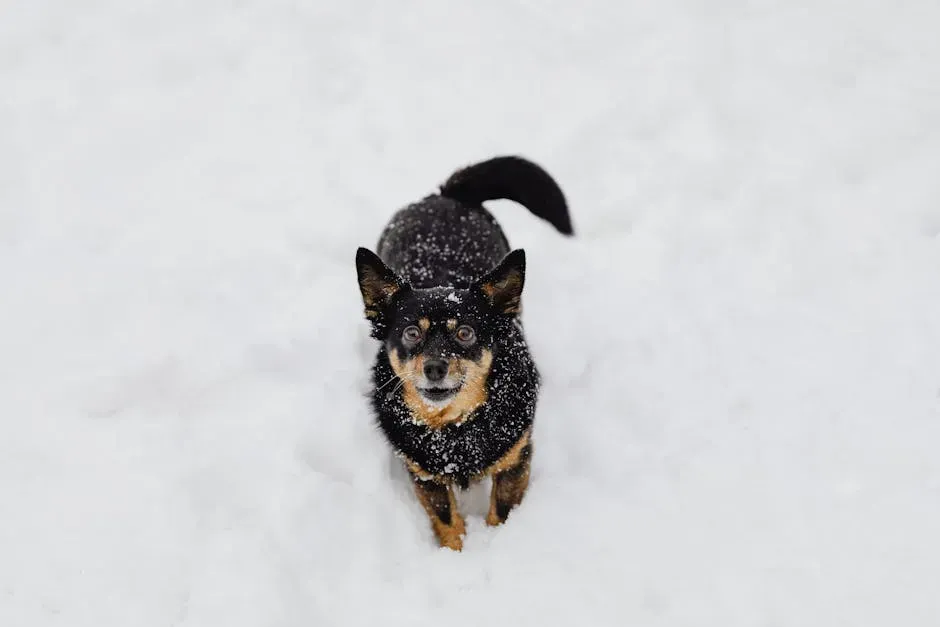
The Chihuahua may be feisty and full of heart, but nature did not build this breed for arctic conditions. Chihuahuas can lose body heat rapidly when the temperature plummets, so it’s important to minimize cold weather exposure. Their combination of tiny frame, minimal muscle mass, and very little insulating fat means they feel the chill almost immediately after stepping outside.
Besides the fact that their fur is incredibly thin, they’re also known to be one of the smallest dog breeds, and such a tiny frame cannot support bone-chilling temperatures. If you live in Wisconsin with a Chihuahua, invest in a quality insulated coat and keep outdoor time brief during winter months. Fortunately, the small size of this breed makes it easy for them to exercise indoors, and dog puzzle toys and other interactive indoor games will keep your Chihuahua enriched during the winter months.
2. French Bulldog: Flat Face, Double Trouble in the Cold
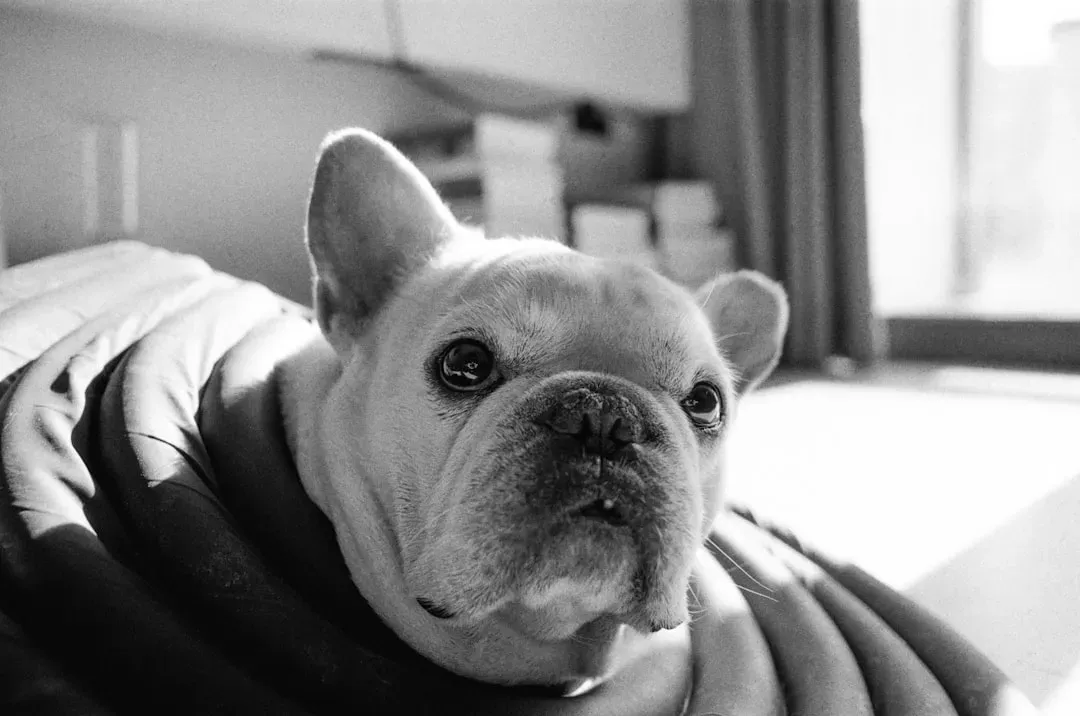
French Bulldogs face a unique double challenge in cold weather. Breeds like the French Bulldog not only have short coats but also possess a brachycephalic structure, which can make breathing more difficult in cold weather. Cold, dry Wisconsin air hits their already-compromised airways hard, often causing labored breathing and visible distress during even a short outdoor walk.
Frenchies don’t do well with hot weather because of their short muzzle, which makes it harder for them to regulate their body temperature. This flat-faced dog breed can’t tolerate cold weather very well, either, because French Bulldogs have a short, thin coat that doesn’t provide much insulation when the temperature drops. Watch for your Frenchie pawing at their nose, coughing, or refusing to continue walking. Those are clear signals to head indoors. A dog sweater or jacket can provide some protection, but it’s best to avoid prolonged outdoor activities with a Frenchie in extreme weather.
3. Greyhound: Built for Speed, Not Snow
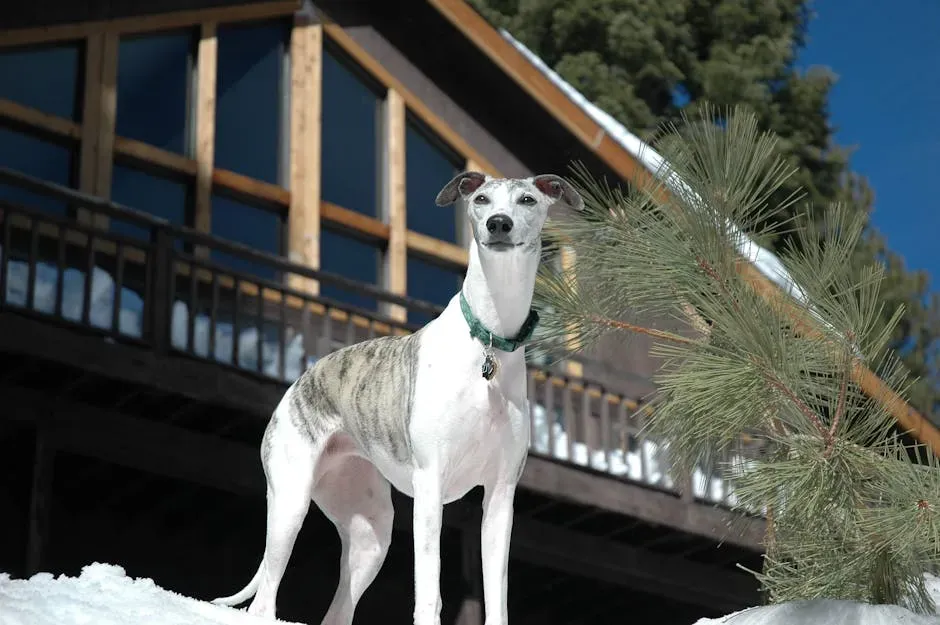
Greyhounds look like they were sculpted by wind. That same physique is precisely what makes them so vulnerable in the cold. Capable of blazing fast speeds, the Greyhound has a lean physique with very little body fat and a very thin coat that allows for rapid heat dissipation, making them less suited for cold weather conditions. In Wisconsin, where wind chills can make temperatures feel even more extreme, a Greyhound out on an unprotected walk is genuinely at risk.
With an ultra-lean body and a very short coat, Greyhounds lose heat quickly when temperatures dip. Many Wisconsin Greyhound owners discover this the hard way during their first winter – their dog starts shivering almost instantly. Keep outdoor exposure brief when temperatures are below freezing, and don’t be surprised if your Greyhound needs a layer of clothing to stay warm. A well-fitted insulated jacket and dog boots are non-negotiable for this breed in the Midwest.
4. Italian Greyhound: The Most Cold-Sensitive of All
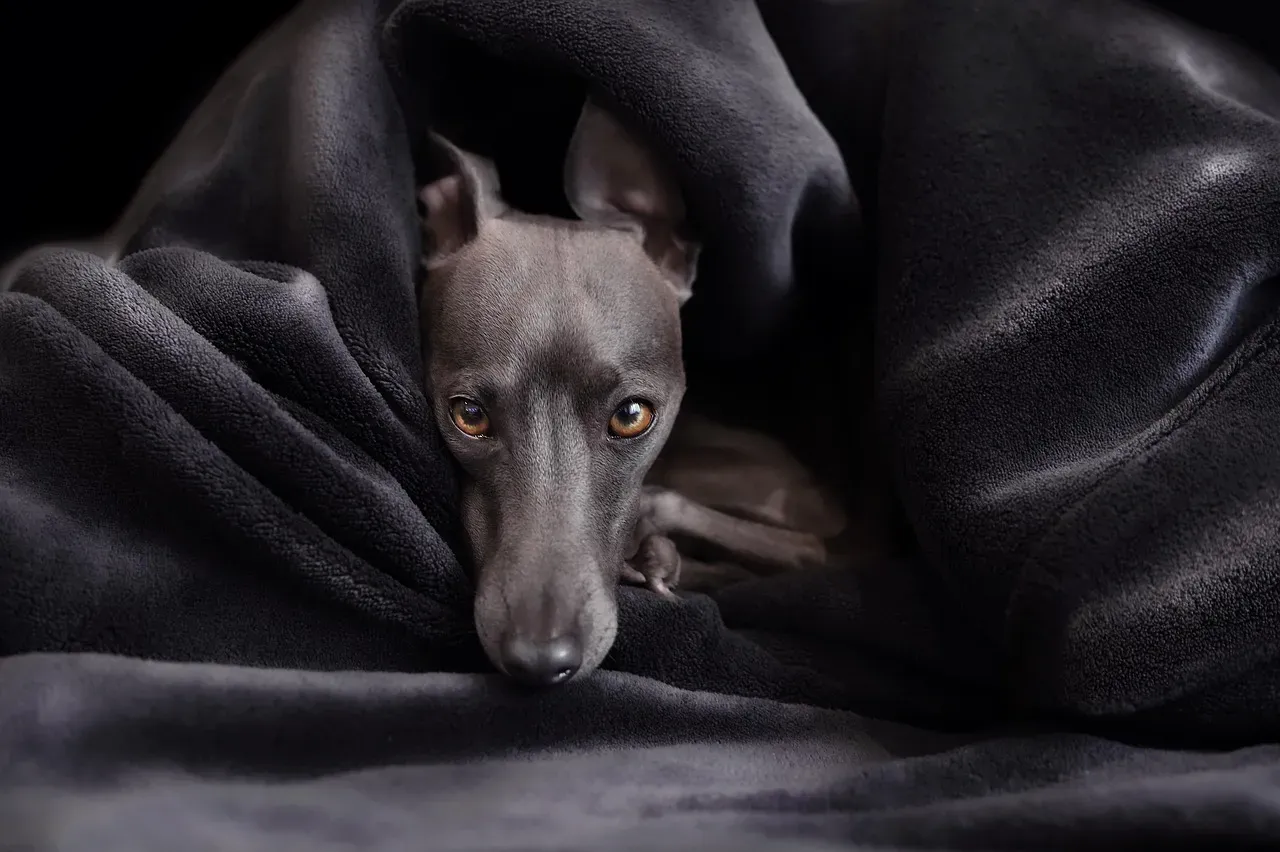
If the Greyhound struggles, the Italian Greyhound has it even harder. The Italian Greyhound looks like a petite version of the Greyhound, and the two breeds share many physical characteristics, including a slender body and a short, thin coat – and based on those factors, this toy breed doesn’t fare well in cold weather and must be protected from freezing temperatures outside and drafty conditions inside.
Dog breeds who can’t handle winter, such as the Italian Greyhound, are not only small but also lack the insulating fur that helps other breeds thrive in colder climates, and these dogs are especially prone to hypothermia, which can lead to serious health risks if not addressed promptly. An Italian Greyhound in Wisconsin needs full gear – jacket, booties, and strictly limited outdoor exposure in winter. Italian Greyhounds are known to be affectionate lap dogs, so don’t be surprised if they snuggle up to you even more when the weather turns chilly. That instinct to seek warmth is actually a healthy cue worth honoring.
5. Whippet: Sleek, Swift, and Shivering
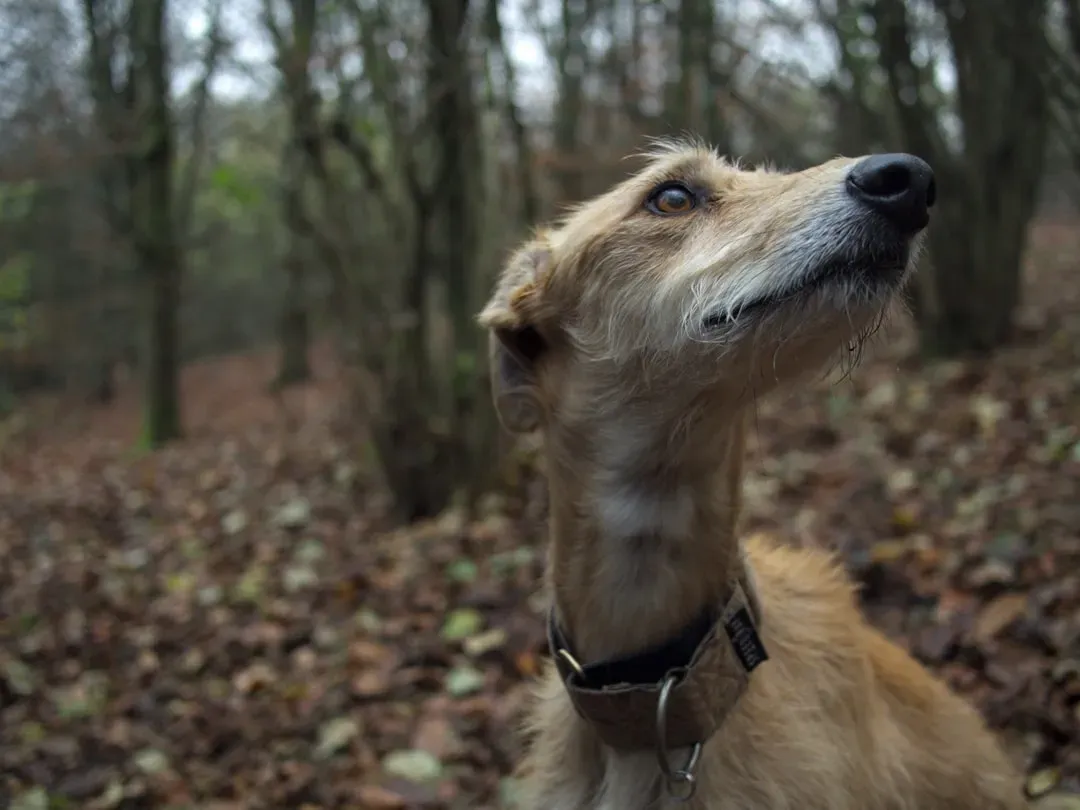
Whippets are elegant athletes, but their racing-ready bodies work against them in Wisconsin winters. The lanky Whippet is built for speed and is closely related to the Greyhound. The breed has a short coat, thin skin, and very little body fat, so there’s not much to insulate against cold weather. A Whippet standing still in a Wisconsin parking lot in January can begin shivering in a matter of minutes.
When the weather takes a turn, Whippets need protection from the elements, including warm clothing and perhaps even dog boots to protect their paw pads from ice. Whippet owners often have an impressive collection of dog sweaters for a reason – this breed genuinely relies on external warmth. Keep bathroom breaks short, avoid prolonged exposure, and make sure your Whippet has a warm, draft-free spot to rest indoors. Their comfort and health depend on it.
6. Dachshund: Short Legs, Big Snow Problem
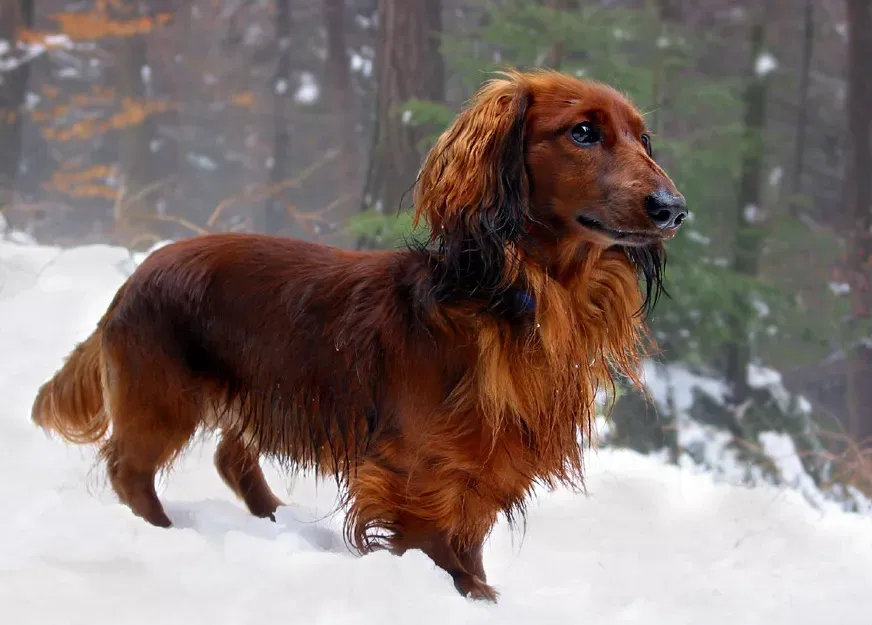
For a Dachshund in Wisconsin, even moderate snowfall becomes a physical obstacle. Dachshunds have notoriously short legs and by nature always stay close to the ground. Come wintertime, even “light” snowfall can prove to be overwhelming for the stout breed. The dachshund also has a thin coat that can hardly be called snow-proof, so this combination of exposure and lack of protection can be detrimental to their health.
Short-legged pets may become cold faster because their bellies and bodies are more likely to come into contact with snow-covered ground. Think about that image for a moment – a Dachshund’s belly essentially drags through the snow with every step. While Dachshunds are spirited and playful, their short legs and minimal body fat can make them vulnerable to cold weather, and their long bodies, combined with short fur, leave them at a greater risk for feeling chilly during winter months. A fitted sweater and very short outdoor sessions are the best approach on cold Wisconsin days.
7. Basset Hound: Those Ears Are a Real Winter Risk
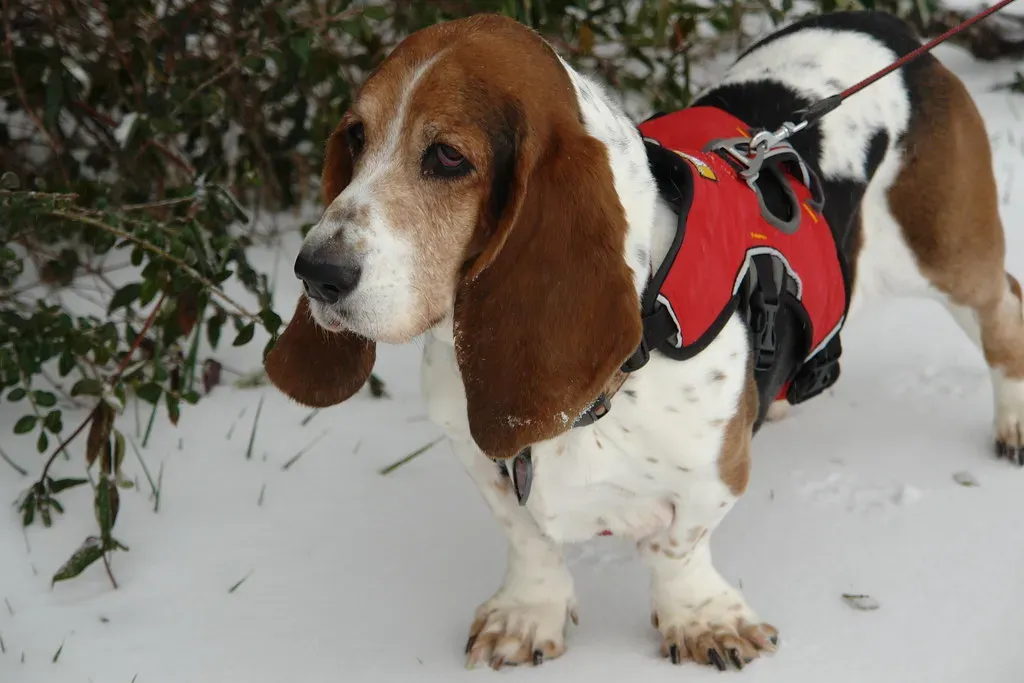
Basset Hounds are lovable, slow-paced companions, but their distinctive anatomy creates cold-weather vulnerabilities most owners overlook. The long ears of a Basset Hound can become quite an obstacle in frigid temperatures. Another short-legged breed, the Basset Hound has trouble dealing with cold, snowy weather, and what makes them uniquely exposed to the elements are their gigantic, fragile ears.
The ears of the Basset Hound could likely be treated as an extra set of appendages when it comes to susceptibility to frostbite, hanging so low that they may even touch the ground as the hound sniffs around the yard. In Wisconsin, this is a genuine concern rather than an exaggeration. Keep outdoor time limited, consider an ear-warming wrap for frigid days, and always check those ears when you come back inside. Frostbite on ear tips can develop faster than most owners expect.
8. Chinese Crested: Barely Any Coat to Speak Of
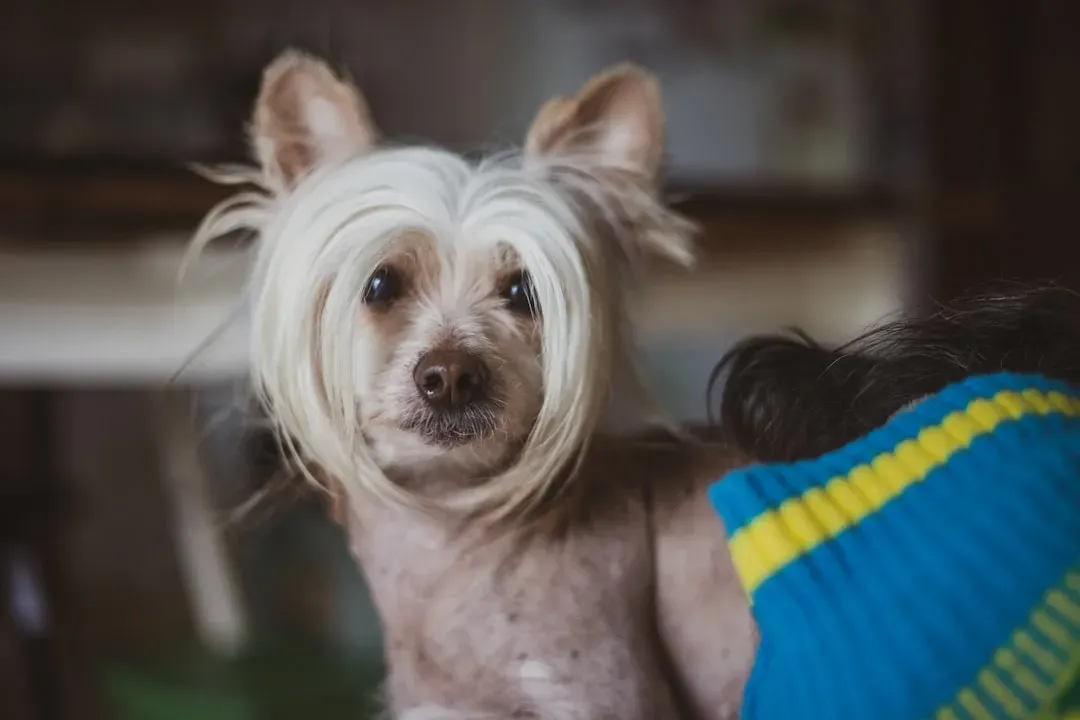
One look at the Chinese Crested explains everything. With just one look at the Chinese Crested dog, you’ll be able to understand what makes them a poorly built breed for winter weather. Their unique fur pattern, which generally only grows on their paws and on the top of their head, leaves the entirety of their torso and appendages naked to the elements. Wisconsin winter with a Chinese Crested is not a casual situation – it requires real planning and gear.
A hairless Chinese Crested has little defense against cold weather, with just tufts of hair on the head, feet, and tail. Think of it this way: whatever you’d feel stepping outside in a light t-shirt, your Chinese Crested feels every time they step out the door undressed. When it comes to keeping cold-sensitive breeds comfortable, investing in quality dog clothing is essential. Dog sweaters, coats, and even booties can provide much-needed insulation and protection from the elements – look for materials that are both warm and breathable.
9. Boxer: Brachycephalic and Cold-Sensitive
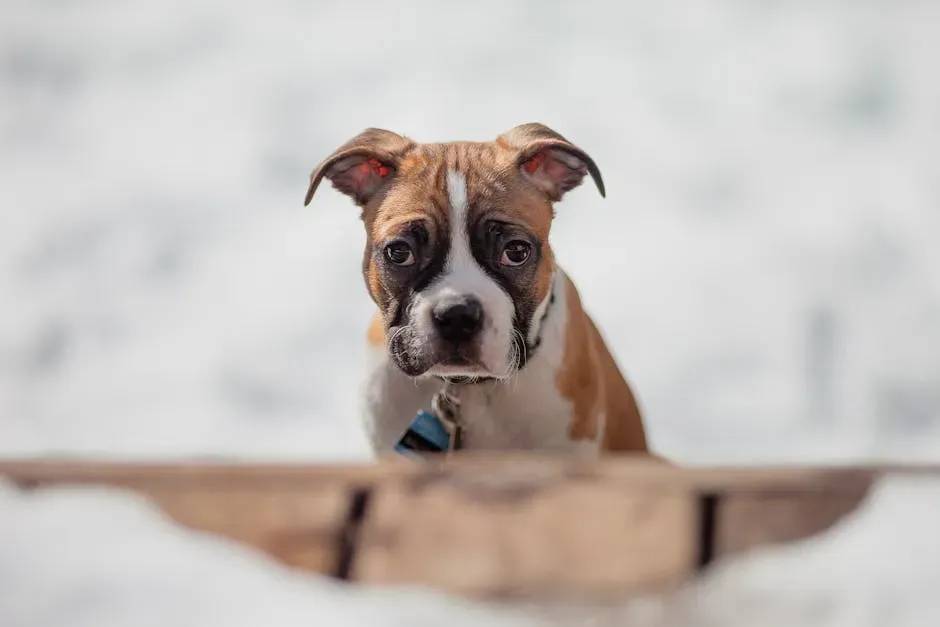
Boxers are powerful, muscular dogs, and that can lull owners into thinking they’re built tough enough for anything. Cold Wisconsin air tells a different story. Like other flat-faced breeds, Boxers struggle to manage their breathing when temperatures drop sharply. Dogs that experience breathing problems when the temperature is too low are particularly vulnerable in cold weather. That short, pushed-in muzzle restricts airflow in a way that becomes noticeably worse in freezing air.
Boxers also have a short, single-layer coat with no meaningful insulation against wind or snow. In Wisconsin, where windchill factors can make 20°F feel like -10°F, that single coat offers almost nothing. Watch for your Boxer holding up their paws, shivering, or becoming reluctant to walk – all signals from a dog who’s already too cold. Pet parents should always monitor their dog for signs of distress, especially in cold temperatures, and dog clothing, blankets, warm bedding, and booties can all help keep dogs warm in winter.
10. Pit Bull Terrier: Energy Doesn’t Equal Cold Tolerance
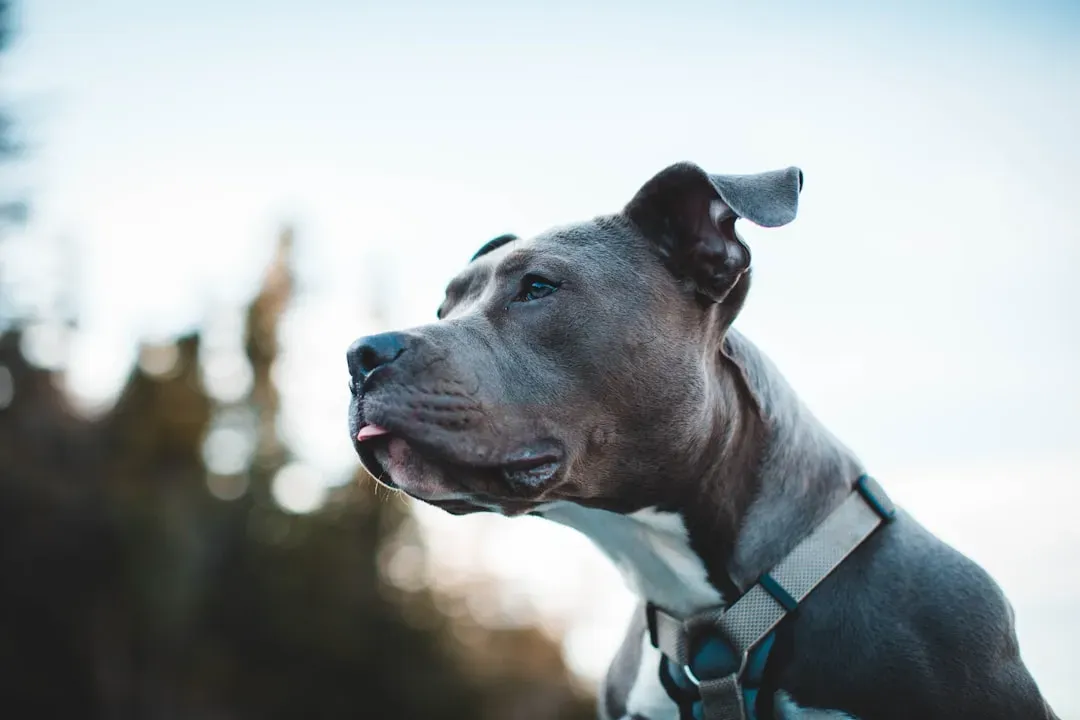
Pit Bulls are among the most energetic and enthusiastic dogs around, and their zeal for outdoor activity can mask how vulnerable they actually are to the cold. American Pit Bull Terriers are energetic dogs who love outdoor activities, but they’re far from snow dogs. These pups have a short, thin coat that offers little insulation, so they get cold easily. The danger is that a Pit Bull will often push through discomfort to keep playing, which means owners need to be the ones monitoring the clock.
Because a Pittie will still have plenty of energy regardless of the weather report, invest in a good-quality dog coat for daily walks. In Wisconsin’s deep winter months, even a 15-minute outdoor session without gear can push a Pit Bull toward dangerous cold exposure. When temperatures drop below freezing, most dogs shouldn’t spend more than 15 minutes outdoors. Watch for signs like shivering, whining, and disorientation, which signal your dog is at risk for frostbite or hypothermia.
11. Great Dane: Big Dog, Zero Insulation
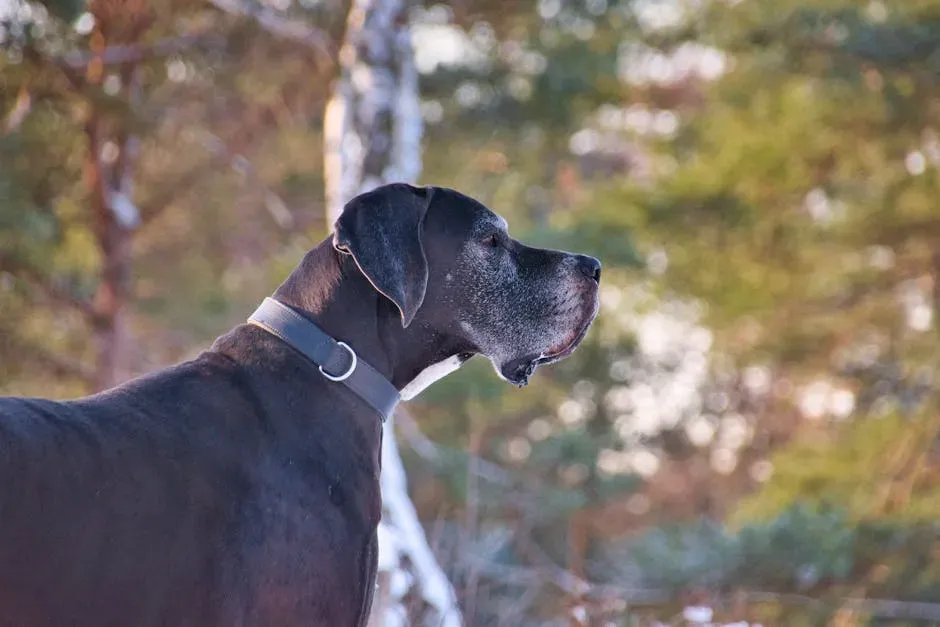
The Great Dane commands a room just by walking into it. But size alone doesn’t provide warmth. Great Danes may be one of the biggest dog breeds, but they don’t hold up well in cold weather due to their short coat and very little body fat. In Wisconsin, where temperatures can linger well below freezing for weeks, that lack of insulation becomes a serious health concern for one of the world’s most recognizable breeds.
Because they need 30 to 60 minutes of daily exercise, keep them warm with an extra-large dog coat and break up their activity into shorter walks so they’re not outside for long. An extra-large dog coat isn’t optional for a Great Dane in January in Milwaukee – it’s essential. Also remember that a Great Dane’s belly sits far higher off the ground than a Dachshund’s, but their thin skin and sparse coat still offer minimal protection. Always check paws after walks for ice accumulation or cracked pads.
12. Shih Tzu: Long Coat, Short Cold Tolerance
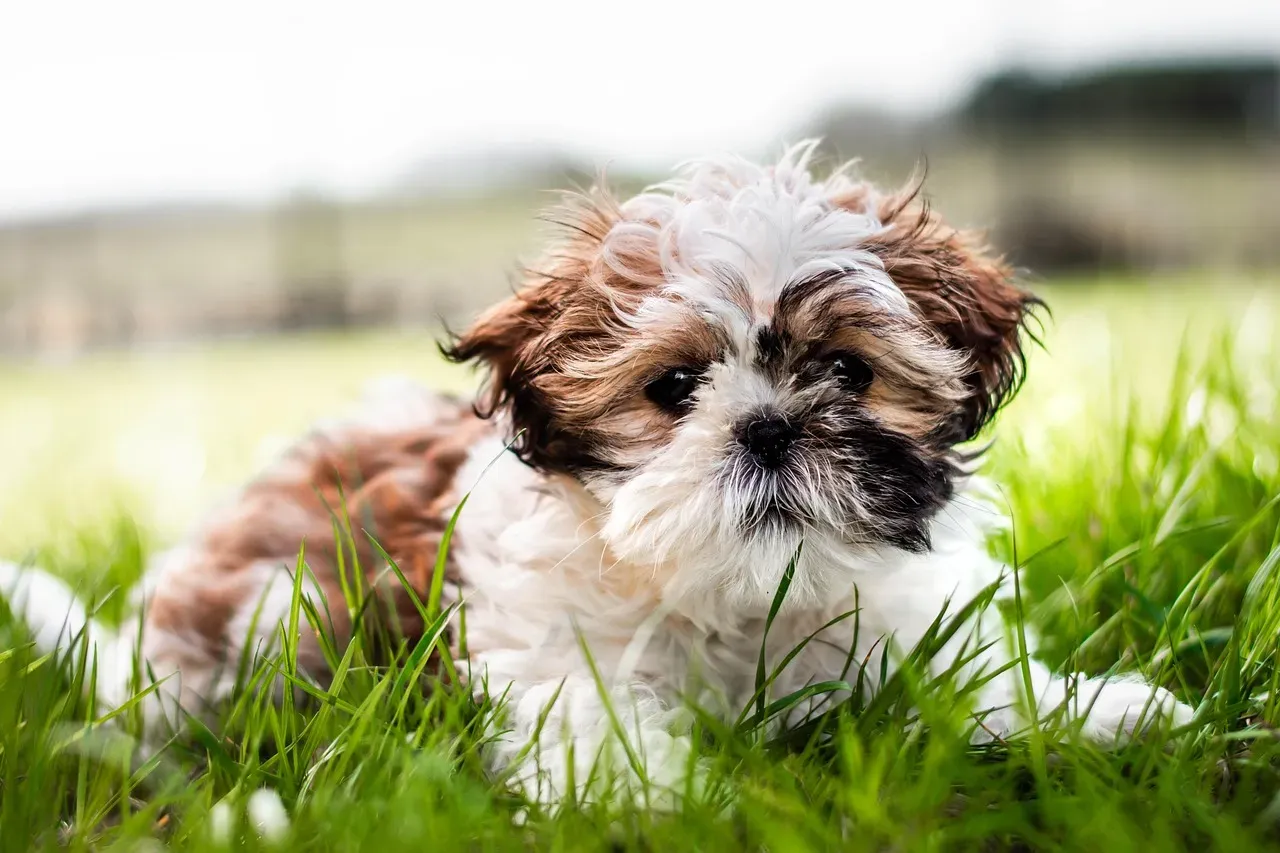
This one surprises people. The Shih Tzu’s long, flowing coat looks warm and luxurious, but appearances deceive. When the temperatures drop, it’s essential to keep your Shih Tzu warm. Their thin fur provides minimal insulation against the cold. That silky coat is more decorative than functional in true cold, and Wisconsin’s winters easily overwhelm it. Add in the Shih Tzu’s small size and proximity to cold, icy ground, and you’ve got a dog that genuinely needs extra protection.
Don’t forget about their paws – ice and salt on sidewalks can irritate sensitive pads. Booties might seem unusual at first, but many Shih Tzus adapt quickly to wearing them. Road salt is a hidden winter hazard for all small breeds, but especially for the Shih Tzu whose low belly and paws absorb chemicals with every step. During walks, your dog’s feet, legs, and belly may pick up de-icing products or other chemicals – when you get back inside, wipe down your pet’s feet, legs, and belly to remove these chemicals and reduce the risk that your dog will be poisoned after licking them off.
Knowing the Warning Signs: What Cold Distress Looks Like
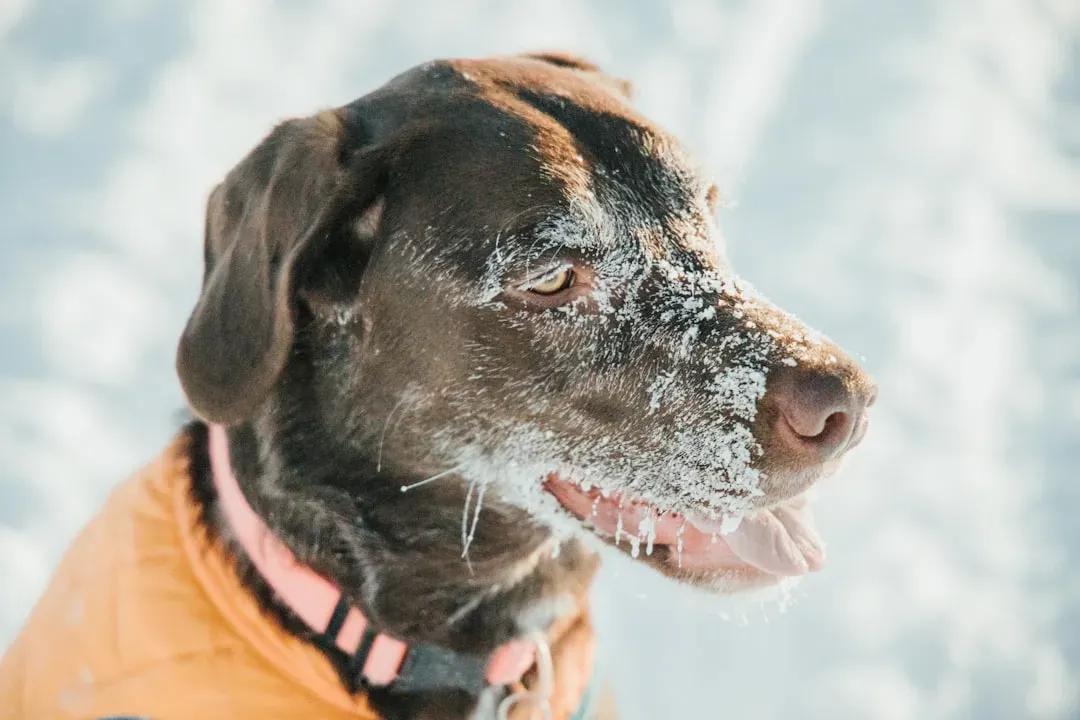
Before we get to the breeds that thrive, every Wisconsin dog owner needs a clear picture of what cold distress actually looks like. If your pet is whining, shivering, seems anxious, slows down or stops moving, seems weak, or starts looking for warm places to burrow, get them back inside quickly because they are showing signs of hypothermia. These signs can appear faster than most people expect, especially in wind or wet conditions.
The first signs of hypothermia include cold spots on the body, especially in areas prone to frostbite. It then progresses to shivering and shaking, muscle stiffness, difficulty walking, and lethargy. As the condition becomes more severe, hypothermic dogs stop shivering, collapse, suffer erratic breathing, and can die. That progression can happen in a shockingly short window of time for vulnerable breeds. For short-haired dogs, it can take just 30 minutes in below-freezing temperatures for frostbite to develop. Trust what you observe and always err on the side of bringing your dog indoors.
Now, the Cold-Weather Champions: 5 Breeds That Excel in Wisconsin Winters
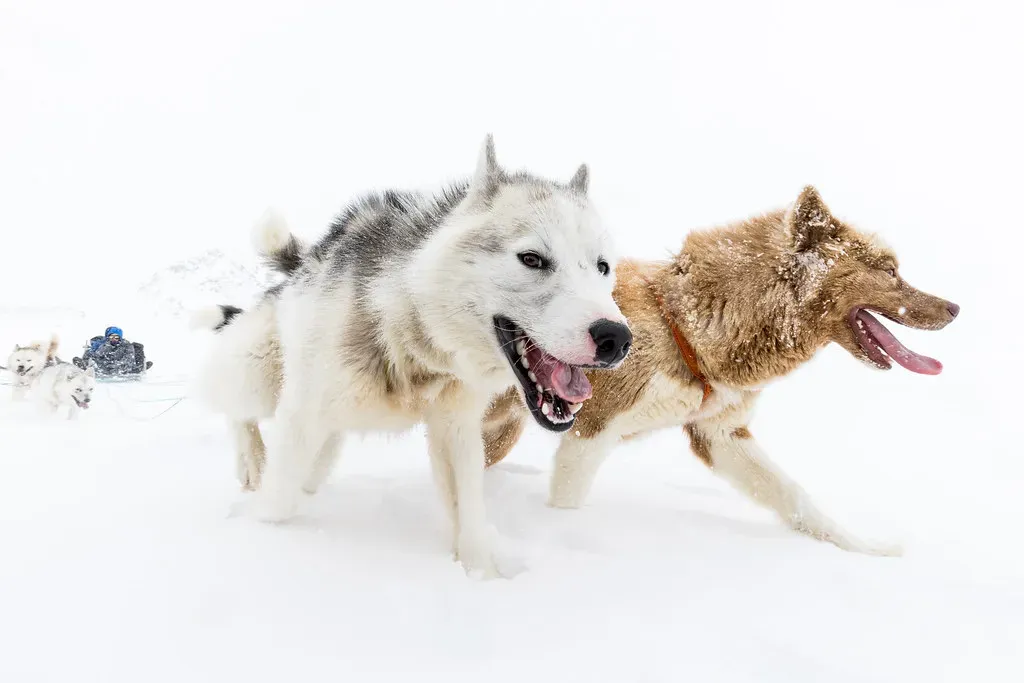
Not every dog dreads the first snowfall. Some breeds genuinely light up when the temperature drops. Look for breeds whose lineage is based in cold climates – for example, the Siberian Husky and the Malamute originated as sled dogs in Russia and Alaska, meaning they often had to work in extreme, below-zero temperatures. These dogs weren’t simply adapted to the cold over time. They were purposefully built for it, and Wisconsin winters are well within their comfort zone.
Look for a breed with a thick double coat if you’re in a cold climate. This means they have an underlayer of dense and soft fur, called the undercoat, as well as the tougher and longer outer layer of guard fur. That undercoat acts a lot like a down jacket, keeping them toasty warm by insulating their body, while the outer layer repels moisture to keep the undercoat dry. That built-in system is what separates a cold-weather champion from a breed that merely tolerates the chill. Here are five that genuinely excel.
Cold-Weather Champion 1: Siberian Husky
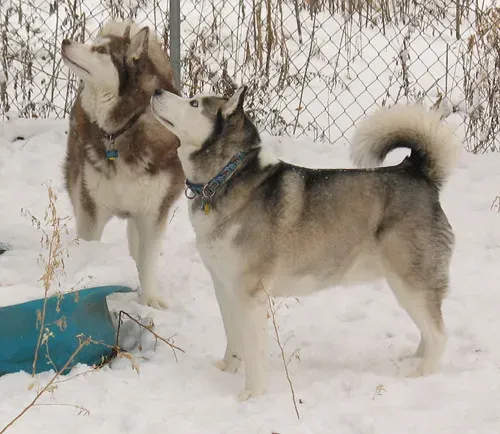
With their thick double coats and boundless energy, Siberian Huskies are the poster pups for cold-weather resilience. Originally bred for sled-pulling in harsh Arctic conditions, these dogs are not only beautiful but also incredibly hardy. In Wisconsin, where snowstorms can pile up feet of snow overnight, the Husky is in its element. They don’t just tolerate the cold – they seek it out.
The quintessential snow dog breed, Siberian Huskies got their start as sled dogs in Siberia. While today’s Huskies are more likely to be family pets than working dogs, they need the right family to thrive. Siberian Huskies are intelligent, high-energy, and a bit mischievous – they need an experienced, active pet parent who enjoys outdoor adventures as much as they do. If you love Wisconsin winters and want a dog that matches your energy on a frozen trail, there’s no better companion.
Cold-Weather Champion 2: Alaskan Malamute
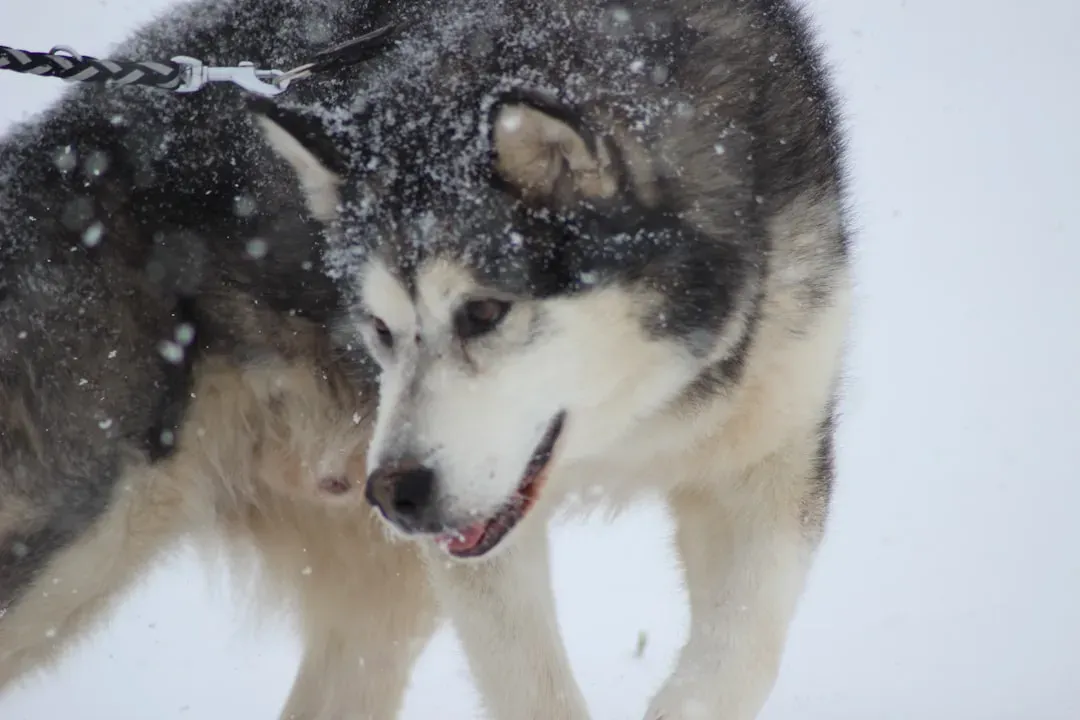
Think of Malamutes as huskies’ bigger, stronger cousins. While huskies were bred for speed, Malamutes were bred for power – hauling heavy freight across Alaska’s frozen landscape. They’re one of the oldest Arctic sled dogs and were developed by the Mahlemut people of Alaska. These are serious working dogs with a coat and temperament built for exactly the kind of winters Wisconsin delivers.
Large, strong, and deeply loyal, Malamutes have a heavy coat that protects them from the Arctic cold. They excel at endurance activities, so bring your Malamute along on a snowshoeing trek or a long trail run. Keep in mind that this breed needs consistent exercise and a confident handler. Malamutes are pack animals, which means they need to know you’re in charge. They’re friendly and loyal but can be stubborn. Experienced dog owners who love outdoor winter activities will find this breed an incredible partner.
Cold-Weather Champion 3: Bernese Mountain Dog
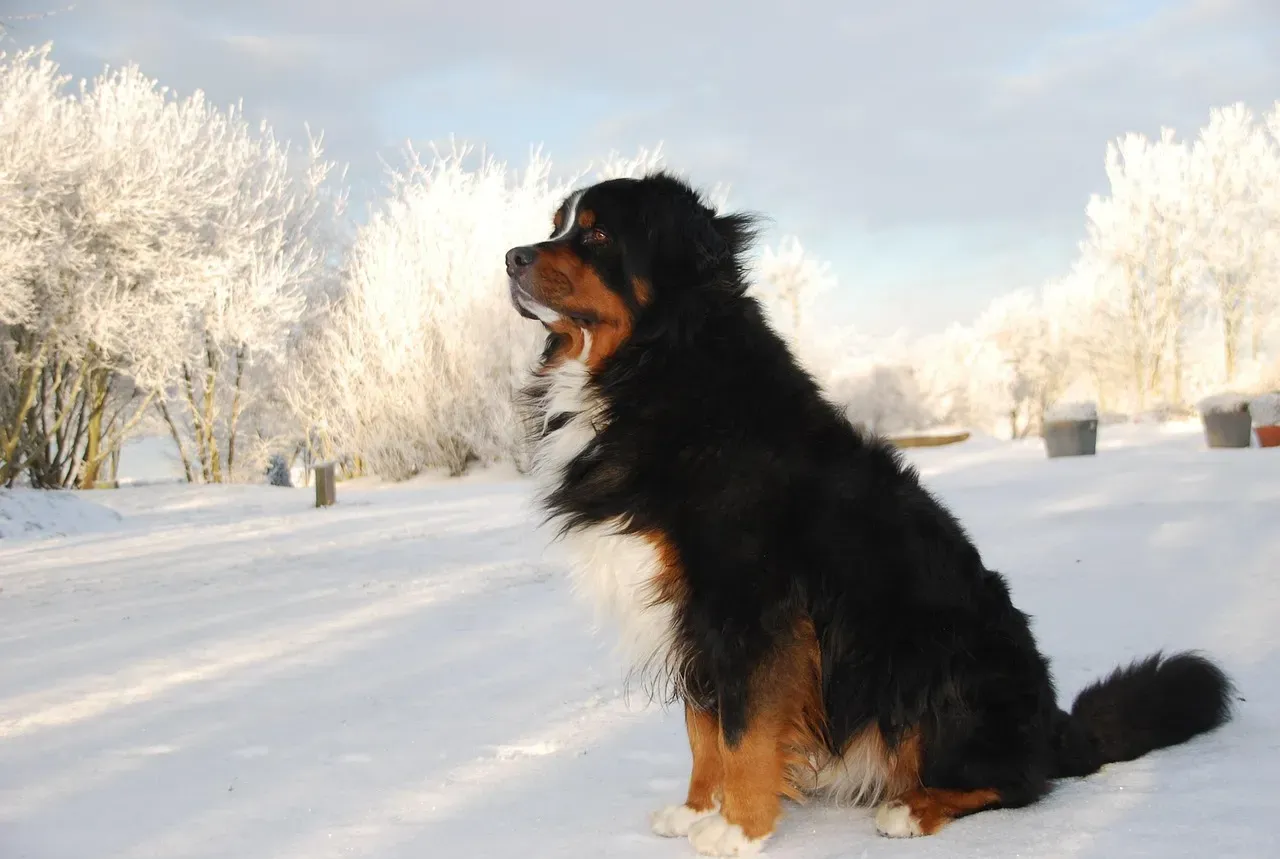
Originating in the Swiss Alps, the Bernese Mountain Dog worked alongside farmers to herd cattle, guard livestock, and haul dairy products through the hills and valleys of Bern. Generations of pulling carts and wagons in rugged, snowy terrain built their strength and resilience. Well-muscled and sturdy, Bernese Mountain Dogs have a thick, tricolor coat that insulates their body from snow and wind.
Bernese Mountain Dogs thrive in cold weather thanks to their brawny stature and silky brown-and-white coat. They love the outdoors and are always down for a hike or camping trip. Berners are friendly, affectionate dogs who are great with children and become deeply attached to their pet parents. One honest note: large breeds like Berners don’t live as long as smaller dogs, often only 7 to 10 years. That makes every Wisconsin winter walk with them worth cherishing.
Cold-Weather Champion 4: Saint Bernard
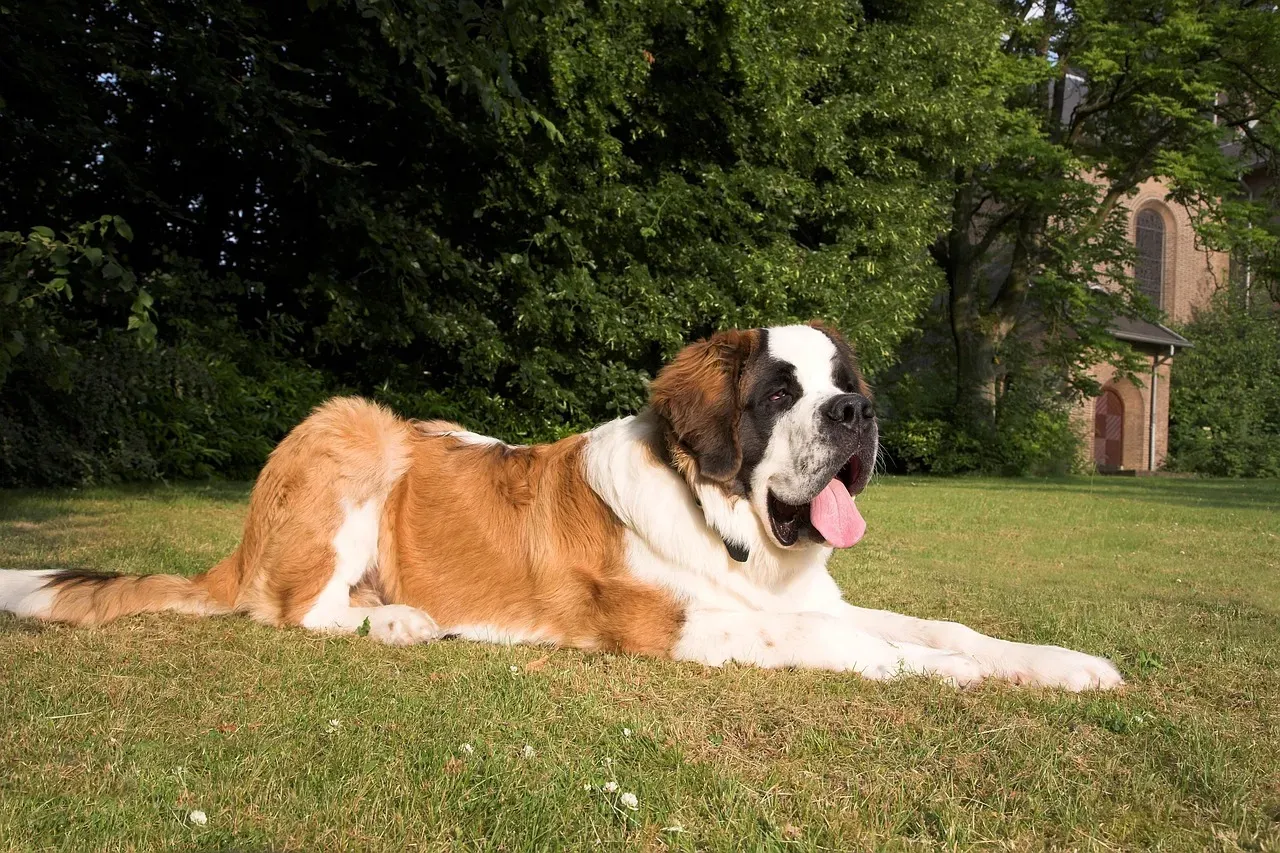
The Saint Bernard originated as a monastery dog in the mountains of Switzerland, serving as a companion and protector to monks. Their keen sense of smell and remarkable strength made them legendary snow search and rescue dogs, saving travelers stranded in the treacherous St. Bernard Pass between Italy and Switzerland. There’s something deeply reassuring about a breed whose entire history is rooted in surviving and helping others survive in snow.
Although this breed is now a well-loved family pet, some Saint Bernards are still used as avalanche rescue dogs to this day. Saint Bernards are calm and affectionate, making them a perfect breed for families with kids. They are fairly low-energy dogs, so moderate walks and play sessions are usually enough to keep them happy. They’re gentle giants in the truest sense, and Wisconsin winters are no match for them. Just be prepared for drool. Quite a lot of it.
Cold-Weather Champion 5: Samoyed
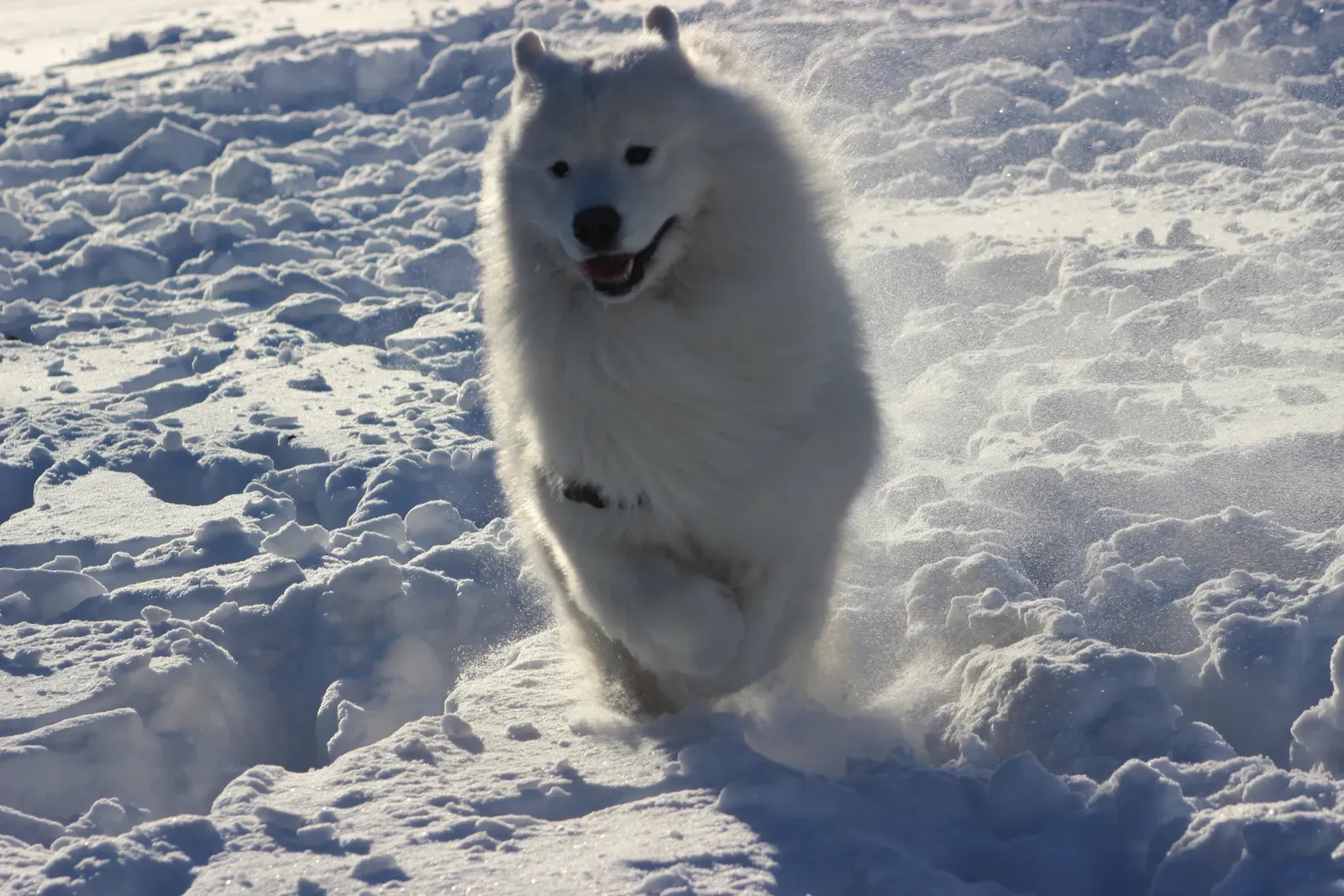
The Samoyed is an Arctic dog breed with an elegant white coat. These dogs were companions to the Samoyed people in Siberia for generations before coming to the U.S. in the early 20th century. Samoyeds are beloved for their friendly personality and face that’s shaped into a permanent smile. That famous “Sammy smile” isn’t just charming – it actually has a functional purpose, with slightly upturned mouth corners preventing drool from freezing in the cold.
Their fluffy double coat has a soft underlayer that can measure nearly two inches thick and keeps body heat trapped close to the skin, allowing them to survive in temperatures as chilly as -40°F. For a Wisconsin winter that might see -20°F with windchill, a Samoyed is essentially dressed for business. Samoyeds are friendly, social, and active dogs that will happily accompany you on winter walks and play in the snow. Their one real demand? Regular brushing – because that gorgeous coat doesn’t maintain itself.
Practical Winter Care for Every Dog in Wisconsin
Regardless of which breed shares your home, Wisconsin winters call for consistent, thoughtful care. Just like people, pets’ cold tolerance can vary from pet to pet based on their coat, body fat stores, activity level, and health. Be aware of your pet’s tolerance for cold weather and adjust accordingly. A dog who was fine last winter may struggle more this year due to age, illness, or weight changes. Always reassess.
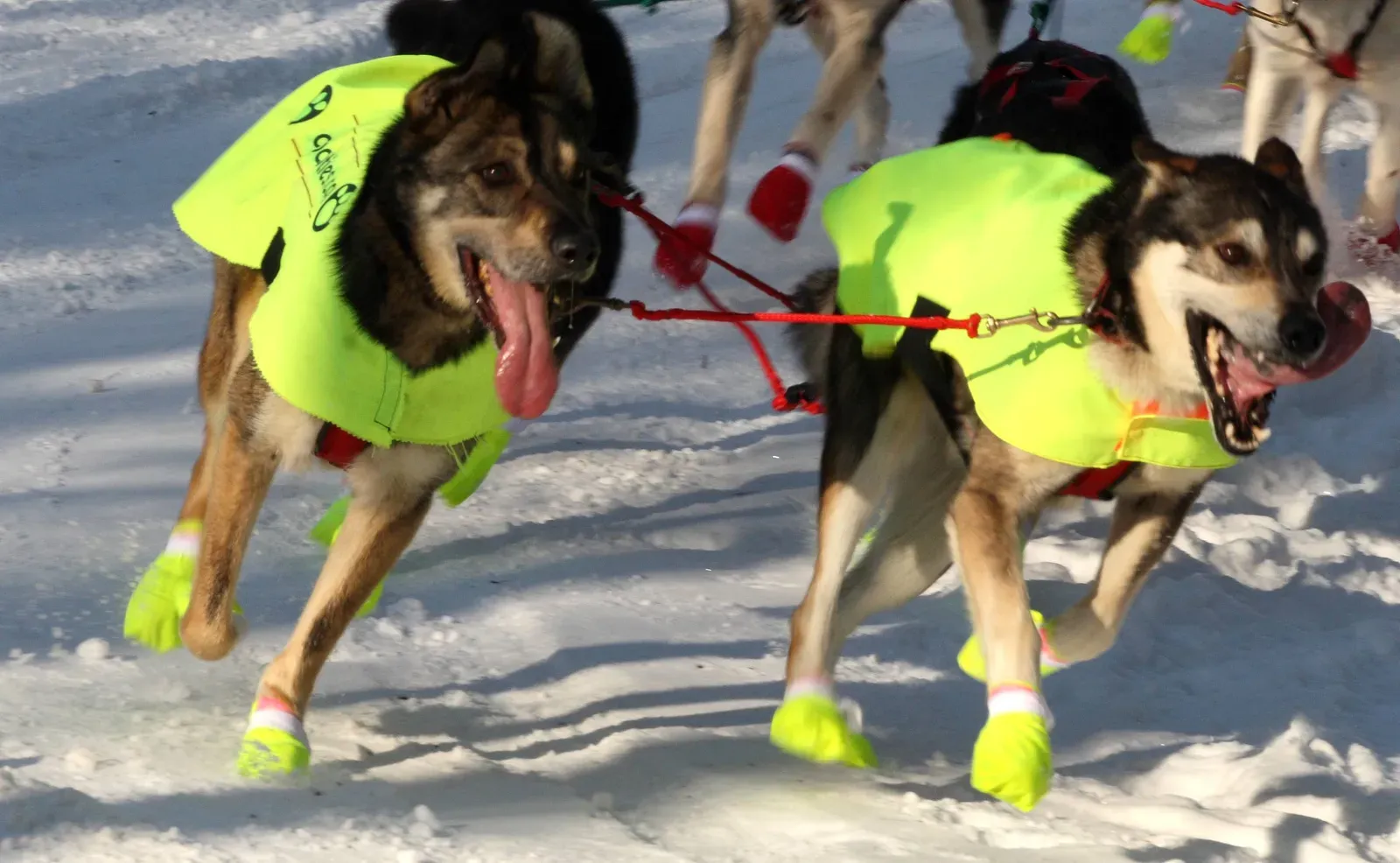
Check your dog’s paws frequently for signs of cold-weather injury or damage, such as cracked or bleeding paw pads. Road salt is one of Wisconsin’s most overlooked winter hazards for dogs. Even for dogs who can handle colder temperatures, you should still protect their vulnerable paws and noses from harsh weather. Training your dog to wear dog booties helps keep feet warm and dry when walking in the cold or snow – choose a dog boot made specifically for cold weather that has traction for slippery surfaces. Prevention takes five minutes. Treatment for frostbite takes much longer.
Conclusion: Know Your Dog, Know Your Winter
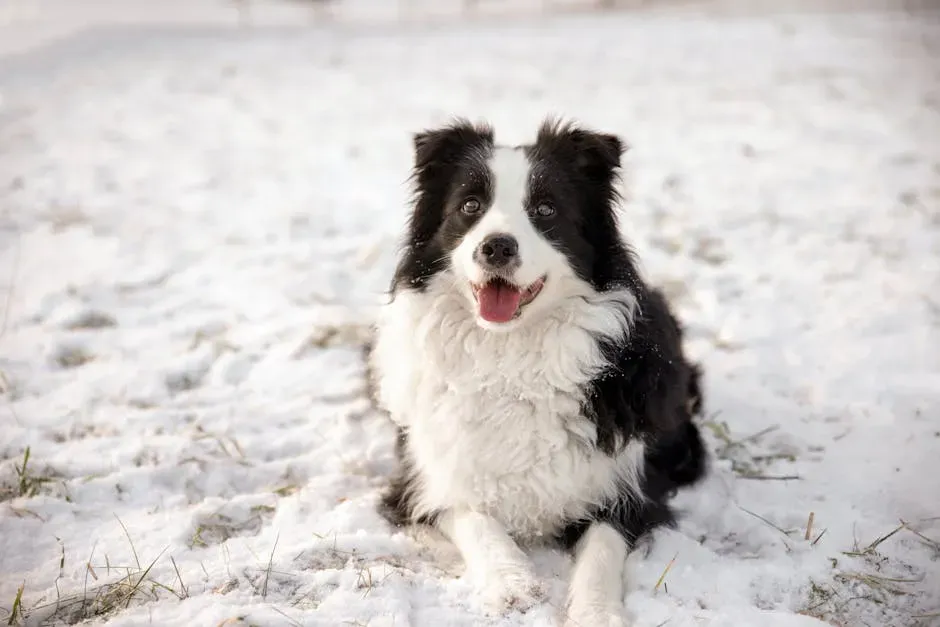
Wisconsin winters are stunning – the frosted trees, the quiet snowfall, the crackling cold that makes everything feel still and alive at the same time. They’re also genuinely dangerous for the wrong dog without the right care. It’s important for dog owners to recognize the signs of distress in their pets, such as shivering, whining, or reluctance to go outside, as these can indicate that a dog is struggling with the cold. By being vigilant and responsive to their needs, owners can help ensure their dogs remain healthy and happy throughout the winter season.
Loving a dog in a cold climate means knowing their limits, not just your own. Not all dogs can handle cold weather, so being a responsible pet parent means you choose – and care for – a pup that thrives in your local climate. Whether your dog is a shivering Chihuahua who needs a sweater just to check the mailbox, or a Samoyed who practically begs for a blizzard, they’re counting on you to read the signs and make the right call.
The cold doesn’t care what breed your dog is. But you do – and that makes all the difference.


