
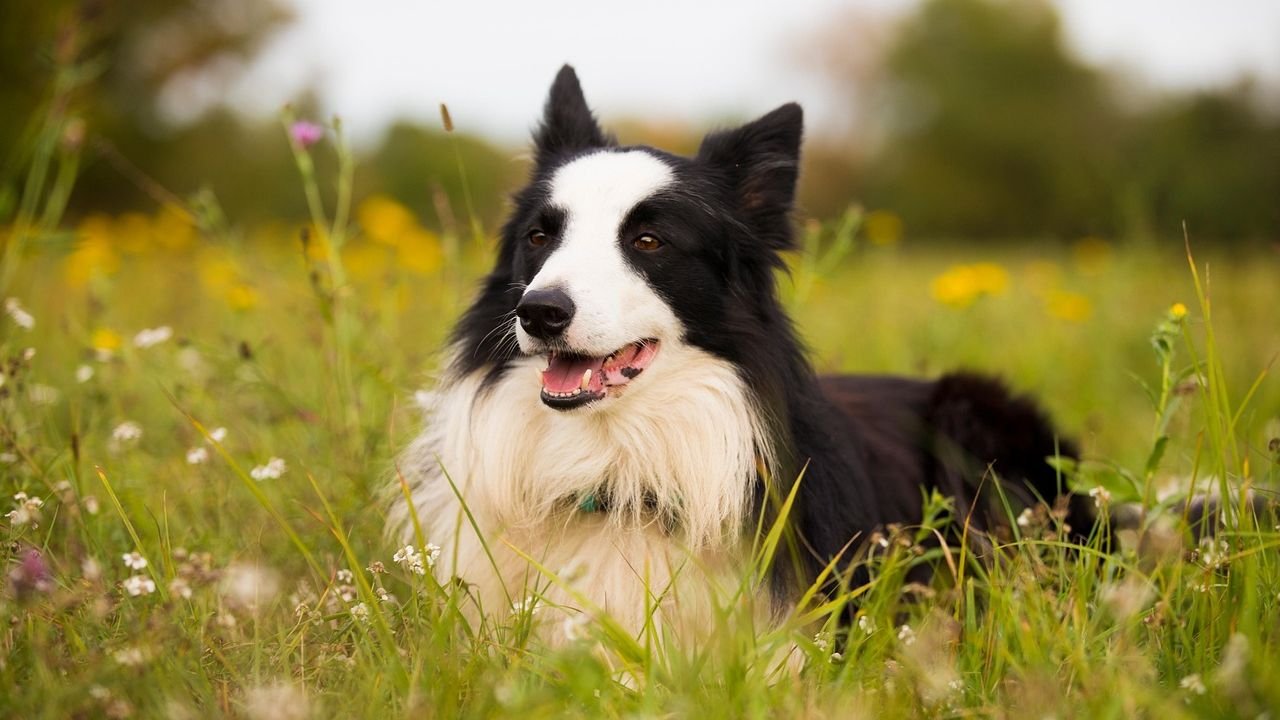
Your dog has probably never once complained. Not when you accidentally stepped on a paw, not after a long hike that left those little legs sore, and certainly not when something deeper started quietly hurting inside. That’s just who they are. Dogs are wired to push through, show up for you, and carry on with a wagging tail even when they’re genuinely struggling.
Canines have inherited an instinct to hide any pain caused by injuries or infirmity. In the wild, an animal that is injured is vulnerable to attack, and there’s a real survival advantage to acting like nothing is wrong even when something most definitely is. The problem? That same ancient instinct now plays out quietly on your living room couch. Many owners expect pain to be obvious and dramatic, which means subtle signs like small changes in movement or behavior are often missed or dismissed entirely. The 13 signs below are the ones most worth knowing.
1. They’re Suddenly Slowing Down on Walks
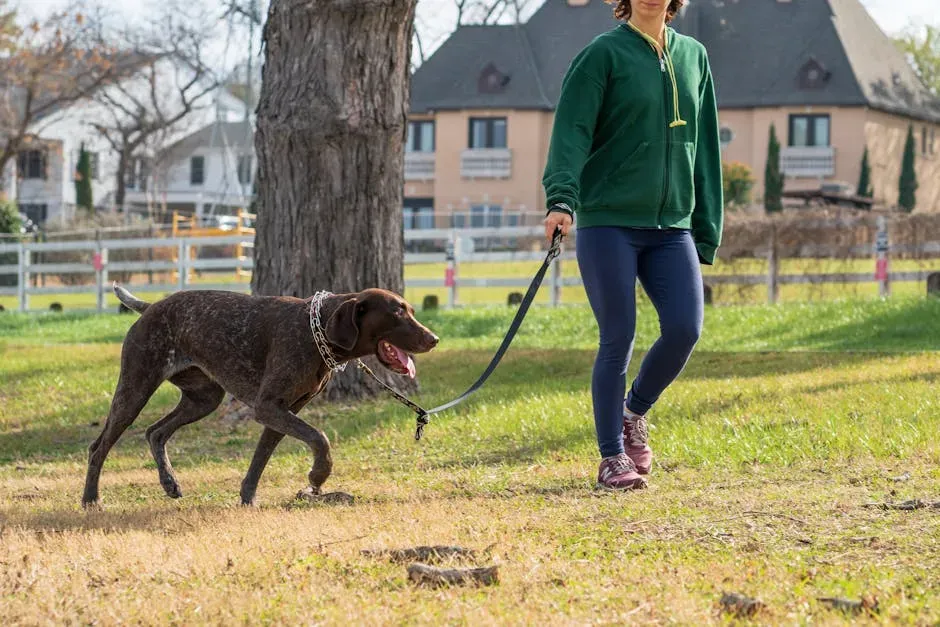
A reluctance to exercise, such as slower walking or hesitation to engage in physical activities, can be a meaningful signal that something hurts. The tricky part is that it rarely looks dramatic. Your dog still shows up at the door, still gets the leash in their mouth. They just don’t go as far as they used to, or they start lagging behind you in a way they never did before.
A dog who used to play fetch for 20 minutes but now stops after 5 minutes is telling you something, even if they seem eager to start. Don’t write that off as them having an “off day.” If it becomes a pattern, it deserves attention. Keep a mental note of your usual walk distances and playtime durations. Consistency matters here more than any single incident.
2. Morning Stiffness That Fades After a Few Minutes
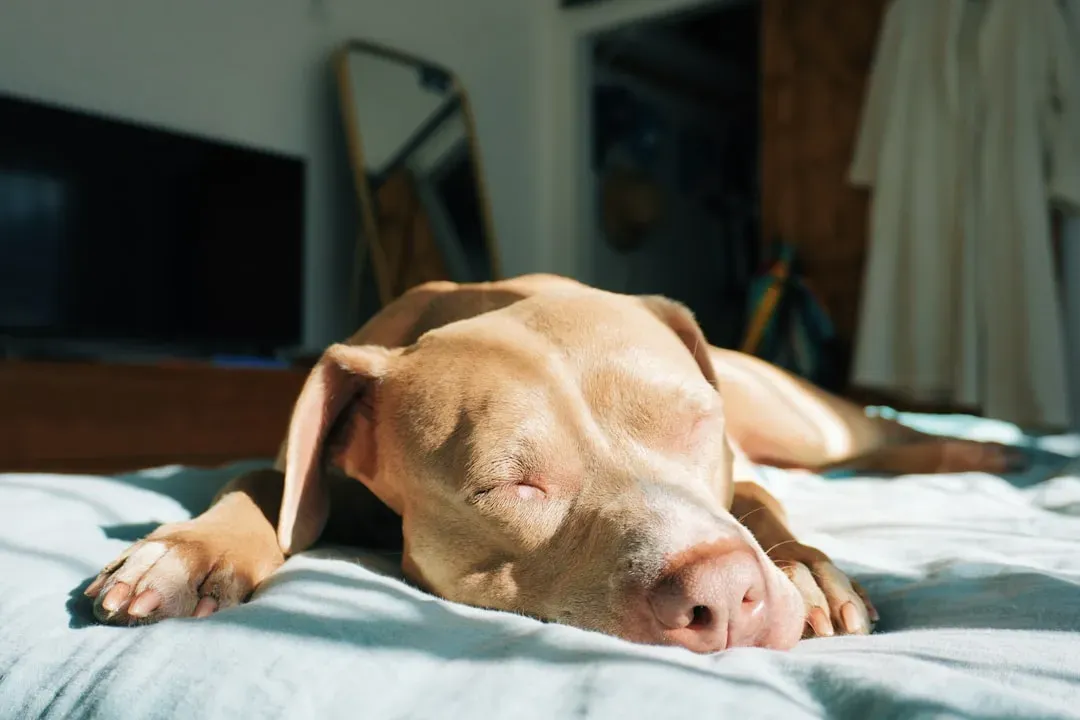
One of the first signs of chronic pain may be that your dog shows a bit of stiffness when they first get up after resting, but in the early stages, the stiffness will often diminish quickly with activity as they “warm up.” This is exactly why so many owners miss it. The dog seems fine after a few steps, so it gets chalked up to a rough sleep.
These conditions may cause stiffness in the morning or after rest, and they’re far more common than most people realize. Studies indicate that around 80 to 90 percent of dogs over the age of seven years have osteoarthritis, often in multiple joints. If your dog takes a noticeably long time to get moving after waking up, that warm-up routine isn’t something to dismiss. It’s worth bringing up at your next vet visit, even if it seems minor.
3. Changes in How They Sleep or Rest
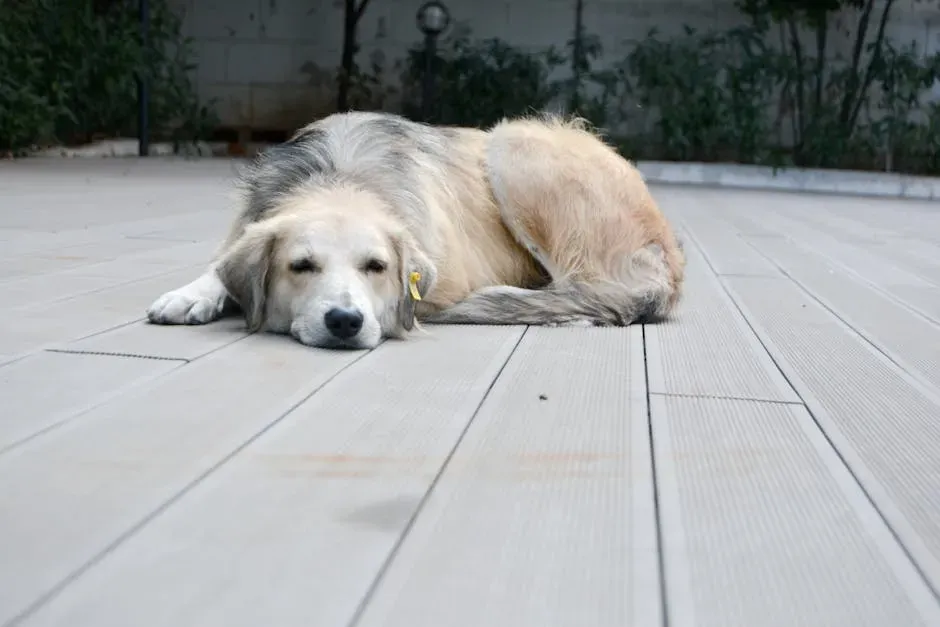
A dog who always slept curled up but suddenly prefers stretched-out positions might have abdominal discomfort. Conversely, a dog who stops lying on their side and only sleeps sitting up could have chest or breathing issues. Sleep position shifts are one of those things you notice without realizing what you’re seeing.
They may simply be restless at night and pant more, which often means they’re having trouble getting comfortable. That gentle panting you hear at 2 AM isn’t necessarily from heat or excitement. Your dog might be struggling to find a position that doesn’t trigger their pain, cycling through different spots on their bed or constantly shifting their weight. If your dog is suddenly a restless sleeper, take note. Disrupted rest is its own clue.
4. Picking Up Food and Dropping It
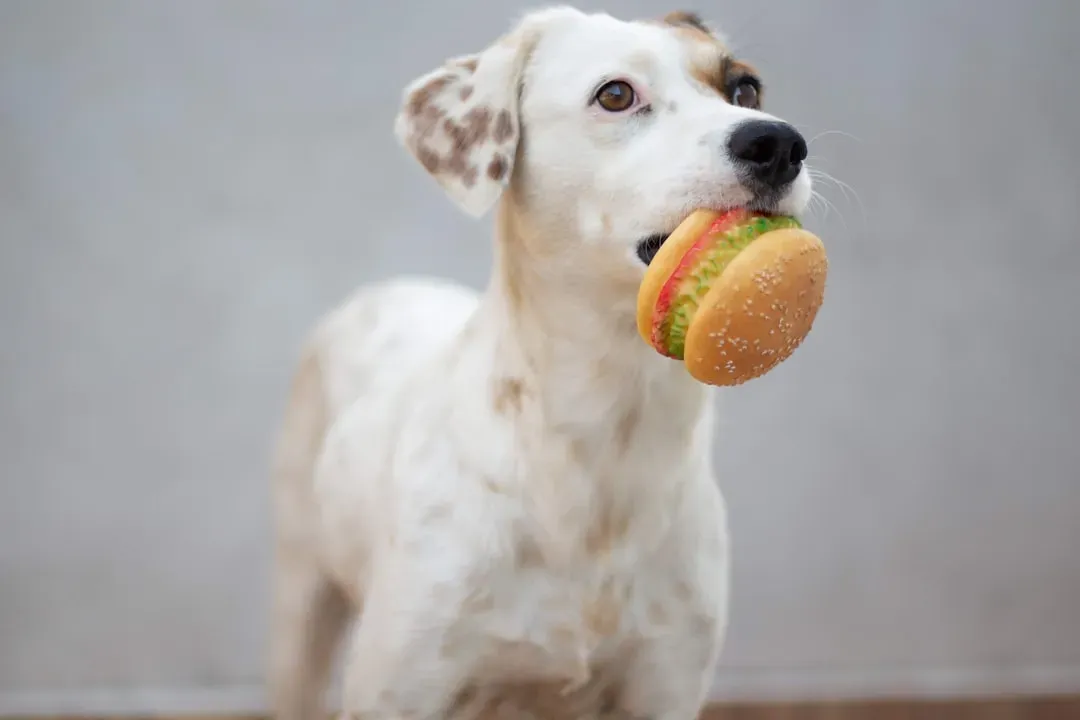
Dogs with dental pain often pick up kibble, then drop it. They want to eat but find chewing uncomfortable. It can look like fussiness, or like you bought the wrong brand. The dog approaches their bowl with full enthusiasm and then something stops them. That something is often pain in the mouth, jaw, or teeth.
Dental disease is one of the leading sources of chronic pain in pets. Issues with teeth or gums, such as abscesses or broken teeth, can cause significant pain that often goes unnoticed until it becomes severe. Watch closely the next time your dog eats. If there’s hesitation, head tilting, or repeated picking up and dropping of food, a dental checkup is a reasonable next step. Dental pain is highly treatable when caught early.
5. Avoiding Being Touched in Specific Spots
A dog that avoids being touched in certain areas might not be “moody” but is actually protecting a sensitive spot. This is one of those behavioral changes that gets misread constantly. The dog gets labeled as grumpy or difficult when the real story is that they’ve learned to guard an area that hurts.
Reluctance to being touched in specific areas of a dog’s body might be a sign of discomfort that needs veterinary investigation. You might notice your dog pulling away when you pet a particular side, flinching when their back end is touched, or suddenly becoming tense during what used to be enjoyable grooming sessions. Stay calm, don’t push, and note exactly which area they seem to protect. That information is genuinely useful for your vet.
6. Withdrawing from the Family
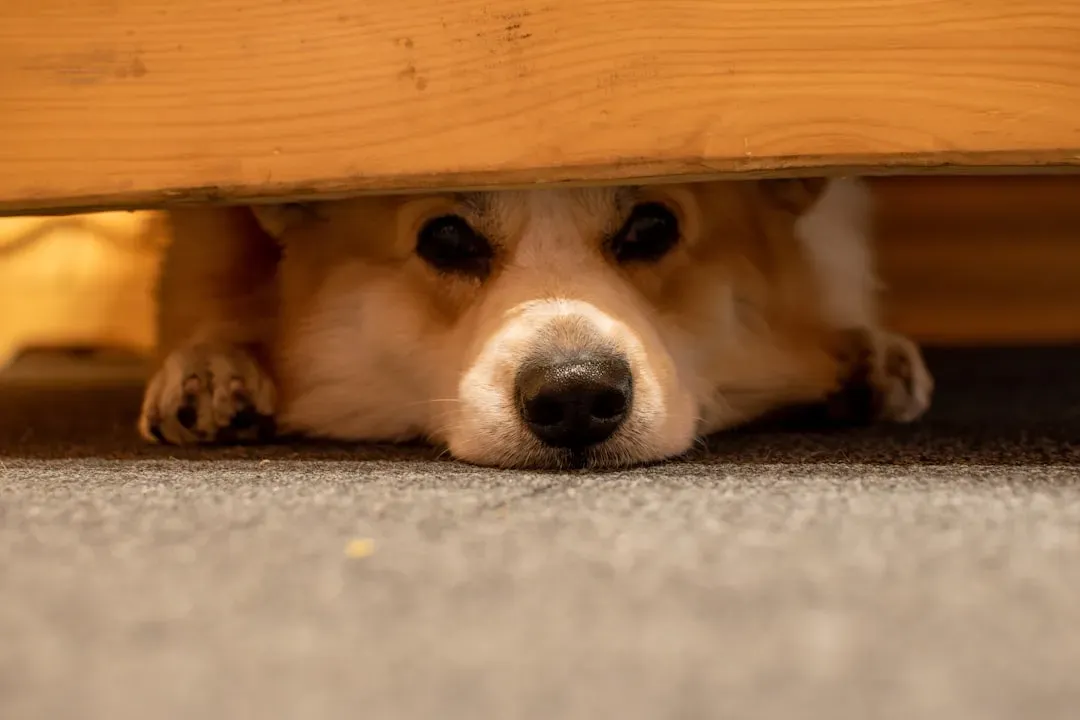
Dogs in pain often withdraw, spending time in unusual locations like under furniture or in closets, and avoiding family activities they usually enjoy. Your dog might start choosing spots away from the family chaos, seeking solace in quiet corners where they once never ventured. This is one of the most emotionally confusing signs for owners because it can genuinely feel like rejection.
Dogs may avoid children and rowdy younger dogs, even hiding and withdrawing. What looks like antisocial behavior or sudden grumpiness is often your dog’s way of protecting themselves from potential bumps, jostles, or touches that might worsen their discomfort. If your social, family-loving dog suddenly wants to be alone, that shift deserves a closer look. It’s rarely a mood. It’s usually a message.
7. Panting When There’s No Obvious Reason
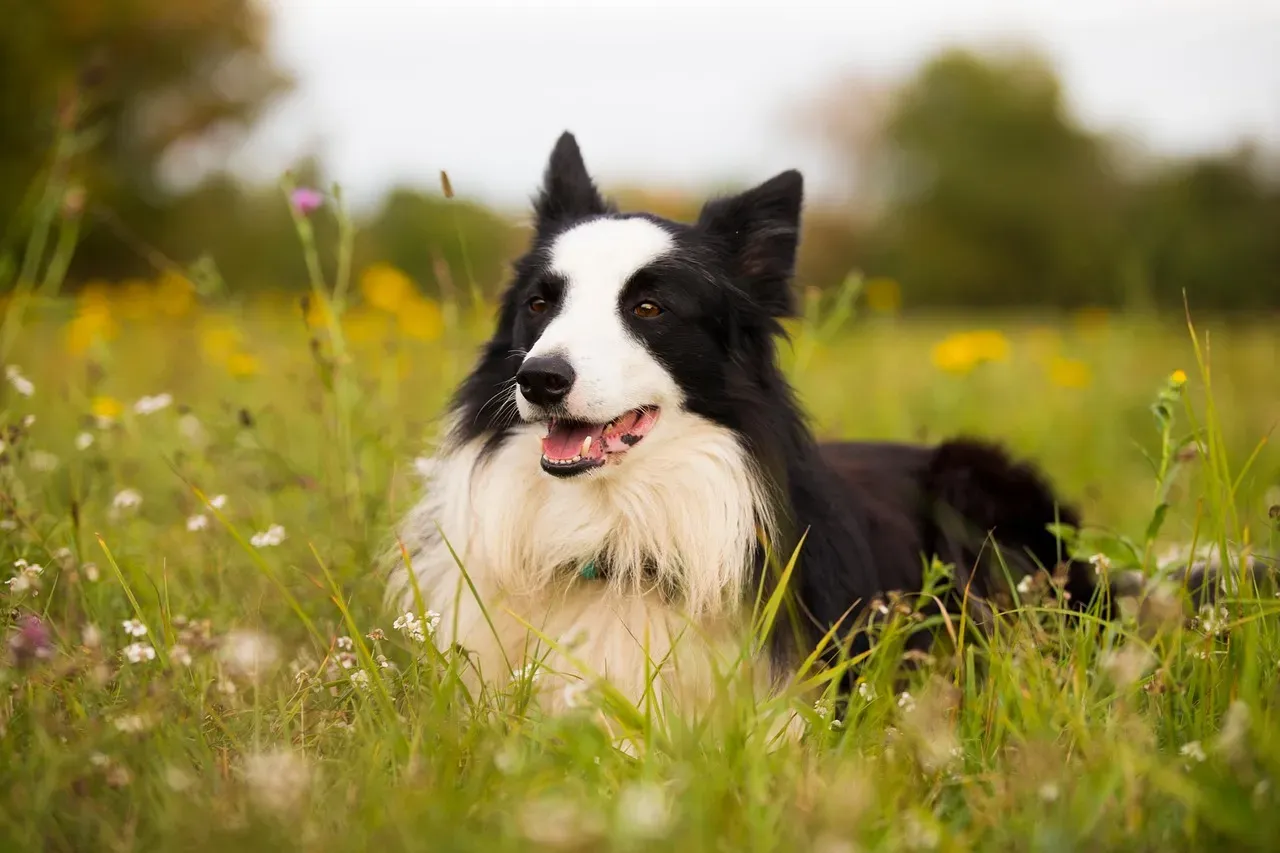
Common signs of pain include panting at rest, trembling, and acting unusually quiet or irritable, but panting at rest is especially easy to overlook because it can look so normal. Dogs pant all the time. The difference is context. Panting in a cool room, at night, or when your dog hasn’t exercised recently is worth paying attention to.
Pain is a stressor, and in response to stress the body begins to release stress-related hormones that affect virtually every system in the body, altering the rate of metabolism and causing neurological and cardiovascular responses. That low-level panting you’re hearing may be your dog’s nervous system in overdrive trying to cope with ongoing discomfort. If it happens regularly in calm situations, mention it to your vet. It’s one of those signs that’s easy to explain away but shouldn’t be.
8. Unusual Licking or Chewing at One Spot
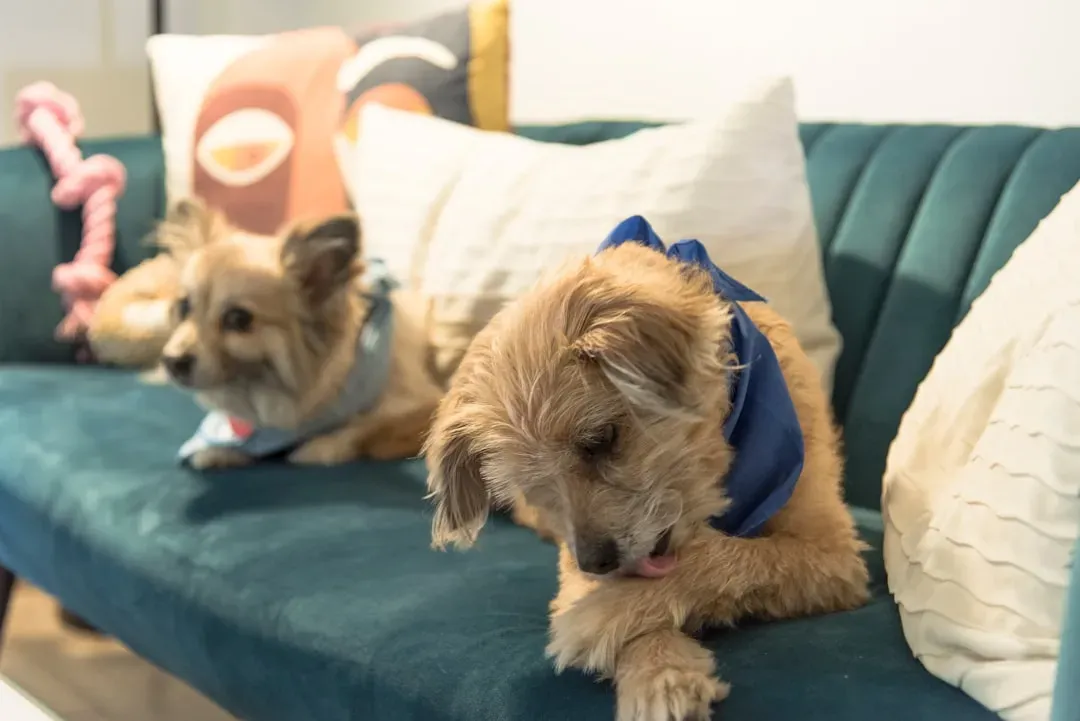
When a dog fixates on one spot, pain or irritation is usually calling. Constant licking releases endorphins, but it also creates lick sores that worsen discomfort. Common targets include wrists, knees, hips, toes, and surgical sites. The licking can look repetitive and mindless, almost like a nervous habit. Often, it’s anything but.
Dogs sometimes lick or chew at a sore spot, which can lead to redness or even open sores. If you notice your dog focusing intensely on the same area day after day, part the fur and look closely at the skin. Check for heat, redness, swelling, or changes in texture. A photo log over a few days can help your vet see what’s happening even when the behavior stops at the clinic.
9. Difficulty Getting Up or Lying Down
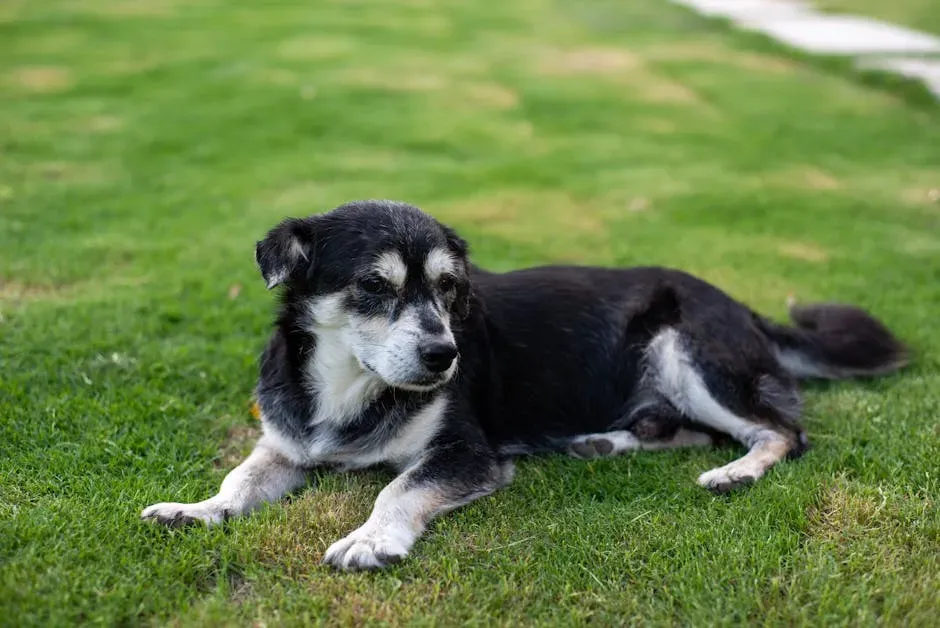
Struggling to rise or settling with a groan often signals painful joints or muscles. You may see rocking forward, hind end slippage, or repeated attempts before success. This one tends to hit hardest with older dogs, and it’s also the one that gets explained away most often as “just old age.” The groan, the pause, the slow, careful lowering of the body – these aren’t normal in a pain-free dog.
Chronic pain develops gradually and often relates to long-term conditions such as arthritis or spinal changes. Chronic pain can be harder to recognize because dogs adapt. They adjust movement, posture, and activity to avoid discomfort. Your dog may have been quietly compensating for months before you started noticing. Ramps, orthopedic bedding, and a vet consultation can make a significant difference in their daily comfort.
10. A Shift in Posture or the Way They Carry Themselves
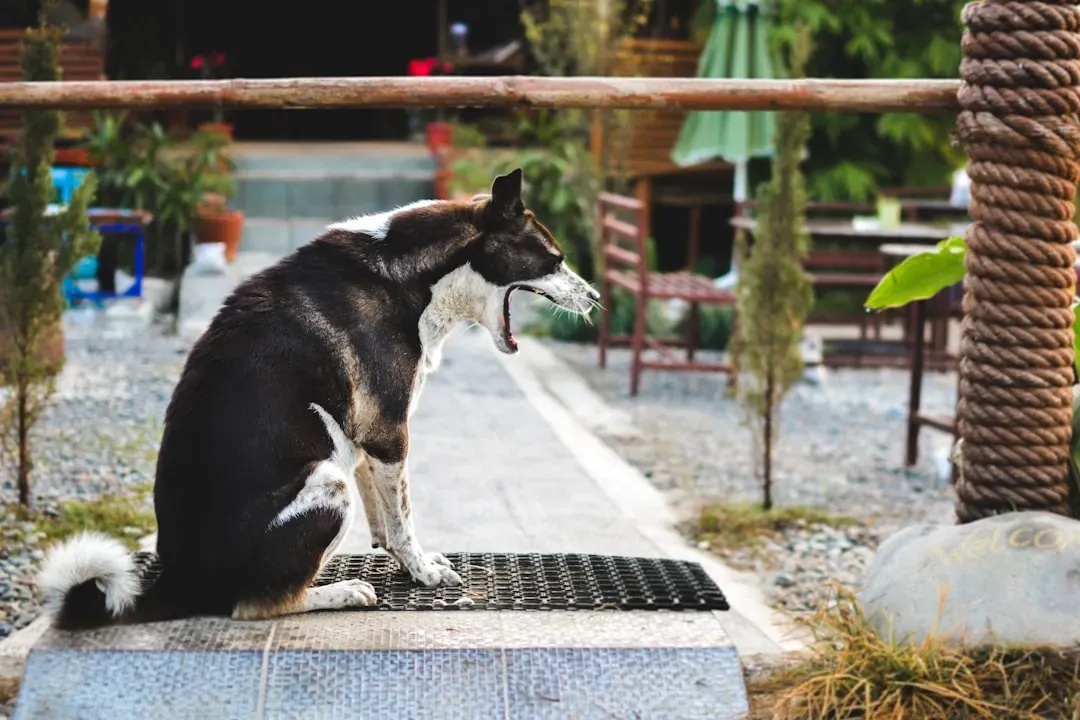
A painful dog often stands or lies oddly to guard sore areas. A tucked abdomen, roached back, or a head held low can point to belly, spine, or neck pain. You might notice stiff turning, narrow steps, or sitting off to one side. Posture changes are subtle and cumulative. You rarely notice the first day it happens. You notice it weeks in, when you realize something looks different but you can’t quite say when it started.
Body posture changes like a “tucked” abdomen, “hunched” back, head down, ears flat, and tail down or tucked are all signs that could indicate pain. Take a moment once a week to really look at how your dog is standing and sitting. Compare it mentally to how they looked a few months ago. Before a vet appointment, try to document your dog’s behavior by taking photos, videos, or written notes to share with your veterinarian. Anxiety or fear may mask certain pain behaviors in a clinic setting, so these observations from home can provide critical insights.
11. Suddenly Clingy or Needing More Reassurance

Dogs in pain could get extra clingy, seeking out attention because they’re feeling vulnerable. This can be confusing because we tend to associate clinginess with affection rather than distress. Sticking near your side, they aim to comfort you even while quietly battling discomfort themselves. You may notice extra cuddling, follow-me behavior, or a soft gaze that asks for reassurance. They want connection, not pity.
Research indicates that dog owners should be alert to altered sleep patterns, restlessness, and clinginess as potential signs of pain. If your typically independent dog suddenly can’t leave your side, don’t just enjoy the extra snuggles without thinking about what might be driving them. It may simply be love. It may also be that they feel safer close to you when they’re hurting. Both can be true at once.
12. Irritability or Snapping Without an Obvious Cause
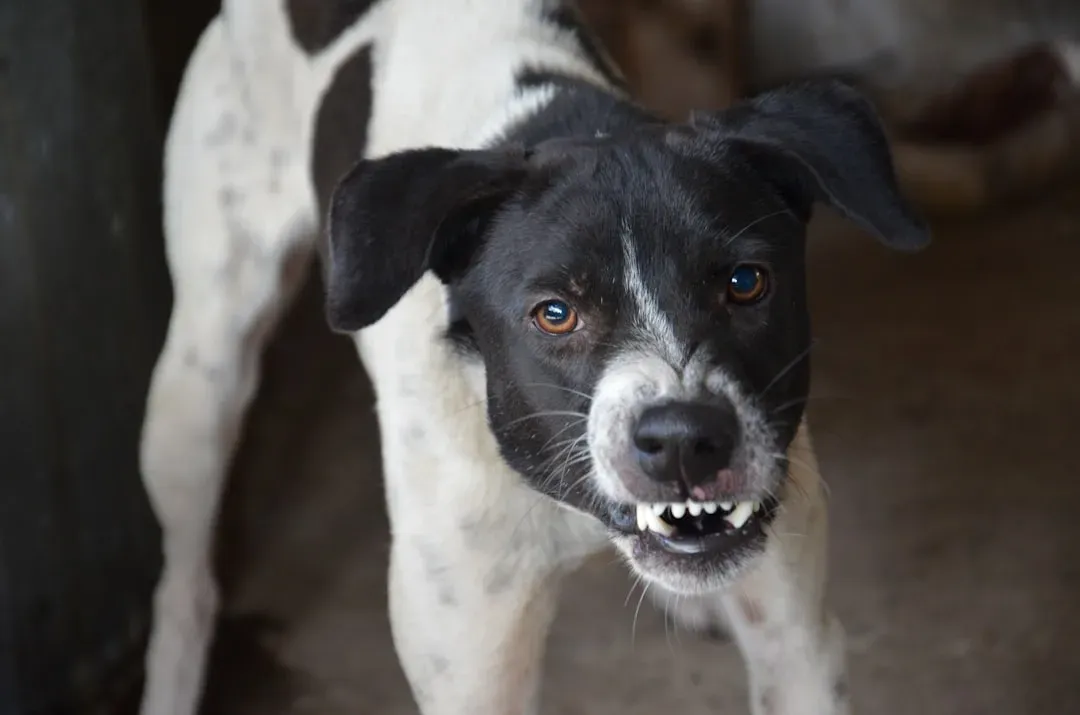
One of the most common misunderstandings in dog care is assuming that behavior changes are purely behavioral, when in many cases they’re actually physical. A dog that becomes irritable, withdrawn, or less responsive may not be acting out – they may be coping with discomfort they can’t clearly express. This becomes a real problem when owners respond with discipline to what is actually a pain response.
If your usually sweet dog is snapping, growling, or showing signs of irritability, pain could definitely be a cause. Pain-linked aggression often involves hips, elbows, neck, or skin infections. Before concluding that your dog has a behavior problem, rule out physical discomfort. A dog that snaps when you touch their lower back, or growls when picked up in a certain way, is telling you something specific. Listen to that specificity.
13. They Still Show Up for You, Even When They Shouldn’t
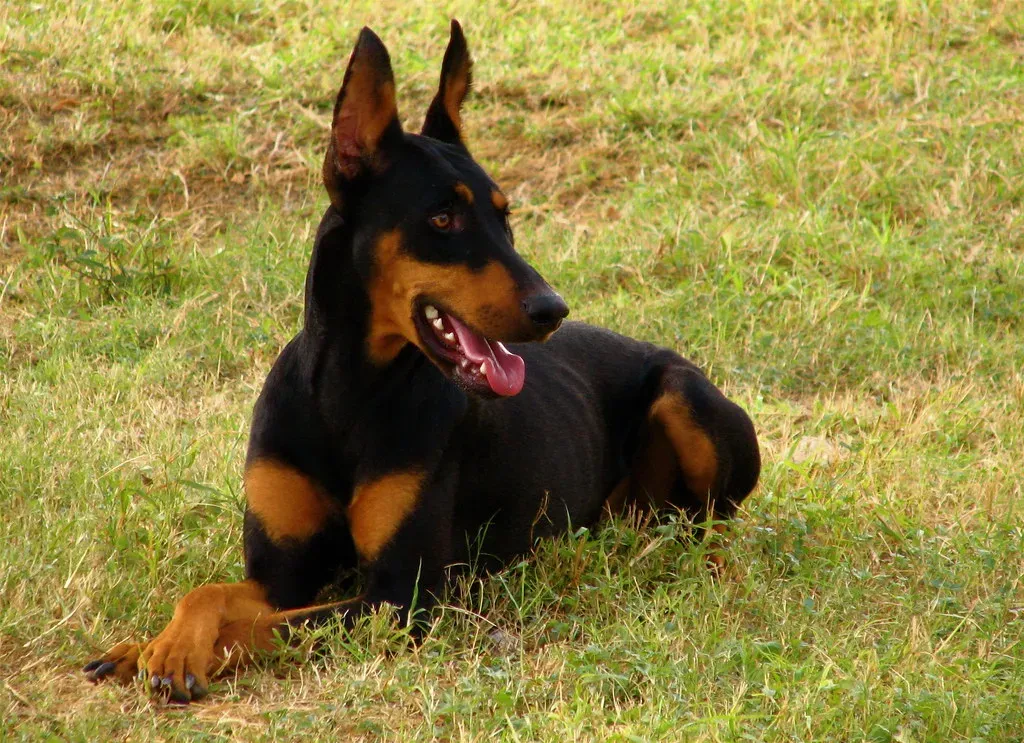
Pets love to please their humans. Dogs have been known to fracture their pelvis and still get up eagerly to greet their owner with loving affection, making it hard to tell whether or not they are actually in pain. This is perhaps the most heartbreaking sign of all, not because it looks like pain, but because it looks like love. It is love. It’s also pain being suppressed for your sake.
Some dogs protect your feelings. They sense concern in your voice and choose to stay sunny to keep you calm. Sticking near your side, they aim to comfort you even while quietly battling discomfort themselves. The dog who greets you at the door when every step hurts, who tries to play when they really need rest – they’re not fine. They’re just devoted. Your job is to notice what their loyalty is hiding.
What to Do When You Suspect Your Dog Is in Pain
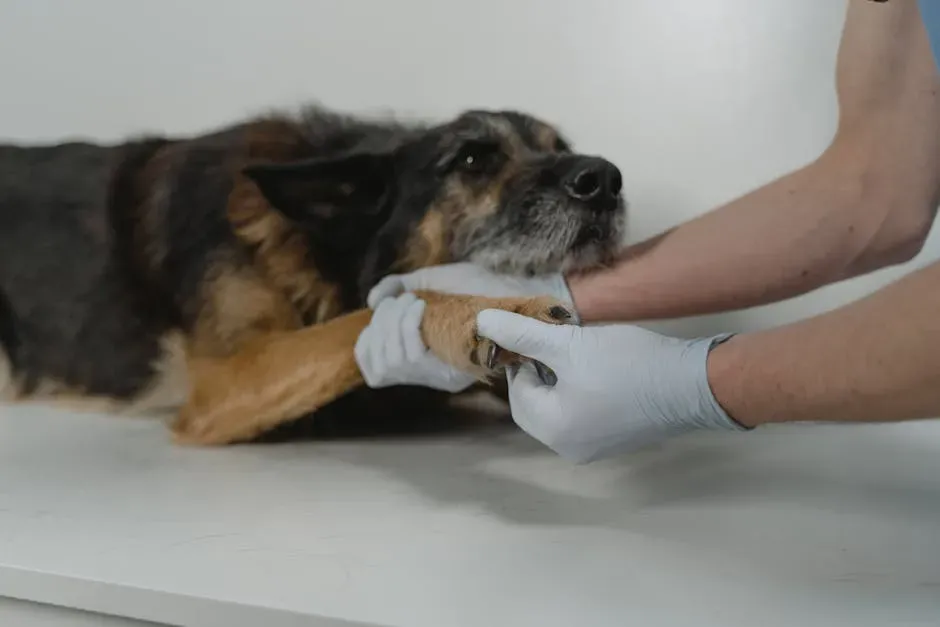
Proactive pain recognition can help slow the progression of chronic pain and improve your dog’s quality of life. Working with your veterinarian to address and treat pain ensures your dog remains as comfortable as possible for years to come. The first practical step is documentation. Document changes with photos, videos, or written notes to share with your veterinarian. Even a short clip of your dog’s morning walk or a photo of how they’re resting can give your vet far more to work with than a verbal description alone.
Start by creating a calm, quiet environment. Soft bedding, warm resting areas, and easy access to water help reduce physical strain. Limit rough play, jumping, and stairs when your dog appears uncomfortable. Never give human pain medications, as many are genuinely dangerous for dogs. You should contact your veterinarian if pain lasts more than a day, worsens, or interferes with eating, walking, or normal behavior. Sudden changes, severe limping, swelling, or vocal pain responses deserve prompt attention.
Conclusion: Your Dog Is Counting on Your Eyes
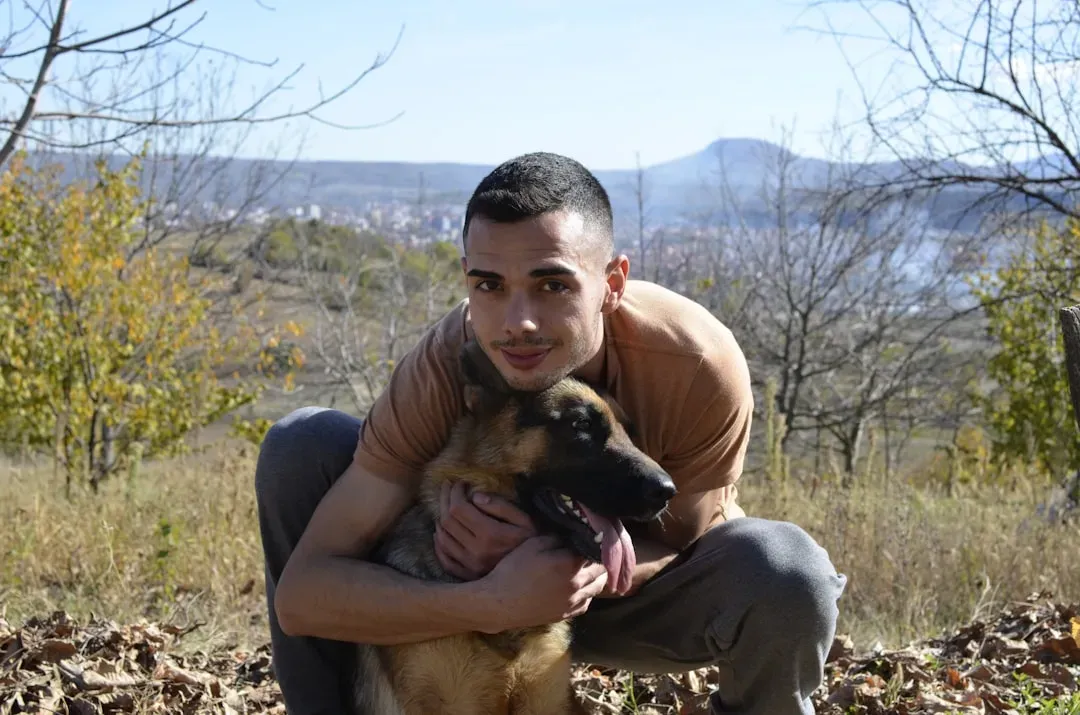
As a pet guardian, you are in the best position to detect subtle changes in your dog’s behavior or physical condition that may indicate discomfort. Since dogs cannot verbally communicate their pain, understanding their nonverbal cues is critical for early identification and management. Nobody knows your dog the way you do. Not their vet, not the trainer, not anyone. You’ve watched them sleep, eat, run, and rest for years. That familiarity is genuinely your most powerful tool.
Dogs often tolerate pain longer than they should. By the time obvious signs appear, discomfort may already be affecting quality of life. Early recognition allows for gentler, more effective care strategies. So trust that quiet nudge when something feels different. The dog who stays strong for you deserves a human who stays observant for them. That’s the quiet deal you made when you brought them home, and it’s one of the most meaningful ways you can love them back.


