
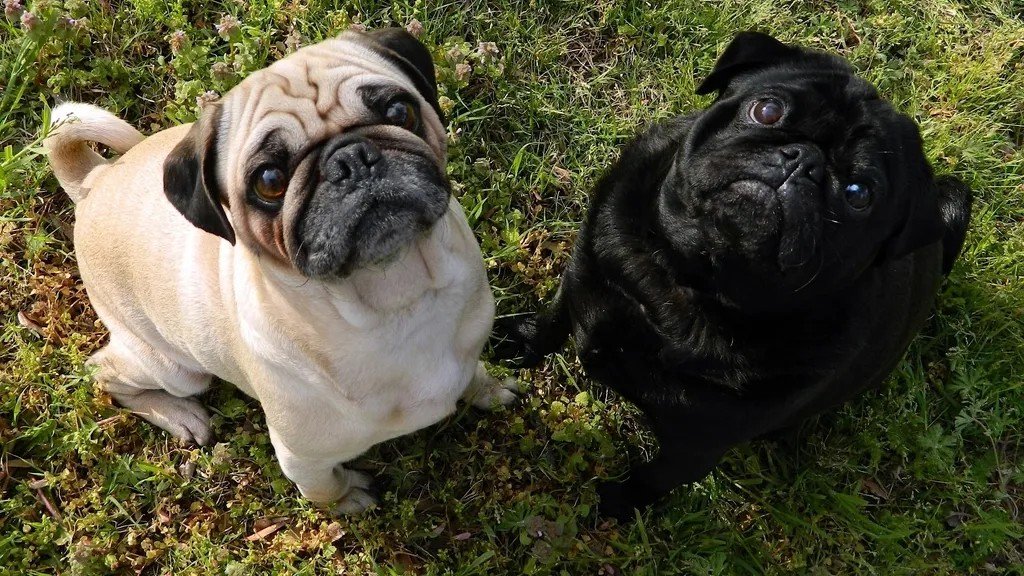
North Carolina is a beautiful state to call home. You’ve got the cool, misty mountains of the Blue Ridge in the west, the flat coastal plains kissed by Atlantic humidity in the east, and everything in between. For humans, it’s a dream. For certain dog breeds, though, those long, sticky summers and relentlessly high humidity can feel like a slow-motion survival test.
If you already live in the Tar Heel State or are planning to move there, picking the right dog breed matters more than most people realize. Choosing a breed poorly adapted to hot conditions creates serious health risks, limits outdoor activities during much of the year, and results in a companion who suffers rather than thrives in your home environment. That’s not a scare tactic. That’s just the honest truth that too many dog owners learn the hard way. Here’s a clear look at ten breeds that genuinely struggle with the NC climate, and five that fit in surprisingly well.
1. Siberian Husky: Built for the Tundra, Not the Piedmont
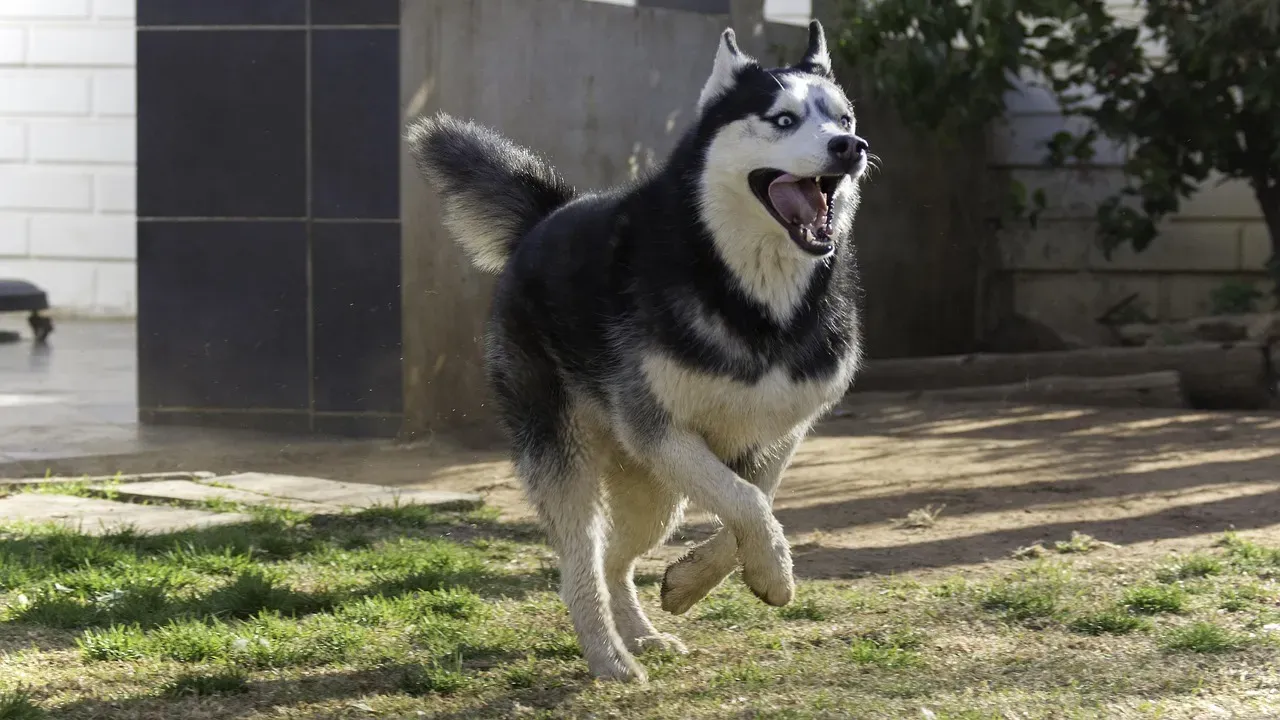
There’s something undeniably gorgeous about a Siberian Husky, and North Carolina residents fall hard for that wolf-like face. The problem runs deep into the breed’s biology. Siberian Huskies are known for their thick double coats, an undercoat and a protective topcoat, that kept their ancestors cozy on Siberian tundras, and while this fur provides insulation in cold weather, it also means they’re built to retain heat rather than shed it efficiently in warm weather.
Huskies may struggle in temperatures above 85°F, especially with high humidity. North Carolina summers regularly push past that threshold, often pairing scorching heat with humidity levels that suffocate. The adaptation to heat through panting is less effective in extreme humidity, where panting efficiency drops, so in humid climates, owners should prioritize indoor cooling and limit outdoor time on muggy days. Watch for excessive panting, drooling, and lethargy, those are early heat stress warnings you should never brush off.
2. Alaskan Malamute: Too Much Coat for Carolina Summers
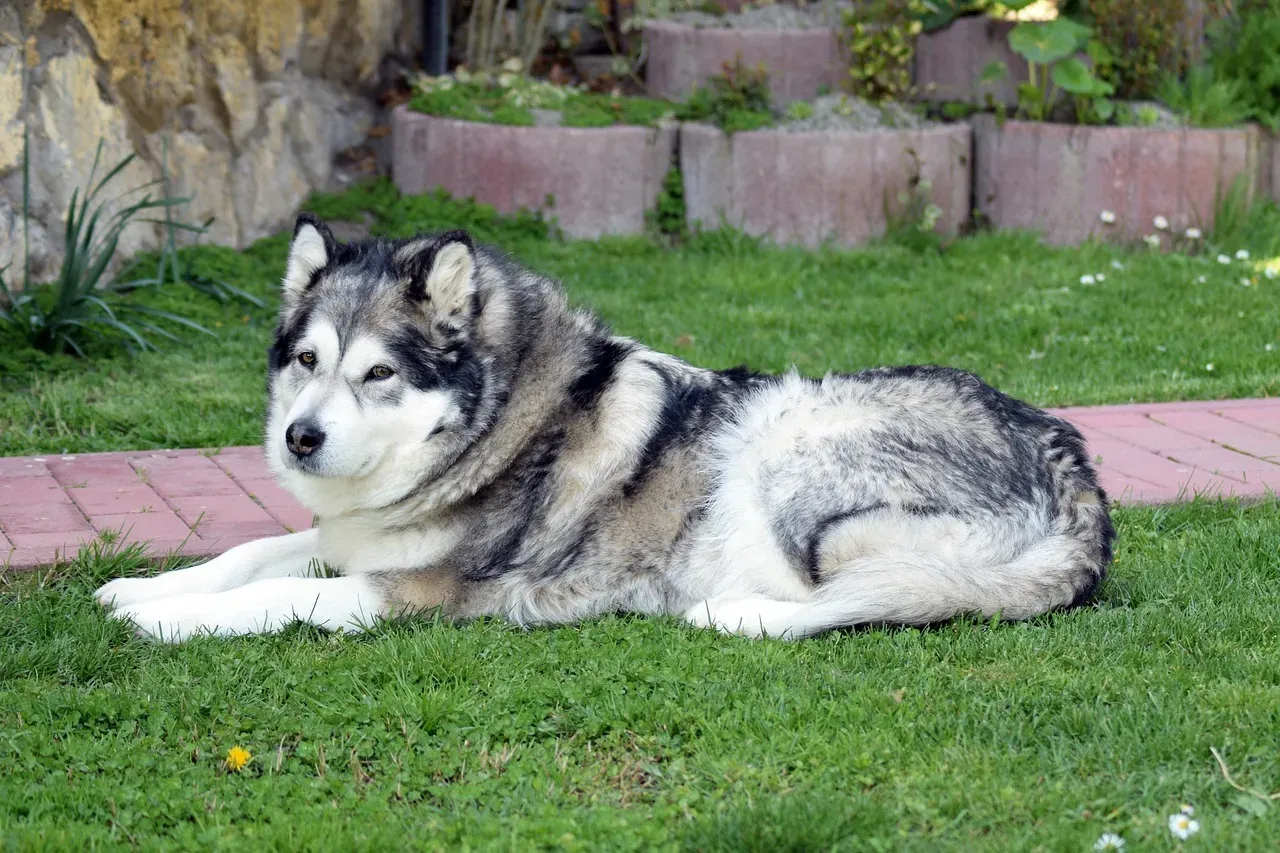
The Alaskan Malamute was bred to pull heavy loads in freezing Alaskan temperatures, which makes them one of the best dog breeds for cold weather, but one of the worst for hot climates. Their coat isn’t just thick. It’s engineered for sub-zero survival, which becomes a liability the moment summer arrives in North Carolina.
The breed’s dense coat is like a well-insulated parka that traps heat and locks out moisture, and it’s not the best in sweltering summer temperatures. Malamutes love to work and be outside, so this dog breed is best for homes in colder or moderate climates. During the warmer months, it’s essential to plan outdoor exercise when the temperature is at its lowest. Early morning walks before 8 a.m. are your best friend here. Keep cool water available constantly, and never underestimate how fast this breed can overheat.
3. French Bulldog: A Popular Choice With a Serious Vulnerability
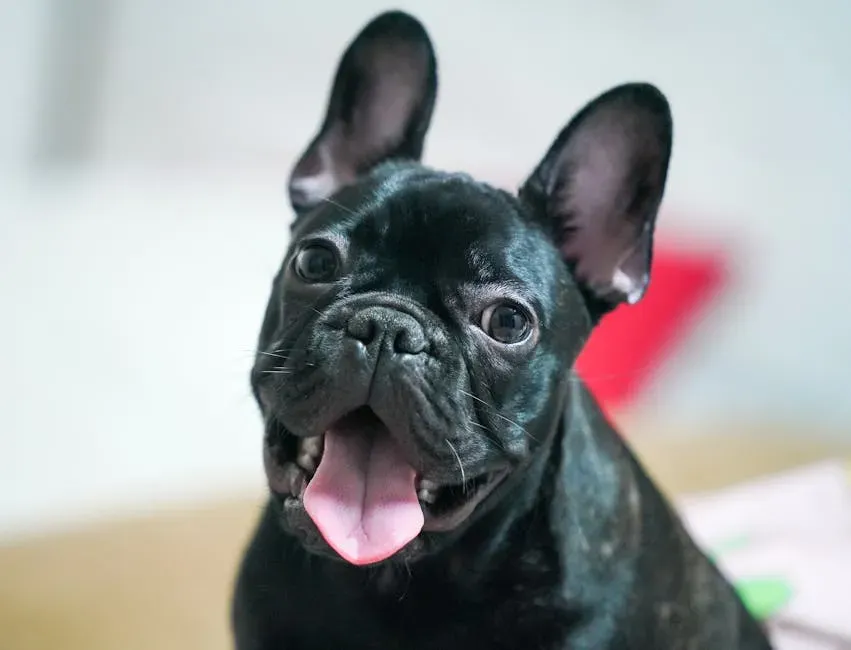
The French Bulldog is the second most popular dog in North Carolina, which makes this next part especially important for local dog owners to understand. Frenchies are brachycephalic, meaning their flat faces create a genuine physiological disadvantage in the heat. Brachycephalic breeds are more prone to a condition called Brachycephalic Obstructive Airway Syndrome (BOAS), which makes it even harder to breathe normally, especially during exercise or stress.
Due to their flat faces, French Bulldogs are sensitive to heat, so it’s essential to provide them with shade, keep them hydrated, and avoid strenuous activities during hot weather. Keeping them in an air-conditioned environment is the best option. If your Frenchie is snoring heavily at rest, struggling after a short walk, or breathing with visible effort, that’s a sign their airway needs veterinary attention. Don’t wait on that conversation.
4. Saint Bernard: The Alpine Giant in the Tropics
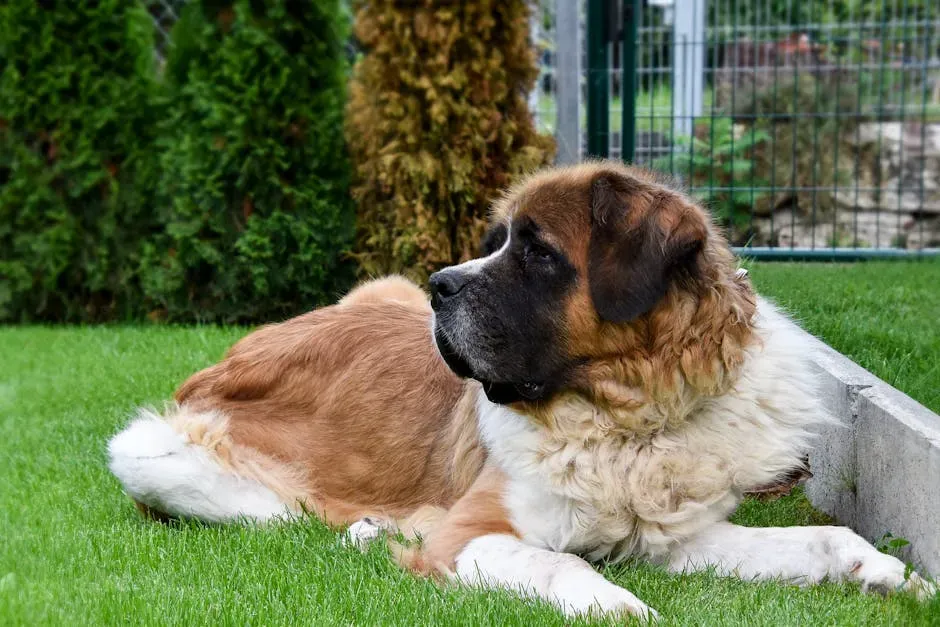
Originally from the Swiss Alps, Saint Bernards were bred for cold-weather rescue work, and thanks to the thick coat that protects them in the mountain snow, Saint Bernards can struggle in hot and humid climates. Bringing one of these gentle giants to a Carolina summer is a bit like asking a polar bear to enjoy a beach vacation. The size alone compounds the problem significantly.
The Saint Bernard has an easygoing demeanor that makes him a friend to people and pets alike, but don’t expect them to be the star of your next summer barbecue. With a thick, dense coat covering the breed’s extra-large frame, a Saint Bernard prefers to chill inside next to the AC. Cooling mats, fresh water refreshed multiple times a day, and strict limits on outdoor midday exposure are essential for this breed’s safety in North Carolina.
5. Chow Chow: Dense Coat, High Heat Risk
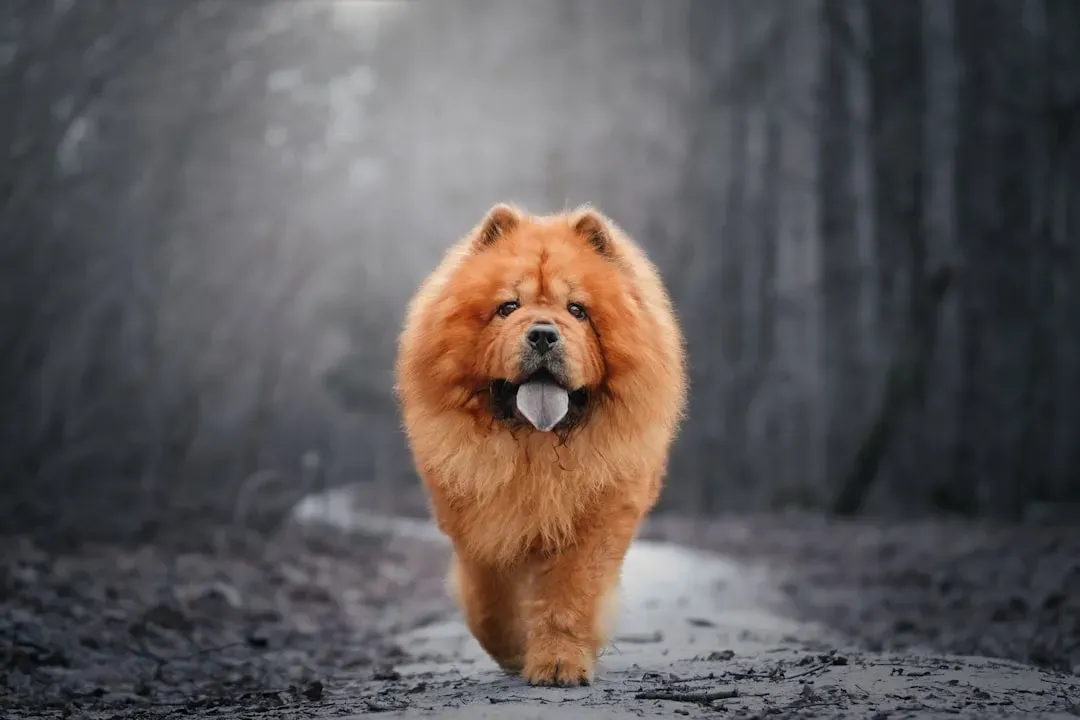
The Chow Chow is one of the most ancient dog breeds in the world, and that magnificent mane is part of its legendary charm. In North Carolina’s humid summers, though, that dense double coat becomes a real challenge. If you have a Chow Chow, you’ll want to limit the amount of time they spend outside during peak temperatures. If they need to be outside, make sure to provide a shaded area at all times. Grooming is key to keeping this breed happy all year-round but can be a literal lifesaver in the warmer months.
Chow Chows are also notoriously stoic. They don’t always show distress as dramatically as other breeds, which means owners need to be especially observant. Signs of heatstroke include heavy panting, drooling, vomiting, diarrhea, weakness, and collapse. If your Chow seems unusually still, sluggish, or reluctant to move on a hot day, treat it seriously and move them to a cool environment immediately.
6. Pomeranian: Tiny Dog, Double Trouble
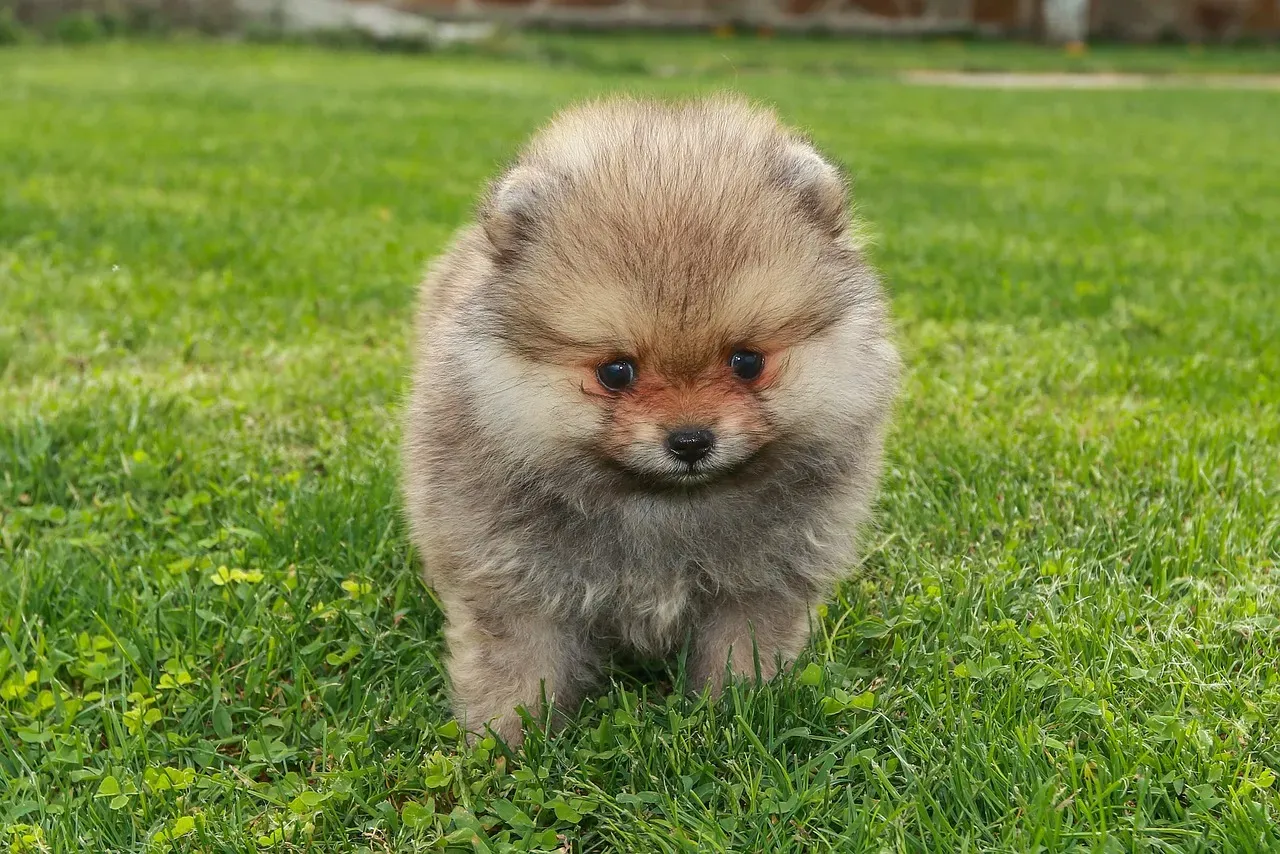
Pomeranians pack an enormous personality into a very small frame, and most people assume their size protects them from heat. It doesn’t. Pomeranians have a double problem: they have a short muzzle and a thick coat, which is the recipe for overheating. In North Carolina’s sticky summer air, that combination can escalate quickly from discomfort to a medical emergency.
Like the Chow Chow, Pomeranians have a double coat, which gives them some protection from colder weather, but it also makes warmer weather somewhat unbearable. If you have a Pomeranian, make sure that you’re limiting time spent outdoors, providing plenty of water, and always providing shade to help them cool down. Keep outdoor excursions short, shaded, and timed for the cooler parts of the day. Indoor puzzle toys and gentle play sessions work well for mental stimulation when the heat is at its worst.
7. Pug: Cute, Compact, and Compromised by Heat
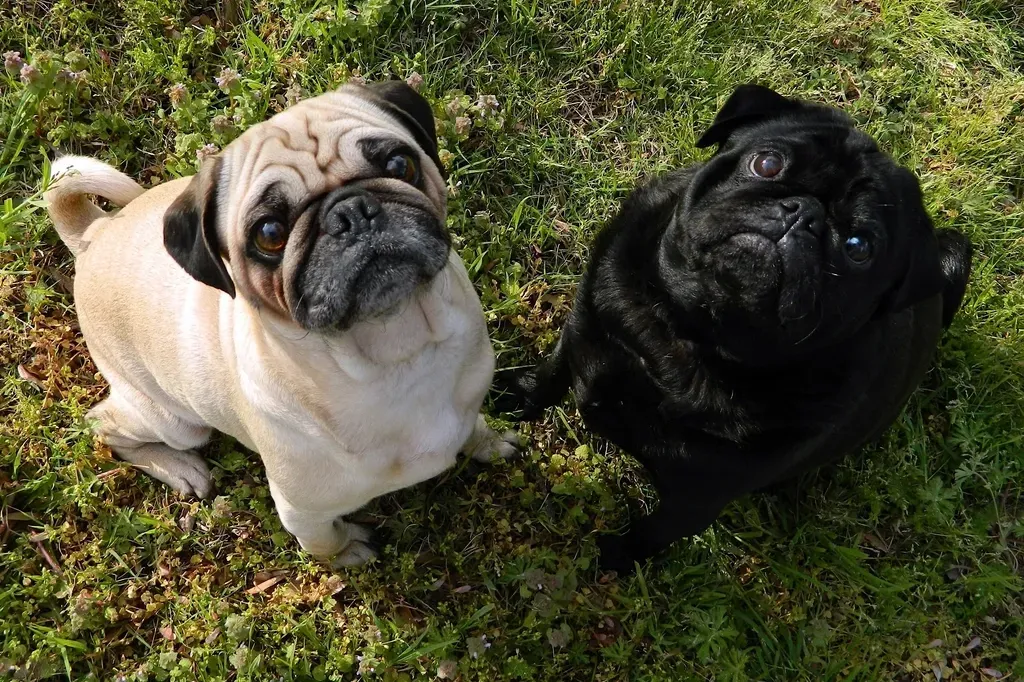
Pugs are one of the most beloved companion breeds in America, and you’ll spot them frequently at North Carolina dog parks. Unfortunately, they belong to the same brachycephalic group as French Bulldogs and face similar dangers. Pugs can’t easily cool themselves by panting, so when the weather turns hot and humid, keep your pup inside. Their airways are simply too compressed to compensate for high temperatures effectively.
Brachycephalic dogs are at increased risk of developing heat-related illness, and brachycephalic breeds are over-represented in presentations for heatstroke. That statistic matters a lot in a state like North Carolina, where warm temperatures stretch from late spring through early fall. Dog heatstroke cases are more commonly seen in Southern states, and generally in areas with higher temperatures and humidity. Never leave a Pug in a car, not even for a quick errand, and schedule all outdoor time carefully.
8. Newfoundland: Water Dog in the Wrong Kind of Wet
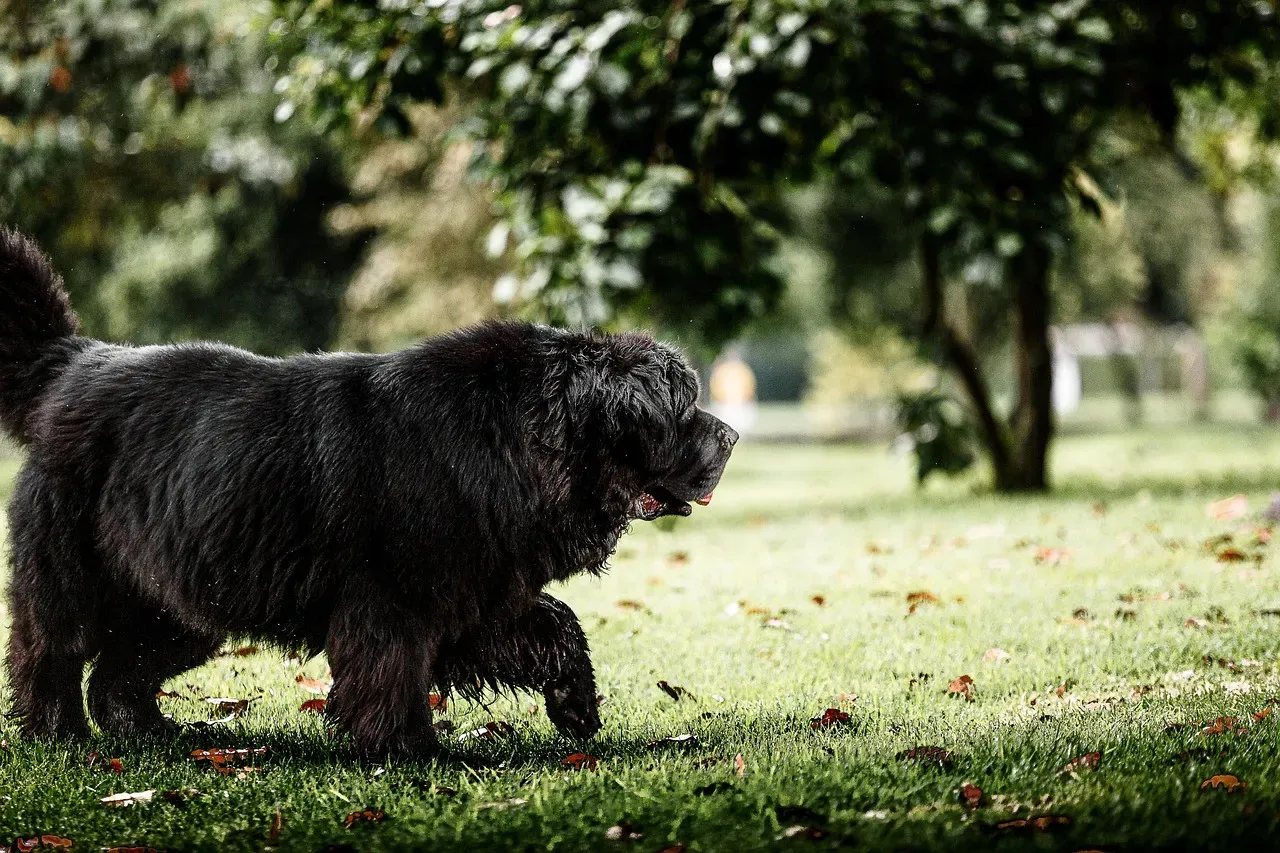
The Newfoundland loves water, which sounds like a perfect match for a state with beautiful rivers and lakes. The problem is that North Carolina’s heat and humidity aren’t the cool, brisk waters this breed was built for. Newfoundland dogs were born to swim, not sunbathe. Newfies have a thick, water-repellent double coat that allows them to take a dip in brisk waters, like you’ll find in the breed’s Canadian homeland, and in hot climates, you’ll want to keep a close eye on your gentle giant to make sure he doesn’t overheat.
If you live near a lake or have a pool in North Carolina, a Newfoundland can get some relief through swimming during cooler morning hours. If you have a pool or lake nearby, these water-loving pooches will gladly splash around for a little outdoor exercise. Still, once out of the water, the heat hits hard and fast. This breed needs significant indoor cooling time, a consistently groomed coat, and strict supervision during outdoor activity in summer.
9. Boxer: High Energy Meets High Heat Danger
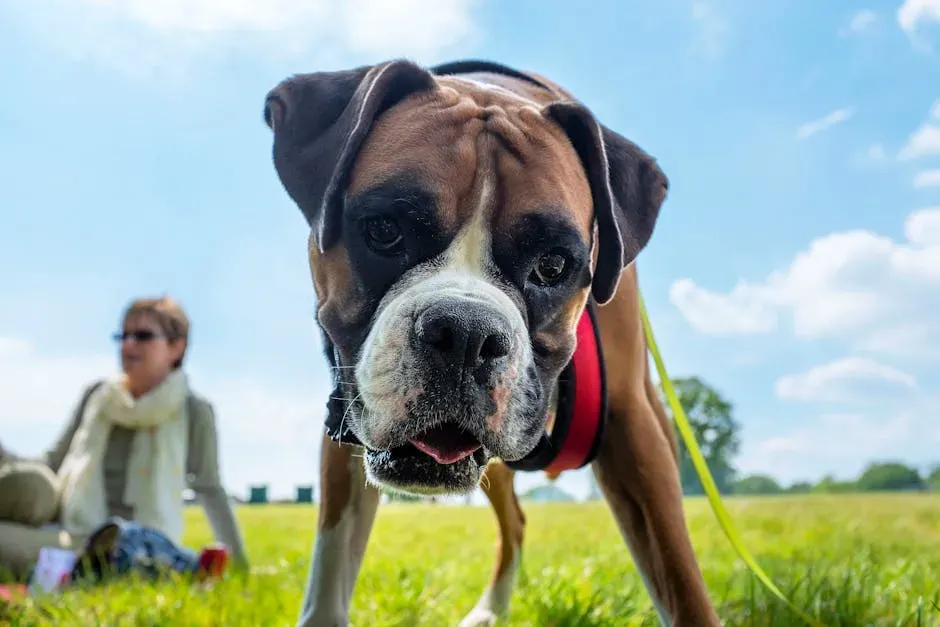
Boxers are athletic, loyal, and full of life. They’re also brachycephalic, which creates the same airway limitations seen in French Bulldogs and Pugs. Because Boxers are brachycephalic and have high energy levels, they tend to overheat easily. That pairing of shortened airways and a natural drive to run and play makes them especially vulnerable during North Carolina’s long summer months.
The behavioral cue to watch for is a Boxer who seems to “push through” despite the heat. This breed will try to keep going even when its body is struggling, which means the owner has to be the one who calls time. The most effective strategy to prevent heatstroke is avoiding situations where dogs are at risk of overheating. Early morning exercise, proper hydration, and air-conditioned rest are the three pillars of caring for a Boxer in the Carolinas. Don’t skip any of them.
10. Akita: Cold-Climate Guardian in a Southern State
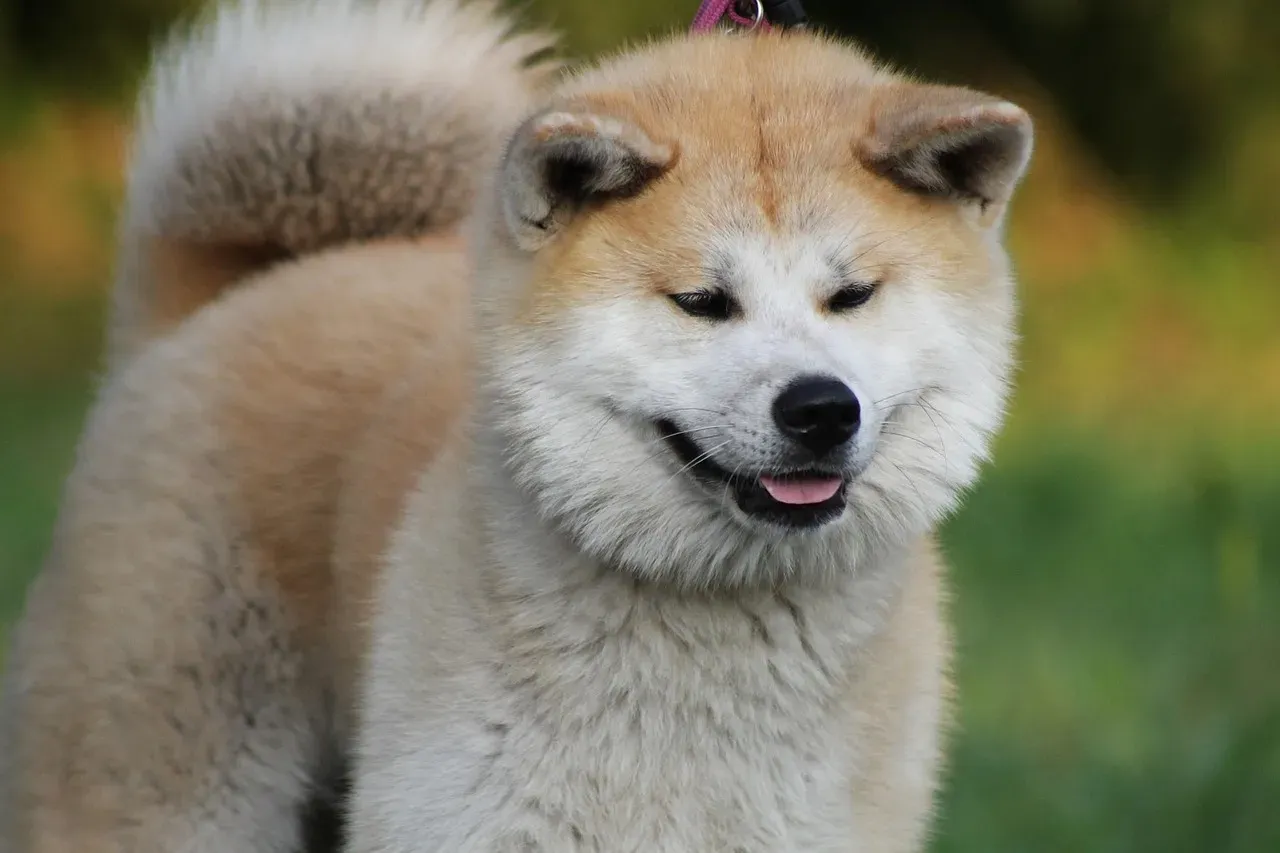
The Akita is a striking, dignified dog with a deep-rooted heritage as a guardian and hunting dog in northern Japan. That heritage comes with a thick double coat built for cold mountain winters, not for the kind of relentless summer heat that settles over the Carolina Piedmont and coast. Big and brawny Akitas have a long heritage as Japanese hunting dogs and guardians, and this breed has a thick double coat that protects against cold winter weather, including in their native homeland in northern Japan.
Dogs with an increased risk of developing heat stroke include older dogs, dogs suffering from obesity, brachycephalic breeds, large breeds, and breeds with extremely thick hair coats. The Akita checks multiple boxes in that list. They’re large, they’re double-coated, and they tend to be reserved about showing vulnerability. Regular grooming to manage the undercoat is a must, outdoor time should be managed carefully during summer, and access to cool, shaded rest areas is non-negotiable.
11. Plott Hound: North Carolina’s State Dog That Thrives Here
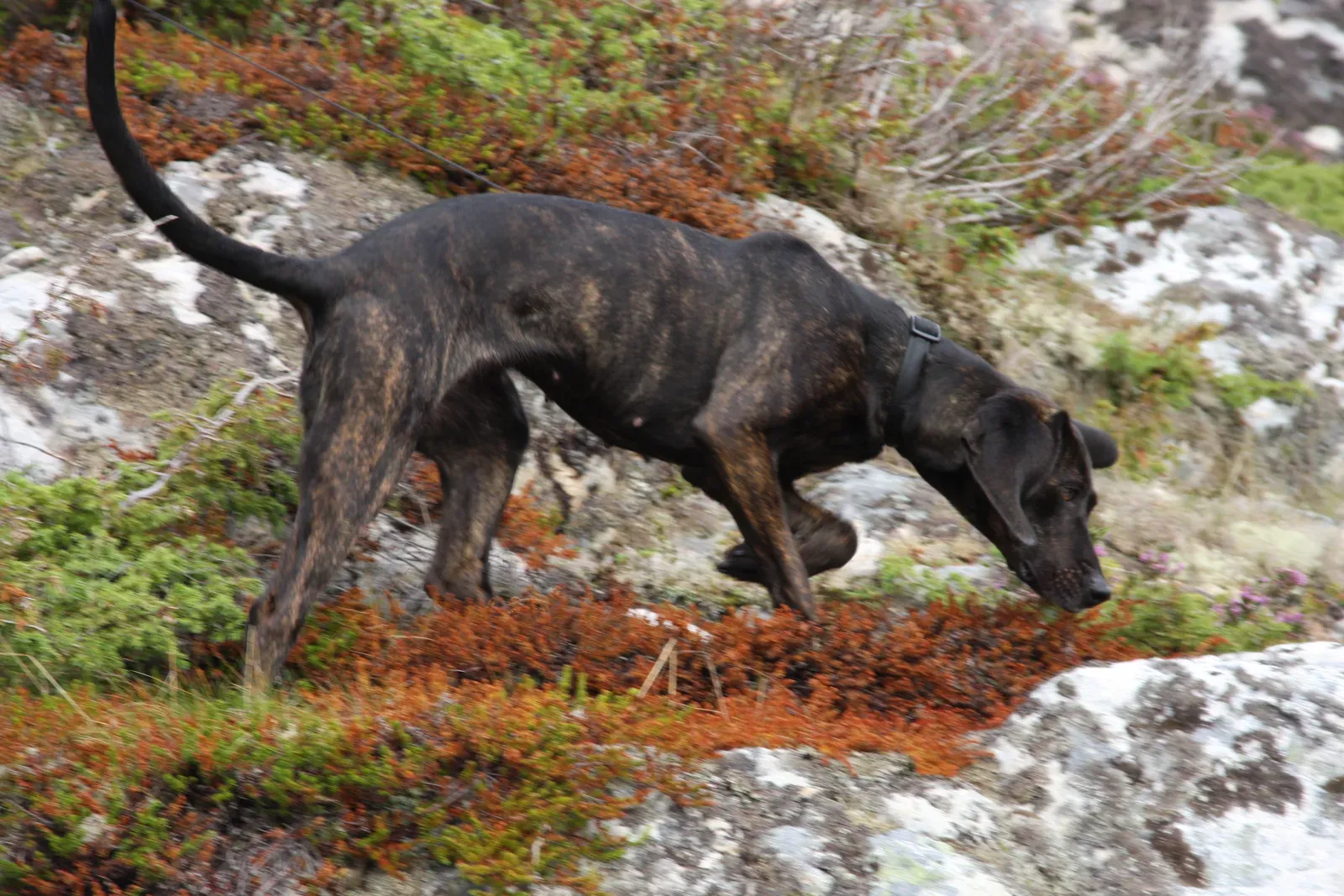
Now for the good news. The Plott Hound isn’t just a capable breed, it’s literally part of North Carolina’s identity. The Plott Hound is historically connected to North Carolina and is the state dog. In the late 1700s, a German immigrant named Johannes Plott developed them from Hanover Hounds to hunt bears in his new home. Generations of life in this exact climate have shaped them into a breed that handles it naturally.
One of the more uncommon breeds in the United States, the Plott Hound is actually the state dog of North Carolina. They have excellent tracking and hunting abilities and originated from German boarhounds that a colonist brought with him. If you do manage to get one, you can be sure that the sun or the heat won’t bother them much. For outdoorsy families who love the trails and mountain forests of the state, a Plott Hound is a natural fit.
12. Vizsla: Lean, Active, and Built for Warmth
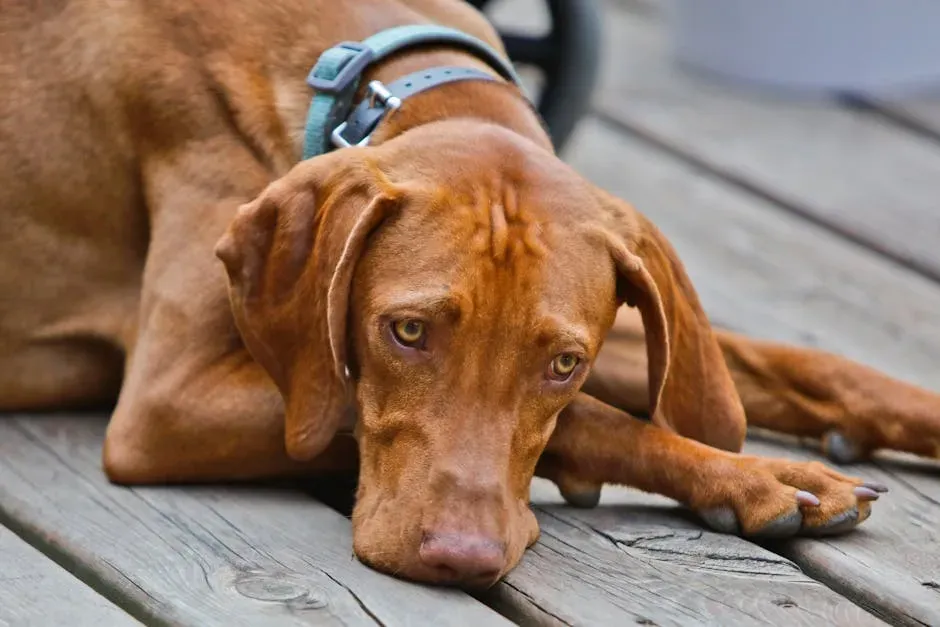
The Vizsla is a Hungarian breed that might not be the first dog that comes to mind when thinking about North Carolina, but it deserves serious consideration. Dogs that have shorter haircoats with minimal undercoat, along with longer noses and larger ears, are ideally suited for warmer climates as these traits assist in heat dissipation. The Vizsla checks every one of those boxes with elegance.
The Vizsla is a versatile hunting dog breed from Hungary, admired for its speed, elegance, and strong bond with hunters. Originally bred as a close-working hunting companion, it features an athletic, lean build combined with intelligence and a strong prey drive, making it highly adaptable to different hunting environments and hunting styles. In North Carolina, that translates to a dog that can genuinely enjoy the outdoors year-round with reasonable precautions. At home, they’re affectionate and people-focused, which makes them excellent family companions.
13. Basenji: Africa’s Gift to Warm-Weather Dog Owners
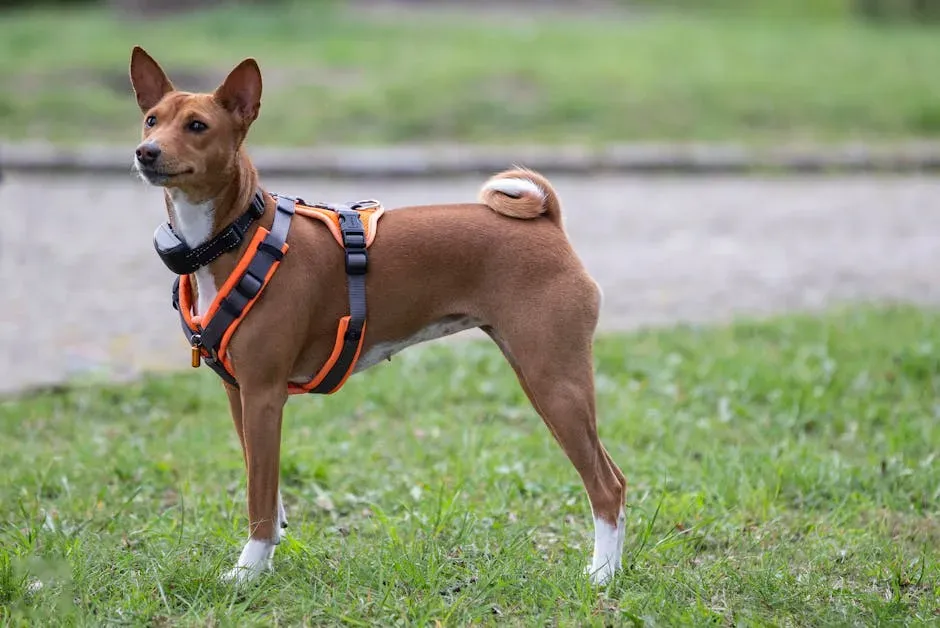
The Basenji was developed in Central Africa, and every aspect of its body reflects that origin. Originating from Central Africa, Basenjis have a rich history of living in hot climates. They are often called “barkless dogs” and are well-known for their cat-like grooming habits. Their short, fine coat provides natural insulation and allows for efficient heat dissipation, making them well-suited for warmer weather.
Basenjis are highly adaptable and tend to be more tolerant of heat compared to other breeds. However, they still need access to shade and fresh water during hot days. They’re independent, curious, and remarkably clean dogs. For North Carolina residents who want a heat-friendly breed that doesn’t shed much and handles summer without constant intervention, the Basenji is worth a close look. They do best with active owners who appreciate a spirited, somewhat cat-like personality.
14. Greyhound: Surprisingly Well-Suited for the Carolina Climate
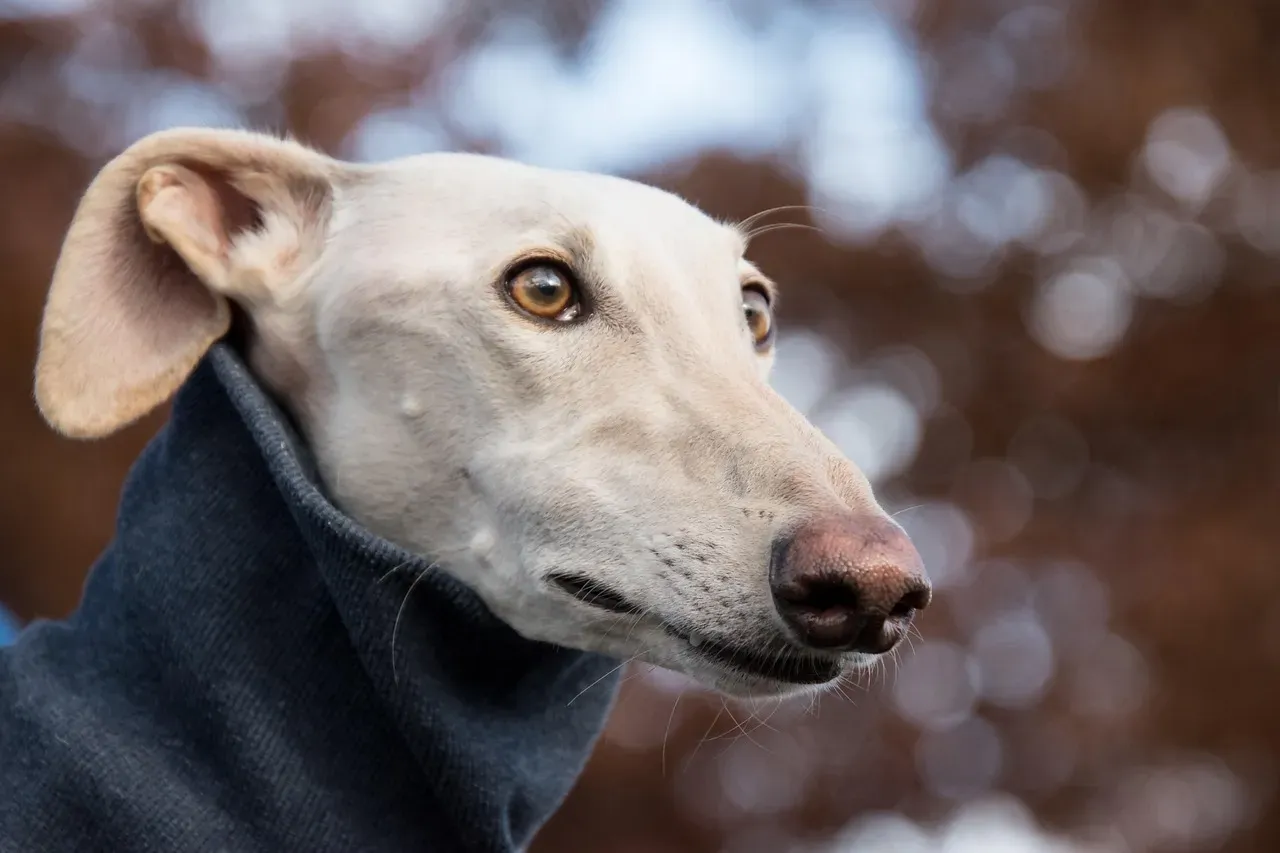
Most people imagine Greyhounds as racetrack athletes, constantly running. In reality, they’re famously relaxed indoors and surprisingly well-suited to warmer climates. Their thin coats and lean bodies help Greyhounds manage body heat effectively, and they enjoy lounging indoors and need safe sprinting spaces outdoors. That combination of physical traits and a calm temperament makes them a genuinely practical choice for North Carolina families.
In general, dogs that can handle hot weather have roots in warmer climates, short coats, or physiques that effectively cool air as they breathe. The Greyhound fits that profile well. They do need short bursts of exercise in a safely fenced space, but they’re not demanding dogs by nature. Many Greyhounds available for adoption are retired racers, and these gentle, gracious animals adapt beautifully to home life in a warm climate.
15. Carolina Dog: The Original Survivor of the Southeast
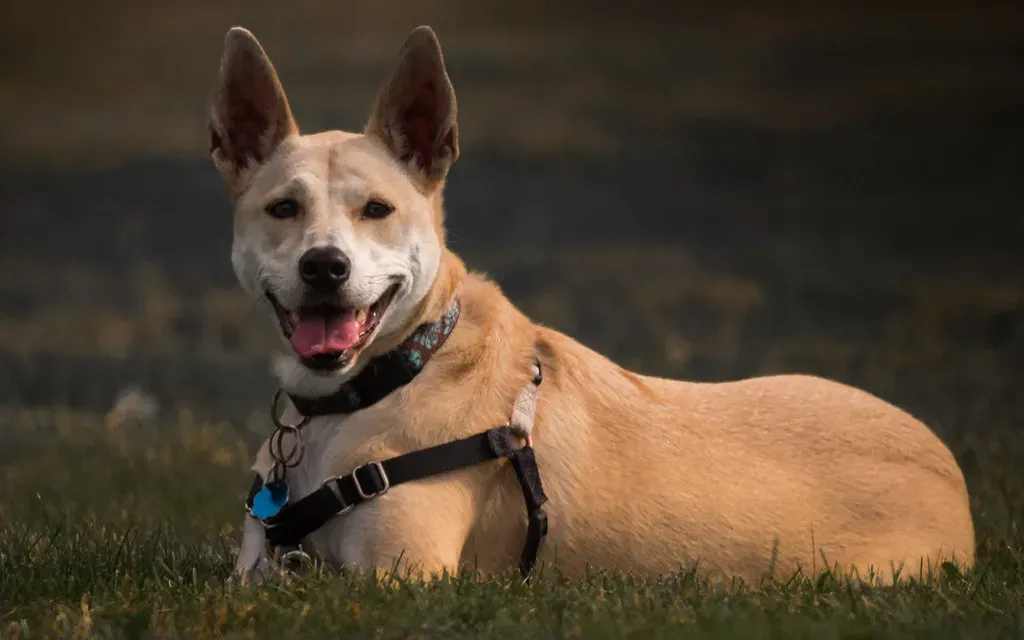
Perhaps the most perfectly adapted dog for life in North Carolina is one that’s been here for thousands of years. The Carolina Dog is resourceful, a born survivor that adapted to the harsh environmental conditions of the Savannah River, swamps, and forests in the South-Eastern United States. Their coat is short and dense, which helps them adapt to various climates. They weren’t designed for a particular climate through careful kennel breeding. They evolved into it through natural selection.
Not only is the Carolina Dog a good guard dog, but it is also strong, quiet, brave, and resourceful. It can adapt to any lifestyle and climate, as it has lived in the wilderness for many years. They were discovered in the American South and are believed to be descendants of the ancient Asian “pariah dogs” brought to North America across the Bering Strait 9,000 years ago. Socialization is important with this breed, but for active families who want a genuine piece of this region’s natural history, the Carolina Dog is as authentic as it gets.
Conclusion: Match the Breed to the Climate, and Thrive Together
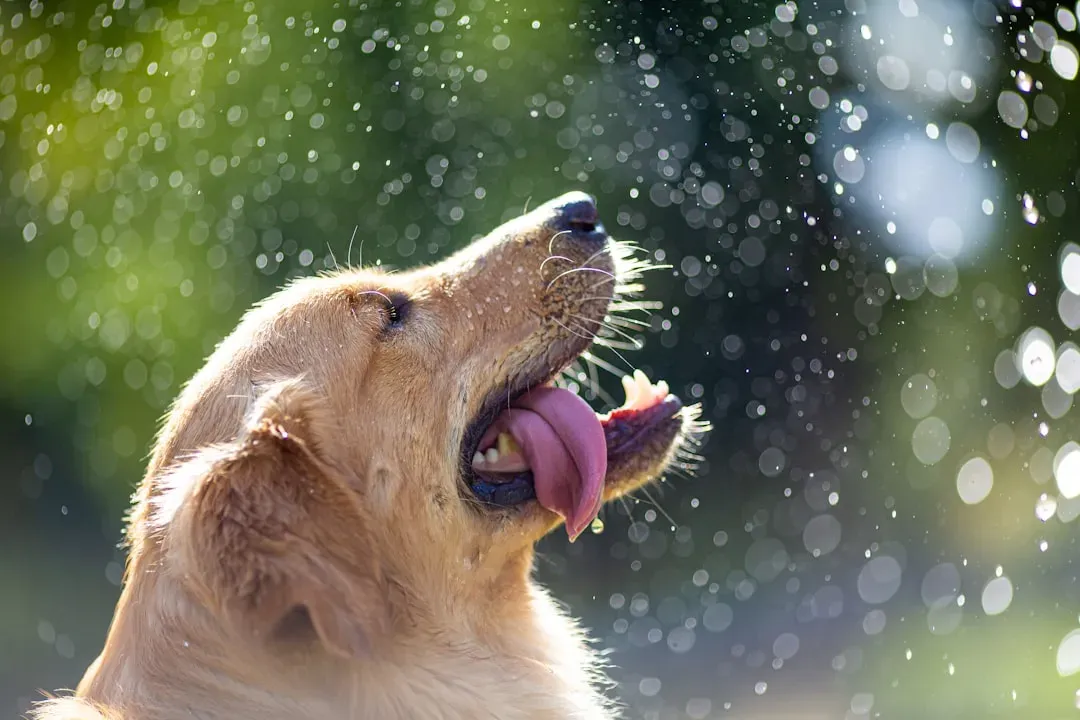
Living in North Carolina means making peace with heat and humidity for a good portion of the year. That’s not a problem for the right dog. It only becomes one when breed and climate are mismatched and owners aren’t fully prepared for what that means.
Aging dogs often become more heat-sensitive, meaning breeds that handle heat adequately in youth may struggle as seniors. So even if your current double-coated dog seems to be managing, the challenge often grows over time. Good management, attentive care, and thoughtful prevention make a real difference for any breed in a warm climate.
The best thing you can do for your dog isn’t choosing the most popular breed or the prettiest one. It’s choosing the one that can genuinely thrive where you actually live. One of the best ways to narrow down potential breeds is to investigate what breeds were developed in similar climates. North Carolina has the mountains, the coast, the heat, and the humidity. Your dog deserves a life that fits all of it.


