
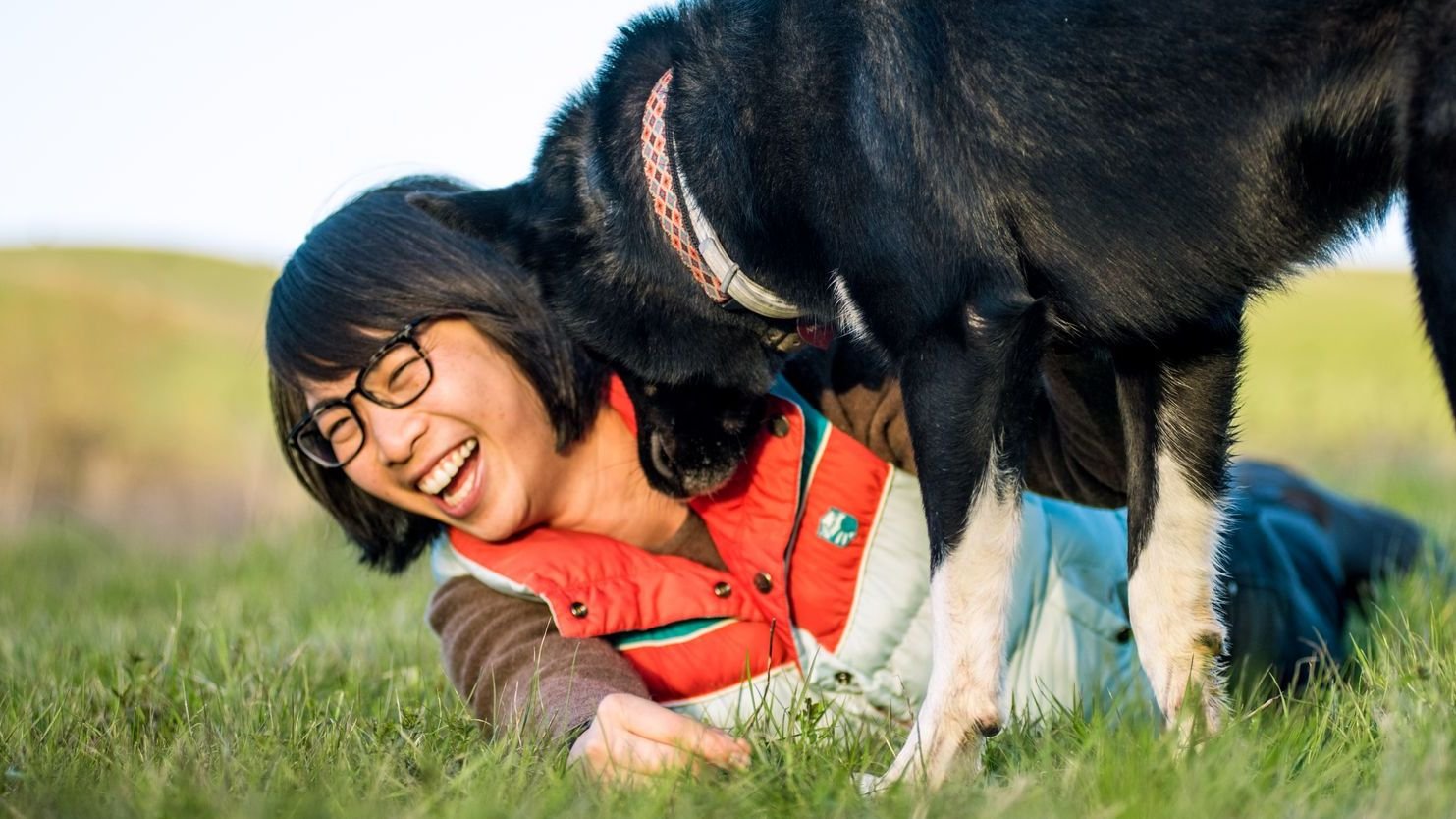
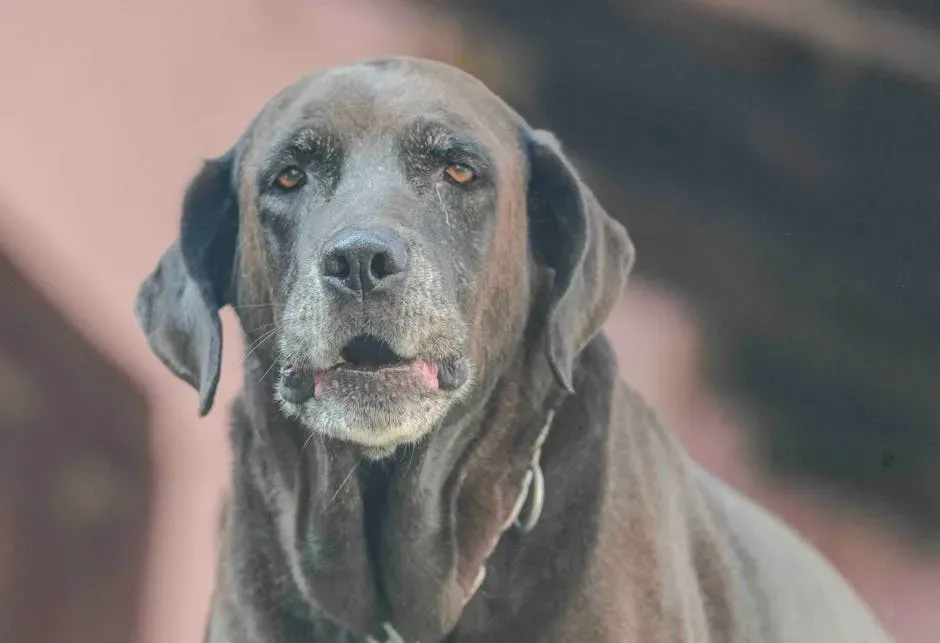
There’s a moment many dog owners know well. You walk into a room where your senior dog is resting, gray around the muzzle, slower to rise than he used to be – and his tail starts moving before you’ve even said a word. Something in him recognizes you. Not just your face. Something deeper.
As dogs age, we sometimes worry about what they’re losing. Slower walks. Stiffer mornings. Occasional confusion. It can be heartbreaking to watch, and easy to wonder whether the years you’ve spent together still mean something to them. The science, it turns out, is reassuring. Your old dog carries more of you than you might realize, woven into their senses, their emotions, and the very way their brain is wired.
1. Your Unique Scent – The One That Means “Home”
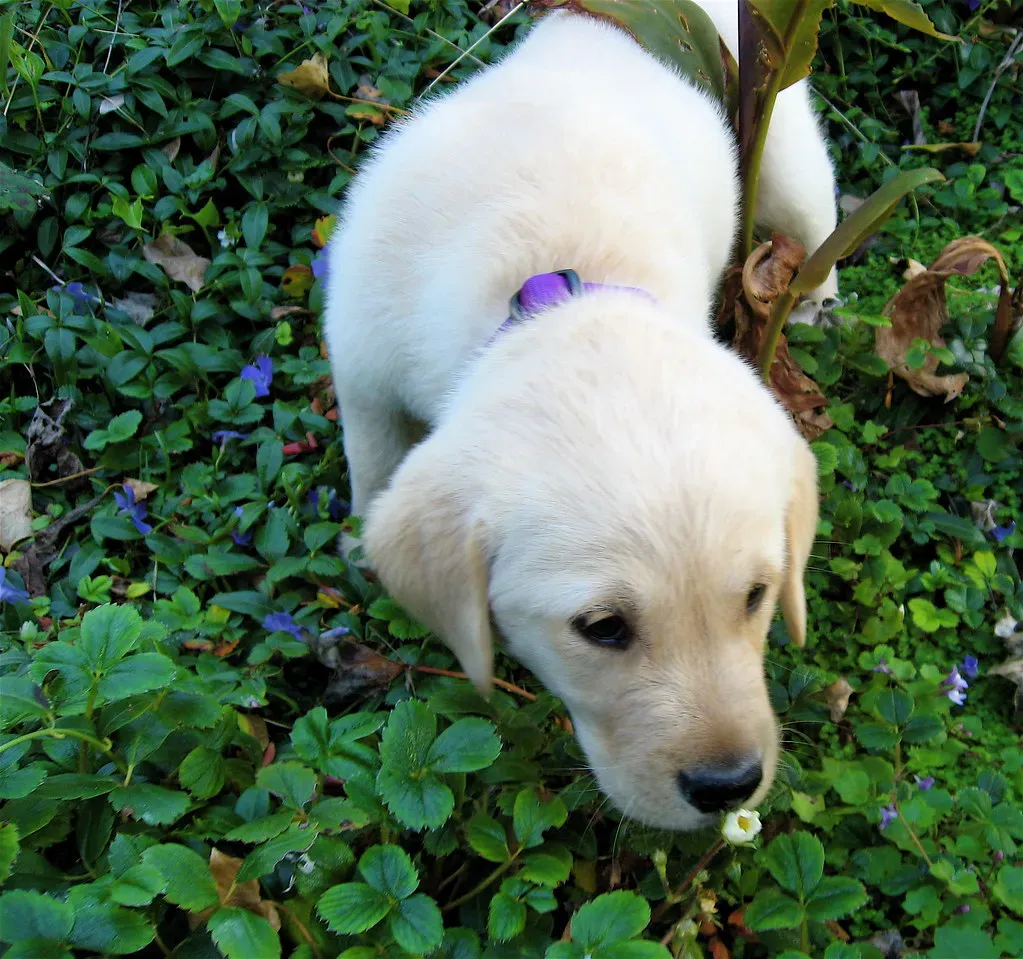
Of all the ways your dog remembers you, scent is the most powerful and the most enduring. While humans have about 5 to 6 million scent receptors in their noses, dogs have approximately 300 million. That staggering difference means your dog has been building a detailed, intimate scent map of you since the day you met.
Research published in the journal Behavioural Processes found that the smell of a familiar human triggered a positive reward response in the dog’s brain, confirming that your dog not only knows your scent but associates it with love and affection. Even if your appearance changes with age, your scent profile remains a constant anchor your dog can always return to.
Scent memory in dogs is potentially lifelong, as dogs rely heavily on olfactory cues. Some evidence suggests dogs can remember scents for their entire lifetime. So that instinct your old dog has to press their nose against you? It’s not just affection. It’s recognition, as deep and reliable as any memory can be.
2. The Sound of Your Voice
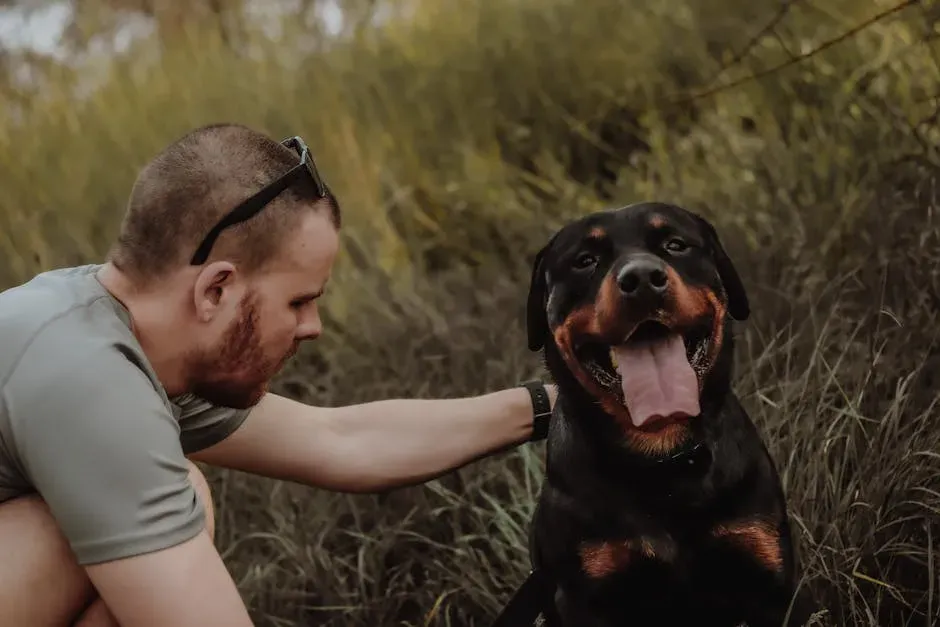
Your voice is a key factor in how your dog recognizes you. Dogs can discern their owner’s voice amidst a cacophony of sounds. The tone, pitch, and rhythm of your speech become familiar, providing comfort and assurance to your canine companion. For an old dog whose eyesight may be fading, your voice is often the clearest signal that you’re near.
Dogs may not understand every word you say, but they absolutely recognize your voice. Research shows dogs can actually tell your voice apart from other familiar voices and will often look toward you when they hear it. When their ears perk up, their tail starts wagging, or their face softens as soon as you speak, that’s emotional recognition. Your voice signals safety and familiarity.
This matters especially during the harder days of a dog’s aging. A calm, steady voice from their person carries real emotional weight. You don’t need words. Just the sound of you talking, softly and close, can shift the entire atmosphere for a confused or anxious senior dog.
3. Your Daily Routine – The Rhythm They Learned to Trust
Dogs thrive on routine. Regular interactions, feeding times, and daily walks create a pattern they anticipate. This consistency reinforces their recognition of you as the provider of their needs and the source of their joy. For a senior dog, this ingrained routine isn’t just comfort – it’s a form of memory that lives in the body.
Dogs are masters of association. They may not remember an exact date you last visited the park, but the sight of your walking shoes triggers excitement because they associate it with a walk. Your old dog still reads these cues, sometimes even before you’re fully aware you’ve given them. That glance toward the kitchen at 5 p.m.? That’s years of remembered routine, still running.
Keeping routines consistent is one of the kindest things you can do for an aging dog. Predictability reduces anxiety, anchors their sense of time, and gives their memory a reliable framework to hold onto. When the world gets foggy for them, a steady routine is something solid to stand on.
4. The Feel of Your Touch
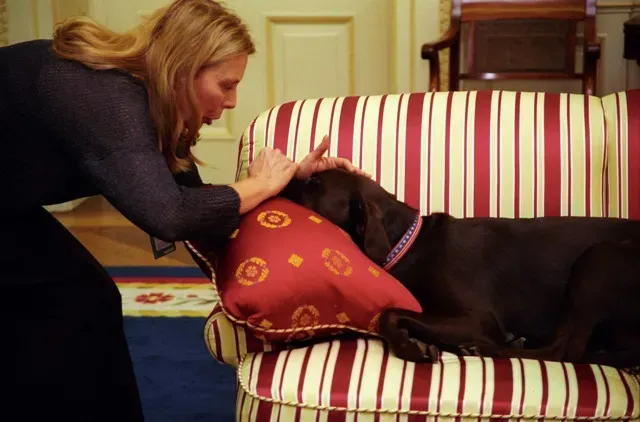
Petting, grooming, and cuddling all strengthen the human-dog bond. Physical contact reassures your dog and helps reduce stress. Simple actions like belly rubs or ear scratches release feel-good hormones in both you and your dog. These physical associations don’t fade easily with age. They’re stored as some of the warmest emotional memories a dog carries.
Senior dogs often enjoy more quiet bonding moments. Gentle petting, brushing, or cuddle sessions provide comfort and reassurance. An old dog who leans into your hand isn’t just seeking warmth. They’re connecting to something they’ve known their entire life – the specific, familiar feeling of you.
5. Your Face – Especially Your Eyes
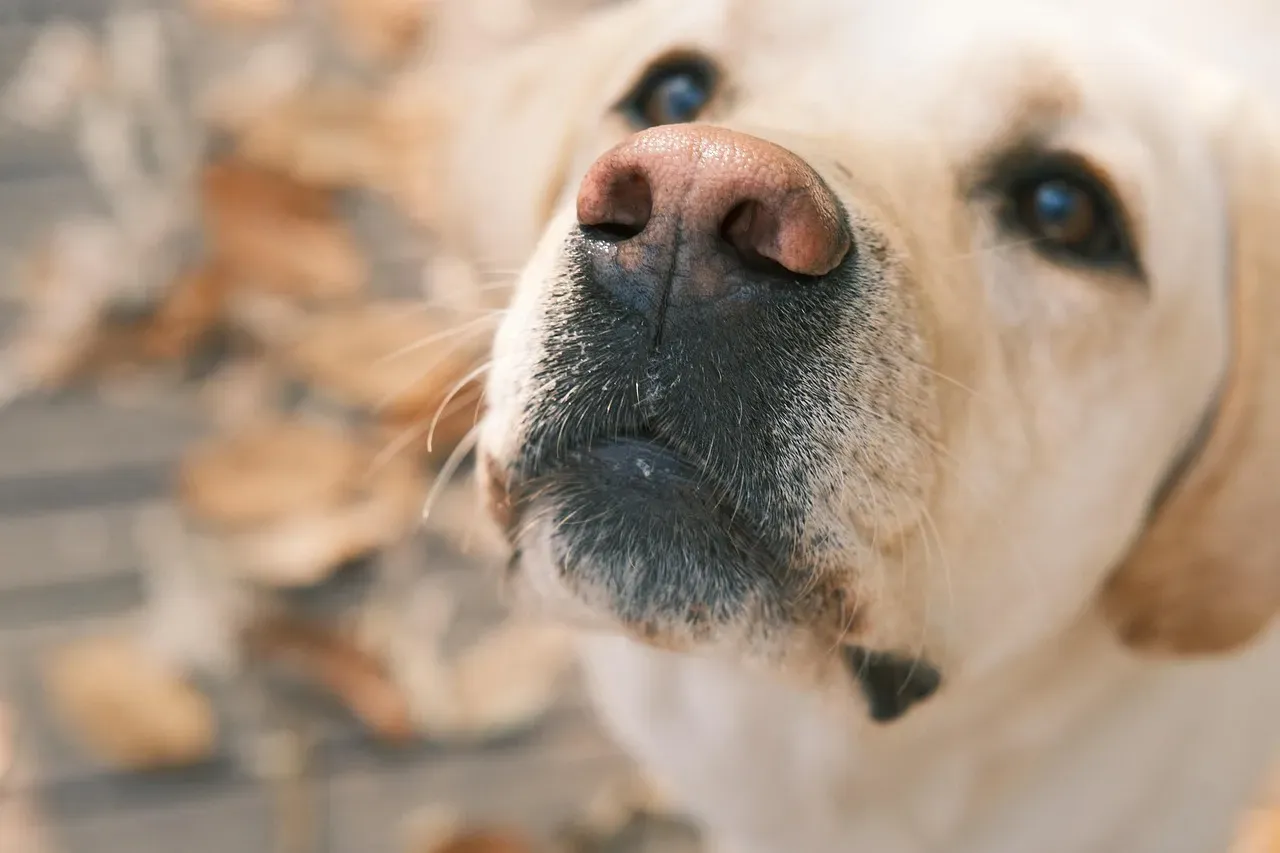
In 2015, researchers used functional magnetic resonance imaging (fMRI) to determine how dogs remember faces. The study found that dogs have a specialized region in their temporal lobe for remembering faces. The researchers believe this may also help explain dogs’ “exquisite sensitivity to human social cues.” Your face, especially around the eyes, is something your dog has studied more closely than you probably know.
Studies have shown that dogs can distinguish between human faces, particularly those of their owners versus strangers. They are also highly attuned to body language – your gait, gestures, and even the way you tilt your head can signal familiarity. Even as a dog’s vision softens with age, the outline of the person they love most remains recognizable.
If your dog is making eye contact with you, blinking, and maintaining a calm and relaxed demeanor, they are trying to express their love to you. Research shows that when dogs and their owners lock eyes, both experience a spike in oxytocin, the “bonding hormone,” which shows trust and affection between you two. That slow, soft gaze from an old dog is one of the most meaningful things they can offer.
6. The Emotional Weight of Happy Moments
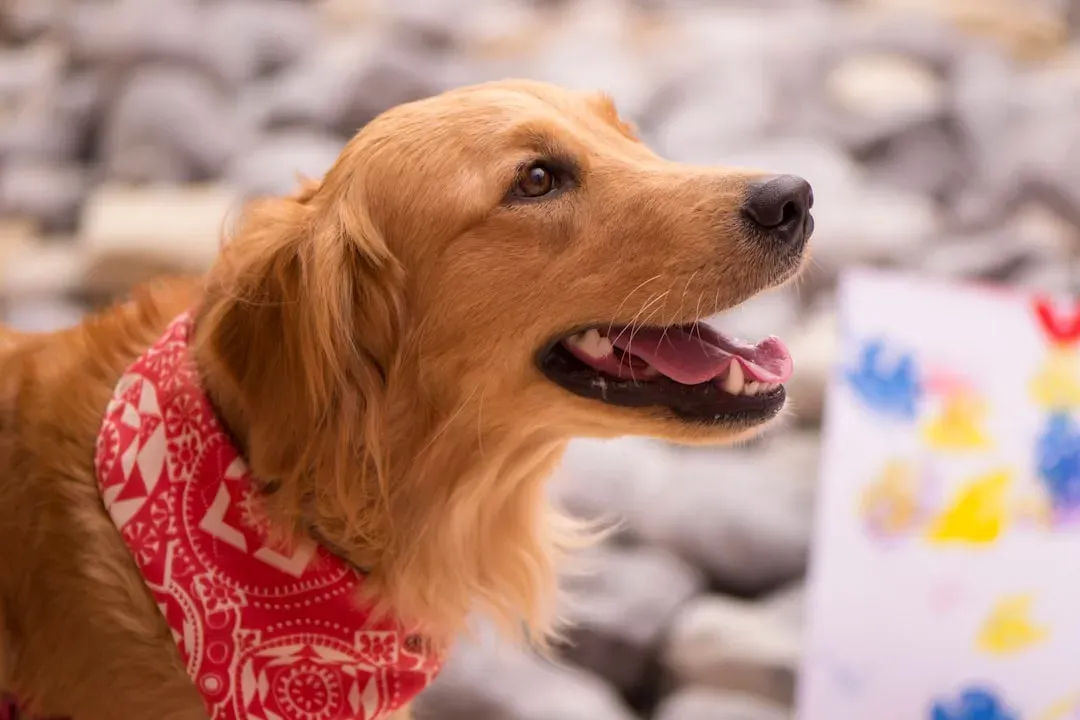
Dogs are particularly adept at remembering emotional experiences. This is because their amygdala – the part of the brain that processes emotions – is highly active. Positive reinforcement during training can create strong, lasting memories. This emotional wiring means the best moments of your dog’s life aren’t just gone. They’re stored, somewhere warm and deep inside.
The emotional weight of experiences significantly impacts how long dogs remember things. Positive experiences, such as engaging playtime, tasty treats, or affectionate moments with their owners, create strong emotional associations that enhance memory retention. All those joy-soaked afternoons at the park, the mornings they got to curl up beside you – your old dog carries their version of all of it.
7. The Training You Did Together
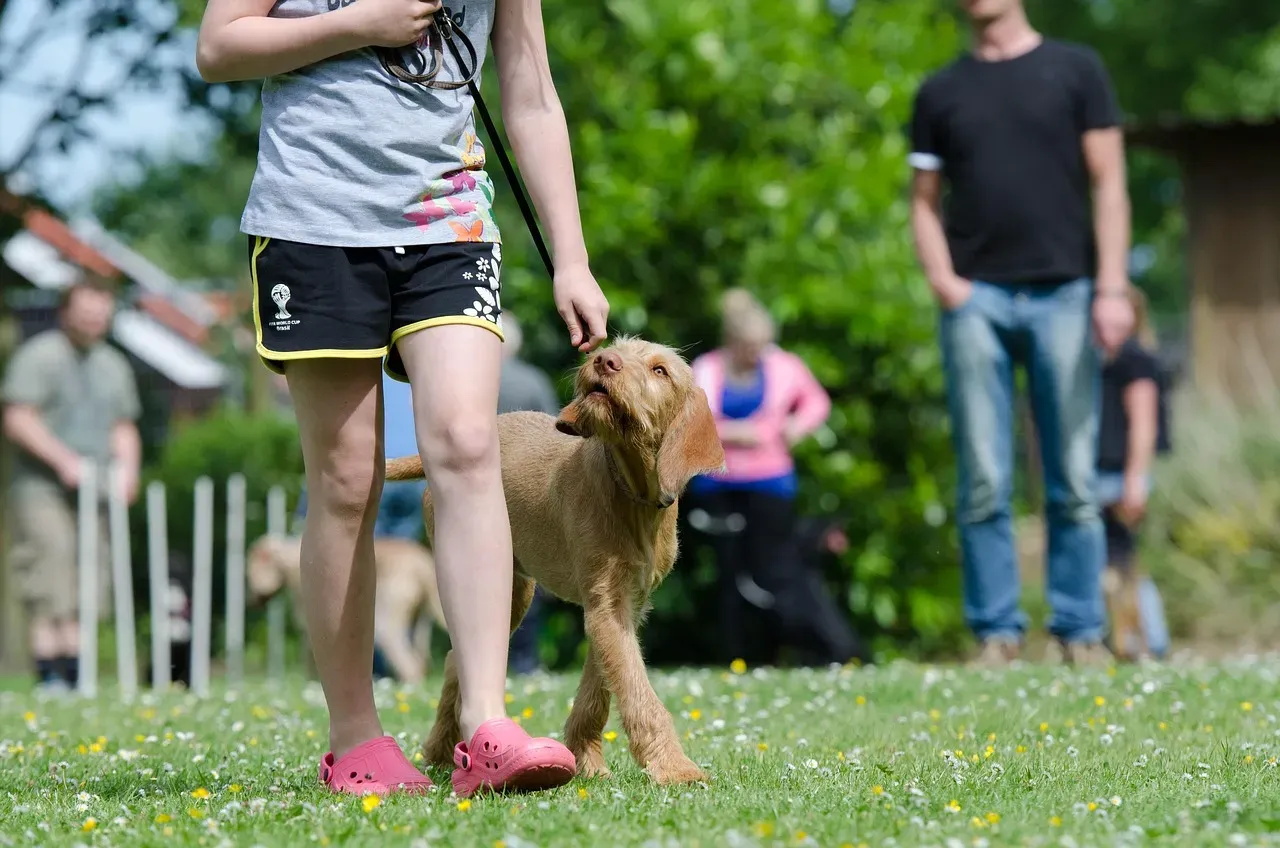
Long-term memory stores skills, habits, and learned associations over time, such as knowing a sit command or where the treat jar is kept. Those training sessions you did years ago weren’t just about good behavior. They became one of the primary ways your dog holds a memory of you – your voice, your gestures, your patience, all encoded into learned behaviors.
A 2014 study from Stockholm University found that dogs’ short-term memory is surprisingly brief for certain tasks, but their long-term associative memory can span months or years. Dogs trained to respond to commands can retain them for years, even without regular practice. That’s why your senior dog may still respond to a quiet “sit” from across the room, even if they sometimes seem to forget what day it is.
A good way to support aging dogs is through very gentle, low-pressure reinforcement of commands they already know. It gives their memory a workout, keeps them mentally engaged, and reconnects them to something they’ve shared with you for years. Short sessions of five to ten minutes are plenty.
8. The People and Animals They Associate With You
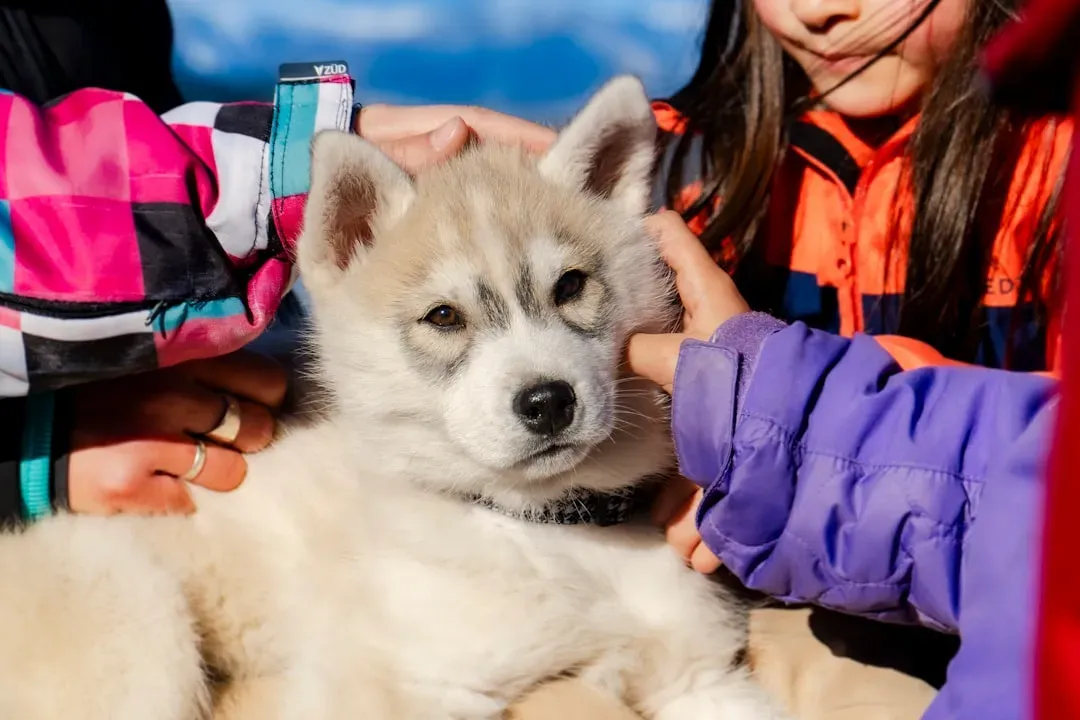
Research findings suggest that dogs have long-term memory for both social information, such as family members, and non-social information, such as objects. This means your old dog hasn’t just memorized you. They’ve built an entire social map that includes the people you’ve brought into their world – family, frequent visitors, and the other animals they’ve shared a home with.
Dogs can remember their owners, even past owners, for years. They can also recall training, words, and experiences long after the fact, but how they remember it might not be the same way people recall previous events. A senior dog who perks up when a familiar grandchild visits or gravitates toward a longtime family friend is demonstrating exactly this kind of layered social memory.
9. Your Emotional State – Even When You Think You’re Hiding It
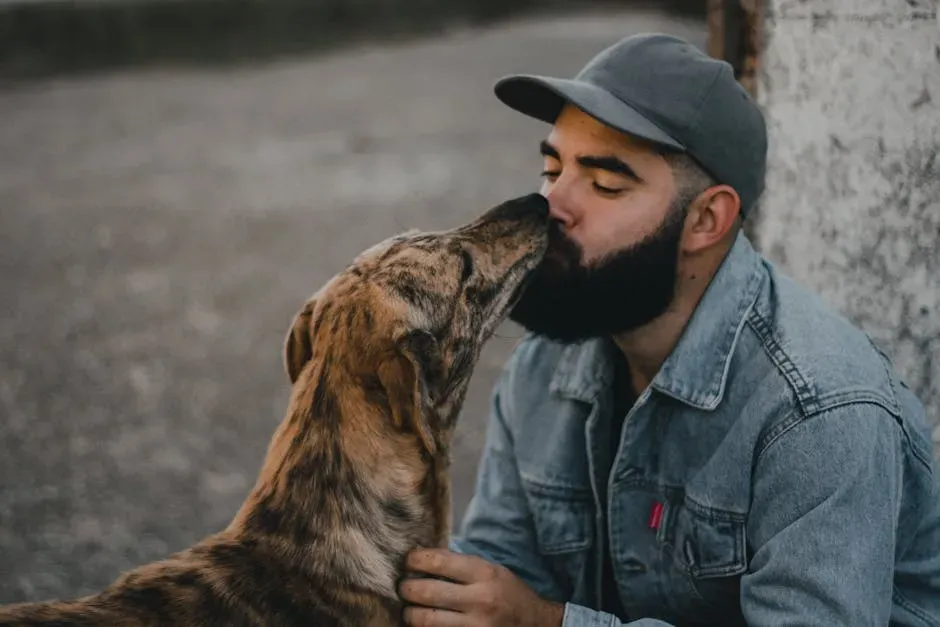
Dogs read our faces, listen to tone shifts, interpret body language, and even detect chemical changes in our scent. This emotional awareness strengthens the bond between humans and their dogs, but it also means our moods directly impact them. Your dog has been reading you like a book for years. That skill doesn’t disappear with age.
Dogs can pick up chemical changes in your body. When you’re stressed, your body releases cortisol, and your dog can smell it. This may explain why dogs often comfort their owners during tough moments. The old dog who quietly rests their head on your knee when you’re having a hard day isn’t guessing. They know something is off, and they remember what they’re supposed to do about it.
10. The Names and Words You’ve Repeated Over the Years
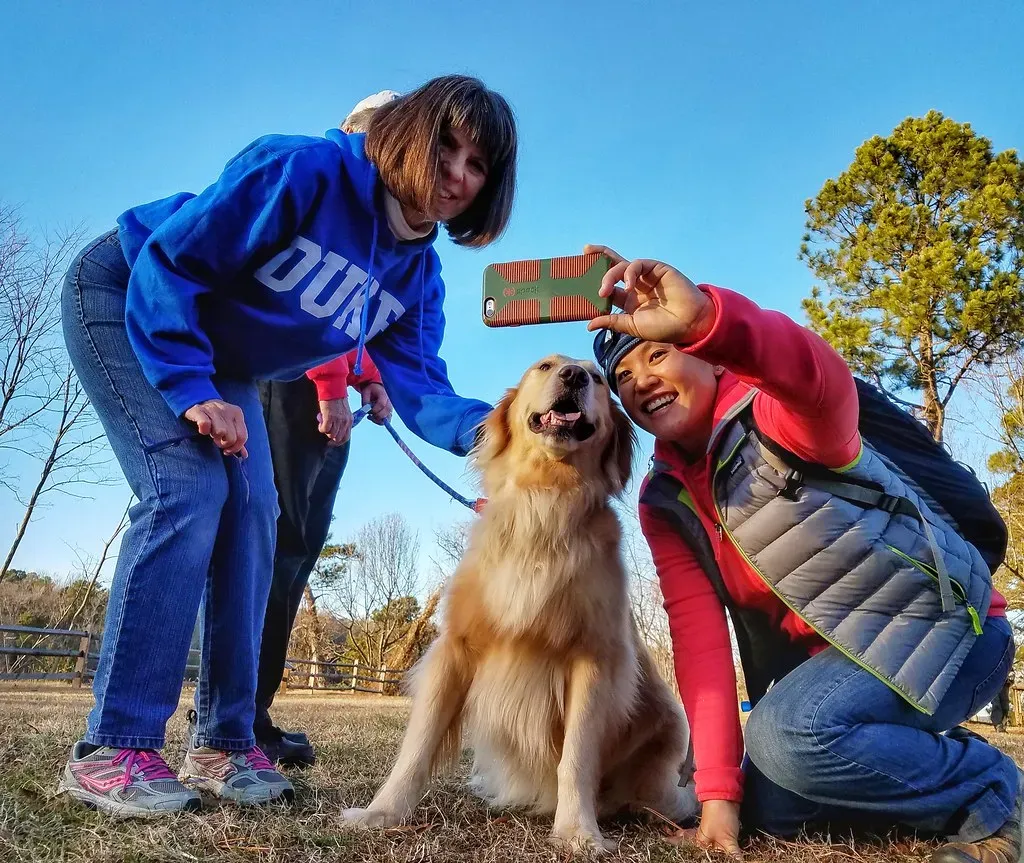
Dogs remember dozens of words we teach them. “Walk,” “ride,” “park,” or even family members’ names are like second nature to your dog. Years of daily language have built up a small but meaningful vocabulary in your dog’s long-term memory. These aren’t just commands – they’re shared language, a form of conversation between the two of you.
Researchers tested five dogs on their ability to recognize the names of twelve labeled toys taught to them during a one-week training session. After the initial study, the toys were removed from the dogs’ environments for two years. When the toys were reintroduced, the dogs still demonstrated an impressive ability to recall the objects’ names, correctly identifying them at a rate significantly above chance. If dogs can remember the names of toys after two years, the words you’ve used with your dog every day carry deep roots.
11. The Specific Feeling of Safety You’ve Built
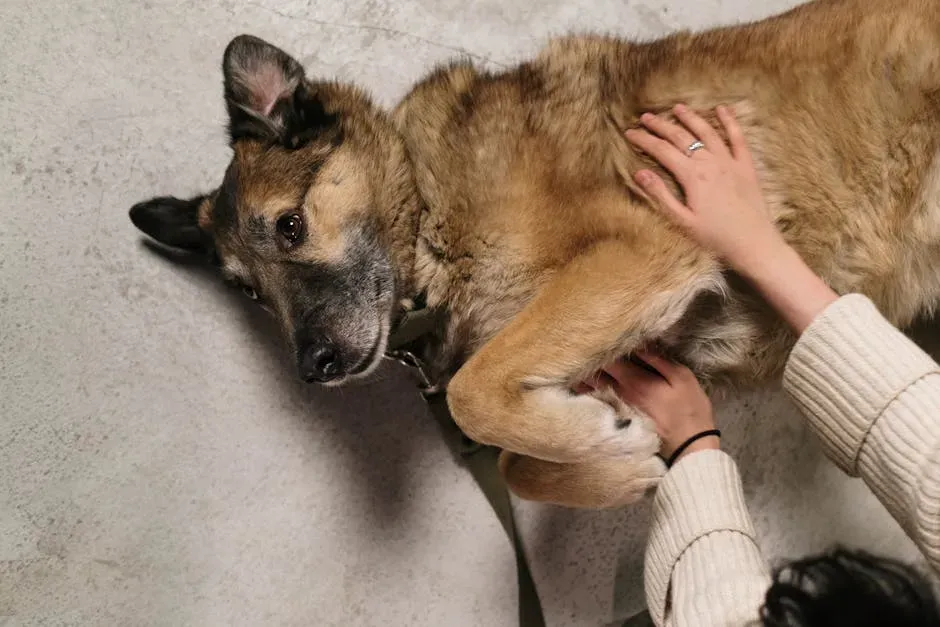
Dogs experience memories differently. They rely less on recall and more on associations related to the emotions they felt – this place made me feel scared, happy, or anxious – or their core needs. Over years of consistent care, you’ve become the single strongest association your dog has with feeling safe. That’s not a small thing. That’s everything, for an animal.
While dogs’ short-term memory typically lasts only a few minutes, their long-term memory can be remarkably enduring, especially when it comes to significant relationships and emotional experiences. Studies have demonstrated that dogs can remember important people in their lives for years, with their memories being particularly strong when associated with positive or negative emotional experiences. You are, for your old dog, the emotional center of their world – remembered not as a detail, but as a feeling that runs through everything.
12. Negative Associations That Still Need Healing
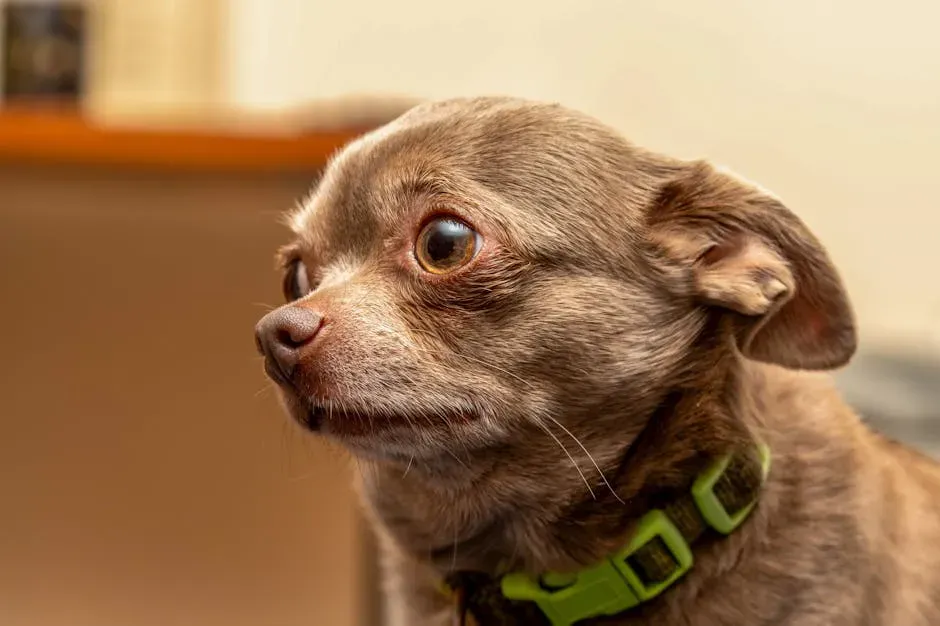
Dogs can carry negative associations about a person or location with them for years, which can cause them to be anxious or upset because of past events. This cuts both ways. While the beautiful memories you’ve made together are stored, so are experiences tied to fear or discomfort – even if your dog can’t consciously replay why.
Dogs form positive and negative associations based on past experiences. For example, formerly mistreated dogs might show signs of fear or anxiety when they experience a similar context, even if they don’t recall the specific details of the trauma. This doesn’t necessarily mean they’re consciously reliving the experience. Instead, a trigger has become associated with negative emotions. You can help dogs overcome negative associations by replacing them with positive ones. If your old dog reacts anxiously to certain sounds, people, or places, take it seriously. Those reactions are genuine emotional memories, and they deserve a gentle, patient response.
13. The Episodic Echoes of Your Life Together
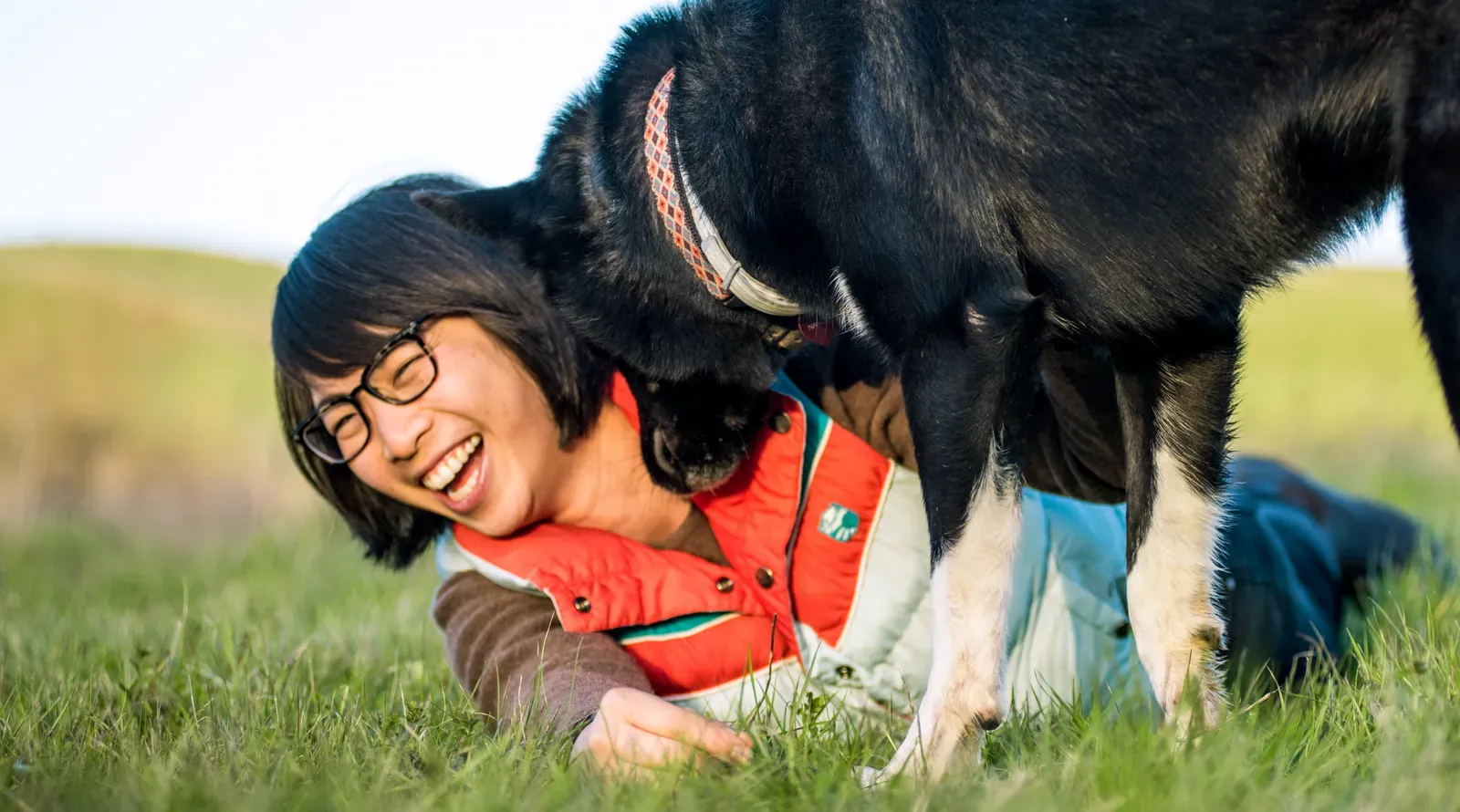
A 2016 study published in Current Biology found that dogs can recall specific actions their owners performed – even if they weren’t told to remember them at the time. This mirrors aspects of human episodic memory. This was a significant finding, because it meant dogs weren’t just storing habits and feelings. They were also holding onto something closer to specific moments.
Dogs were tested on their ability to recall owner actions both one minute and one hour after watching them. The dogs succeeded in 33 of 35 trials. That suggests that dogs have something similar to episodic memory. It doesn’t mean your dog replays memories like a home video. Think of it more like a quiet, felt sense of what happened – a residue of shared experience that shapes how they respond to you even now.
14. How You Move – Your Gait, Your Posture, Your Energy
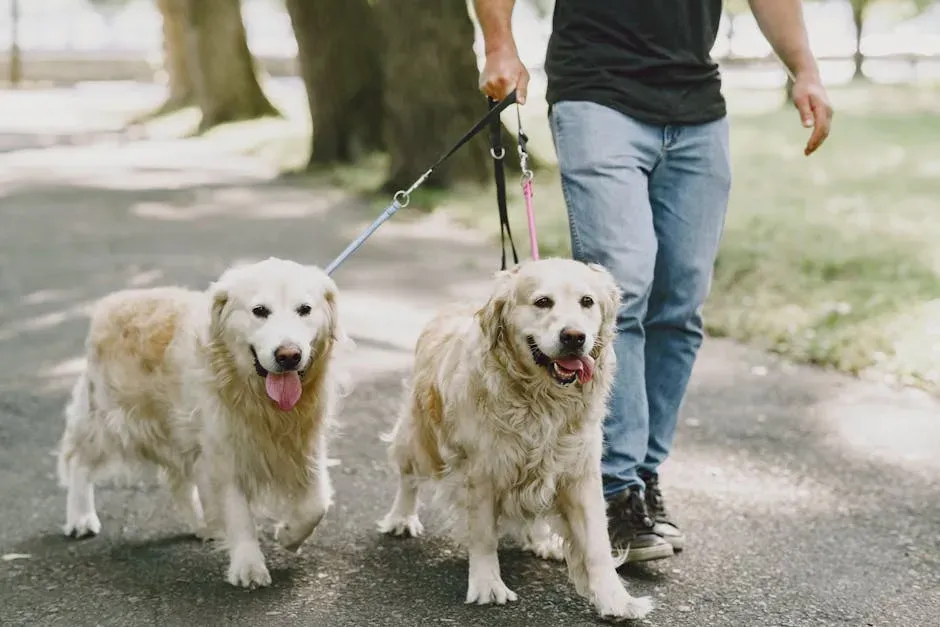
Contrary to popular belief, dogs do recognize people by sight, although not in the same way humans do. While their color vision is limited to a blue-yellow spectrum and their visual acuity isn’t as sharp as ours, they excel at detecting motion and familiar shapes. Your dog has long memorized the specific way you walk into a room, how you carry yourself, and the particular energy your body gives off when you’re relaxed versus rushed.
Dogs can detect subtle changes in your body language, breathing, and voice that indicate your emotional state. Some researchers believe dogs may have mirror neurons that help them “feel” what their humans are feeling – a sort of emotional synchronization. If you’ve ever cried and your dog nuzzled you, or celebrated and your dog jumped with joy, you’ve seen this emotional recognition in action. For a senior dog with dimming senses, the way you move through the world is still a deeply familiar signal.
15. The Fact That You Always Came Back
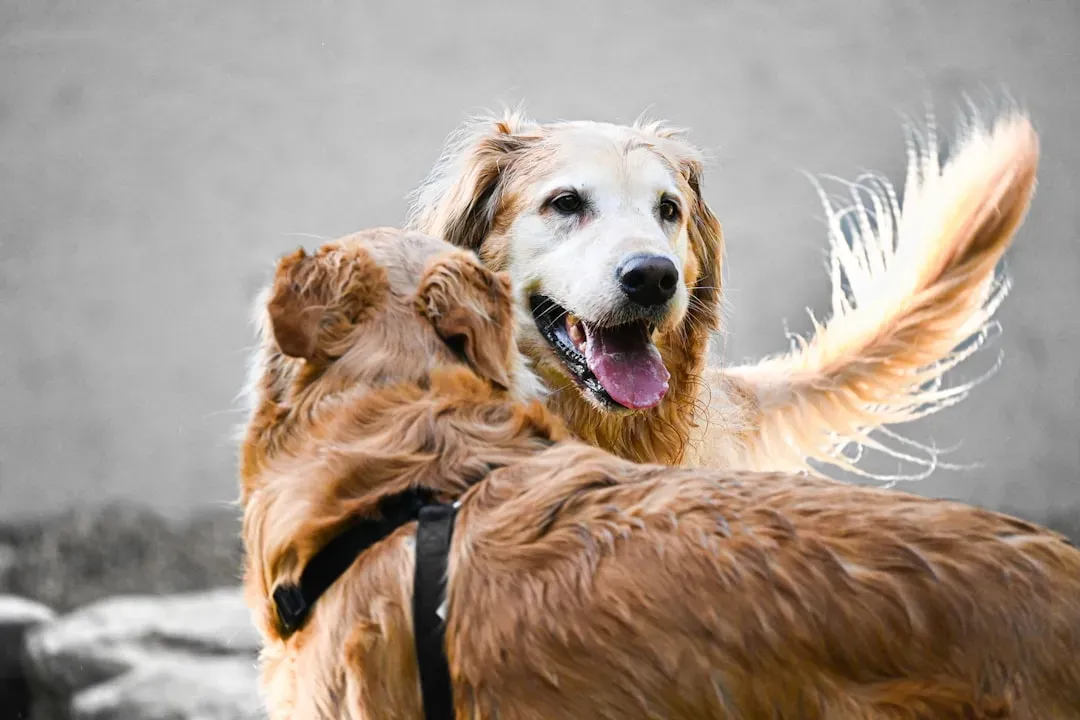
Dogs miss their owners when they leave them for some time. Every day you walked back through that front door, you reinforced one of the most foundational memories your dog holds: you leave, and you return. Over years, that pattern becomes deeply encoded. It’s one reason many dogs can handle your absence better as they age – not because they care less, but because the pattern of your return is one of the most reliable things in their world.
When dogs are reunited with previous owners after long separations, they often show immediate recognition and excitement. This suggests their memories of important people remain intact, even after significant time has passed. The reunion greeting your senior dog gives you each evening – even after just a few hours – is a small version of something that goes very deep. They remember you leave. More importantly, they remember you come back.
16. The Signs That Their Memory May Need Support
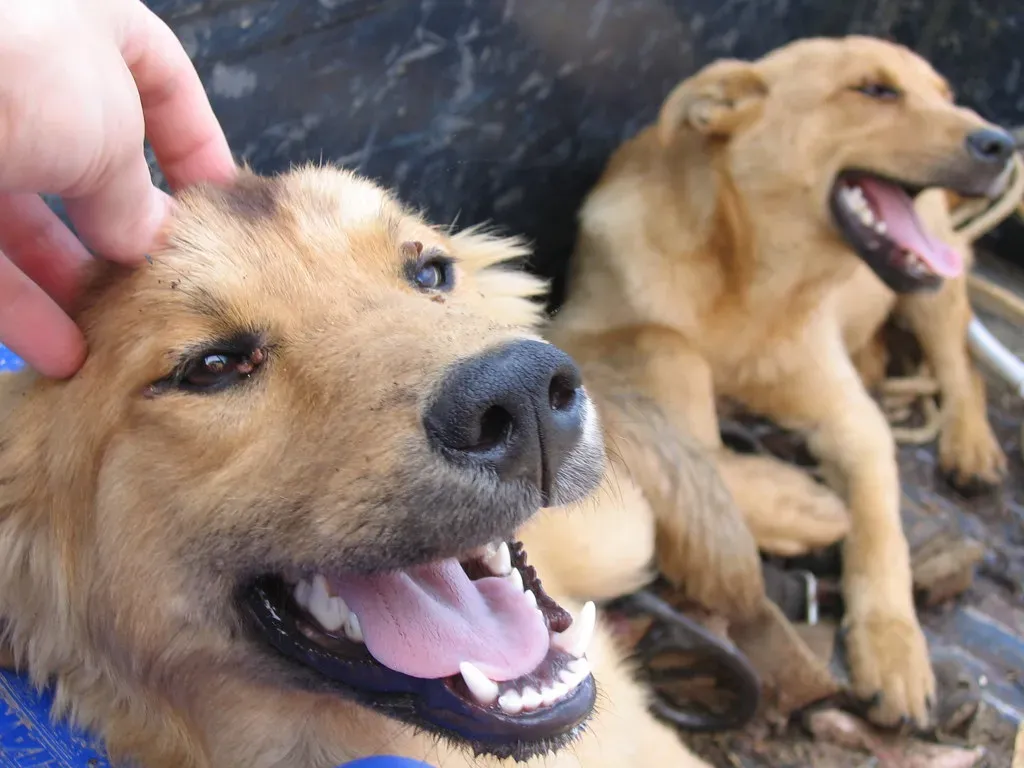
Cognitive dysfunction syndrome (CDS) is a common age-related disease in dogs that affects the brain, causing deterioration similar to Alzheimer’s disease in humans. Dogs may start to develop CDS around nine years of age or older. The condition may be underdiagnosed since the behavioral changes progress slowly, and owners may assume that some changes are a normal part of aging. Knowing what’s normal and what signals a problem is one of the most important things you can do for an aging dog.
The most common signs may include: disorientation – getting lost in familiar places, stuck in corners, staring into space; interaction changes – suddenly clingy or avoidant, not recognizing familiar people; sleep pattern changes – wandering the house at night, sleeping more during the day; house-soiling – urinating or defecating indoors when they were previously house-trained. If you notice any of these patterns, don’t dismiss them as ordinary aging.
The earlier that signs of CDS are detected, the sooner owners can intervene to reverse or slow disease progression. Talk to your veterinarian promptly. Early support – through diet changes, enrichment activities, medication, and environmental modifications – can meaningfully improve your dog’s quality of life during this stage.
17. That You Are Their Person – Completely and Without Question
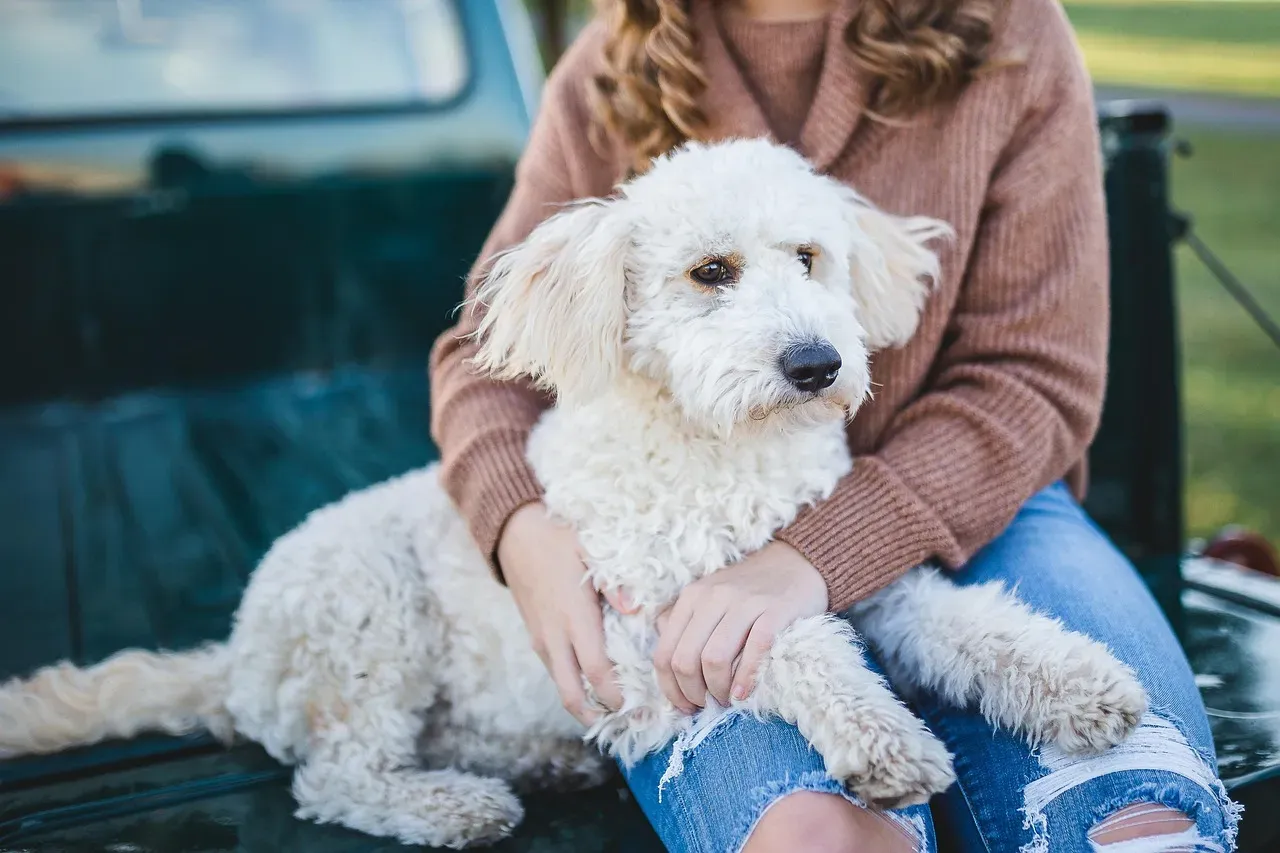
You don’t have to worry about your dog forgetting about you. They might not remember every detail about your time together, but they will always have some sort of sensory and emotional memory of you. Even on the days when your old dog seems a little lost, a little more tired, a little slower to respond – they still know you. Not always by name. Not always by face. But by something older and more certain than any of that.
Your dog definitely recognizes and remembers you. Sure, they may not recall the exact moment you met, but they associate you with positive feelings, treats, playtime, and all the good stuff that comes with being part of the family. For a dog, memory isn’t a timeline. It’s a feeling of belonging. And you are, without question, where your dog belongs.
Your dog might just be a part of your life, but for them, you’re their entire existence. Their relationship with you doesn’t leave their mind, whether you’re in the next room or headed to your car outside. Hold that knowledge close on the hard days. It’s real, and it’s mutual.
Conclusion: What Your Old Dog Is Telling You
Senior dogs don’t remember us the way we remember ourselves. They don’t store photo albums or hold onto linear narratives. What they carry is something more elemental – the smell of you, the sound of you, the emotional texture of every good thing you’ve ever done together. That residue doesn’t wash out easily.
On the hardest days of your dog’s aging journey, when they seem confused or distant or simply worn out by the weight of years, know this: the bond you’ve built is still in there. It lives in their nervous system, their emotional memory, their deeply trained instinct toward you specifically. The tail wag when you walk in isn’t just reflex. It’s recognition. It’s love that learned its shape from you.
Keep showing up for them. Keep using your voice gently. Keep the routines steady and the affection consistent. And if you notice real changes in cognition or behavior, bring them to a vet without delay. Your old dog gave you years of unwavering presence. The very least you can offer in return is the same.


