
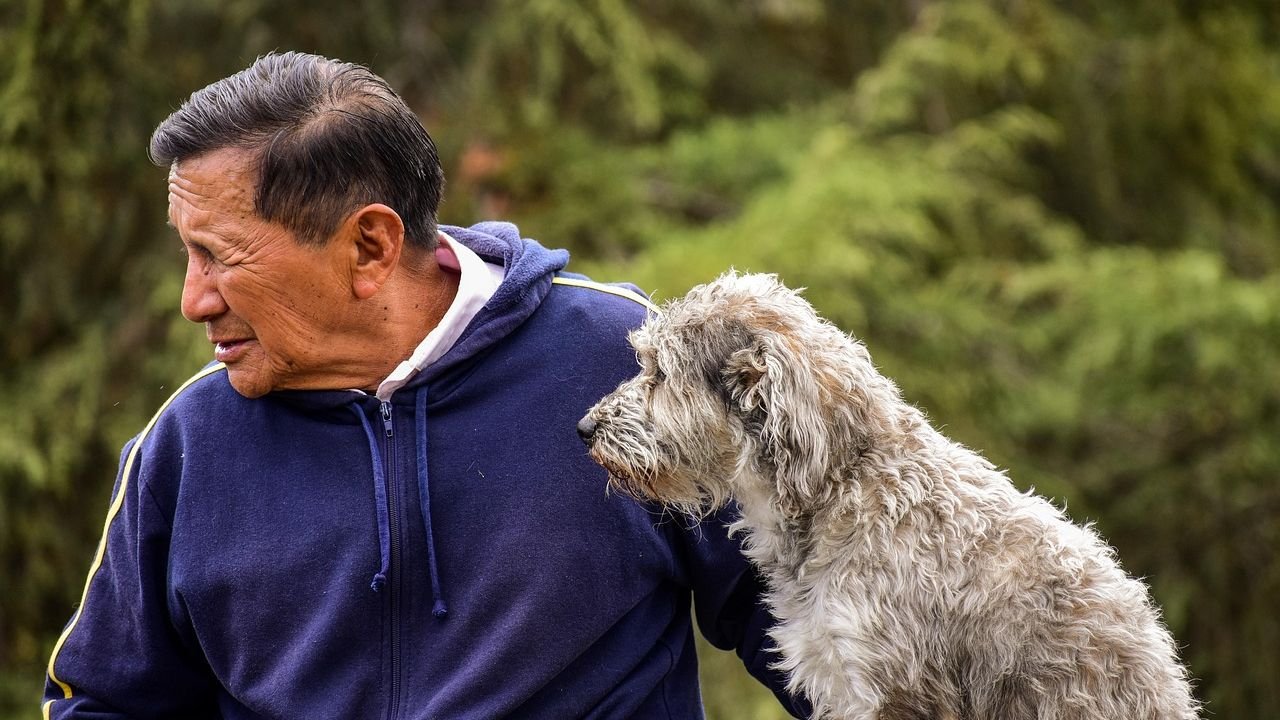
There’s a particular kind of quiet that settles over a house when your dog gets old. The sprinting and the mischief give way to something slower and, honestly, more tender. Your dog still watches you from across the room. They still wag when you reach for the leash. They’re the same companion they’ve always been – just a little slower to rise, a little softer around the edges.
What most dog owners discover during this season is that the grand gestures matter far less than the small ones. A warm bed placed just right. A walk that follows their nose instead of the clock. A hand resting gently on a tired shoulder. These aren’t luxuries. For a dog in their final years, they’re lifelines. Here are sixteen of the most meaningful comforts you can offer your aging dog – grounded in what they actually need, not just what we wish we could give them.
1. The Right Bed in the Right Spot

Unlike in their younger days, older dogs can’t always get comfortable curled up on the floor. Hard surfaces are unforgiving, and the couch might be too far of a jump. That’s not laziness. It’s a body that has worked hard for years and now needs proper support to truly rest.
If your dog has joint issues like arthritis, consider an orthopedic bed or one made of memory foam for joint support. A heated bed or a heating pad on top of the bed can be great for soothing stiffness and aches. Place the bed somewhere your dog can still be near the family. Isolation is never the answer.
2. Non-Slip Surfaces Throughout the Home
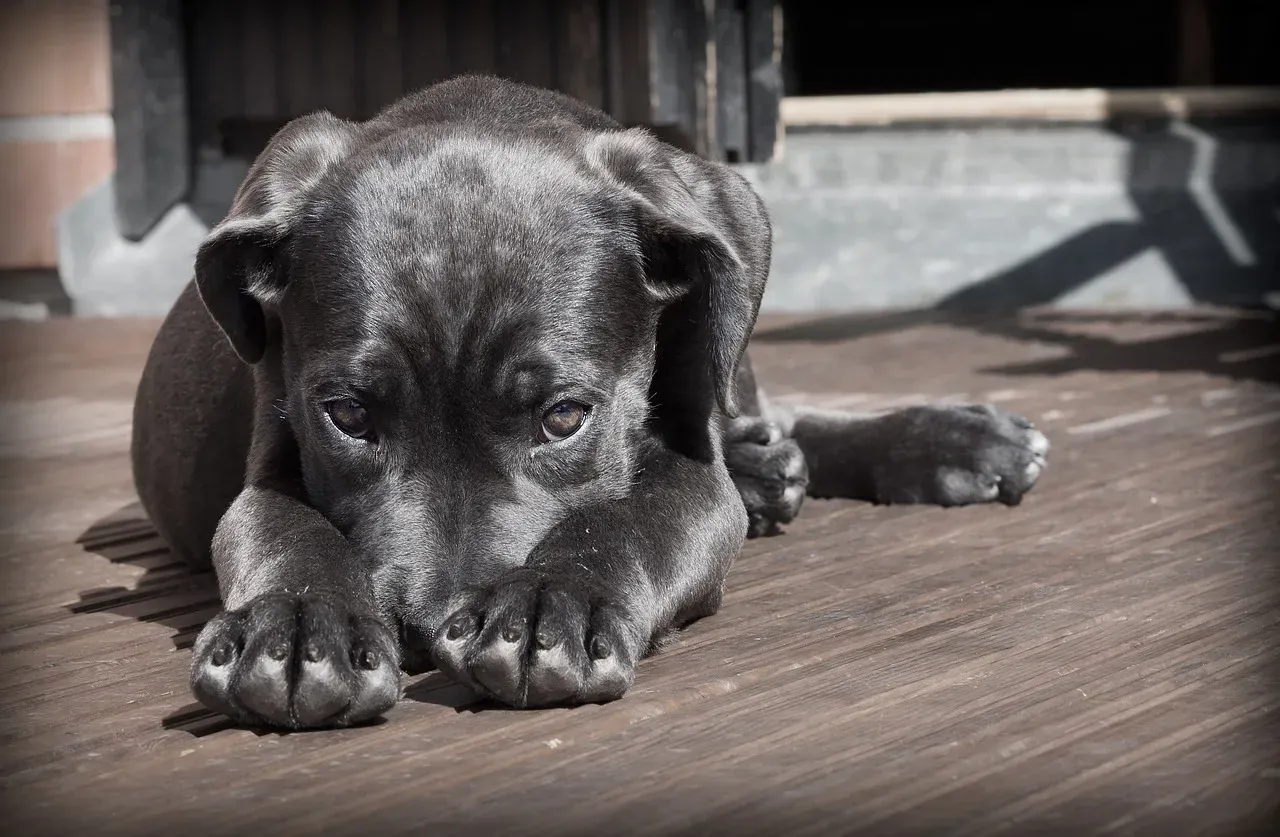
Any little slip may spell significant pain for senior dogs, so much so that they begin to avoid uncarpeted or especially smooth flooring. It’s one of the earliest environmental struggles that often goes unnoticed, precisely because we see the floor every day but our dogs feel it in ways we don’t.
Non-slip flooring via rugs, yoga mats, or traction aids like toe grips reduces the risk of falls. A simple rubber-backed runner along a hallway or through the kitchen can restore your dog’s confidence in navigating their own home. Watch for hesitation at thresholds – it’s one of the clearest behavior cues that traction is an issue.
3. Ramps and Steps to Reach Their Favorite Places
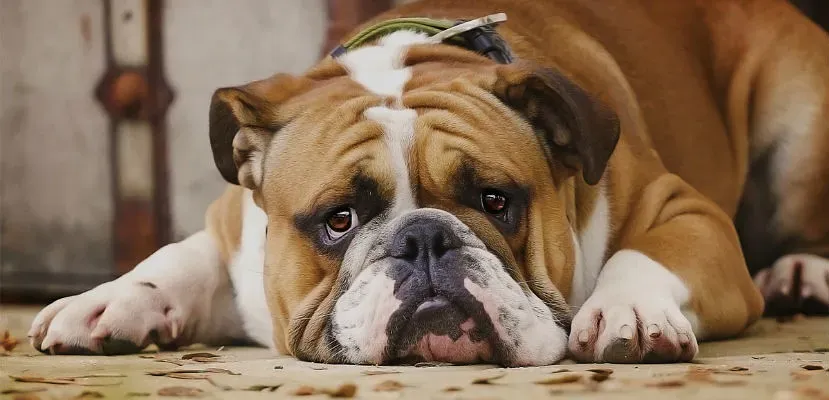
Senior dogs find it hard to navigate their environment. Mobility issues like arthritis, stiff joints, or other painful conditions mean the things they once did with ease, like jumping into the back of the car, are challenging now. That loss of access can quietly chip away at a dog’s sense of security.
Ramps and pet stairs provide safe access to favorite furniture or elevated spaces. This isn’t just about physical ease – these interventions preserve independence, which is deeply meaningful for senior pets and their families. A dog who can still climb onto the sofa beside you is a dog who still feels like part of the household, and that matters enormously.
4. Gentle, Purposeful Massage
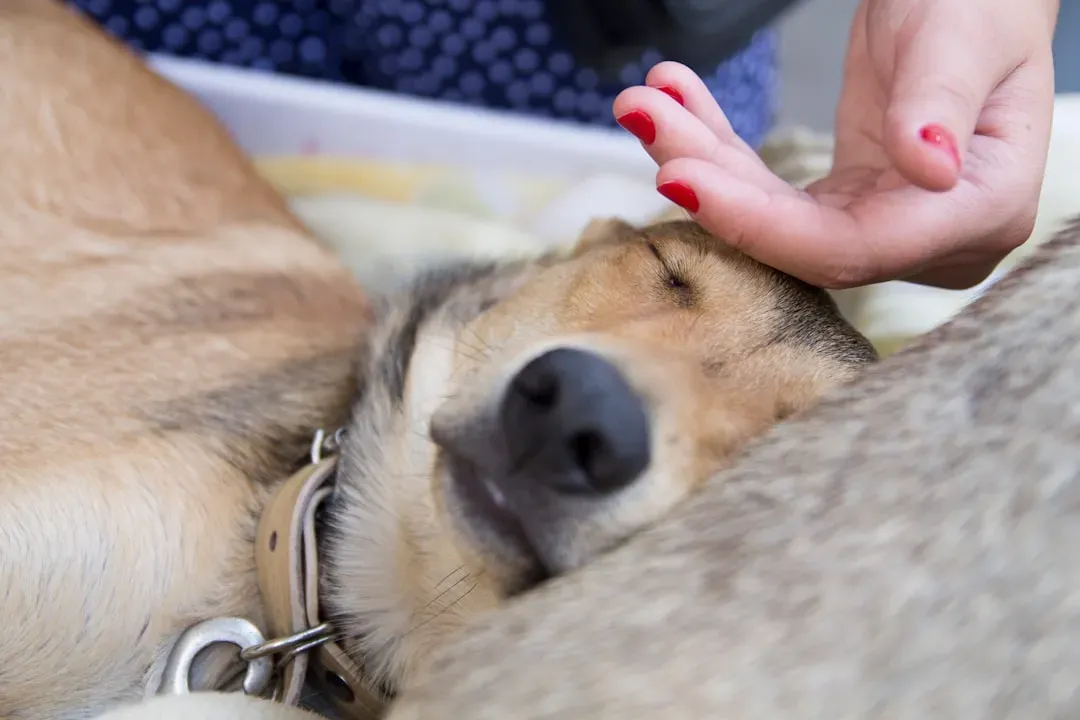
Geriatric dog massage offers a gentle, non-invasive approach to improving your senior dog’s quality of life. With proper technique and regular sessions, massage therapy can help alleviate pain, reduce stiffness, and enhance overall well-being for your aging four-legged friend. It’s one of the most intimate things you can do for a dog who is hurting.
On a physical level, gentle massage promotes circulation to muscles and tissues, which can help with relaxation and flexibility. Muscles that are tight or tense from compensating for stiff joints can benefit from gentle manipulation. Improved circulation brings more oxygen and nutrients to tissues and helps carry away metabolic waste products. Most senior dogs benefit from two to three massage sessions per week lasting ten to fifteen minutes each. Consistency is more important than duration, so shorter, regular sessions are preferable to occasional longer ones.
5. Sniff Walks That Let Their Nose Lead the Way
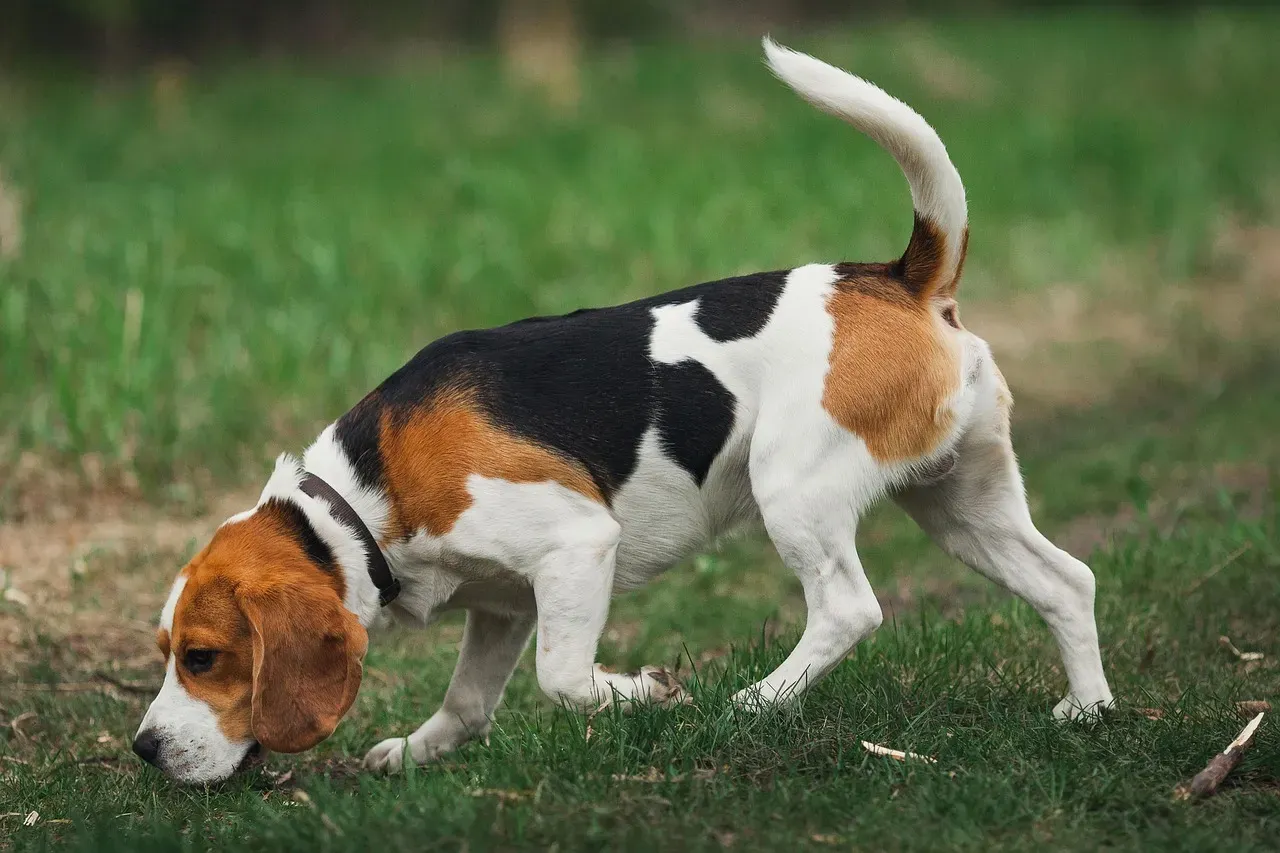
Allowing your dog to go on sniff walks is vital for their overall mental well-being. The act of sniffing provides mental stimulation and enrichment as it activates their brain and engages their senses. It’s like solving puzzles or reading a captivating book for them. This mental stimulation is particularly important for senior dogs who may have physical limitations but still crave activity. It can help keep their brain sharp.
Sniffing activates many parts of a dog’s brain, releasing the pleasure hormone dopamine and promoting rest, thereby helping to reduce stress. Studies also show sniffing can decrease a dog’s heart rate, further lowering anxiety. Research suggests that mental stimulation can help delay cognitive decline in aging dogs, keeping their brains sharp. Slower, sniff-heavy walks are also gentler on arthritic joints, making them ideal for older pets. Swap miles for minutes. Let your old dog take all the time they want at that patch of grass.
6. A Consistent Daily Routine
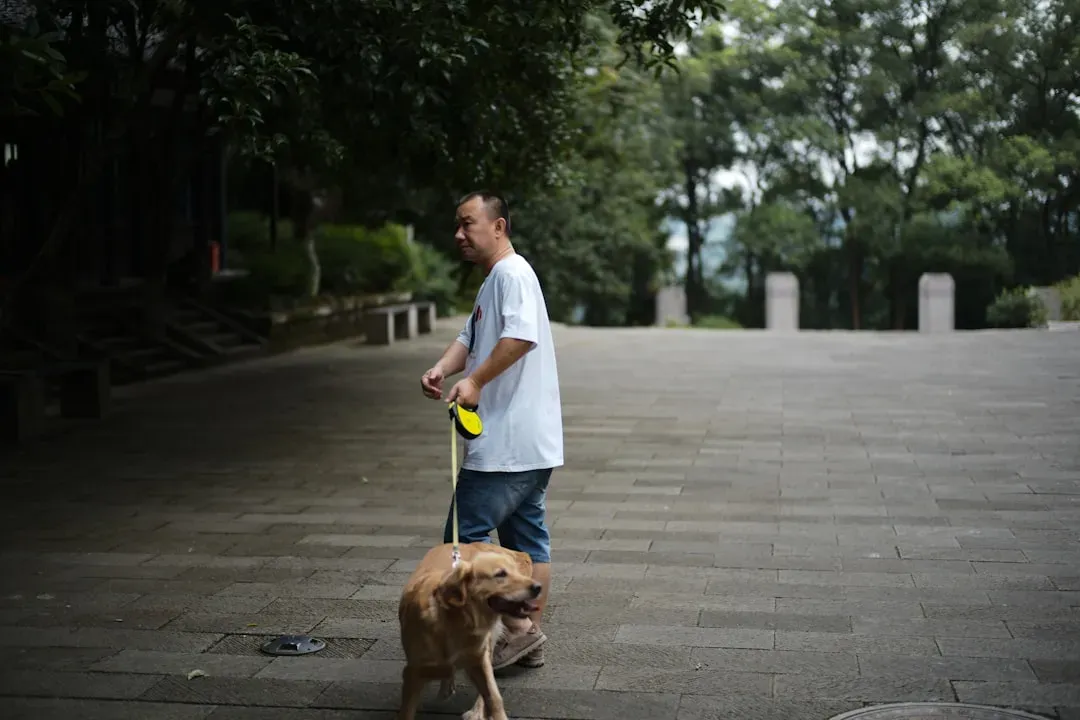
Emotional enrichment is vital. Predictable routines, regular social interaction, and consistent human connection help reduce anxiety, particularly for pets experiencing cognitive dysfunction. Routine isn’t boring to a dog. It’s reassuring. It tells them the world is still safe and knowable, even when their senses are beginning to fade.
Maintaining a consistent routine reduces anxiety. Providing gentle social interaction and avoiding overwhelming them with loud noises or too much activity goes a long way in keeping a senior dog grounded. Think of it this way: if your dog knows exactly when breakfast is coming, when the walk happens, and when you’ll be home, there’s one less thing for their aging brain to worry about.
7. Temperature Control and Warmth
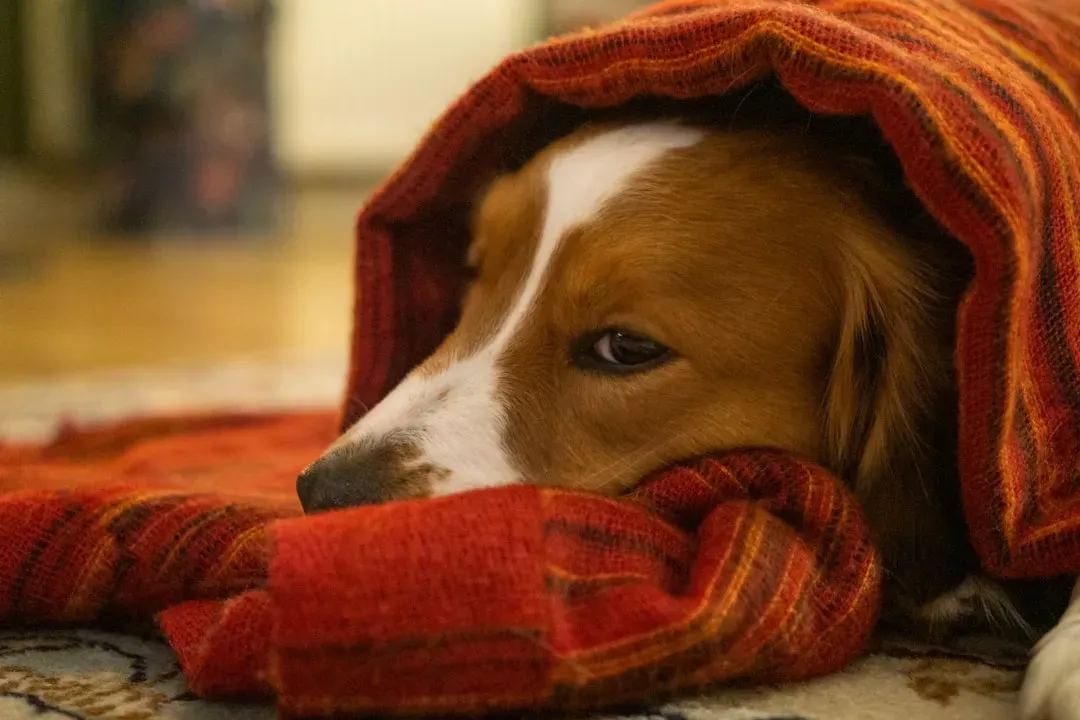
Older pets are more sensitive to temperature extremes due to thinner fur, reduced muscle mass, and slower circulation. A dog who once slept comfortably on tile may now shiver in the same room. These changes don’t announce themselves dramatically – they creep in gradually, season by season.
Senior dogs, regardless of breed, are more susceptible to hot and cold weather, so make sure you’re able to keep them cool during summer and warm during winter. Fans and air conditioning help with heat, while coats help with cold. Adding more blankets to their beds and even considering keeping a coat on your dog while they’re inside if it’s extra chilly are simple fixes that make a real difference. Seniors often get a heat spike between one and three in the morning, and keeping the house cool at night can reduce night-waking.
8. Raised Food and Water Bowls
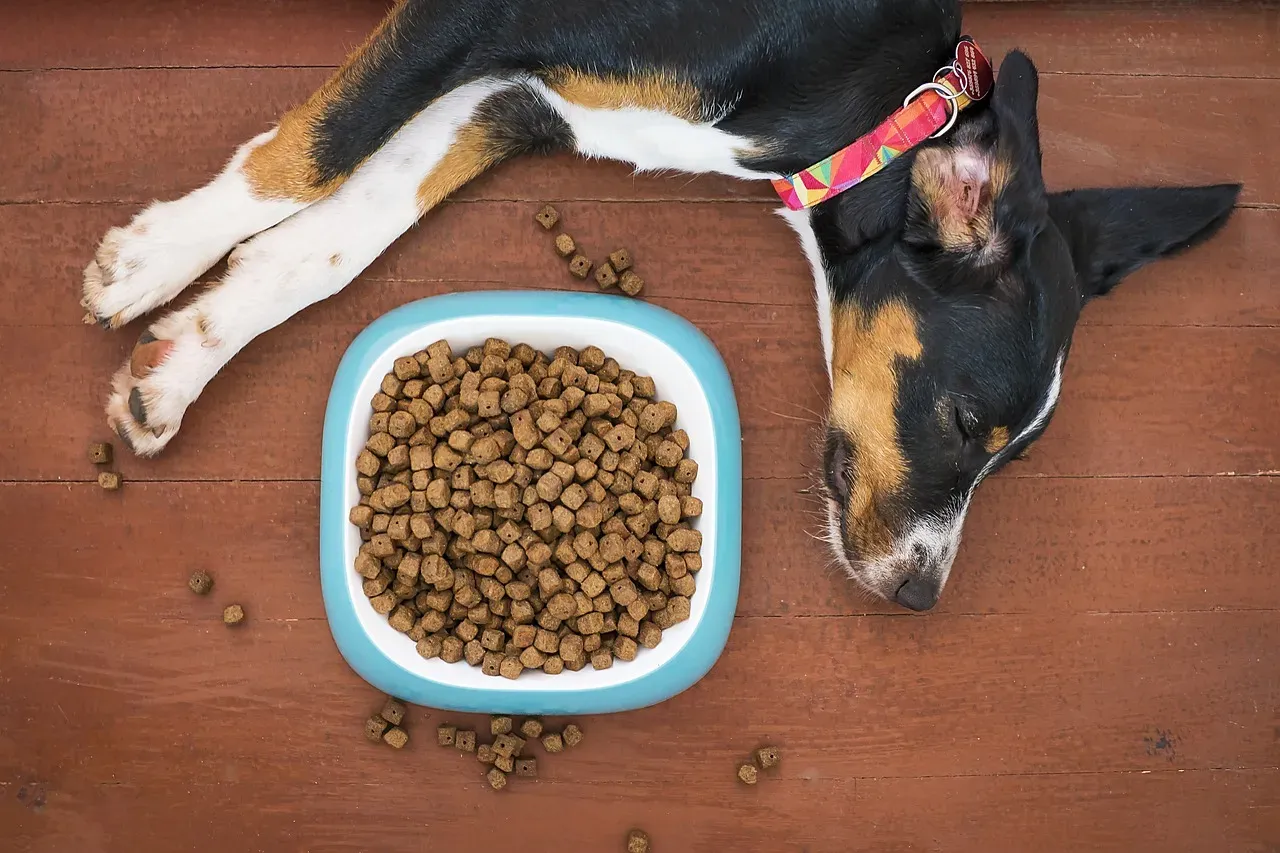
You can make life at home more comfortable for your aging dog by raising your pet’s water and food bowls to make it easier for them to eat and drink without bending over as far. It’s a small adjustment that requires almost no effort from you, yet it can meaningfully reduce strain on a dog dealing with neck stiffness or arthritis in their front legs.
Monitor how much your pet is eating and drinking and mention any changes in their eating habits or weight to your vet, as there could be an underlying medical reason. If you have other, younger dogs in the house, make sure your senior dog can get to their food without having to compete with their more agile housemates. If your senior dog’s appetite wanes, they’re probably not being picky but may be suffering from a growing health problem. Report this to your veterinarian.
9. Regular, Gentle Grooming Sessions
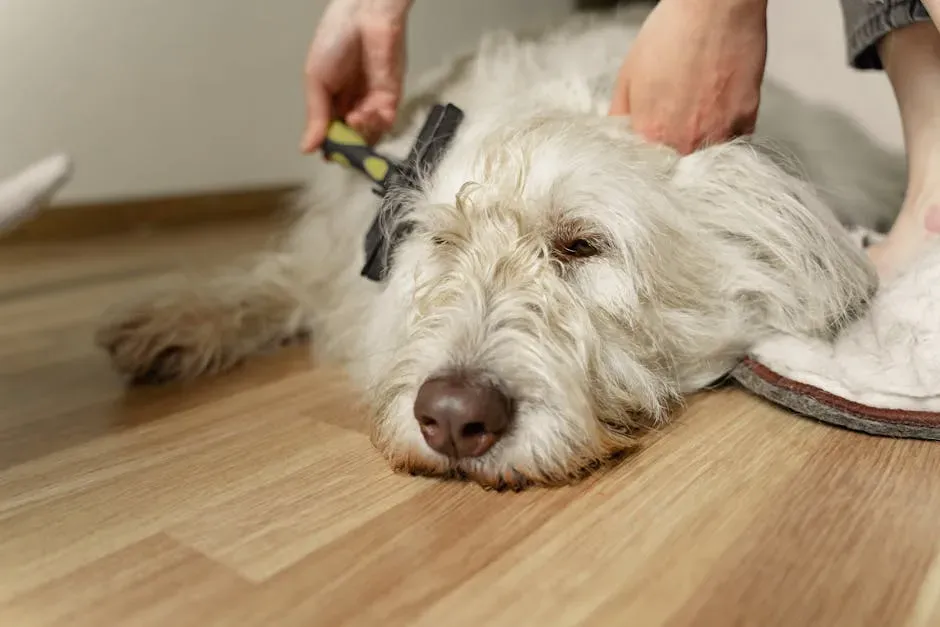
While regular grooming is recommended for all dogs, it’s extremely important for senior pets’ overall health. Frequent brushing of their fur can help prevent their hair from getting matted. Mats can contribute to skin infections and may hide skin tumors. Your hands on your dog’s coat are doing more than tidying up – they’re providing early detection and quiet comfort all at once.
Properly clipped toenails are also essential. Long toenails may cause your dog to stand or walk abnormally, resulting in pain or accelerating arthritis. Grooming your senior dog regularly provides quiet bonding time with your pet. It also gives you an opportunity to check their bodies for changes. Consistent grooming helps keep fur matting at bay, and cleans away excess drool, eye discharge, and other bodily secretions.
10. Twice-Yearly Vet Visits
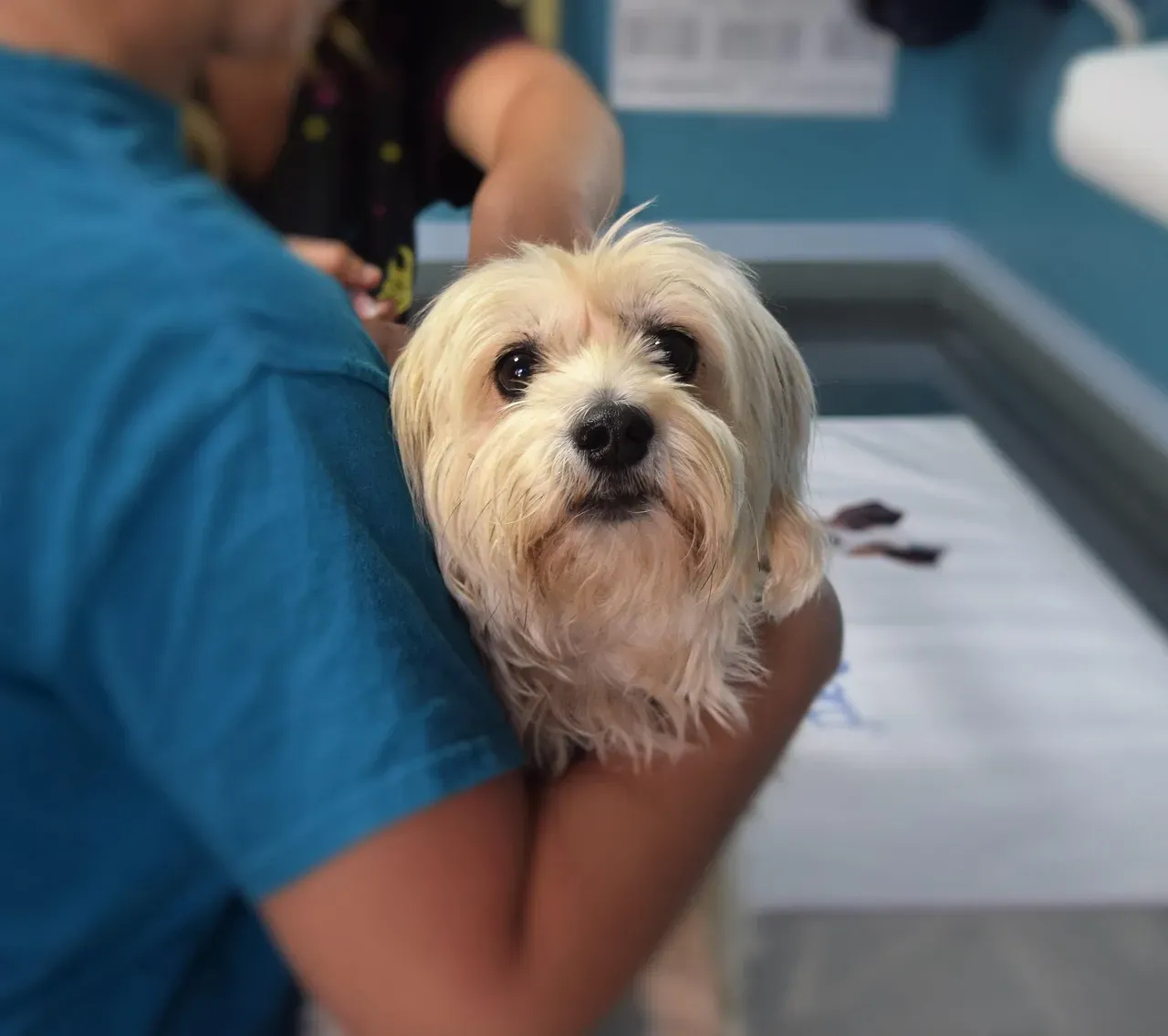
Nearly half of pets in the U.S. don’t visit their primary care veterinarian during the final year of life, leaving many age-related concerns unaddressed until critical problems arise. That’s a heartbreaking statistic, especially since so many of the conditions seniors face are far more manageable when caught early.
Senior dogs should be examined every six months or more often if recommended by your veterinarian. Early detection and prevention of senior dog issues are key to prolonging your dog’s quality of life. As pets age, they need more frequent medical examinations and diagnostic work-ups such as blood work, urinalysis, blood pressure measurement, and even X-rays to detect early signs of disease. Think of these visits not as a response to illness but as an investment in comfort.
11. Keeping the Home Environment Consistent

It’s important to support and comfort a senior dog experiencing vision or hearing loss by keeping the surroundings consistent, such as avoiding rearranging furniture and keeping food and bowls in the same place. What looks like a simple furniture rearrangement to you can create genuine disorientation for a dog whose sight or cognition has started to slip.
If possible, use touch cues to replace verbal commands, such as a single tap for sit or two taps for come, and stomp lightly on the floor or tap the bed before touching your dog to avoid startling them. Use night lights and avoid clutter on the floors to keep pathways safe, and try to keep daily routines for feeding and walking. These are the kinds of micro-adjustments that speak volumes of care without a single word.
12. Mental Enrichment Through Puzzle Toys and Scent Games
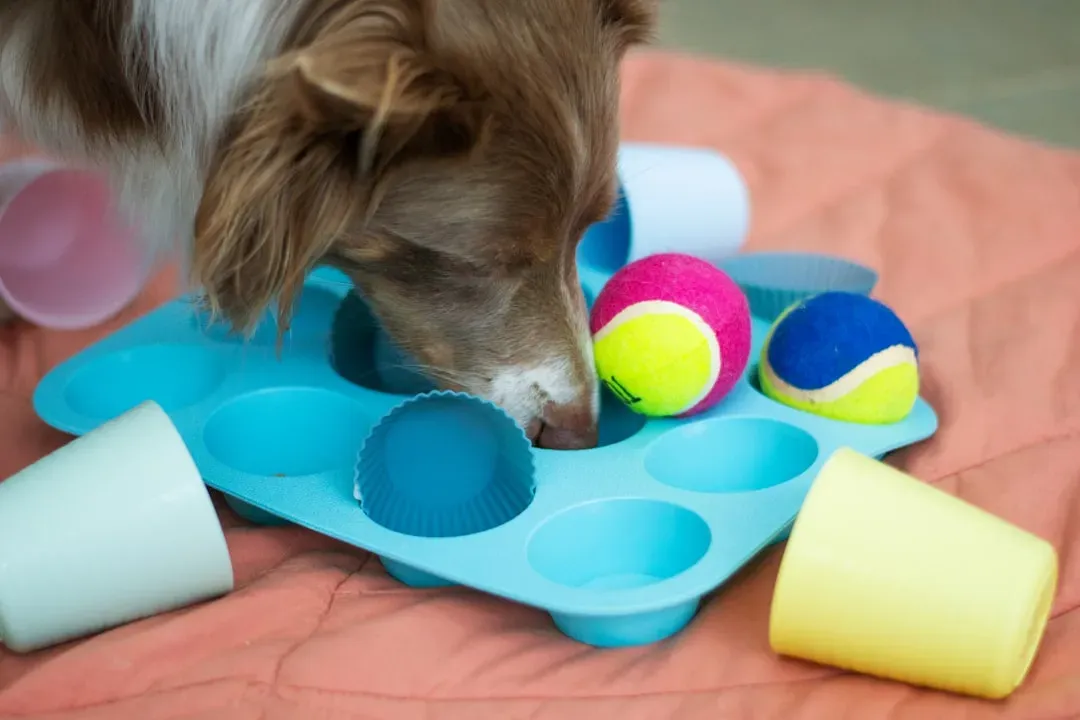
Enrichment is not optional for older pets – it is essential. Cognitive decline, mobility challenges, and anxiety often emerge during the senior years, and these can be moderated with structured cognitive, physical, sensory, and emotional enrichment. A tired brain, like a tired body, settles more easily into peaceful rest.
Most senior dogs love sniff walks where you let them explore at their own pace and track every scent. They also love puzzle toys that challenge them to solve a problem to obtain a toy or treat. Gentle sniff-and-search games challenge cognitive function and foster engagement without putting undue stress on joints. Scent-based tasks help maintain mental sharpness and offer rewarding enrichment.
13. Watching for Hidden Pain and Behavior Changes
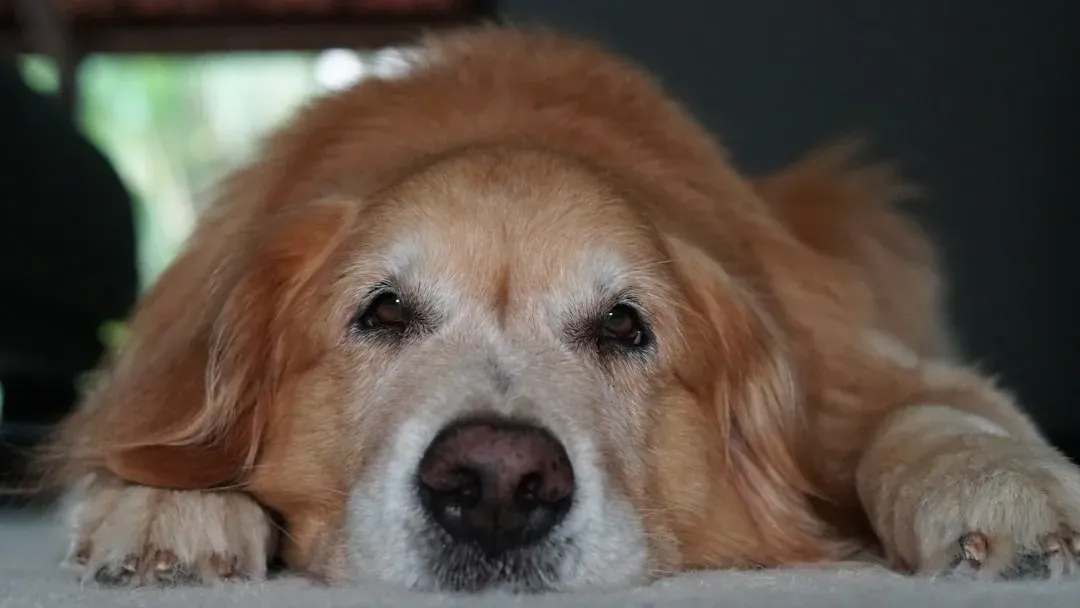
Senior dog behavior changes are often caused by aging-related physical, metabolic, cognitive, or sensory decline, not just old age. Pain, arthritis, and chronic medical conditions commonly drive behavior changes and may be subtle or hidden. This is one of the most important things to understand: dogs are extraordinarily good at masking discomfort, and the quiet ones often need help the most.
When you see your dog every day, subtle changes in their overall pain, gait, demeanor, and energy level may go unnoticed until they are dramatic. If your formerly sweet dog has been a bit on the grouchy side lately, it may be due to a medical issue, so get them checked out. Pain can make anyone cranky and more prone to snap. A change in personality is rarely attitude – it’s almost always a signal worth taking seriously.
14. More Frequent Bathroom Breaks
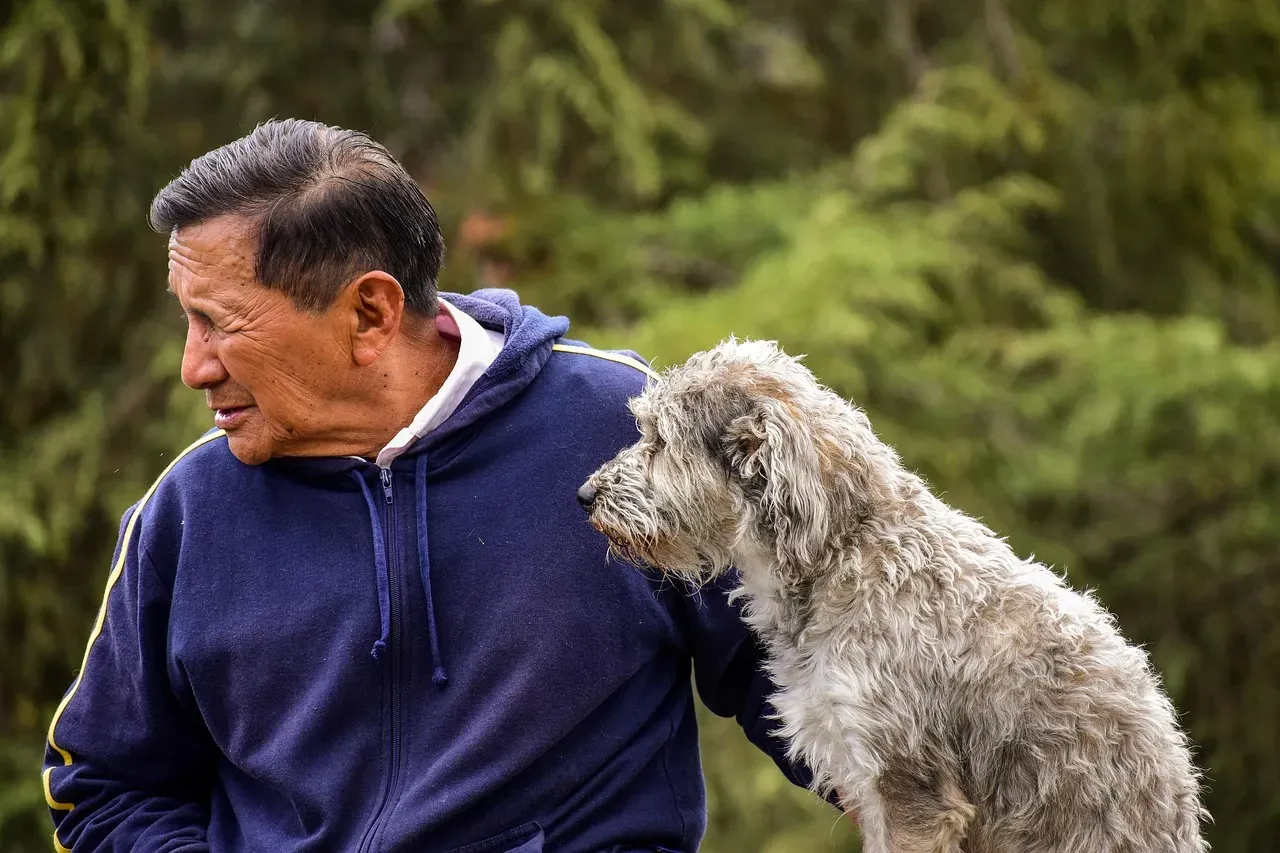
As your dog ages, they may feel the urge to answer nature’s call more frequently and may not be able to let you know quickly enough. Help them by increasing the frequency of potty breaks, installing a doggie door to a securely fenced yard, and lining bedding with plastic to make for easy clean-up. Accidents in a house-trained dog are almost never willful – they’re a sign of a body that simply can’t wait the way it once did.
A soft, cozy dog bed away from drafts will help keep them warm and will be comfortable for aching joints. They may need to go to the toilet more frequently, so make sure they have regular access to their toilet area. Responding with patience rather than frustration is one of the most genuine forms of love you can offer a dog who is doing the very best they can.
15. Adapting Exercise to What Their Body Can Handle
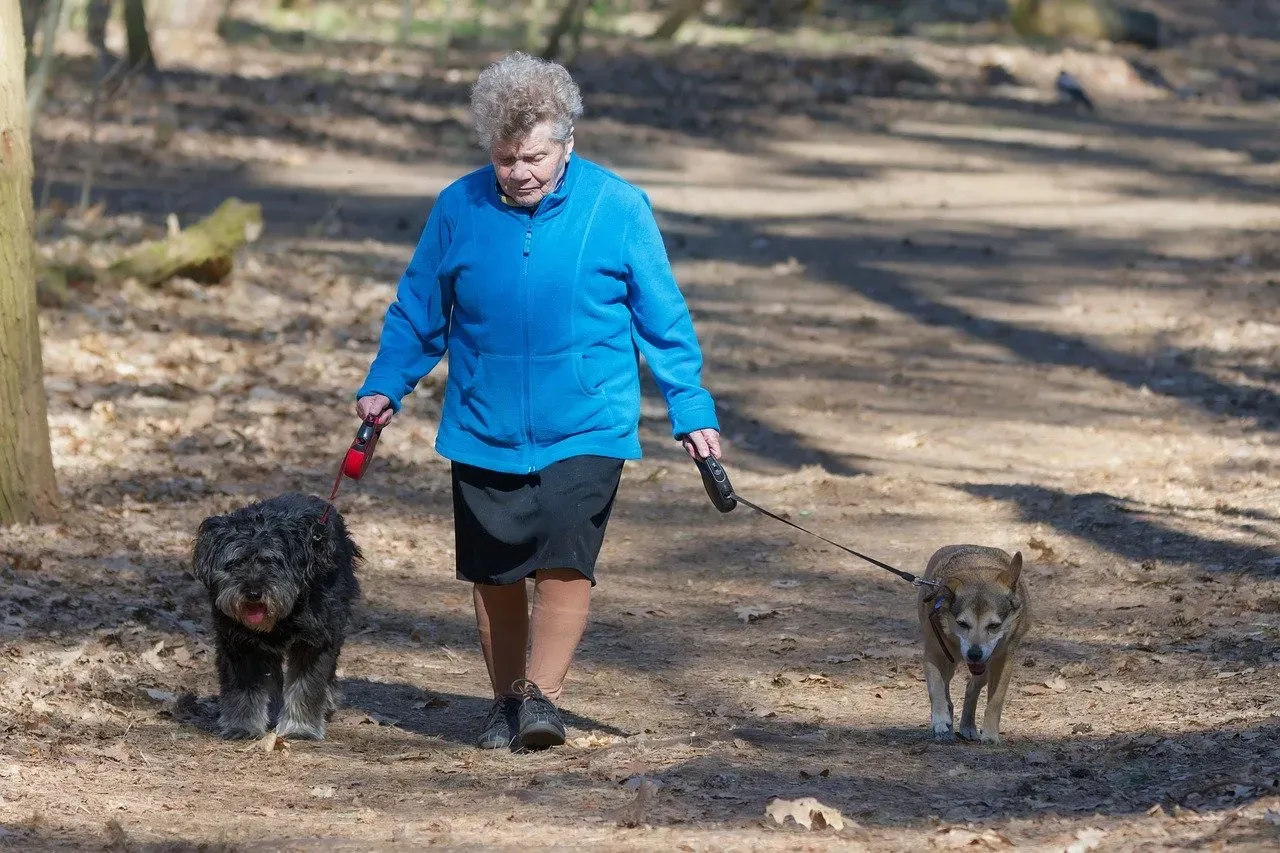
Just because your dog is old in body doesn’t mean they’re old in spirit. Your senior dog will still want to spend quality time with you, and exercise will help keep their body strong and mind active. While they might not be able to run and play for as long as they once did, making sure they get outside is still important. Keeping your dog active allows their body to keep moving and stay loose rather than being stiff and painful.
Although they may be slowing down, senior dogs still need regular exercise. Not only will this help stop them putting on weight, but it gives them a chance to explore and meet other dogs and people. They may need shorter walks though – little and often – and you may need to lift them in or out of the car or get a ramp. Soft or grassy paths lessen impact on aging bones and provide better traction. Maintaining a steady, slow pace reduces stress on weaker limbs.
16. The Simple, Irreplaceable Gift of Your Presence
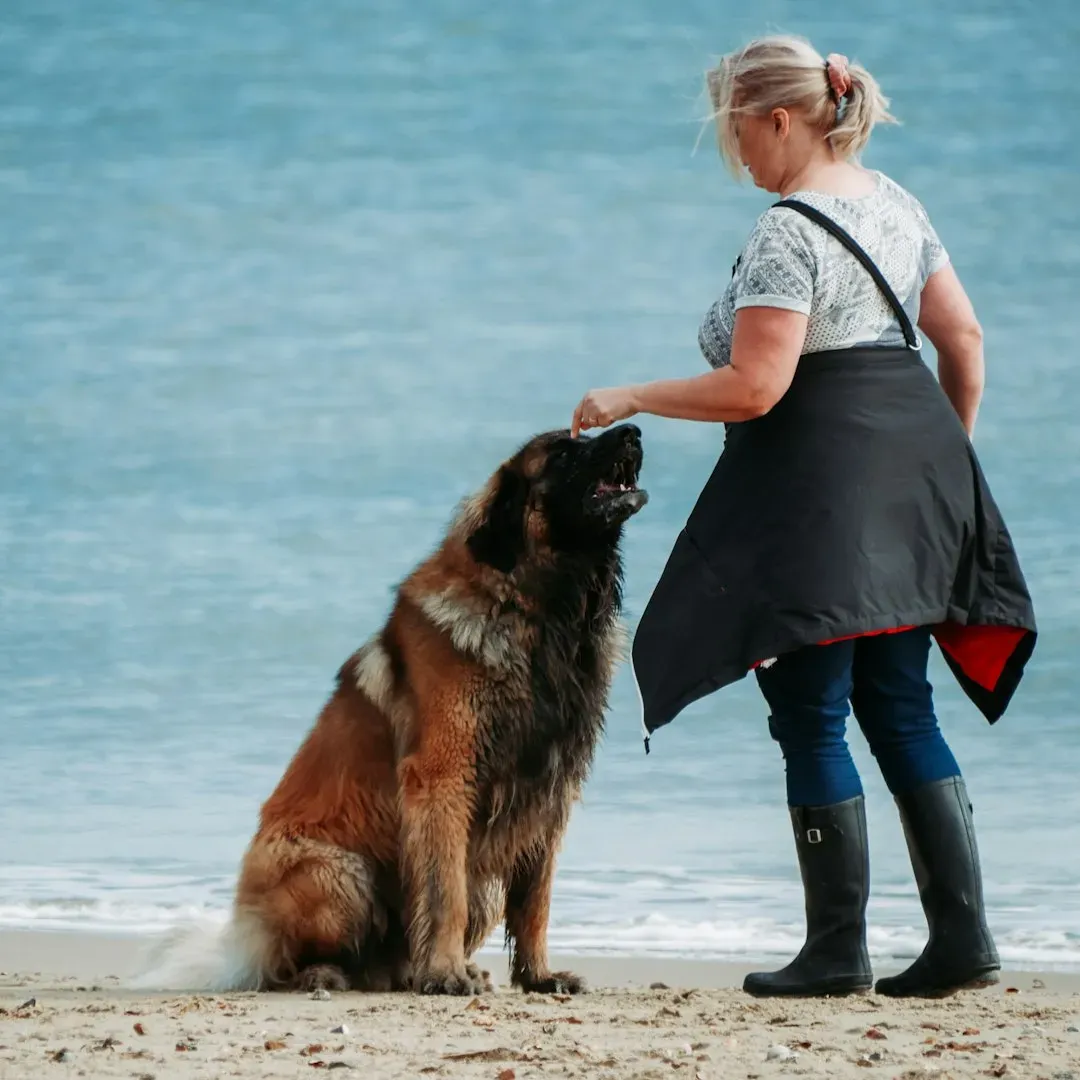
As your dog grows older, their needs begin to change. While they may slow down physically, their need for love, attention, and proper care becomes even more important. Understanding how to support your aging pet can make a meaningful difference in their quality of life. No supplement or orthopedic bed fully replaces what your presence provides.
On an emotional level, massage and close contact strengthen the bond between you and your dog. The quiet, focused time together provides comfort and reassurance, particularly for dogs who may be experiencing confusion or anxiety related to aging. With attentive care and compassion, you can help ensure your dog’s comfort and dignity in their final days. Sometimes you don’t need to do anything special at all – just be there, close, consistent, and calm.
Conclusion: The Quiet Weight of Golden Years
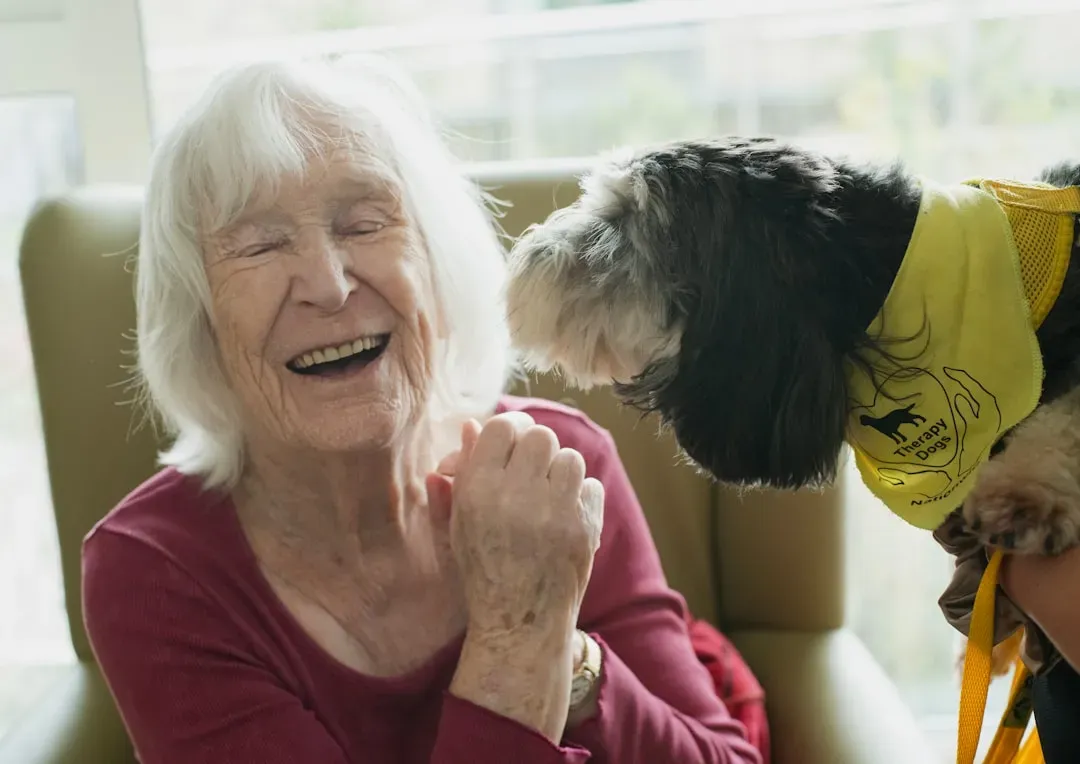
Caring for a senior dog isn’t always dramatic. It rarely looks like a big rescue or a medical miracle. More often, it looks like moving the water bowl closer. Like pausing at every bench on a short walk and calling it perfect. Like sitting on the floor beside a dog who can’t quite make it to the couch anymore.
Simply making a few small modifications can bring extra comfort throughout your dog’s golden years. The cumulative weight of all these small acts – the right bed, the gentle massage, the patient bathroom break, the sniff walk that goes wherever the nose wants – builds something profound. It tells your dog, without words, that they are still loved, still seen, and still very much your dog.
That’s not a small thing. For them, it’s everything.


